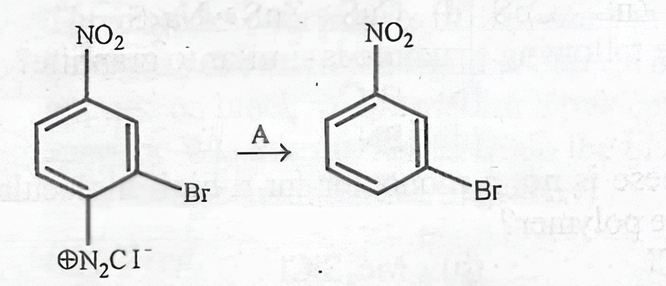
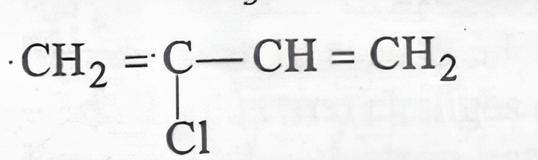
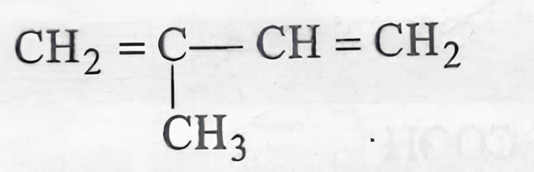
NEET-UG 2013 Question Paper

QUESTION PAPER

2013 NEET EXAM

NEET-UG 2013 Question Paper

2013

NEET-UG

CBSE EXAMINATION PAPER-2013

NEET-ZOOLOGY

(Solved)

Time allowed : 3 hours

Maximum Marks : 720

General Instructions :

Read the following instructions carefully and follow them :

  1. This question paper contains 180 questions. All questions are compulsory.
  2. This question paper is divided into 1 sections.
  3. Section A – questions number 1 to 180 are multiple choice questions
  4. There is no overall choice given in the question paper. However, an internal choice has been provided in few questions.
  5. Use of calculator is NOT allowed.

Section A

Question 1.

In an experiment four quantities a, b, c and d are measured with percentage error 1%, 2%, 3% and 4% respectively.

Quantity P is calculated as follows P = a³b²/cd % error in P is:

[4 Marks]
  • (A) 10%
  • (B) 7%
  • (C) 14%
  • (D) 4%
Question 2.

A stone falls freely under gravity. It covers distances h₁, h₂ and h₃ in the first 5 seconds, the next 5 seconds and the next 5 seconds respectively. The relation between h₁, h₂ and h₃ is

[4 Marks]
  • (A) h₁=h₂=h₃
  • (B) h₂=3h₁ and h₃=3h₂
  • (C) h₁=h₂/3=h₃ /5
  • (D) h₁=2h₂=3h₃
Question 3.

The velocity of a projectile at the initial point A is (2î + 3ĵ) m/s. It's velocity (in m/s) at point B is
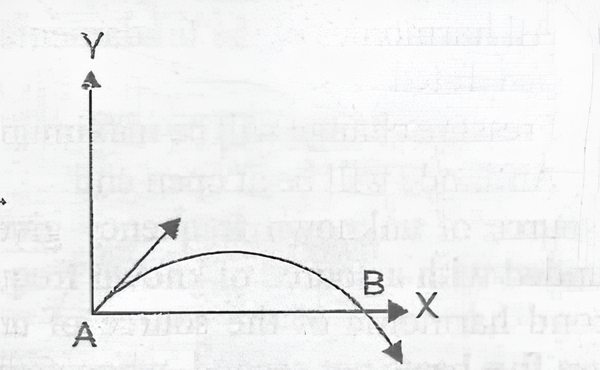
[4 Marks] Diagram 1 – NEET-UG 2013 Question Paper
  • (A) -2î - 3ĵ
  • (B) 2î + 3ĵ
  • (C) 2î - 3ĵ
  • (D) -2î + 3ĵ
Question 4.

The upper half of an inclined plane of inclination θ is perfectly smooth while lower half is rough. A block starting from rest at the top of the plane will again come to rest at the bottom, if the coefficient of friction between the block and lower half of the plane is given by

[4 Marks]
  • (A) μ = 2 / tan θ
  • (B) μ = 1 / tan θ
  • (C) μ = 2 tan θ
  • (D) μ = tan θ
Question 5.

A uniform force of (3î + ĵ) newton acts on a particle of mass 2 kg. The particle is displaced from position (2î+ k̂) meter to position (4î + 3 ĵ - k̂) meter. The work done by the force on the particle is

[4 Marks]
  • (A) 6 J
  • (B) 15 J
  • (C) 9 J
  • (D) 13 J
Question 6.

An explosion breaks a rock into three parts in a horizontal plane. Two of them go off at right angles to each other. The first part of mass 1 kg moves with a speed of 12 ms⁻¹ and the second part of mass 2 kg moves with speed 8 ms⁻¹. If the third part flies off with speed 4 ms⁻¹ then its mass is

[4 Marks]
  • (A) 3kg
  • (B) 7kg
  • (C) 17kg
  • (D) 5kg
Question 7.

A rod PQ of mass M and length Lis hinged at end P. The rod is kept horizontal by a massless string tied to point Q as shown in figure. When string is cut, the initial angular acceleration of the rod is
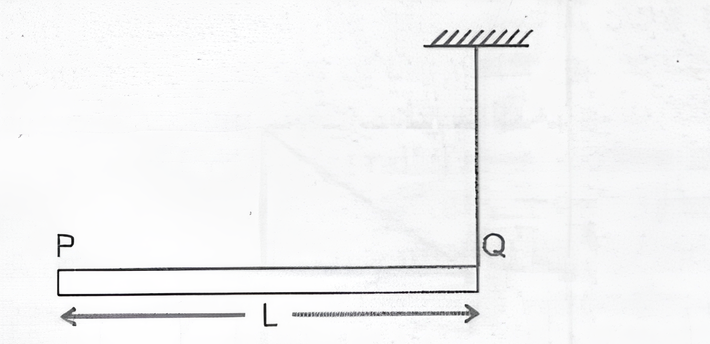
[4 Marks] Diagram 2 – NEET-UG 2013 Question Paper
  • (A) 3g/2L
  • (B) 2g/3L
  • (C) 2g/L
  • (D) g/L
Question 8.

A small object of uniform density rolls up a curved surface with an initial velocity 'v'. It reaches upto a maximum height of 3v² / 4g with respect to the initial position. The object is a

[4 Marks]
  • (A) solid sphere
  • (B) hollow sphere
  • (C) disc
  • (D) ring
Question 9.

A body of mass 'm' is taken from the earth's surface to the height equal to twice the radius (R) of the earth. The change in potential energy of body will be

[4 Marks]
  • (A) 1/3 mgR
  • (B) mg2R
  • (C) 3 mgR
  • (D) 2/3 mgR
Question 10.

Infinite number of bodies, each of mass 2 kg are situated on x-axis at distances 1m, 2m, 4m, 8m, ..... respectively, from the origin. The resulting gravitational potential due to this system at the origin will be

[4 Marks]
  • (A) - G
  • (B) - 4 G
  • (C) - 8/3 G
  • (D) - 4/3 G
Question 11.

The following four wires are made of the same material. Which of these will have the largest extension when the same tension is applied?

[4 Marks]
  • (A) Length = 300 cm, diameter = 3 mm
  • (B) Length = 100 cm, diameter = 1 mm
  • (C) Length = 200 cm, diameter = 2 mm
  • (D) Length = 50 cm, diameter = 0.5 mm
Question 12.

The wetability of a surface by a liquid depends primarily on

[4 Marks]
  • (A) angle of contact between the surface and the liquid
  • (B) viscosity
  • (C) surface tension
  • (D) density
Question 13.

A piece of iron is heated in a flame. It first becomes dull red, then becomes reddish yellow and finally turns to white hot. The correct explanation for the above observation is possible by using

[4 Marks]
  • (A) Kirchhoff's law
  • (B) Wien's displacement law
  • (C) Newton's law of cooling
  • (D) Stefan's law
Question 14.

A gas is taken through the cycle A →B → C → A, as shown in figure. What is the net work done by the gas?
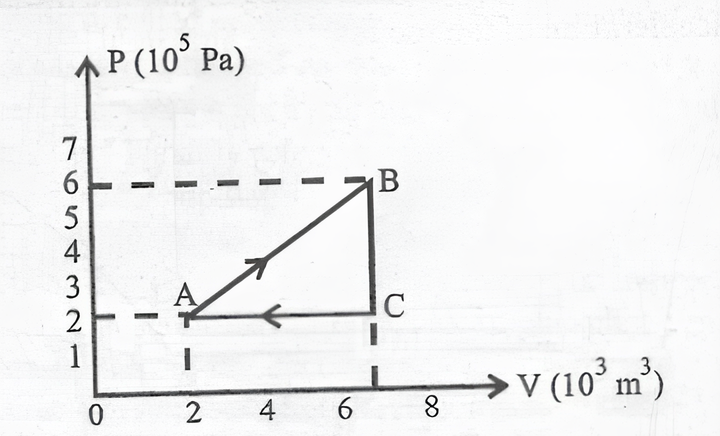
[4 Marks] Diagram 3 – NEET-UG 2013 Question Paper
  • (A) - 2000 J
  • (B) 2000 J
  • (C) 1000 J
  • (D) zero
Question 15.

During an adiabatic process, the pressure of a gas is found to be proportional to the cube of its temperature. The ratio of Cp / Cv for the gas is

[4 Marks]
  • (A) 3/2
  • (B) 4/3
  • (C) 2
  • (D) 5/3
Question 16.

In the given (V - T) diagram, what is the relation between pressure P₁ and P₂?
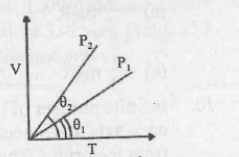
[4 Marks] Diagram 4 – NEET-UG 2013 Question Paper
  • (A) P₂ < P₁
  • (B) P₂> P₁
  • (C) Cannot be predicted
  • (D) P₂ = P₁
Question 17.

The amount of heat energy required to raise the temperature of 1g of Helium at NTP, from T₁ K to T₂ K is

[4 Marks]
  • (A) 3/8 N_a k_B(T2 - T1)
  • (B) 3/4 N_ak_B (T2 / T1)
  • (C) 3/2 N_a k_B(T2 - T1)
  • (D) 3/4 N_a k_B(T2 - T1)
Question 18.

The molar specific heats of an ideal gas at constant pressure and volume are denoted by Cₚ and Cᵥ, respectively. If γ = Cp / Cv and R is the universal gas constant, then Cᵥ is equal to

[4 Marks]
  • (A) 1 + γ / 1 - γ
  • (B) (γ - 1) / R
  • (C) γR
  • (D) R / (γ- 1)
Question 19.

A wave travelling in the +ve x-direction having displacement along y-direction as 1m, wavelength 2π m and frequency 1/π Hz is represented by

[4 Marks]
  • (A) y = sin (x - 2t)
  • (B) y = sin (2π x + 2π t)
  • (C) y = sin (10π x - 20π t)
  • (D) y = sin (2π x - 2π t)
Question 20.

If we study the vibration of a pipe open at both ends, then which of the following statements is not true?

[4 Marks]
  • (A) Antinode will be at open end
  • (B) Pressure change will be maximum at both ends
  • (C) All harmonics of the fundamental frequency will be generated
  • (D) Odd harmonics of the fundamental frequency will be generated
Question 21.

A source of unknown frequency gives 4 beats/s, when sounded with a source of known frequency 250 Hz. The second harmonic of the source of unknown frequency gives five beats per second, when sounded with a source of frequency 513 Hz. The unknown frequency is

[4 Marks]
  • (A) 254 Hz
  • (B) 240 Hz
  • (C) 246 Hz
  • (D) 260 Hz
Question 22.

Two pith balls carrying equal charges are suspended from a common point by strings of equal length. The equilibrium separation between them is r. Now the strings are rigidly clamped at half the height. The equilibrium separation between the balls now become
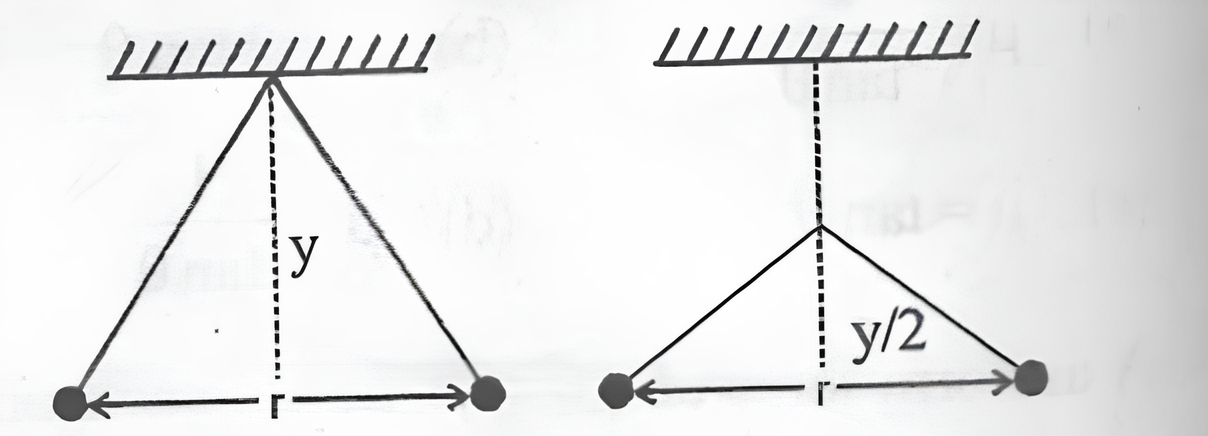
[4 Marks] Diagram 5 – NEET-UG 2013 Question Paper
  • (A) ⟮2r /√3⟯
  • (B) ⟮r/^3√2 ⟯
  • (C) ⟮2r / 3⟯
  • (D) ⟮r /√2⟯^2
Question 23.

A, B and C are three points in a uniform electric field. The electric potential is
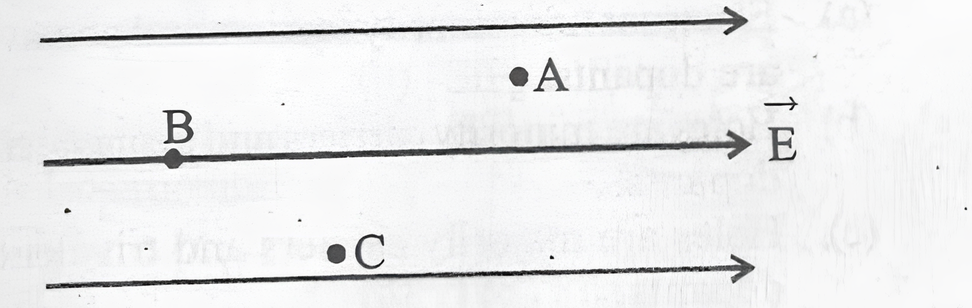
[4 Marks] Diagram 6 – NEET-UG 2013 Question Paper
  • (A) maximum at A
  • (B) maximum at C
  • (C) same at all the three points A,B and C
  • (D) maximum at B
Question 24.

A wire of resistance 4 Ω is stretched to twice its original length. The resistance of stretched wire would be

[4 Marks]
  • (A) 4 Ω
  • (B) 8 Ω
  • (C) 2 Ω
  • (D) 16 Ω
Question 25.

The resistance of the four arms P, Q, R and S in a Wheatstone's bridge are 10 ohm, 30 ohm, 10 ohm and 90 ohm, respectively. The e.m.f. and internal resistance of the cell are 7 volt and 5 ohm respectively. If the galvanometer resistance is 50 ohm, the current drawn from the cell will be

[4 Marks]
  • (A) 0.2 A
  • (B) 2.0 A
  • (C) 0.1 A
  • (D) 1.0 A
Question 26.

When a proton is released from rest in a room, it starts with an initial acceleration a₀ towards west. When it is projected towards north with a speed v₀ it moves with an initial acceleration 3a₀towards west. The electric and magnetic fields in the room are respectively

[4 Marks]
  • (A) ma₀ / e west, 2ma₀/ ev₀ up
  • (B) ma₀ / e east, 3ma₀ / ev₀ down
  • (C) ma₀ / e east, 3ma₀/ ev₀ up
  • (D) ma₀ / e west, 2ma₀ / ev₀ down
Question 27.

A current loop in a magnetic field

[4 Marks]
  • (A) can be in equilibrium in one orientation
  • (B) can be in equilibrium in two orientations, both the equilibrium states are unstable
  • (C) can be in equilibrium in two orientations, one stable while the other is unstable
  • (D) experiences a torque whether the field is uniform or non-uniform in all orientations
Question 28.

A bar magnet of length 'l' and magnetic dipole moment 'M' is bent in the form of an arc as shown in figure. The new magnetic dipole moment will be
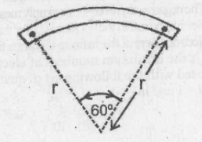
[4 Marks] Diagram 7 – NEET-UG 2013 Question Paper
  • (A) M
  • (B) 2πM
  • (C) 3/πM
  • (D) M/2
Question 29.

A wire loop is rotated in a magnetic field. The frequency of change of direction of the induced e.m.f. is

[4 Marks]
  • (A) four times per revolution
  • (B) twice per revolution
  • (C) once per revolution
  • (D) six times per revolution
Question 30.

A coil of self-inductance L is connected in series with a bulb B and an AC source. Brightness of the bulb decreases when

[4 Marks]
  • (A) a capacitance of reactance X_c = X_L is included in the same circuit
  • (B) frequency of the AC source is decreased
  • (C) an iron rod is inserted in the coil
  • (D) number of turns in the coil is reduced
Question 31.

The condition under which a microwave oven heats up a food item containing water molecules most efficiently is

[4 Marks]
  • (A) the frequency of the microwaves must match the resonant frequency of the water molecules.
  • (B) infra-red waves produce heating in a microwave oven.
  • (C) the frequency of the microwaves has no relation with natural frequency of water molecules.
  • (D) microwaves are heat waves, so always produce heating.
Question 32.

A plano convex lens fits exactly into a plano concave lens. Their plane surfaces are parallel to each other. If lenses are made of different materials of refractive indices μ₁ and μ₂ and R is the radius of curvature of the curved surface of the lenses, then the focal length of the combination is

[4 Marks]
  • (A) R / (μ₁ - μ₂ )
  • (B) R / 2(μ₁ - μ₂)
  • (C) 2R / (μ₂ - μ₁)
  • (D) R / 2(μ₁ + μ₂ )
Question 33.

For a normal eye, the cornea of eye provides a converging power of 40D and the least converging power of the eye lens behind the cornea is 20D. Using this information, the distance between the retina and the eye lens of the eye can be estimated to be

[4 Marks]
  • (A) 1.67 cm
  • (B) 2.5 cm
  • (C) 1.5 cm
  • (D) 5 cm
Question 34.

In Young's double slit experiment, the slits are 2 mm apart and are illuminated by photons of two wavelengths λ_1 = 12000Å and λ_2 = 10000Å. At what minimum distance from the common central bright fringe on the screen 2 m from the slit will a bright fringe from one interference pattern coincide with a bright fringe from the other ?

[4 Marks]
  • (A) 8mm
  • (B) 3mm
  • (C) 6mm
  • (D) 4mm
Question 35.

A parallel beam of fast moving electrons is incident normally on a narrow slit. A fluorescent screen is placed at a large distance from the slit. If the speed of the electrons is increased, which of the following statements is correct ?

[4 Marks]
  • (A) Diffraction pattern is not observed on the screen in case of electrons.
  • (B) The angular width of the central maximum will be unaffected
  • (C) The angular width of the central maximum will decrease.
  • (D) The angular width of the central maximum of the diffraction pattern will increase.
Question 36.

The wavelength λ_e of an electron and λ_p of a photon are of same energy E are related by

[4 Marks]
  • (A) λ_p ∝ λ_e
  • (B) λ_p ∝ √λ_e
  • (C) λ_p ∝ 1 / √λ_e
  • (D) λ_p ∝ λ_e^2
Question 37.

For photoelectric emission from certain metal the cut-off frequency is ν. If radiation of frequency 2ν impinges on the metal plate, the maximum possible velocity of the emitted electron will be (m is the electron mass)

[4 Marks]
  • (A) 2√(hν / m)
  • (B) √(2hν / m)
  • (C) √(hν / m)
  • (D) √(hν / (2m)
Question 38.

In the spectrum of hydrogen, the ratio of the longest wavelength in the Lyman series to the longest wavelength in the Balmer series is

[4 Marks]
  • (A) 27/5
  • (B) 4/9
  • (C) 9/4
  • (D) 5/27
Question 39.

A certain mass of Hydrogen is changed to Helium by the process of fusion. The mass defect in fusion reaction is 0.02866 a.m.u. The energy liberated per a.m.u. is (Given : 1 a.m.u = 931 MeV)

[4 Marks]
  • (A) 26.7 MeV
  • (B) 13.35 MeV
  • (C) 2.67 MeV
  • (D) 6.675 MeV
Question 40.

The half life of a radioactive isotope 'X' is 20 years. It decays to another element 'Y' which is stable. The two elements 'X' and 'Y' were found to be in the ratio of 1 : 7 in a sample of a the given rock. The age of the rock is estimated to be

[4 Marks]
  • (A) 40 years
  • (B) 100 years
  • (C) 80 years
  • (D) 60 years
Question 41.

In a n-type semiconductor, which of the following statement is true?

[4 Marks]
  • (A) Electrons are minority carriers and pentavalent atoms are dopants.
  • (B) Holes are majority carriers and trivalent atoms are dopants.
  • (C) Holes are minority carriers and pentavalent atoms are dopants.
  • (D) Electrons are majority carriers and trivalent atoms are dopants.
Question 42.

In a common emitter (CE) amplifier having a voltage gain G, the transistor used has transconductance 0.03 mho and current gain 25. If the above transistor is replaced with another one with transconductance 0.02 mho and current gain 20, the voltage gain will be

[4 Marks]
  • (A) 1.5G
  • (B) 1/3 G
  • (C) 2/3 G
  • (D) 5/4 G
Question 43.

The output(X) of the logic circuit shown in figure will be

[4 Marks] Diagram 8 – NEET-UG 2013 Question Paper
  • (A) X = overline(A+B)
  • (B) X = overline overline(A) + overline B
  • (C) X = A.B
  • (D) X = overline(A.B)
Question 44.

Three blocks with masses m, 2 m and 3 m are connected by strings as shown in the figure. After an upward force F is applied on block m, the masses move upward at constant speed v. What is the net force on the block of mass 2m? (g is the acceleration due to gravity)
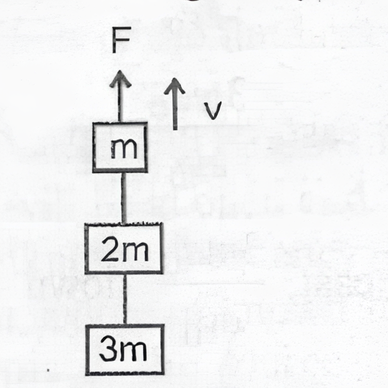
[4 Marks] Diagram 9 – NEET-UG 2013 Question Paper
  • (A) 2 mg
  • (B) 3 mg
  • (C) 6 mg
  • (D) zero
Question 45.

The internal resistance of a 2.1 V cell which gives a current of 0.2 A through a resistance of 10 Ω is

[4 Marks]
  • (A) 0.8 Ω
  • (B) 0.5 Ω
  • (C) 1.0 Ω
  • (D) 0.2 Ω
Question 46.

6.02 × 10²⁰ molecules of urea are present in 100 mL of its
solution. The concentration of solution is :

[4 Marks]
  • (A) 0.01 M
  • (B) 0.001 M
  • (C) 0.1 M
  • (D) 0.02 M
Question 47.

The value of Planck's constant is 6.63 × 10⁻³⁴ Js. The speed of light is 3 × 10⁻¹⁷ nm s⁻¹. Which value is closest to the
wavelength in nanometer of a quantum of light with frequency of 6 × 10¹⁵ s⁻¹?

[4 Marks]
  • (A) 25
  • (B) 50
  • (C) 10
  • (D) 75
Question 48.

Based on equation E = -2.178 × 10⁻¹⁸ (Z² / n²) J, certain conclusions are written. Which of them is not correct ?

[4 Marks]
  • (A) The negative sign in equation simply means that the energy orelectron bound to the nucleus is lower than it would be if the electrons were at the infinite distance from the nucleus.
  • (B) For n = 1, the electron has a more negative energy than it does for n = 6 which mean that the electron is more loosely bound in the smallest allowed orbit.
  • (C) Equation can be used to calculate the change in energy when the electron changes orbit
  • (D) Larger the value of n, the larger is the orbit radius.
Question 49.

What is the maximum numbers of electrons that can be associated with the following set of quantum numbers?
n = 3, l = 1 and m = -1

[4 Marks]
  • (A) 2
  • (B) 10
  • (C) 6
  • (D) 4
Question 50.

Which of the following is electron - deficient?

[4 Marks]
  • (A) (CH₃)₂
  • (B) (BH₃)₂
  • (C) (SiH₃)₂
  • (D) PH₃
Question 51.

Which of the following is a polar molecule?

[4 Marks]
  • (A) BF₃
  • (B) XeF₄
  • (C) SiF₄
  • (D) SF₄
Question 52.

XeF₂ is isostructural with

[4 Marks]
  • (A) BaCl₂
  • (B) SbCl₃
  • (C) BaCl₂
  • (D) ICl₂⁻
Question 53.

Which of the following is paramagnetic?

[4 Marks]
  • (A) CO
  • (B) O₂⁻
  • (C) CN^-
  • (D) NO^+
Question 54.

Which one of the following molecules contains no pi bond?

[4 Marks]
  • (A) H₂O
  • (B) SO₂
  • (C) CO₂
  • (D) NO₂
Question 55.

Dipole-induced dipole interactions are present in which of the following pairs:

[4 Marks]
  • (A) H₂O and alcohol
  • (B) Cl₂and CCl₄
  • (C) SiF₄ and He atoms
  • (D) HCl and He atoms
Question 56.

Maximum deviation from ideal gas is expected from:

[4 Marks]
  • (A) CH₂(g)
  • (B) N₂(g)
  • (C) NH₂(g)
  • (D) H₂(g)
Question 57.

Which of these is least likely to act as Lewis base?

[4 Marks]
  • (A) F^-
  • (B) BF₃
  • (C) PF₃
  • (D) CO
Question 58.

Identify the correct order of solubility in aqueous medium:

[4 Marks]
  • (A) ZnS > Na₂S > CuS
  • (B) Na₂S > CuS > ZnS
  • (C) CuS > ZnS > Na₂S
  • (D) Na₂S > ZnS > CuS
Question 59.

Which of the following structure is similar to graphite?

[4 Marks]
  • (A) B₂H₆
  • (B) B₄C
  • (C) BN
  • (D) B
Question 60.

Which of these is not a monomer for a high molecular mass silicone polymer?

[4 Marks]
  • (A) PhSiCl₃
  • (B) MeSiCl₃
  • (C) Me₃SiCl
  • (D) Me₂SiCl₂
Question 61.

The basic structural unit of silicates is:

[4 Marks]
  • (A) SiO⁴₄⁻
  • (B) SiO²₃⁻
  • (C) SiO²₄⁻
  • (D) SiO
Question 62.

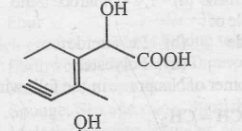
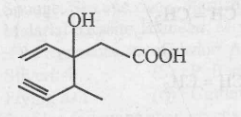
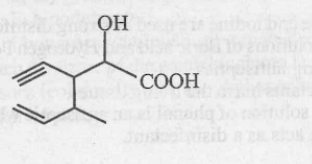
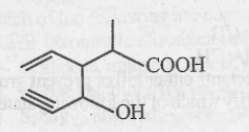
Structure of the compound whose IUPAC name is 3-ethyl-2-hydroxy-4-methylhex-3-en-5-ynoic acid is:

[4 Marks]
  • (A) Diagram 10 – NEET-UG 2013 Question Paper
  • (B) Diagram 11 – NEET-UG 2013 Question Paper
  • (C) Diagram 12 – NEET-UG 2013 Question Paper
  • (D) Diagram 13 – NEET-UG 2013 Question Paper
Question 63.

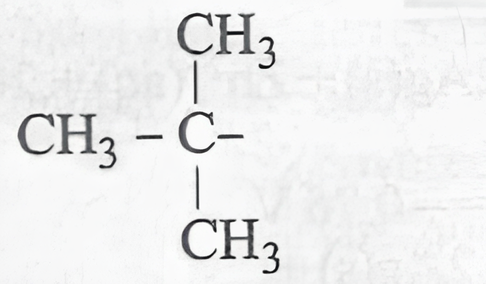
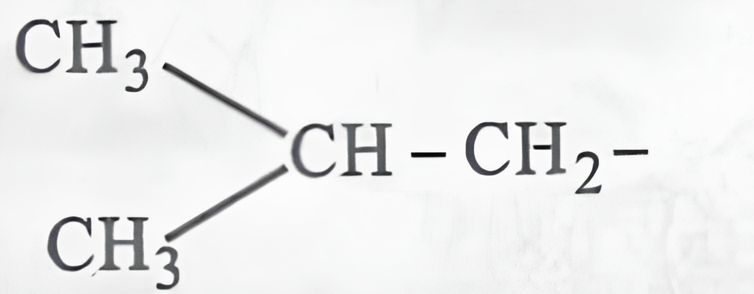
The structure of isobutyl group in an organic compound is:

[4 Marks]
  • (A) Diagram 14 – NEET-UG 2013 Question Paper
  • (B) CH₃-CH-CH₃-CH₃
  • (C) CH₃-CH₂-CH₂-CH₂-
  • (D) Diagram 15 – NEET-UG 2013 Question Paper
Question 64.

The radical, is aromatic because it has:
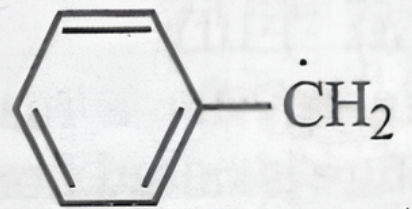
[4 Marks] Diagram 16 – NEET-UG 2013 Question Paper
  • (A) 6 p-orbitals and 6 unpaired electrons
  • (B) 6 p-orbitals and 7 unpaired electrons
  • (C) 7 p-orbitals and 7 unpaired electrons
  • (D) 7 p-orbitals and 6 unpaired electrons
Question 65.

Some meta-directing substituents in aromatic substitution are given. Which one is most deactivating?

[4 Marks]
  • (A) -SO₃H
  • (B) -C☰N
  • (C) -COOH
  • (D) -NO₂
Question 66.

Which of the following compounds will not undergo Friedel-Craft's reaction easily:

[4 Marks]
  • (A) Xylene
  • (B) Nitrobenzene
  • (C) Cumene
  • (D) Toluene
Question 67.

Roasting of sulphides give the gas X as a by product. This is colorless gas with choking smell of burnt sulphur and caused great damage to respiratory organs as a result of acid rain. Its aqueous solution is acidic, acts as a reducing agent and its acid has never been isolated. The gas X is:

[4 Marks]
  • (A) SO₂
  • (B) CO₂
  • (C) H₂S
  • (D) SO₃
Question 68.

Which of the following statements about the interstitial compounds is incorrect?

[4 Marks]
  • (A) They are chemically reactive.
  • (B) They are much harder then the pure metal.
  • (C) They have higher melting points than the pure metal.
  • (D) They retain metallic conductivity
Question 69.

The number of carbon atoms per unit cell of diamond unit cell is:

[4 Marks]
  • (A) 8
  • (B) 6
  • (C) 1
  • (D) 4
Question 70.

A metal has an fcc lattice. The edge length of the unit cell is 404 pm. The density of the metal is 2.72 g cm⁻³. The molar mass of the metal is: (Na, Avogadro's constant = 6.02 * 10²³ mol⁻¹)

[4 Marks]
  • (A) 40 g mol⁻¹
  • (B) 20 g mol⁻¹
  • (C) 27 g mol⁻¹
  • (D) 30 g mol⁻¹
Question 71.

How many grams of concentrated nitric acid solution should be used to prepare 250 mL of 2.0M HNO₃ ? The concentrated
acid is 70% HNO₃

[4 Marks]
  • (A) 45.0 g conc. HNO₃
  • (B) 90.0 g conc. HNO₃
  • (C) 70.0 g conc. HNO₃
  • (D) 54.0 g conc. HNO₃
Question 72.

At 25°C molar conductance of 0.1 molar aqueous solution of ammonium hydroxide is 9.54 ohm⁻¹ cm²mol⁻¹ and at
infinite dilution its molar conductance is 238 ohm⁻¹ cm² mol⁻¹ . The degree or ionisation of ammonium hydroxide at
the same concentration and temperature is

[4 Marks]
  • (A) 40.800%
  • (B) 2.080%
  • (C) 4.008%
  • (D) 20.800%
Question 73.

A hydrogen gas electrode is made by dipping platinum wire in a solution of HCl of pH = 10 and by passing hydrogen gas around the platinum wire at one atm pressure. The oxidation potential of electrode would be ?

[4 Marks]
  • (A) 0.59V
  • (B) 0.118V
  • (C) 1.18V
  • (D) 0.059V
Question 74.

A button cell used in watches functions as following:
Zn(s) + Ag₂O(s) + H₂O(l) ⇄ 2Ag(s) + Zn²⁺(aq) + 2OH⁻(aq)

If half cell potentials are:
Zn²⁺(aq) + 2e⁻→Zn(s); E° = -0.76 V
Ag2O(s) + H₂O(l) + 2e⁻→ 2Ag(s) + 2OH⁻(aq); E° = 0.34 V

The cell potential will be:

[4 Marks]
  • (A) 0.84 V
  • (B) 0.42 V
  • (C) 1.34 V
  • (D) 1.10 V
Question 75.

What is the activation energy for a reaction if its rate doubles when the temperature is raised from 20°C to 35°C?

(R = 8.314 J mol⁻¹ K⁻¹)

[4 Marks]
  • (A) 15.1 kJ mol⁻¹
  • (B) 342 kJ mol⁻¹
  • (C) 269 kJ mol⁻¹
  • (D) 34.7 kJ mol⁻¹
Question 76.

A reaction having equal energies of activation for forward and reverse reaction has:

[4 Marks]
  • (A) Δ S = 0
  • (B) Δ H = Δ G = Δ S = 0
  • (C) Δ H = 0
  • (D) Δ G = 0
Question 77.

Which of the following does not give oxygen on heating?

[4 Marks]
  • (A) (NH₄)2Cr₂O₇
  • (B) KClO₃
  • (C) Zn(ClO₃)₂
  • (D) K₃Cr₃O₇
Question 78.

Which is the strongest acid in the following:

[4 Marks]
  • (A) H₂SO₄
  • (B) H2SO₃
  • (C) HClO₄
  • (D) HClO₃
Question 79.

Which of the following lanthanoid ions is diamagnetic?
(At. nos. Ce = 58, Sm = 62, Eu = 63, Yb = 70)

[4 Marks]
  • (A) Yb²⁺
  • (B) Eu²⁺
  • (C) Ce²⁺
  • (D) Sm²⁺
Question 80.

KMnO₄ can be prepared from K₂MnO₄ as per the reaction:
3MnO₄²- + 2H₂O <=> 2MnO₄⁻ + MnO₂ + 4OH⁻

The reaction can go to completion by removing OH^- ions by adding:

[4 Marks]
  • (A) KOH
  • (B) CO₂
  • (C) HCl
  • (D) SO₂
Question 81.

An excess of AgNO₃ is added to 100 mL of a 0.01 M solution of dichlorotetraaquachromium (III) chloride. The number of moles of AgCl precipitated would be:

[4 Marks]
  • (A) 0.001
  • (B) 0.01
  • (C) 0.003
  • (D) 0.002
Question 82.

A magnetic moment of 1.73 BM will be shown by one among the following:

[4 Marks]
  • (A) [Ni(CN)_4]^2-
  • (B) [CoCl_6]^4-
  • (C) [TiCl_4]
  • (D) [Cu(NH_3)4]^2+
Question 83.

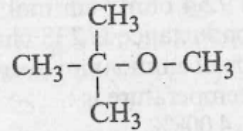
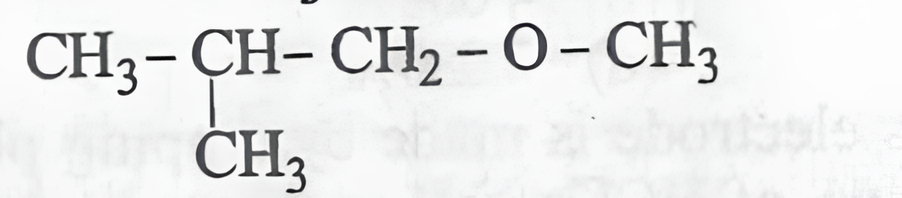
Among the following ethers, which one will produce methyl alcohol on treatment with hot concentrated HI?

[4 Marks]
  • (A) Diagram 17 – NEET-UG 2013 Question Paper
  • (B) Diagram 18 – NEET-UG 2013 Question Paper
  • (C) Diagram 19 – NEET-UG 2013 Question Paper
  • (D) Diagram 20 – NEET-UG 2013 Question Paper
Question 84.

Reaction by which Benzaldehyde cannot be prepared:

[4 Marks]
  • (A) Diagram 21 – NEET-UG 2013 Question Paper
  • (B) Diagram 22 – NEET-UG 2013 Question Paper
  • (C) Diagram 23 – NEET-UG 2013 Question Paper
  • (D) Diagram 24 – NEET-UG 2013 Question Paper
Question 85.

The order of stability of the following tautomeric compounds is:
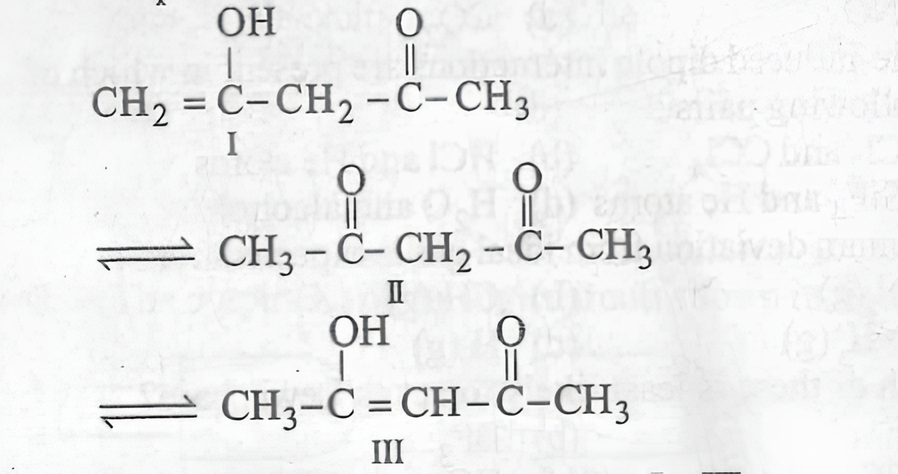
[4 Marks] Diagram 25 – NEET-UG 2013 Question Paper
  • (A) III > II > I
  • (B) II > I > III
  • (C) II > III > I
  • (D) I > II > III
Question 86.

In the reaction

A is:

[4 Marks] Diagram 26 – NEET-UG 2013 Question Paper
  • (A) Cu₂Cl₂
  • (B) H₃PO₂and H₂O
  • (C) H+ / H₂O
  • (D) HgSO₄ / H2SO₄
Question 87.

Nitrobenzene on reaction with conc. HNO₃ / H₂SO₄ at 80-100°C forms which one of the following products?

[4 Marks]
  • (A) 1,3-Dinitrobenzene
  • (B) 1,4-Dinitrobenzene
  • (C) 1,2,4-Trinitrobenzene
  • (D) 1,2-Dinitrobenzene
Question 88.

Nylon is an example of:

[4 Marks]
  • (A) Polythene
  • (B) Polyamide
  • (C) Polysaccharide
  • (D) Polyester
Question 89.

Which is the monomer of Neoprene in the following?

[4 Marks]
  • (A) CH₂ = CH - CH = CH₂
  • (B) CH₂ = CH - C ≡ CH
  • (C) Diagram 27 – NEET-UG 2013 Question Paper
  • (D) Diagram 28 – NEET-UG 2013 Question Paper
Question 90.

Antiseptics and disinfectants either kill or prevent growth of microorganisms. Identify which of the following statements is not true

[4 Marks]
  • (A) Chlorine and iodine are used as strong disinfectants.
  • (B) Dilute solutions of Boric acid and Hydrogen Peroxide are strong antiseptics.
  • (C) Disinfectants harm the living tissues.
  • (D) A 0.2% solution of phenol is an antiseptic while 1% solution acts as a disinfectant.
Question 91.

Which one of the following is not a correct statement?

[4 Marks]
  • (A) Botanical gardens have collection of living plants for reference
  • (B) A museum has collection of photographs of plants and animals
  • (C) Key is taxonomic aid for identification of specimens.
  • (D) Herbarium houses dried, pressed and preserved plant specimens.
Question 92.

Which of the following are likely to be present in deep sea water?

[4 Marks]
  • (A) Blue-green algae
  • (B) Eubacteria
  • (C) Archaebacteria
  • (D) Saprophytic fungi
Question 93.

Isogamous condition with non-flagellated gametes is found in

[4 Marks]
  • (A) Fucus
  • (B) Chlamydomonas
  • (C) Volvox
  • (D) Spirogyra
Question 94.

Which of the following is not correctly matched for the organism and its cell wall degrading enzyme?

[4 Marks]
  • (A) Algae-Methylase
  • (B) Plant cells-Cellulase
  • (C) Fungi-Chitinase
  • (D) Bacteria-Lysozyme
Question 95.

Besides paddy fields cyanobacteria are also found inside vegetative part of

[4 Marks]
  • (A) Cycas
  • (B) Equisetum
  • (C) Pinus
  • (D) Psilotum
Question 96.

Read the following statements (A-E) and answer the question which follows them.

A. In liverworts, mosses and ferns gametophytes are free-living

B. Gymnosperms and some ferns are heterosporous.

C. Sexual reproduction in Fucus, Volvox and Albugo is oogamous

D. The sporophyte in liverworts is more elaborate than that in mosses

E. Both, Pinus and Marchantia are dioecious

How many of the above statements are correct?

[4 Marks]
  • (A) Four
  • (B) One
  • (C) Three
  • (D) Two
Question 97.

Which group of animals belong to the same phylum?

[4 Marks]
  • (A) Earthworm, Pinworm, Tapeworm
  • (B) Prawn, Scorpion, Locusta
  • (C) Sponge, Sea anemone, Starfish
  • (D) Malarial parasite, Amoeba, Mosquito
Question 98.

One of the representatives of phylum Arthropoda is

[4 Marks]
  • (A) Silverfish
  • (B) Pufferfish
  • (C) Cuttlefish
  • (D) Flying fish
Question 99.

Which of the following are correctly matched with respect to their taxonomic classification

[4 Marks]
  • (A) Centipede, millipede, spider, scorpion-Insecta
  • (B) House fly, butterfly, tse tse fly, silverfish-Insecta
  • (C) Flying fish, cuttlefish, silverfish-Pisces
  • (D) Spiny anteater, sea urchin, sea cucumber-Echinodermata
Question 100.

Match the name of the animal (column I), with one characteristics (column II), and the phylum/class (column III) to which it belongs:
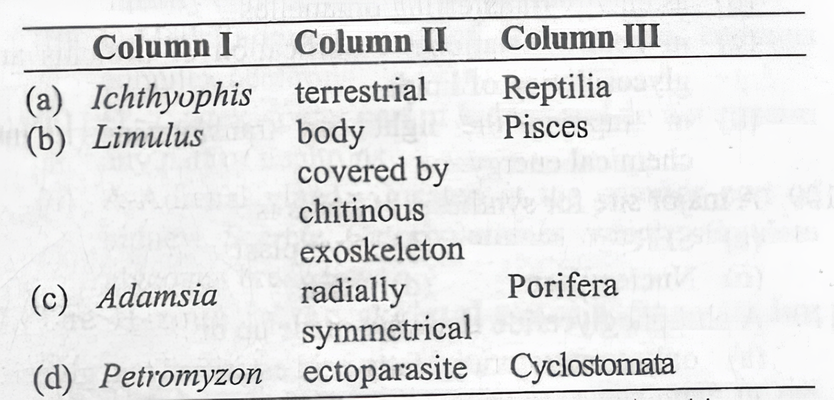
[4 Marks] Diagram 29 – NEET-UG 2013 Question Paper
  • (A) Option (b)
  • (B) Option (a)
  • (C) Option (c)
  • (D) Option (d)
Question 101.

Among bitter gourd, mustard, brinjal, pumpkin, china rose, lupin, cucumber, sunhemp, gram, guava, bean, chilli, plum, petunia, tomato, rose, withania, potato, onion, aloe and tulip how many plants have hypogynous flower?

[4 Marks]
  • (A) Ten
  • (B) Fifteen
  • (C) Eighteen
  • (D) Six
Question 102.

In china rose the flowers are:

[4 Marks]
  • (A) Actinomorphic, epigynous with valvate aestivation
  • (B) Zygomorphic, epigynous with imbricate aestivation
  • (C) Zygomorphic, hypogynous with twisted aestivation
  • (D) Actinomorphic, hypogynous with twisted aestivation
Question 103.

Age of a tree can be estimated by:

[4 Marks]
  • (A) number of annual rings
  • (B) diameter of its heartwood
  • (C) biomass
  • (D) its height and girth
Question 104.

Lenticels are involved in:

[4 Marks]
  • (A) Gaseous exchange
  • (B) Food transport
  • (C) Transpiration
  • (D) Photosynthesis
Question 105.

Interfascicular cambium develops from the cells of:

[4 Marks]
  • (A) Xylem parenchyma
  • (B) Endodermis
  • (C) Pericycle
  • (D) Medullary rays
Question 106.

What external changes are visible after the last moult of a cockroach nymph?

[4 Marks]
  • (A) Anal cerci develop
  • (B) Both fore wings and hind wings develop
  • (C) Labium develops
  • (D) Mandibles become harder
Question 107.

Which one of the following organelle in the figure correctly matches with its function?
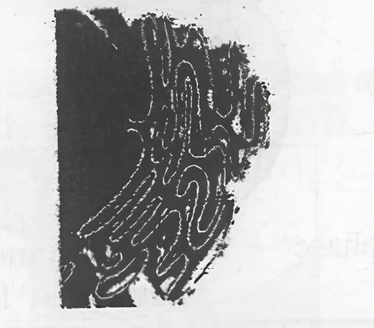
[4 Marks] Diagram 30 – NEET-UG 2013 Question Paper
  • (A) Golgi apparatus, protein synthesis
  • (B) Golgi apparatus, formation of glycolipids
  • (C) Rough endoplasmic reticulum, protein synthesis
  • (D) Rough endoplasmic reticulum, formation of glycoproteins
Question 108.

The Golgi complex plays a major role :

[4 Marks]
  • (A) in digesting proteins and carbohydrates
  • (B) as energy transferring organelles
  • (C) in post translational modification of proteins and glycosidation of lipids
  • (D) in trapping the light and transforming it into chemical energy
Question 109.

A major site for synthesis of lipids is :

[4 Marks]
  • (A) SER
  • (B) Symplast
  • (C) RER
  • (D) Nucleoplasm
Question 110.

A phosphoglyceride is always made up of :

[4 Marks]
  • (A) only an unsaturated fatty acid esterified to a glycerol molecule to which a phosphate group is also attached
  • (B) a saturated or unsaturated fatty acid esterified to a glycerol molecule to which a phosphate group is also attached
  • (C) a saturated or unsaturated fatty acid esterified to a phosphate group which is also attached to a glycerol molecule
  • (D) only a saturated fatty acid esterified to a glycerol molecule to which a phosphate group is also attached
Question 111.

The essential chemical components of many coenzymes are :

[4 Marks]
  • (A) Carbohydrates
  • (B) Nucleic acids
  • (C) Vitamins
  • (D) Proteins
Question 112.

Transition state structure of the substrate formed during an enzymatic reaction is :

[4 Marks]
  • (A) transient and unstable
  • (B) permanent and stable
  • (C) permanent but unstable
  • (D) transient but stable
Question 113.

Macro molecule chitin is :

[4 Marks]
  • (A) Phosphorus containing polysaccharide
  • (B) Sulphur containing polysaccharide
  • (C) Simple polysaccharide
  • (D) Nitrogen containing polysaccharide
Question 114.

A stage in cell division is shown in the figure. Select the answer which gives correct identification of the stage with its characteristics.
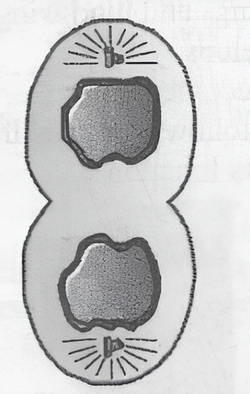
[4 Marks] Diagram 31 – NEET-UG 2013 Question Paper
  • (A) Cytokinesis: Cell plate formed, mitochondria distributed between two daughter cells
  • (B) Late anaphase: Chromosomes move away from equatorial plate, Golgi complex not present
  • (C) Telophase: Endoplasmic reticulum and nucleolus not reformed yet
  • (D) Telophase: Nuclear envelop reforms, golgi complex reforms
Question 115.

The complex formed by a pair of synapsed homologous chromosomes is called :

[4 Marks]
  • (A) Kinetochore
  • (B) Bivalent
  • (C) Equatorial plate
  • (D) Axoneme
Question 116.

Which of the following criteria does not pertain to facilitated transport?

[4 Marks]
  • (A) High selectivity
  • (B) Transport saturation
  • (C) Uphill transport
  • (D) Requirement of special membrane proteins
Question 117.

The first stable product of fixation of atmospheric nitrogen in leguminous plants is :

[4 Marks]
  • (A) Ammonia
  • (B) NO₂⁻
  • (C) Glutamate
  • (D) NO₃⁻
Question 118.

Pigment-containing membranous extensions in some cyanobacteria are :

[4 Marks]
  • (A) Chromatophores
  • (B) Heterocysts
  • (C) Basal bodies
  • (D) Pneumatophores
Question 119.

Which of the metabolites is common to respiration-mediated breakdown of fats, carbohydrates and proteins

[4 Marks]
  • (A) Fructose 1, 6 - bisphosphate
  • (B) Pyruvic acid
  • (C) Acetyl CoA
  • (D) Glucose - 6 - phosphate
Question 120.

The three boxes in this diagram represent the three major biosynthetic pathways in aerobic respiration. Arrows represent reactants or products.

Arrows numbered 4, 8 and 12 can all be :
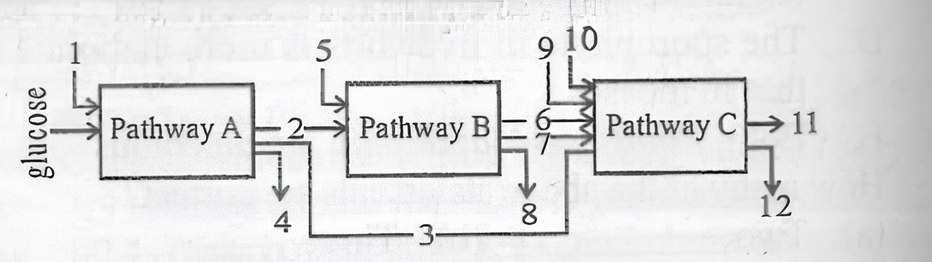
[4 Marks] Diagram 32 – NEET-UG 2013 Question Paper
  • (A) ATP
  • (B) H₂O
  • (C) FAD⁺to FADH₂
  • (D) NADH
Question 121.

During seed germination its stored food is mobilized by :

[4 Marks]
  • (A) Ethylene
  • (B) Gibberellin
  • (C) ABA
  • (D) Cytokinin
Question 122.

Select the correct match of the digested products in humans given in column - I with their absorption site and mechanism in column-II
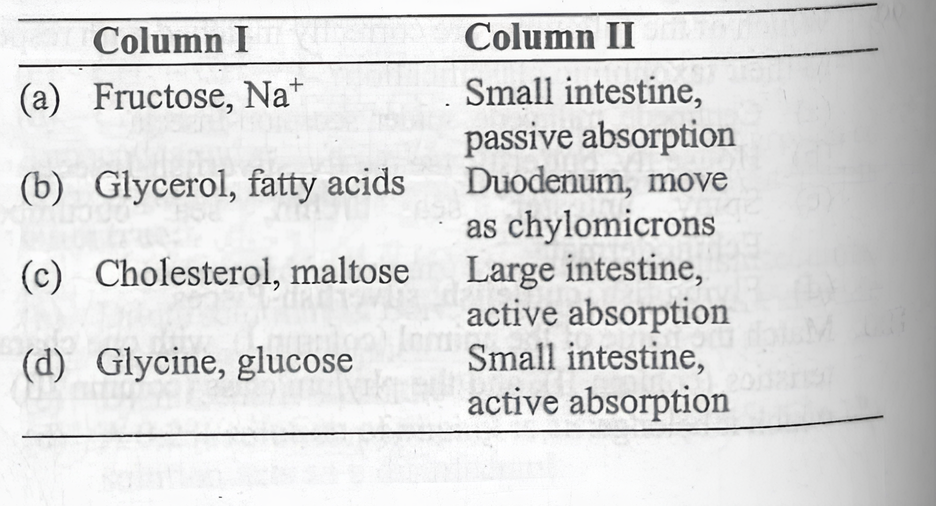
[4 Marks] Diagram 33 – NEET-UG 2013 Question Paper
  • (A) Option(b)
  • (B) Option (a)
  • (C) Option (d)
  • (D) Option (c)
Question 123.

The figure shows a diagrammatic view of human respiratory system with labels A, B, C and D. Select the option which gives correct identification and main function and/or characteristics.
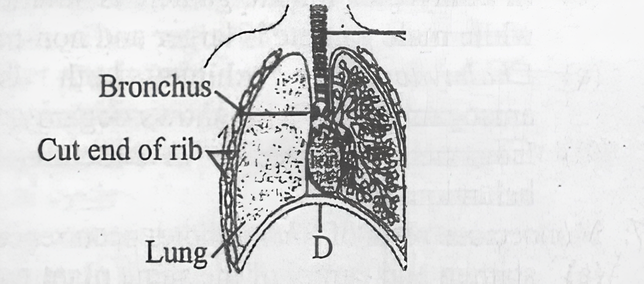
[4 Marks] Diagram 34 – NEET-UG 2013 Question Paper
  • (A) B-pleural membrane-surrounds ribs on both sides to provides cushion against rubbing.
  • (B) C-Alveoli-thin walled vascular bag like structures for exchange of gases.
  • (C) A-trachea-long tube supported by complete cartilaginous rings for conducting inspired air.
  • (D) D-Lower end of lungs-diaphragm pulls it down during inspiration
Question 124.

Figure shows schematic plan of blood circulation in humans with labels A to D. Identify the label and give its function's.
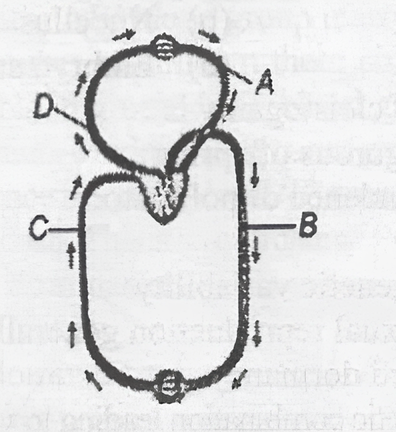
[4 Marks] Diagram 35 – NEET-UG 2013 Question Paper
  • (A) B-Pulmonary artery-takes blood from heart to lungs, PO₂ = 90 mm Hg
  • (B) C-Vena Cava - takes blood from body parts to right auricle, PCO₂ = 45 mm Hg
  • (C) A-Pulmonary vein - takes impure blood from body parts, PO₂ = 60 mm Hg
  • (D) D - Dorsal aorta - takes blood from Heart to body Part PO₂ = 95 mm Hg
Question 125.

The diagram given here is the standard ECG of a normal person the P-wave represents the
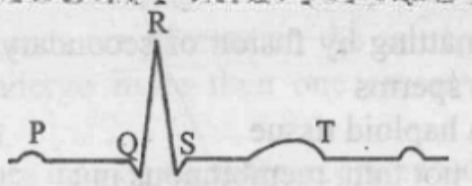
[4 Marks] Diagram 36 – NEET-UG 2013 Question Paper
  • (A) Initiation of the ventricular contraction
  • (B) Beginning of the systole
  • (C) End of systole
  • (D) Contraction of both the atria
Question 126.

Figure shown human urinary system with structures labelled A to D. Select option which correctly identifies them and gives their characteristics and/or functions.
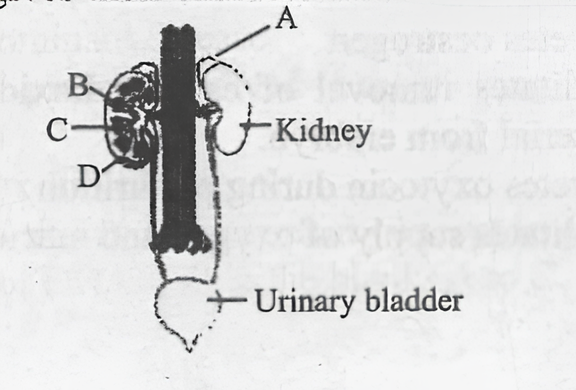
[4 Marks] Diagram 37 – NEET-UG 2013 Question Paper
  • (A) D - Cortex - outer part of kidney and do not contain any part of nephrons
  • (B) A-Adrenal gland - located at the anterior part of kidney. Secrete Catecholamines which stimulate glycogen breakdown.
  • (C) C-Medulla-inner zone of kidney and contains complex nephrons.
  • (D) B-pelvis-broad funnel shaped space inner to hilum, directly connected to loops of Henle
Question 127.

The H-zone in the skeletal muscle fibre is due to:

[4 Marks]
  • (A) The central gap between actin filaments extending through myosin filaments in the A-band
  • (B) The central gap between myosin filaments in the A-band.
  • (C) Extension of myosin filaments in the central portion of the A-band.
  • (D) The absence of myofibrils in the central portion of A-band.
Question 128.

The characteristics and an example of a synovial joint in humans is :
Characteristics | Examples

[4 Marks]
  • (A) Fluid cartilage between two bones, limited movements | Knee joint
  • (B) Lymph filled between two bones, limited movement | gliding joint between carpals
  • (C) Fluid filled synovial cavity between two | Joint between atlas and axis bones
  • (D) Fluid filled between two joints, provides cushion | Skull bones
Question 129.

Select the correct statement with respect to locomotion in humans :

[4 Marks]
  • (A) Accumulation of uric acid crystals in joints causes their inflammation
  • (B) The vertebral column has 10 thoracic vertebrae
  • (C) The joint between adjacent vertebrae is a fibrous joint
  • (D) The decreased level of progesterone causes osteoporosis in old people
Question 130.

The most abundant intracellular cation is :

[4 Marks]
  • (A) Ca⁺⁺
  • (B) H⁺
  • (C) K⁺
  • (D) Na⁺
Question 131.

A diagram showing axon terminal and synapse is given. Identify correctly at least two of A-D.
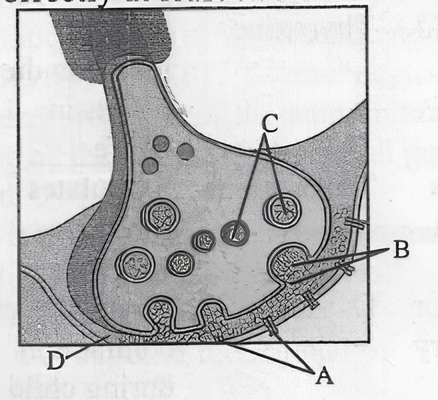
[4 Marks] Diagram 38 – NEET-UG 2013 Question Paper
  • (A) A-Neurotransmitter, B-Synaptic cleft
  • (B) B-Synaptic connection, D-K⁺
  • (C) C-Neurotransmitter, D-Ca⁺⁺
  • (D) A-Receptor, C-Synaptic vesicles
Question 132.

Parts A, B, C and D of the human eye are shown in the diagram. Select the option which gives correct identification along with its functions/characteristics :
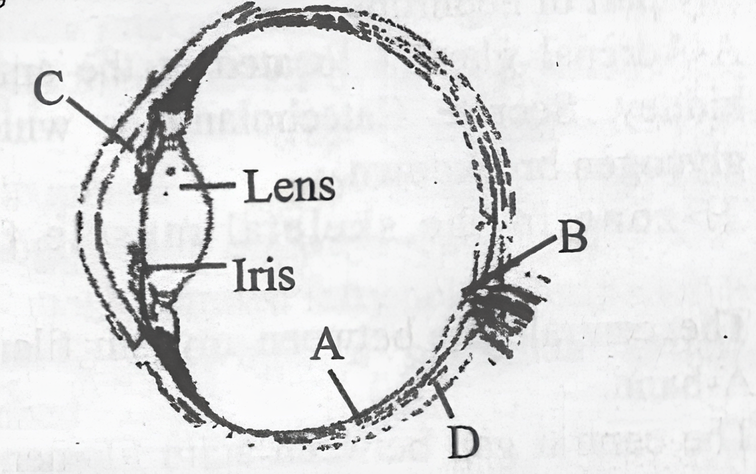
[4 Marks] Diagram 39 – NEET-UG 2013 Question Paper
  • (A) B-Blind spot-has only a few rods and cones
  • (B) C-Aqueous chamber-reflects the light which does not pass through the lens
  • (C) D-Choroid-anterior part forms ciliary body
  • (D) A-Retina-contains photoreceptors-rods and cones
Question 133.

Which of the following statements is correct in relation to the endocrine system?

[4 Marks]
  • (A) Organs in the body like gastrointestinal tract, heart, kidney and liver do not produce any hormones.
  • (B) Non-nutrient chemicals produced by the body in trace amount that act as intercellular messengers are known as hormones.
  • (C) Releasing and inhibitory hormones are produced by the pituitary gland.
  • (D) Adenohypophysis is under direct neural regulation of the hypothalamus.
Question 134.

A pregnant female delivers a baby who suffers from stunted growth, mental retardation, low intelligence quotient and abnormal skin. This is the result of :

[4 Marks]
  • (A) Cancer of the thyroid gland
  • (B) Low secretion of growth hormone
  • (C) Over secretion of pars distalis
  • (D) Deficiency of iodine in diet
Question 135.

Select the answer which correctly matches the endocrine gland with the hormone it secretes and its function/deficiency symptom:
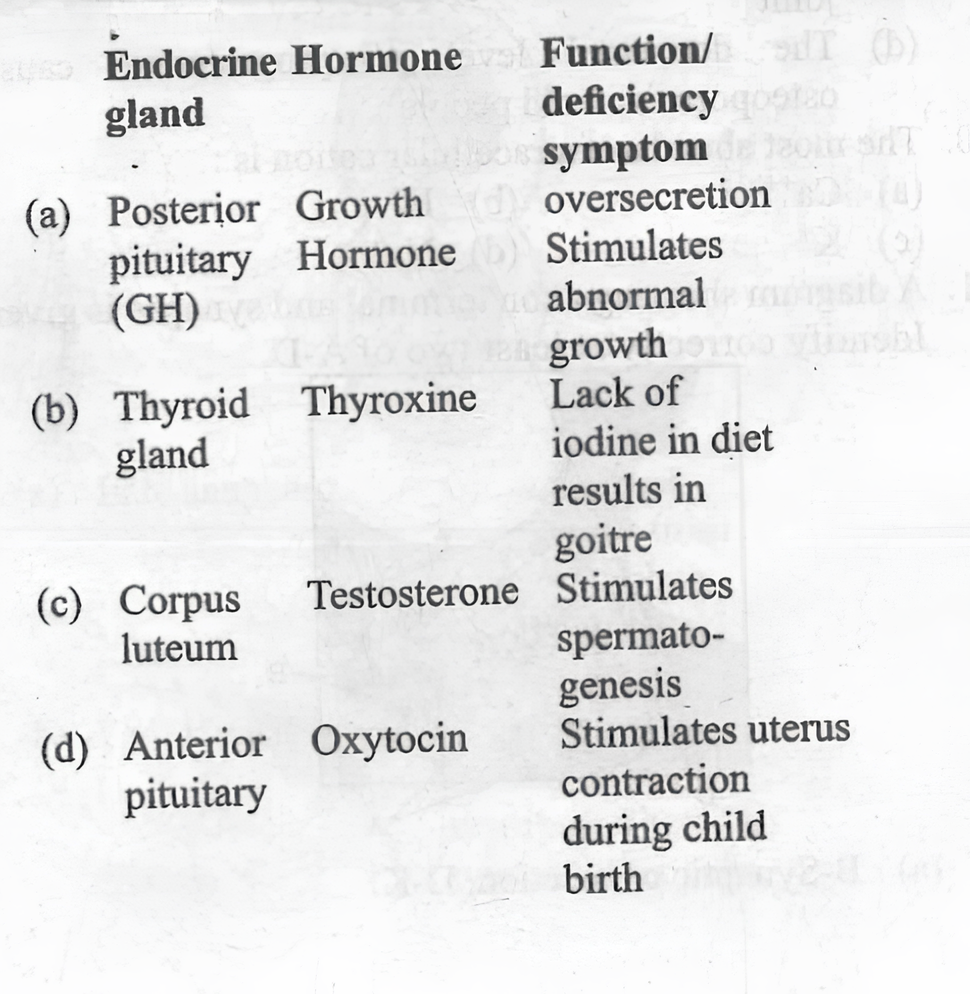
[4 Marks] Diagram 40 – NEET-UG 2013 Question Paper
  • (A) Option (a)
  • (B) Option (d)
  • (C) Option (c)
  • (D) Option (b)
Question 136.

Select the wrong statement:

[4 Marks]
  • (A) In oomycetes female gamete is smaller and motile, while male gamete is larger and non-motile.
  • (B) Anisogametes differ either in structure, function or behaviour.
  • (C) Chlamydomonas exhibits both isogamy and anisogamy and Fucus shows oogamy.
  • (D) Isogametes are similar in structure, function and behaviour.
Question 137.

Monoecious plant of Chara shows occurrence of :

[4 Marks]
  • (A) stamen and carpel of the same plant
  • (B) antheridiophore and archegoniophore on the same plant
  • (C) upper antheridium and lower oogonium on the same plant
  • (D) upper oogonium and lower antheridium on the same plant
Question 138.

Meiosis takes place in :

[4 Marks]
  • (A) Conidia
  • (B) Gemmule
  • (C) Megaspore
  • (D) Meiocyte
Question 139.

Megasporangium is equivalent to

[4 Marks]
  • (A) Nucellus
  • (B) Fruit
  • (C) Ovule
  • (D) Embryo sac
Question 140.

Advantage of cleistogamy is :

[4 Marks]
  • (A) No dependence of pollinators
  • (B) More vigorous offspring
  • (C) Vivipary
  • (D) Higher genetic variability
Question 141.

Product of sexual reproduction generally generates :

[4 Marks]
  • (A) Prolonged dormancy
  • (B) Large biomass
  • (C) Longer viability of seeds
  • (D) New genetic combination leading to variation
Question 142.

Which one of the following statements is correct?

[4 Marks]
  • (A) Sporogenous tissue is haploid
  • (B) Endothecium produces the microspores
  • (C) Hard outer layer of pollen is called intine
  • (D) Tapetum nourishes the developing pollen
Question 143.

Perisperm differs from endosperm in :

[4 Marks]
  • (A) being a diploid tissue
  • (B) having no reserve food
  • (C) its formation by fusion of secondary nucleus with several sperms
  • (D) being a haploid tissue
Question 144.

Seed coat is not thin, membranous in:

[4 Marks]
  • (A) Groundnut
  • (B) Coconut
  • (C) Gram
  • (D) Maize
Question 145.

Menstrual flow occurs due to lack of :

[4 Marks]
  • (A) Progesterone
  • (B) FSH
  • (C) Vasopressin
  • (D) Oxytocin
Question 146.

Which one of the following is not the function of placenta? It :

[4 Marks]
  • (A) secretes estrogen
  • (B) facilitates removal of carbon dioxide and waste material from embryo
  • (C) secretes oxytocin during parturition
  • (D) facilitates supply of oxygen and nutrients to embryo
Question 147.

Which of the following cannot be detected in a developing foetus by amniocentesis?

[4 Marks]
  • (A) Down syndrome
  • (B) Sex of the foetus
  • (C) Klinefelter syndrome
  • (D) Jaundice
Question 148.

One of the legal methods of birth control is:

[4 Marks]
  • (A) by abstaining from coitus from day 10 to 17 of the menstrual cycle
  • (B) by having coitus at the time of day break
  • (C) by a premature ejaculation during coitus
  • (D) abortion by taking an appropriate medicine
Question 149.

Artificial insemination means:

[4 Marks]
  • (A) Transfer of sperms of husband to a test tube containing ova
  • (B) Artificial introduction of sperms of a healthy donor into the vagina
  • (C) Transfer of sperms of a healthy donor to a test tube containing ova
  • (D) Introduction of sperms of a healthy donor directly into the ovary
Question 150.

If two persons with 'AB' blood group marry and have sufficiently large number of children these children could be classified as 'A' blood group: 'AB' blood group: 'B' blood group in 1 : 2 : 1 ratio. Modern technique of protein electrophoresis reveals presence of both 'A' and 'B' type proteins in 'AB' blood group individuals. This is an example of:

[4 Marks]
  • (A) Partial dominance
  • (B) incomplete dominance
  • (C) Complete dominance
  • (D) Codominance
Question 151.

Which Mendelian idea is depicted by a cross in which the F₁ generation resembles both the parents?

[4 Marks]
  • (A) Law of dominance
  • (B) Incomplete dominance
  • (C) Inheritance of one gene
  • (D) Co-dominance
Question 152.

Which of the following statements is not true of two genes that show 50% recombination frequency?

[4 Marks]
  • (A) The genes show independent assortment
  • (B) The genes are tightly linked
  • (C) If the genes are present on the same chromosome, they undergo more than one crossovers in every meiosis
  • (D) The genes may be on different chromosomes
Question 153.

If both parents are carriers for thalassemia, which is an autosomal recessive disorder, what are the chances of pregnancy resulting in an affected child?

[4 Marks]
  • (A) 50%
  • (B) 25%
  • (C) no chance
  • (D) 100%
Question 154.

The incorrect statement with regard to Haemophilia is:

[4 Marks]
  • (A) It is a recessive disease
  • (B) It is a dominant disease
  • (C) A single protein involved in the clotting of blood is affected
  • (D) It is a sex-linked disease
Question 155.

The diagram shows an important concept in the genetic implication of DNA. Fill in the blanks A to C.

[4 Marks] Diagram 41 – NEET-UG 2013 Question Paper
  • (A) A-translation B-transcription C-Erwin Chargaff
  • (B) A-translation B-extension C-Rosalind Franklin
  • (C) A-transcription B-translation C-Francis Crick
  • (D) A-transcription B-replication C-James Watson
Question 156.

Which enzymes will be produced in a cell in which there is a nonsense mutation in the lac Y gene?

[4 Marks]
  • (A) Transacetylase
  • (B) Lactose permease
  • (C) Lactose permease and transacetylase
  • (D) β-galactosidase
Question 157.

The eye of octopus and eye of cat show different patterns of structure, yet they perform similar function. This is an example of

[4 Marks]
  • (A) Analogous organs that have evolved due to divergent evolution
  • (B) Homologous organs that have evolved due to divergent evolution.
  • (C) Analogous organs that have evolved due to convergent evolution.
  • (D) Homologous organs that have evolved due to convergent evolution
Question 158.

The process by which organisms with different evolutionary history evolve similar phenotypic adaptations in response to a common environmental challenge, is called:

[4 Marks]
  • (A) Convergent evolution
  • (B) Natural selection
  • (C) Non-random evolution
  • (D) Adaptive radiation
Question 159.

Variation in gene frequencies within populations can occur by chance rather than by natural selection. This is referred to as:

[4 Marks]
  • (A) Genetic drift
  • (B) Genetic flow
  • (C) Genetic load
  • (D) Random mating
Question 160.

According to Darwin, the organic evolution is due to:

[4 Marks]
  • (A) Interspecific competition
  • (B) Intraspecific competition
  • (C) Competition within closely related species
  • (D) Reduced feeding efficiency in one species
Question 161.

Infection of Ascaris usually occurs by:

[4 Marks]
  • (A) eating imperfectly cooked pork.
  • (B) Mosquito bite.
  • (C) Tsetse fly.
  • (D) drinking water containing eggs of Ascaris.
Question 162.

The cell-mediated immunity inside the human body is carried out by:

[4 Marks]
  • (A) B-lymphocytes
  • (B) Thrombocytes
  • (C) Erythrocytes
  • (D) T-lymphocytes
Question 163.

In plant breeding programmes, the entire collection (of plants/seeds) having all the diverse alleles for all genes in a given crop is called:

[4 Marks]
  • (A) cross-hybridisation among the selected parents
  • (B) evaluation and selection of parents.
  • (C) selection of superior recombinants.
  • (D) germplasm collection
Question 164.

During sewage treatment, biogases are produced which include :

[4 Marks]
  • (A) methane, oxygen, hydrogen sulphide
  • (B) hydrogen sulphide, methane, sulphur dioxide
  • (C) methane, hydrogen sulphide, carbon dioxide
  • (D) hydrogen sulphide, nitrogen, methane
Question 165.

A good producer of citric acid is:

[4 Marks]
  • (A) Clostridium
  • (B) Pseudomonas
  • (C) Saccharomyces
  • (D) Aspergillus
Question 166.

The colonies of recombinant bacteria appear white in contrast to blue colonies of non-recombinant bacteria because of:

[4 Marks]
  • (A) Insertional inactivation of alpha-galactosidase in non-recombinant bacteria
  • (B) Inactivation of glycosidase enzyme in recombinant bacteria
  • (C) Insertional inactivation of alpha-galactosidase in recombinant bacteria
  • (D) Non-recombinant bacteria containing beta-galactosidase
Question 167.

DNA fragments generated by the restriction endonucleases in a chemical reaction can be separated by:

[4 Marks]
  • (A) Polymerase chain reaction
  • (B) Electrophoresis
  • (C) Restriction mapping
  • (D) Centrifugation
Question 168.

Which of the following Bt crops is being grown in India by the farmers?

[4 Marks]
  • (A) Cotton
  • (B) Brinjal
  • (C) Soybean
  • (D) Maize
Question 169.

A sedentary sea anemone gets attached to the shell lining of hermit crab. The association is:

[4 Marks]
  • (A) Symbiosis
  • (B) Commensalism
  • (C) Amensalism
  • (D) Ectoparasitism
Question 170.

A biologist studied the population of rats in a barn. He found that the average natality was 250, average mortality 240, immigration 20 and emigration 30. The net increase in population is:

[4 Marks]
  • (A) 15
  • (B) 05
  • (C) 10
  • (D) zero
Question 171.

Which one of the following processes during decomposition is correctly described?

[4 Marks]
  • (A) Humification – Leads to the accumulation of a dark coloured stable humus which undergoes microbial action at a very fast rate.
  • (B) Catabolism – Last step in decomposition under fully anaerobic condition.
  • (C) Leaching – Water soluble inorganic nutrients rise to the top layers of soil.
  • (D) Fragmentation – Carried out by organisms such as earthworm
Question 172.

Secondary productivity is rate of formation of new organic matter by:

[4 Marks]
  • (A) Producer
  • (B) Decomposer
  • (C) Consumer
  • (D) Parasite
Question 173.

Natural reservoir of phosphorus is:

[4 Marks]
  • (A) Animal bones
  • (B) Rock
  • (C) Fossils
  • (D) Sea water
Question 174.

Which of the following represent maximum number of species among global biodiversity?

[4 Marks]
  • (A) Algae
  • (B) Mosses and Ferns
  • (C) Lichens
  • (D) Fungi
Question 175.

Which one of the following is not used for ex-situ plant conservation?

[4 Marks]
  • (A) Field gene banks
  • (B) Botanical Gardens
  • (C) Shifting cultivation
  • (D) Seed banks
Question 176.

The Air (Prevention and Control of Pollution) Act came into force in:

[4 Marks]
  • (A) 1981
  • (B) 1985
  • (C) 1990
  • (D) 1975
Question 177.

Kyoto Protocol was endorsed at:

[4 Marks]
  • (A) CoP-6
  • (B) CoP-5
  • (C) CoP-4
  • (D) CoP-3
Question 178.

Global warming can be controlled by:

[4 Marks]
  • (A) Reducing reforestation, increasing the use of fossil fuel.
  • (B) Increasing deforestation, slowing down the growth of human population.
  • (C) Increasing afforestation, reducing efficiency of energy usage.
  • (D) Reducing deforestation, cutting down use of fossil fuel.
Question 179.

The first stable product of fixation of atmospheric nitrogen in leguminous plants is:

[4 Marks]
  • (A) Ammonia
  • (B) NO₂⁻
  • (C) NO₃⁻
  • (D) Glutamate
Question 180.

Which of the following metabolites is common to respiration-mediated breakdown of fats, carbohydrates and proteins?

[4 Marks]
  • (A) Glucose 6-phosphate
  • (B) Fructose 1,6-bisphosphate
  • (C) Pyruvic acid
  • (D) Acetyl Co-A