CBSE EXAMINATION PAPER-2015
NEET-ZOOLOGY
(Solved)
General Instructions :
Read the following instructions carefully and follow them :
- This question paper contains 135 questions. All questions are compulsory.
- This question paper is divided into 1 sections.
- Section A – questions number 1 to 135 are multiple choice questions
- There is no overall choice given in the question paper. However, an internal choice has been provided in few questions.
- Use of calculator is NOT allowed.
Section A
Pick up the wrong statement
The kingdom Monera possesses unicellular organisms (e.g - bacteria) having no nuclear membrane.
Which of the following structures is not found in a prokaryotic cell?
Nuclear envelope is not found in a prokaryotic cell.
The structures that help some bacteria to attach to rocks and / or host tissues are:
Fimbriae assist some bacteria in attaching to rocks or host body for obtaining establishment and nutrition.
In which group of organisms the cell walls form two thin overlapping shells which fit together?
In chrysophytes, the cell walls form two thin overlapping shells held together. The body of Diatoms appears like soap box due to overlapping shells.
Which one one of the following matches is correct ?
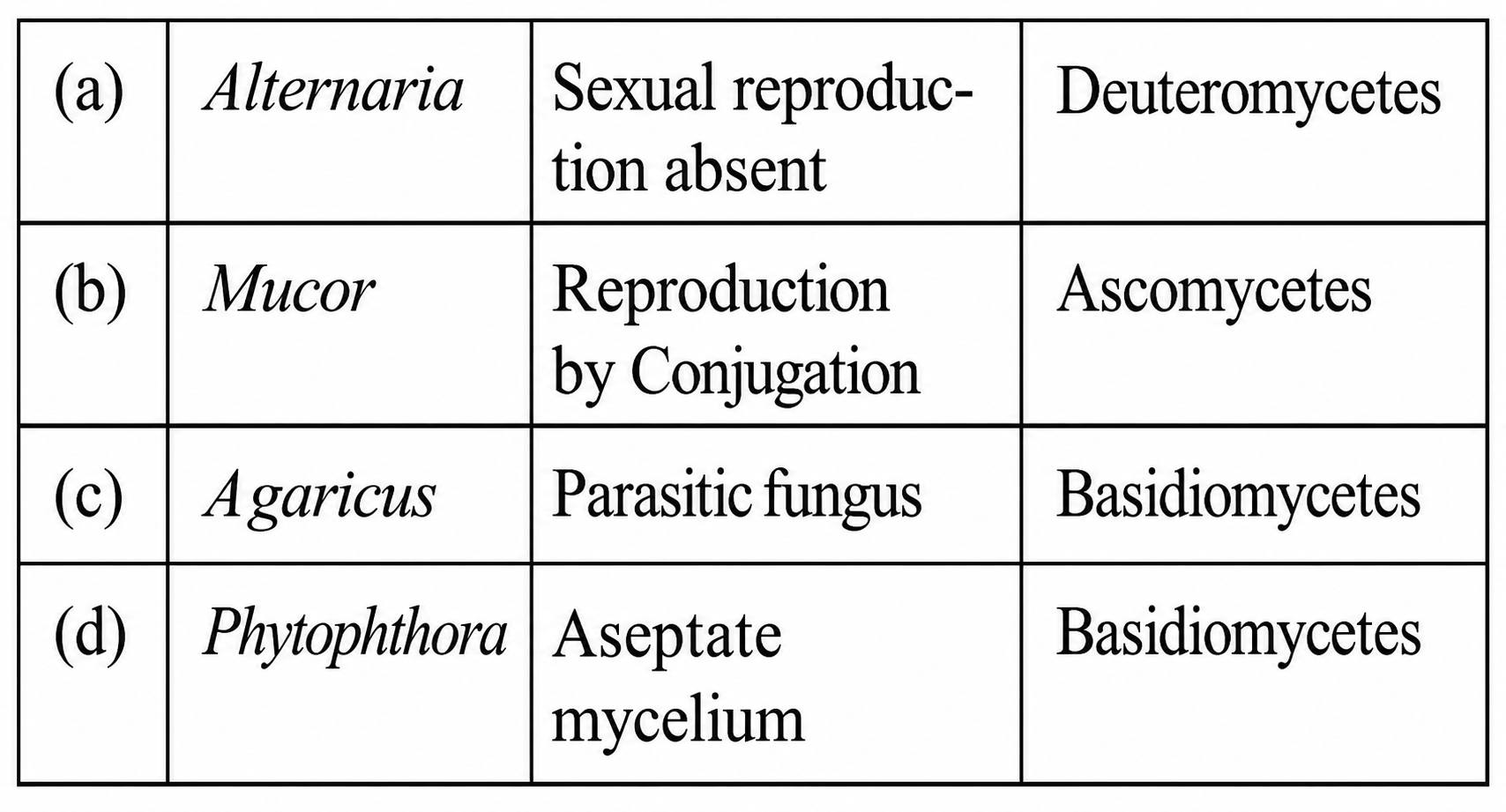
Alternaria belongs to class - Deuteromycetes, which lack sexual reproduction. Asexual reproduction takes place by conidia produced on conidiophores.
True nucleus is absent in :
Anabaena is a cyanobacteria which lack a true nucleus because of absence of nuclear membrane.
The imperfect fungi which are decomposers of litter and help in mineral cycling belong to:
Class- deuteromycetes comprises of imperfect fungi which play role in decomposition of organic wastes.
Choose the wrong statements:
Morel and truffles are used as food and they are members of Ascomycetes fungi.
Which of the following are most suitable indicators of SO₂ pollution in the environment?
Lichens cannot grow in places where sulphur dioxide is present in the environment.
Male gametes are flagellated in:
Male gametes are flagellated in Ectocarpus belonging to Phaeophyceae. The flagella of male gamete plays an important role in establishing initial sexual contact with the female gamete. However, in Ectocarpus the female gamete oo, is flagellated but is different in structure. In Polysiphonia (Rhodophiyceae) flagellated gametes are not observed, in Anabaena sexual reproduction through gametes is absent while in Spirogyra sexual reproduction takes place by conjugation wherein male gamete passes through a tube to the adjacent filament. The male gametes here are non-flagellated and show amoeboid movement.
Which one of the following statements is wrong?
Mannitol or laminarin is the stored food in phaeophyceae (brown algae). Example, Ectocarpus, fucus, Sargassam etc.
Which one is wrong statement ?
The spores are non-motile in Mucor.
In which of the following gametophyte is not independent free living ?
Pinus belongs to gymnosperms in which male and female gametophytes do not have an independent free living existence. They remain within the sporangia which are of two types — microsporangia and megasporangia.
Read the following five statements (A to E) and select the option with all correct statements:
(A) Mosses and Lichens are the first organisms to colonise a bare rock.
(B) Selaginella is a homosporous pteridophyte.
(C) Coralloid roots in Cycas have VAM.
(D) Main plant body in bryophytes is gametophytic, whereas in pteridophytes it is sporophytic.
(E) In gymnosperms, male and female gametophytes are present within sporangia located on sporophyte.
Selaginella s a heterosporus pteridophyte containing micro & megaspores. In Cycas, corolloid root has the cyanobacteria - Anabaena.
Male gametophyte in angiosperms produces:
Two sperms and a vegetative cell are produced by male gametophyte in angiosperms.
In angiosperms, microsporogenesis and megasporogenesis:
In meiosis, the number of chromosomes are reduced by half producing haploid daughter cells. The microspore mother cell and the megaspore mother cell undergo meiosis to produce haploid microspore and megaspore respectively.
Which of the following characteristics is mainly responsible for diversification of insects on land?
The exoskeleton of insects consists of chitinous cuticle. It gets hardened due to deposition of calcium. It prevents desiccation and gives protection.
Metagenesis refers to:
Metagenesis is defined as alteration of generation found in phylum Cnidaria (e.g. Obelia). In this phenomenon one generation of an organism reproduces asexually, followed by a sexually reproducing generation.
Body having meshwork of cell, internal cavities lined with food filtering flagellated cells and indirect develpment are the characteristics of phylum.
The given characteristic features define the phylum Porifera.
A jawless fish, which lays eggs in fresh water and whose ammocoetes larvae after metamorphosis return to the ocean is:
Petromyzon marinus, commonly known as sea lamprey, lays eggs in fresh water and its larvae, after metamorphosis, return to the ocean (saline water).
Which of the following animals is not viviparous?
Platypus is an oviparous (egg laying animal). It belongs to class Mammalia.
Which of the following represents the correct combination without any exception?
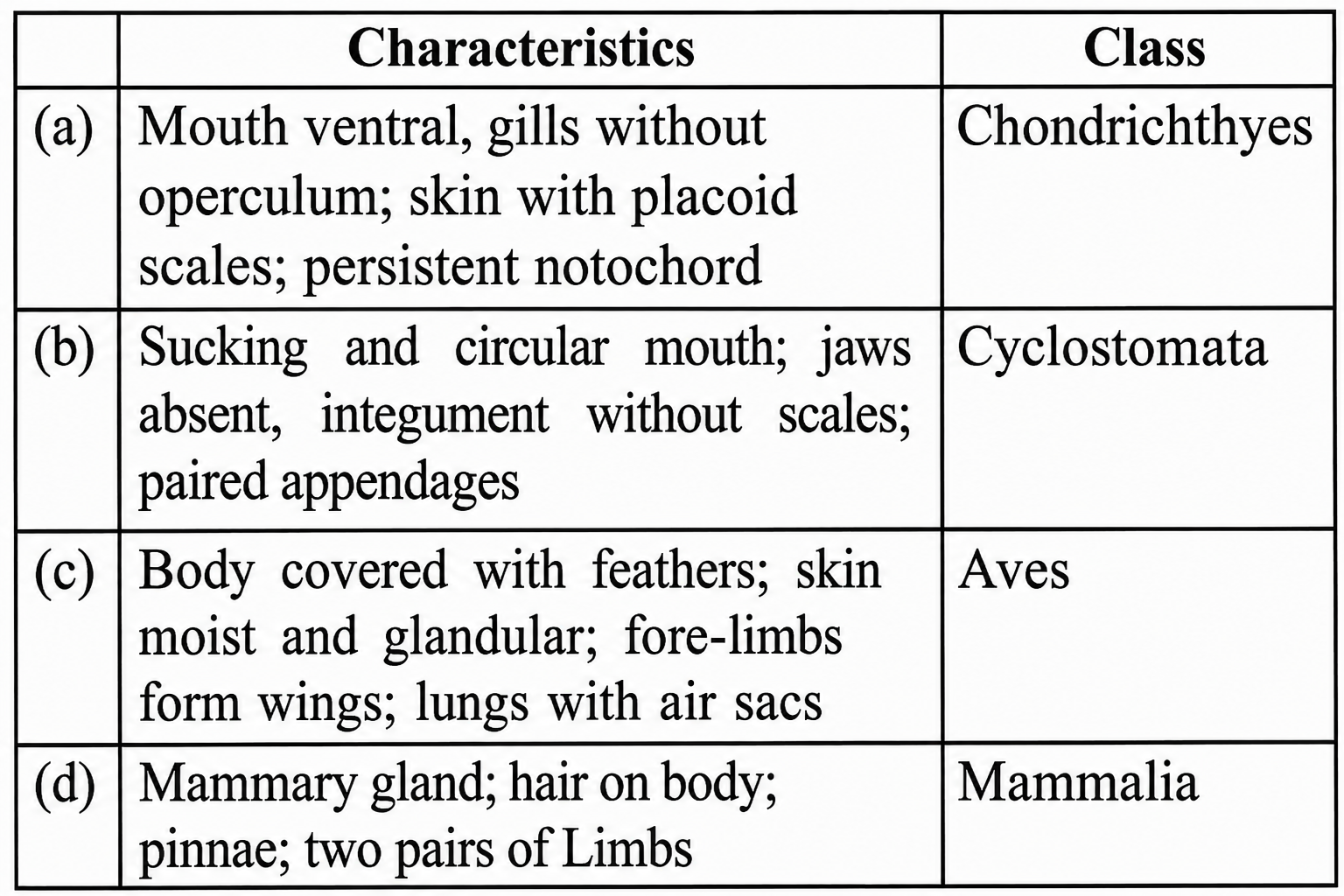
(i) Aves possess dry skin, without glands except oil gland near the base of tail.
(ii) Pinnae are not found in aquatic animals and egg-laying mammals.
(iii) In cyclostomes, unpaired appendages (fins) are found.
Leaves become modified into spines in:
In Opuntia, leaves become modified into spines to avoid transpiration so as to save water for desert adaptation. The stems of this plant appear like leaves, termed as phylloclades, which perform the process of photosynthesis.
Perigynous flowers are found in:
Ovary is partly superior and partly inferior in perigynous flower.
Axile placentation is present in:
In a multilocular ovary, when the placenta is axial and ovules are attached to it, it is known as axile placentation.
Coconut water from a tender coconut is:
Coconut water is free nuclear endosperm which is used.
Which one of the following fruits is parthenocarpic ?
Parthenocarpic fruits (e.g., banana) are produced without fertilization.
The wheat grain has an embryo with one, large, shield-shaped cotyledon known as:
Scutellum is a large, shield-shaped cotyledon that helps in the absorption of nutrients from the endosperm during germination.
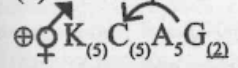
is the floral formula of:
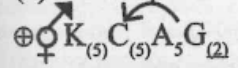
Floral formula of Petunia (Solanaceae) is
Keel is the characteristic feature of flower of:
Indigofera is a member of family Fabaceae. It has a keel-type floral structure in which two anterior fused petals are present.
Among china rose, mustard, brinjal, potato, guava, cucumber, onion and tulip, how many plants have superior ovary?
Superior ovary is found in China rose, mustard, brinjal, potato, onion and tulip. Guava and cucumber have inferior ovary.
Flowers are unisexual in:
The flowers of cucumber are unisexual, it means they have only male flowers or only female flowers.
Transmission tissue is characteristic feature of:
A solid style has transmission tissue which has large intercellular spaces. It allows growth of pollen tube in pistil.
In a ring girdled plant:
In a ring girdled plant, roots die first due to damage of phloem causing inhibition of translocation of food.
A major characteristic of the monocot root is the presence of:
Monocot root shows radial and closed vascular bundles (xylem & phloem).
Vascular bundles in monocotyledons are considered closed because:
Vascular bundles in monocotyledons are considered closed due to absence of cambium.
Read the different components from (a) to (d) in the list given below and tell the correct order of the components with reference to their arrangement from outer side to inner side in a woody dicot stem.
(A) Secondary cortex
(B) Wood
(C) Secondary phloem
(D) Phellem
The correct order is:
The correct sequence from outer side to inner side in a woody dicot stem is as follows:
Phellem → Secondary cortex → Secondary phloem → Wood, [(D) → (A) → (C) → (B)]
The body cells in cockroach discharge their nitrogenous waste in the haemolymph mainly in the form of:
The body cells in cockroach discharge their nitrogenous waste in the haemolymph as a solution of sodium or potassium urate (a weak alkaline fluid).
The terga, sterna and pleura of cockroach body are joined by:
Between the various sclerite, a flexible membrane exists which is known as arthrodial membrane.
Identify the correct order of organisation of genetic material from largest to smallest:
Genome > chromosomes > gene > nucleotide.
A protoplast is a cell:
Cell wall is absent in a protoplast.
Which one of the following is not an inclusion body found in prokaryotes?
Polysomes are defined as a cluster of ribosomes attached to a mRNA molecule.
Cell wall is absent in:
Mycoplasma lacks cell wall.
DNA is not present in:
Ribosomes are composed of ribonucleic acid and proteins and are not surrounded by any membrane. These are the site for protein synthesis.
Nuclear envelope is a derivative of:
In late prophase, nuclear envelope disappears and reappears in late telophase from rough endoplasmic reticulum (RER).
Select the correct matching in the following pairs:
Lipid synthesis takes place in smooth endoplasmic reticulum.
Which of the following are not membrane-bound?
Ribosomes are not membrane-bound cell organelle.
The function of the gap junction is to:
The function of the gap junction is to facilitate communication between adjoining cells by connecting the cytoplasm for rapid transfer of ions, small molecules and some large molecules.
Balbiani rings are sites of:
RNA and protein synthesis occur in Balbiani rings.
Match the columns and identify the correct option.
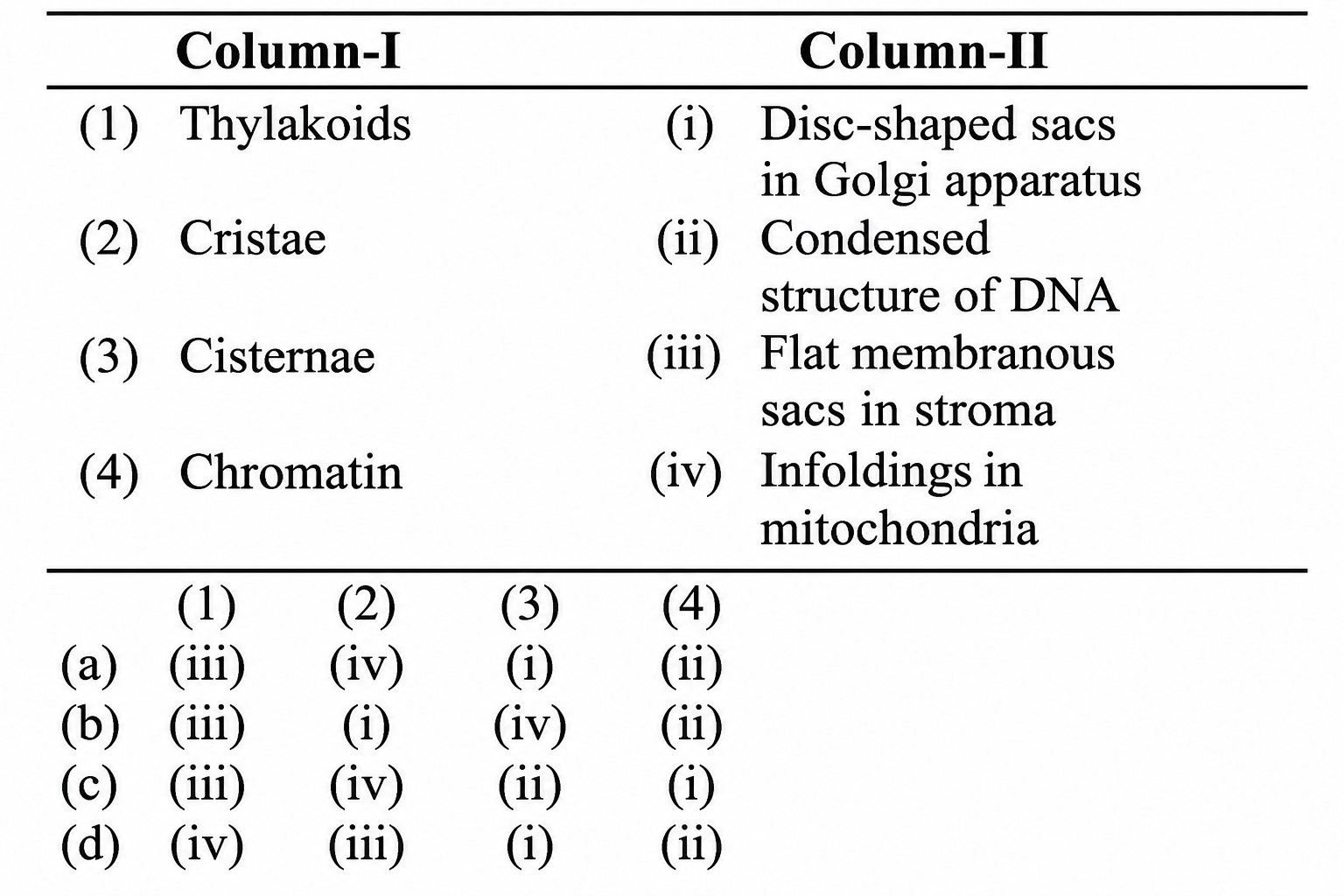
(1) → (iii), (2) → (iv), (3) → (i), (4) → (ii)
Cellular organelles with membranes are:
Lysosomes, Golgi apparatus and mitochondria are the cell organelles which have membranes.
Which one of the following statements is incorrect?
Kₘ increases but Vₘₐₓ remains the same in competitive inhibition. This is because, on slightly increasing the substrate concentration, the effect of inhibitor is removed.
Which of the following biomolecules does have phosphodiester bond?
Nucleic acids have phosphodiester bond in a nucleotide.
The introduction of t-DNA into plants involves:
Agrobacterium tumefaciens introduces T-DNA into the plant.
A somatic cell that has just completed the S phase of its cell cycle, as compared to a gamete of the same species, has:
When S-phase completes, a somatic cell contains 2n number of chromosomes and 4C content of DNA.
Select the correct option
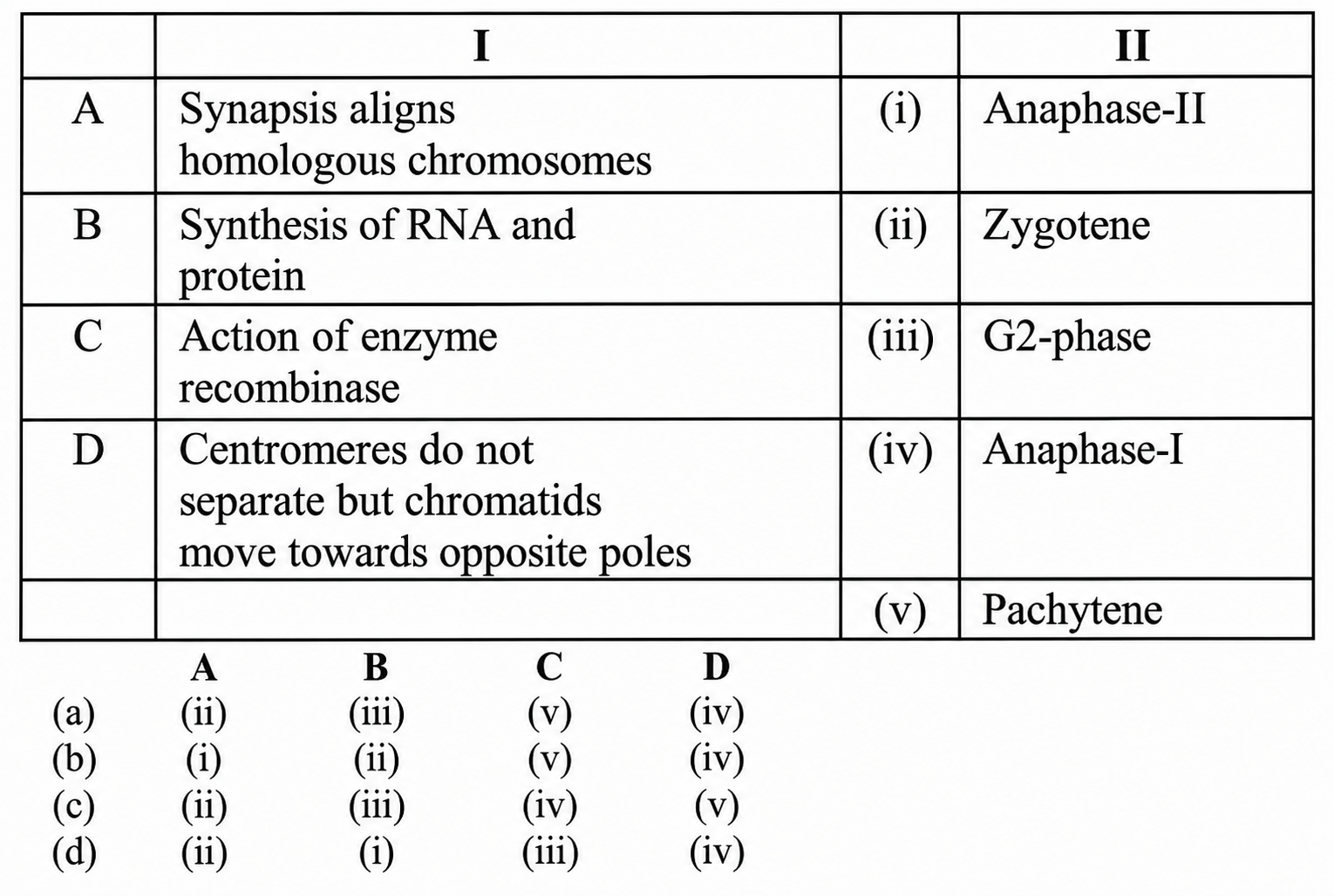
Pachytene – Crossing over mediated by recombinase enzyme.
Zygotene – Pairing of homologous chromosomes.
G₂ phase – Synthesis of RNA and protein.
Anaphase I – Centromeres do not separate, but chromatids move towards opposite poles.
Choose the correct option for the following events of meiosis in correct sequence:
(A) Crossing over
(B) Synapsis
(C) Terminalisation of chiasmata
(D) Disappearance of nucleolus
Synapsis → Crossing over → Terminalisation of chiasmata → Disappearance of nucleolus.
Which one gives the most valid and recent explanation for stomatal movements?
The opening and closing of stomata are caused by influx and efflux of potassium ions (K⁺). The increase of K⁺ results in opening of stomata and decrease of K⁺ causes closing of stomata. The turgidity of guard cells induces the opening of the pores of stomata found on the surface of leaves.
A column of water within xylem vessels of tall trees does not break under its weight because of:
Due to tensile strength of water, a column of water within xylem vessels of tall trees does not break under its weight.
Root pressure develops due to:
Active absorption creates root pressure. In this process, the expenditure of energy takes place for the movement of substances against concentration gradient.
Roots play insignificant role in absorption of water in :
Pistia is a hydrophyte plant where absorption of water by root is not important.
Transpiration and root pressure cause water to rise in plants by :
Transpiration creates pulling (Negative pressure) force. Root pressure creates positive pressure developed in xylem. It is measured by manometer.
Minerals known to be required in large amounts for plant growth include :
Phosphorus, potassium, sulphur and calcium play an important role in plants growth. These minerals are required in large amount. Phosphorus is required for all phosphorylation reactions and constitution of cell membrane, nucleic acids and some proteins. Potassium is related with protein synthesis, closing and opening of stomata and activation of enzyme. Calcium regulates metabolic activities, function of cell membrane and stabilizes the structure of chromosomes. Sulphur is the main constituent of the amino acids, cystine and methionine, coenzymes and vitamins.
The structures that are formed by stacking of organized flattened membranous sacs in the chloroplasts are :
In chloroplast which are green coloured plastids, thylakoids are arranged in stacks like the pile of coins called grana.
Chromatophores take part in:
Chromatophores play an important role in the process of photosynthesis. They contain pigments and are found in blue green algae.
Cytochromes are found in :
Cytochromes are found in mitochondria. These are located on the inner membrane of mitochondria and are related with phosphorylation.
The oxygen evolved during photosynthesis comes from water molecules. Which one of the following pairs of elements is involved in this reaction?
During photosynthesis photolysis of water is induced by Mn⁺⁺ and Cl⁻ ions.
In photosynthesis the light-independent reactions take place at :
Stromal matrix contains a number of flattened membranous sacs called thylakoid or lamellae.
Typical growth curve in plants is :
Sigmoid growth curve maintains equilibrium with carrying capacity, it forms asymptote stage in plants.
What causes a green plant exposed to the light on only one side, to bend toward the source of light as it grows ?
Auxin stimulates cell elongation. It accumulates on shaded side which results in more elongation of cells towards shaded side of the plant. This causes bending of the plant towards source of light.
Auxin can be bioassayed by
Avena coleoptile curvature is used for the bioassay of auxin.
Which of the following statements is not correct?
Duodenum contains Brunner’s glands which secrete mucus and digestive juices.
The primary dentition in human differs from permanent dentition in not having one of the following type of teeth:
The dental formula for milk teeth is 2102/2102, so premolars are absent in the primary dentition.
Gastric juice of infants contains:
Gastric juice of infants contains pepsinogen, lipase and rennin. Gastric juice does not contain amylase, maltase & nuclease.
When you hold your breath, which of the following gas changes in blood would first lead to the urge to breathe?
Chemoreceptors in the medulla get stimulated by increase in CO₂ concentration in the blood of arteries. Decrease in O₂ concentration has no significant effect on chemoreceptors.
Name the pulmonary disease in which alveolar surface area involved in gas exchange is drastically reduced due to damage in the alveolar walls.
In the disease emphysema, alveolar surface area is reduced due to destruction of alveolar walls.
Which one of the following is correct?
Blood is a body fluid that delivers necessary substances such as nutrients and oxygen to the cells and transports metabolic waste products from those same cells. It is composed of blood cells (RBC, WBC, platelets) suspended in plasma.
Erythropoiesis starts in:
Erythropoiesis is the process of formation of RBC. In the first month of pregnancy, yolk sac is the haemopoietic tissue. After 5 weeks, it is followed by the liver. Red bone marrow from 6 months onwards becomes the principal site of erythropoiesis.
Blood pressure in the mammalian aorta is maximum during:
The wall of left ventricle is the thickest of all the chambers. It supplies oxygenated blood throughout the body. Aorta arises from left ventricle and the musculature is best developed.
Doctors use stethoscope to hear the sounds produced during each cardiac cycle. The second sound is heard when:
The second sound heard by doctors using stethoscope occurs when semilunar valves close down after the blood flows into vessels from ventricles.
‘Which one of the following animals has two separate circulatory pathways?
Whale is a mammal. It has a four-chambered heart having two atria and two ventricles. Oxygenated and deoxygenated blood flow in separate circulatory pathways.
Which of the following does not favour the formation of large quantities of dilute urine?
The secretion of Renin is induced by decrease in blood pressure and blood volume. It maintains the proper BP and BV. It has no role in the formation of large quantities of urine.
Removal of proximal convoluted tubule from the nephron will result in:
Generally all of the essential nutrients and 70% to 80% of electrolytes and water are reabsorbed by this segment. Removal of proximal convoluted tubule from the nephron will result in dilution of urine.
Human urine is usually acidic because :
Urine has acidic nature because hydrogen ions (H⁺) are components of an acid which are secreted into the filtrate.
Sliding filament theory can be best explained as:
Sliding filament theory was given by Huxley and Huxley (1954). It states that Actin and Myosin filaments do not become short but rather slide past each other. Because of sliding of actin filaments over myosin, the length of I-band will change.
Glenoid cavity articulates:
Glenoid cavity articulates humerus with scapula.
Which of the following joints would allow no movement?
Fibrous joint is an attachment between bones, being held together by fibrous connective tissue. For example—suture between skull bones.
Which of the following is not a function of the skeletal system?
Production of body heat is caused by the process of metabolism (respiration).
Which of the following regions of the brain is incorrectly paired with its function?
Cerebellum maintains the balance and body posture. It is not concerned with logical part.
Destruction of the anterior horn cell of the spinal cord would result in loss of:
In poliomyelitis, anterior horn cells of spinal cord are destroyed which causes loss of motor activities of limbs.
The number of water molecules is maximum in:
No. of moles of water
In 1.8 g of H₂O = 0.1 moles
In 18 g of H₂O = 1 mole
1 mole contains 6.022 × 10²³ molecules of water.
Therefore, maximum number of molecules is in 18 moles of water.
20.0 g of a magnesium carbonate sample decomposes on heating to give carbon dioxide and 8.0 g magnesium oxide. What will be the percentage purity of magnesium carbonate in the sample?
MgCO₃ → MgO + CO₂
84 g of MgCO₃ forms 40 g of MgO
20 g of MgCO₃ forms
40×20 / 84 = 9.52 g of MgO
Since 8.0 g of MgO is formed,
Purity of sample = 8/9.52 × 100 = 84.0%
If Avogadro number N_A is changed from 6.022 × 10²³ mol⁻¹ to 6.022 × 10²⁰ mol⁻¹, this would change:
If 6.022 × 10²³ changes to 6.022 × 10²⁰/mol, then this would change mass of one mole of carbon.
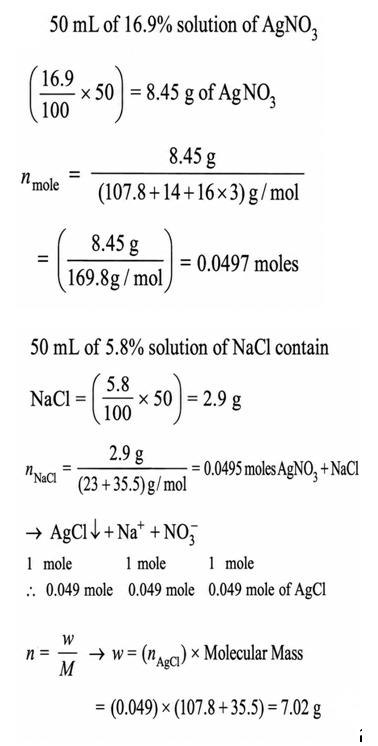
What is the mass of precipitate formed when 50 mL of 16.9% solution of AgNO₃ is mixed with 50 mL of 5.8% NaCl solution?
(Ag = 107.8, N = 14, O = 16, Na = 23, Cl = 35.5)
The formation of the oxide ion O²⁻(g), from oxygen atom requires first an exothermic and then an endothermic step as shown below:
O(g) + e⁻→ O⁻(g); Δ_f H° = −141kJ mol⁻¹
O⁻(g) + e⁻ → O²⁻(g); Δ_f H° = +780 kJ mol⁻¹
Thus, the process of formation of O²⁻ ion in the gas phase is unfavourable even though O²⁻ is isoelectronic with neon. It is due to the fact that
Incoming electrons occupy the smaller n = 2 shell; also negative charge on oxygen (O⁻) is another factor due to which incoming electron feels repulsion. Hence, electron repulsion outweighs the stability gained by achieving noble gas configuration.
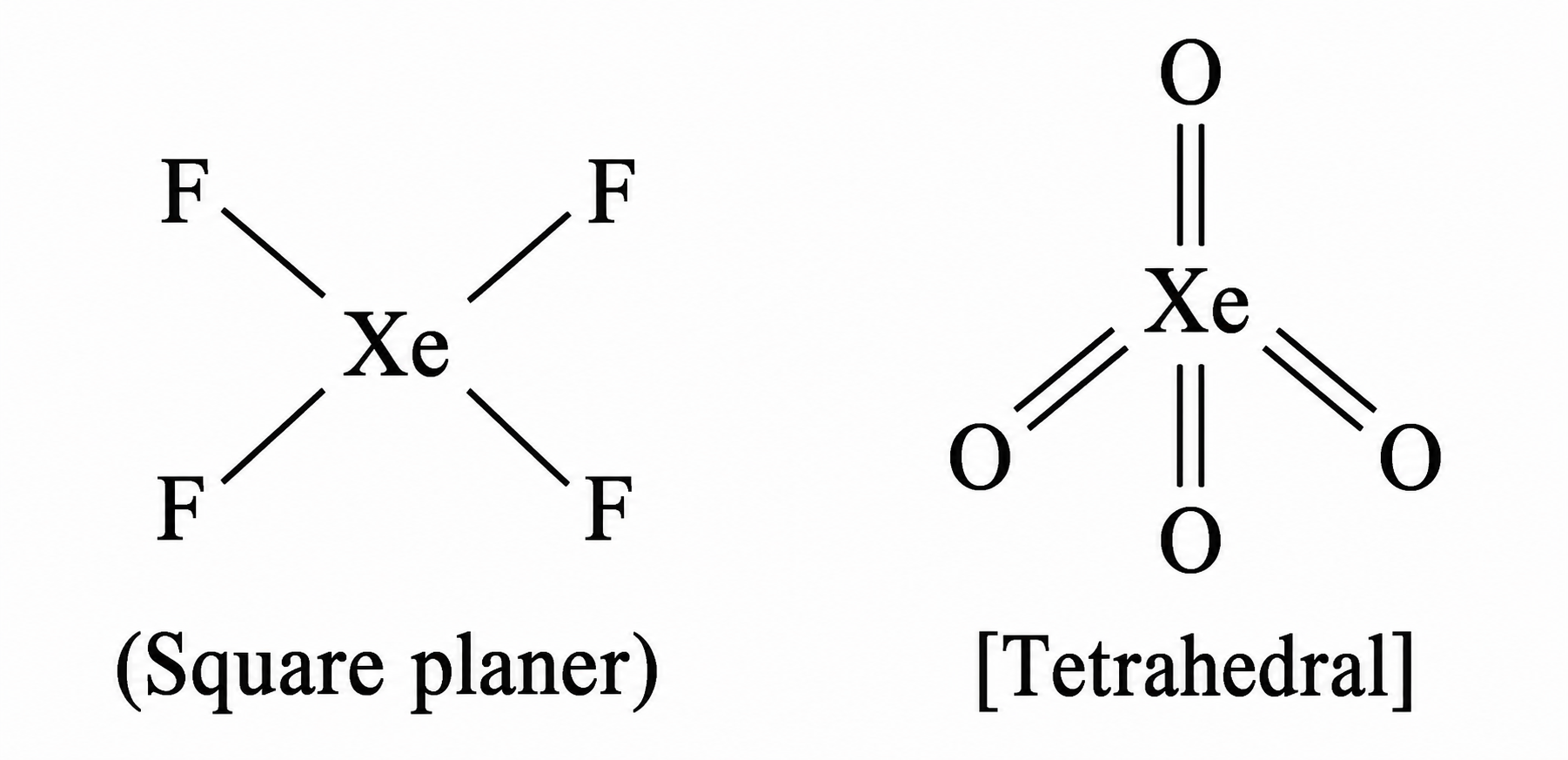
In which of the following pairs, both the species are not isostructural?
XeF₄, XeO₄
A gas such as carbon monoxide would be most likely to obey the ideal gas law at:
At high temperature and low pressure.
The heat of combustion of carbon to CO₂ is −393.5 kJ/mol. The heat released upon formation of 35.2 g of CO₂ from carbon and oxygen gas is
C + O₂ → CO₂ + 393.5 kJ/mol
12 g C ⟶ 44 g
44 g CO₂ is formed from 12 g of carbon.
35.2 g is formed from 12 × 35.2/44 g of C
= 9.6 g of C
=9.6/12=0.8 mole
1 mole releases heat = 393.5 kJ
0.8 mole releases heat
= 393.5 × 0.8
= 314.8 kJ ≈ 315 kJ
If the equilibrium constant for
N₂(g) + O₂(g) ⇌ 2NO(g) is K, the equilibrium constant for
1/2N₂(g) + 1/2O₂(g) ⇌ NO(g) will be:
N₂(g) + O₂(g) ⇌ 2NO(g)
K = [NO]²/[N₂][O₂]
1/2N₂ + 1/2O₂ ⇌ NO
K′ = [NO]/[N₂]¹ᐟ²[O₂]¹ᐟ² = K¹ᐟ²
What is the pH of the resulting solution when equal volumes of 0.1 M NaOH and 0.01 M HCl are mixed?
g eq of NaOH = 0.1 × V = 0.1V
g eq of HCl = 0.01 × V = 0.01V
g eq of NaOH > g eq. of HCl
Hence, the resultant solution should be basic.
hence, from the equation,
M₁V₁ = M₂V₂= MV
0.1V − 0.01V = MV
M = 0.09/2 = 0.045 = 4.5 × 10⁻²
Now, pOH = - log [OH⁻]
−log4.5 × 10⁻² = 1.34
∴ pH + pOH = 14
∴ pH = 14 − 1.34 = 12.65
Which one of the following pairs of solution is not an acidic buffer?
Among the given acids, HClO₄ is a very strong acid and completely dissociates.
∴ [HA] → 0
Hence, it cannot be used for an acidic buffer.
On heating, which of the following releases CO₂ most easily?
Carbonates become more thermally stable down the group; therefore, MgCO₃ will leave CO₂ easily.
The stability of +1 oxidation state among Al, Ga, In and Tl increases in the sequence:
Lower oxidation state becomes more stable on moving down the group.
Al < Ga < In < Tl
Which of the following statements is not correct for a nucleophile?
Nucleophiles are usually Lewis bases.
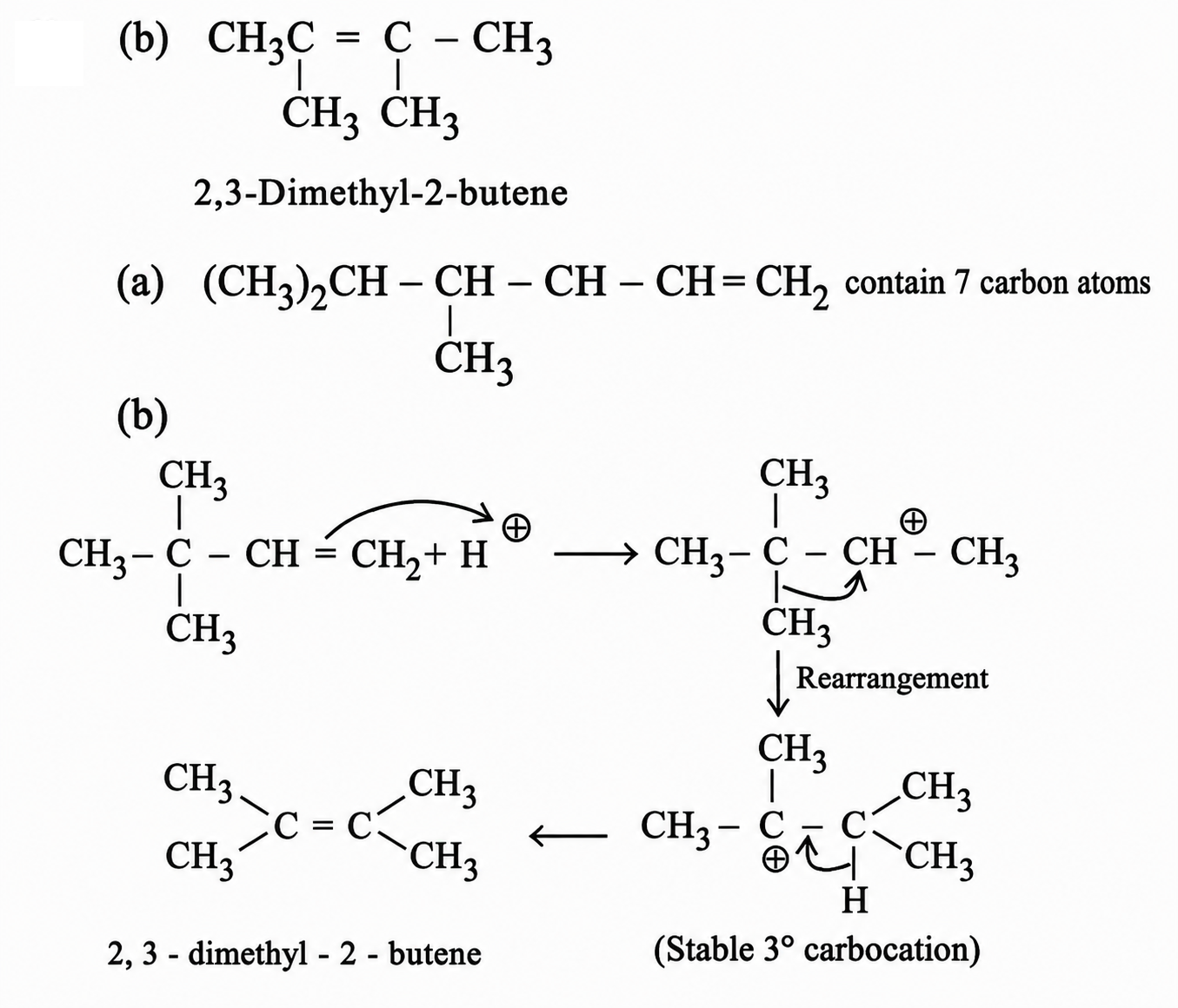
2,3-Dimethyl-2-butene can be prepared by heating which of the following compounds with a strong acid?
- (A) (CH₃)₃C−CH=CH₂
-
(B)
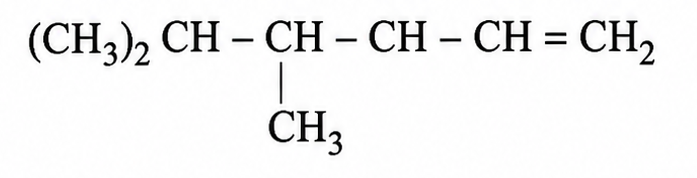
- (C) (CH₃)₂CH−CH₂−CH=CH2₂
- (D) (CH₃)₂C=CH−CH₂CH₃
.
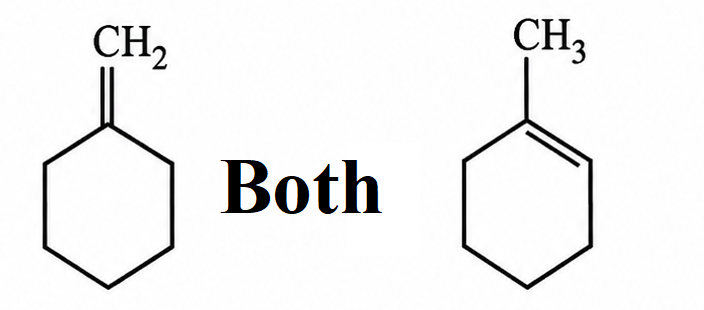
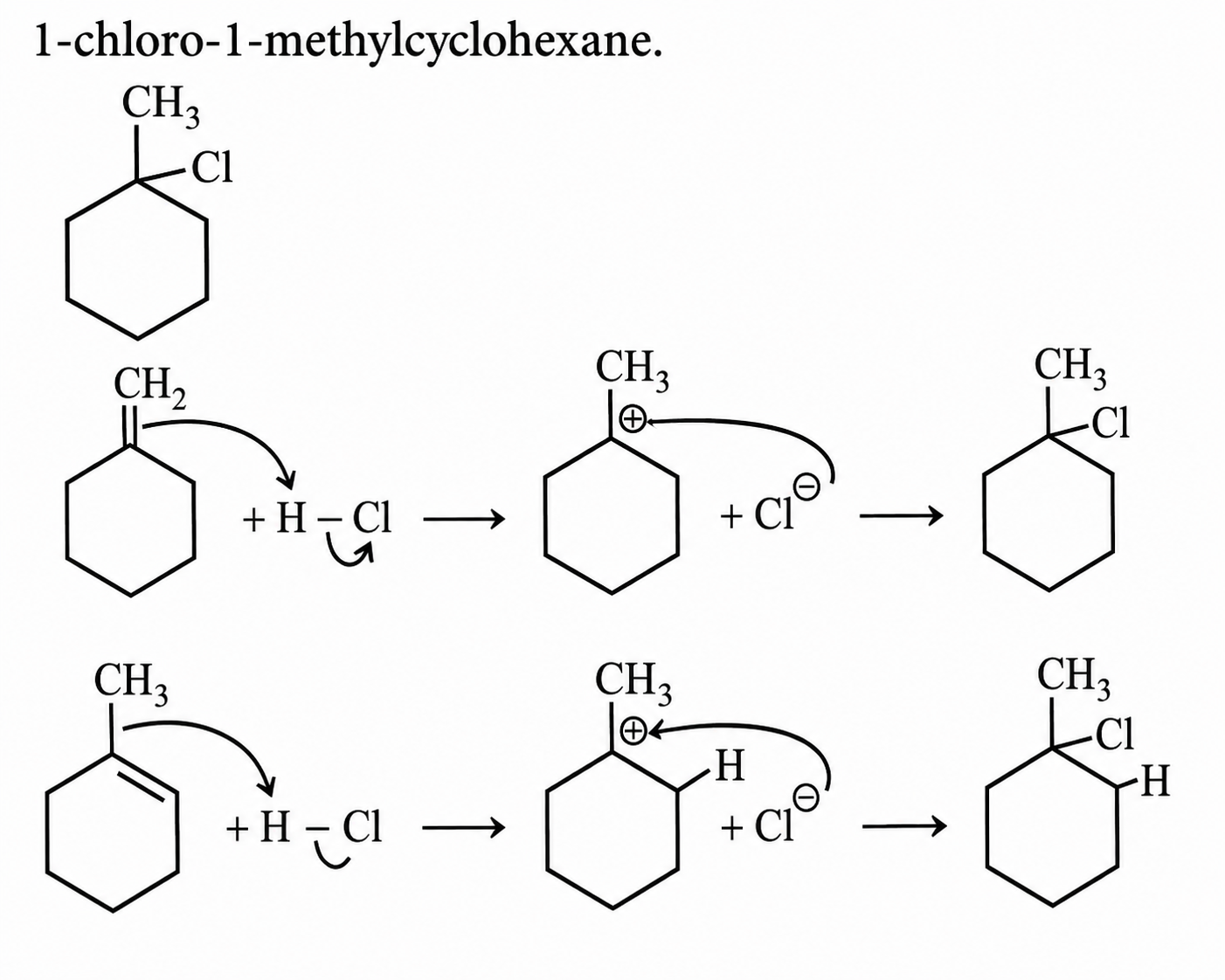
In the reaction with HCl, an alkene reacts in accordance with the Markovnikov's rule, to give a product 1-chloro-1-methylcyclohexane. The possible alkene is:
-
(A)
-
(B)
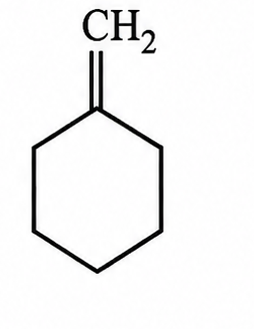
-
(C)
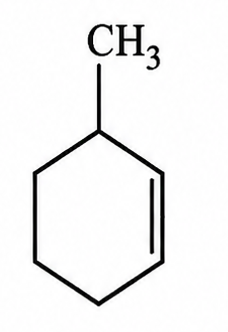
-
(D)
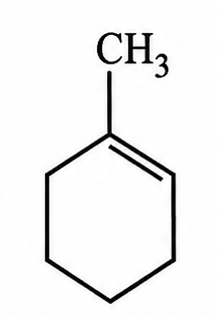
Aqueous solution of which of the following compounds is the best conductor of electric current?
HCl completely dissociates to give H⁺ and Cl⁻ ions; hence, it acts as a very good electrolyte, while the others are non-electrolytes.
The rate constant of the reaction A → B is 0.6 × 10⁻³ mol s⁻¹. If the concentration of A is 5 M, then the concentration of B after 20 minutes is:
Rate constant,
k = 0.6 × 10⁻³ mole per second. (Unit: mole per second shows zero order reaction.)
For a zero order reaction,
[A] = [A]₀ − kt
and [A₀] - [A] = [B] = kt
0.6 × 10⁻³ × 20 × 60 = 0.72M
In the extraction of copper from its sulphide ore, the metal is finally obtained by the reduction of cuprous oxide with:
2Cu₂S(s) + 3O₂(g) → 2Cu₂O(s) + 2SO₂(g)
The unchanged Cu₂S, mixed with Cu₂O and heated strongly in the absence of air:
Cu₂S + 2Cu₂O → 6Cu + SO₂
Strong reducing behaviour of H₃PO₂ is due to:
The acids which contain P–H bond have strong reducing properties.
Which of the statements given below is incorrect?
OF₂; among the following O and F, fluorine is more electronegative than oxygen.
So OF₂ cannot be called oxide because in that case fluorine would be in the +1 oxidation state, which is not possible. Therefore, OF₂ is called oxygen difluoride.
The variation of the boiling point of the hydrogen halides is in the order HF > HI > HBr > HCl. What explains the higher boiling point of hydrogen fluoride?
Hydrogen bonding is present in HF due to the high electronegativity of the fluorine atom. Hydrogen bonding is not present in HI, HBr, and HCl.
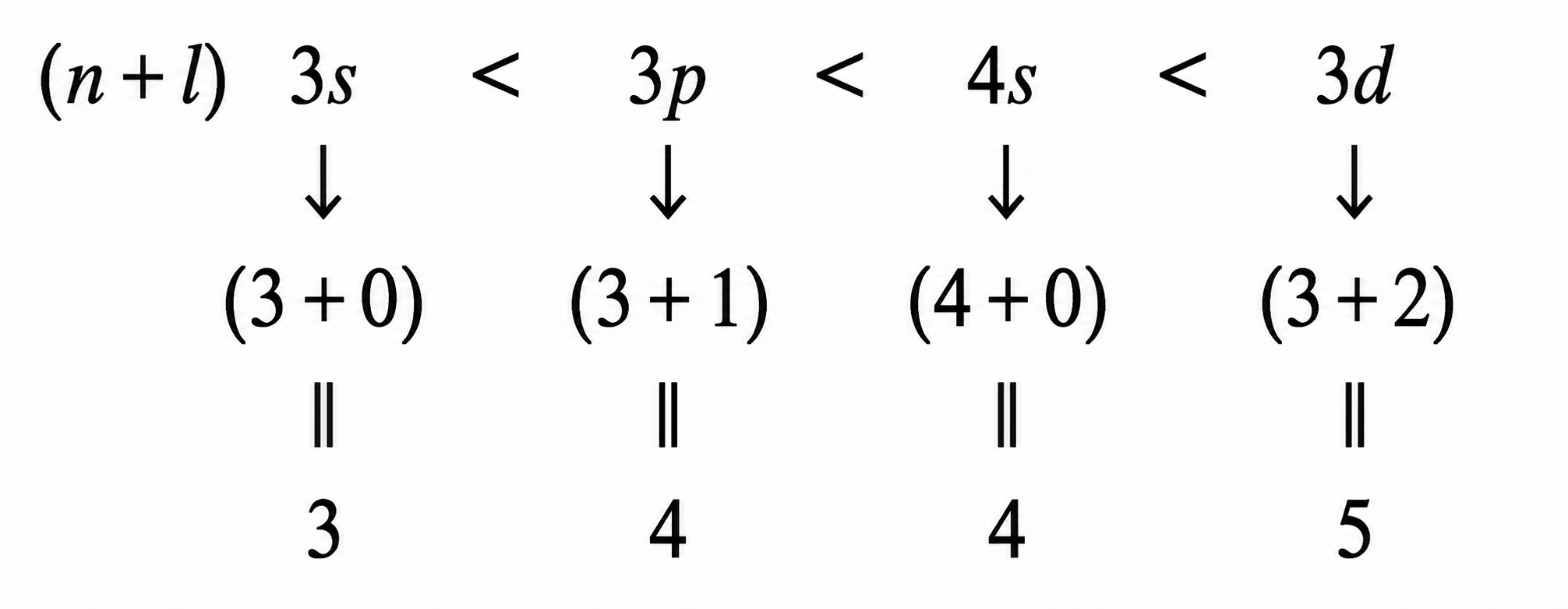
Which is the correct order of increasing energy of the listed orbitals in the atom of titanium?
(n+ l) rule can be used. Titanium is a multi electron system
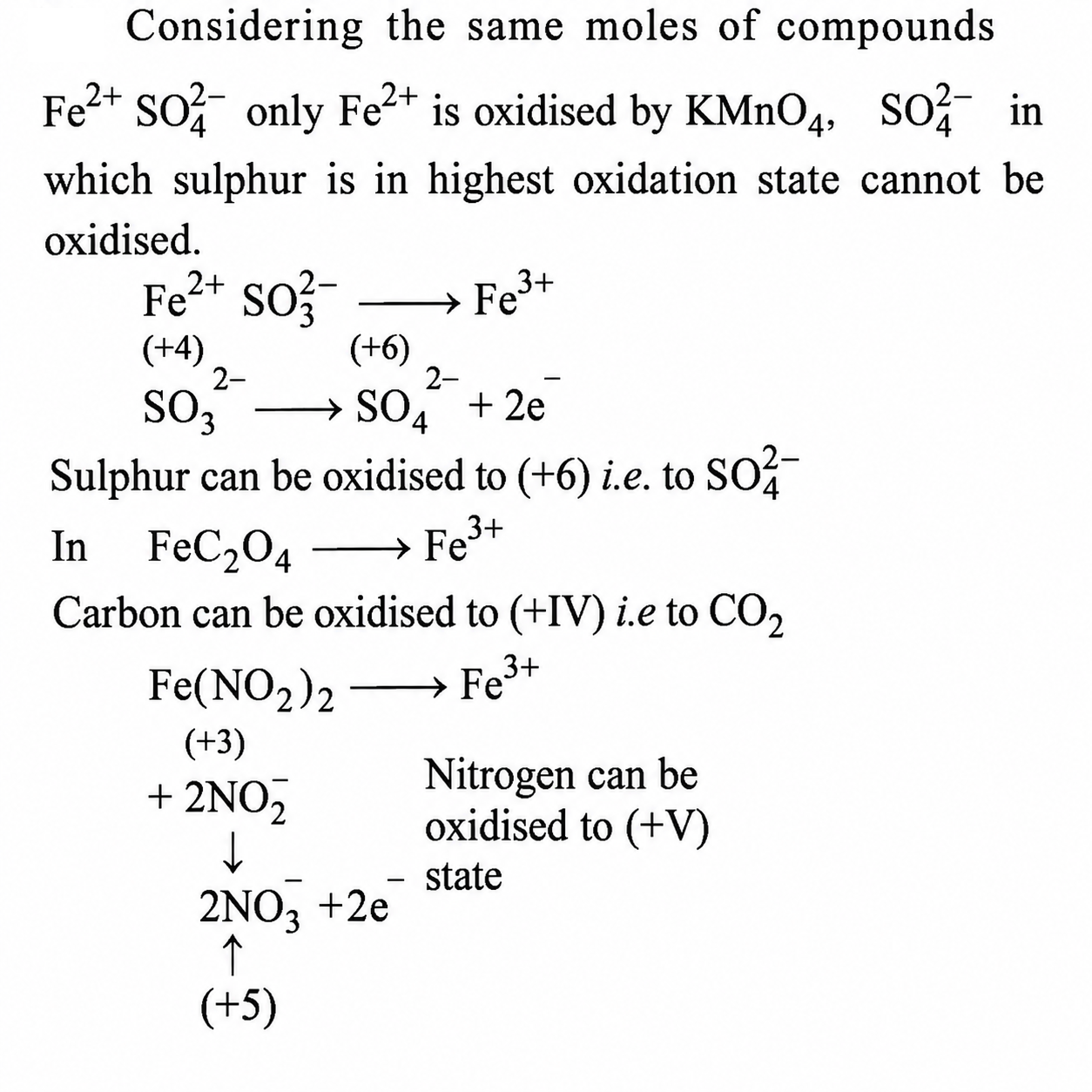
Assuming complete ionization, same moles of which of the following compounds will require the least amount of acidified KMnO₄ for complete oxidation?
Gadolinium belongs to 4f series. Its atomic number is 64. Which of the following is the correct electronic configuration of gadolinium?
Gd(64) = [Xe]4f⁷5d¹6s²
The sum of coordination number and oxidation number of the metal M in the complex [M(en)₂(C₂O₄)]Cl (where en is ethylenediamine) is:
[M(en)₂(C₂O₄)]Cl
C₂O₄ = bidentate ligand, carries −2 charge.
en = bidentate ligand, carries 0 charge.
∴ M carries +3 charge; coordination number = 6.
Sum = +3 + 6 = 9.
The name of complex ion, [Fe(CN)₆]³⁻ is:
Hexacyanidoferrate (III) ion
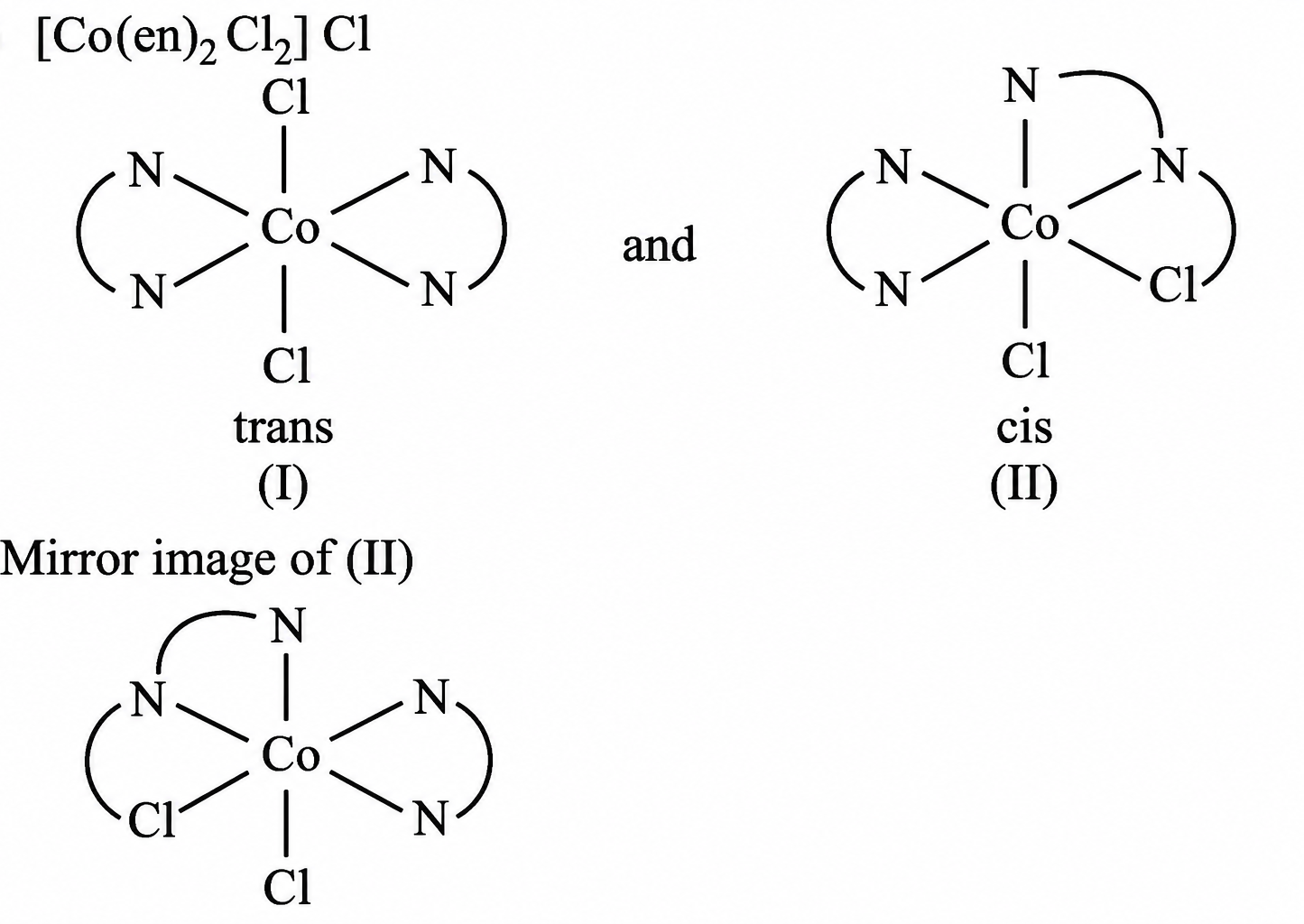
Number of possible isomers for the complex [Co(en)₂Cl₂]Cl will be (en = ethylenediamine):
.
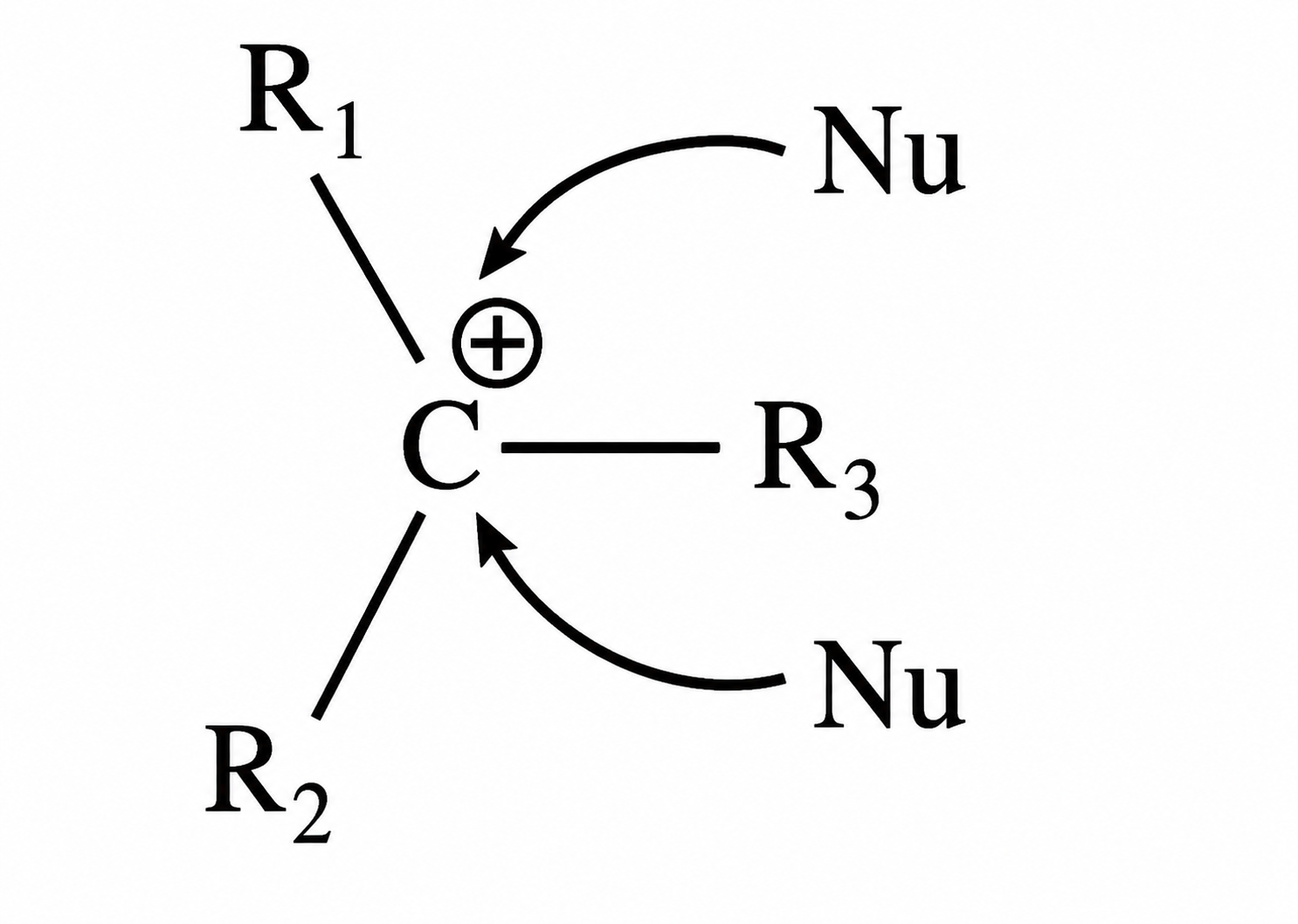
In an S_N1 reaction on chiral centres there is:
In S_N1 reaction, carbocation a planar species as intermediate is formed.
So attack from below or above the plane can take place. 1f 50% attack below and above the plane of carbocation take place than 100% racemization occurs but it may not be highly probable. i.e. if inversion occurs more than retention leading to partial racemization.
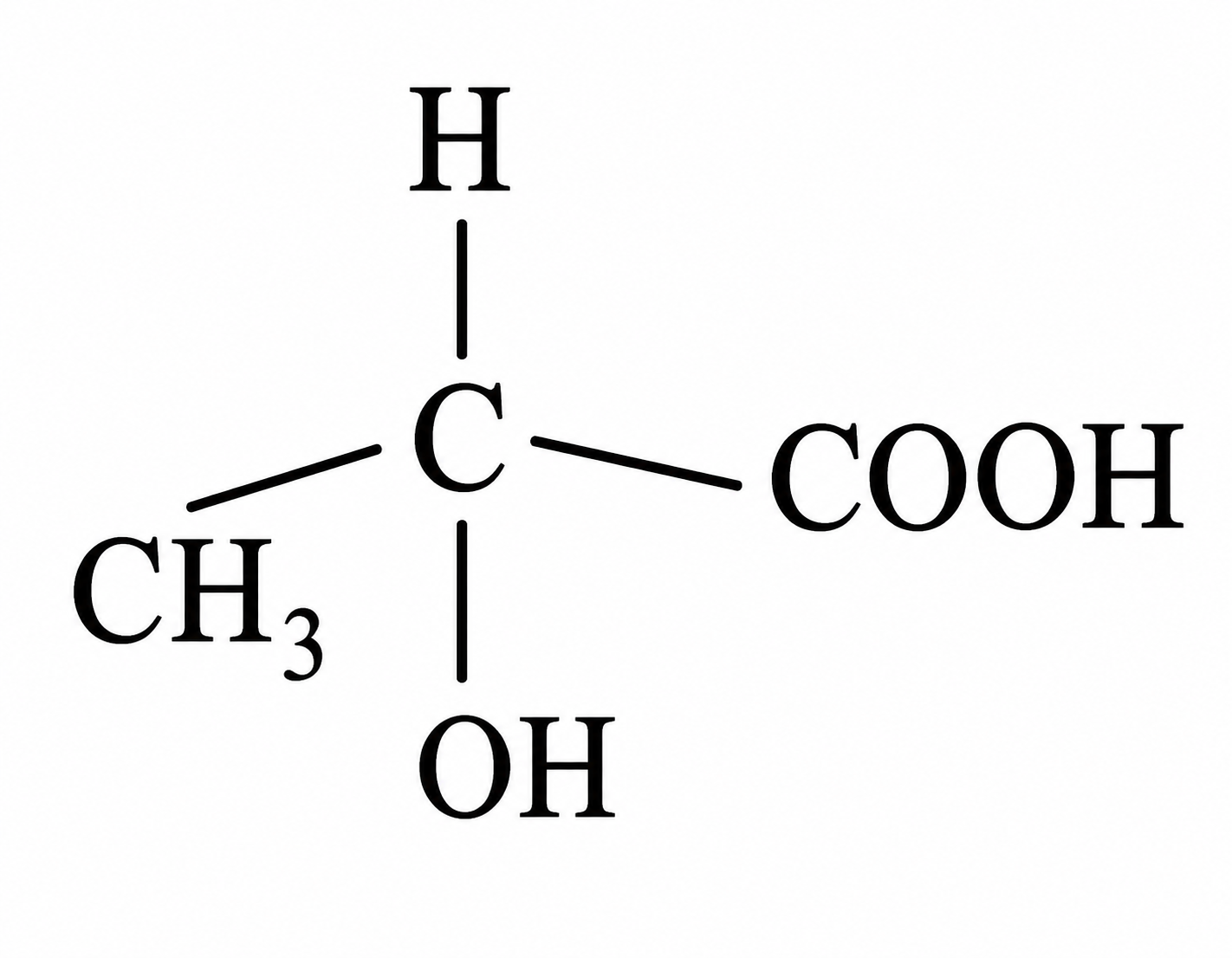
Two possible stereo-structures of CH₃CHOHCOOH, which are optically active, are called:
Four different Substituent, only one chiral centre.
Hence only enantiomers are possible.
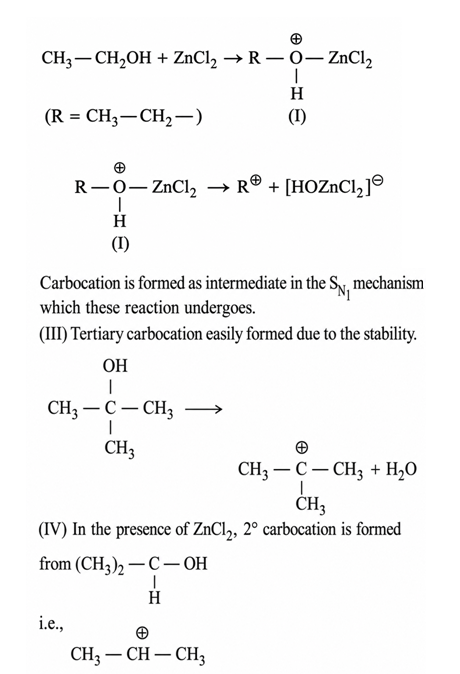
Which of the following reaction(s) can be used for the preparation of alkyl halides?
(I) CH₃CH₂OH+HCl —anh. ZnCl₂→
(II) CH₃CH₂OH+HCl →
(III) (CH₃)₃COH+HCl →
(IV) (CH₃)₂CHOH+HCl —anh. ZnCl₂ →
.
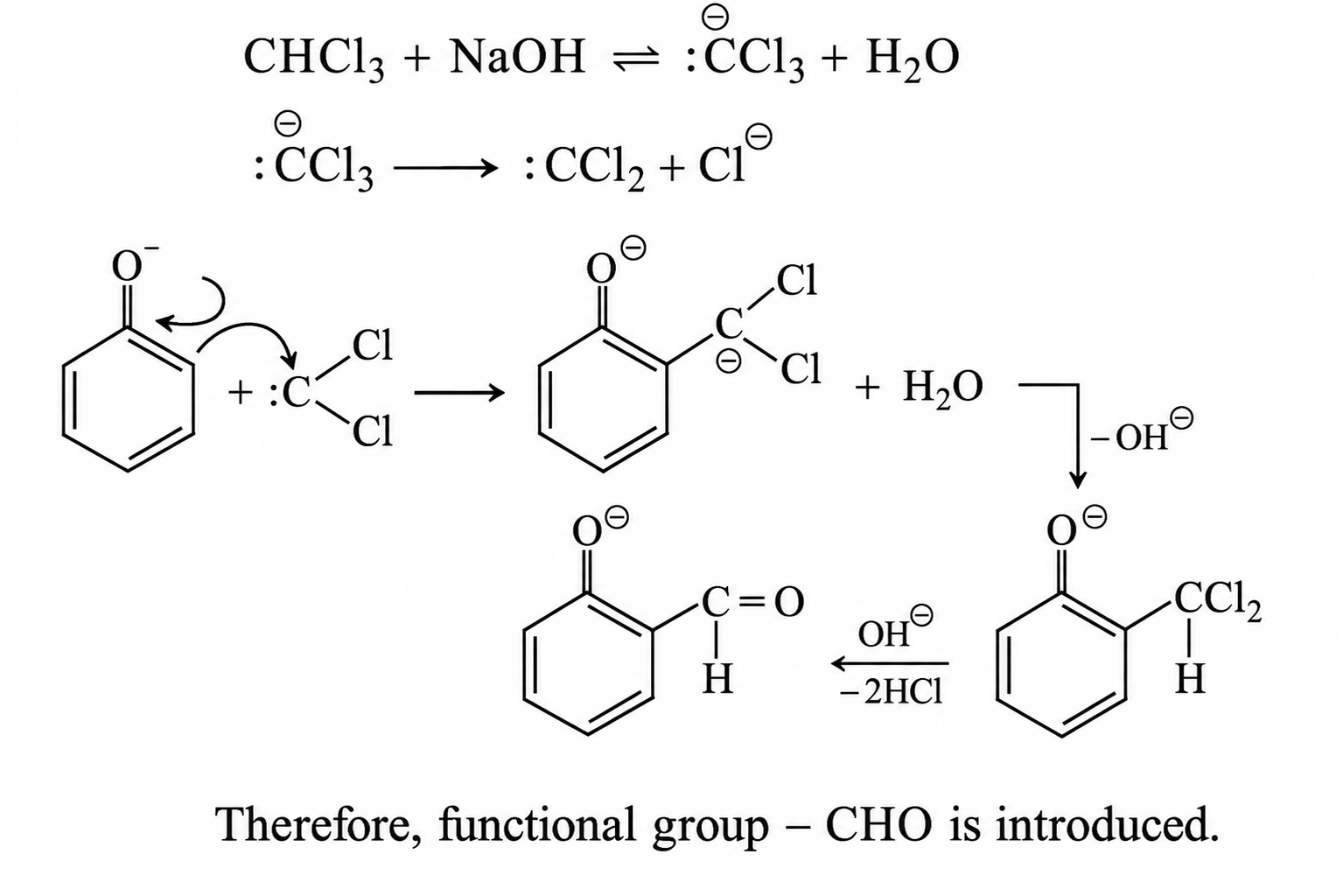
Reaction of phenol with chloroform in presence of dilute sodium hydroxide finally introduces which one of the following functional group?
.
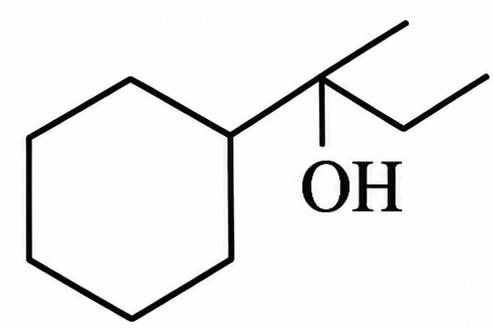
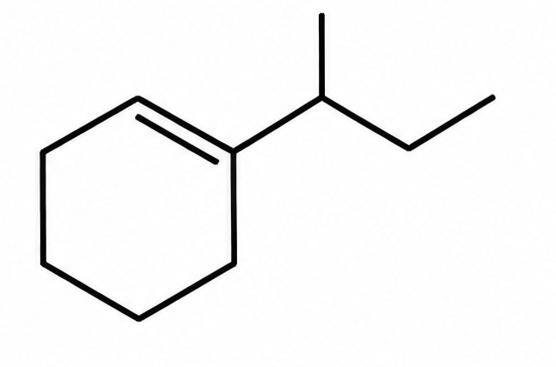
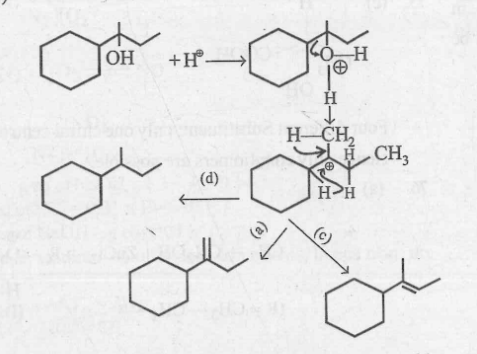
Which of the following is not the product of dehydration of ?
-
(A)
-
(B)
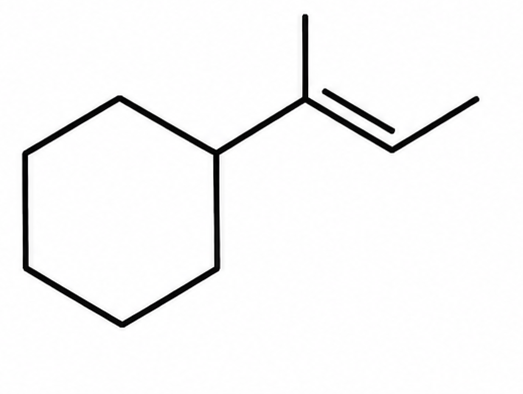
-
(C)
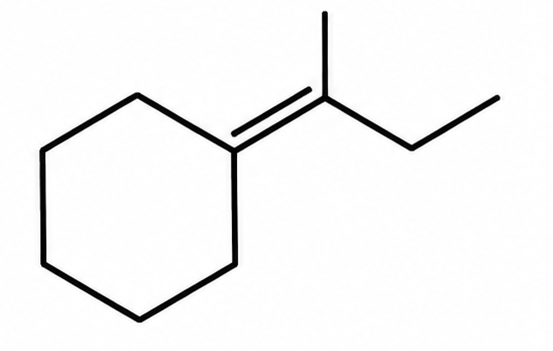
-
(D)
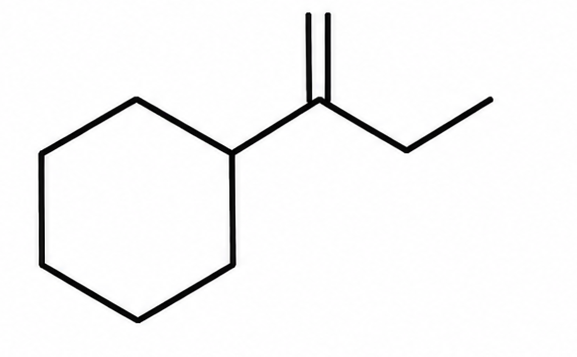
The intermediate is a 3° carbocation, which is very stable. Hence, rearrangement will not take place and product mentioned.
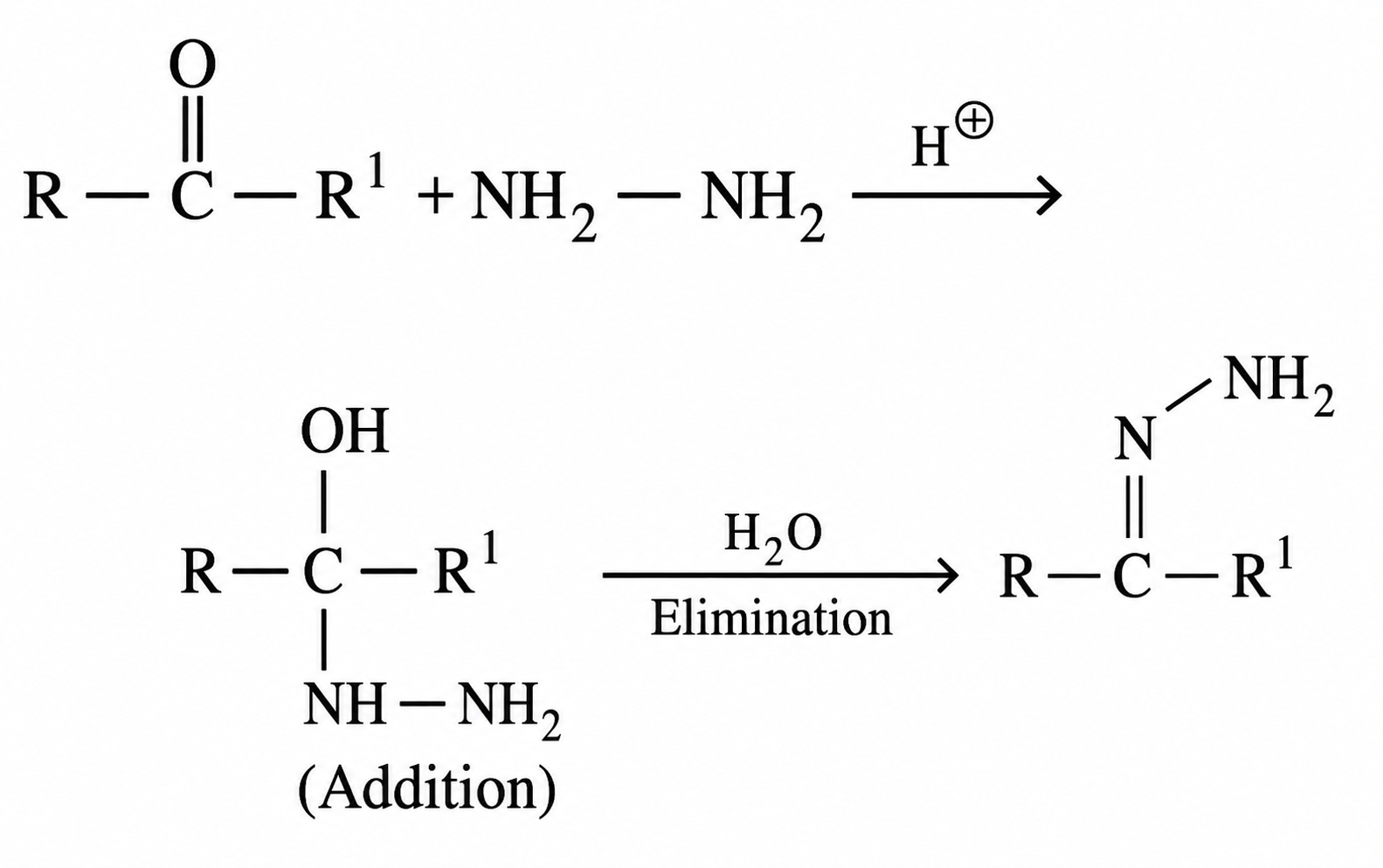
Reaction of a carbonyl compound with one of the following reagents involves nucleophilic addition followed by elimination of water. The reagent is:
While in all other cases no elimination take place.
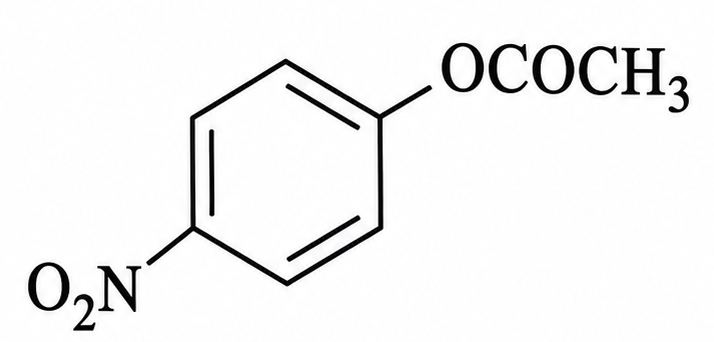
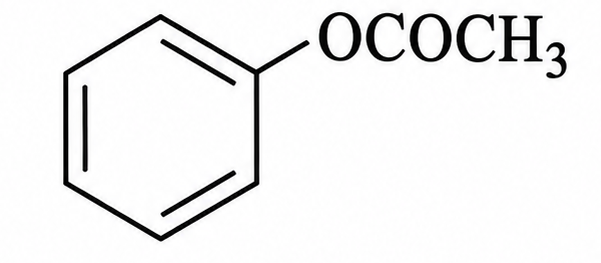
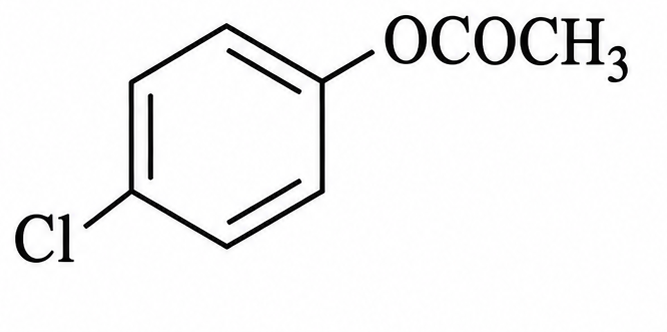
Which one of the following esters gets hydrolysed most easily under alkaline condition?
-
(A)
-
(B)
-
(C)
-
(D)
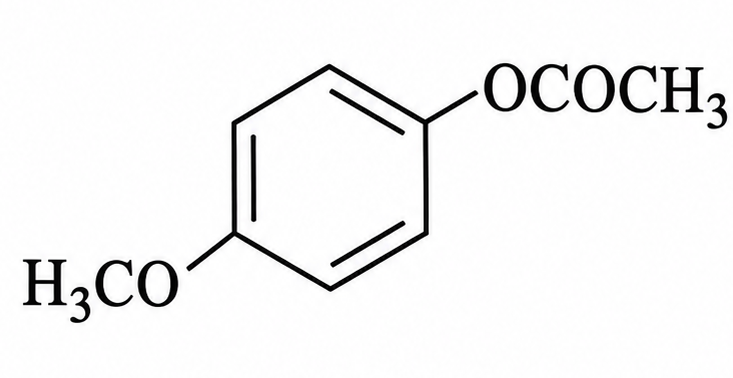
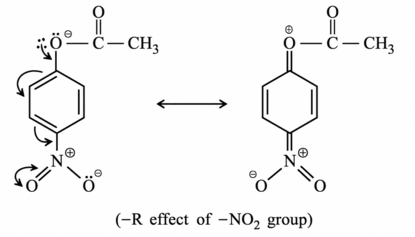
Among the substituents attached to the benzene ring, the –NO₂ group is the most electron-withdrawing. Thus, it withdraws electron density from the carbonyl carbon and facilitates the attack of the OH⁻ ion.
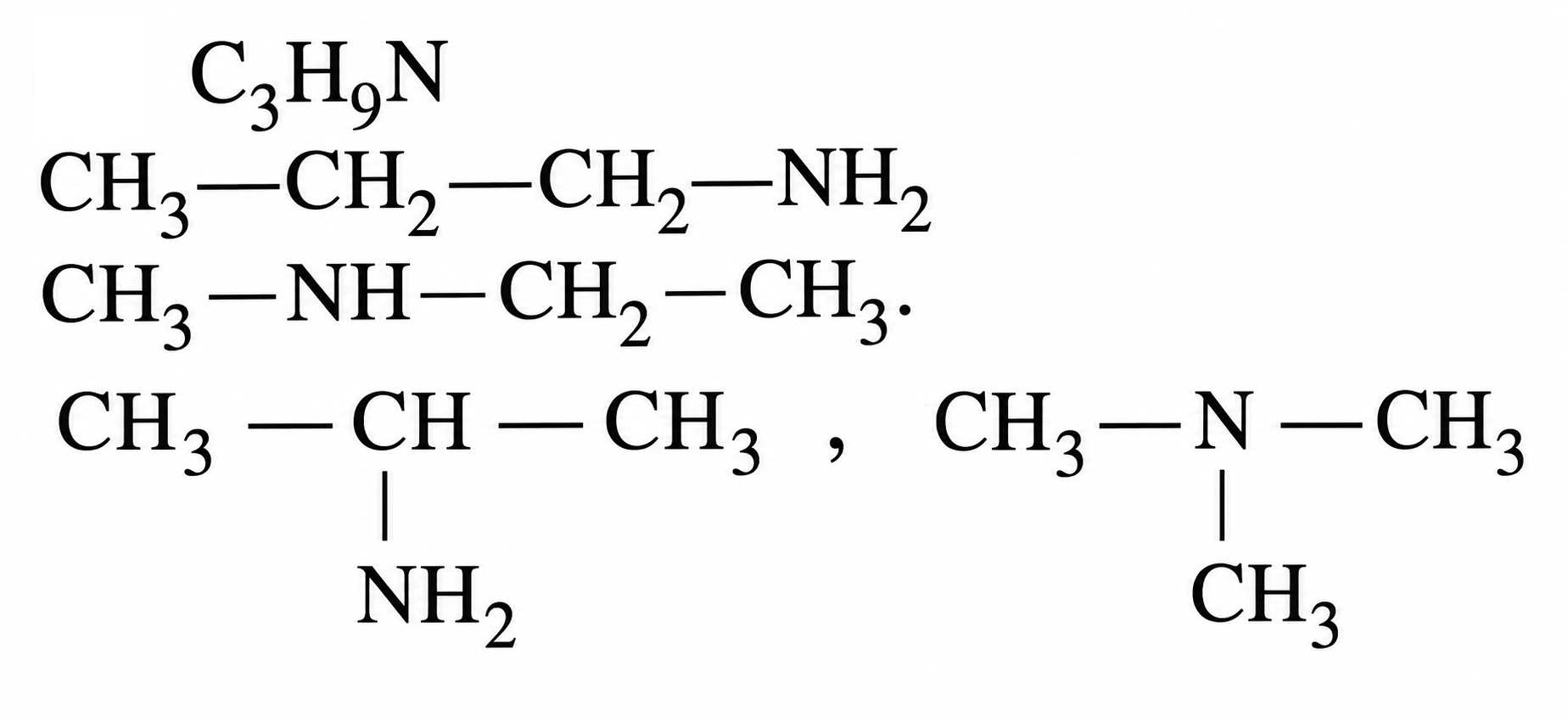
The number of structural isomers possible from the molecular formula C₃H₉N is:
.
Method by which aniline cannot be prepared is:
Because arylhalides do not undergo nucleophilic substitution reaction with potassium phthalimide easily.
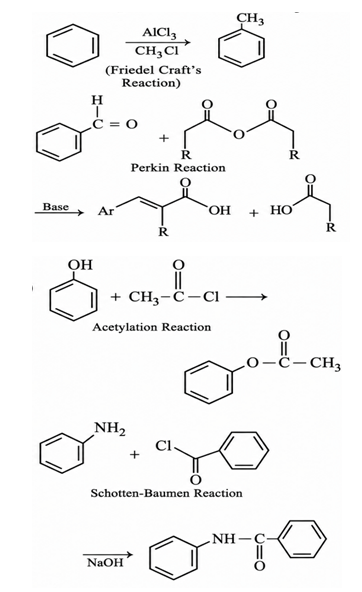
The following reaction is known by the name
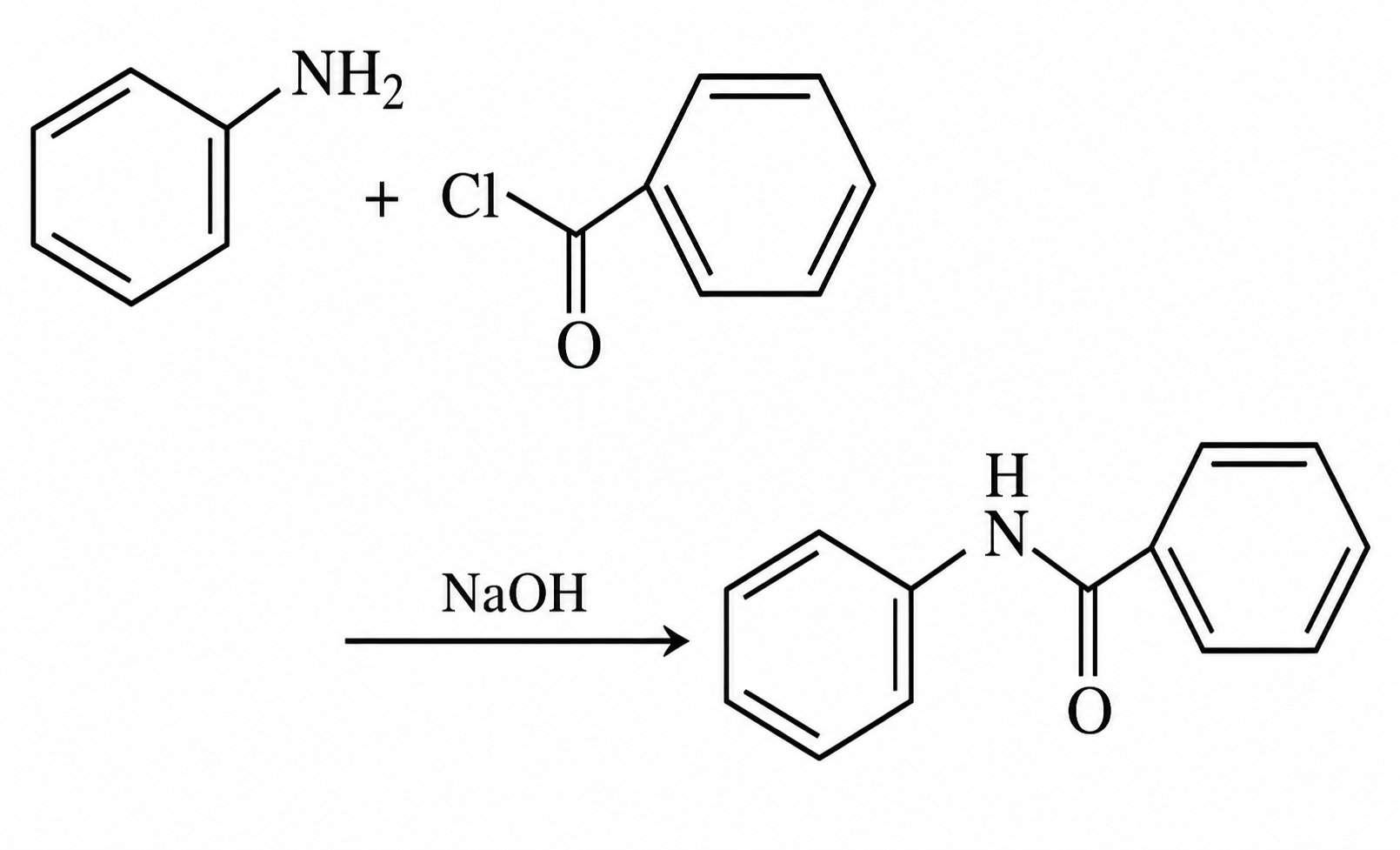
.
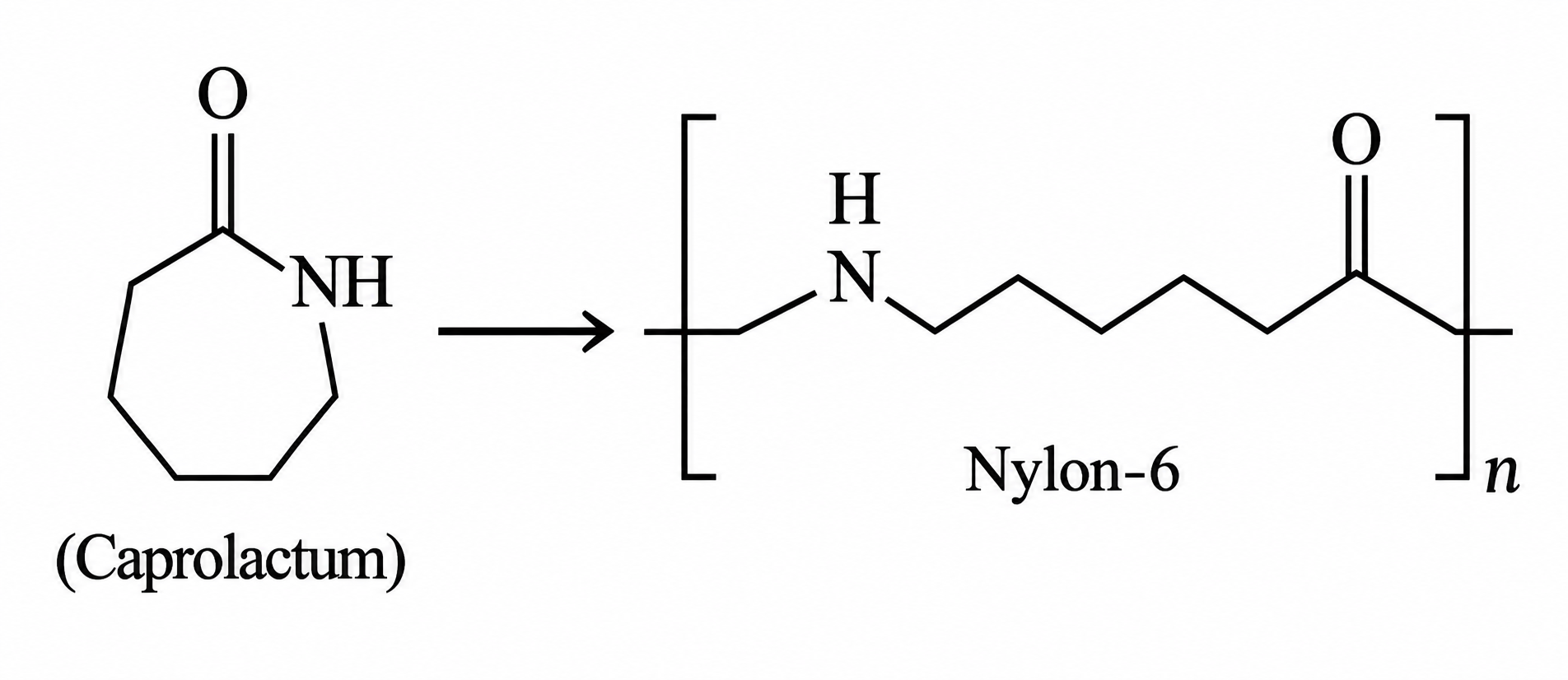
Caprolactum is used for the manufacture of:
.
What is the mole fraction of the solute in a 1.00 m aqueous solution ?
Molality = W/M × 1/V(kg)
= n/V(kg) (where n_solute = W/M)
1.00 m = n/V(kg) i.e., 1 mole in 1 kg of water
Moles of 1 kg H₂O:
= 1000 g/18 g/mol = 55.55 mole
Moles of solute = 1
Mole fraction:
= n_solute/n_solute + n_water = 1/(1+55.55)
= 0.01768 ≈ 0.0177
Decreasing order of stability of O₂, O₂⁻, O₂⁺ and O₂²⁻ is:
According to molecular orbital theory, as bond order decreases, the stability of the molecule decreases.
Bond order = 1/2(N_b − Nₐ)
Bond order for O₂⁺:
= 1/2(10−5) = 2.5
Bond order for O₂:
= 1/2(10−6) = 2
Bond order for O₂⁻:
= 1/2(10−7) = 1.5
Bond order for O₂²⁻:
= 1/2(10−8) = 1.0
hence the correct order is O₂⁺ > O₂ > O₂⁻ > O₂²⁻
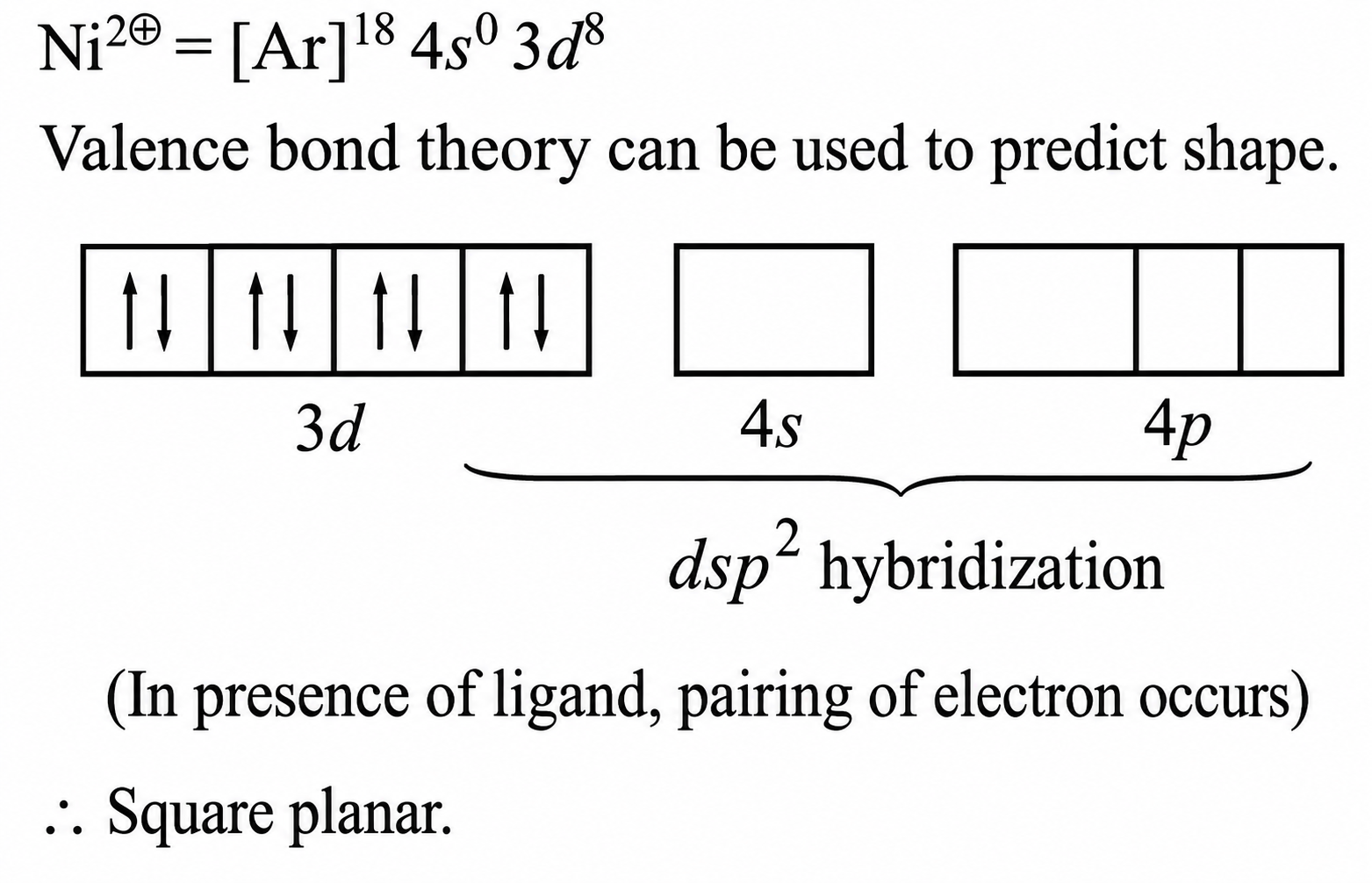
The hybridization involved in complex [Ni(CN)₄]²⁻ is: (At. No. Ni = 28)
.
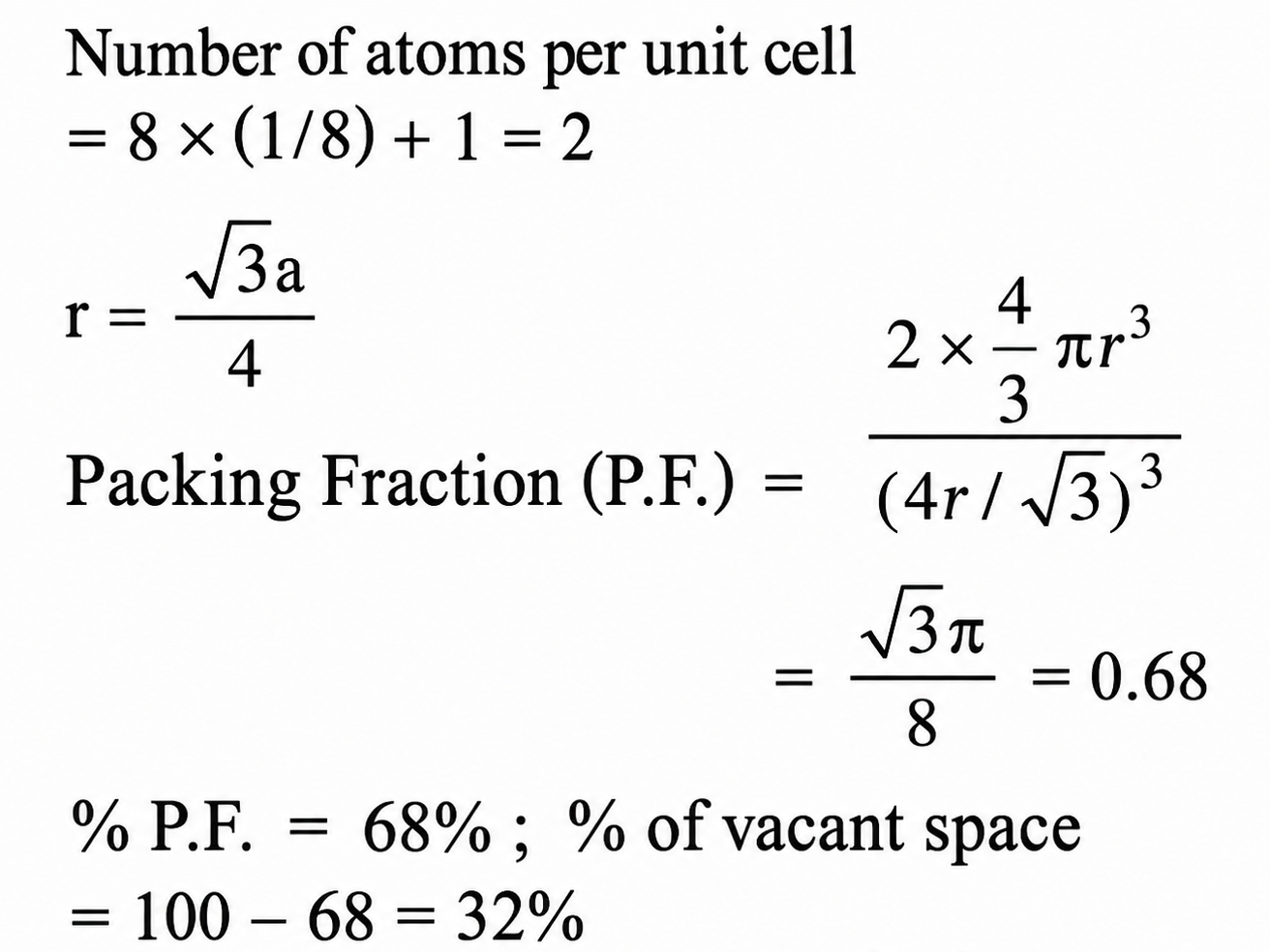
The vacant space in bcc lattice cell is:
.
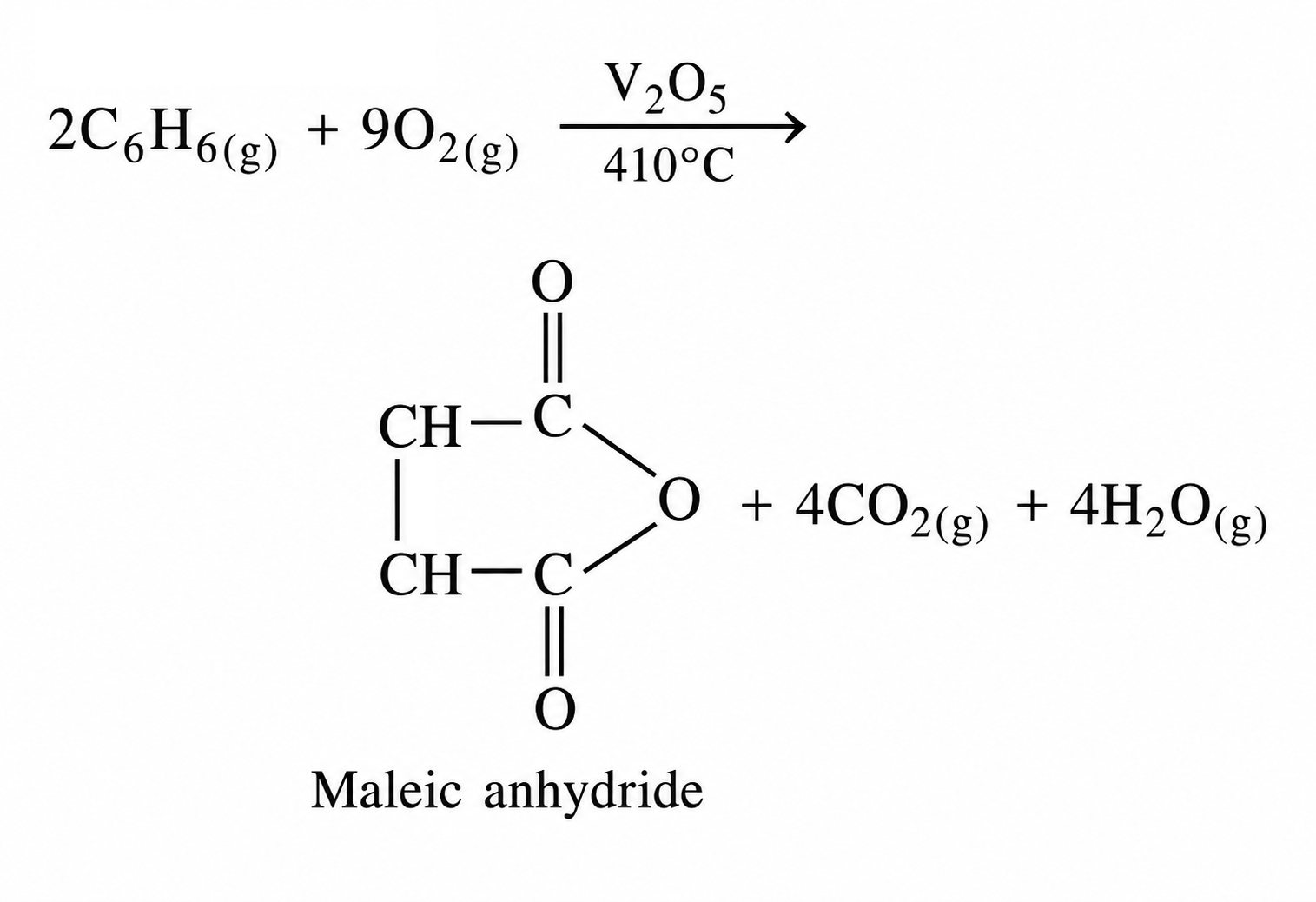
The oxidation of benzene by V₂O₅ in the presence of air produces:
.
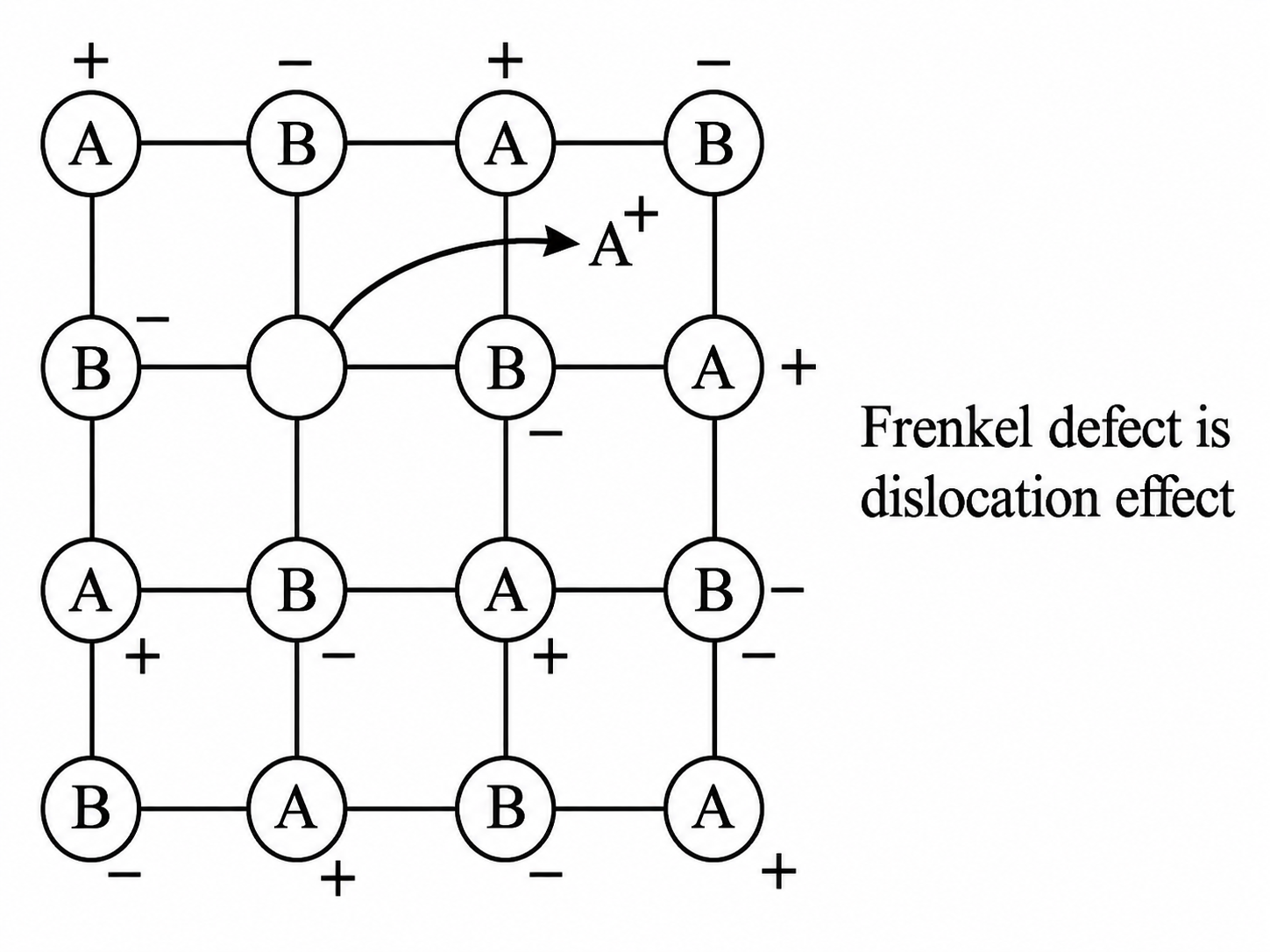
The correct statement regarding defects in crystalline solid is:
.
Other Years