CBSE EXAMINATION PAPER-2019
NEET-ZOOLOGY
(Solved)
General Instructions :
Read the following instructions carefully and follow them :
- This question paper contains 180 questions. All questions are compulsory.
- This question paper is divided into 1 sections.
- Section A – questions number 1 to 180 are multiple choice questions
- There is no overall choice given in the question paper. However, an internal choice has been provided in few questions.
- Use of calculator is NOT allowed.
Section A
The unit of thermal conductivity is :
In steady state, the amount of heat flowing from one face to the other face in time dt is given by
H = kA(T₁ − T₂)dt/l
⇒ dH/dt = kA/L × ΔT (k = coefficient of thermal conductivity)
∴ k = (L/AΔT) × (dH/dt)
Unit of k = W m⁻¹ K⁻¹.
In an experiment, the percentage of error occurred in the measurement of physical quantities A, B, C and D are 1%, 2%, 3% and 4% respectively. Then the maximum percentage of error in the measurement X, where X= A²B¹ᐟ²/ C¹ᐟ³D³ will be:
Given, x= A²B¹ᐟ²/ C¹ᐟ³D³
% error, Δx/x × 100= 2ΔA/A × 100 + 1/2·ΔB/B × 100 + 1/3·ΔC/C × 100 + 3ΔD/D × 100
= 2 × 1% + 1/2 × 2% + 1/3 × 3% + 3 × 4%
= 2% + 1% + 1% + 12% = 16%
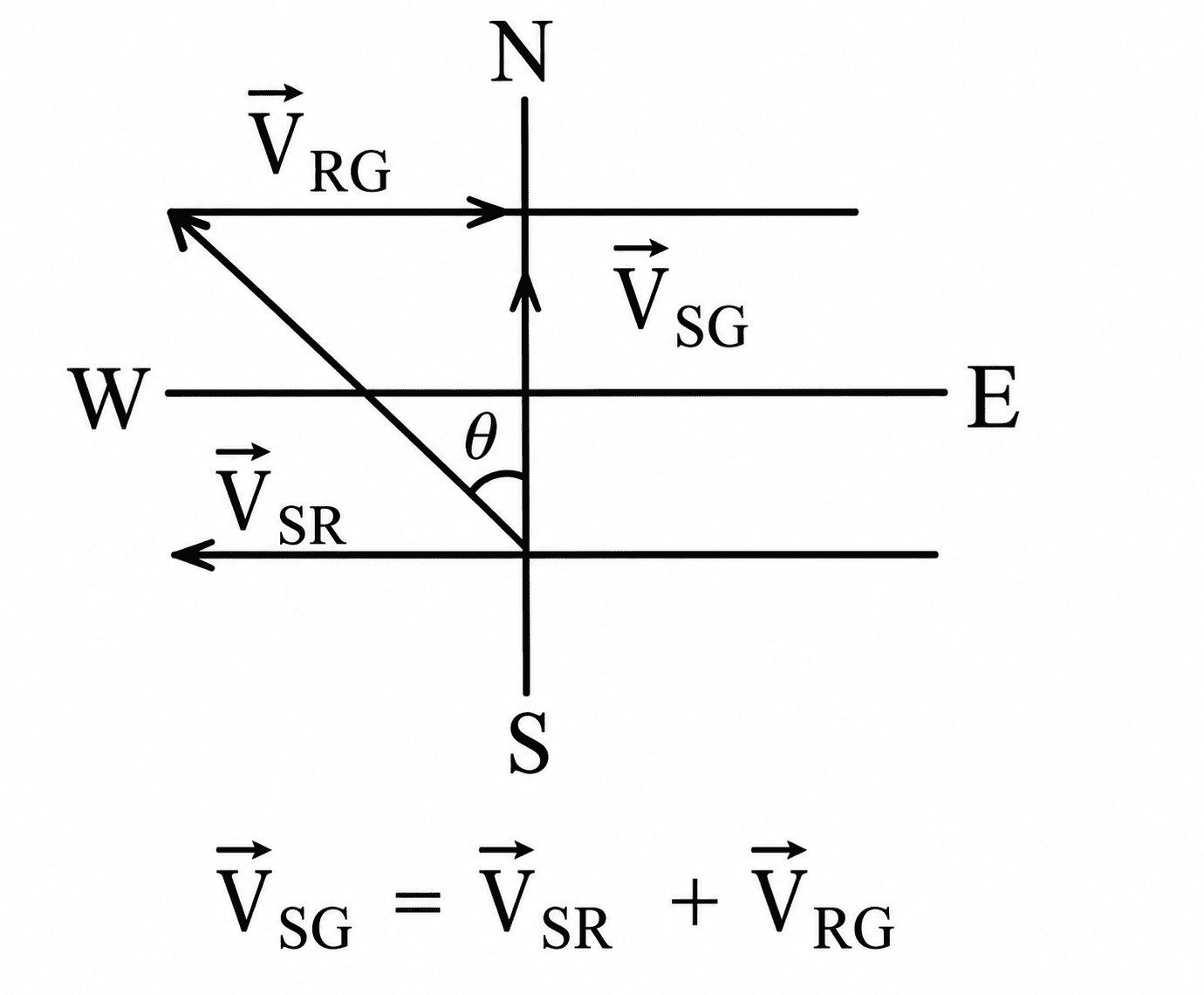
The speed of a swimmer in still water is 20 m/s. The speed of river water is 10 m/s and is flowing due east. If he is standing on the south bank and wishes to cross the river along the shortest path, the angle at which he should make his strokes w.r.t. north is given by:
Velocity of swimmer w.r.t. water, V_ SR = 20 m/s
Velocity of river, V_RG = 10 m/s
sin θ = V_RG / V_SW
⇒ sin θ = 10/20
⇒ sin θ = 1/2
∴ θ = 30° west
i.e., to cross the river along the shortest path, swimmer should make his strokes 30° west.
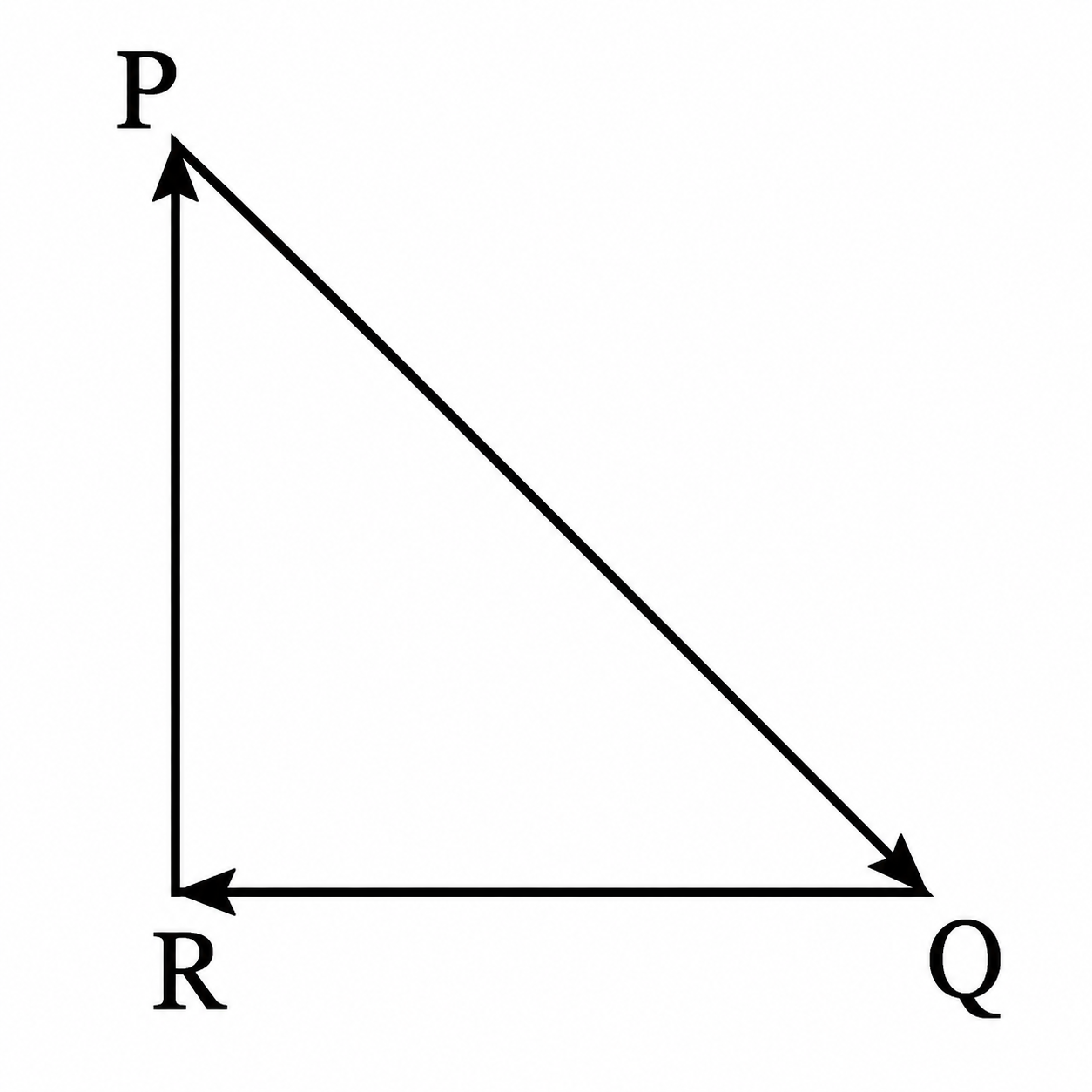
A particle moving with velocity v is acted by three forces shown by the vector triangle PQR. The velocity of the particle will:
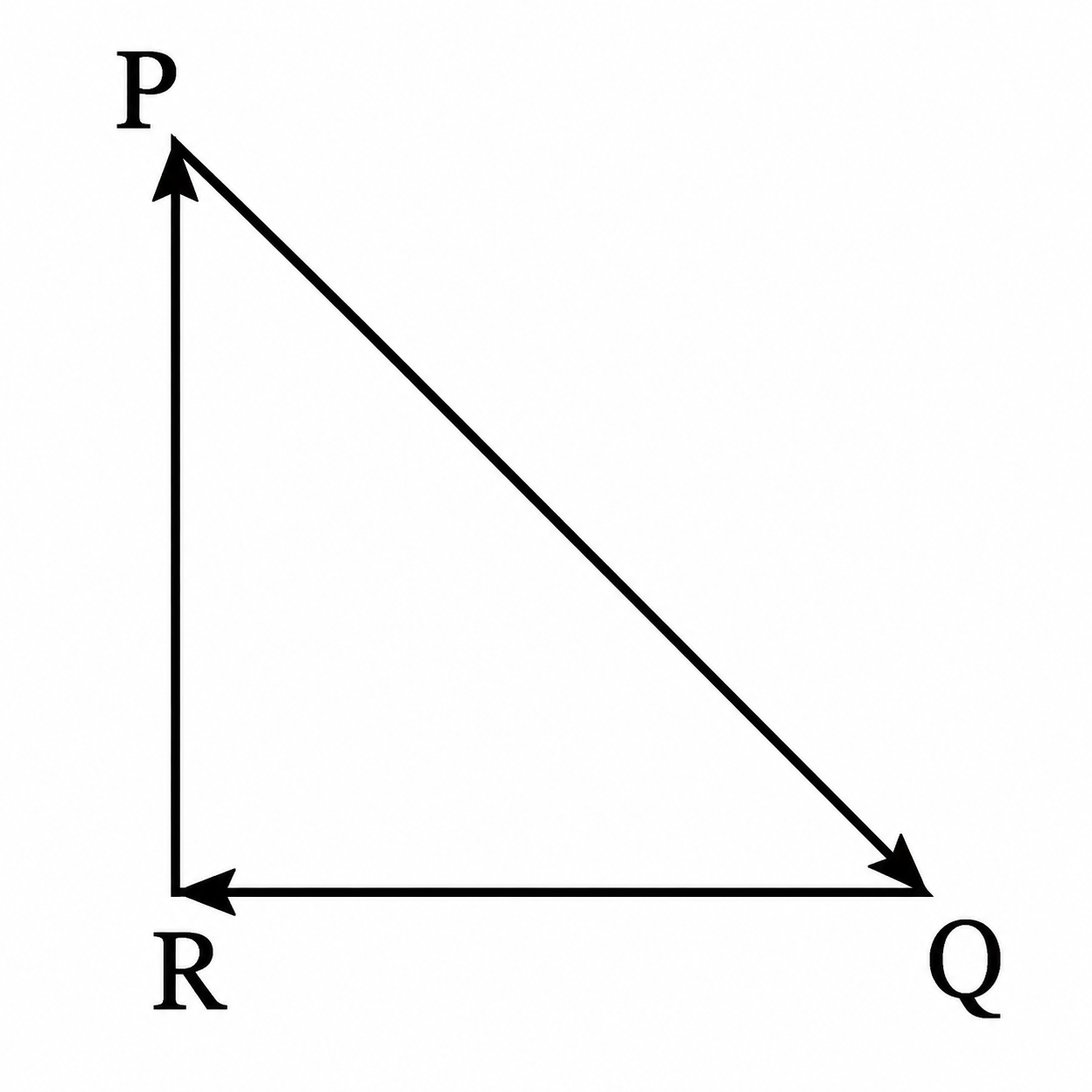
As the three forces form a closed vector triangle in the same order, i.e., F(vector) net = 0 or m dv(vector) /dt = 0 Velocity remains constant. v(vector) = Constant
A block of mass 10 kg is in contact against the inner wall of a hollow cylindrical drum of radius 1 m. The coefficient of friction between the block and the inner wall of the cylinder is 0.1. The minimum angular velocity needed for the cylinder to keep the block stationary when the cylinder is vertical and rotating about its axis, will be (g = 10 m/s²):
Given: Mass of block, m = 10 kg Radius of cylindrical drum, r = 1 m; Coefficient of friction, between the block and
+the inner wall of the cylinder μ = 0.1;
Minimum angular velocity ω_min
For equilibrium of the block limiting friction,
f_L ≥ mg
⇒ μN ≥ mg
⇒ μrω² ≥ mg
Here, N = mω²r
or, m ≥ √(g/μr)
or, ω_min = √(g/μr)
ω_min = √(10/0.1× 1) = 10 rad/s
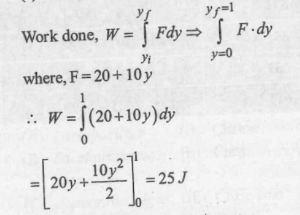
A force F = 20 + 10y acts on a particle in y-direction where F is in newton and y in meter. Work done by this force to move the particle from y = 0 to y = 1 m is:
Work done by variable force
Body A of mass 4m moving with speed u collides with another body B of mass 2m, at rest. The collision is head on and elastic in nature. After the collision the fraction of energy lost by the colliding body A is:
m₁u₁ + m₂u₂ = m₁v₁ + m₂v₂
Also, 1/2m₁u₁² + 1/2m₂u₂²
= 1/2m₁v₁² + 1/2m₂v₂²
For elastic collision,
v₂ = 2m₁u₁/(m₁ + m₂)
as u₂ = 0; u₁= u
m₁ = 4m and m₂= 2m
so, v₂ = 4/3u
ΔKE/KE = 1/2 × 2m × (4/3u)²
= 1/2 × 2 × 16/9 = 8/9
Two particles A and B are moving in uniform circular motion in concentric circles of radii rA and rB with speed vA and vB respectively. Their time period of rotation is the same. The ratio of angular speed of A to that of B will be: (a) rA : rB (b) vA : vB (c) rB : rA (d) 1 : 1
Let T_A and T_B are the time periods of particles A and B respectively. According to question
T_A = T_B = T
if ω_A and ω_B are their
Angular speed, then
ω_A = 2π/T_A and ω_B = 2π/T_B
ω_A/ω_B = T_B/T_A =T/T = 1 : 1
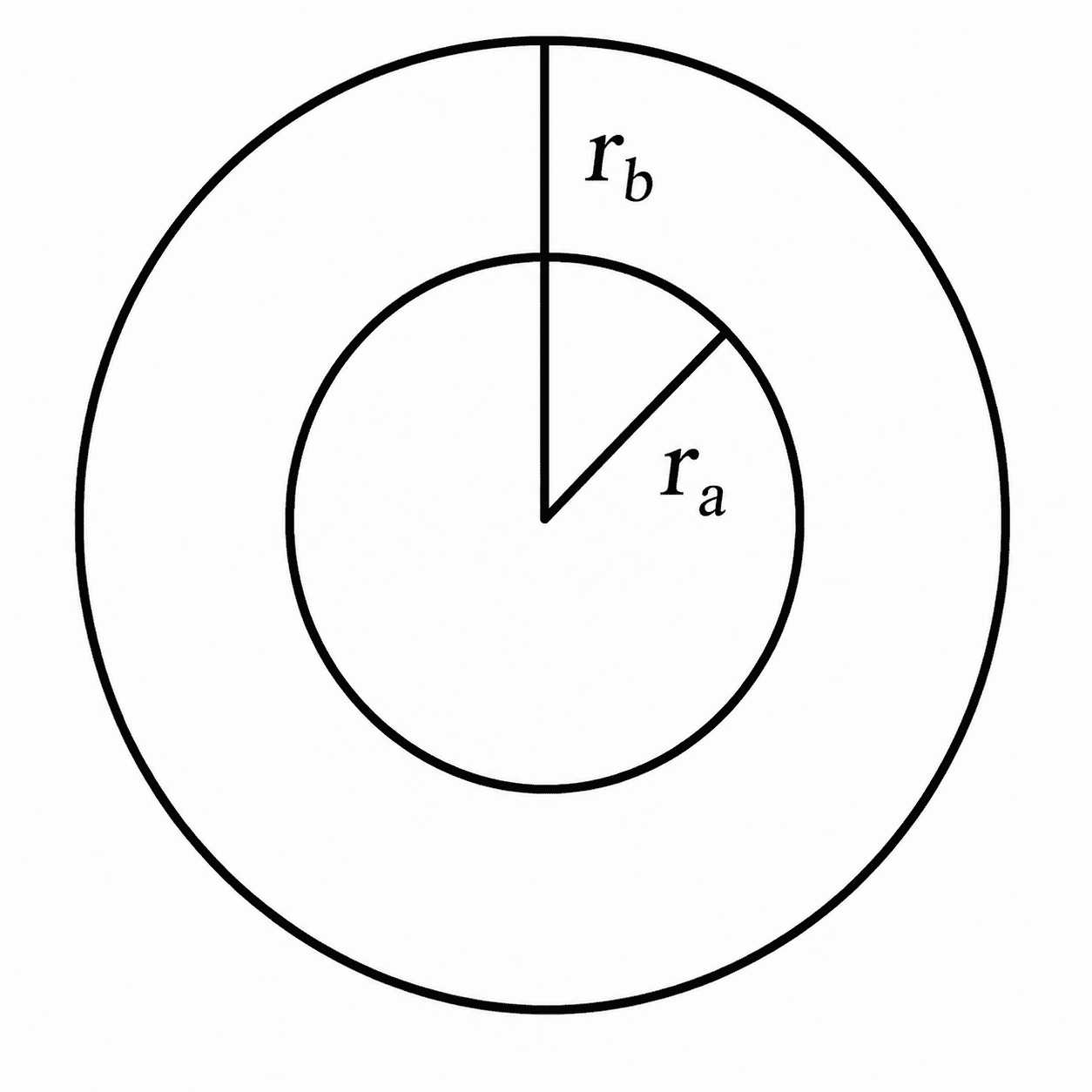
A solid cylinder of mass 2 kg and radius 4 cm is rotating about its axis at the rate of 3 rpm. The torque required to stop after 2 revolutions is:
According to the Work-energy theorem,
W = 1/2 I (ω_f² − ωᵢ²)
Given that
θ = 2 π revolution/ minute
∴ θ = 2π × 2π = 4π²rad
ωᵢ = 3 × 2π/60 rad/s
ω_f = 0 rad/s
Putting the values of ωi and ωf, we get
⇒ -τθ = 1/2 × 1/2 mr² (0² − ωᵢ²)
⇒ - τ = (1/2 × 1/2 × 2 × (4×10⁻²) × (3×2π/60)² )/ 4π²
⇒ τ = 2 × 10⁻⁶ Nm
A disc of radius 2 m and mass 100 kg rolls on a horizontal floor. Its centre of mass has speed of 20 cm/s. How much work is needed to stop it?
Work done to stop the disc = change in total kinetic energy of disc
Final KE = 0
Initial KE = Translational K.E. + Rotational K.E.
= 1/2 mv² + 1/2 Iω²
= 1/2 mv² + 1/2 × mR²/2 × (v/R)²
= 1/2 mv² + 1/4 mv² = 3/4 mv²
= 3/4 × 100 × (20 × 10⁻²)²n = 3J
|ΔKE| = 3J
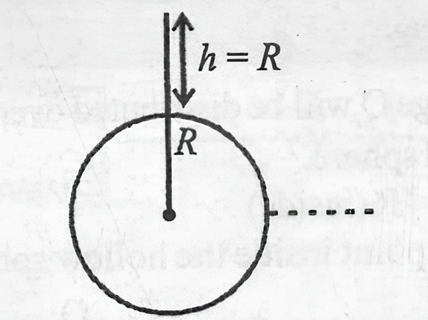
The work done to raise a mass m from the surface of the earth to a height h, which is equal to the radius of the earth, is:
Mass to be raised = m
Potential energy at the surface of the earth
U_surface = −GMm/R
Potential energy at a height from the surface of the earth h = R
U_height = −GMm/2R
According to work-energy theorem, work done = change in PE
∴ W = U_height − U_surface
⇒ −GMm/2R − (−GMm/R)
⇒ GMm/2R = gR²m/2R = mgR/2 (∵ GM = gR²)
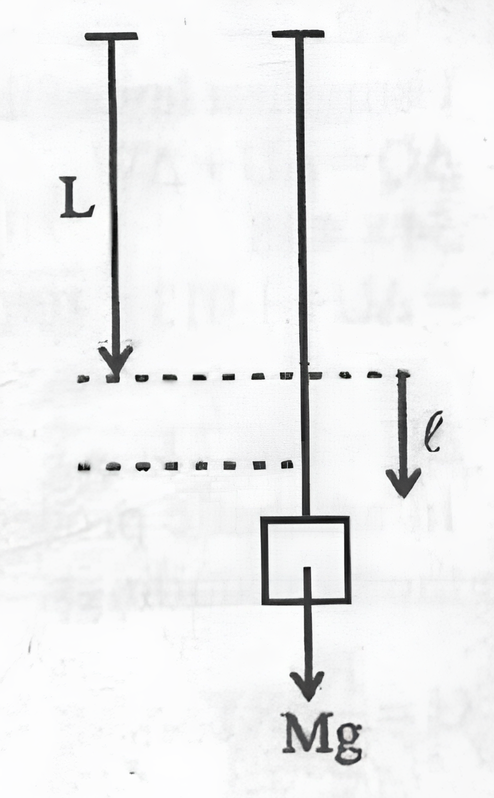
When a block of mass M is suspended by a long wire of length L, the length of the wire becomes (L + l). The elastic potential energy stored in the extended wire is:
Here,
Kx₀ = Mg
where K = force constant
ΔE = 1/2 Kx₀²
= 1/2 Mg/x₀ × x₀²
= 1/2 Mgx₀
Stored elastic potential energy in extended wire,= 1/2 Mgl
[here x₀ = l]
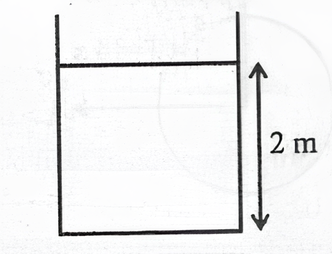
A small hole of area of cross-section 2 mm² is present near the bottom of a fully filled open tank of height 2 m. Taking g = 10 m/s², the rate of flow of water through the open hole would be:
Volume flow rate of liquid
Q = au = a√2gh
= 2 × 10⁻⁶ m² × √(2 × 10 × 2) m/s
= 2 × 2 × 3.14 × 10⁻⁶ m³/s
= 12.56 × 10⁻⁶ m³/s
= 12.6 × 10⁻⁶ m³/s
A soap bubble, having radius of 1 mm, is blown from a detergent solution having a surface tension of 2.5 × 10⁻² N/m. The pressure inside the bubble equals at a point Z₀ below the free surface of water in a container. Taking g = 10 m/s², density of water = 10³ kg/m³, the value of Z₀ in cm is:
Pressure inside the soap bubble
Pressure inside the soap bubble
=Pₒ +4T/R
And pressure at a point below the surface of water = pgZₒ,
+Pₒ
[where Pₒ = atmospheric pressure]
By equating these pressure we get,
Pₒ +4T /R = Pₒ + ρgZₒ
Zₒ =4T/R x ρg
Zₒ == 4 x 2.5 x 10⁻²/ 10⁻³ x 1000 x 10 m
Zₒ =1cm
A copper rod of 88 cm and an aluminium rod of same length have their increase in length independent of increase in temperature. The length of aluminium rod is: (α_Cu = 1.7 × 10⁻⁵ K⁻¹ and α_Al = 2.2 × 10⁻⁵ K⁻¹)
l′_Cu = l_Cu(1+α_Cu ΔT)
Δl_Cu=l_Cu α_CuΔT
l′_Al=l_Al(1+α_AlΔT)
Δl_Al=l_Al α_AlΔT
Since, change in length is independent of temperature ∴ α_Cu l_Cu=α_Al l_Al
⇒1.7×10⁻⁵×88cm = 2.2×10⁻⁵×1_Al
⇒l_Al = 1.7×88/2.2 = 68cm
A sample of 0.1 g of water at 100°C and normal pressure (1.013 × 10⁵ Nm⁻²) requires 54 cal of heat energy to convert it into steam at 100°C. If the volume of the steam produced is 167.1 cc, the change in internal energy of the sample, is:
Using first law of thermodynamics equation,
ΔQ = ΔU + ΔW 54 × 4.18
=ΔU + 1.013 × 10⁵(167.1 × 10⁻⁶ − 0) (∵ ΔW = PΔV)
⇒ ΔU = 208.7 J
In which of the following processes, heat is neither absorbed nor released by a system?
In adiabatic process, there is no exchange of heat with the surroundings.
Increase in temperature of a gas filled in a container would lead to:
U=F/2 nRT
As, U α T
∴ Increase in Temperature would lead to the increase in kinetic energy of gas.
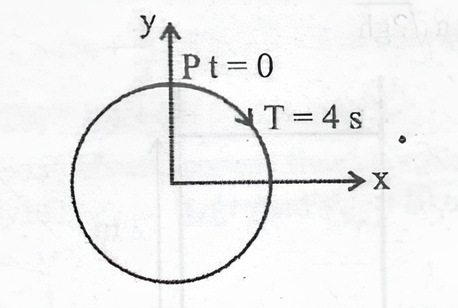
The radius of circle, the period of revolution, initial position and sense of revolution are indicated in the fig. y-projection of the radius vector of rotating particle P is:
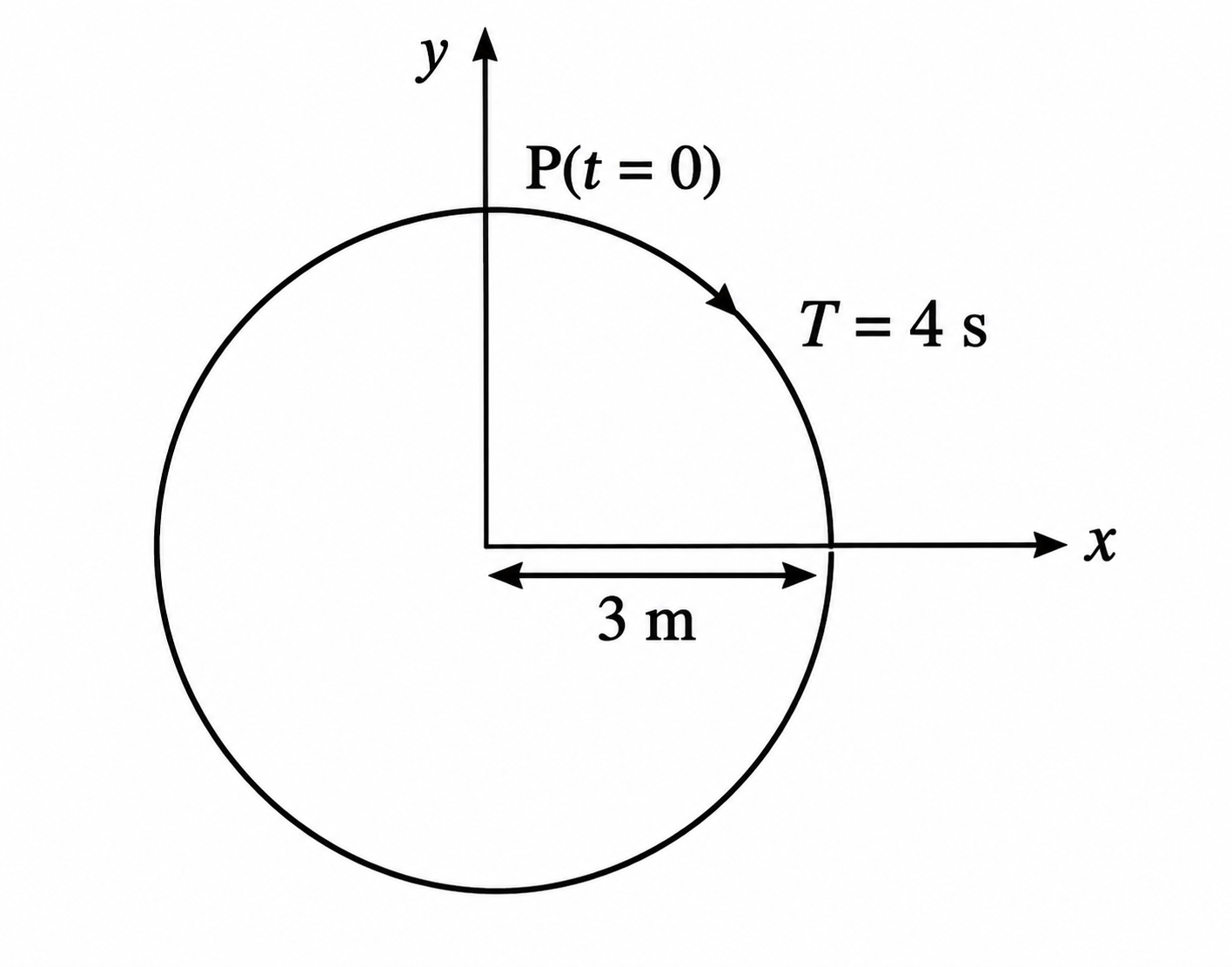
At t = 0, y = 3, which is maximum displacement so equation will be cosine function.
ω = 2π/T = 2π/4 = π/2 rad/s (∵ T = 4 s)
y = a cos ωt ⇒ y = 3 cos (π/2)t
Average velocity of a particle executing SHM in one complete oscillation is:
Displacement of the particle in one complete vibration is zero, so, average velocity in one complete vibration will be zero. Displacement/Time interval = y_f - yᵢ /T = 0
The displacement of a particle executing simple harmonic motion is given by
y = A₀ + A sin ωt + B cos ωt.
Then the amplitude of its oscillation is given by:
Given equation
y = A₀ + A sin ωt + B cos ωt
Now assume (y − A₀) = y'
y − A₀ = A sin ωt + B sin ωt
Y = A sin ωt + B cos ωt
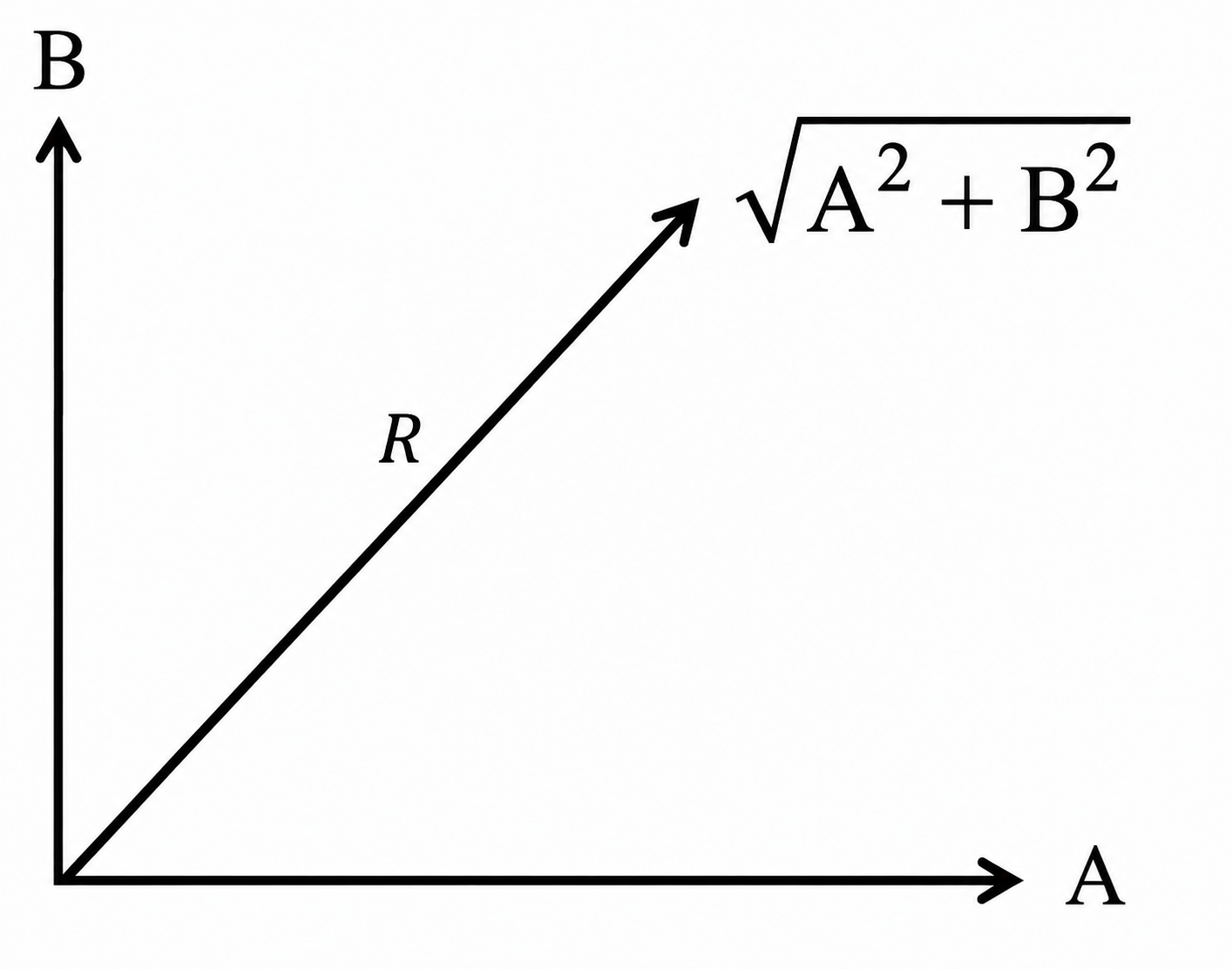
= √(A² + B²) sin (ωt + Φ)
which is S.H.M.
where sin and cos Φ = B/√(A² + B²) so, resultant amplitude = √(A² + B²)
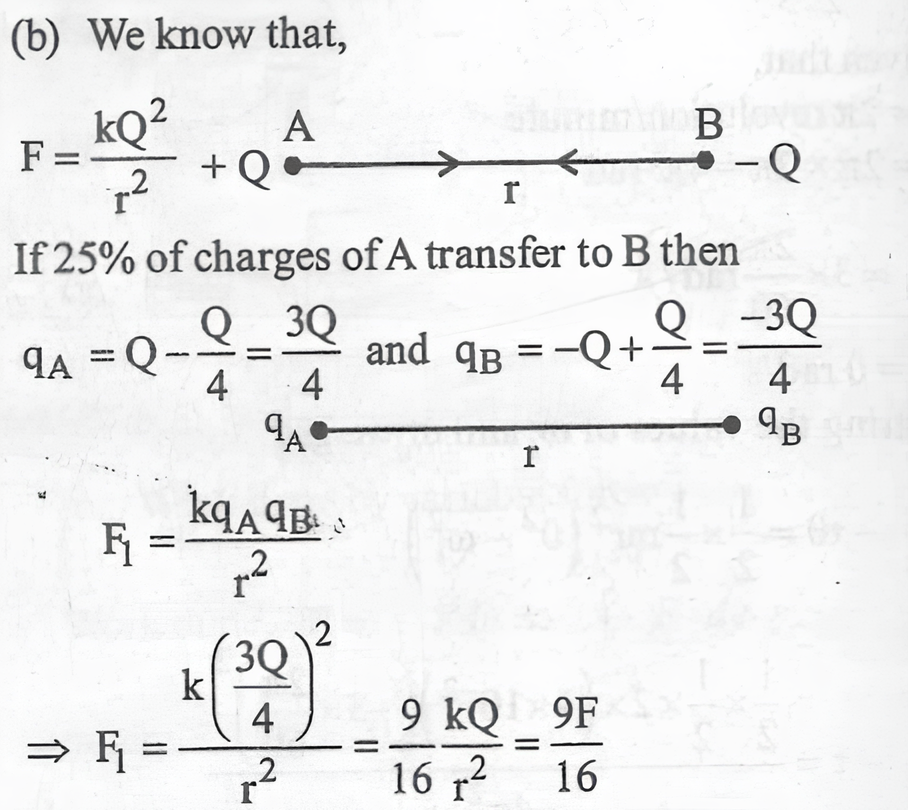
Two point charges A and B, having charges +Q and −Q respectively, are placed at certain distance apart and force acting between them is F. If 25% charge of A is transferred to B, the force between the charges becomes:
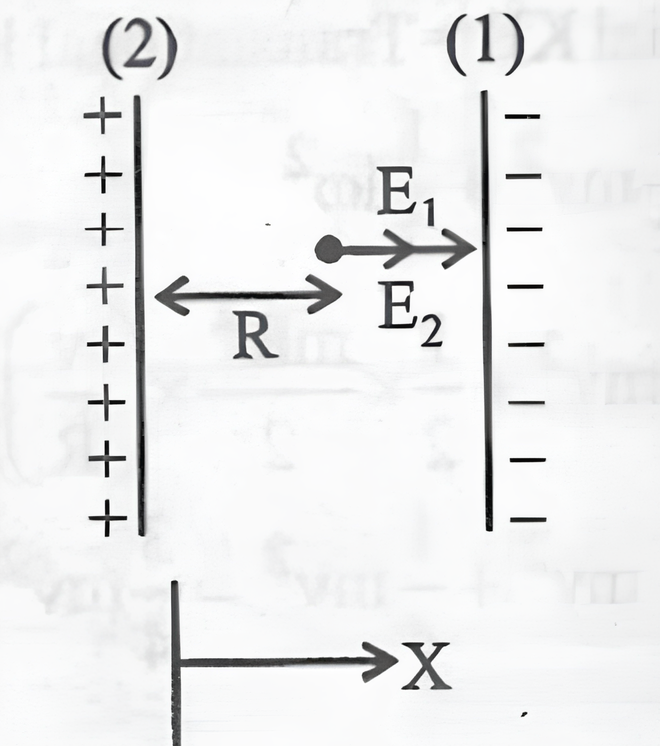
Two parallel infinite line charges with linear charge densities +λ C/m and −λ C/m are placed at a distance of 2R in free space. What is the electric field midway between the two line charges?
Electric field due to line charge (1)
E₁(vector) = λ/2πɛ₀R îN/C
Electric field due to line charge (2)
E₂(vector) = λ/2πɛ₀R îN/C
∴ Enet(vector) = E₁(vector) + E₂(vector)
= λ/2πɛ₀R î + λ/2πɛ₀R î
= λ/πɛ₀R î N/C
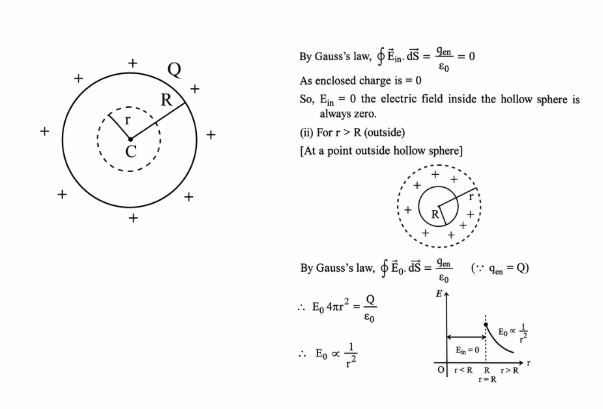
A hollow metal sphere of radius R is uniformly charged. The electric field due to the sphere at a distance r from the centre:
Charge Q will be distributed over the surface of hollow metal sphere. For r < R (inside the hollow sphere) [At a point inside the hollow sphere]
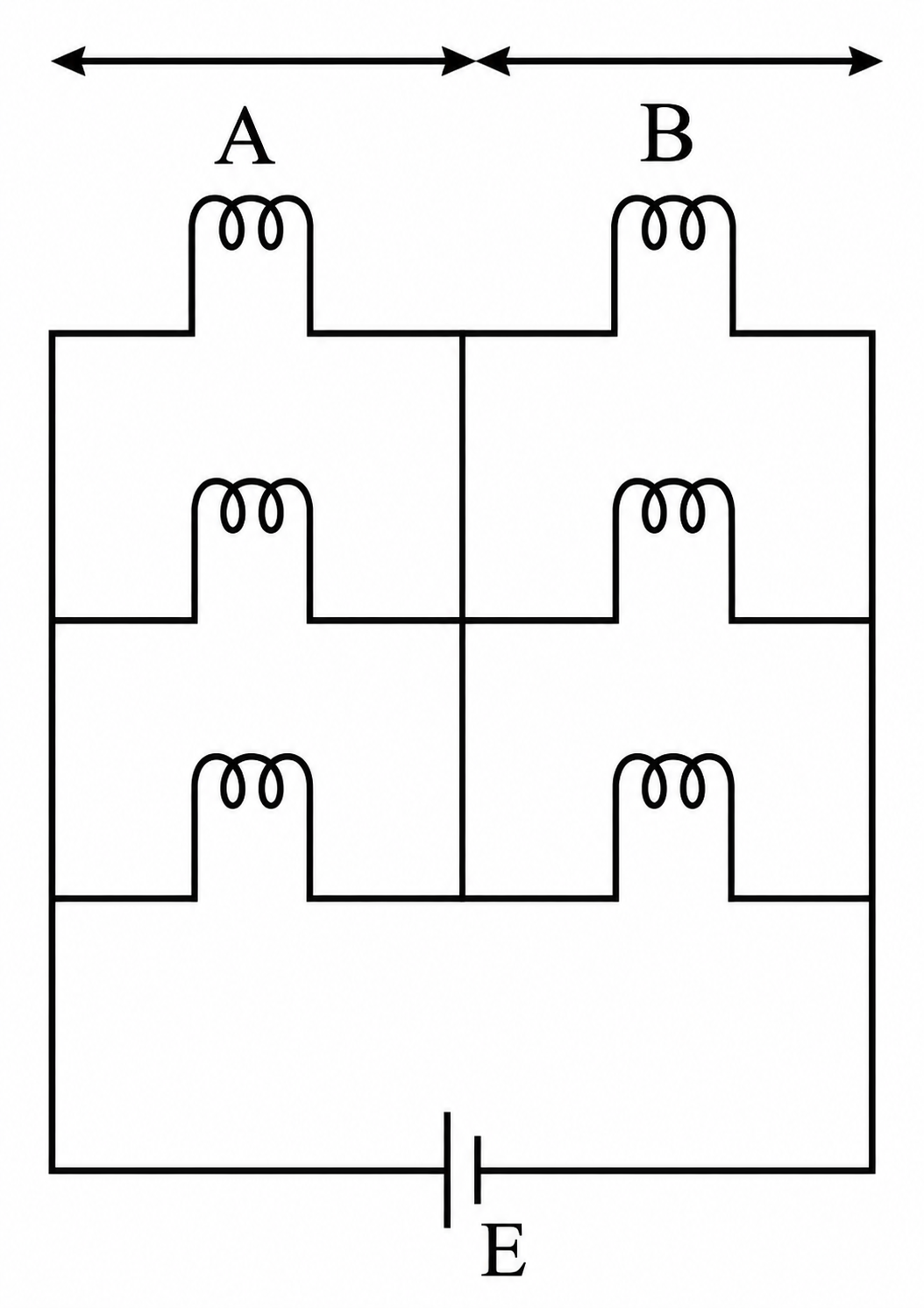
Six similar bulbs are connected as shown in the figure connected to a DC source of emf E, and zero internal resistance. The ratio of power consumption by the bulbs when (i) all are glowing and (ii) in the situation when two from section A and one from section B are glowing, will be:
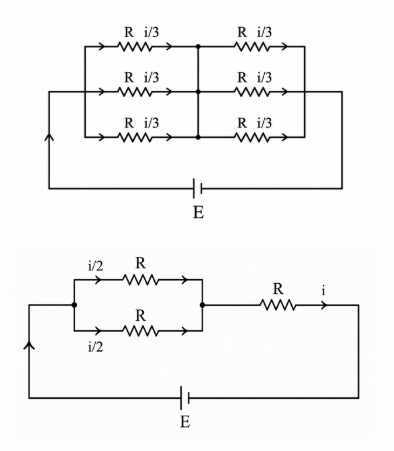
When all bulbs are glowing
R_eq = R/3 + R/3 = 2R/3
Power (P₁) = E²/R_eq = 3E²/2R ..........(i)
When two from section A and one from section B are glowing, then
R_eq = R/2 + R = 3R/2
Power (P_f) = 2E²/3R ..........(ii)
Dividing equation (i) by (ii) we get
P₁/P_f = (3E² × 3R)/(2R × 2E²) = 9 : 4
In the circuits shown below, the readings of the voltmeters and the ammeters will be :
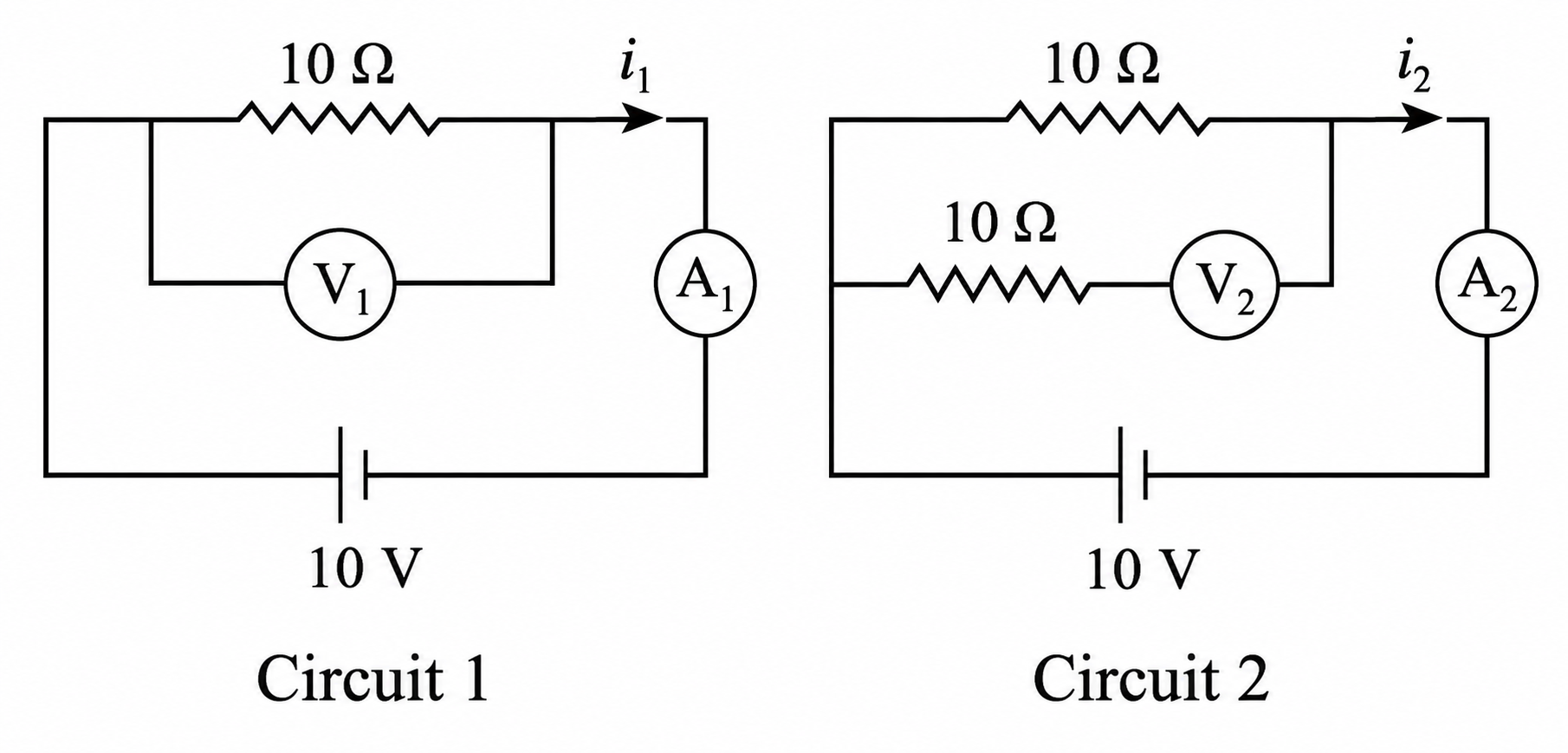
Resistance for ideal voltmeter = ∞
Resistance for ideal ammeter = 0
For 1st circuit
V₁ = i₁ × 10= 10/10 × 10 = 10 volt
For IInd circuit
V₂ = i₂ ×10= 10/10 × 10 = 10 volt V₁ = V₂ and, i₁ = i₂ = 10V/10Ω = 1 A
Ionized hydrogen nucleus and α-particles with same momentum enter perpendicular to a constant magnetic field, B. The ratio of their radii of their paths r_H : r_α will be:
Radius of the path r = mv/qB = p/qB
For H⁺ ion, r_H = P_H/eB
For α particle,
r_α = pα/2eB
r_H/r_α =p/ eB/p/ (2eB)
[as given p_H = p_α = p]
⇒ r_H/r_α = 2/1
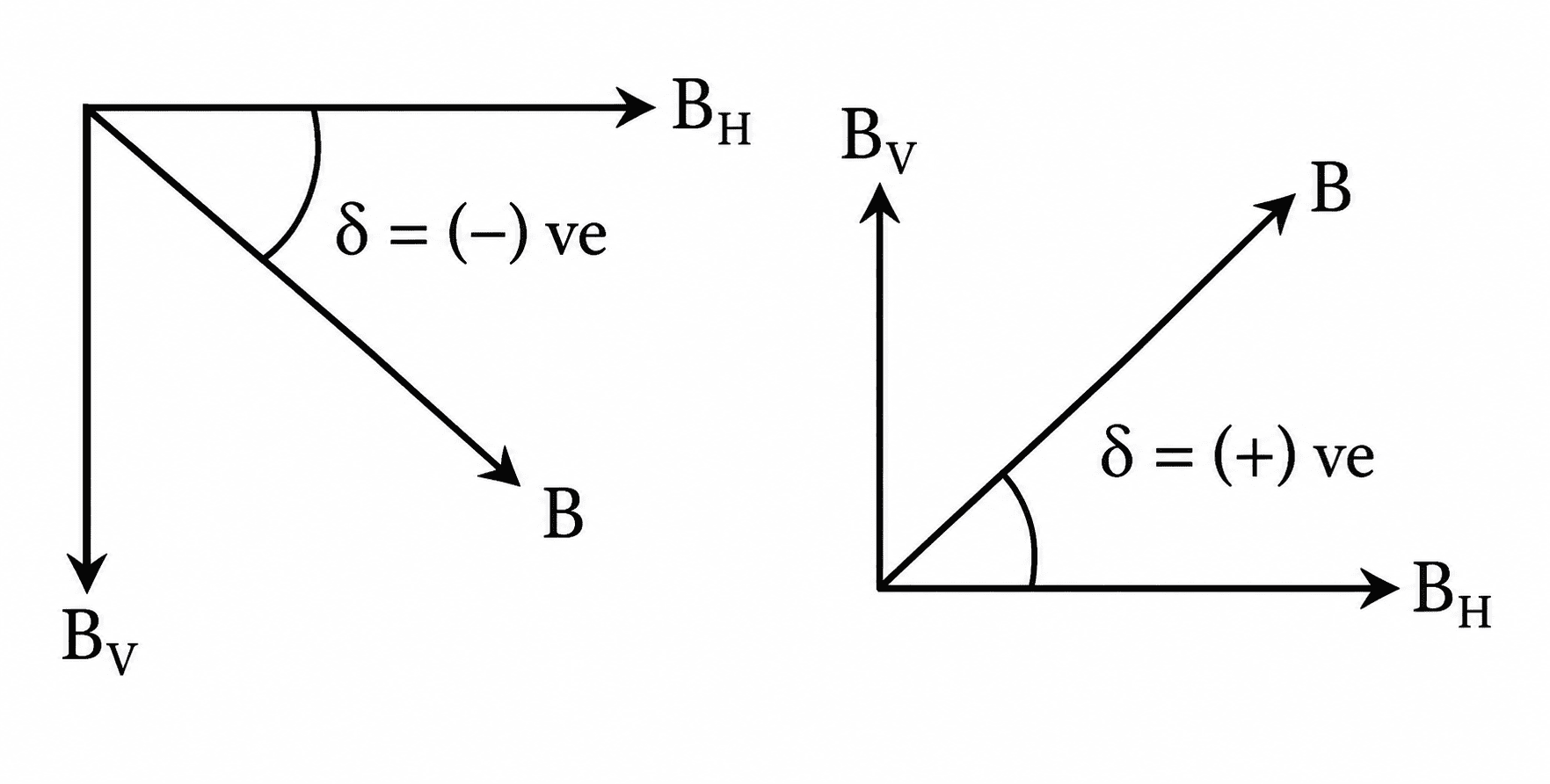
At a point A on the earth's surface the angle of dip, δ = +25°. At a point B on the earth's surface the angle of dip, δ = −25°. We can interpret that:
As we know that the angle of dip is the angle between earth’s resultant magnetic field from horizontal. At equator, dip is zero. At Northern hemisphere, dip is positive. At Southern hemisphere, dip is negative. (image pending)
A 800 turn coil of effective area 0.05 m² is kept perpendicular to magnetic field 5 × 10⁻⁵ T. When the plane of the coil is rotated by 90° around any of its coplanar axis in 0.1 s, the induced potential will be:
Given:
Magnetic field B = 5 × 10⁻⁵ T
Number of turns in coil N = 800
Area of coil A = 0.05 m²
Time taken to rotate = Δt = 0.1 s
Initial angle θ₁ = 0°
Final angle θ₂ = 90°
Change in magnetic flux ΔΦ
= NBA cos 90° − BA cos 0°
=- NBA
= 800 × 5 × 10⁻⁵ × 0.05
= −2 × 10⁻² Weber
θ = - ΔΦ/Δt =- (−2 × 10⁻³)Wb/0.1 = 0.02 V
Which colour of the light has the longest wavelength?
λ_Red > λ_Green > λ_Blue > λ_Violet
Red has the longest wavelength.
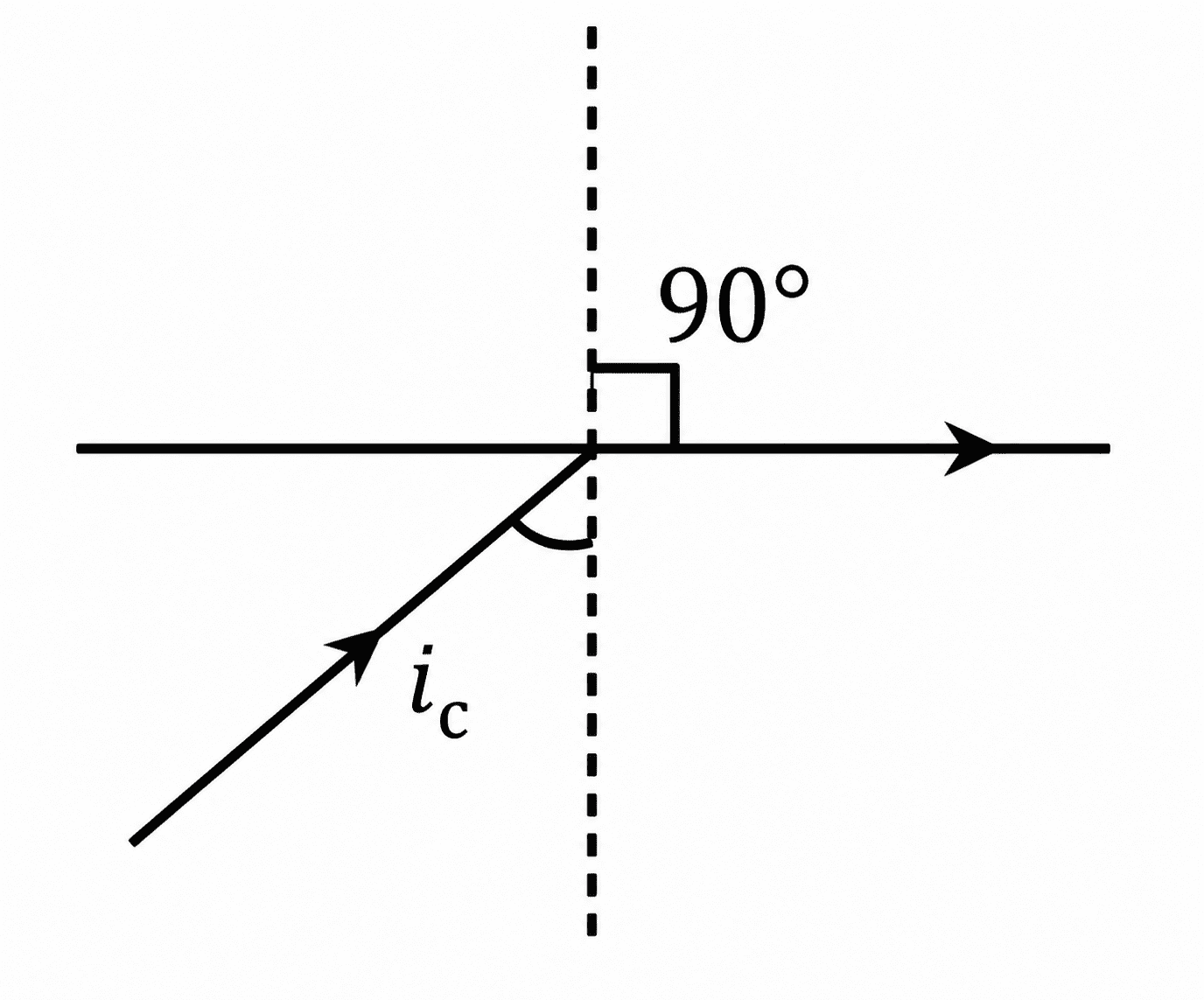
In total Internal reflection when the angle of incidence is equal to the critical angle for the pair of media in contact, what will be angle of refraction?
For total internal reflection when i = i_c, then
refracted ray grazes with the surface. That means the angle of refraction r = 90°.
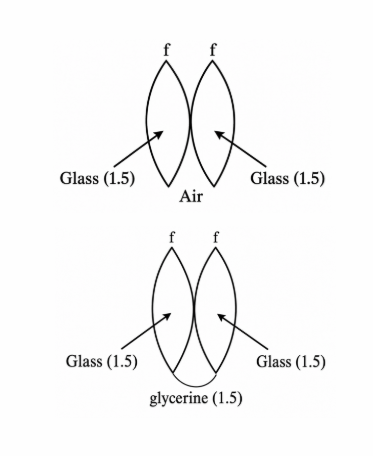
Two similar thin equi-convex lenses, of focal length f each, are kept coaxially in contact with each other such that the focal length of the combination is F₁. When the space between two lenses is filled with glycerin (which has the same refractive index (=1.5) as that of glass) then the equivalent focal length is F₂. The ratio F₁ : F₂ will be:
Equivalent focal length in air
1/F₁ = 1/f + 1/f
⇒ F₁ = f/2 ...................................(i)
where glycerin is filled inside, it behaves like a concave lens of focal length (−f)
1/F₂ = 1/f + 1/(−f) + 1/f ⇒ F₂ = f ......................................(ii)
Dividing (i) by (ii), we get
F₁/F₂ = 1/2
Pick the wrong answer in the context with rainbow.
Rainbow will be observed only when the sun is at the back side of observer.
In a double slit experiment, when light of wavelength 400 nm was used, the angular width of the first minima formed on a screen placed in a way, was found to be 0.2°. What will be the angular width of the first minima, if the entire experimental apparatus is immersed in water? (μ_water = 4/3)
For double slit experiment angular fringe width θ₀ = β/D Angular fringe width (in water) θ_w = β/μD = θ₀/μ = 0.2°/(4/3) = 0.15°
An electron is accelerated through a potential difference of 10,000 V. Its de Broglie wavelength is (nearly): (m = 9 × 10⁻³¹ kg)
de-Broglie wavelength of electron
λ = 12.27/√V Å = 12.27 × 10⁻¹⁰ /√10000 = 12.27 × 10⁻¹² m
The total energy of an electron in an atom in an orbit is −3.4 eV. Its kinetic and potential energies are, respectively:
According to Bohr's model of H-atom, the relation between kinetic energy, potential energy and total energy
K.E. = |TE|= |P.E.|/2
so, K.E. = −(T.E.)
∴ K.E. = 3.4 eV
and P.E. = −(2T.E)
⇒ P.E. = −6.8 eV
α-particle consists of:
α-particle is nucleus of helium He⁺⁺ which has two protons and two neutrons.
For a p-type semiconductor, which of the following statements is true?
In p-type semiconductor, trivalent impurities are added to intrinsic semiconductor, which creates holes which are majority charge carriers.
The correct Boolean operation represented by the circuit diagram drawn is:
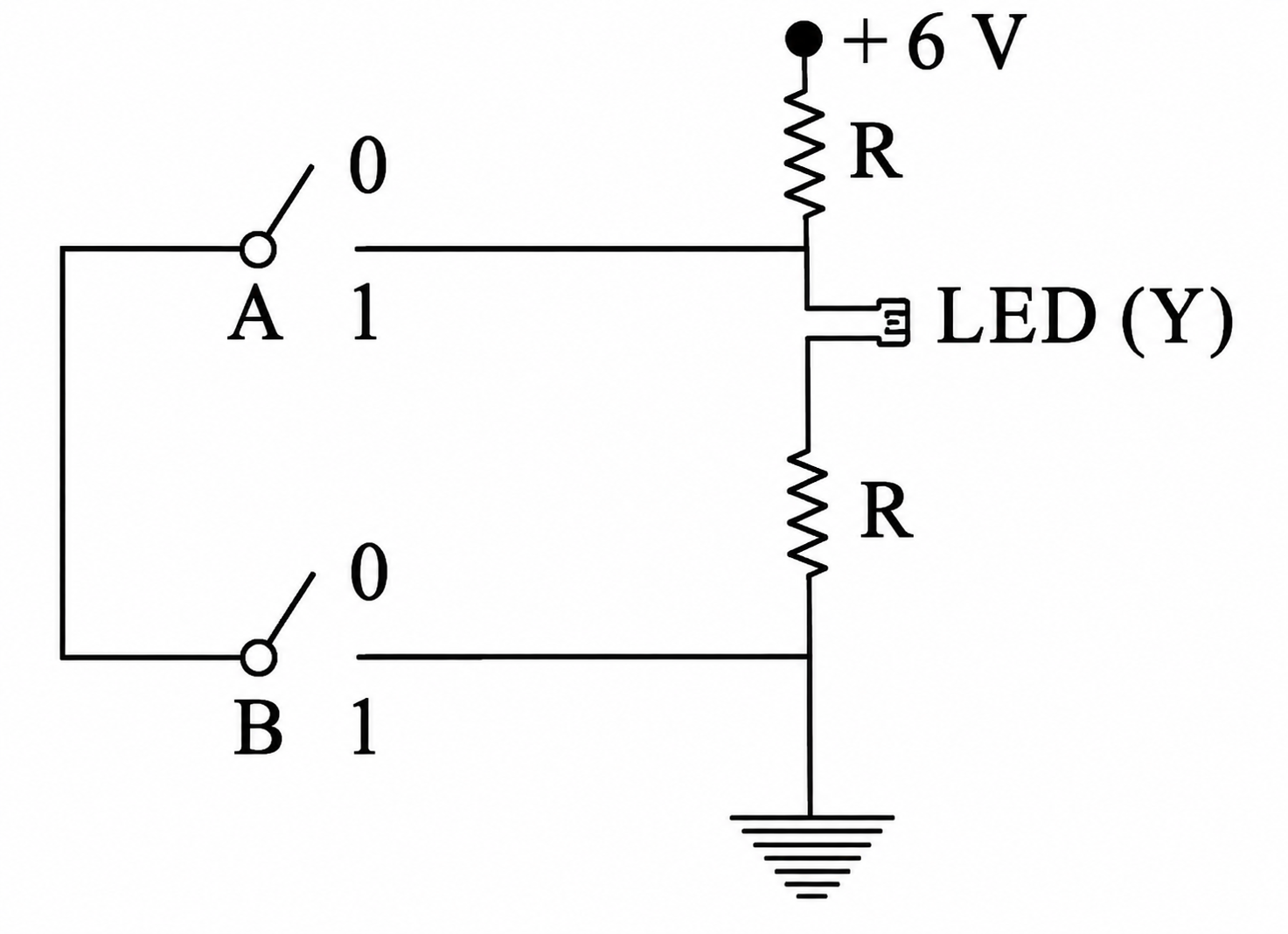
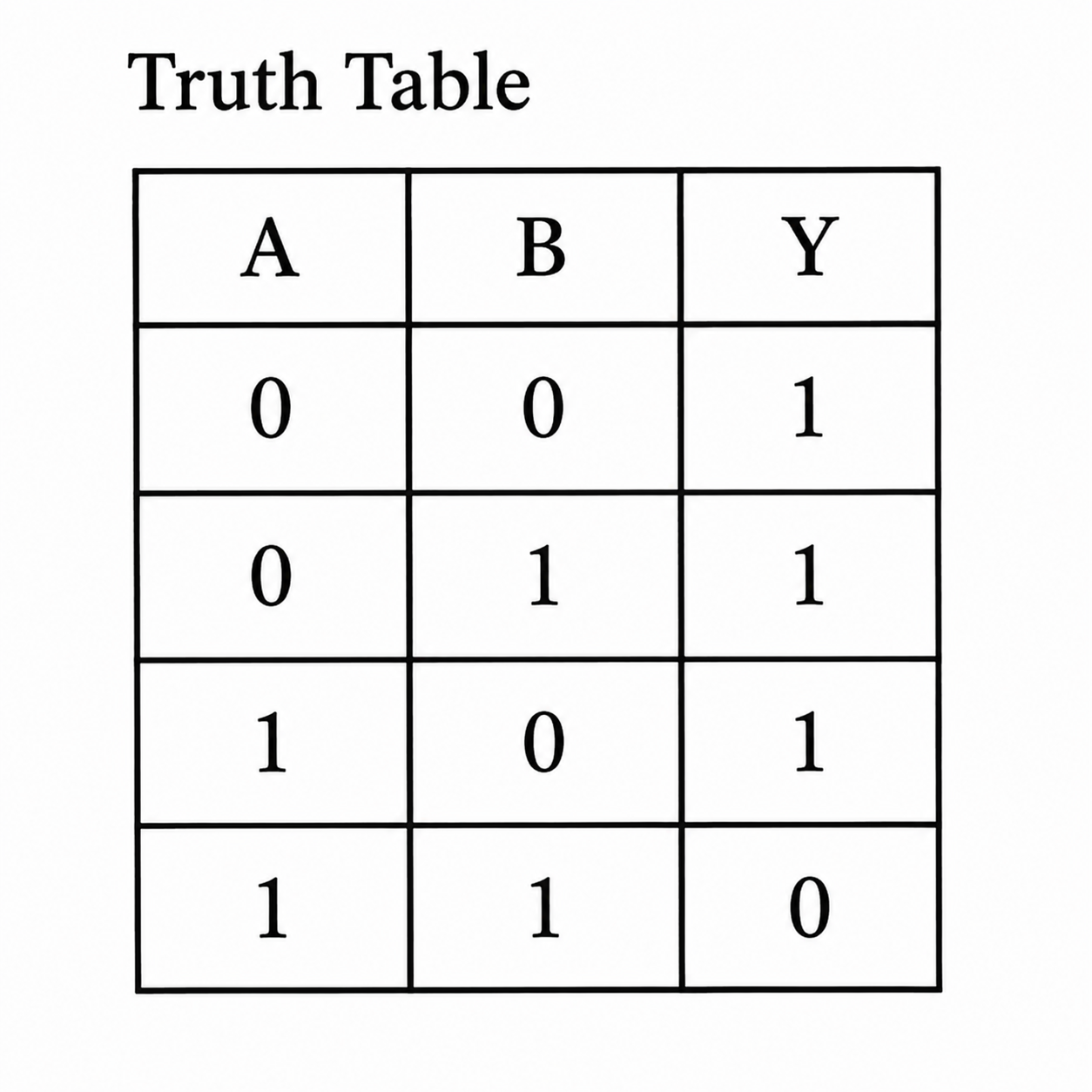
From the given logic circuit, LED will glow, when voltage across LED is high.
Boolean expression Y = A̅.B̅
i.e. circuit represents NAND gate.
A body weighs 200 N on the surface of the earth. How much will it weigh half way down to the centre of the earth?
Given, weight of the body, w = 200 N
As we know,
w=mg, where m is the mass of the body and g (≈10 m/s²) is acceleration due to gravity of the body at the surface of the earth.
Since, mass remains constant irrespective of the position of the body on the earth. However, g is not constant and its value at a depth d below the earth's surface is given as
g' = g(1 − d/R) ...........................(i)
where, R is the radius of the earth. Multiplying on both sides of Eq. (i), we get
mg' = mg(1 − d/R)
Thus, the weight of the body at half way down
(i.e. d = R/2) to the centre of the earth is
mg' = 200 × (1 − R/2/R) = 200 (1 − 1/2) = 200 × 1/2 = 100
∴ The body will weight 100 N half way down to the centre of the earth.
Which of the following acts as a circuit protection device?
Among given devices fuse is used in electric circuit as a protective device. It helps in preventing excessive amount of current to flow in the circuit or from short circuiting. It has low melting point and low resistivity, so when excess amount of current flow in the circuit, it melts and break the circuit.
A parallel plate capacitor of capacitance 20 μF is being charged by a voltage source whose potential is changing at the rate of 3 V/s. The conduction current through the connecting wires and the displacement current through the plates of the capacitor, would be, respectively:
Given, C = 20 μF = 20 × 10⁻⁶ F dV/dt = 3 V/s
The displacement current in a circuit is given by
I_d = ε₀ dϕ/dt [from Maxwell's equation]
= ε₀ d/dt (EA) [∵ ϕ = EA]
= ε₀A d/dt (V/d) [∵ V = Ed]
= (ε₀A/d) dV/dt
As the capacitance, C = ε₀A/d
I_ d = C dV/dt
Substituting the given values, we get
I_d = 20 × 10⁻⁶ × 3 = 60 × 10⁻⁶ A = 60 μA
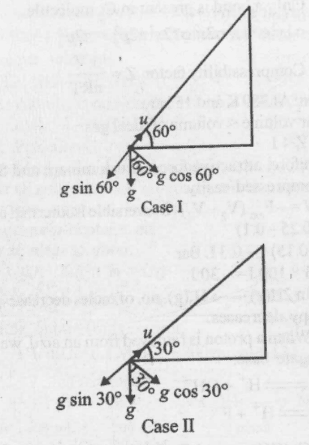
When an object is shot from the bottom of a long smooth inclined plane kept at an angle 60° with horizontal, it can travel a distance x₁ along the plane. But when the inclination is decreased to 30° and the same object is shot with the same velocity, it can travel x₂ distance. Then x₁ : x₂ will be:
The motion of object shot in two cases can be depicted as below Using third equation of motion,
v² = u² − 2gh ............ (i)
As the object stops finally, so
v = 0
For inclined motion,
g = g sin θ and h = x
Substituting these values in Eq. (i), we get
u² = 2g sin θ x ⇒ x = u²/(2g sin θ)
For case (I), x₁ = u²/(2g sin 60°)
For case (II), x₂ = u²/(2g sin 30°)
x₁/x₂ = u²/(2g sin 60°) × 2g sin 30°/u²
= 1/2 × 2/√3 = 1/√3 or 1 : √3
The number of moles of hydrogen molecule required to produce 20 moles of ammonia under Haber’s process is:
N₂ + 3H₂ ⟶ 2NH₃
1 mol NH₃ = 3/2 mol H₂
20 mol NH₃ = 3/2 × 20 mol H₂ = 30 mol H₂
∴ 30 moles of H₂ are required.
Which of the following series of transitions in the spectrum of hydrogen atom falls in visible region?
Balmer series
4d, 5p, 5f and 6p orbitals are arranged in the order of decreasing energy. The correct option is:
5f 5 + 3 = 8
6p 6 + 1 = 7
5p 5 + 1 = 6
4d 4 + 2 = 6
∴ 5f > 6p > 5p > 4d
For the second period elements the correct increasing order of first ionisation enthalpy is:
Consider the stability of electronic configuration after loss of one electron.
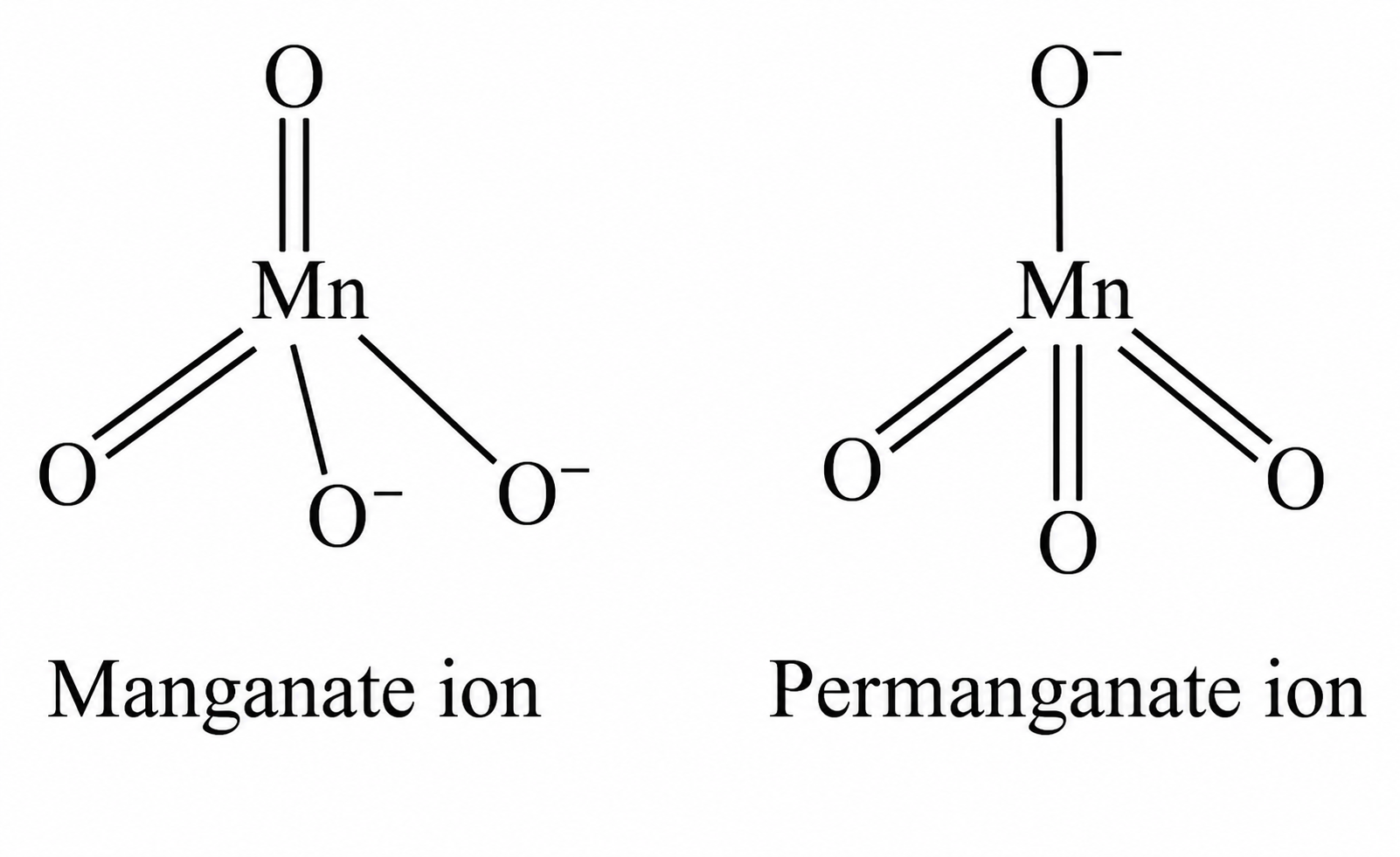
The manganate and permanganate ions are tetrahedral, due to:
Consider the stability of electronic configuration after loss of one electron.
Which of the following diatomic molecular species has only π-bonds according to Molecular Orbital Theory?
Only π bond is present in C₂ molecule.
σ1s² σ*1s² σ2s² σ*2s² π2px² π2py²
A gas at 350 K and 15 bar has molar volume 20 percent smaller than ideal gas under the same conditions. The correct option about the gas and its compressibility factor (Z) is:
Compressibility factor,
Z = PV/nRT
Given: At 350 K and 15 bar,
molar volume of ideal gas
∴ Z < 1
Therefore, attractive forces are dominant and the gas can be compressed easily.
Under isothermal condition, a gas at 300 K expands from 0.1 L to 0.25 L against a constant external pressure of 2 bar. The work done by the gas is [Given that 1 L bar = 100 J]
W = −P_ext (V₂ − V₁) (Irreversible isothermal expansion)
= −2(0.25 − 0.1)
= −2(0.15)=0.3 L Bar
= −0.3 × 100 J = −30 J
In which case change in entropy is negative?
In 2H(g) → H₂(g), no. of moles decreases, therefore entropy decreases.
Conjugate base of Bronsted acid H₂O and HF are:
When a proton is removed from an acid, we obtain its conjugate base.
H₂O ⇌ H⁺ + OH⁻
HF ⇌ H⁺ + F⁻
If pH of a saturated solution of Ca(OH)₂ is 9. The solubility product (Kₛₚ) of Ca(OH)₂ is:
Ca(OH)₂ ⇌ Ca²⁺ + 2OH⁻
(pH = 9, pOH = 14 − 9 = 5)
[OH⁻] = 10⁻⁵
[Ca²⁺] = 10⁻⁵/2
Kₛₚ = [Ca²⁺][OH⁻]₂
= (10⁻⁵/2) × (10⁻⁵)²
= 0.5 × 10⁻¹⁵
Which of the following reactions is disproportionation reaction?
Select the correct option from the following:
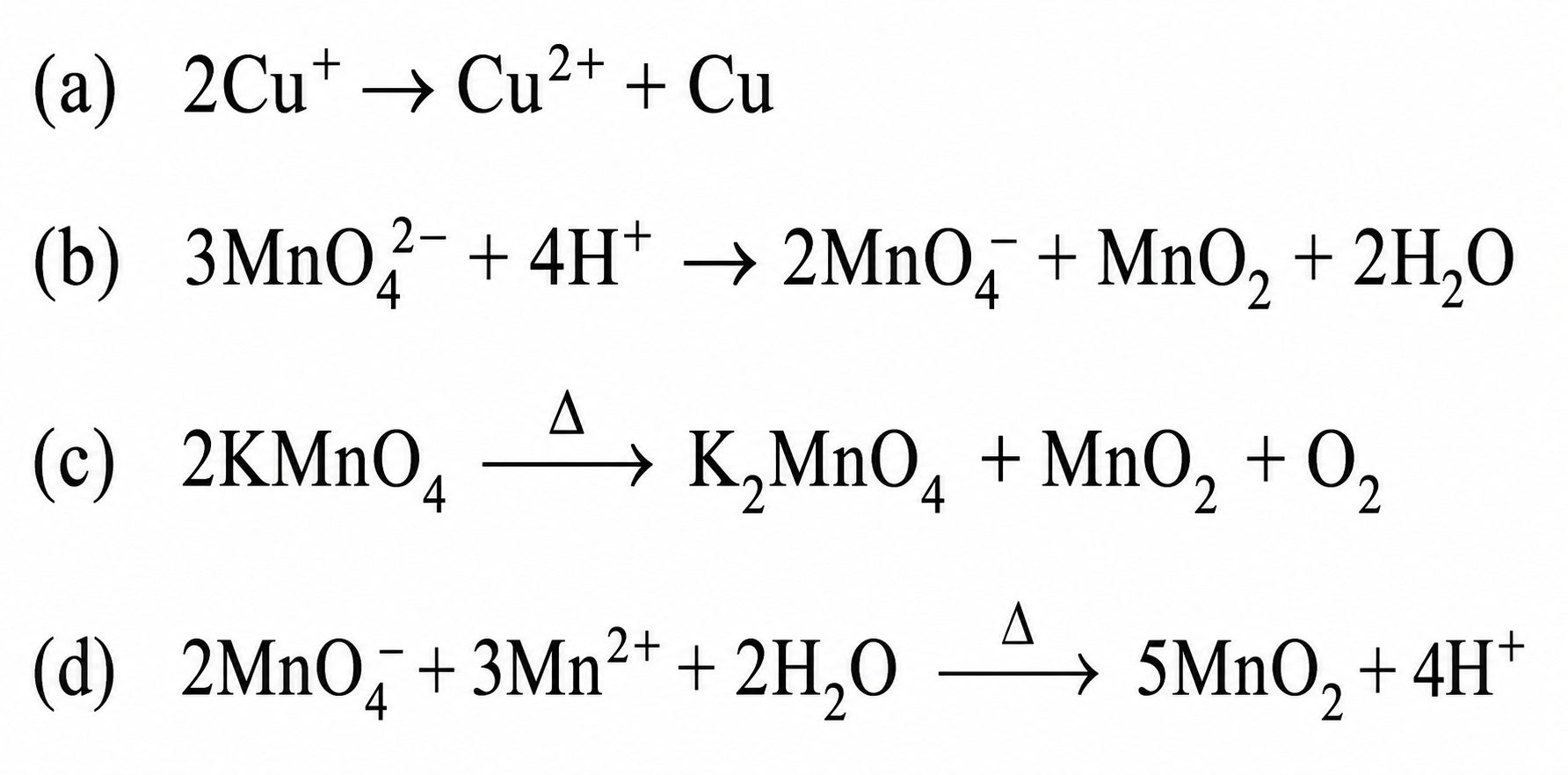
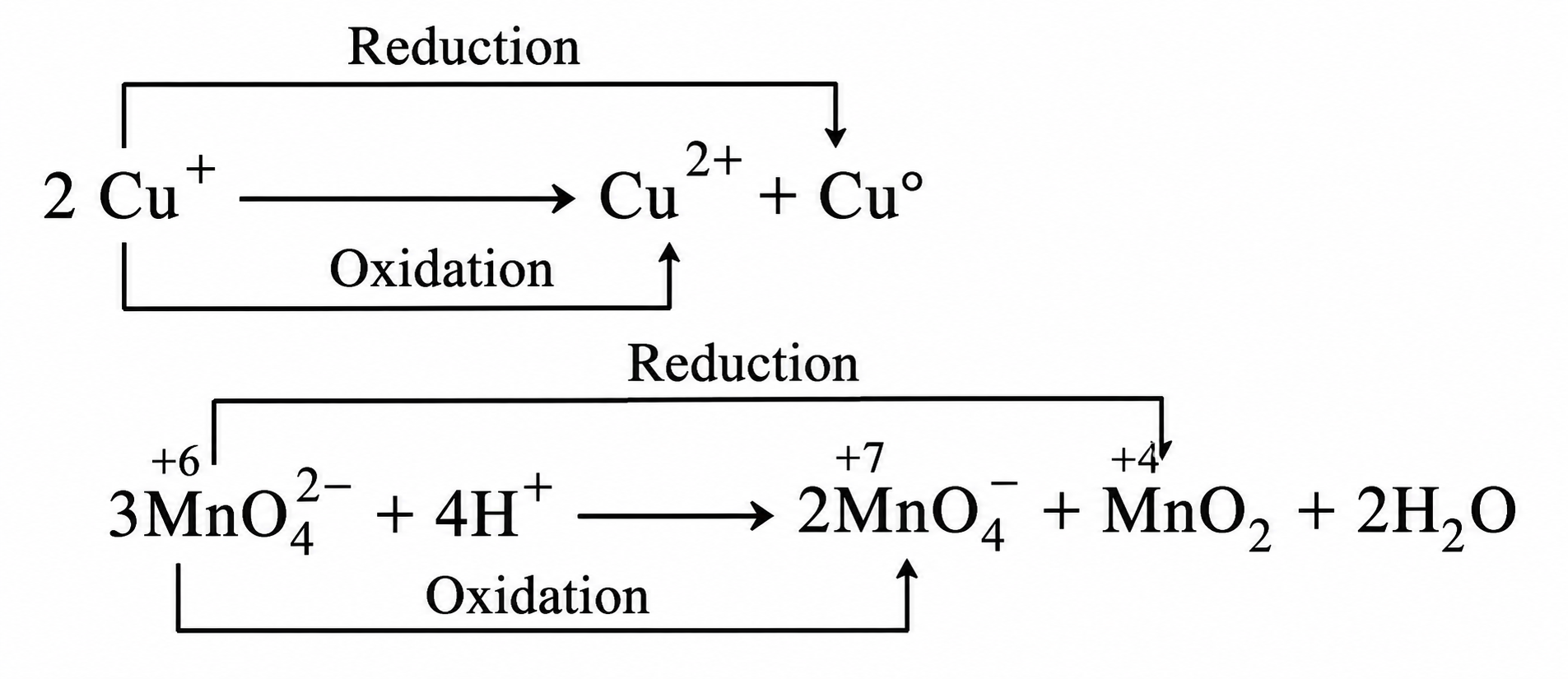
In a disproportionation reaction, one species undergoes both oxidation and reduction.
This method used to remove temporary hardness of water:
In this method Ca(OH)₂ is used.
Which of the following is an amphoteric hydroxide?
Amphoteric hydroxide means it can react with both acid and base.
Be(OH)₂ + 2HCl → BeCl₂ + 2H₂O
Be(OH)₂ + 2NaOH → Na₂[Be(OH)₄]
Enzymes that utilize ATP in phosphate transfer require an alkaline earth metal (M) as the cofactor. M is:
Enzyme that utilise ATP in phosphate transfer require an alkaline earth metal (M) Mg as the cofactor.
Which of the following is incorrect statement?
PbF₄ is ionic in nature due to high electronegativity difference.
Which of the following species is not stable?
[SiCl₆]²⁻ does not exist because six large chloride ions cannot be accommodated around Si⁴⁺, due to its small size.
The most suitable reagent for the following conversion, is:
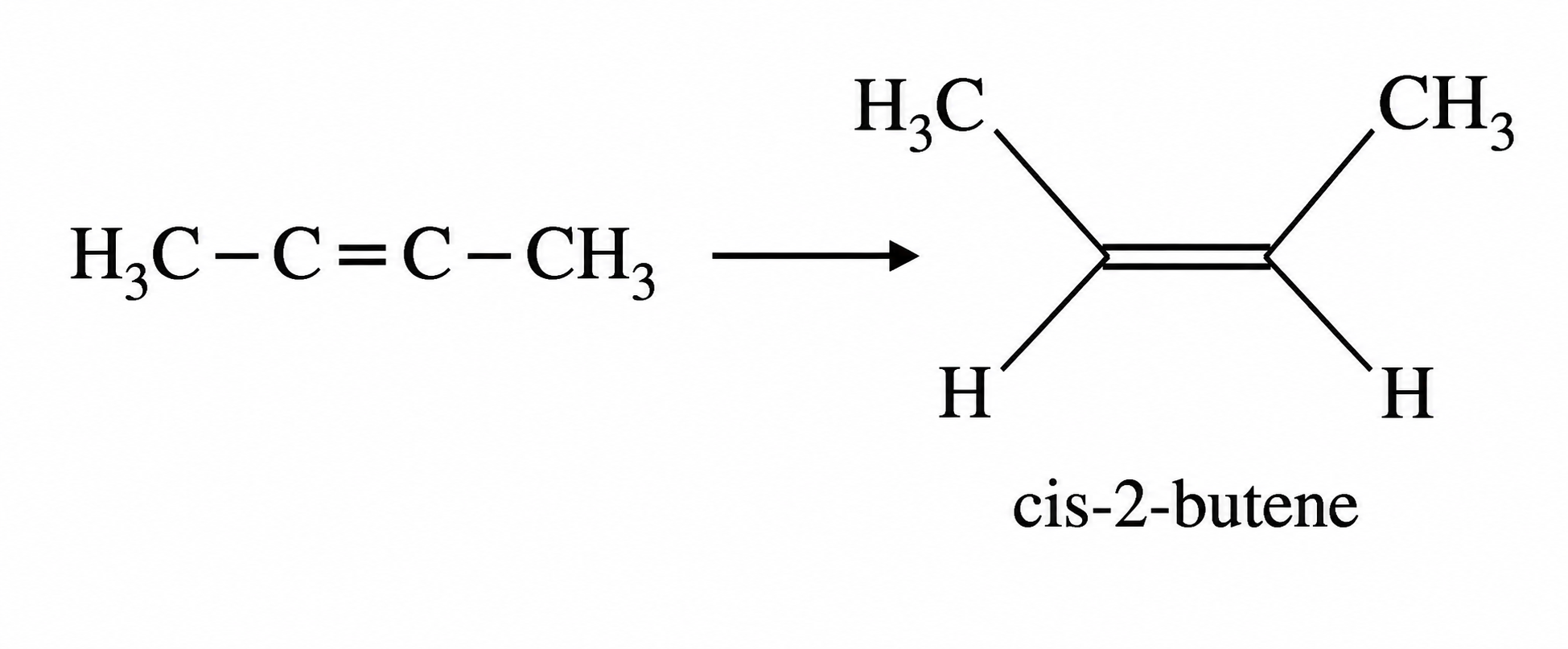
Alkynes can be reduced to cis-alkenes with they of Lindlar’s catalyst
Among the following, the one that is not a greenhouse gas is:
Sulphur dioxide is not a greenhouse gas.
A compound is formed by cation C and anion A. The anions form hexagonal close packed (hcp) lattice and the cations occupy 75% of octahedral voids. The formula of the compound is:
Oh void(C) : HCP(A)
No. of ions ⇒ 6 × 75/100 : 6
3/4 : 1
3 : 4 C₃A₄
The mixture which shows positive deviation from Raoult's law is:
Hydrogen bond of ethanol gets weakened by addition of acetone. Thus the mixture of ethanol and acetone shows positive deviation from Raoult's law.
The mixture that forms maximum boiling azeotrope is:
The solutions which show a large negative deviation from Raoult's law form maximum boiling azeotrope. Nitric acid and water forms a maximum boiling azeotrope with a boiling point of 393.5 K.
For a cell involving one electron E°_cell = 0.59 V at 298 K, the equilibrium constant for the cell reaction is:
[Given that 2.303RT/F = 0.059 V at T = 298 K]
E°_cell = (2.303RT/nF) log K
Given: E°_cell = 0.59 V, n = 1
0.59 = 0.059/1 log K
0.59/0.059 = log K
10 = log K
K = 10¹⁰
For the cell reaction
2Fe³⁺(aq) + 2I⁻(aq) → 2Fe²⁺(aq) + I₂(aq)
0.24 V at 298 K. The standard Gibbs energy (ΔG°) of the reaction is:
[Given that Faraday constant F = 96500 C mol⁻¹]
ΔG° = −nFE°
= −2 × 96500 × 0.24 = −46320 J/mol
= −46.32 kJ/mol
If the rate constant for a first order reaction is k, the time (t) required for completion of 99% of the reaction is given by:
For a first order reaction,
t = (2.303/k) log ([A]₀/[A])
For 99% completion of the reaction,
t = (2.303/k) log (100/100 − 99)
= (2.303/k) log 10²
= 4.606/k
For the chemical reaction
N₂(g) + 3H₂(g) ⇌ 2NH₃(g)
the correct option is:
N₂(g) + 3H₂(g) ⇌ 2NH₃(g)
−d[N₂]/dt = −1/3 d[H₂]/dt = 1/2 d[NH₃]/dt
Which mixture of the solutions will lead to the formation of negatively charged colloidal [AgI]I⁻ sol?
AgNO₃ + KI ⟶ AgI + KNO₃
Negatively
charged colloid
A solution of AgNO₃ and KI will form a negatively charged colloidal sol [AgI], only when KI is present in excess.
(i.e., KI behaves as a solvent).
Millimole of KI is maximum in option = (50 × 2 = 100)
Which one is malachite from the following?
Malachite is a green copper carbonate hydroxide mineral with chemical composition CuCO₃.Cu₄(OH)₂.
Which is the correct thermal stability order for H₂E (E = O, S, Se, Te and Po)?
On going down the group, bond dissociation enthalpy of the hydrides of oxygen family decreases. Therefore, thermal stability also decreases.
Match the following:
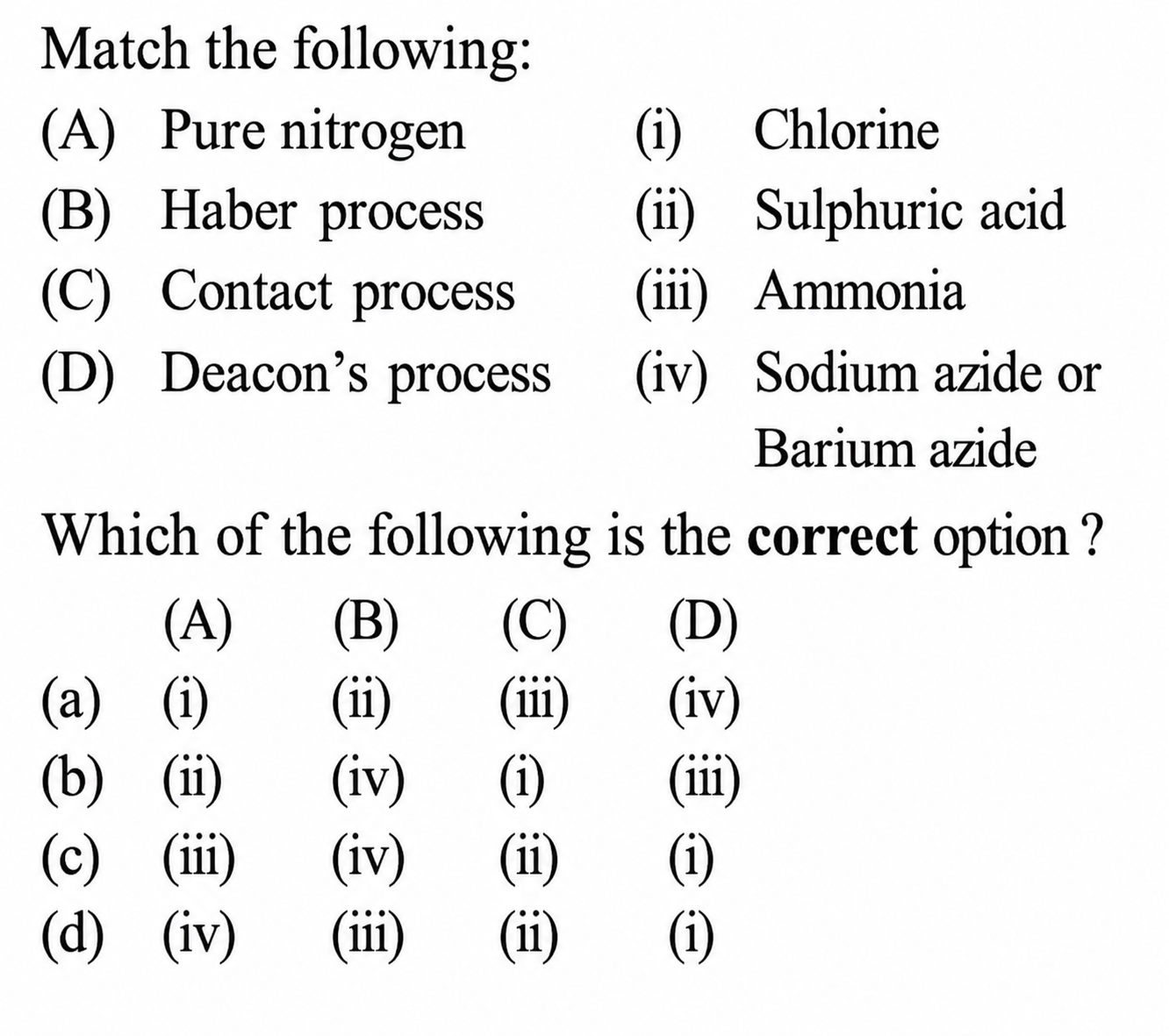
Option (d) is correct option.
Identify the incorrect statement related to PCl₅ from the following:
PCl₅ is very reactive due to the presence of weak axial bonds. It is used in the synthesis of various compounds.
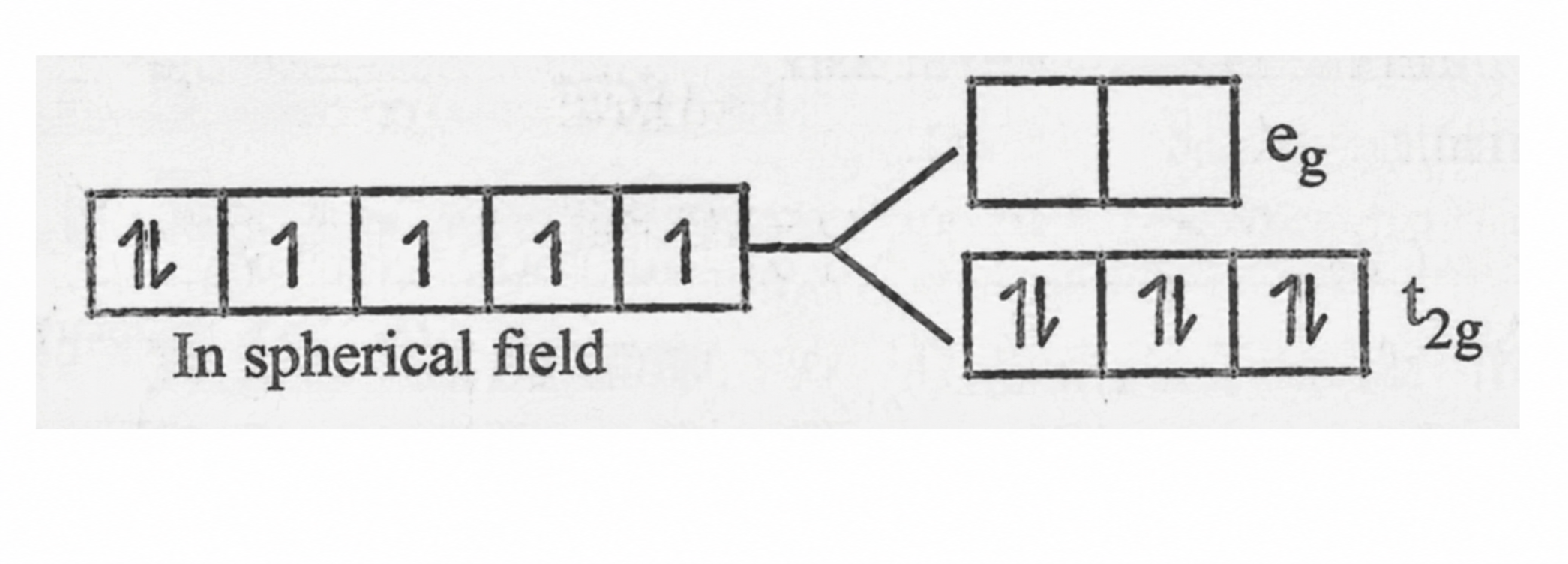
What is the correct electronic configuration of the central atom in [Fe(CN)₆]³⁻ based on crystal field theory?
K₄[Fe(CN)₆]⁴⁻ ⇌ 4K⁺ + [Fe(CN)₆]⁴⁻
x = 6 − 4
x = +2
Fe: 4s² 3d⁶
Fe²⁺ : 3d⁶
The correct order of the basic strength of methyl substituted amines in aqueous solution is:
Account for the inductive effect, solvation effect (H-bonding) and steric hindrance for basic character in aqueous solutions
(CH₃)₂NH > CH₃NH₂ > (CH₃)₃N
The non-essential amino acid among the following is:
Alanine is non-essential amino acid.
The biodegradable polymer is:
nylon 2–nylon 6
Among the following, the narrow spectrum antibiotic is:
penicillin G
For an ideal solution, the correct option is:
Ideal solutions are those which obey Raoult's law over all concentration ranges at a given temperature, e.g., benzene–toluene,
n-hexane–heptane, etc.
For an ideal solution,
ΔV_mix = 0, ΔH_mix = 0
ΔG_mix = 0, ΔS_mix = 0
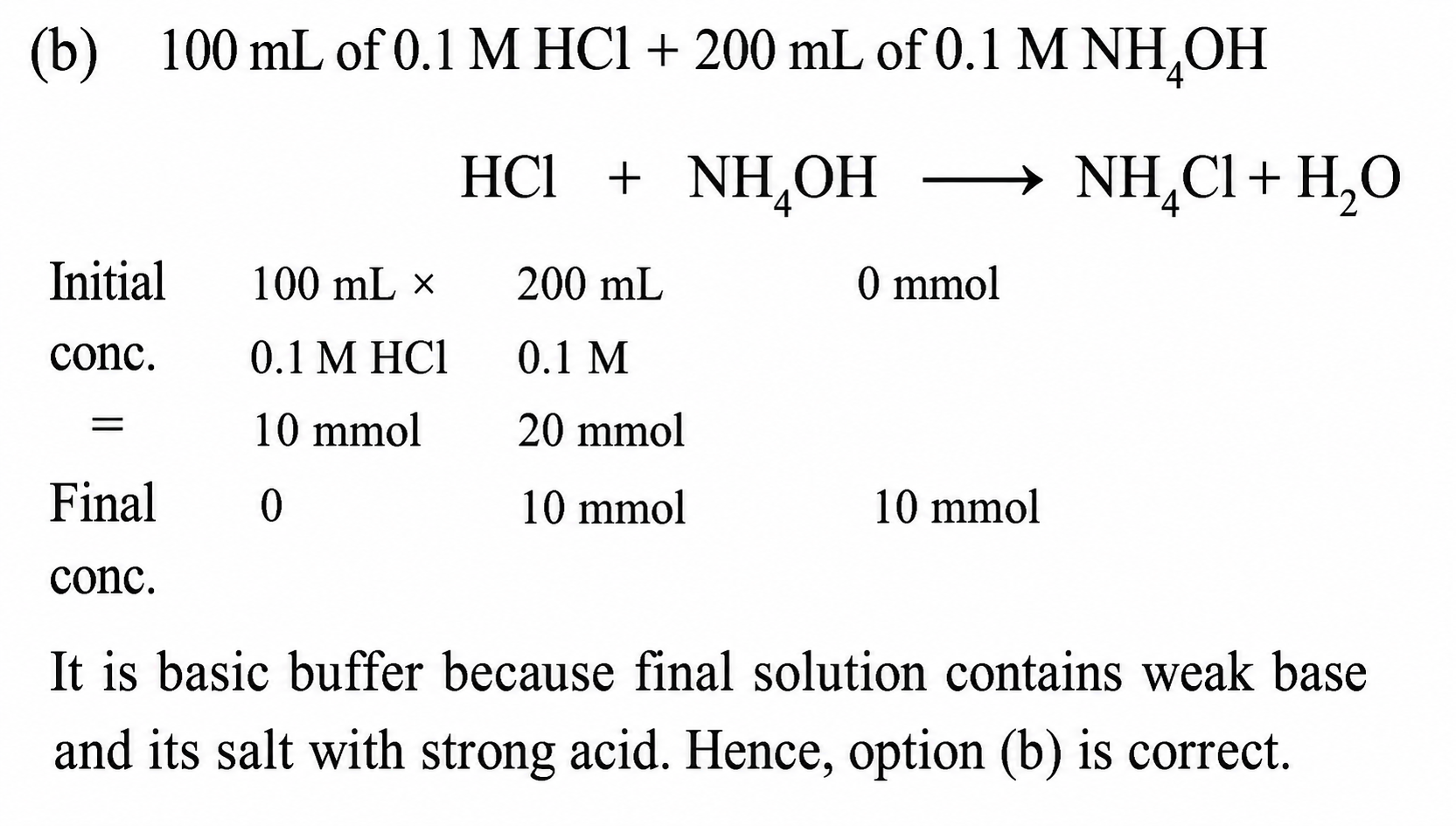
Which will make basic buffer?
.
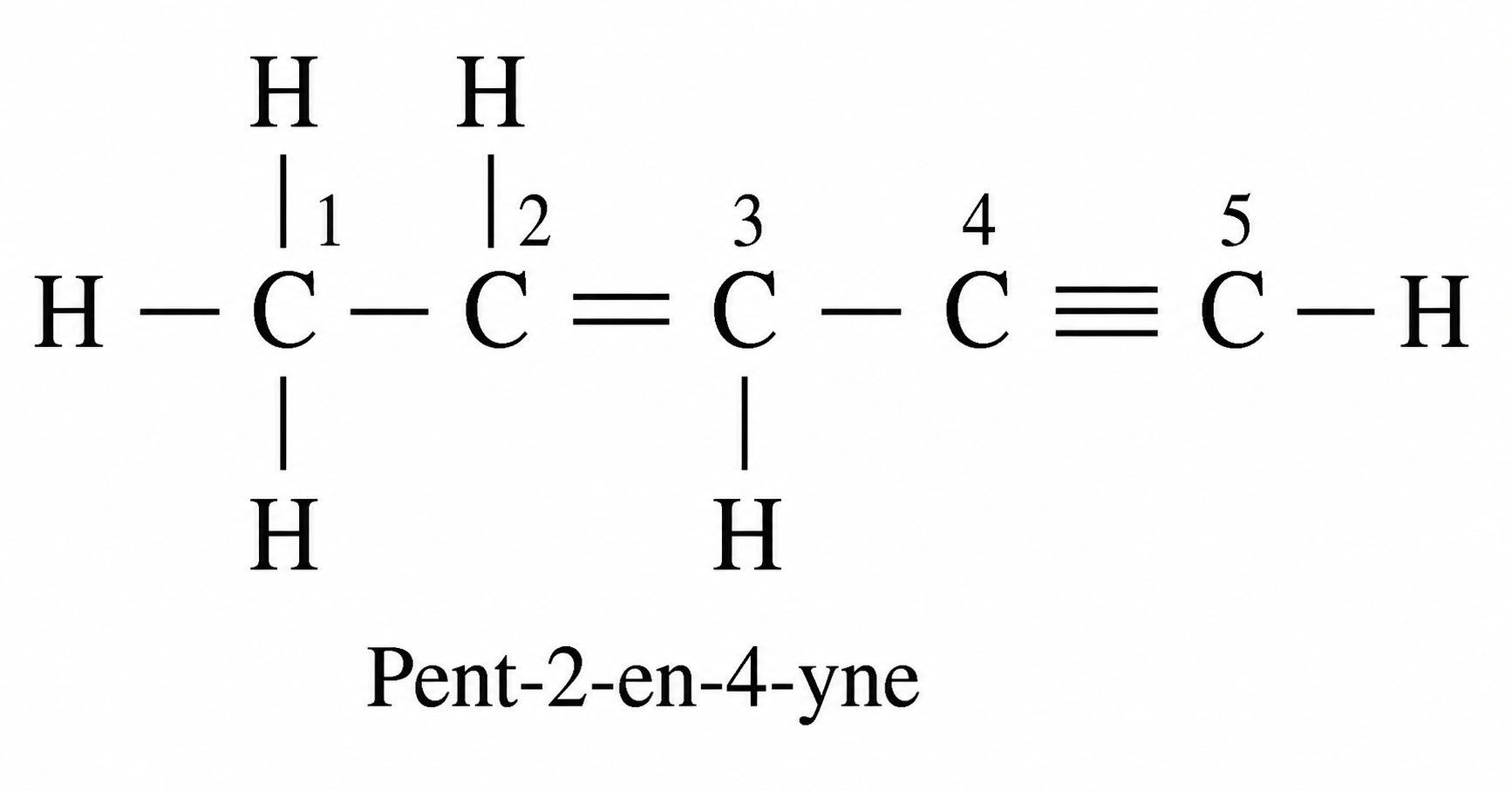
The number of sigma (σ) and pi (π) bonds in pent-2-en-4-yne is:
Single bond = 1σ
Double bond = 1σ + 1π
Triple bond = 1σ + 2π
The structure of pent-2-en-4-yne is
∴ The number of sigma (σ) bonds are 0 and pi (π) bonds are (d).
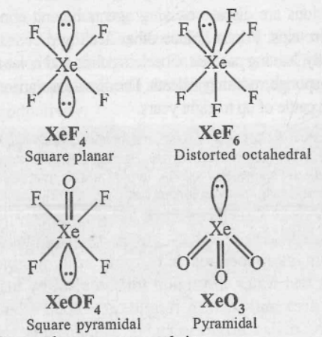
Match the Xenon compounds in Column-I with its structure in Column-II and assign the correct code:
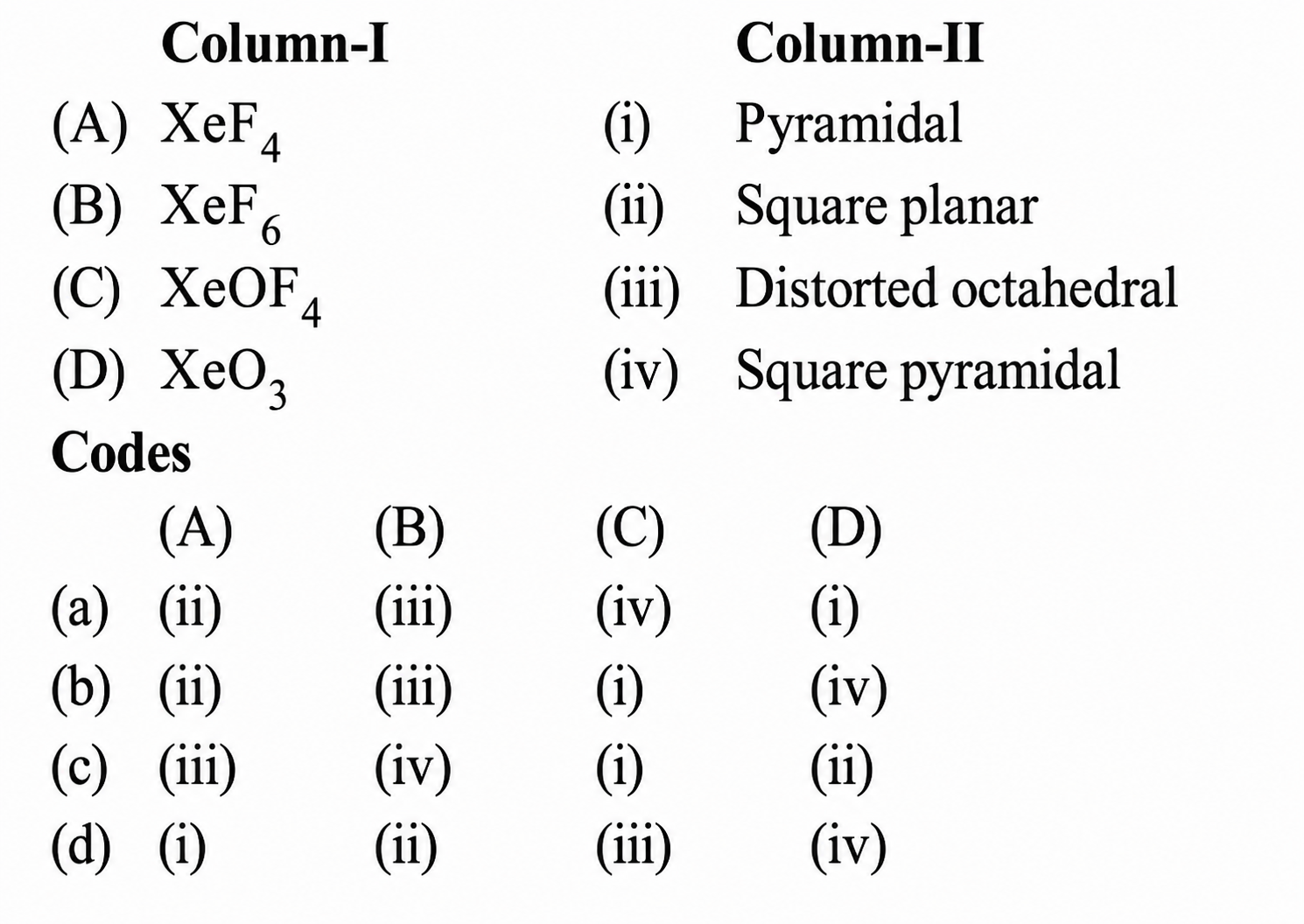
The given xenon compounds with its structures are as follows:
Hence, the correct match is
(A) → (ii), (B) → (iii), (C) → (iv), (D) → (i)
Select the correctly written scientific name of Mango which was first described by Carolus Linnaeus:
According to rules of binomial nomenclature, correctly written scientific name of mango is Mangifera indica Linn.
This system of nomenclature was given by Carl Linnaeus. The scientific name of mango is given as Mangifera indica Linn. Mangifera indicates the ‘genus’ while indica represents a particular species or specific epithet and Linn indicates the Biologist Linnaeus who first described the species of mango.
The contrasting characteristics generally in a pair used for identification of animals in Taxonomic Key are referred to as:
The keys are based on the set of contrasting characters in pair known as couplet.
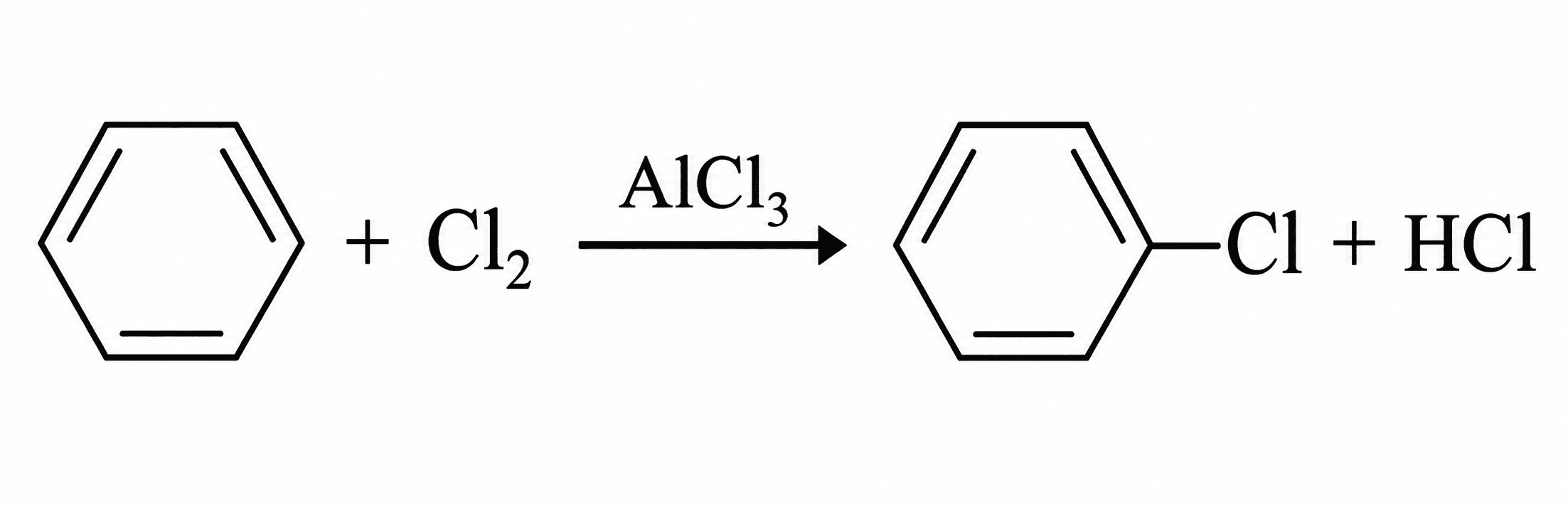
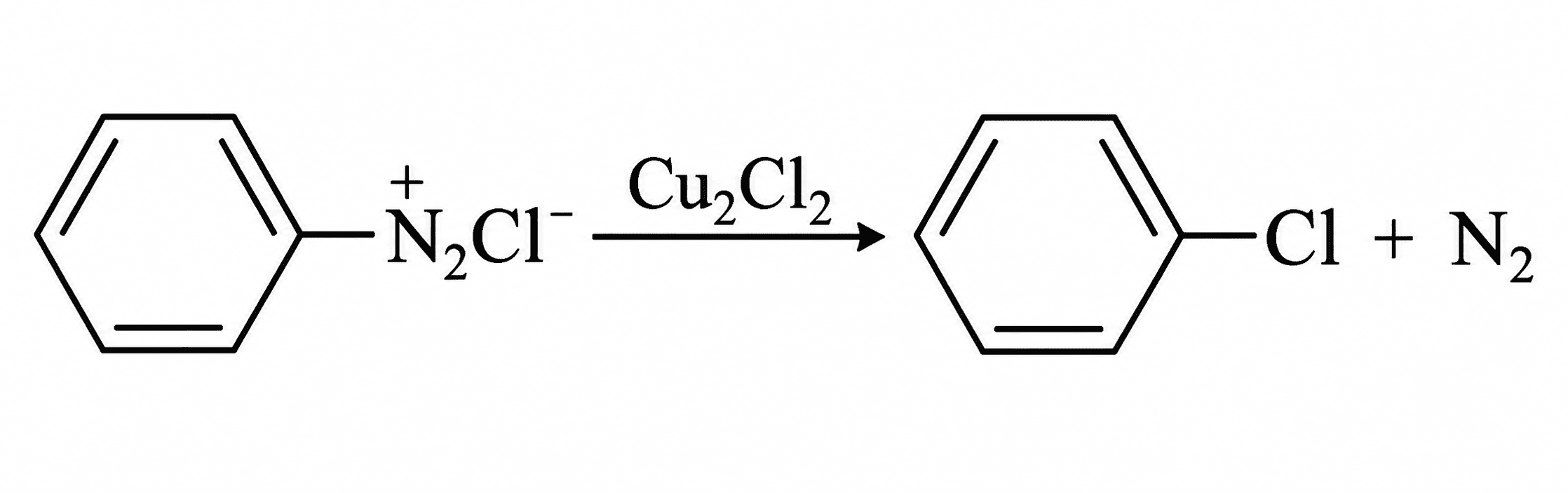
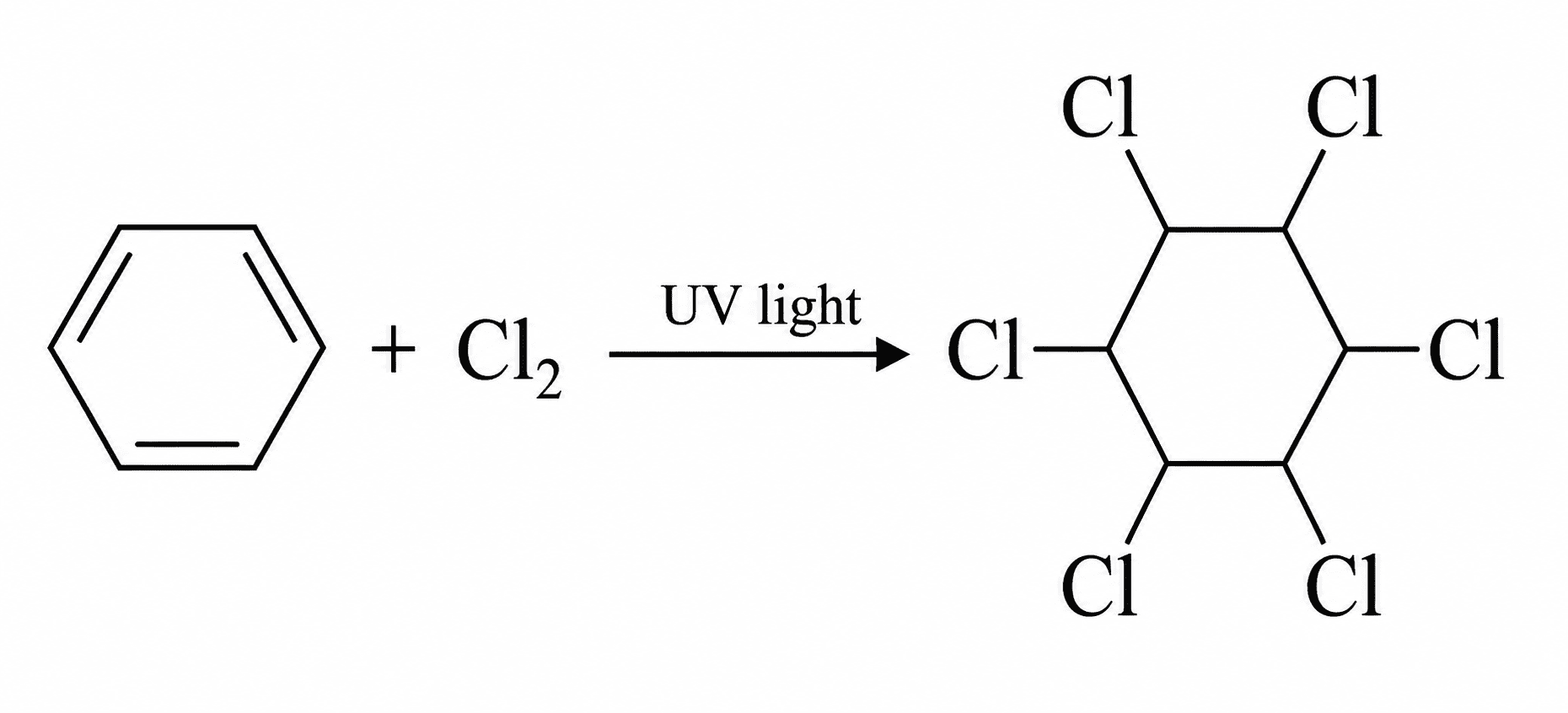
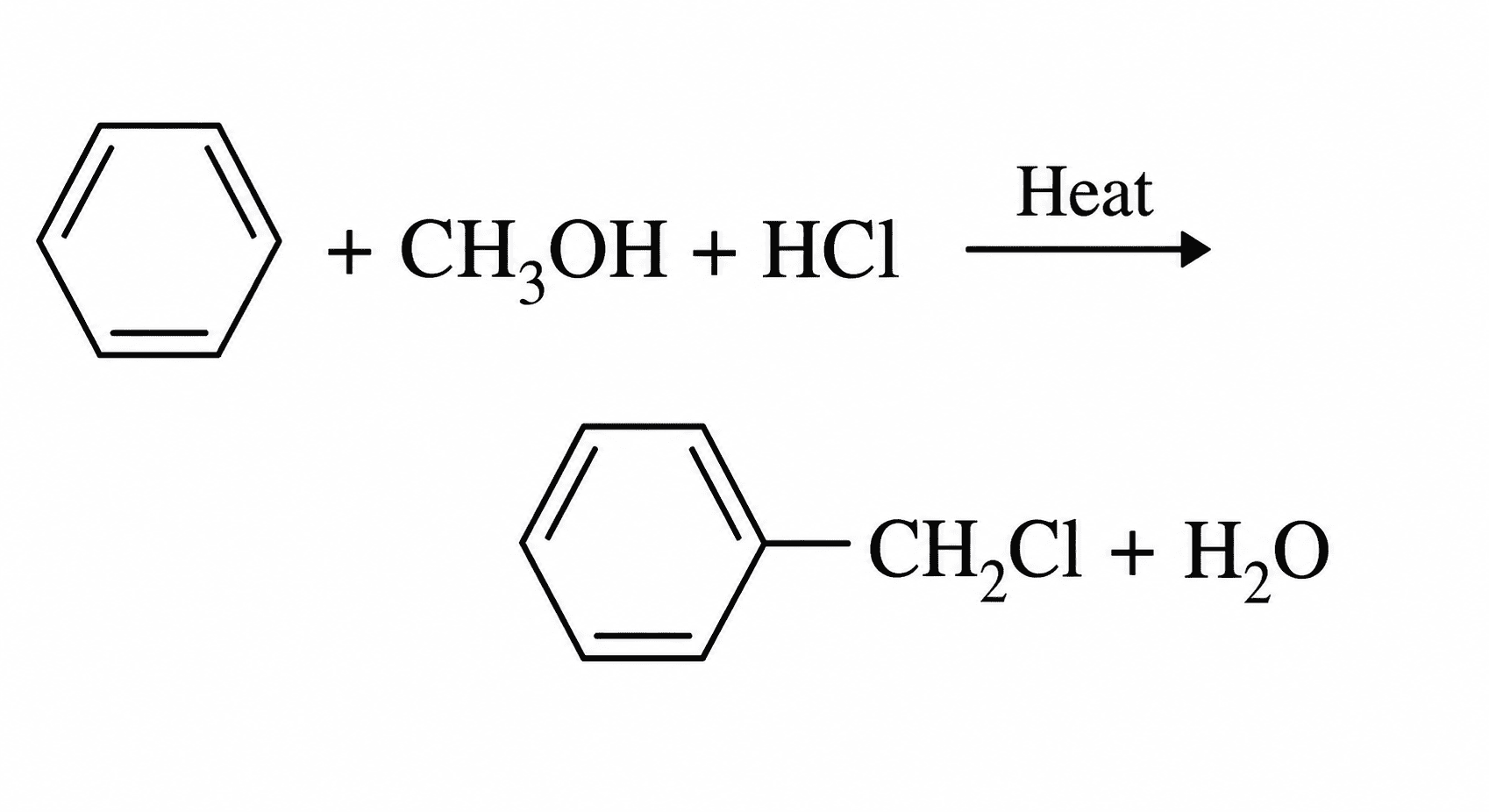
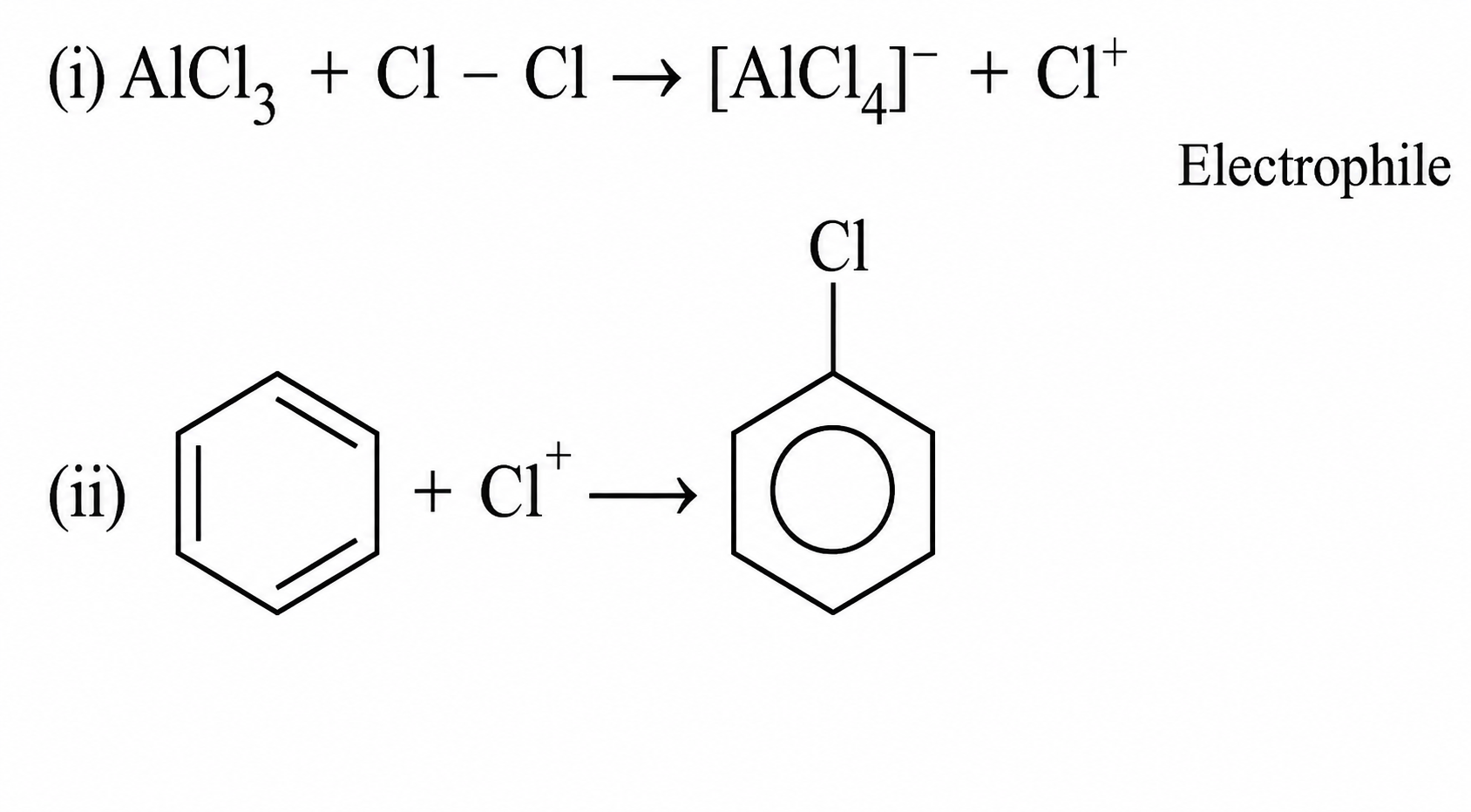
Among the following, the reaction that proceeds through an electrophilic substitution, is:
-
(A) b
-
(B) a
-
(C) c
-
(D) d
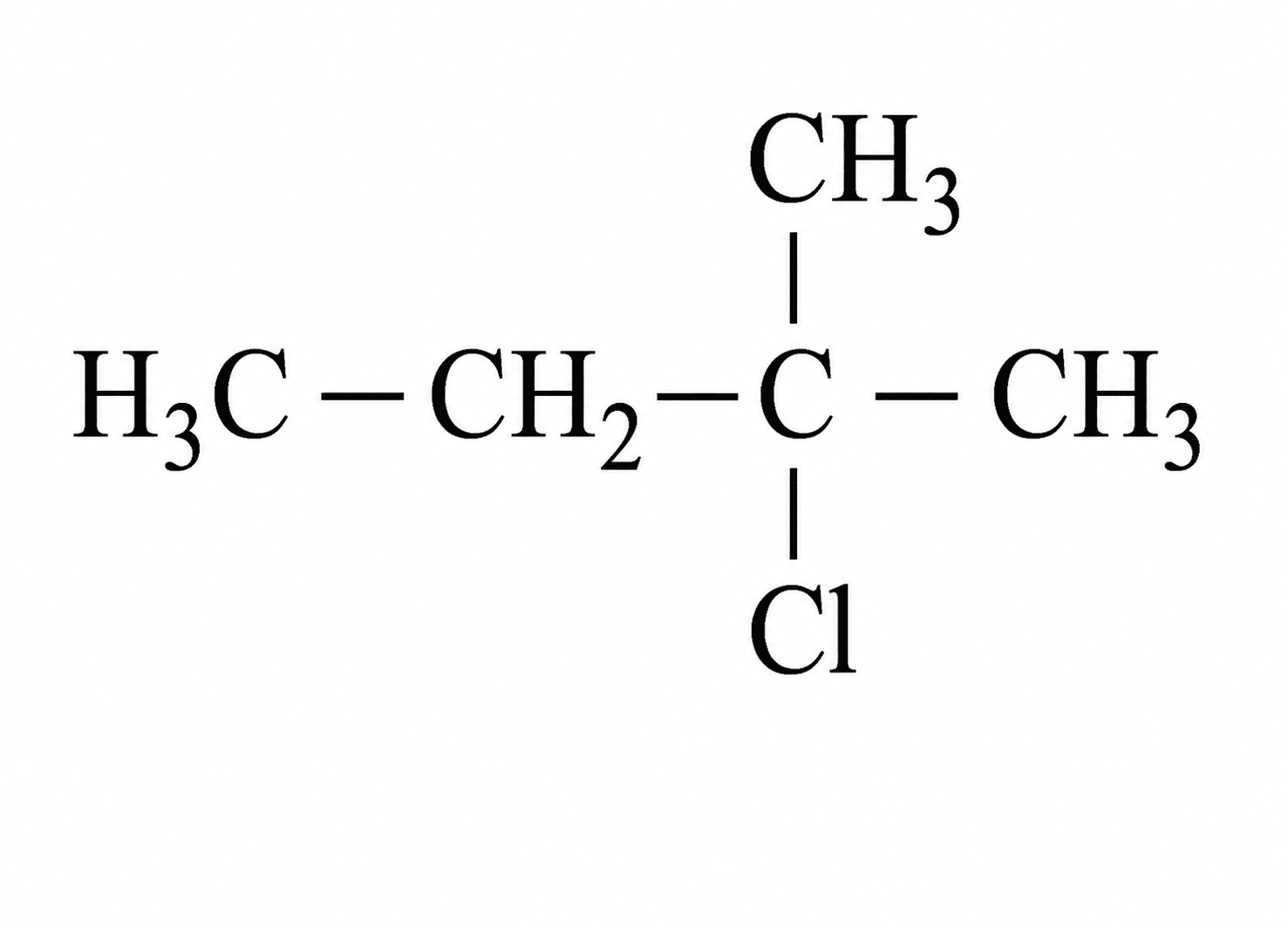
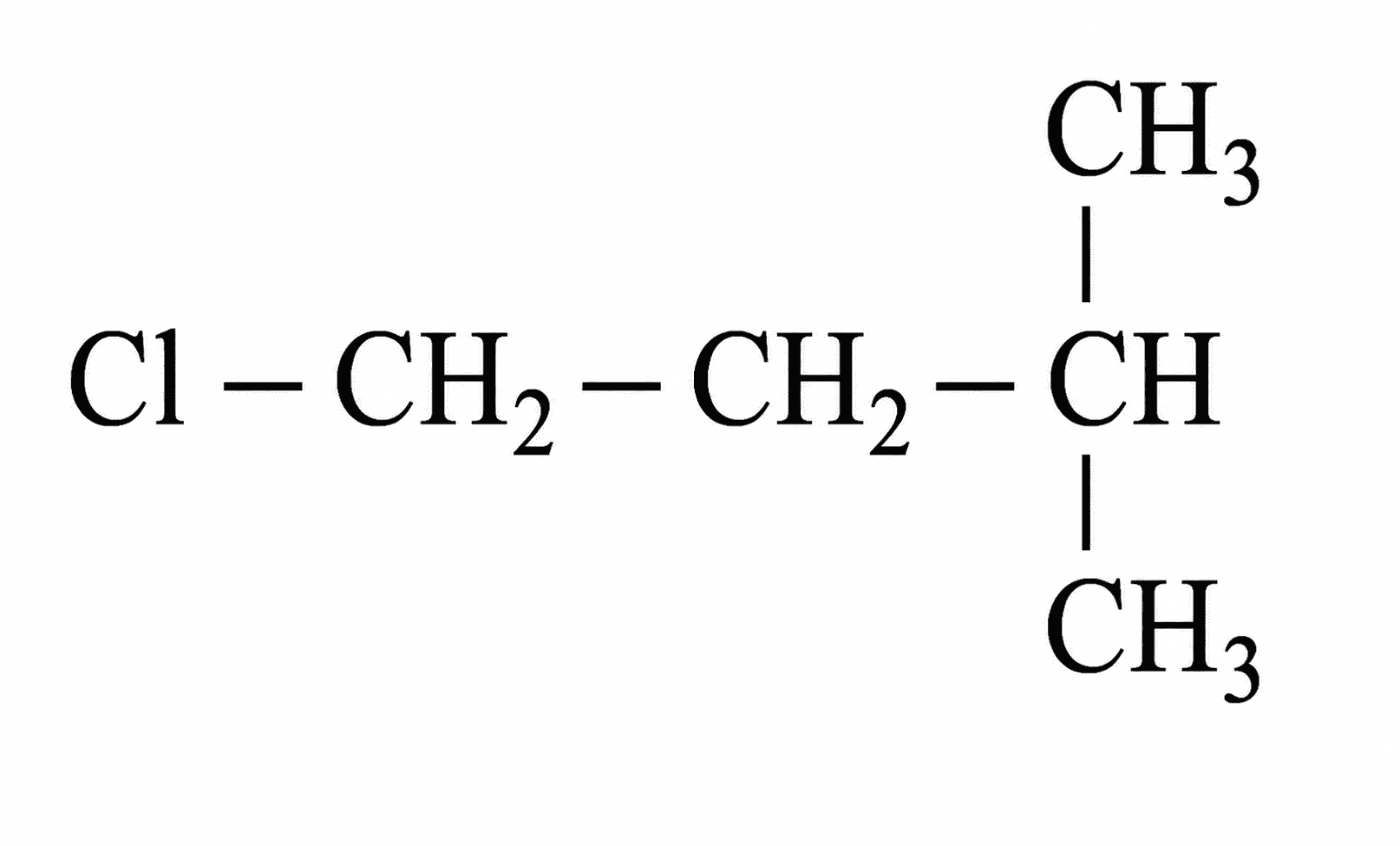
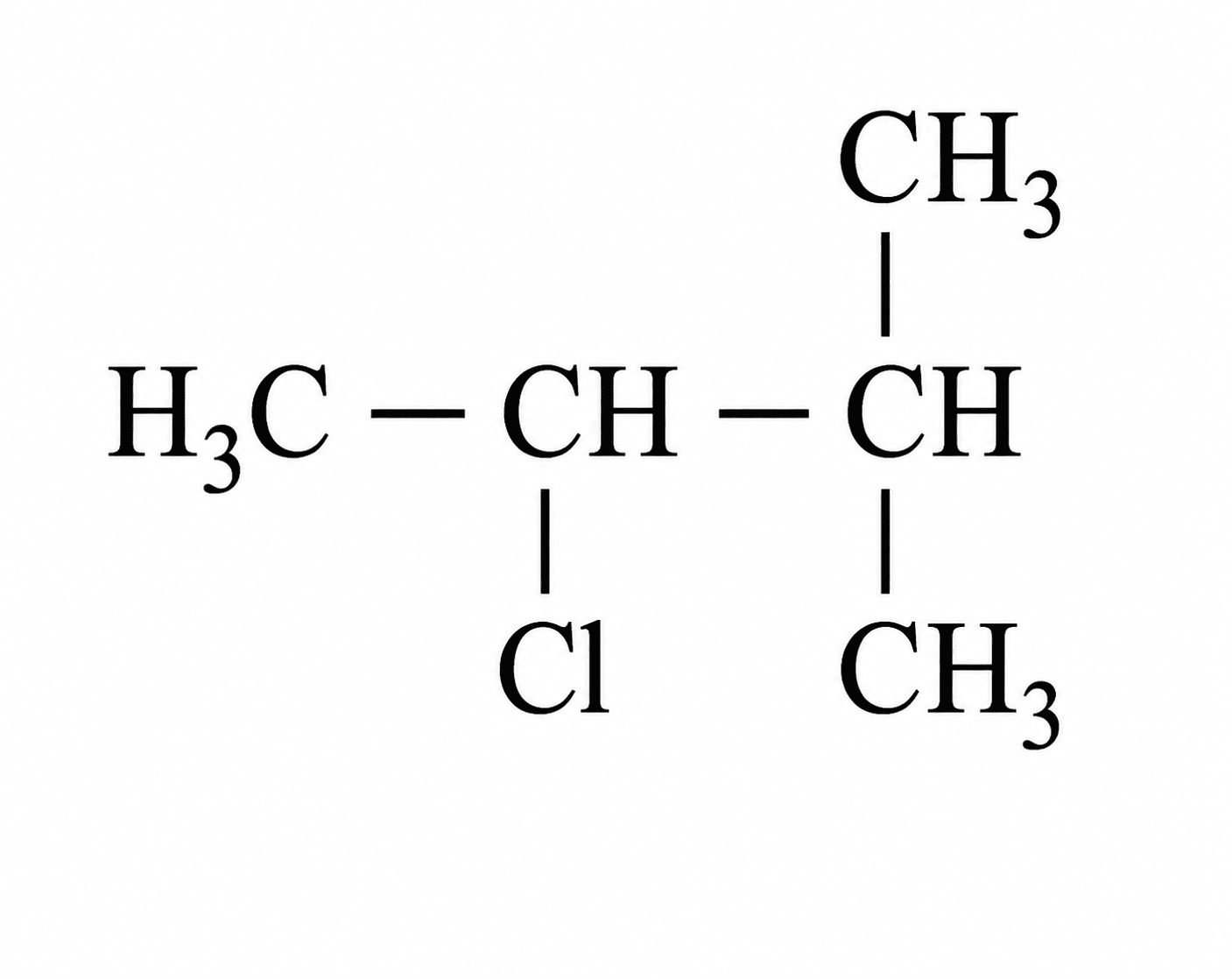
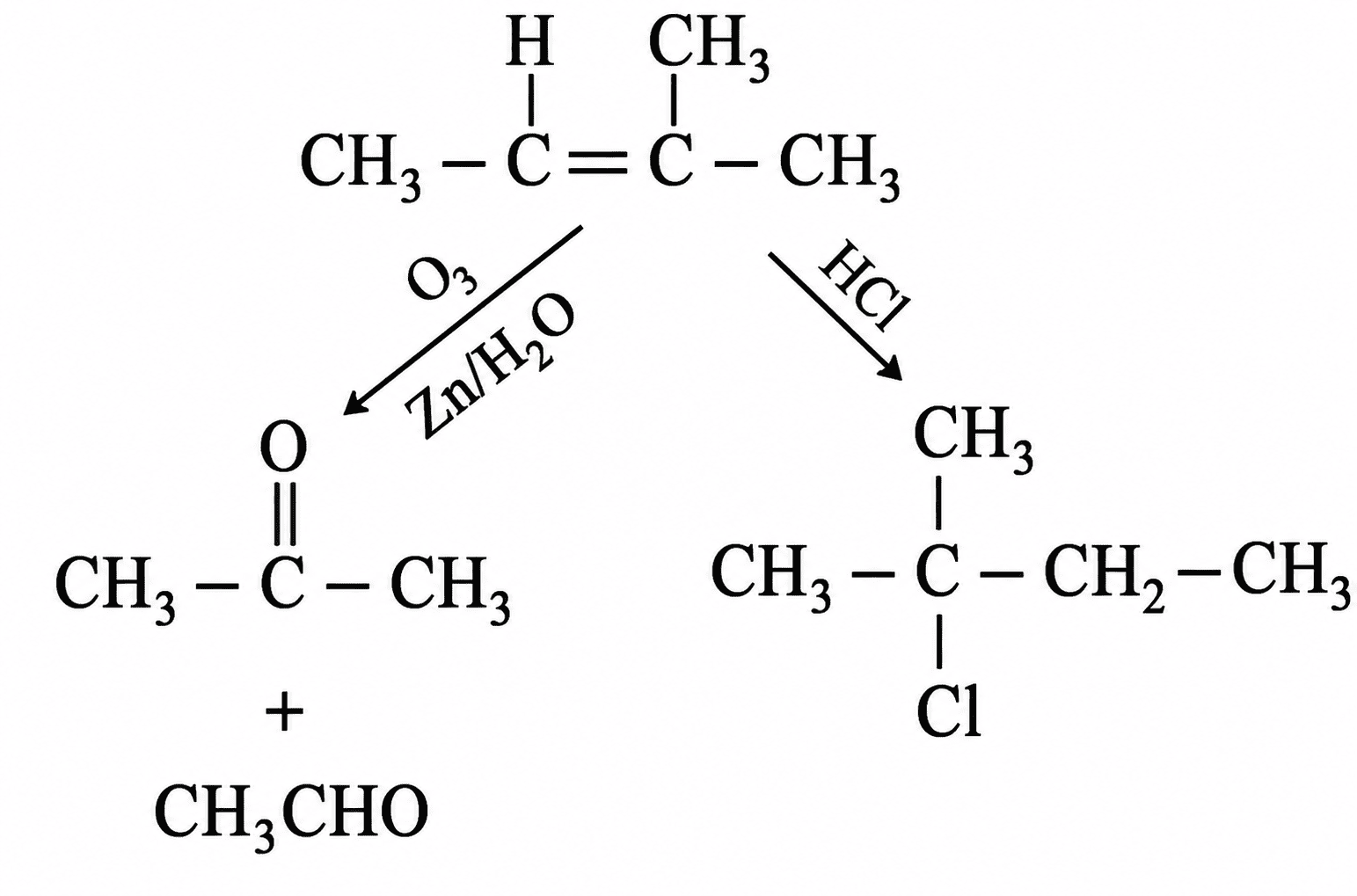
An alkene “A” on reaction with O₃ and Zn–H₂O gives propanone and ethanal in equimolar ratio. Addition of HCl to alkene “A” gives the major product. The structure of product “B” is:
-
(A) c
-
(B) a
-
(C) b
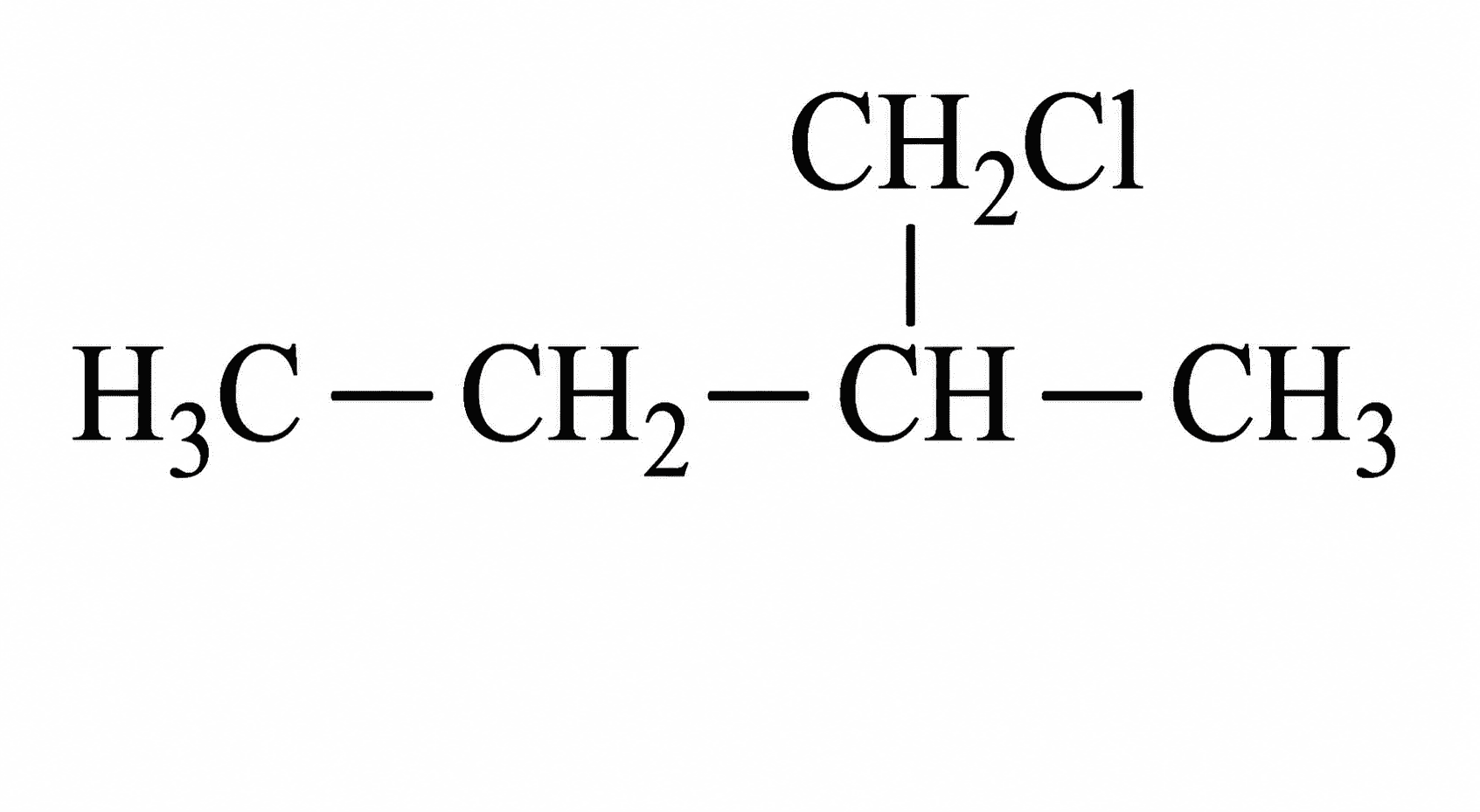
-
(D) d
One scientist cultured Cladophora in a suspension of Azotobacter and illuminated the culture by splitting light through a prism. He observed that bacteria accumulated mainly in the region of:
Azotobacter is aerobic bacteria. and Cladophora is green alga.
Engelmann used a prism to split light into its spectral components, and then illuminated a green alga, Cladophora,
placed in a suspension of aerobic bacteria. The bacteria were used to detect the sites of oxygen evolution. He observed that aerobic bacteria accumulated mainly in
the region of blue and red light of the split spectrum thus giving the first action spectrum of photosynthesis.
The organisms in column I with habitats in column II.
Select the correct answer from the options given below:
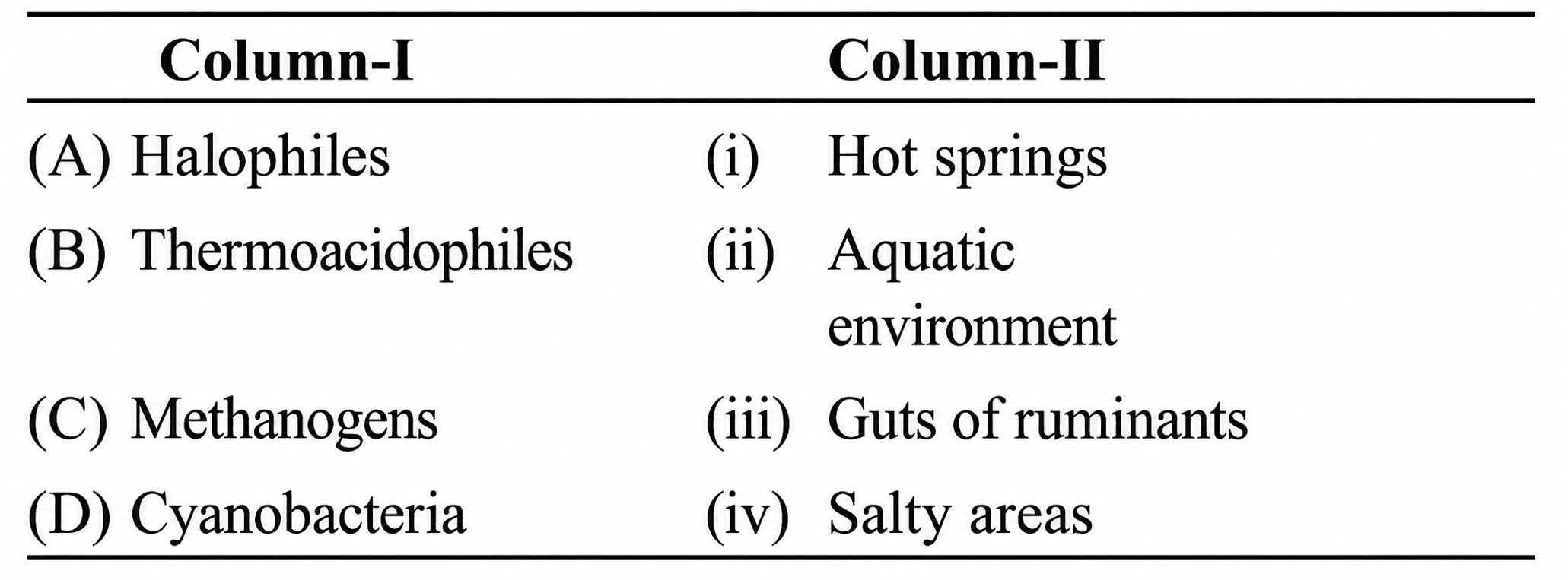
Halophiles live in salty areas.
Thermoacidophile are present in hot springs. Methanogens are present in gut of several ruminants. Cyanobacteria can be present in freshwater/marine or terrestrial habitat.
Which of the following statements is incorrect?
Yeast is an unicellular sac fungi. It lacks filamentous structure or hyphae.
Which of the following statements is incorrect?
Infective constituent in viruses is either DNA or RNA, not protein. The simplest form consist of two basic components: nucleic acid (single- or double-stranded RNA or DNA) and a protein coat, the capsid, which functions as a shell to protect the viral genome from nucleases and which during infection attaches the virion to specific receptors exposed on the prospective host cell.
Mad cow disease in cattle is caused by an organism which has:
Prions are disease causing agents having abnormally folded proteins. Prions induce other healthy proteins to fold incorrectly, leaving particle of useless debris and holes that turn brains to sponge, resulting to death. This disease has an incubation period in cattle of up to eight years.
Pinus seed cannot germinate and establish without fungal association. This is because:
Fungus associated with roots of Pinus increases minerals and water absorption for the plant by increasing surface area and in return fungus gets food from plant. Therefore, mycorrhizal association is obligatory for Pinus seed germination.
Phloem in gymnosperms lacks:
Phloem, a complex tissue, is found in highly organised plants ('higher plants') and characterised by the possession of certain specialised cells, the sieve elements, and functions as the major plant tissue in rapid conduction of sugar over fairly long distances in the plant. In addition to sieve elements, it always contains parenchyma cells, usually of more than one type, and frequently includes sclerenchyma cells.
Phloem in gymnosperms lacks both sieve tube and companion cells.
Which of the following animals are true coelomates with bilateral symmetry?
Annelids exhibit bilateral symmetry with metameric
segmentation where external segments correspond to
Adult echinoderms are bilaterally symmetrical
Aschelminthes are pseudocoelomates and platyhelminthes
are acoelomates.
Consider following features:
(a) Organ system level of organisation
(b) Bilateral symmetry
(c) True coelomates with segmentation of body
Select the correct option of animal groups which possess all the above characteristics.
Organ system of organisation, bilateral symmetry true coelomates with segmented body are found in annelig
arthropoda and chordates.
In Mollusca, the body is unsegmented.
Match the following organisms with their respective chracteristics:
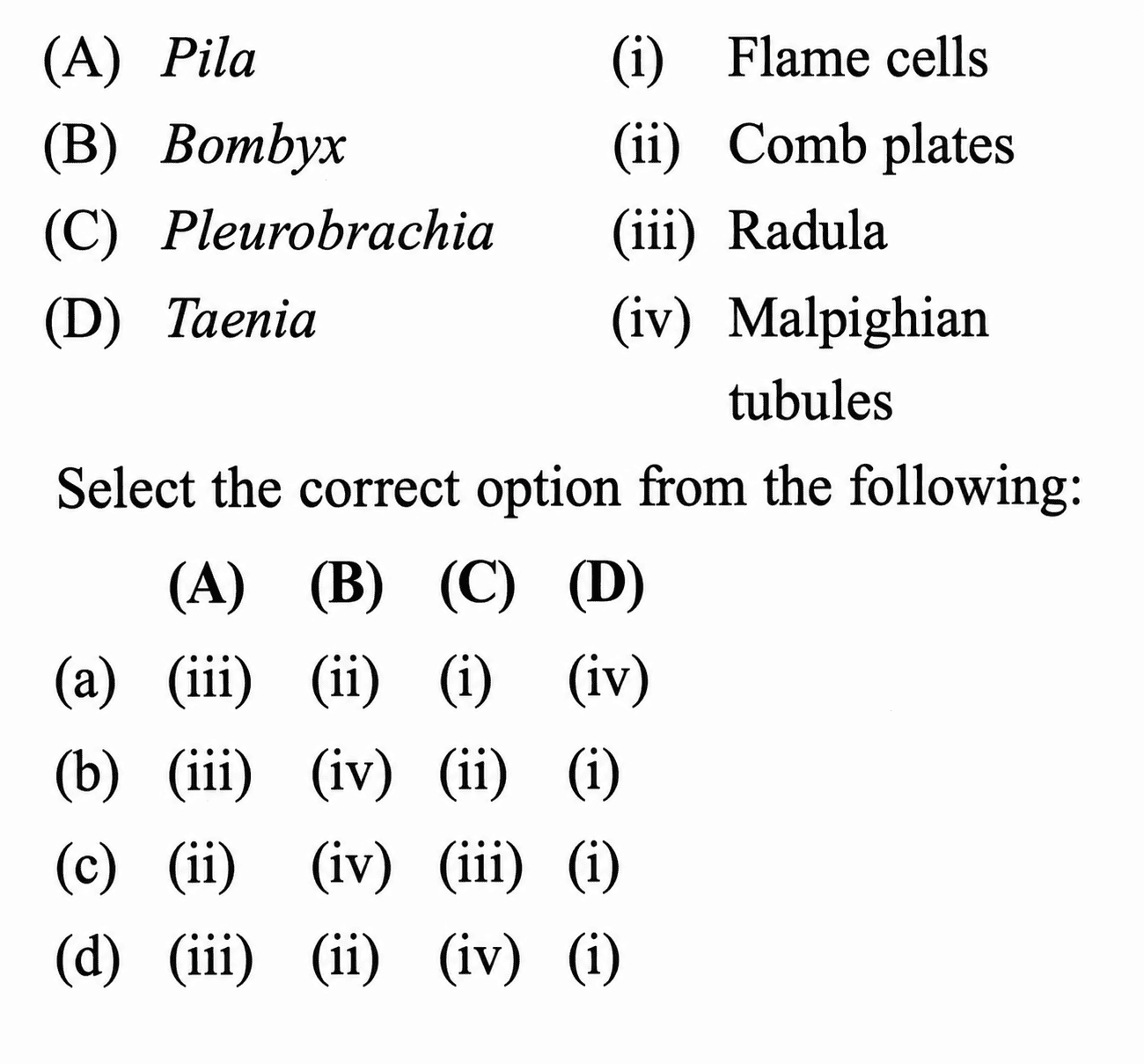
(A) Pila is a member of mollusc. The mouth contains a rasping organ for feeding called radula.
(B) Bombyx is an arthropod. In Bombyx excretion takes place through malpighian tubules.
(C) Pleurobrachia is a ctenophore. The body bears eight external rows of ciliated comb plates, which help locomotion.
(D) Taenia is a platyhelminth, In it specialised cells, called flame cells are present which help in osmoregulation
and excretion,
Regeneration of damaged growing grass following grazing is largely due to:
Intercalary Meristem.
The grass stem regenerates after initial growth due to intercalary meristem because this meristem helps in
regeneration of parts in grasses removed in grazing herbivores.
Xylem translocates:
Xylem is a type of complex tissue. It translocates water, mineral salts, organic nitrogen and hormones.
Which of the statements given below is not true about formation of annual rings in trees?
Growth rings are formed by the seasonal activity of cambium. In plants of temperate regions, cambium is more active in spring (less lignin deposition in xylem) and
less active in autumn (more lignin deposition in xylem) seasons. In temperate regions climatic conditions are not
uniform throughout the year. However in tropics climatic conditions are uniform throughout the year.
Match the following cell structure with its characteristic feature :
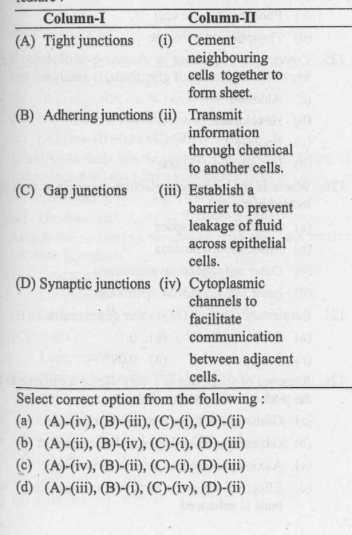
Tight junctions provide a barrier which prevents leakage of fluid across epithelial cells.
Adherens junctions aid to cement adjacent cells to form a sheet.
Gap junctions provide cytoplasmic channels to facilitate communication between adjacent cells.
Synaptic junctions help in transmission of information through chemicals.
Which of the following statements is INCORRECT?
Cockroaches receive several images of an object with the help of ommatidia. This kind of vision possessed by cockroaches is known as mosaic vision which has more
sensitivity but less resolution.
Which of the following nucleic acid is present in an organism having 70S ribosomes only?
The organism which have ribosomes of 70 S type are prokaryotes. Prokaryotes have double stranded DNA which is not enclosed in membrane.
Which of the following cell organelles is present in the highest number in secretory cells?
The important function of Golgi apparatus is to process, package and transport the materials for secretion. Therefore secretory cells have Golgi apparatus in highest number.
Match the column I with column II
Choose the right match from options given below:
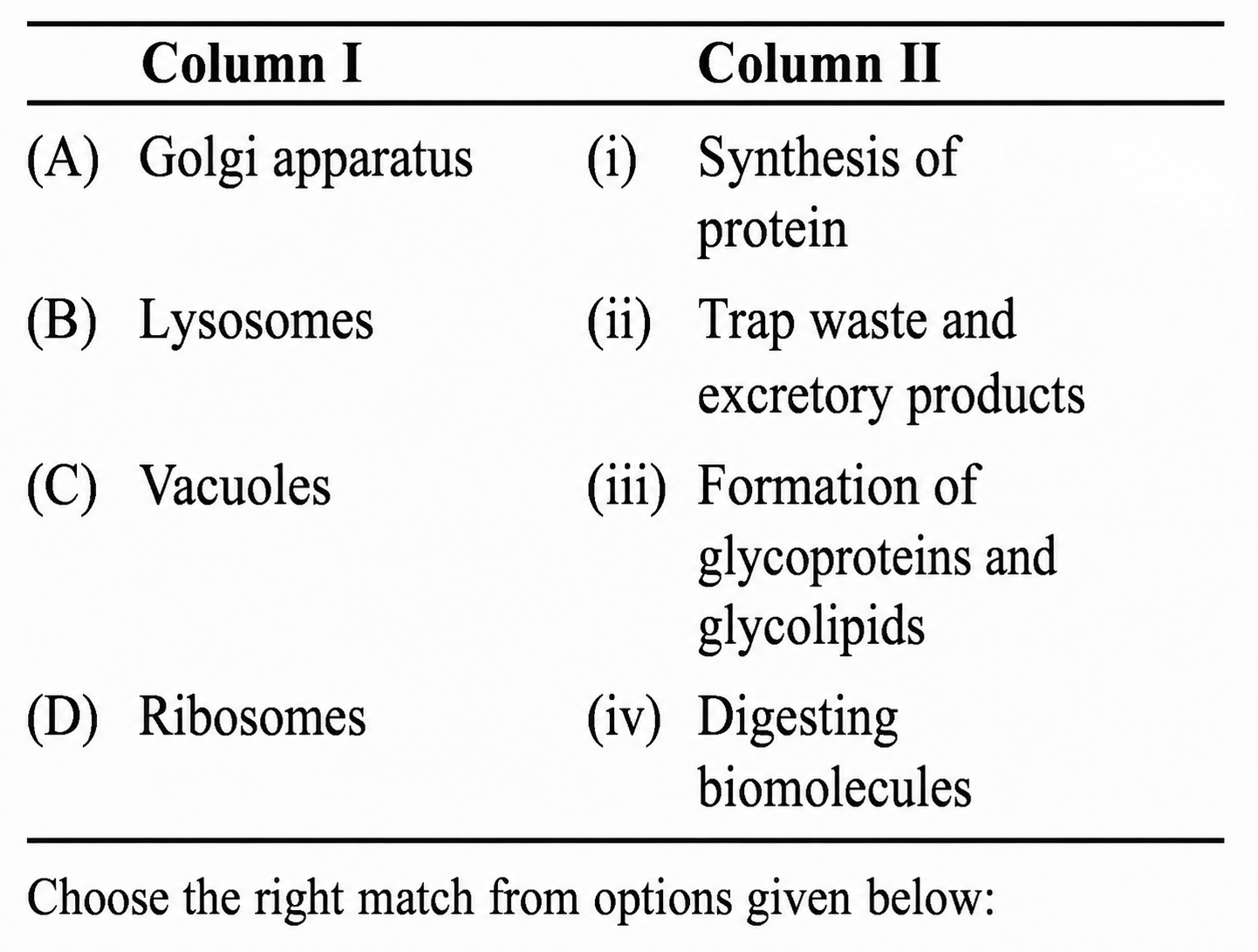
Golgi apparatus is involved in the formation of glycoproteins and glycolipids.
Lysosomes are membrane enclosed organelle. It contains digestive enzymes, which digest excess or worn out organelles, food particles etc.
Vacuoles is a membrane enclosed fluid filled sac which traps waste and excretory products.
Ribosomes is a minute particle consisting of RNA and associated proteins. They bind mRNA and tRNA to synthesise polypeptides and proteins.
Concanavalin A is:
Concanavalin A is a secondary metabolite, e.g. lectin. Lectin is a mannose/glucose binding protein isolated from Jack beans (Canavalia ensiformis). They are not antibodies and do not originate in an immune system but bind specifically to carbohydrate-containing receptors on cell surfaces (as of red blood cells).
Purines found both in DNA and RNA are:
Purines, a heterocyclic compounds, such as adenine and guanine are found both in DNA and RNA.
Which of the following glucose transporters is insulin-dependent?
GLUT1 and GLUT11 are glucose transport proteins which facilitate glucose transport into insulin sensitive cells. GLUT1 is insulin-independent and is widely distributed in different tissues. GLUTIV is insulin-dependent and is responsible for the majority of glucose transport into muscle and adipose cells in anabolic condition.
Consider the following statements:
(A) Coenzyme or metal ion that is tightly bound to enzyme protein is called prosthetic group.
(B) A complete catalytic active enzyme with its bound prosthetic group is called apoenzyme.
Select the correct option.
Coenzyme or metal ion that is tightly bound to enzyme protein is called prosthetic group. A complete catalytic active enzyme with its bound prosthetic group is called holoenzyme.
A protein that forms an active enzyme system by combination with a coenzyme and determines the specificity of this system for a substrate is called apoenzyme.
Cells in G₀ phase:
G₀ or resting phase is a non-growing state distinct from interphase. It is a period in the cell cycle in which cells exist in a quiescent state. It is viewed as either an extended G₁ phase, where the cell is neither dividing nor preparing to divide, or a distinct quiescent stage that occurs outside of the cell cycle.
The correct sequence of phases of cell cycle is:
Cell cycle is the complete series of events from one cell division to the next. The correct sequence of phases of cell cycle is:
G₁ → S → G₂ → M
Which of the following is not a feature of active transport of solutes in plants?
Active transport is uphill transport. This transport takes place against the electrochemical potential gradient and requires additional input of energy that chiefly comes from hydrolysis of ATP. It is highly selective.
What will be the direction of flow of water when a plant cell is placed in a hypotonic solution?
When a plant cell is placed in hypotonic solution water will flow into the cell as water moves from high water potential to low water potential.
The main difference between active and passive transport across cell membrane is:
Inactive transport, materials are transported across a membrane with the help of mobile carrier protein and ATP.
In passive transport, substances move along the concentration gradient, i.e., from its higher concentration to its lower concentration.
What is the direction of movement of sugars in phloem?
The direction of movement of sugar in phloem is bi-directional.
The Pressure Flow Hypothesis, also known as the Mass Flow Hypothesis, is the best-supported theory to explain the movement of sap through the phloem. It was proposed by Ernst Munch, a German plant physiologist in 1930. A high concentration of organic substances, particularly sugar, inside cells of the phloem at a source, such as a leaf, creates a diffusion gradient (osmotic gradient) that draws water into the cells from the adjacent xylem. This creates turgor pressure, also known as hydrostatic pressure, in the phloem. Movement of phloem sap occurs by bulk flow (mass flow) from sugar sources to sugar sinks. The movement is induced in is bidirectional, whereas, in xylem cells, it is unidirectional (upward). Because of this multidirectional flow, coupled with the fact sap cannot move with ease between adjacent sieve-tubes, it is not unusual for sap in adjacent sieve-tubes to be flowing in opposite directions.
Grass leaves curl inwards during very dry weather. Select the most appropriate reason from the following:
Bulliform cells are large, bubble-shaped epidermal cells that occur in groups on the upper surface of the leaves of many grasses. These cells become flaccid due to water loss. Loss of turgor pressure in these cells causes leaves to "roll up" during water stress.
Which of the following bacteria reduce nitrate in soil into nitrogen?
Thiobacillus denitrificans, a type of denitrifiers, converts nitrates in soil to free atmospheric nitrogen, thus depleting soil fertility and reducing agricultural productivity.
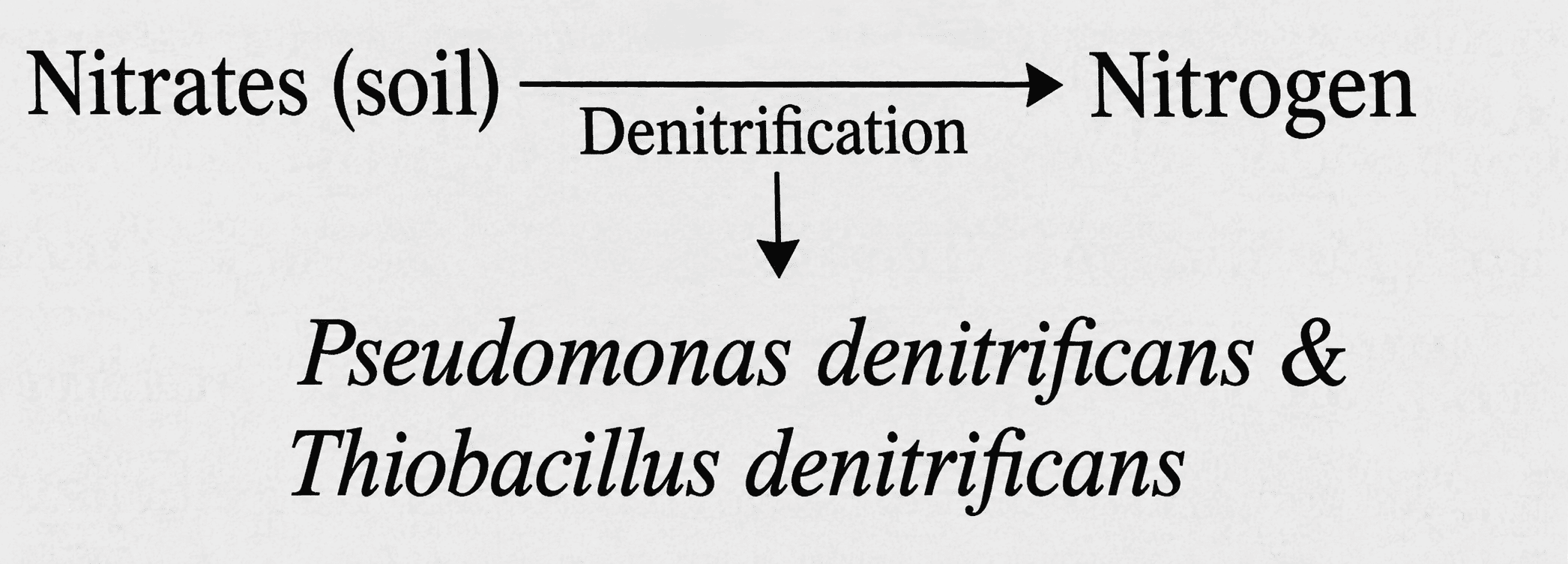
Thiobacillus is a group of bacteria helpful in carrying out:
Thiobacillus denitrificans cause denitrification i.e., conversion of oxides of nitrogen to free N₂.
In Hatch and Slack pathway, the primary CO₂ acceptor is:
Hatch and Slack pathway is a cyclic pathway for CO₂ fixation. The primary CO₂ acceptor is a 3-carbon compound phosphoenol pyruvate (PEP) which is present in mesophyll cells.
PEP is converted to oxaloacetic acid (OAA), which is then further converted into a 4-carbon compound such as malic acid or aspartic acid, which is then transported to the bundle sheath cells. In the bundle sheath cells, it is again broken down into a 3-carbon compound with the release of CO₂. The CO₂ released enters the Calvin cycle in the bundle sheath cells, while the 3-carbon compound is transported back to the mesophyll cells. In the mesophyll cells, the 3-carbon compound is converted back to PEP, thus completing the cycle.
Conversion of glucose to glucose-6-phosphate, the first irreversible reaction of glycolysis, is catalysed by:
Glycolysis is the anaerobic enzymatic conversion of glucose to lactate or pyruvate, resulting in energy stored in the form of ATP, as occurs in muscle.
The two irreversible steps in Glycolysis are:
(i) Conversion of glucose to glucose 6-phosphate, catalysed by hexokinase. It is the first step of activation phase of glycolysis.
(ii) Conversion of fructose 6-phosphate to fructose 1,6 bisphosphate catalysed by phosphofructokinase-1.
Where is the respiratory electron transport system (ETS) located in plants?
Electron transport system is located in inner mitochondrial membrane, where it serves as the site of oxidative phosphorylation through the action of ATP Synthase.
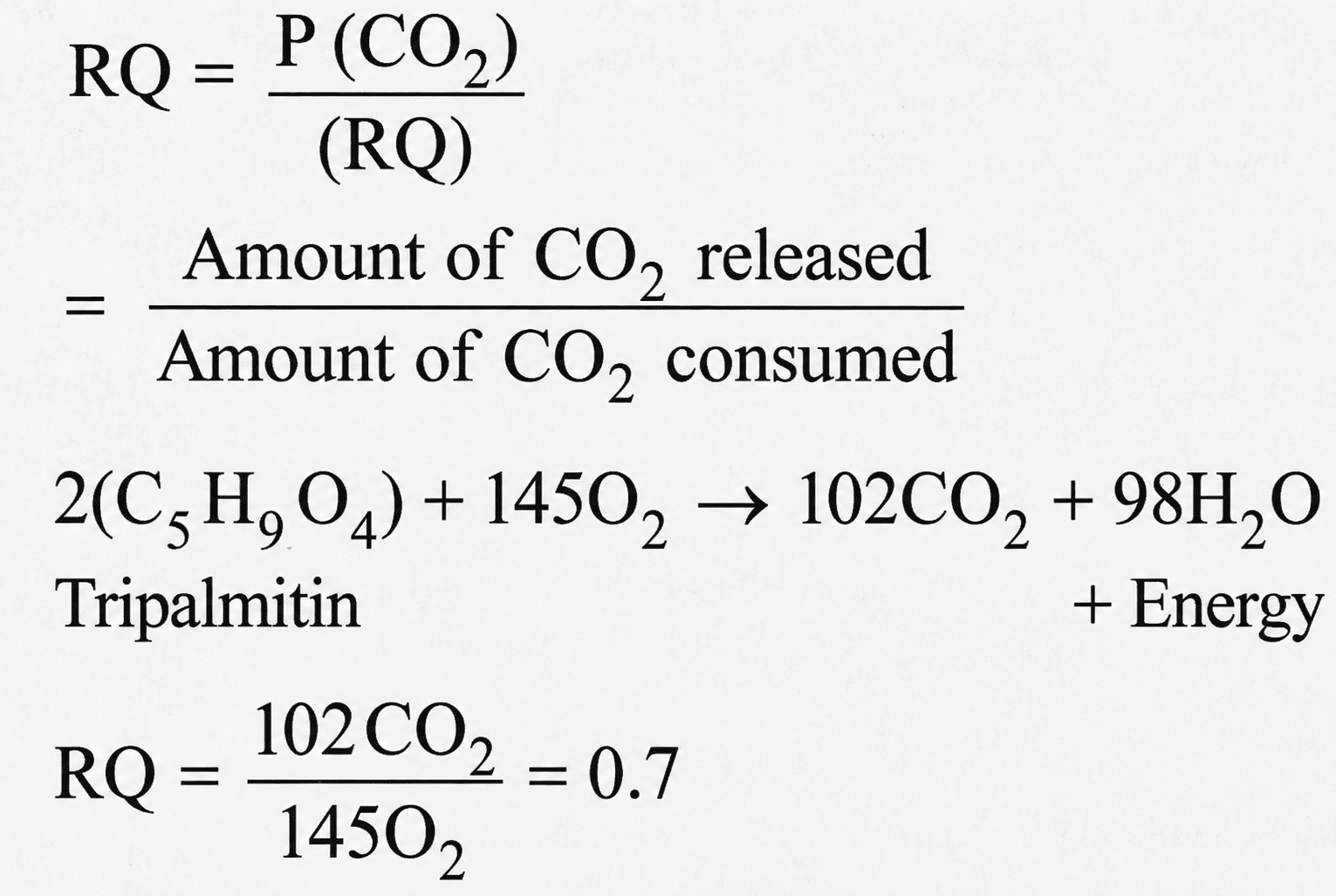
Respiratory Quotient (RQ) value of tripalmitin is:
Respiratory quotient may be defined as a ratio indicating the relation of the volume of carbon dioxide given off in respiration to that of the oxygen consumed.
Respiratory Quotient
Removal of shoot tips is a very useful technique to boost the production of tea leaves. This is because:
Auxin shows apical dominance. Removal of auxin by removal of shoot tips prevents the apical dominance and promotes the growth of lateral buds which is a useful in tea leaves production.
In order to increase the yield of sugarcane crop, which of the following plant growth regulators should be sprayed?
Gibberellins (GAs) regulate various developmental processes, including stem elongation, germination, dormancy, flowering, flower development and leaf and fruit senescence. When gibberellin is sprayed on sugarcane crop, the length of the stem increases.
It takes very long time for pineapple plants to produce flowers. Which combination of hormones can be applied artificially to induce flowering in pineapple plants throughout the year to increase yield?
A pineapple plant flowers only once, and produces one pineapple. Then it dies. But before it dies it also reproduces by offsprings.
Auxin and ethylene can be applied to artificially induce flowering in pineapple to increase yield throughout the year. Auxin applied to pineapple is converted into ethylene, not stimulating ethylene formation, and that ethylene, not auxin, causes pineapples to flower. Ethylene initiates flowering and synchronising fruit-set in pineapples.
What is the site of perception of photoperiod necessary for induction of flowering in plants?
During flowering, photoperiodic stimulus is perceived by leaves of plants.
Match the items given in Column-I with Column- II and choose the correct option.
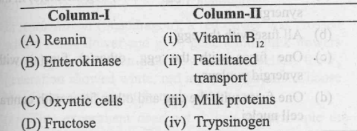
Rennin is a milk digesting proteolytic enzyme related to pepsin that is synthesised by chief cells in the stomach of some animals.
Enterokinase, produced by cells of duodenum, is involved in it. It converts trypsinogen (a zymogen) into its active form trypsin, resulting in the subsequent activation of pancreatic digestive enzymes.
Fructose shows facilitated transport.
Oxyntic cells secrete HCl and intrinsic factors that are essential for absorption of vitamin B₁₂.
Identify the cells whose secretion protects the lining of gastrointestinal tract from digestive enzymes.
Goblet cells secrete mucus. It is secreted along entire digestive tract where it lubricates food and lining, coats lining and protects it from mechanical digestion, from acid and digestive enzymes.
Match the following structures with their respective location in organs:
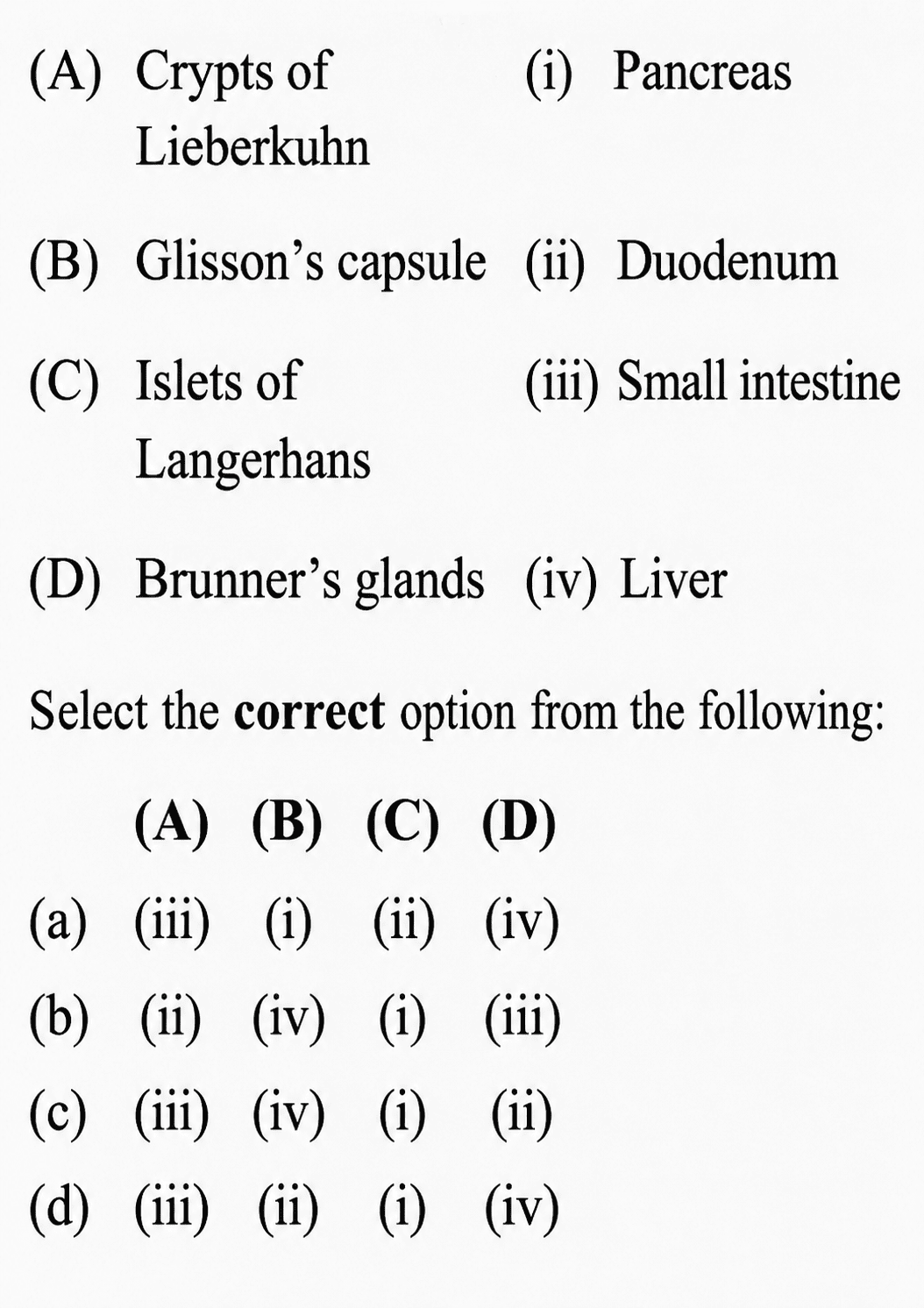
Crypts of Lieberkuhn are tubular glands that lie between the finger-like projections of the inner surface of the small intestine. Glisson's capsule is a layer of connective tissue present in liver. Islets of langerhans constitute the endocrine portion of pancreas and are responsible for the production and release of hormones that regulate glucose levels. Brunner's glands are found in submucosa of duodenum and protect the intestinal walls from gastric juices.
Tidal volume and Expiratory reserve volume of an athlete is 500 mL and 1000 mL respectively. What will be his Expiratory capacity if the residual volume is 1200 mL?
Expiratory capacity is the total volume of air that a person can expire after a normal inspiration. This includes tidal volume and expiratory reserve volume.
Expiratory capacity = TV + ERV
Tidal volume of an athlete = 500 mL
Expiratory reserve volume of an athlete = 1000 mL
Expiratory capacity = TV + ERV
= 500 + 1000
= 1500 mL
Due to increasing air-borne allergens and pollutants, many people in urban areas are suffering from respiratory disorder causing wheezing due to:
Asthma (an allergic condition) is a difficulty in breathing causing wheezing due to inflammation of bronchi and bronchioles. It can be due to increasing air borne allergens and pollutants. Many people in urban areas are suffering from this respiratory disorder.
All the components of the nodal tissue are autoexcitable. Why does the SA node act as the normal pacemaker?
SA node acts as pace-maker because it is autoexcitable tissue have the ability to generate impulses at highest rate (frequency).
A specialised nodal tissue embedded in the lower corner of the right atrium, close to Atrio-ventricular septum, delays the spreading of impulses to heart apex for about 0.1 sec. This delay allows:
The delay in transmission of impulse from SAN to the ventricles provided by AVN prevents simultaneous contraction of ventricles and auricles. This allows atria to empty completely before ventricles start contracting.
Match the Column-I with Column-II
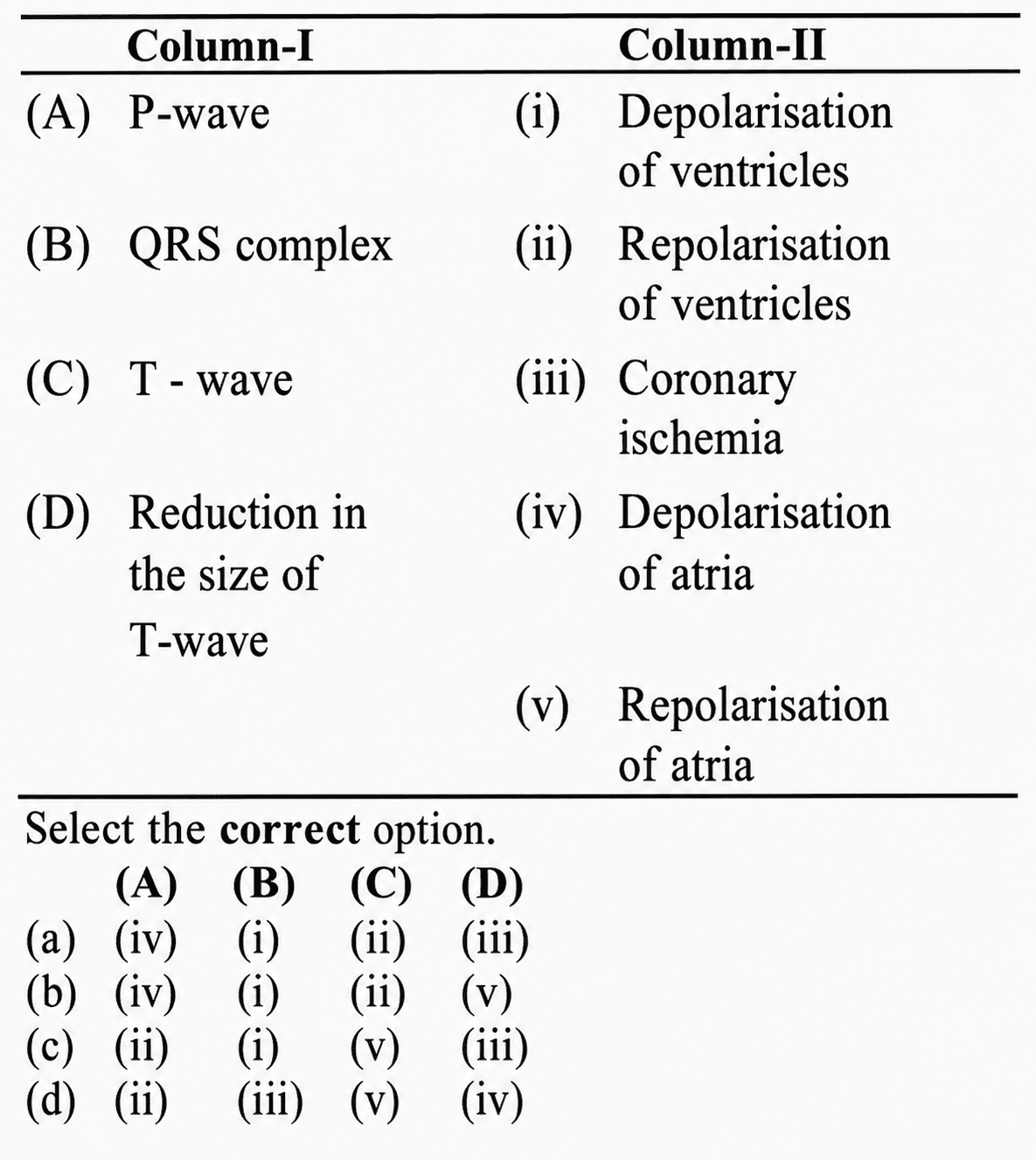
Electrocardiogram is a diagnostic tool, used to assess electrical and muscular functions of the heart. It consists of waveforms which represent electrical events during one heartbeat. These waveforms are labelled P, Q, R, S, T and U.
P wave indicates atrial depolarisation i.e. that the atria are contracting, pumping blood into the ventricles.
The QRS complex represents ventricular depolarisation and contraction.
T wave is upwards waveform representing ventricular repolarisation. The normal T wave is slightly asymmetrical with a steeper downward slope. Reduction in the size of T wave represents insufficient supply of oxygen, i.e. coronary ischemia. Coronary ischemia is an intermediate condition in coronary artery disease during which the heart tissue is slowly or suddenly starved of oxygen and other nutrients.
What would be the heart rate of a person if the cardiac output is 5 L, blood volume in the ventricles at the end of diastole is 100 mL and at the end of ventricular systole is 50 mL?
Cardiac output is the product of the heart rate (HR), or the number of heart beats per minute (bpm), and the stroke volume (SV), which is the volume of blood pumped from the ventricle per beat; thus,
Cardiac output = Stroke volume × Heart rate
As per the given info,
Cardiac output = 5L or 5000 mL
Blood volume in ventricles at the end of diastole = 100 mL
Blood volume in ventricles at the end of systole = 50 mL
Stroke volume = 100 − 50
= 50 mL
So,
5000 = 50 mL × Heart rate
Heart rate = 100 beats per minute.
Which of the following factors is responsible for the formation of concentrated urine?
Loop of Henle along with vasa recta plays an important role in the concentration of urine. The proximity between loop of Henle and vasa recta as well as counter current in them help in maintaining an increasing osmolarity towards the inner medullary interstitium. This mechanism helps to maintain a concentration gradient in medullary interstitium so human urine is nearly four times concentrated than initial filtrate formed. The urine concentrating mechanism plays a fundamental role in regulating water and sodium excretion.
Use of artificial kidney during haemodialysis may result in:
(A) Nitrogenous waste build-up in the body.
(B) Non-elimination of excess potassium ions.
(C) Reduced absorption of calcium ions from gastrointestinal tract.
(D) Reduced RBC production.
Which of the following options is the most appropriate?
Statements (iii) and (iv) are correct.
Dialysis is a procedure that is a substitute for many of the normal functions of the kidney.
(a) It remove waste, salt and extra water to prevent them from building up in the body.
(b) It keep a safe level of certain chemicals in your blood, such as potassium, sodium and bicarbonate helping to control blood pressure.
(c) The will be reduced absorption of calcium ions from gastrointestinal tract.
(d) RBC production will be reduced, due to reduced erythropoietin hormone.
Select the correct option:
There are 12 pairs of ribs in human body. First seven pairs are attached to the sternum ventrally with the help of hyaline cartilage, also called as true ribs. These are called vertebrosternal ribs. The next three pairs (8th, 9th and 10th) do not articulate directly with the sternum, also called vertebrochondral (false) ribs. The last two pairs (11th and 12th) are the free floating ribs because they are not connected ventrally.
Which of the following muscular disorders is inherited?
Muscular dystrophy is an inheritable disease that gradually cause the muscles to weaken, leading to an increasing level of disability.
Tetany, Myasthenia gravis and Botulism are not inheritable diseases.
Which of the following statements is not correct?
Rods and cones are two types of photoreceptor in human retina. Cones are very sensitive to operate in day light. They are capable of colour vision and responsible for high spatial acuity. Rods are very sensitive in dim light and do not mediate colour vision and have a low spatial acuity.
Match the following hormones with the respective disease:
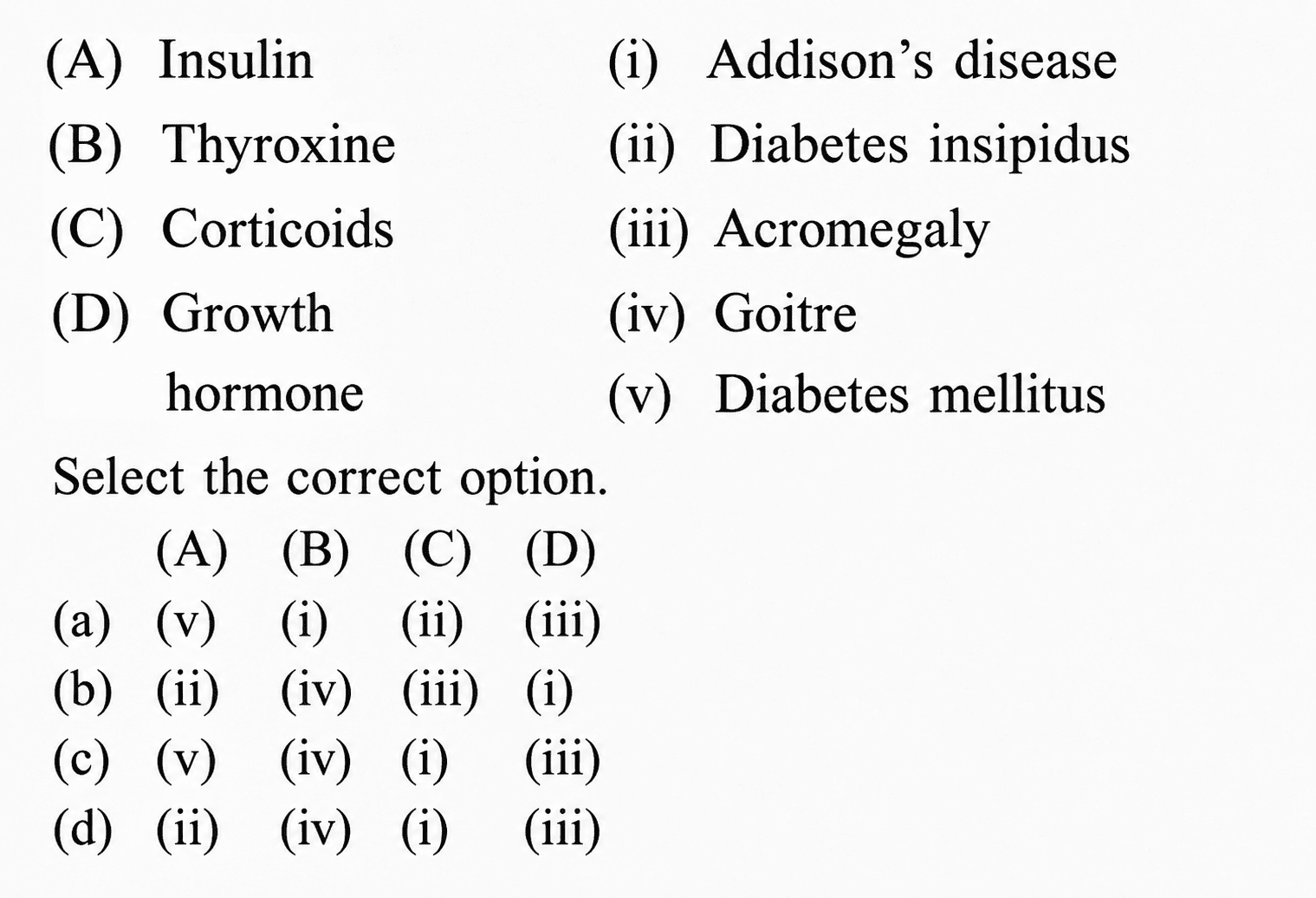
Insulin is a pancreatic hormone, secreted from alpha cells of islets of Langerhans. Its deficiency leads to diabetes mellitus (characterised by high blood sugar levels over a prolonged period).
Thyroxine is an iodine containing hormone, secreted by the thyroid gland. It plays an important role in regulating the body's metabolic rate, heart and digestive function, muscle control, brain development and bone maintenance. Hyper secretion or hyposecretion of thyroxine can be associated with enlargement of thyroid gland called goitre.
Deficiency of corticoids (cortisol and aldosterone) secreted from adrenal gland (cortex region) leads to Addison's disease. Cortisol regulates the body's reaction to stressful situations. Aldosterone helps with sodium and potassium balance. The adrenal cortex also produces sex hormones (androgens).
Acromegaly is an abnormal growth of the hands, feet, and face, caused by overproduction of growth hormone by the pituitary gland.
In some plants, the female gamete develops into embryo without fertilisation. This phenomenon is known as:
The phenomenon in which female gamete develops into embryo without getting fused with male gamete (fertilisation) is called parthenogenesis.
Autogamy is a form of self-fertilisation in which fission of the cell nucleus occurs without division of the cell, the two pronuclei so formed reuniting to form the synkaryon.
Parthenocarpy is the production of fruit without fertilisation.
Syngamy is a nucleus formed by the fusion of the two pre-existing nuclei.
What is the fate of the male gametes discharged in the synergid?
In flowering plants, out of the two male gametes discharged in synergids, one fuses with the egg and other fuses with the secondary nucleus present in the central cell.
Egg (n) + 1st male gamete (n) → Zygote (2n)
Secondary nucleus (2n) + 2nd male gamete (n) → Endosperm nucleus (3n)
(central cell nuclei)
Which one of the following statements regarding post-fertilisation development in flowering plants is incorrect?
Post-fertilisation is a series of events that take place after fertilisation. Following are the post-fertilisation changes in flowering plants.
• Ovule → Seed
• Ovary → Fruit
• Zygote → Embryo
• Central cell → Endosperm
Persistent nucellus in the seed is known as:
In some seeds like black pepper and beet, the remnants of nucellus are persistent, this persistent nucellus is called perisperm. It is present in the seeds in the form of a layer of nutritive tissue.
Extrusion of second polar body from egg nucleus occurs:
Extrusion of second polar body from egg nucleus occurs after entry of sperm into the secondary oocyte but before fertilisation. The entry of sperm into the ovum is accomplished by sperm mediated division of the secondary oocyte. Entry of sperm causes breakdown of metaphase promoting factor (MPF) and turns on anaphase promoting complex (APC).
Select the correct sequence for transport of sperm cells in male reproductive system:
The correct sequence for transport of sperm cells in male reproductive system is:
Seminiferous tubules → Rete testis → Vasa efferentia → Epididymis → Vas deferens → Ejaculatory duct → Urethra → Urethral meatus
Which of the following contraceptive methods do involve
a role of hormone?
In lactational amenorrhea pills and emergency contraceptives methods, there is the involvement of Lactational amenorrhea (absence of menstruation) is based on the fact that ovulation and intense lactation following parturition. Prolactin is the major hormone responsible for milk production and is present in sufficient quantities in almost all women to allow the establishment of normal lactation.
Emergency contraception methods include emergency contraception pills (ECP), intrauterine device, e.g. LNG-20 (Levonorgestrel) and ulipristal acetate.
CuT and barrier method do not involve any hormonal role.
Select the hormone-releasing Intra-Uterine Devices.
Progesterone and LNG-20 are hormone releasing IUDs (Intra Uterine Devices). These are the devices which are used in birth control by making uterus unsuitable for implantation and the cervix hostile to sperms.
Which of the following sexually transmitted diseases is
not completely curable?
Genital herpes is caused by two types of viruses—herpes simplex virus type 1 (HSV-1) and herpes simplex virus type 2 (HSV-2). At present there is no cure for type-II-herpes simplex virus. Other non curable STIs are hepatitis-B and HIV.
In Antirrhinum (Snapdragon), a red flower was crossed with a white flower and in F₁ generation, pink flowers were obtained. When pink flowers were selfed, the F₂
generation showed white, red and pink flowers. Choose the incorrect statement from the following.
Genes for flower colour in snapdragon shows incomplete dominance which is an exception of Mendel's law.
first principle (i.e. Law of dominance), whereas Law of segregation is universally applicable. Incomplete dominance is a process when a dominant allele, or form of a gene, does not completely mask the effects of a recessive allele, and the organism's resulting physical appearance shows a blending of both alleles.
What map unit (Centimorgan) is adopted in the construction of genetic maps?
1 map unit represent 1% cross over. Map unit is used to measure genetic distance. This genetic distance is based on average number of cross over frequency.
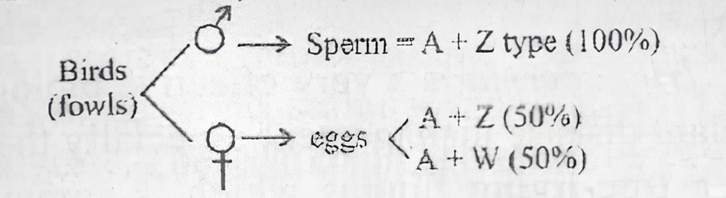
Select the incorrect statement.
In birds female heterogamety is found thus sex of progeny depends on the types of egg rather than the type of sperms of birds (fowls).
Under which of the following conditions will there be no change in the reading frame of following mRNA ?
5′ AACACGGGUGCUAUU 3′
There will be no change in reading frame of m-RNA by deletion of GGU from 7th, 8th and 9th position.
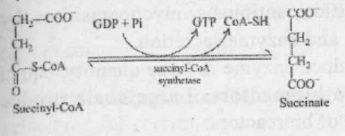
Expressed Sequence Tags (ESTs) refers to:
Expressed Sequence Tags (ESTs) are DNA sequences (genes) that are expressed as mRNA for protein synthesis. These are used in Human Genome Project.
Match the following genes of the Lac operon with their respective products:
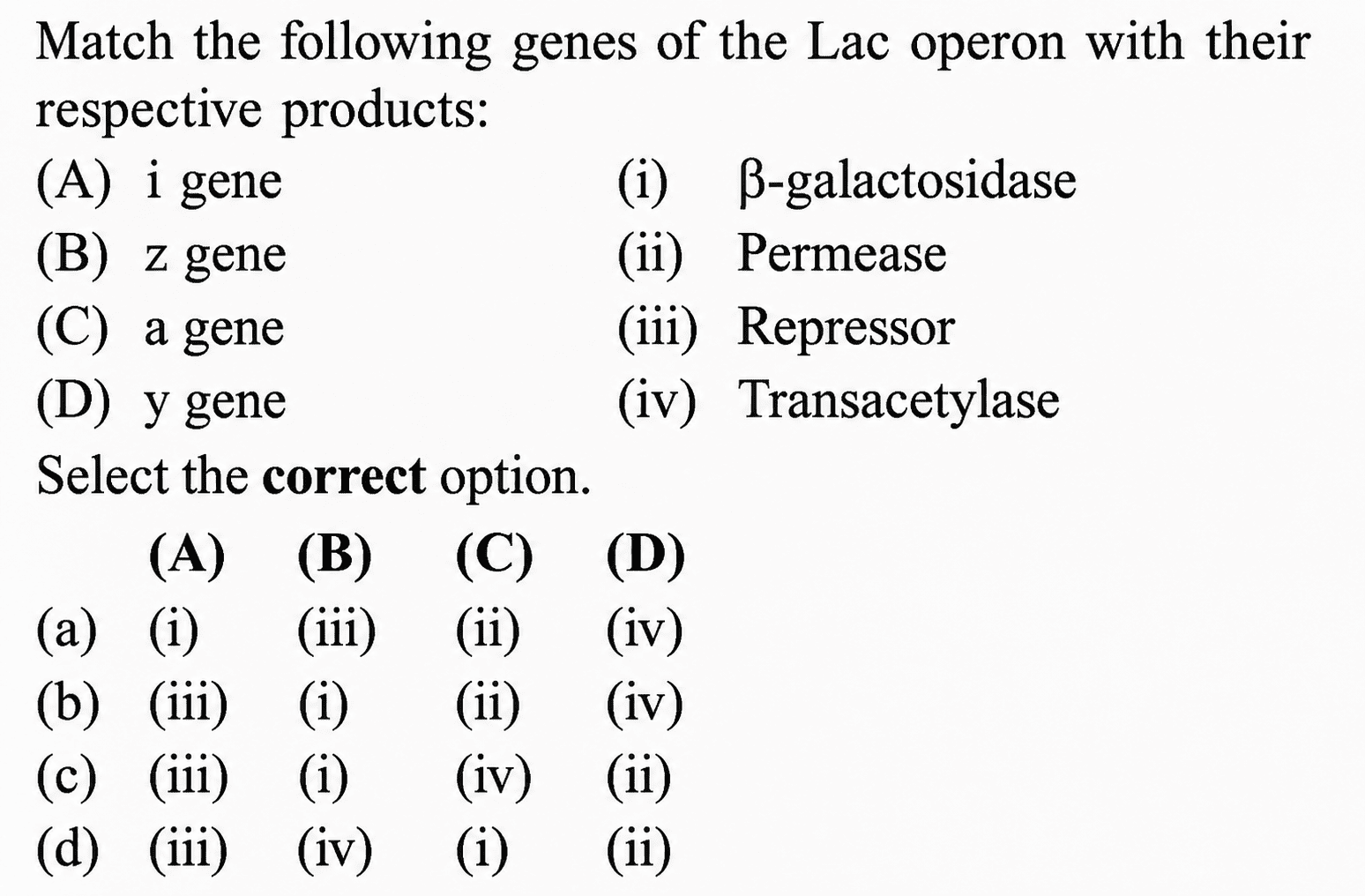
Lac operon consist of one regulatory genes (i gene) and three structural genes (z, y and a).
• i gene codes for Repressor.
• z gene codes for Beta-galactosidase.
• y gene codes for Permease.
• a gene codes for Transacetylase.
A population of a species invades a new area. Which of the following condition will lead to adaptive radiation?
Adaptive radiation occurs when a single or small group of ancestral species rapidly diversifies into a large number of descendant species. Therefore, when a
population of a species invades a new area with many type of vacant habitats, they face different environmental
pressures and eventually adapt exhibiting adaptive radiation.
In Australia, marsupials and placental mammals have evolved to share many similar characteristics. This type of evolution may be referred to as:
In Australia, marsupials and placental mammals have evolved to share many similar characteristics. This type of evolution may be referred to as convergent evolution.
In a species, the weight of newborn ranges from 2 to 5kg. 97% of the newborn with an average weight between 3 to 3.3 kg survive whereas 99% of the infants born with
weights from 2 to 2.5 kg or 4.5 to 5 kg die. Which type of selection process is taking place?
Stabilising selection is a type of natural selection in which the population mean stabilises on a particular non- extreme trait value. This is thought to be the most common mechanism of action for natural selection because most traits do not appear to change drastically over time. The result of stabilising is the over-representation in a specific trait. For example, human birth weight, the number of eggs a bird lays, and the density of cactus spines.
The given lab shows stabilising selection as most of the newborn having average weight between 3 to 3.3 kg survival and babies with less and more weight have low survival rate.
Which of the following statements is correct about the origin and evolution of men?
Agriculture came around 10,000 years back and human settlements started.
The Dryopithecus and Ramapithecus primates existing 15 mya. They are hairy and walked like gorillas and chimpanzees.
Homo habilis probably did not eat meat. They were the first to make stone tools.
A gene locus has two alleles A, a. If the frequency of dominant allele A is 0.4, then what will be the frequency of homozygous dominant, heterozygous and homozygous recessive individuals in the population ?
Frequency of dominant allele (p) = 0.4
Frequency of recessive allele (q) = 1 − 0.4 = 0.6
Frequency of homozygous dominant individuals (AA)
= p² = (0.4)² = 0.16(AA)
Frequency of heterozygous individuals (Aa)
= 2pq = 2(0.4)(0.6) = 0.48(Aa)
Frequency of homozygous recessive individuals (aa)
= q² = (0.6)² = 0.36(aa)
Match the hominids with their correct brain size:
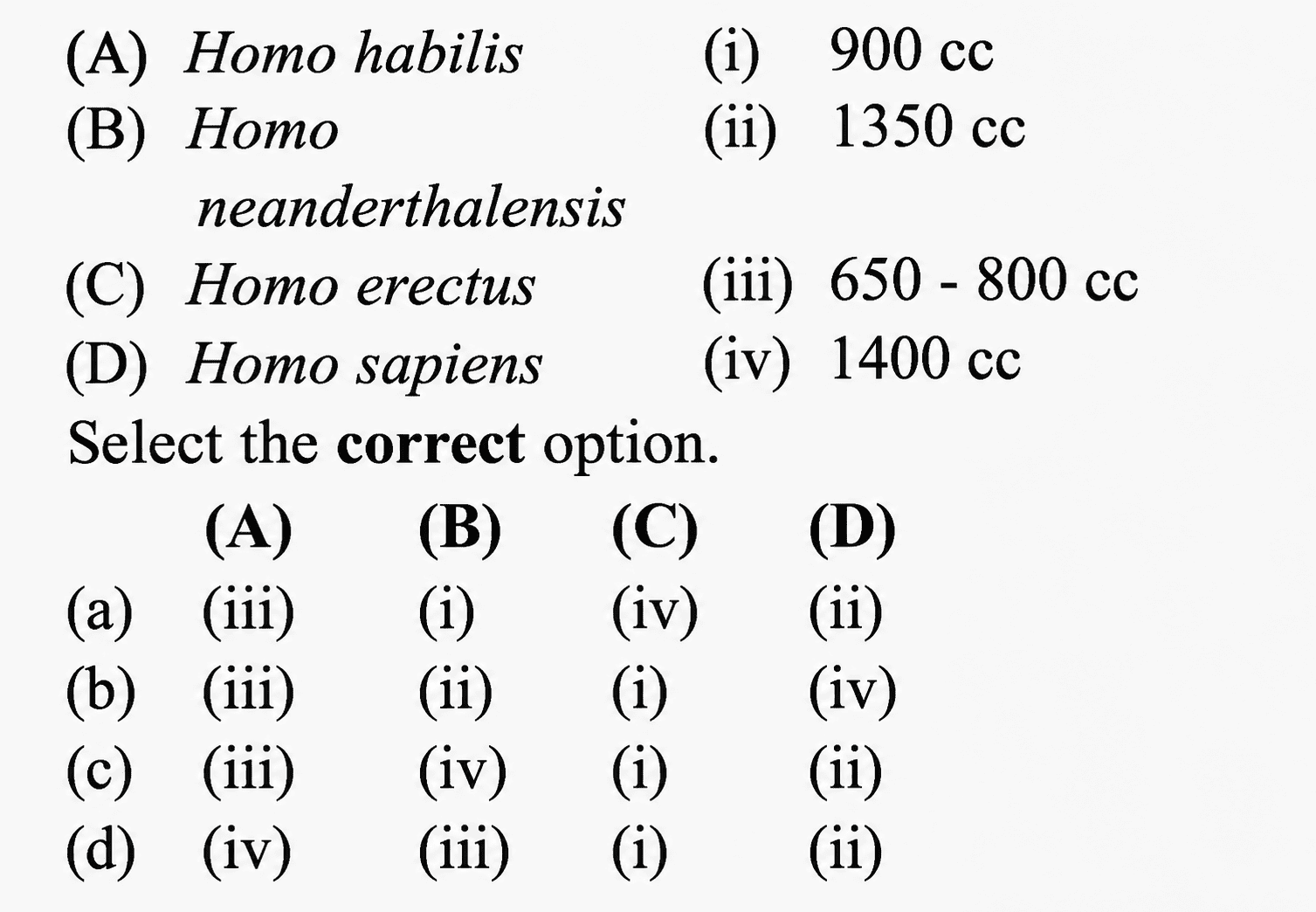
The correct match of the hominids and their brain sizes are:
Homo habilis – 650 – 800 c.c.
Homo neanderthalensis – 1400 c.c.
Homo erectus – 900 c.c.
Homo sapiens – 1350 c.c.
Variations caused by mutation, as proposed by Hugo de Vries, are:
According to Hugo de Vries, mutations are random and directionless.
Hugo de Vries believed that mutation caused speciation and hence called it saltation (single step large mutation).
Identify the correct pair representing the causative agent of typhoid fever and the confirmatory test for the disease.
Typhoid is a bacterial infection that can lead to a high fever, diarrhoea, and vomiting. It is caused by the bacteria Salmonella typhimurium (S. typhi).
Colostrum, the yellowish fluid, secreted by mother during the initial days of lactation is very essential to impart immunity to the newborn infants because it contains:
Colostrum, as a thin yellowish milk, is the first secretion for a few days after childbirth. Colostrum serves as an immune system enhancer to the new born infants. It contains immune cells, high protein and protective antibody (such as IgA) content. IgA help protect the mucous membranes in the throat, lungs, and intestines of the infant.
Select the incorrect statement regarding inbreeding.
Inbreeding depression, the reduction of fitness caused by inbreeding, is a universal phenomenon that depends
on past mutation, selection, and genetic drift. Inbreeding depression can be overcome by the following ways:
• Out breeding: The breeding of animals which are unrelated to each other and do not have come ancestors for 4-6 generations.
• Out crossing: Mating done with the animals of same breed but after 4-6 generations.
• Cross breeding: Superior male mated with superior female of another breed.
• Interspecific hybridisations: Male and female animal of two different related species.
Select the incorrect statement.
Inbreeding exposes harmful recessive genes that are eliminated by selection. It also helps in accumulation of superior genes and elimination of less desirable genes. Therefore this is selection at each step & which increase the productivity of inbred population. Close and continued inbreeding usually reduces fertility and even productivity.
Match Column- I with Column- II.
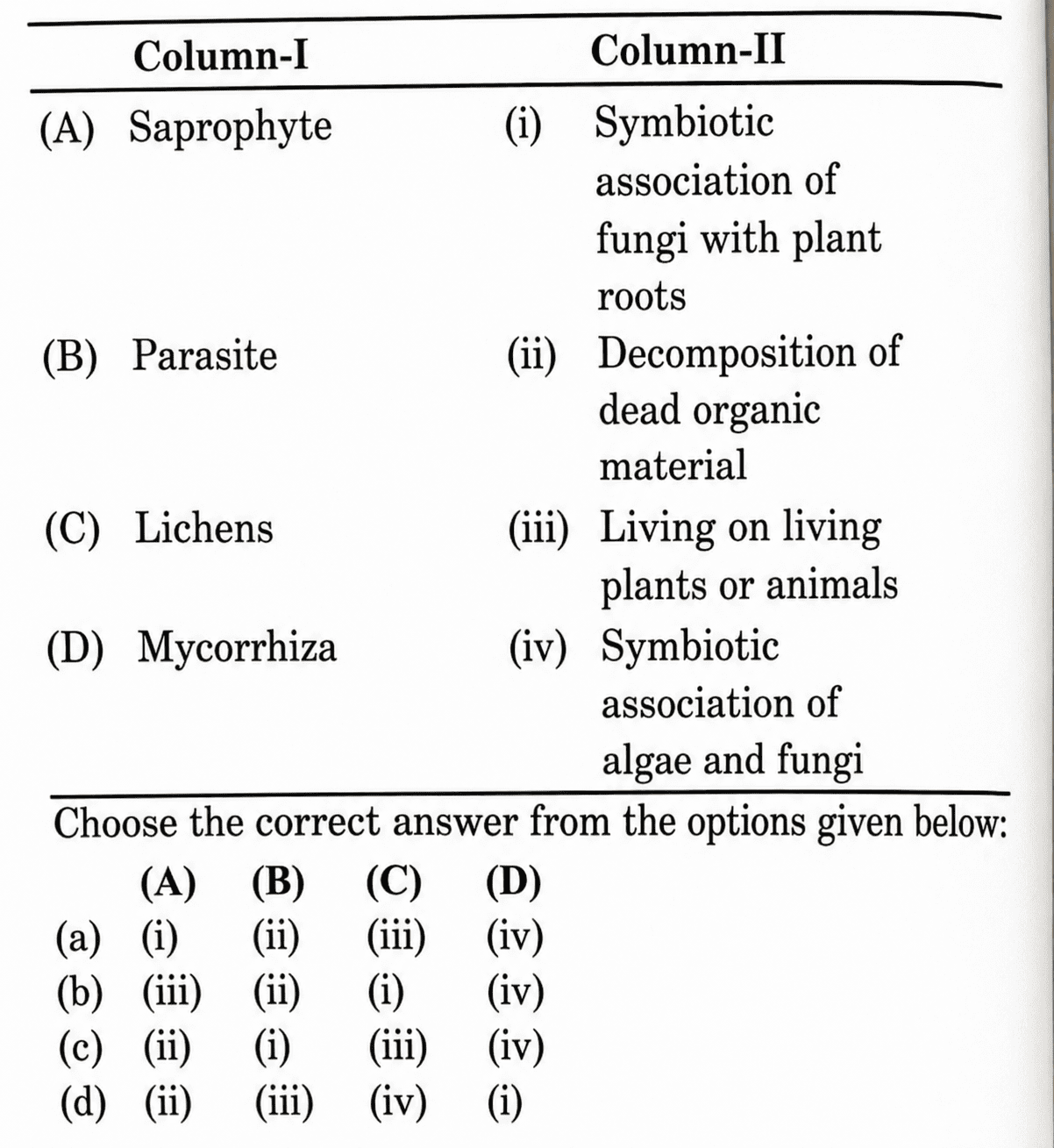
Saprophytes are organisms which live on dead organic matter and help in the decomposition. Parasite is an organisms that live in or on other living plants and animals and dependent on them for their food. Lichens represent a type of symbiotic association of algae and fungi, in which, both of them dependent on each other for their food and shelter.
Mycorrhiza is also a type of symbiotic association of fungi and plant roots, e.g., Cycas coralloid root.
Match the Following organisms with the products they produce:
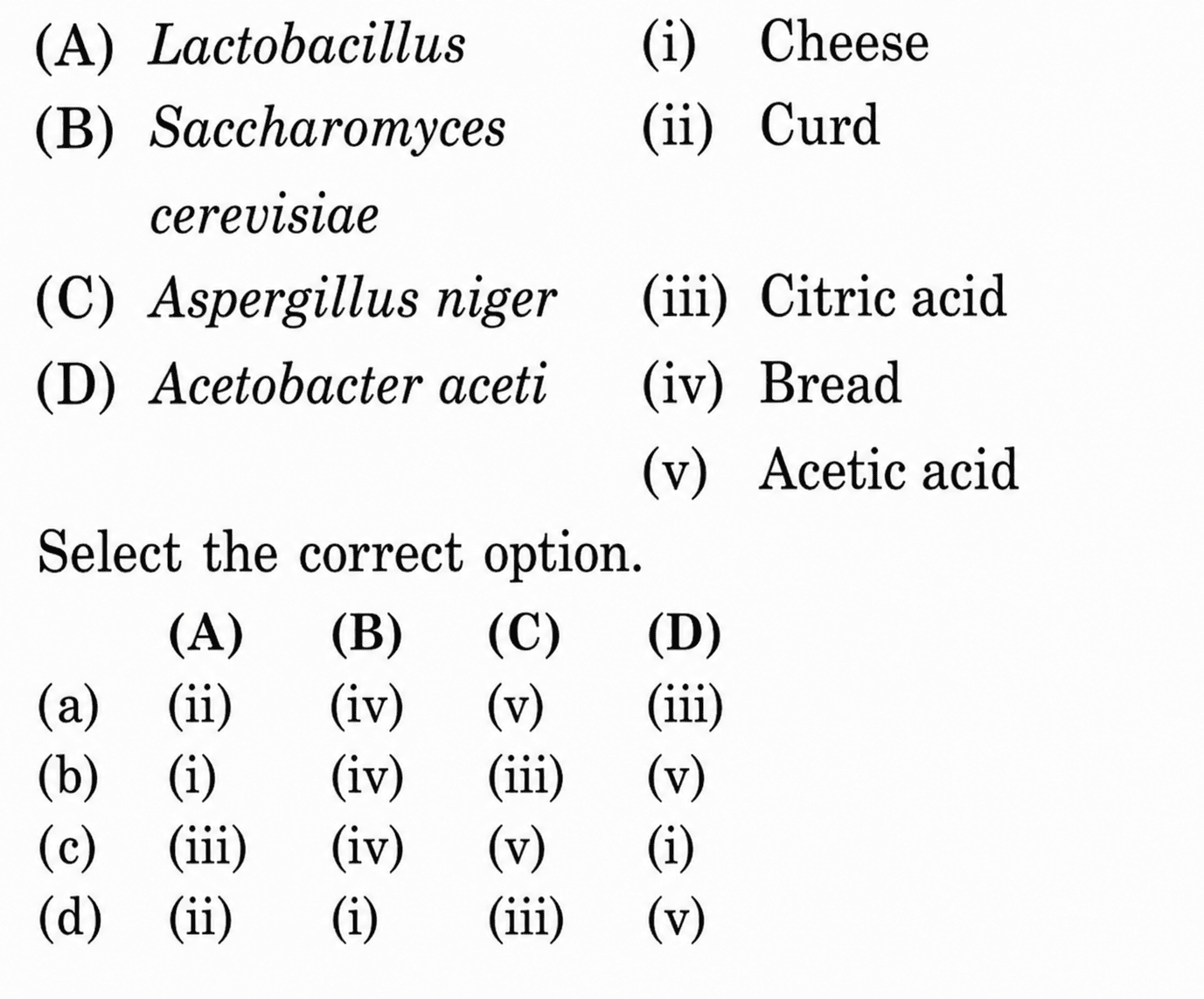
Microbes are used in production of several household and industrial products –
• Lactobacillus – Production of curd
• Saccharomyces cerevisiae – Bread making
• Aspergillus niger – Citric acid production
• Acetobacter aceti – Acetic acid production
Which of the following is a commercial blood cholesterol lowering agent?
Statins are drugs that can lower blood cholesterol. It is obtained from a yeast (Fungi) called Monascus purpureus.
They work by blocking a substance, body needs to make cholesterol.
Select the correct group of biocontrol agents.
Biocontrol agents are those natural organisms like parasition, predation and other mechanisms which play a
important role in controlling the plant pests like nematode, weeds, insects, and mites and helps in maintaining and
balancing the plant species along with their natural enemies. Fungi Trichoderma, Baculoviruses (NPV) and
Bacillus thuringiensis are used as biocontrol agents. Rhizobium, Nostoc, Azospirillum and Oscillatoria as biostimulents, whereas TMV is a pathogen and aphids are pests that harm crops.
The most common species of fungi used in this type of biocontrol is Trichoderma harzianum.
Which of the following can be used as a biocontrol agent in the treatment of plant disease?
Trichoderma is a very effective biological mean for plant disease management especially the soil born. It is a free-living fungus which is common in soil
and root ecosystems. It reduces growth, survival or infections caused by pathogens by different mechanisms like competition, antibiosis, mycoparasitism, hyphal interactions, and enzyme secretion.
Which one of the following equipments is essentially required for growing microbes on a large scale, for industrial production of enzymes?
To produce enzyme in large quantity, equipment requires use bioreactors. Large scale production involves use of bioreactors.
Note: In 1990, Anderson and Schwarz licensed patents for the rotating wall bioreactor technology and founded
Synthecon Inc. in Houston, Texas, to commercialize the device.
Following statements describe the characteristics of the enzyme Restriction Endonuclease. Identify the incorrect statement.
A restriction enzyme or restriction endonuclease is an enzyme that cleaves DNA into fragments at or near specific recognition sites within molecules known
as restriction sites. Restriction enzymes are one class of the broader endonuclease group of enzymes. Each
restriction endonuclease functions by inspecting the length of a DNA sequence. Once it finds its specific
recognition sequence, it will bind to the DNA and cut each of the two strands of the double helix at specific points in their sugar phosphate backbone. These enzymes predictably cut both strands because the sequences they recognize are palindromic. That is the recognition
sequences of identical bases on both DNA strands.
DNA precipitation out of a mixture of biomolecules can be achieved by treatment with:
During the isolation of desired gene, chilled ethanol is used for the precipitation of DNA. Ethanol is used in DNA extraction to force the DNA to precipitate in a solution. In order to collect a DNA sample, cells are broken down through agitation, and then mixed with water, salt and ethanol to create an aqueous solution. Ethanol along
with salt work to prevent the DNA from dissolving into the water, instead causing it to precipitate out so it can be separated and extracted using a centrifuge.
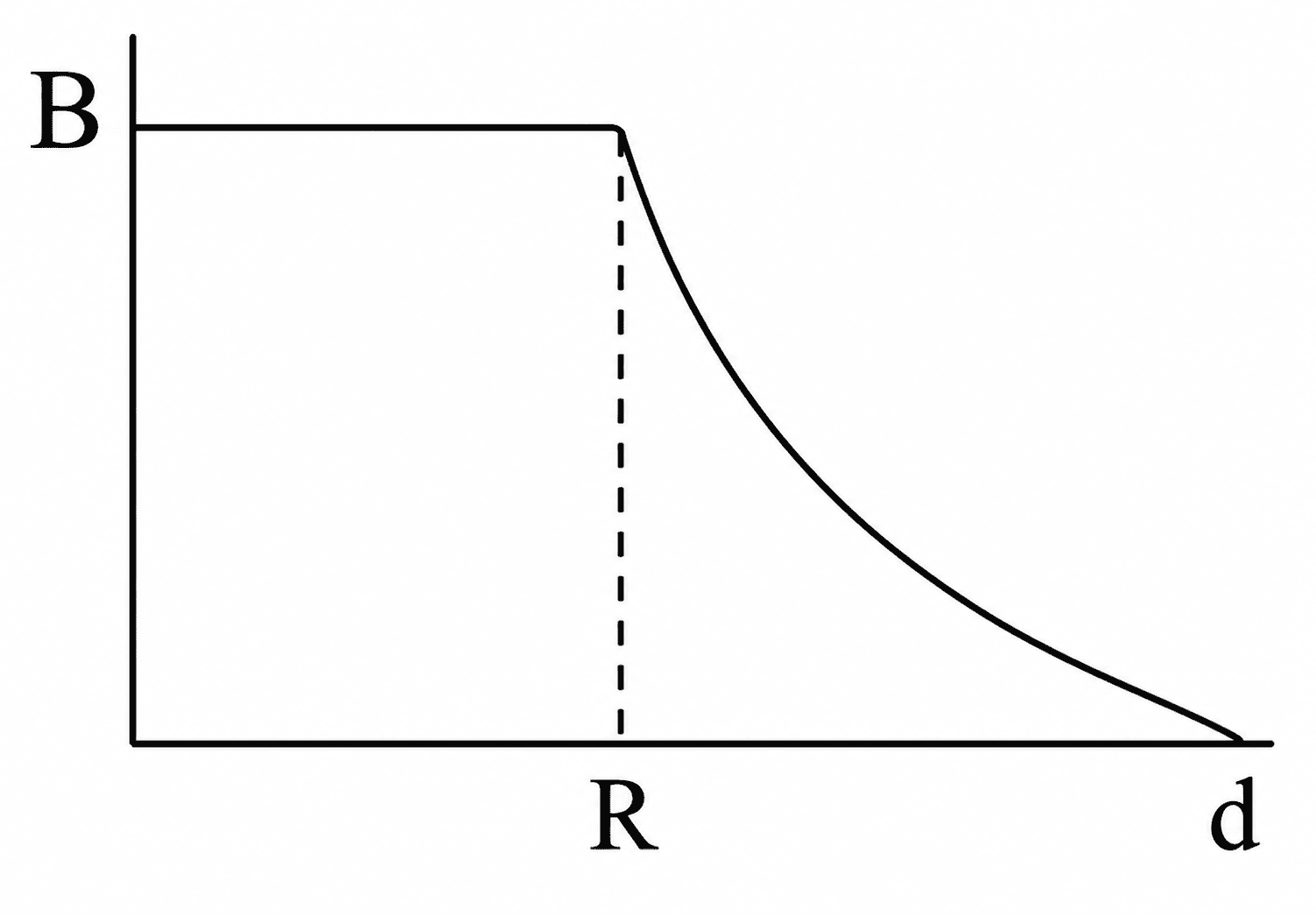
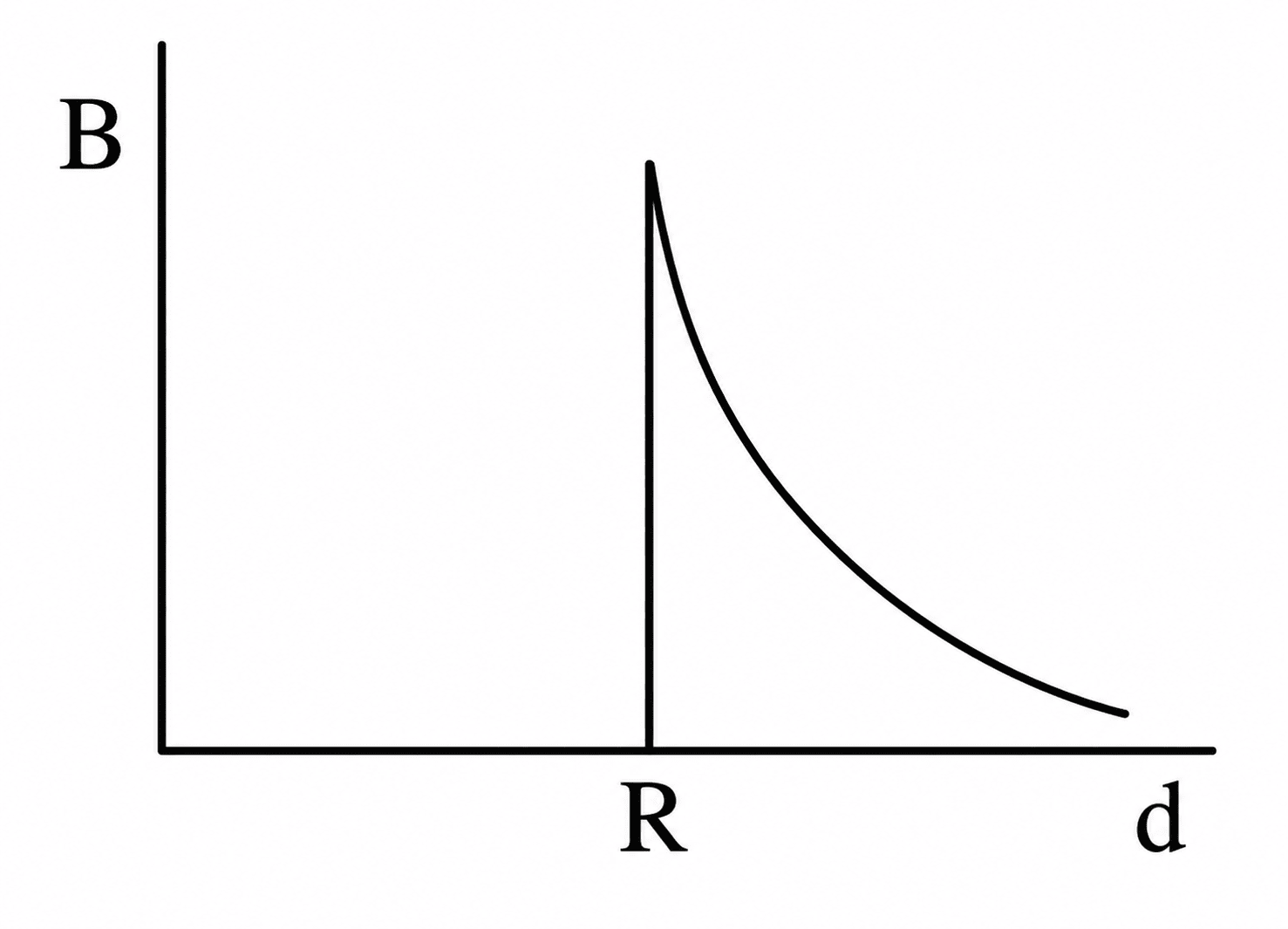
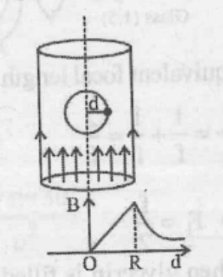
A cylindrical conductor of radius R is carrying a constant current. The plot of the magnitude of the magnetic field, B with the distance, d, from the centre of the conductor, is correctly represented by the figure:
-
(A)
-
(B)
-
(C)
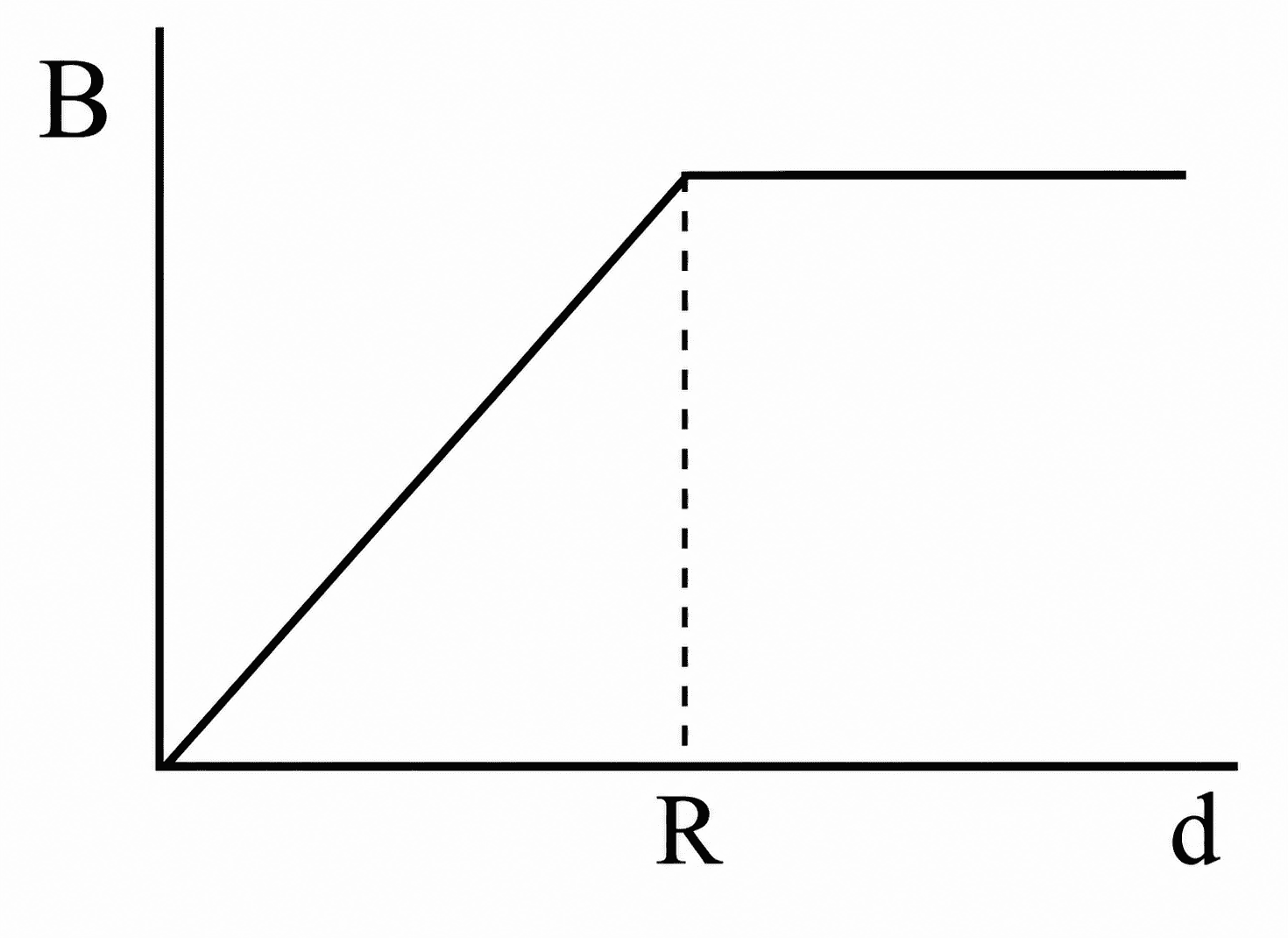
-
(D)
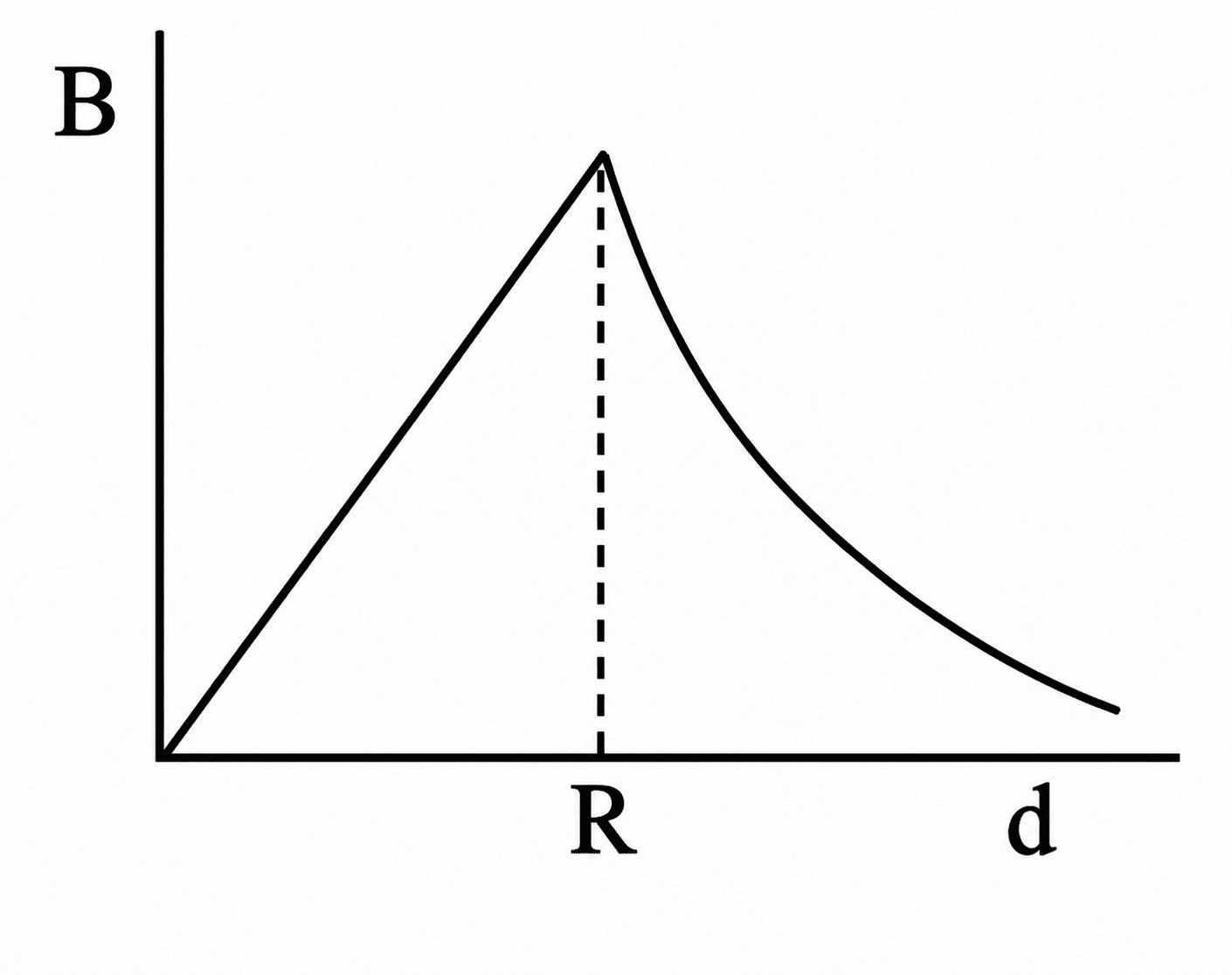
Inside (d < R)
Magnetic field inside conductor
B = Kd ...... (i)
This is straight line passing through origin
At surface (d = R)
B= μ₀/ 2π.1/ d
Maximum at surface
Outside (d > R)
B= μ₀/ 2π .1/d
or B ∝ 1/d ∴ Hyperbolic
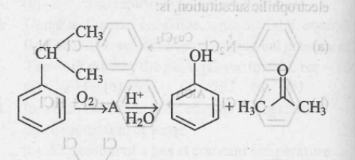
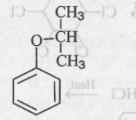
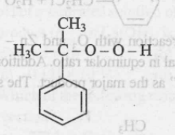
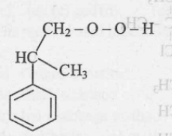
The structure of intermediate A in the following reaction is:
-
(A) a
-
(B) b
-
(C) d
-
(D) c
.
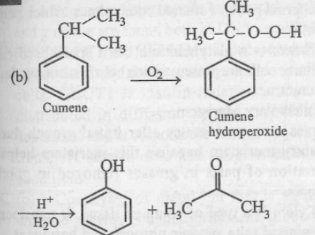
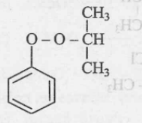
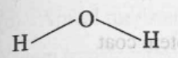
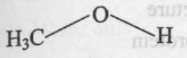
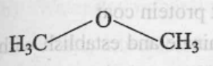
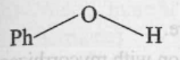
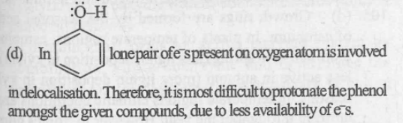
The compound that is most difficult to protonate is:
-
(A) a
-
(B) b
-
(C) c
-
(D) d
.
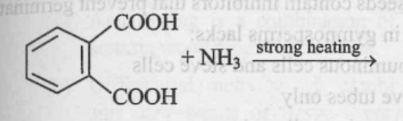
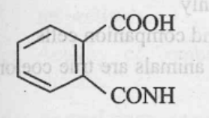
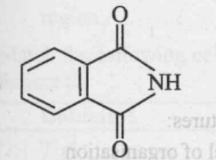
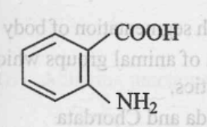
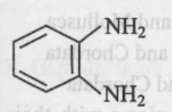
The major product of the following reaction is :
-
(A) a
-
(B) b
-
(C) c
-
(D) d
Other Years