NEET-UG 2012 Question Paper — Set 2

QUESTION PAPER

2012 NEET EXAM

NEET-UG 2012 Question Paper — Set 2

2012

NEET-UG

CBSE EXAMINATION PAPER-2012

NEET-ZOOLOGY

(Solved)

Time allowed : 3 hours

Maximum Marks : 477

General Instructions :

Read the following instructions carefully and follow them :

  1. This question paper contains 120 questions. All questions are compulsory.
  2. This question paper is divided into 1 sections.
  3. Section A – questions number 1 to 120 are multiple choice questions
  4. There is no overall choice given in the question paper. However, an internal choice has been provided in few questions.
  5. Use of calculator is NOT allowed.

Section A

Question 1.

The dimensions of (μ₀ε₀)⁻¹ᐟ² are

[4 Marks]
  • (A) [L⁻¹ T]
  • (B) [L¹ᐟ² T⁻¹ᐟ²]
  • (C) [L T⁻¹]
  • (D) [L⁻¹ᐟ² T¹ᐟ²]
Question 2.

A stone is dropped from a height h. It hits the ground with a certain momentum P. If the same stone is dropped from a height 100% more than the previous height, the momentum when it hits the ground will change by:

[4 Marks]
  • (A) 68%
  • (B) 41%
  • (C) 100%
  • (D) 200%
Question 3.

A car of mass m is moving on a level circular track of radius R. If μs represents the static friction between the road and tyres of the car, the maximum speed of the car in circular motion is given by:

[4 Marks]
  • (A) √μₛmRg
  • (B) √(Rg / μₛ)
  • (C) √(mRg / μₛ)
  • (D) √μₛRg
Question 4.

A car of mass m starts from rest and accelerates so that the instantaneous power delivered to the car has a constant magnitude P₀. The instantaneous velocity of this car is proportional to:

[4 Marks]
  • (A) t/√m
  • (B) t⁻¹ᐟ²
  • (C) t¹ᐟ²
  • (D) t²P₀
Question 5.

Three masses are placed on the x-axis: 300 g at origin, 500 g at x = 40 cm and 400 g at x = 70 cm. The distance of the centre of mass from the origin is:

[4 Marks]
  • (A) 40 cm
  • (B) 45 cm
  • (C) 50 cm
  • (D) 30 cm
Question 6.

A circular platform is mounted on a frictionless vertical axle. Its radius R = 2 m and its moment of inertia about the axle is 200 kg m². It is initially at rest. A 50 kg man stands on the edge of the platform and begins to walk along the edge at the speed of 1 m s⁻¹ relative to the ground. Time taken by the man to complete one revolution is:

[4 Marks]
  • (A) (3π / 2) s
  • (B) π s
  • (C) 2π s
  • (D) (π / 2) s
Question 7.

The moment of inertia of a uniform circular disc is maximum about an axis perpendicular to the disc and passing through
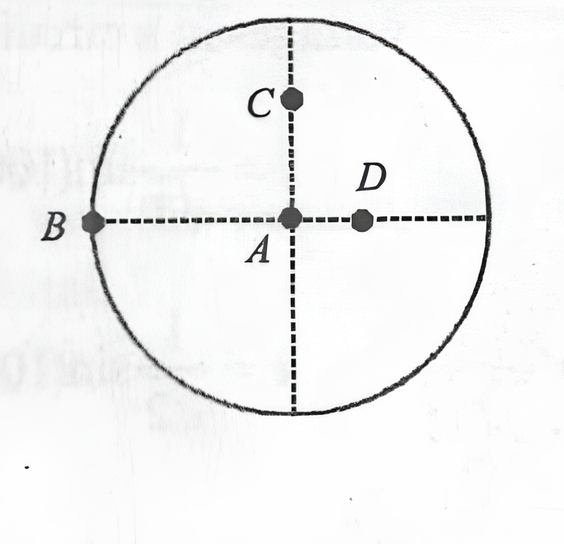
[4 Marks] Diagram 1 – NEET-UG 2012 Question Paper — Set 2
  • (A) B
  • (B) C
  • (C) D
  • (D) A
Question 8.

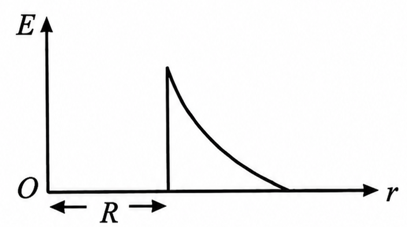
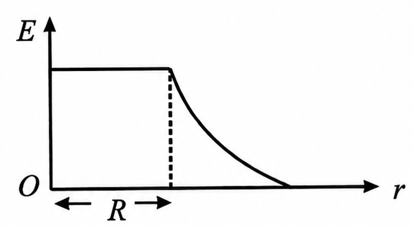
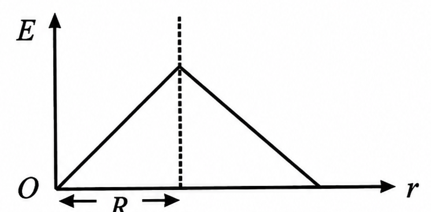
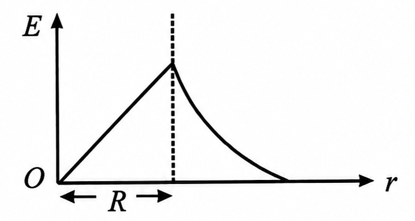
Which one of the following plots represents the variation of gravitational field on a particle with distance r due to a thin spherical shell of radius R? (r is measured from the centre of the spherical shell)

[4 Marks]
  • (A) Diagram 2 – NEET-UG 2012 Question Paper — Set 2
  • (B) Diagram 3 – NEET-UG 2012 Question Paper — Set 2
  • (C) Diagram 4 – NEET-UG 2012 Question Paper — Set 2
  • (D) Diagram 5 – NEET-UG 2012 Question Paper — Set 2
Question 9.

If vₑ is escape velocity and v₀ is orbital velocity of a satellite for orbit close to the earth’s surface, then these are related by :

[4 Marks]
  • (A) vₑ = √2 v₀
  • (B) vₑ = √2v₀
  • (C) v₀ = vₑ
  • (D) v₀ = √2 vₑ
Question 10.

A slab of stone of area 0.36 m² and thickness 0.1 m is exposed on the lower surface to steam at 100°C. A block of ice at 0°C rests on the upper surface of the slab. In one hour 4.8 kg of ice is melted. The thermal conductivity of slab is :
(Given latent heat of fusion of ice = 3.36 × 10⁵ J kg⁻¹.)

[4 Marks]
  • (A) 1.24 J/m/s/°C
  • (B) 1.29 J/m/s/°C
  • (C) 2.05 J/m/s/°C
  • (D) 1.02 J/m/s/°C
Question 11.

An ideal gas goes from state 4 to state B via three different processes as indicated in the P-V diagram :

If Q₁, Q₂, Q₃ indicate the heat absorbed by the gas along the three processes and ΔU₁, ΔU₂, ΔU₃ indicate the change in internal energy along the three processes respectively, then
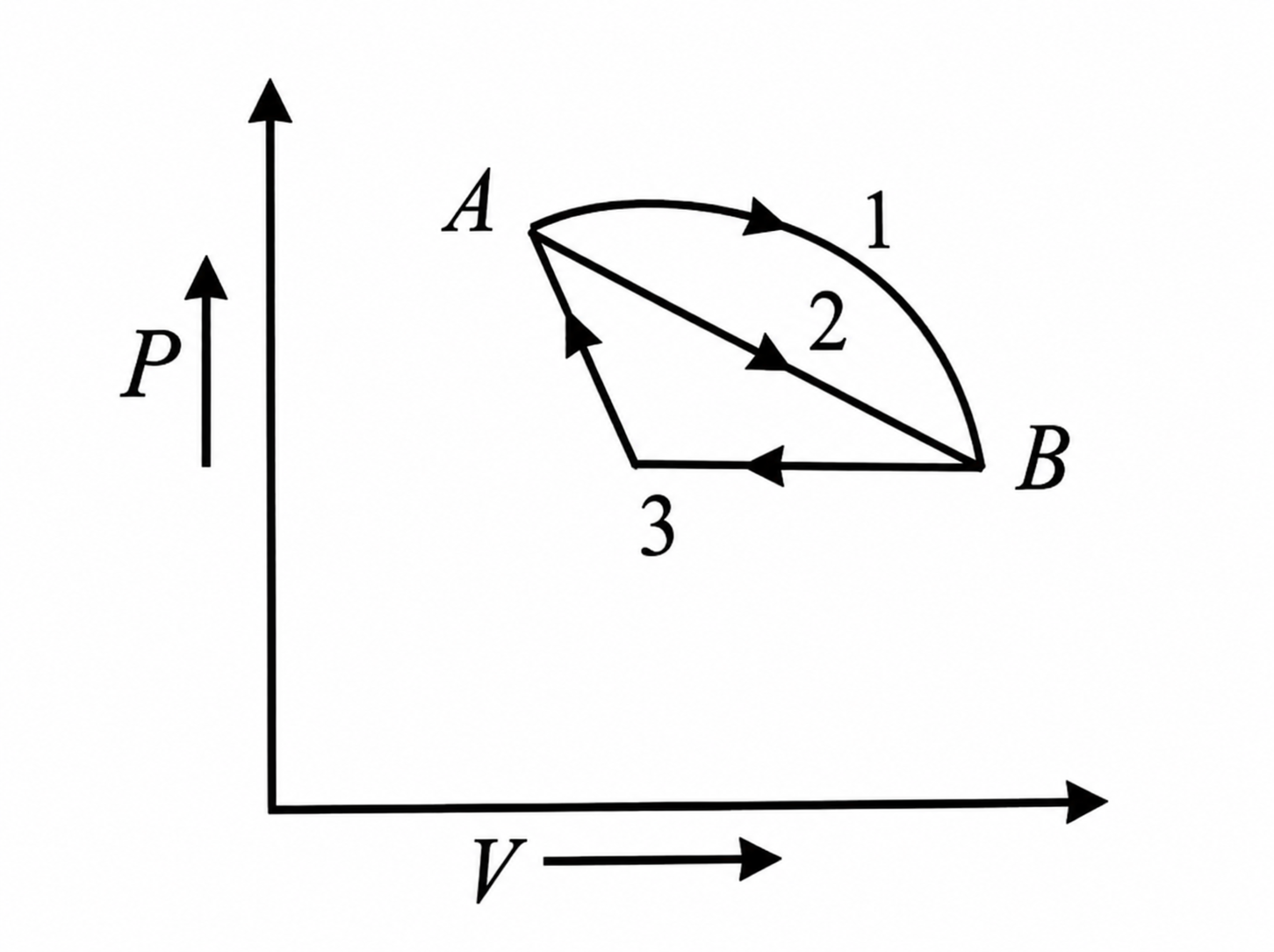
[4 Marks] Diagram 6 – NEET-UG 2012 Question Paper — Set 2
  • (A) Q₁ > Q₂ > Q₃ and ΔU₁ = ΔU₂ = ΔU₃
  • (B) Q₃ > Q₂ > Q₁ and ΔU1 > ΔU₂ > ΔU₃
  • (C) Q₃ > Q₂ > Q₁ and ΔU₁ = ΔU₂ = ΔU₃
  • (D) Q₁ = Q₂ = Q₃ and ΔU₁ > ΔU₂ > ΔU₃
Question 12.

The equation of a simple harmonic wave is given by

y = 3 sin (π/2) (50t − x)

Where x and y are in meters and t is in seconds. The ratio of maximum particle velocity to the wave velocity is

[4 Marks]
  • (A) (2/3)π
  • (B) (3/2)π
  • (C) 3π
  • (D) 2π
Question 13.

A train moving at a speed of 220 ms⁻¹ towards a stationary object, emits a sound of frequency 1000 Hz. Some of the sound reaching the object gets reflected back to the train as echo. The frequency of the echo as detected by the driver of the train is :
(speed of sound in air is 330 ms⁻¹)

[4 Marks]
  • (A) 3500 Hz
  • (B) 5000 Hz
  • (C) 4000 Hz
  • (D) 3000 Hz
Question 14.

Two metallic spheres of radii 1 cm and 3 cm are given charges of −1 × 10⁻² C and 5 × 10⁻² C, respectively. If these are connected by a conducting wire, the final charge on the bigger sphere is :

[4 Marks]
  • (A) 4 × 10⁻² C
  • (B) 1 × 10⁻² C
  • (C) 3 × 10⁻² C
  • (D) 2 × 10⁻² C
Question 15.

A parallel plate capacitor has a uniform electric field E in the space between the plates. If the distance between the plates is d and area of each plate is A, the energy stored in the capacitor is :

[4 Marks]
  • (A) (1/2) ε₀E²Ad
  • (B) ε₀EAd
  • (C) E²Ad/ε₀
  • (D) (1/2) ε₀E²
Question 16.

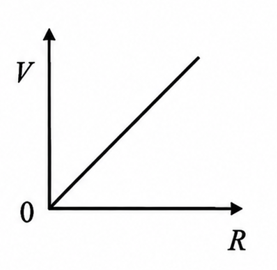
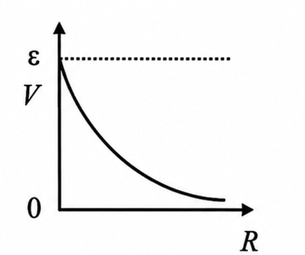
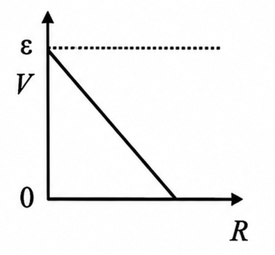
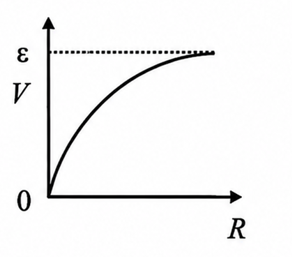
Cell having an emf ε and internal resistance r is connected across a variable external resistance R. As the resistance R is increased, the plot of potential difference V across R is given by :

[4 Marks]
  • (A) Diagram 7 – NEET-UG 2012 Question Paper — Set 2
  • (B) Diagram 8 – NEET-UG 2012 Question Paper — Set 2
  • (C) Diagram 9 – NEET-UG 2012 Question Paper — Set 2
  • (D) Diagram 10 – NEET-UG 2012 Question Paper — Set 2
Question 17.

The power dissipated in the circuit shown in the figure is 30 Watts. The value of R is:
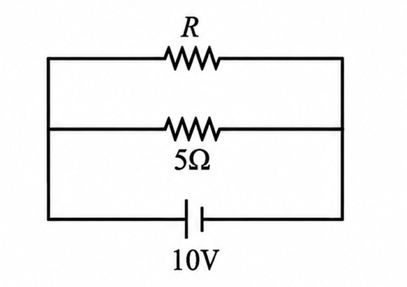
[4 Marks] Diagram 11 – NEET-UG 2012 Question Paper — Set 2
  • (A) 30 Ω
  • (B) 10 Ω
  • (C) 15 Ω
  • (D) 20 Ω
Question 18.

A proton carrying 1 MeV kinetic energy is moving in a circular path of radius R in uniform magnetic field. What should be the energy of an α-particle to describe a circle of same radius in the same field?

[4 Marks]
  • (A) 4 MeV
  • (B) 0.5 MeV
  • (C) 1 MeV
  • (D) 2 MeV
Question 19.

A magnetic needle suspended parallel to a magnetic field requires √3 J of work to turn it through 60°. The torque needed to maintain the needle in this position will be :

[4 Marks]
  • (A) (3/2) J
  • (B) √3 J
  • (C) 3 J
  • (D) 2√3 J
Question 20.

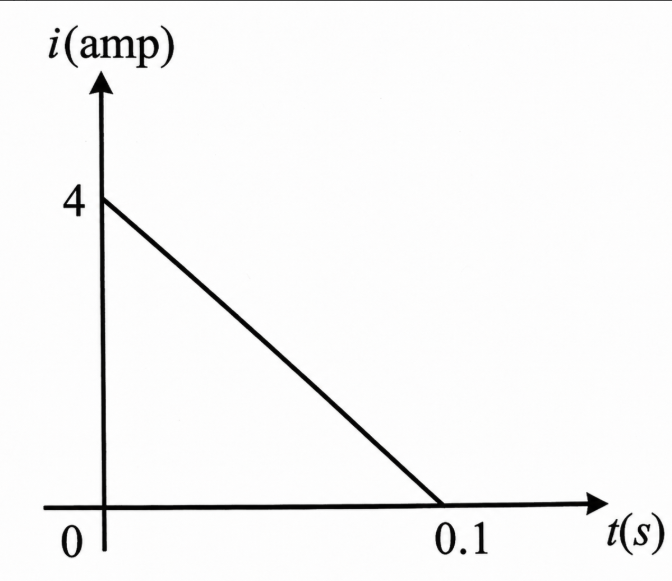
In a coil of resistance 10 Ω, the induced current developed by changing magnetic flux through it, is shown in figure as a function of time. The magnitude of change in flux through the coil in Weber is :
[4 Marks] Diagram 12 – NEET-UG 2012 Question Paper — Set 2
  • (A) 6
  • (B) 2
  • (C) 4
  • (D) 8
Question 21.

The instantaneous values of alternating current and voltages in a circuit are given as

i = (1 / √2) sin(100πt) ampere

e = (1 / √2) sin(100πt + π / 3) Volt

The average power in Watts consumed in the circuit is

[4 Marks]
  • (A) 1 / 8
  • (B) √3 / 4
  • (C) 1 / 4
  • (D) 1 / 2
Question 22.

The ratio of amplitude of magnetic field to the amplitude of electric field for an electromagnetic wave propagating in vacuum is equal to :

[4 Marks]
  • (A) the ratio of magnetic permeability to the electric susceptibility of vacuum
  • (B) unity
  • (C) reciprocal of speed of light in vacuum
  • (D) the speed of light in vacuum
Question 23.

A rod of length 10 cm lies along the principal axis of a concave mirror of focal length 10 cm in such a way that its end closer to the pole is 20 cm away from the mirror. The length of the image is:

[4 Marks]
  • (A) 2.5 cm
  • (B) 5 cm
  • (C) 15 cm
  • (D) 10 cm
Question 24.

For the angle of minimum deviation of a prism to be equal to its refracting angle, the prism must be made of a material whose refractive index:

[4 Marks]
  • (A) is greater than 2
  • (B) lies between √2 and 1
  • (C) is less than 1
  • (D) lies between 2 and √2
Question 25.

If the momentum of electron is changed by P, then the de Broglie wavelength associated with it changes by 0.5%. The initial momentum of electron will be:

[4 Marks]
  • (A) 100 P
  • (B) P / 200
  • (C) 400 P
  • (D) 200 P
Question 26.

Two radiations of photons energies 1 eV and 2.5 eV, successively illuminate a photosensitive metallic surface of work function 0.5 eV. The ratio of the maximum speeds of the emitted electrons is :

[4 Marks]
  • (A) 1 : 5
  • (B) 1 : 4
  • (C) 1 : 1
  • (D) 1 : 2
Question 27.

The transition from the state n = 3 to n =1 in a hydrogen like atom results in ultraviolet radiation. Infrared radiation will be obtained in the transition from:

[4 Marks]
  • (A) 2 → 1
  • (B) 3 → 2
  • (C) 4 → 2
  • (D) 4 → 3
Question 28.

The half life of a radioactive nucleus is 50 days. The time interval (t₂ - t₁) between the time t₂ when 2 / 3 of it has decayed and the time t₁ when 1 / 3 of it had decayed is :

[4 Marks]
  • (A) 30 days
  • (B) 50 days
  • (C) 60 days
  • (D) 15 days
Question 29.

The input resistance of a silicon transistor is 100 Ω. Base current is changed by 40μA which results in a change in collector current by 2 mA. This transistor is used as a common emitter amplifier with a load resistance of 4 KΩ. The voltage gain of the amplifier is :

[4 Marks]
  • (A) 1000
  • (B) 4000
  • (C) 3000
  • (D) 2000
Question 30.

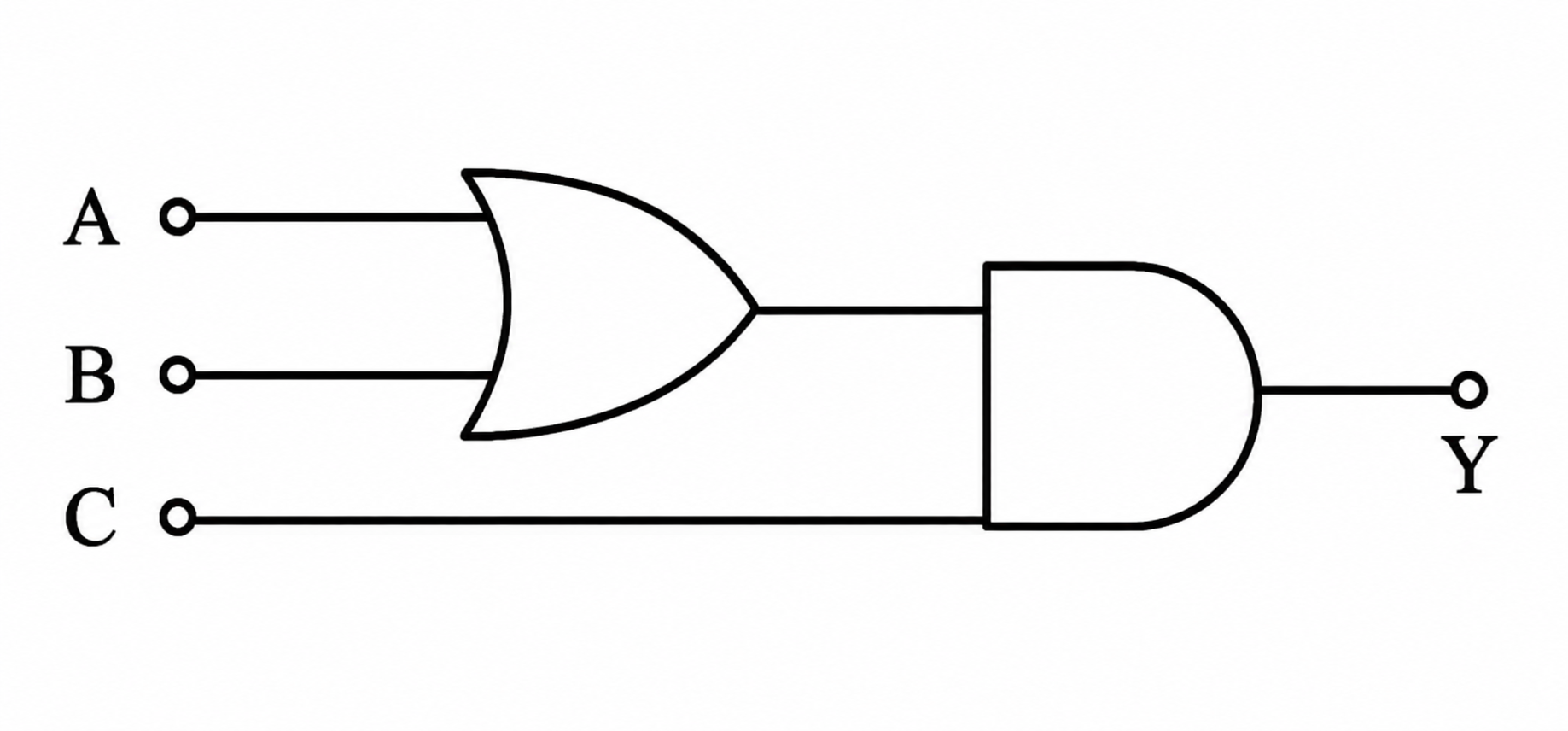
To get output 1 for the following circuit, the correct choice for the input is
[4 Marks] Diagram 13 – NEET-UG 2012 Question Paper — Set 2
  • (A) A = 0, B = 1, C = 0
  • (B) A = 1, B = 0, C = 0
  • (C) A = 1, B = 0, C = 1
  • (D) A = 1, B = 1, C = 0
Question 31.

The orbital angular momentum of p-electron is given as :

[4 Marks]
  • (A) h / √2 π
  • (B) √3(h / 2π)
  • (C) √6 (h / 2π)
  • (D) √(3/2) (h / π)
Question 32.

Four diatomic species are listed below. Identify the correct order in which the bond order is increasing in them:

[4 Marks]
  • (A) NO < O₂⁻ < C₂²⁻ < He₂⁺
  • (B) O₂⁻ < NO < C₂²⁻ < He₂⁺
  • (C) C₂²⁻ < He₂⁺ < O₂⁻ < NO
  • (D) He₂⁺ < O₂⁻ < NO < C₂²⁻
Question 33.

During change of O₂ to O₂⁻ ion, the electron adds on which one of the following orbitals?

[4 Marks]
  • (A) π* orbital
  • (B) π orbital
  • (C) σ* orbital
  • (D) σ orbital
Question 34.

For real gases, van der Waals equation is written as

(p + an² / V²)(V - nb) = nRT

where ‘a’ and ‘b’ are van der Waals constants.
Two sets of gases are :
(I) O₂, CO₂, H₂ and He
(II) CH₄, O₂ and H₂
The gases given in set-I in increasing order of ‘b’ and gases given in set-II in decreasing order of ‘a’, are arranged below. Select the correct order from the following :

[4 Marks]
  • (A) (I) He < H₂ < CO₂ < O₂ (II) CH₄ > H₂ > O₂
  • (B) (I) O₂ < He < H₂ < CO₂ (II) H₂ > O₂ > CH₄
  • (C) (I) H₂ < He < O₂ < CO₂ (II) CH₄ > O₂ > H₂
  • (D) (I) H₂ < O₂ < He < CO₂ (II) O₂ > CH₄ > H₂
Question 35.

Equal volumes of two monoatomic gases, A and B, at same temperature and pressure are mixed. The ratio of specific heats (Cₚ / Cᵥ) of the mixture will be :

[4 Marks]
  • (A) 3.3
  • (B) 1.67
  • (C) 1.50
  • (D) 0.83
Question 36.

Given that the equilibrium constant for the reaction 2SO₂(g) + O₂(g) ⇌ 2SO₃(g) has a value of 278 at a particular temperature. What is the value of the equilibrium constant for the following reaction at the same temperature ?
SO₃(g) ⇌ SO₂(g) + (1 / 2) O₂(g)

[4 Marks]
  • (A) 1.8 × 10⁻³
  • (B) 3.6 × 10⁻³
  • (C) 1.3 × 10⁻⁵
  • (D) 6.0 × 10⁻²
Question 37.

Given the reaction between 2 gases represented by A₂ and B₂ to give the compound AB(g).
A₂(g) + B₂(g) ⇌ 2AB(g)
At equilibrium, the concentration
of A₂ = 3.0 × 10⁻³ M
of B₂ = 4.2 × 10⁻³ M
of AB = 2.8 × 10⁻³ M
If the reaction takes place in a sealed vessel at 527°C, then the value of K_c will be :

[4 Marks]
  • (A) 1.9
  • (B) 2.0
  • (C) 0.62
  • (D) 4.5
Question 38.

Standard reduction potentials of the half reactions are given below :
F₂(g) + 2e⁻ → 2F⁻(aq); E° = +2.85 V
Cl₂(g) + 2e⁻ → 2Cl⁻(aq); E° = +1.36 V
Br₂(l) + 2e⁻ → 2Br⁻(aq); E° = +1.06 V
I₂(s) + 2e⁻ → 2I⁻(aq); E° = +0.53 V
The strongest oxidising and reducing agents respectively are :

[4 Marks]
  • (A) F₂ and I⁻
  • (B) Br₂ and Cl⁻
  • (C) Cl₂ and Br⁻
  • (D) Cl₂ and I₂
Question 39.

Which of the following reagents will be able to distinguish between 1-butyne and 2-butyne?

[1 Mark]
  • (A) NaNH₂
  • (B) Br₂
  • (C) O₂
  • (D) HCl
Question 40.

Structure of a mixed oxide is cubic close-packed (c.c.p).The cubic unit cell of mixed oxide is composed of oxide ions. One fourth of the tetrahedral voids are occupied by divalent metal A and the octahedral voids are occupied by a monovalent metal B. The formula of the oxide is:

[4 Marks]
  • (A) ABO₂
  • (B) A₂BO₂
  • (C) A₂B₃O₄
  • (D) AB₂O₂
Question 41.

Vapour pressure of chloroform (CHCl₃) and dichloromethane (CH₂Cl₂) at 25°C are 200 mm Hg and 41.5 mm Hg respectively. Vapour pressure of the solution obtained by mixing 25.5 g of CHCl₃ and 40 g of CH₂Cl₂ at the same temperature will be : (Molecular mass of CHCl₃ = 119.5 u and molecular mass of CH₂Cl₂ = 85 u).

[4 Marks]
  • (A) 347.9 mmHg
  • (B) 90.92 mmHg
  • (C) 173.9 mmHg
  • (D) 615.0 mmHg
Question 42.

Molar conductivities (Λₘ°) at infinite dilution of NaCl, HCl and CH₃COONa are 126.4, 425.9 and 91.0 S cm² mol⁻¹ respectively. Λₘ° for CH₃COOH will be:

[4 Marks]
  • (A) 425.5 S cm² mol⁻¹
  • (B) 180.5 S cm² mol⁻¹
  • (C) 290.8 S cm² mol⁻¹
  • (D) 390.5 S cm² mol⁻¹
Question 43.

In which of the following arrangements the given sequence is not strictly according to the property indicated against it?

[4 Marks]
  • (A) NH₃ < PH₃ < AsH₃ < SbH₃ : increasing acidic character
  • (B) CO₂ < SiO₂ < SnO₂ < PbO₂ : increasing oxidising power
  • (C) H₂O < H₂S < H₂Se < H₂Te : increasing pKa values
  • (D) HF < HCl < HBr < HI : increasing acidic strength
Question 44.

Which one of the following does not correctly represent the correct order of the property indicated against it?

[4 Marks]
  • (A) Ti < V < Cr < Mn : increasing number of oxidation states
  • (B) Ti < V < Cr < Mn : increasing melting points
  • (C) Ti < V < Mn < Cr : increasing 2ⁿᵈ ionization enthalpy
  • (D) Ti³⁺ < V³⁺ < Cr³⁺ < Mn³⁺ : increasing magnetic moment
Question 45.

Four successive members of the first series of the transition metals are listed below. For which one of them the standard reduction potential (E°_M²⁺/M) value has a positive sign?

[4 Marks]
  • (A) Co (Z = 27)
  • (B) Ni (Z = 28)
  • (C) Fe (Z = 26)
  • (D) Cu (Z = 29)
Question 46.

The catalytic activity of transition metals and their compounds is ascribed mainly to :

[4 Marks]
  • (A) their unfilled d-orbitals
  • (B) their magnetic behaviour
  • (C) their chemical reactivity
  • (D) their ability to adopt variable oxidation state
Question 47.

Which of the following exhibit only +3 oxidation state ?

[4 Marks]
  • (A) Th
  • (B) U
  • (C) Ac
  • (D) Pa
Question 48.

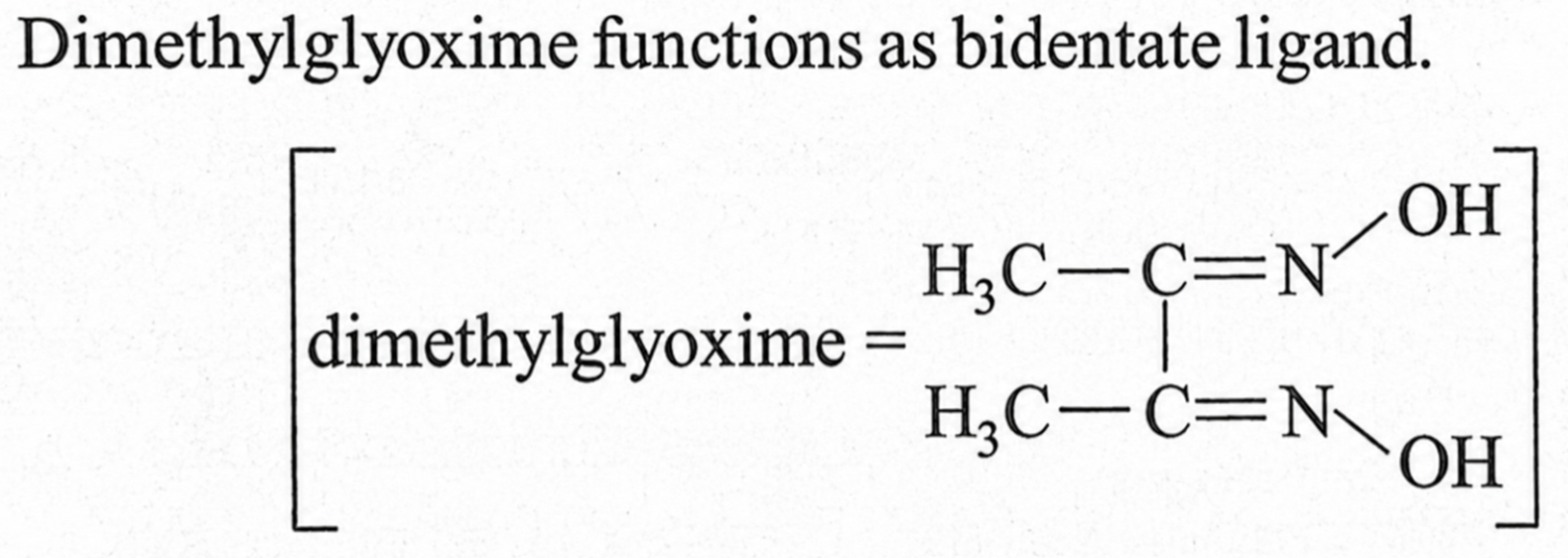
Red precipitate is obtained when ethanol solution of dimethylglyoxime is added to ammoniacal Ni(II). Which of following statements is not true?

[4 Marks]
  • (A) Diagram 14 – NEET-UG 2012 Question Paper — Set 2
  • (B) Diagram 15 – NEET-UG 2012 Question Paper — Set 2
  • (C) Diagram 16 – NEET-UG 2012 Question Paper — Set 2
  • (D) Diagram 17 – NEET-UG 2012 Question Paper — Set 2
Question 49.

Low spin complex of d⁶-cation in an octahedral field will have the following pairing energy :


(Δ₀ = Crystal Field Splitting Energy in an octahedral field, P = Electron pairing energy)

[4 Marks]
  • (A) (−2/5) Δ₀ + P
  • (B) (−2/5) Δ₀ + 2P
  • (C) (−12/5) Δ₀ + P
  • (D) (−12/5) Δ₀ + 3P
Question 50.

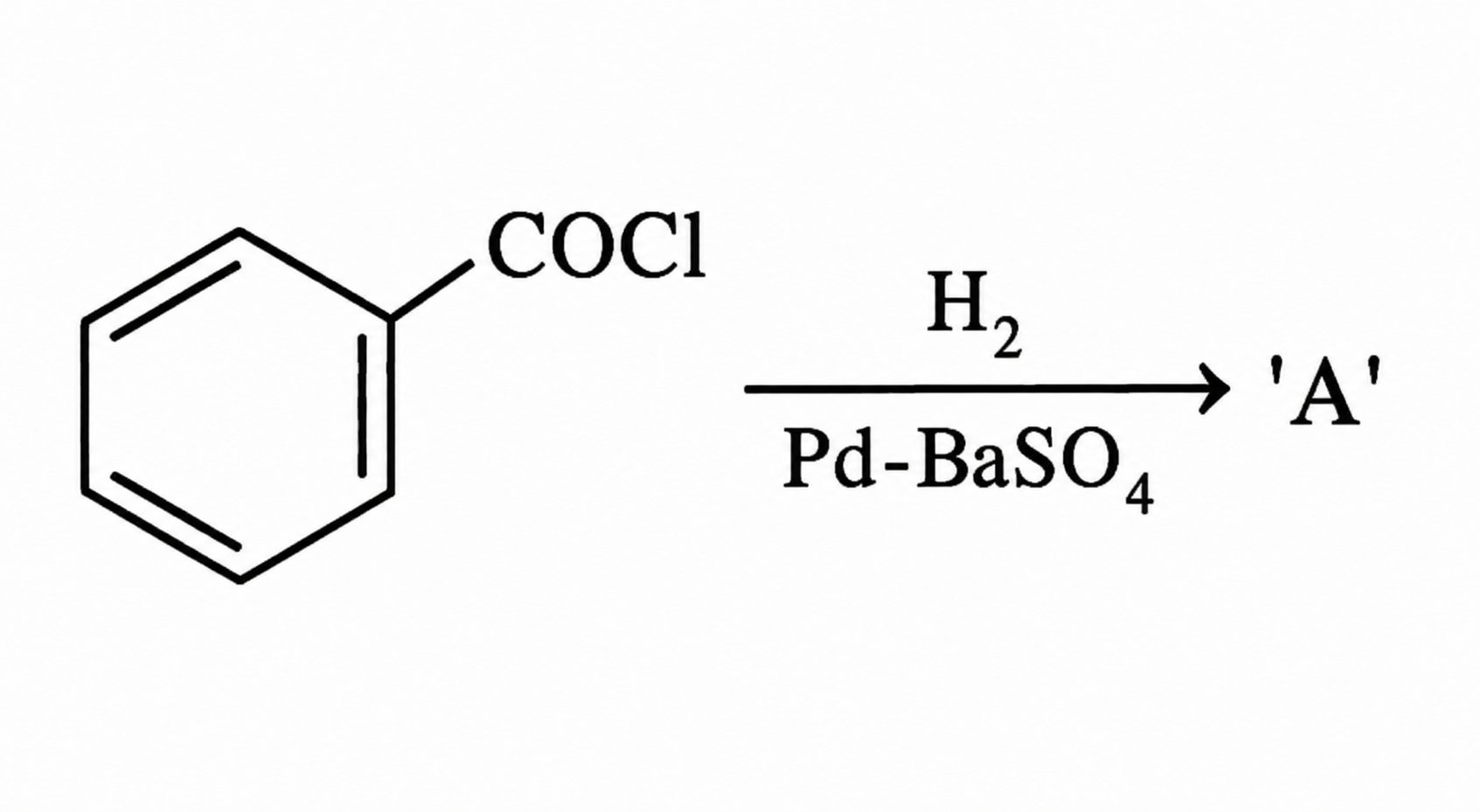
Consider the following reaction :

The product 'A' is :
[4 Marks] Diagram 18 – NEET-UG 2012 Question Paper — Set 2
  • (A) C₆H₅OH
  • (B) C₆H₅CHO
  • (C) C₆H₅COCH₃
  • (D) C₆H₅Cl
Question 51.

Consider the reaction :
RCHO + NH₂NH₂ → RCH = N — NH₂
What sort of reaction is it ?

[4 Marks]
  • (A) Electrophilic addition – elimination reaction
  • (B) Nucleophilic addition – elimination reaction
  • (C) Electrophilic substitution – elimination reaction
  • (D) Free radical addition – elimination reaction
Question 52.

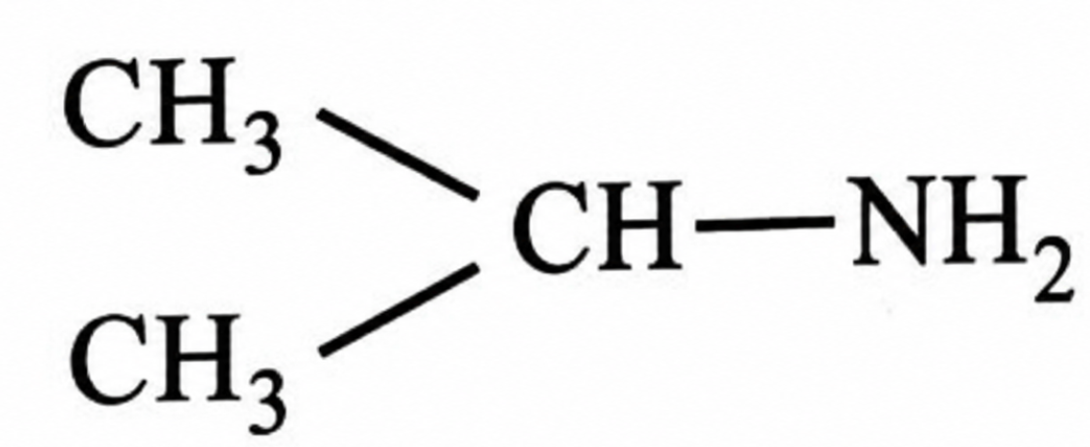
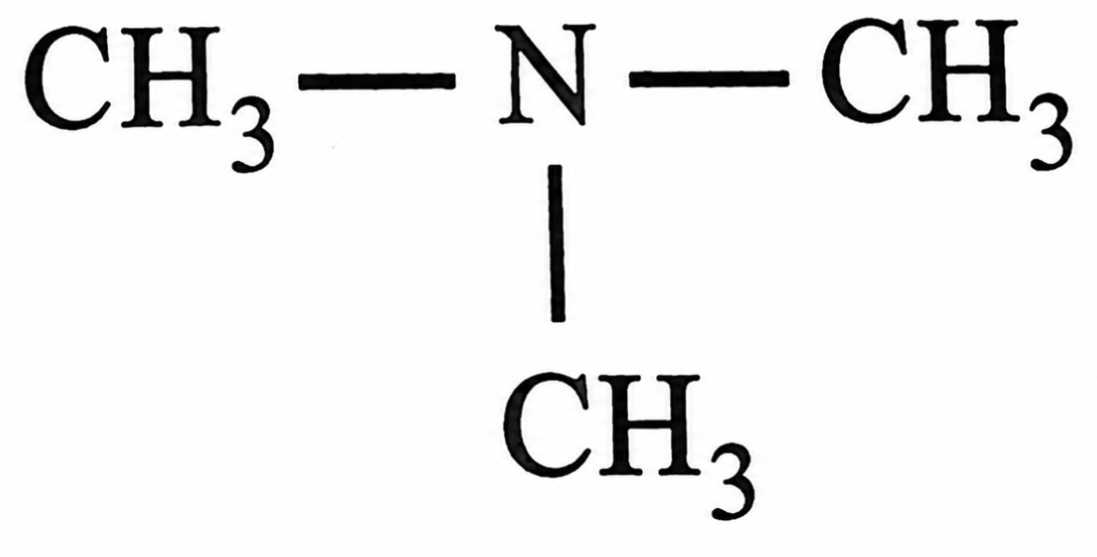
An organic compound (C₃H₉N) (A), when treated with nitrous acid, gave an alcohol and N₂ gas evolved. (A) on warming with CHCl₃ and caustic potash gave (C) which on reduction gave isopropylmethylamine. Predict the structure of (A).

[4 Marks]
  • (A) Diagram 19 – NEET-UG 2012 Question Paper — Set 2
  • (B) Diagram 20 – NEET-UG 2012 Question Paper — Set 2
  • (C) Diagram 21 – NEET-UG 2012 Question Paper — Set 2
  • (D) Diagram 22 – NEET-UG 2012 Question Paper — Set 2
Question 53.

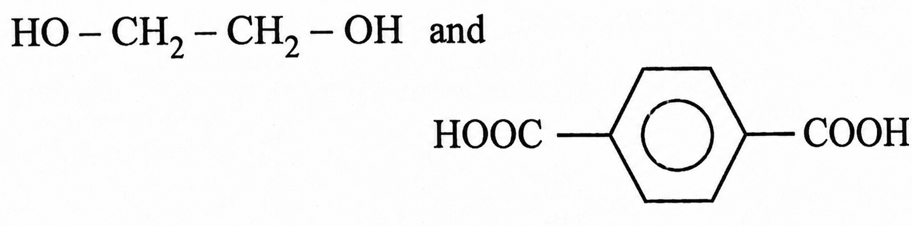
Which one of the following sets forms the biodegradable polymer?

[4 Marks]
  • (A) Diagram 23 – NEET-UG 2012 Question Paper — Set 2
  • (B) Diagram 24 – NEET-UG 2012 Question Paper — Set 2
  • (C) Diagram 25 – NEET-UG 2012 Question Paper — Set 2
  • (D) Diagram 26 – NEET-UG 2012 Question Paper — Set 2
Question 54.

Chloroamphenicol is an :

[4 Marks]
  • (A) antihistaminic
  • (B) antifertility drug
  • (C) antibiotic-broad spectrum
  • (D) antiseptic and disinfectant
Question 55.

A certain gas takes three times as long to effuse out as helium. Its molecular mass will be :

[4 Marks]
  • (A) 27u
  • (B) 36u
  • (C) 64u
  • (D) 9u
Question 56.

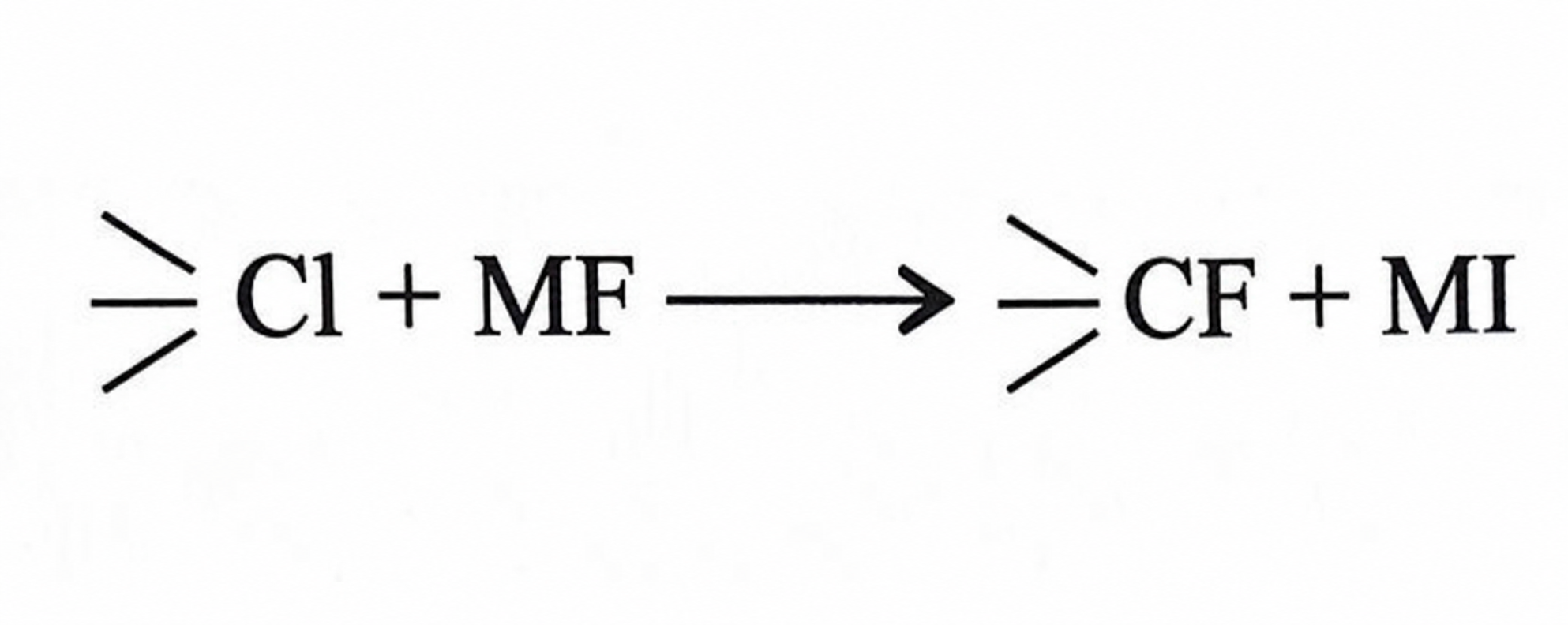
In the replacement reaction

The reaction will be most favourable if M happens to be:
[4 Marks] Diagram 27 – NEET-UG 2012 Question Paper — Set 2
  • (A) Rb
  • (B) Li
  • (C) Na
  • (D) K
Question 57.

The Gibbs' energy for the decomposition of Al₂O₃ at 500°C is as follows:

(2 / 3)Al₂O₃ → (4 / 3)Al + O₂ ; ΔᵣG = + 960 kJ mol⁻¹

The potential difference needed for the electrolytic reduction of aluminium oxide (Al₂O₃) at 500°C is at least:

[4 Marks]
  • (A) 3.0 V
  • (B) 4.5 V
  • (C) 5.0 V
  • (D) 2.5 V
Question 58.

Which of the following compounds can be used as antifreeze in automobile radiators?

[4 Marks]
  • (A) Methyl alcohol
  • (B) Glycol
  • (C) Ethyl alcohol
  • (D) Nitrophenol
Question 59.

Which one of the following organisms is scientifically correctly named, according to the International Rules of Nomenclature and correctly described?

[4 Marks]
  • (A) Musca domestica - The common house lizard, a reptile.
  • (B) Plasmodium falciparum - A protozoan pathogen causing the most serious type of malaria.
  • (C) Felis tigris - The Indian tiger, well protected in Gir forests.
  • (D) E. coli - Full name Entamoeba coli, a commonly occurring bacterium in human intestine.
Question 60.

How many organisms in the list given below are autotrophs?
Lactobacillus, Nostoc, Chara, Nitrosomonas, Nitrobacter, Streptomyces, Saccharomyces, Trypanosomes, Porphyra, Wolffia

[4 Marks]
  • (A) Four
  • (B) Five
  • (C) Three
  • (D) Six
Question 61.

In the five-kingdom classification, Chlamydomonas and Chlorella have been included in

[4 Marks]
  • (A) protista
  • (B) algae
  • (C) plantae
  • (D) monera
Question 62.

Read the following statements (A-E) and answer the question.

(A) In Equisetum the female gametophyte is retained on the parent sporophyte.
(B) In Ginkgo male gametophyte is not independent.
(C) The sporophyte in Riccia is more developed than that in Polytrichum.
(D) Sexual reproduction in Volvox is isogamous.
(E) The spores of slime molds lack cell walls.

How many of the above statements are correct?

[4 Marks]
  • (A) Two
  • (B) Three
  • (C) Four
  • (D) One
Question 63.

Which one of the following pair is wrongly matched?

[4 Marks]
  • (A) Ginkgo – Archaegonia
  • (B) Salvinia – Prothallus
  • (C) Viroids – RNA
  • (D) Mustard – Synergids
Question 64.

Which one of the following pairs of animals are similar to each other pertaining to the features stated against them?

[4 Marks]
  • (A) Pteropus and Ornithorhynchus - Viviparity
  • (B) Garden lizard and Crocodile - Three chambered heart
  • (C) Ascaris and Ancylostoma - Metameric segmentation
  • (D) Sea horse and Flying fish - Cold blooded (poikilothermal)
Question 65.

Which one of the following categories of animals, is correctly described with no signle exception in it?

[4 Marks]
  • (A) All reptiles possess scales, have a three chambered heart and are cold blooded (poikilothermal).
  • (B) All bony fishes have four pairs of gills and an operculum on each side.
  • (C) All sponges are marine and have collared cells.
  • (D) All mammals are viviparous and possess diaphragm for breathing.
Question 66.

How many plants in the list given below have marginal placentation?
Mustard, Gram, Tulip, Asparagus, Arhar, Sun hemp, Chilli, Colchicine, Onion, Moong, Pea, Tobacco, Lupin

[4 Marks]
  • (A) Four
  • (B) Three
  • (C) Five
  • (D) Six
Question 67.

Which one of the following organisms is correctly matched with its three characteristics?

[4 Marks]
  • (A) Onion: Bulb, Imbricate aestivation, Axile placentation
  • (B) Pea: C₃ pathway, Endospermic seed, Vexillary aestivation
  • (C) Tomato: Twisted aestivation, Axile placentation, Berry
  • (D) Maize: C₃ pathway, Closed vascular bundles, Scutellum
Question 68.

As compared to a dicot root, a monocot root has

[4 Marks]
  • (A) more abundant secondary xylem.
  • (B) many xylem bundles.
  • (C) inconspicuous annual rings.
  • (D) relatively thicker periderm.
Question 69.

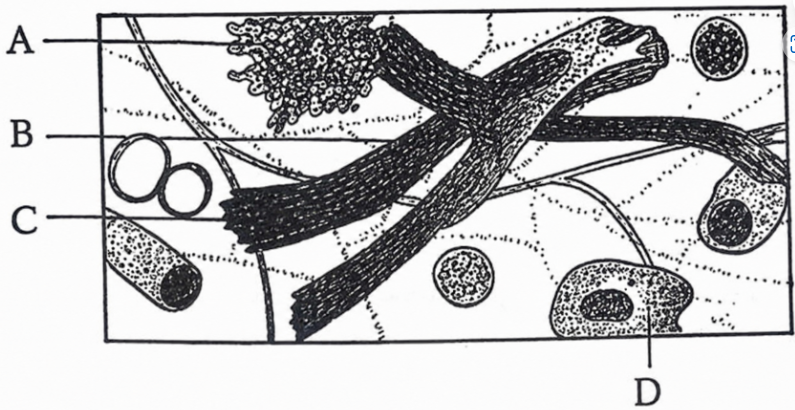
Given below is the diagrammatic sketch of a certain type of connective tissue. Identify the parts labeled A, B, C and D, and select the correct answer from the given option.
[4 Marks] Diagram 28 – NEET-UG 2012 Question Paper — Set 2
  • (A) Part - A → Macro phage, Part- B → Fibro blast, Part - C → Collagen fibres, Part - D → Mast cells
  • (B) Part - A → Mast cell, Part- B → Macro phage, Part - C → Fibroblast, Part - D → Collagen fibres
  • (C) Part - A → Macro phage, Part- B → Collagen fibres, Part - C → Fibroblast, Part - D → Mast cell
  • (D) Part - A → Mast cell, Part- B → Collagen fibres, Part - C → Fibroblast, Part - D → Macrophage
Question 70.

The supportive skeletal structures in the human external ears and in the nose tip are examples of

[4 Marks]
  • (A) ligament
  • (B) bone
  • (C) cartilage
  • (D) areolar tissue
Question 71.

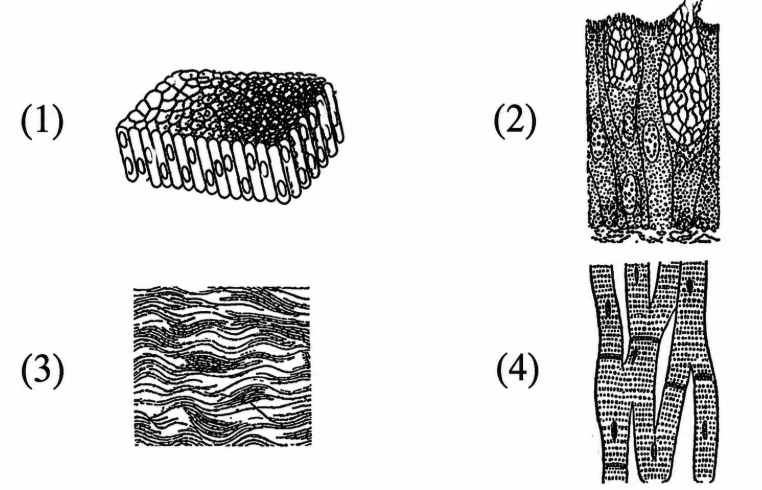
The four sketches (1, 2, 3 and 4) given below, represent four different types of animal tissues. Which one of these is correctly identified in the options given, along with its correct location and function?
[4 Marks] Diagram 29 – NEET-UG 2012 Question Paper — Set 2
  • (A) (2) Tissue → Glandular epithelium, Location → Intestine, Function → Secretion
  • (B) (3) Tissue → Collagen fibres , Location → Cartilage, Function → Attach skeletal muscles to bones
  • (C) (1) Tissue → Columnar epithelium, Location → Nephron, Function → Secretion and absorption
  • (D) (4) Tissue → Smooth muscle tissue, Location → Heart, Function → Heart contraction
Question 72.

Which one of the following structures is an Organelle within an organelle?

[4 Marks]
  • (A) Ribosome
  • (B) ER
  • (C) Peroxisome
  • (D) Mesosome
Question 73.

Which one of the following cellular parts is correctly described?

[4 Marks]
  • (A) Lysosomes - Optimally active at a pH of about 8.5.
  • (B) Centrioles - Sites for active RNA synthesis.
  • (C) Thylakoids - Flattened membranous sacs forming the grana of chloroplasts.
  • (D) Ribosomes - Those on chloroplasts are larger (80s) while those in the cytoplasm are smaller (70s).
Question 74.

Which one of the following biomolecules is correctly characterized?

[4 Marks]
  • (A) Lecithin - A phosphorylated glyceride found in cell membrane.
  • (B) Palmitic acid - An unsaturated fatty acid with 18 carbon atoms.
  • (C) Adenylic acid - Adenosine with a glucose phosphate molecule.
  • (D) Alanine amino acid - Contains an amino group and an acidic group anywhere in the molecule.
Question 75.

Identify the meiotic stage in which the homologous chromosomes separate while the sister chromatids remain associated at their centromeres?

[4 Marks]
  • (A) Metaphase I
  • (B) Metaphase II
  • (C) Anaphase l
  • (D) Anaphase II
Question 76.

For its activity, carboxypeptidase requires

[4 Marks]
  • (A) zinc
  • (B) iron
  • (C) copper
  • (D) niacin
Question 77.

Read the following four statements (A-D).

(A) Both, photophosphorylation and oxidative phosphorylation involve uphill transport of protons across the membrane.

(B) In dicot stems, a new cambium originates from cells of pericycle at the time of secondary growth.

(C) Stamens in flowers of Gloriosa and Petunia are polyandrous.

(D) Symbiotic nitrogen-fixers occur in free-living state also in soil.

How many of the above statements are correct?

[4 Marks]
  • (A) Two
  • (B) Three
  • (C) Four
  • (D) One
Question 78.

For its action, nitrogenase requires

[4 Marks]
  • (A) Mn²⁺
  • (B) light
  • (C) high input of energy
  • (D) super oxygen radicals
Question 79.

Which one of the following generally acts as an antagonist to gibberellins?

[4 Marks]
  • (A) Ethylene
  • (B) IAA
  • (C) ABA
  • (D) Zeatin
Question 80.

Through their effect on plant growth regulators, what do the temperature and light control in the plants?

[4 Marks]
  • (A) Flowering
  • (B) Closure of stomata
  • (C) Apical dominance
  • (D) Fruit elongation
Question 81.

Vernalization stimulates flowering in

[4 Marks]
  • (A) turmeric
  • (B) zamikand
  • (C) carrot
  • (D) ginger
Question 82.

Where do certain symbiotic micro-organisms normally occur in human body?

[4 Marks]
  • (A) Oral lining and tongue surface
  • (B) Vermiform appendix and rectum
  • (C) Duodenum
  • (D) Caecum
Question 83.

Which one of the following options gives the correct categorization of six animals according to the type of nitrogenous wastes (A, B, C), they give out?

[4 Marks]
  • (A) A-Ammo notelic → Frog, Lizards , B-Ureotelic → Aquatic Amphibia, Humans, C-Urico telic → Cockroach, Pigeon
  • (B) A-Ammo notelic → Aquatic Amphibia , B-Ureotelic → Cockroach, Humans, C-Urico telic → Frog, Pigeon, Lizards
  • (C) A-Ammo notelic → Aquatic Amphibia , B-Ureotelic → Frog, Humans, C-Urico telic → Pigeon, Lizards, Cockroach
  • (D) A-Ammo notelic → Pigeon, Humans, B-Ureotelic → Aquatic Amphibia, Lizards, C-Urico telic → Cockroach, Frog
Question 84.

Which one of the following characteristics is common to both in humans and adult frogs?

[4 Marks]
  • (A) Four - chambered heart
  • (B) Internal fertilization
  • (C) Nucleated RBCs
  • (D) Ureotelic mode of excretion
Question 85.

Which one of the following pairs of chemical substances is correctly categorized?

[4 Marks]
  • (A) Pepsin and prolactin - Two digestive enzymes secreted in stomach
  • (B) Calcitonin and thymosin - Thyroid hormones
  • (C) Troponin and myosin - Complex proteins in striated muscles
  • (D) Secretin and rhodopsin - Polypeptide hormones
Question 86.

What is the function of germ pore?

[4 Marks]
  • (A) Absorption of water for seed germination
  • (B) Emergence of radicle
  • (C) Release of male gametes
  • (D) Initiation of pollen tube
Question 87.

Which one of the following statements is wrong?

[4 Marks]
  • (A) When pollen is shed at two-celled stage, double fertilization does not take place.
  • (B) Vegetative cell is larger than generative cell.
  • (C) Intine is made up of cellulose and - pectin.
  • (D) Pollen grains in some plants remain viable for months.
Question 88.

Plants with ovaries having only one or a few ovules, are generally pollinated by

[4 Marks]
  • (A) butterflies
  • (B) bees
  • (C) wind
  • (D) birds
Question 89.

The secretory phase in the human menstrual cycle is also called

[4 Marks]
  • (A) luteal phase and lasts for about 6 days
  • (B) follicular phase lasting for about 6 days
  • (C) luteal phase and lasts for about 13 days
  • (D) follicular phase and lasts for about 13 days.
Question 90.

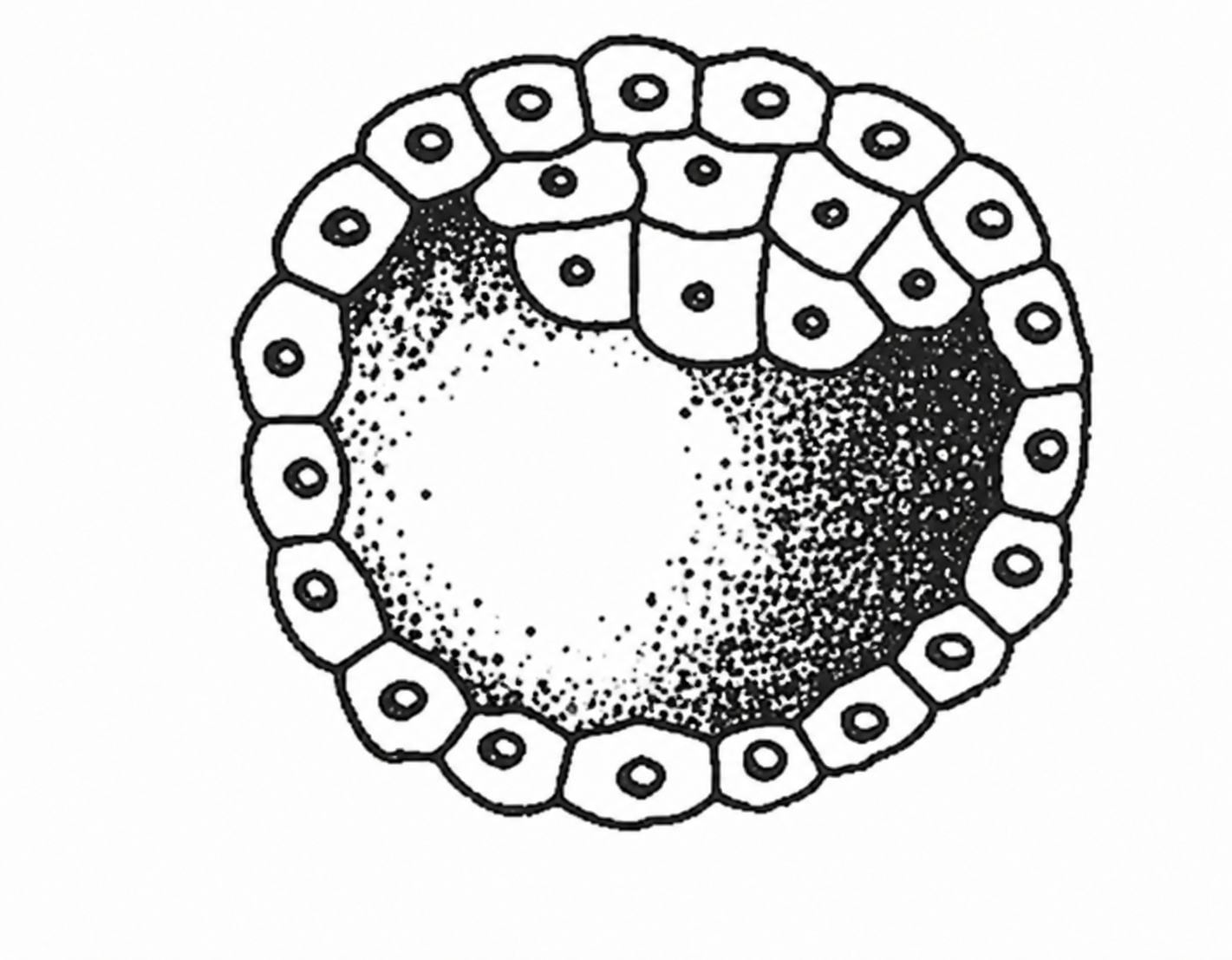
Identify the human developmental stage shown below as well as the related right place of its occurrence in a normal pregnant woman,and select the right option for the two together.
[4 Marks] Diagram 30 – NEET-UG 2012 Question Paper — Set 2
  • (A) Developmental stage → Blastula, Site of occurrence →End part of fallopian tube
  • (B) Developmental stage → Late morula, Site of occurrence → Middle part of fallopian tube
  • (C) Developmental stage → 8 celled morula, Site of occurrence →Starting point of fallopian tube
  • (D) Developmental stage → Blastocyst, Site of occurrence →Uterine wall
Question 91.

A Test cross is carried out to

[4 Marks]
  • (A) determine the genotype of a plant at F2.
  • (B) predict whether two traits are linked.
  • (C) assess the number of alleles of a gene.
  • (D) determine whether two species or varieties will breed successfully.
Question 92.

Which one of the following is a wrong statement regarding mutations?

[4 Marks]
  • (A) Deletion and insertion of base pairs cause frameshift mutations.
  • (B) UV and Gamma rays are mutagens.
  • (C) Cancer cells commonly show chromosomal aberrations.
  • (D) Change in a single base pair of DNA does not cause mutation.
Question 93.

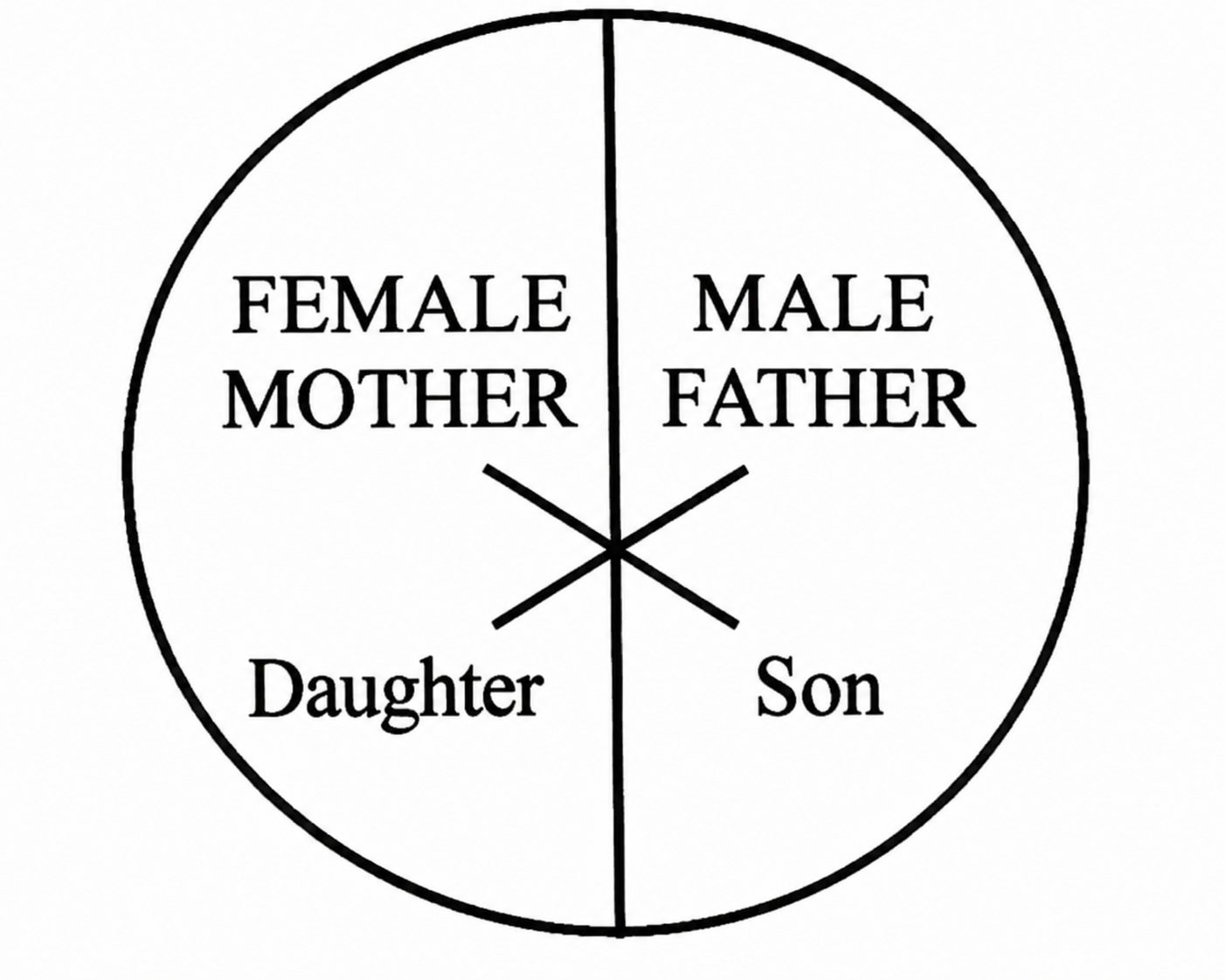
Represented below is the inheritance pattern of a certain type of traits in humans.

Which one of the following conditions could be an example of this pattern?
[4 Marks] Diagram 31 – NEET-UG 2012 Question Paper — Set 2
  • (A) Thalassemia
  • (B) Phenylketonuria
  • (C) Sickle cell anaemia
  • (D) Haemophilia
Question 94.

Read the following four statements (A–D).

(A) In transcription, adenosine pairs with uracil.
(B) Regulation of lac operon by repressor is referred to as positive regulation.
(C) The human genome has approximately 50,000 genes.
(D) Haemophilia is a sex-linked recessive disease.

How many of the above statements are correct?

[4 Marks]
  • (A) Four
  • (B) One
  • (C) Three
  • (D) Two
Question 95.

Which of the following forms the basis of DNA Finger printing?

[4 Marks]
  • (A) The relative proportions of purines and pyrimidines in DNA.
  • (B) Satellite DNA occurring as highly repeated short DNA segments.
  • (C) The relative difference in the DNA occurrence in blood, skin and saliva.
  • (D) The relative amount of DNA in the ridges and grooves of the fingerprints.
Question 96.

The idea of mutations was brought forth by

[4 Marks]
  • (A) Hardy Weinberg, who worked on allele frequencies in a population.
  • (B) Charles Darwin, who observed a wide variety of organisms during sea voyages.
  • (C) Hugo de Vries, who worked on evening primrose.
  • (D) Gregor Mendel, who worked on Pisum sativum.
Question 97.

Read the following four statements (A–D).

(A) Colostrum is recommended for the new born because it is rich in antigens.
(B) Chikungunya is caused by a Gram negative bacterium.
(C) Tissue culture has proved useful in obtaining virus-free plants.
(D) Beer is manufactured by distillation of fermented grape juice.

How many of the above statements are wrong?

[4 Marks]
  • (A) Two
  • (B) Three
  • (C) Four
  • (D) One
Question 98.

Which one of the following statements is correct with respect to immunity?

[4 Marks]
  • (A) The antibodies against small pox pathogen are produced by T-lymphocytes.
  • (B) Preformed antibodies need to be injected to treat the bite by a viper snake.
  • (C) Antibodies are protein molecules, each of which has four light chains.
  • (D) Rejection of a kidney graft is the function of B-lymphocytes.
Question 99.

Which one of the following sets of items in the options 1–4 are correctly categorized with one exception in it?

[4 Marks]
  • (A) Items → UAA, UAG, UGA, Category → Stop codons, Exception → UAG
  • (B) Items → Kangaroo, Koala, Wombat, Category → Australian, marsupials Exception → Wombat
  • (C) Items → Typhoid, Preumonia, Diphtheria, Category → Bacterial, diseases, Exception → Diphtheria
  • (D) Items → Plasmodium, Cuscuta, Trypanosoma, Category → Protozoan, parasites, Exception → Cuscuta
Question 100.

Identify the molecules (a) and (b) shown below and select the right option giving their source and use.
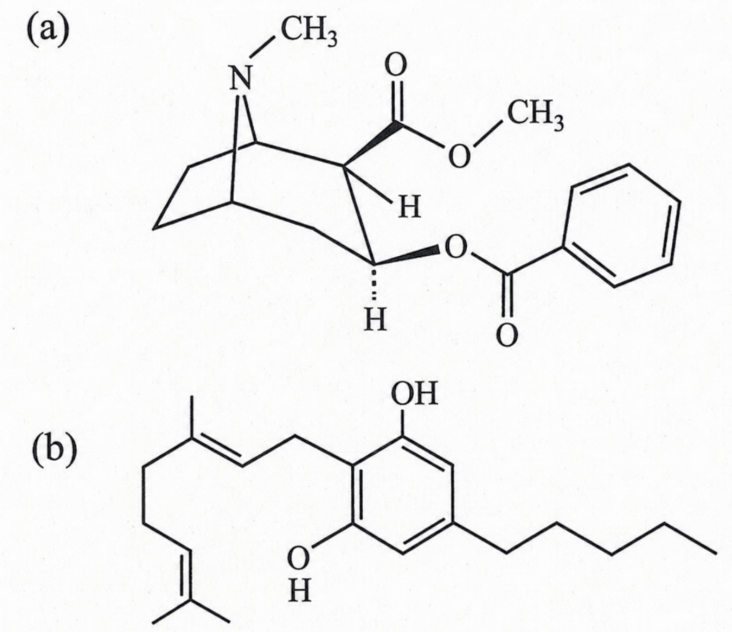
[4 Marks] Diagram 32 – NEET-UG 2012 Question Paper — Set 2
  • (A) Molecule → Cocaine, Source → Erythroxylum coca, Use → Accelerates the transport of dopamine
  • (B) Molecule → Heroin, Source → Cannabis sativa, Use → "Depressant and slows down body functions"
  • (C) Molecule → Cannabinoid, Source → Atropa, belladona, Use → Produces hallucinations
  • (D) Molecule → Morphine, Source →Papaver, somniferum, Use → Sedative and pain killer
Question 101.

Green revolution in India occurred during

[4 Marks]
  • (A) 1960.s
  • (B) 1980.s
  • (C) 1950.s
  • (D) 1970.s
Question 102.

Consider the following four statements (A–D) and select the option which includes all the correct ones only.

(1) Single cell Spirulina can produce large quantities of food rich in protein, minerals, vitamins etc.

(2) Body weight-wise the micro-organism Methylophilus methylotrophus may be able to produce several times more proteins than the cows per day.

(3) Common button mushrooms are a very rich source of vitamin C.

(4) A rice variety has been developed which is very rich in calcium.

[4 Marks]
  • (A) Statements (3), (4)
  • (B) Statements (1), (3) and (4)
  • (C) Statements (1), (2)
  • (D) Statements (2), (3) and (4)
Question 103.

The domestic sewage in large cities

[4 Marks]
  • (A) has a high BOD as it contains both aerobic and anaerobic bacteria.
  • (B) is processed by aerobic and then anaerobic bacteria in the secondary treatment in Sewage Treatment Plants (STPs).
  • (C) when treated in STPs does not really require the aeration step as the sewage contains adequate oxygen.
  • (D) has very high amounts of suspended solids and dissolved salts.
Question 104.

In gobar gas, the maximum amount is that of

[4 Marks]
  • (A) methane
  • (B) butane
  • (C) propane
  • (D) carbon dioxide
Question 105.

Which one of the following represents a palindromic sequence in DNA?

[4 Marks]
  • (A) 5′ - GAATTC - 3′  3′ - CTTAAG - 5′
  • (B) 5′ - CCAATG - 3′  3′ - GAATCC - 5′
  • (C) 5′ - CATTAG - 3′  3′ - GATAAC - 5′
  • (D) 5′ - GATACC - 3′  3′ - CCTAAG - 5′
Question 106.

Biolistics (gene-gun) is suitable for

[4 Marks]
  • (A) DNA finger printing
  • (B) Disarming pathogen vectors.
  • (C) Transformation of plant cells.
  • (D) Constructing recombinant DNA by joining with vectors.
Question 107.

In genetic engineering, the antibiotics are used

[4 Marks]
  • (A) as sequences from where replication starts.
  • (B) to keep the cultures free of infection.
  • (C) as selectable markers.
  • (D) to select healthy vectors.
Question 108.

The figure below shows three steps (A, B, C) of Polymerase Chain Reaction (PCR). Select the option giving correct identification together with what it represents?
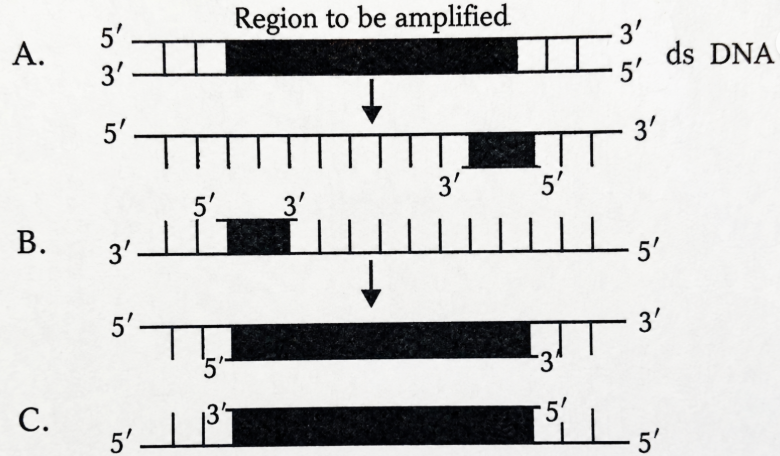
[4 Marks] Diagram 33 – NEET-UG 2012 Question Paper — Set 2
  • (A) B - Denaturation at a temperature of about 98°C separating the two DNA strands.
  • (B) A - Denaturation at a temperature of about 50°C.
  • (C) A - Annealing with two sets of primers.
  • (D) C - Extension in the presence of heat stable DNA Polymerase.
Question 109.

Tobacco plants resistant to a nematode have been developed by the introduction of DNA that produced (in the host cells)

[4 Marks]
  • (A) both sense and anti-sense RNA
  • (B) a particular hormone
  • (C) an antifeedant
  • (D) a toxic protein
Question 110.

The first clinical gene therapy was given for treating

[4 Marks]
  • (A) chicken pox
  • (B) diabetes mellitus
  • (C) rheumatoid arthritis
  • (D) adenosine deaminase deficiency
Question 111.

Cuscuta is an example of

[4 Marks]
  • (A) ectoparasitism
  • (B) brood parasitism
  • (C) predation
  • (D) endoparasitism
Question 112.

The rate of formation of new organic matter by rabbit in a grassland, is called

[4 Marks]
  • (A) net productivity
  • (B) secondary productivity
  • (C) gross primary productivity
  • (D) net primary productivity
Question 113.

The second stage of hydrosere is occupied by plants like

[4 Marks]
  • (A) Typha
  • (B) Azolla
  • (C) Salix
  • (D) Vallisneria
Question 114.

Identify the likely organisms (1), (2), (3) and (4) in the food web shown below.
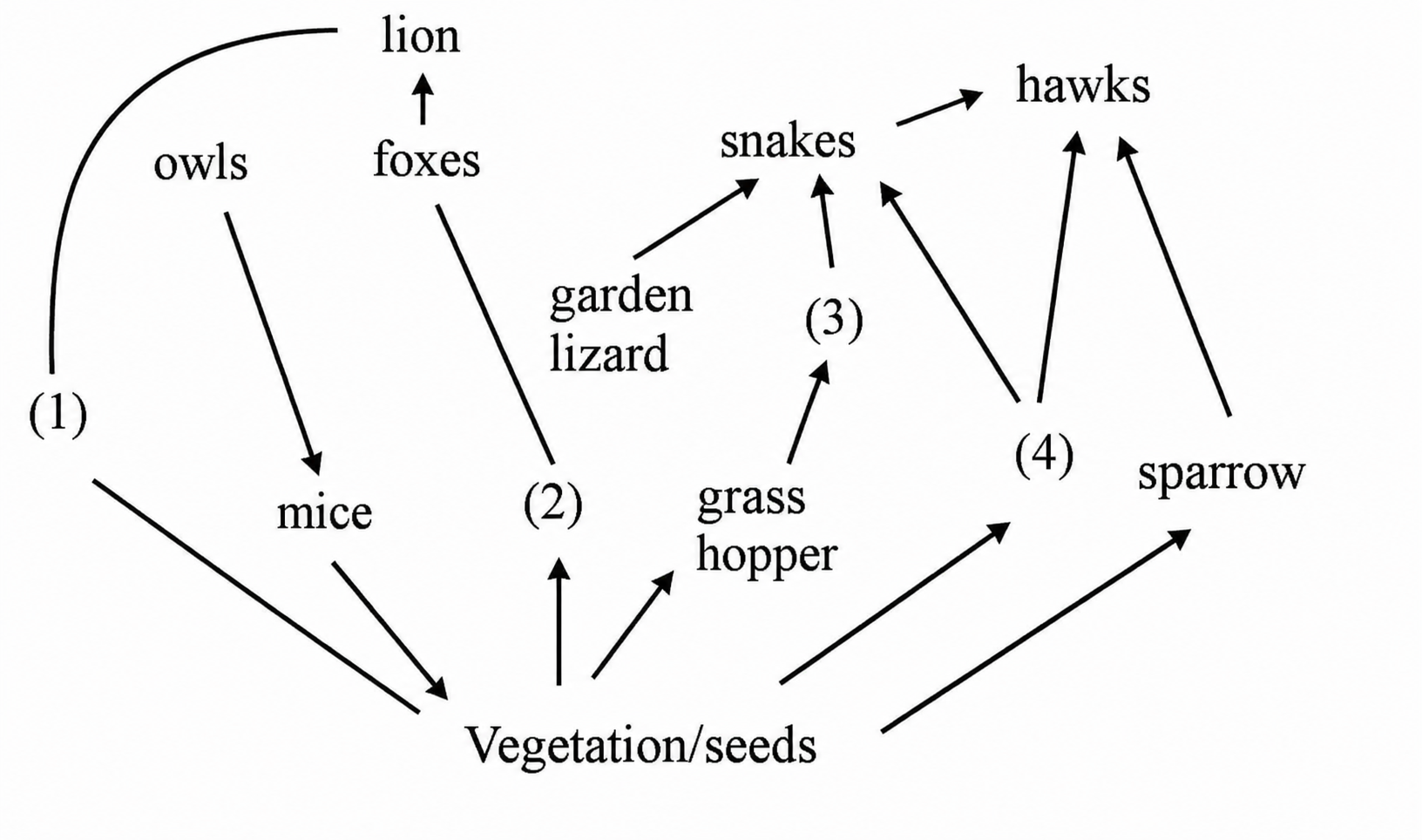
[4 Marks] Diagram 34 – NEET-UG 2012 Question Paper — Set 2
  • (A) (1) → Squirrel, (2) → Cat, (3) →Rat, (4) → Pigeon
  • (B) (1) → Rat, (2) → Dog, (3) → Tortoise, (4) → Crow
  • (C) (1) → Deer, (2) → Rabbit, (3) → Frog, (4) → Rat
  • (D) (1) → Dog, (2) → Squirrel, (3) → Bat, (4) → Deer
Question 115.

Sacred groves are specially useful in

[4 Marks]
  • (A) preventing soil erosion.
  • (B) year-round flow of water in rivers.
  • (C) generating environmental awareness.
  • (D) conserving rare and threatened species.
Question 116.

Select the correct statement about bio-diversity.

[4 Marks]
  • (A) Large scale planting of Bt cotton has no adverse effect on biodiversity.
  • (B) Western Ghats have a very high degree of species richness and endemism.
  • (C) The desert areas of Rajasthan and Gujarat have a very high level of desert animal species as well as numerous rare animals.
  • (D) Conservation of biodiversity is just a fad pursued by the developed countries.
Question 117.

Which one of the following is a wrong statement regarding mutations?

[4 Marks]
  • (A) Cancer cells commonly show chromosomal aberrations.
  • (B) Deletion and insertion of base pairs cause frame-shift mutations.
  • (C) UV and gamma rays are mutagen.
  • (D) Change in a single bp of DNA does not cause mutation.
Question 118.

A test cross is carried out to

[4 Marks]
  • (A) assess the number of alleles of a gene
  • (B) determine whether two species or varieties will breed successfully
  • (C) predict whether two traits are linked
  • (D) determine the genotype of a plant at F2
Question 119.

A particle has initial velocity (2î + 3ĵ) and acceleration (0.3î + 0.2ĵ). The magnitude of velocity after 10 seconds will be:

[4 Marks]
  • (A) 9 units
  • (B) 5 units
  • (C) 5√2 units
  • (D) 9√2 units
Question 120.

A car of mass 1000 kg negotiates a banked curve of radius 90 m on a frictionless road. If the banking angle is 45°, the speed of the car is:

[4 Marks]
  • (A) 10 ms⁻¹
  • (B) 5 ms⁻¹
  • (C) 30 ms⁻¹
  • (D) 20 ms⁻¹