NEET-UG 2012 Question Paper

QUESTION PAPER

2012 NEET EXAM

NEET-UG 2012 Question Paper

2012

NEET-UG

CBSE EXAMINATION PAPER-2012

NEET-ZOOLOGY

(Solved)

Time allowed : 3 hours

Maximum Marks : 800

General Instructions :

Read the following instructions carefully and follow them :

  1. This question paper contains 200 questions. All questions are compulsory.
  2. This question paper is divided into 1 sections.
  3. Section A – questions number 1 to 200 are multiple choice questions
  4. There is no overall choice given in the question paper. However, an internal choice has been provided in few questions.
  5. Use of calculator is NOT allowed.

Section A

Question 1.

A particle has initial velocity (2î + 3ĵ) and acceleration (0.3î + 0.2ĵ). The magnitude of velocity after 10 seconds will be:

[4 Marks]
  • (A) 9√2 units
  • (B) 5√2 units
  • (C) 5 units
  • (D) 9 units
Question 2.

The motion of a particle along a straight line is described by equation:
x = 8 + 12t − t³
where x is in metre and t in second. The retardation of the particle when its velocity becomes zero, is:

[4 Marks]
  • (A) 6 ms⁻²
  • (B) 12 ms⁻²
  • (C) zero
  • (D) 24 ms⁻²
Question 3.

The horizontal range and the maximum height of a projectile are equal. The angle of projection of the projectiles is:

[4 Marks]
  • (A) θ = tan⁻¹(1/4)
  • (B) θ = tan⁻¹(2)
  • (C) θ = tan⁻¹(4)
  • (D) θ = 45°
Question 4.

A car of mass 1000 kg negotiates a banked curve of radius 90 m on a frictionless road. If the banking angle is 45°, the speed of the car is:

[4 Marks]
  • (A) 20 ms⁻¹
  • (B) 30 ms⁻¹
  • (C) 5 ms⁻¹
  • (D) 10 ms⁻¹
Question 5.

A solid cylinder of mass 3 kg is rolling on a horizontal surface with velocity 4 ms⁻¹. It collides with a horizontal spring of force constant 200 Nm⁻¹. The maximum compression produced in the spring will be:

[4 Marks]
  • (A) 0.5 m
  • (B) 0.6 m
  • (C) 0.7 m
  • (D) 0.2 m
Question 6.

Two spheres A and B of masses m₁ and m₂ respectively collide. A is at rest initially and B is moving with velocity v along x-axis. After collision B has a velocity v/2 in a direction perpendicular to the original direction. The mass A moves after collision in the direction.

[4 Marks]
  • (A) θ = tan⁻¹(1/2) to the x-axis
  • (B) θ = tan⁻¹(−1/2) to the x-axis
  • (C) Opposite to that of B
  • (D) Same as that of B
Question 7.

Two persons of masses 55 kg and 65 kg respectively, are at the opposite ends of a boat. The length of the boat is 3.0 m and weighs 100 kg. The 55 kg man walks up to the 65 kg man and sits with him. If the boat is in still water the centre of mass of the system shifts by

[4 Marks]
  • (A) 0.75m
  • (B) zero
  • (C) 2.3m
  • (D) 3.0m
Question 8.

When a mass is rotating in a plane about a fixed point, its angular momentum is directed along :

[4 Marks]
  • (A) a line perpendicular to the plane of rotation
  • (B) the line making an angle of 45° to the plane of’ rotation
  • (C) the tangent to the orbit
  • (D) the radius
Question 9.

ABC is an equilateral triangle with O as its centre. 𝐅⃗₁, 𝐅⃗₂ and 𝐅⃗₃ represent three forces acting along the sides AB, BC and AC respectively. If the total torque about O is zero, the magnitude of 𝐅⃗₃ is:
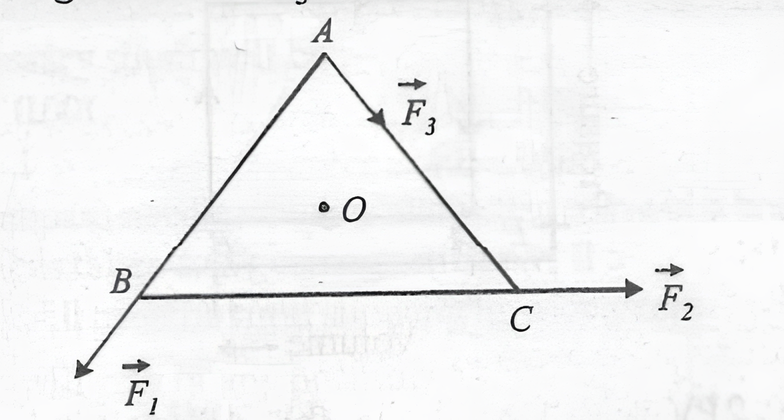
[4 Marks] Diagram 1 – NEET-UG 2012 Question Paper
  • (A) F₁ + F₂
  • (B) (F₁ + F₂)/2
  • (C) 2(F₁ + F₂)
  • (D) F₁ − F₂
Question 10.

A spherical planet has a mass Mₚ and diameter Dₚ. A particle of mass m falling freely near the surface of this planet will experience an acceleration due to gravity, equal to:


[4 Marks]
  • (A) GMₚ/D²ₚ
  • (B) 4GMₚ/D²ₚ
  • (C) GMₚm/D²ₚ
  • (D) 4GMₚm/D²ₚ
Question 11.

The height at which the weight of a body becomes 1/16th, its weight on the surface of earth (radius R), is:

[4 Marks]
  • (A) 5R
  • (B) 15R
  • (C) 3R
  • (D) 4R
Question 12.

A geostationary satellite s orbiting the earth at a height of 5R above that surface of the earth, R being the radius of the earth. The time period of another satellite in hours at a height of 2R from the surface of the earthis:

[4 Marks]
  • (A) 6 / √2
  • (B) 6√2
  • (C) 10
  • (D) 5
Question 13.

If the radius of a star is R and it acts as a black body, what would be the temperature of the star, in which the rate of energy production is Q?
(σ stands for Stefan’s constant)

[4 Marks]
  • (A) Q/4πR²σ
  • (B) (Q/4πR²σ)⁻¹ᐟ²
  • (C) (Q/4πR²σ)¹ᐟ⁴
  • (D) (4πR²Q/σ)¹ᐟ⁴
Question 14.

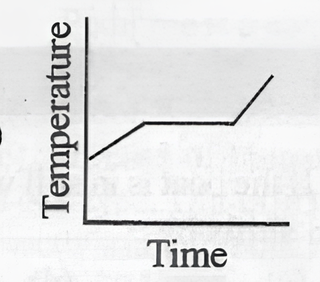
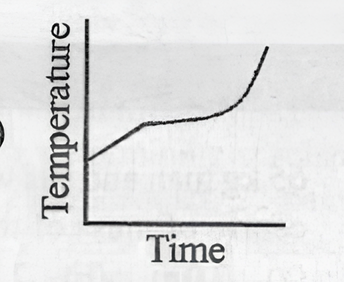
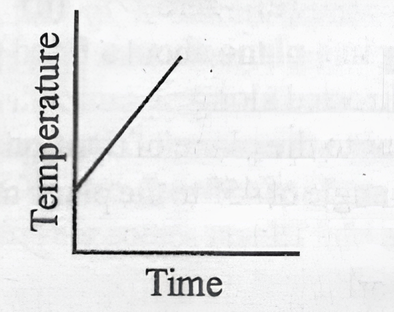
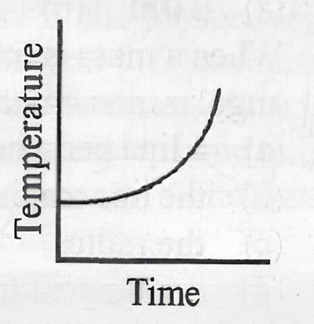
Liquid oxygen at 50K is heated to 300 K at constant pressure of 1 atm. The rate of heating is constant. Which one of the following graphs represents the variation of temperature with time?

[4 Marks]
  • (A) a Diagram 2 – NEET-UG 2012 Question Paper
  • (B) b Diagram 3 – NEET-UG 2012 Question Paper
  • (C) c Diagram 4 – NEET-UG 2012 Question Paper
  • (D) d Diagram 5 – NEET-UG 2012 Question Paper
Question 15.

A thermodynamic system is taken through the cycle ABCD as shown in figure. Heat rejected by the gas during the cyclic process is :
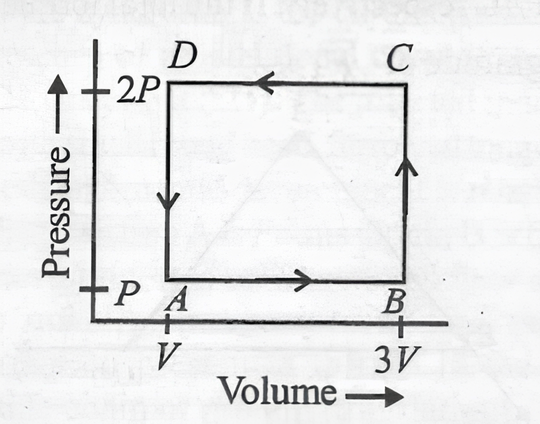
[4 Marks] Diagram 6 – NEET-UG 2012 Question Paper
  • (A) PV
  • (B) 1 / 2 PV
  • (C) 2PV
  • (D) 4PV
Question 16.

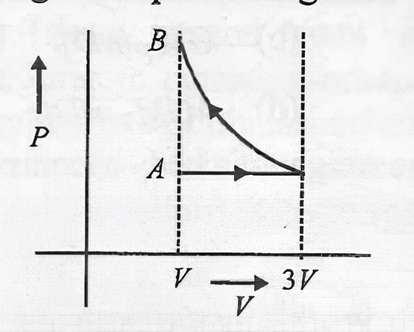
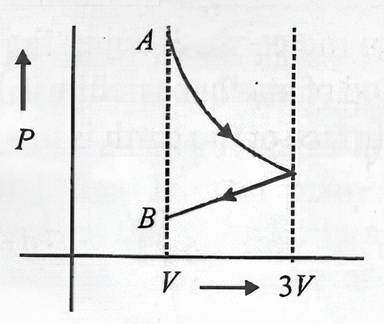
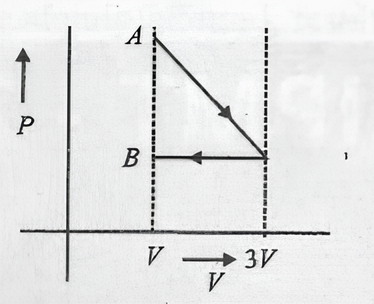
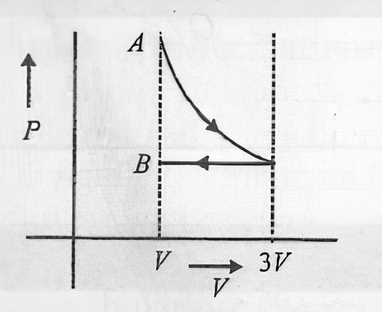
One mole of an ideal gas goes from an initial state A to final state B via two processes : It first undergoes isothermal expansion from volume V to 3V and then its volume is reduced from 3V to V at constant pressure. The correct P-V diagram representing the two processes is :

[4 Marks]
  • (A) a Diagram 7 – NEET-UG 2012 Question Paper
  • (B) b Diagram 8 – NEET-UG 2012 Question Paper
  • (C) c Diagram 9 – NEET-UG 2012 Question Paper
  • (D) d Diagram 10 – NEET-UG 2012 Question Paper
Question 17.

The damping force for an oscillator is directly proportional to the velocity. The unit of the constant of proportionality is:

[4 Marks]
  • (A) kgms⁻¹
  • (B) kgms⁻²
  • (C) kgs⁻¹
  • (D) kgs
Question 18.

If n₁, n₂ and n₃ are the fundamental frequencies of three segments into which a string is divided, then the original fundamental frequency n of the string is given by :

[4 Marks]
  • (A) 1/√n = 1/√n₁ + 1/√n₂ + 1/√n₃
  • (B) 1/n = 1/n₁ + 1/n₂ + 1/n₃
  • (C) √n = √n₁ + √n₂ + √n₃
  • (D) n = n₁ + n₂ + n₃
Question 19.

Two sources of sound placed close to each other are emitting progressive waves given by y₁ = 4 sin 600πt and y₂ = 5 sin 608πt. An observer located near these two sources of sound will hear:


[4 Marks]
  • (A) 8 beats per second with intensity ratio 25 : 16 between waxing and waning.
  • (B) 8 beats per second with intensity ratio 81 : 1 between waxing and waning.
  • (C) 4 beats per second with intensity ratio 25 : 16 between waxing and waning.
  • (D) 4 beats per second with intensity ratio 81 : 1 between waxing and waning.
Question 20.

An electric dipole of moment 'p' is placed in an electric field of intensity 'E'. The dipole acquires a position such that the axis of the dipole makes an angle θ with the direction of the field. Assuming that the potential energy of the dipole to be zero when = 90°, the torque and the potential energy of the dipole will be respectively be:

[4 Marks]
  • (A) pE cos θ, −pE cos θ
  • (B) pE sin θ, 2 pE cos θ
  • (C) pE sin θ, −pE cos θ
  • (D) pE sin θ, −2 pE cos θ
Question 21.

What is the flux through a cube of side 'a' if a point charge q is at one of its corner:

[4 Marks]
  • (A) 2q/ε₀
  • (B) q/8ε₀
  • (C) q/ε₀
  • (D) q/2ε₀
Question 22.

Four point charges -Q, -q, 2q and 2Q are placed, one at each corner of the square. The relation between Q and q for which the potential at the centre of the square is zero is:

[4 Marks]
  • (A) Q = 1 / q
  • (B) Q = q
  • (C) Q = -1 / q
  • (D) Q = -q
Question 23.

The potential energy of particle in a force field is U = A / r² - B / r, where A and B are positive constants and r is the distance of particle from the centre of the field. For stable equilibrium, the distance of the particle is:

[4 Marks]
  • (A) B / 2A
  • (B) 2A / B
  • (C) A / B
  • (D) B / A
Question 24.

A ring is made of a wire having a resistance R₀=12Ω. Find the points A and B as shown in the figure, at which a current carrying conductor should be connected so that the resistance R of the sub-circuit between these points is equal to 8/3 Ω.
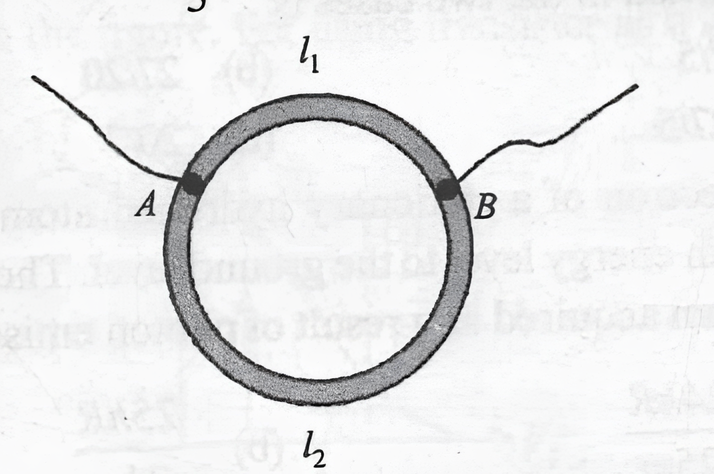
[4 Marks] Diagram 11 – NEET-UG 2012 Question Paper
  • (A) l₁ / l₂ = 1 / 3
  • (B) l₁ / l₂ = 5 / 8
  • (C) l₁ / l₂ = 3 / 8
  • (D) l₁ / l₂ = 1 / 2
Question 25.

If voltage across a bulb rated 220 Volt-100 Watt drops by 2.5% of its rated value, the percentage of the rated value by which the power would decrease is:

[4 Marks]
  • (A) 20%
  • (B) 2.5%
  • (C) 10%
  • (D) 5%
Question 26.

In the circuit shown the cells A and B have negligible resistances. For V_A= 12V, R₁ = 500Ω and R = 100Ω the galvanometer (G) shows no deflection. The value of V_B is:
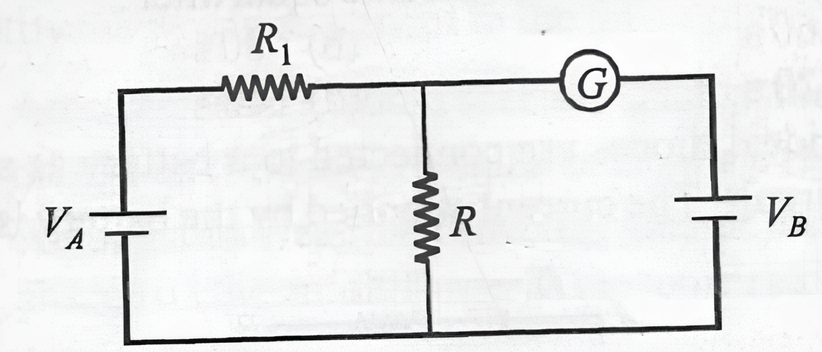
[4 Marks] Diagram 12 – NEET-UG 2012 Question Paper
  • (A) 2 V
  • (B) 4 V
  • (C) 12 V
  • (D) 6 V
Question 27.

An alternating electric field, of frequency v, is applied across the dees (radius = R) of a cyclotron that is being used to accelerate protons (mass = m). The operating magnetic field (B) used in the cyclotron and the kinetic energy (K) of

the proton beam, produced by it, are given by :

[4 Marks]
  • (A) B = 2πmν/e and K = m²πνR²
  • (B) B = mv/e and K = m²πνR²
  • (C) B = 2πmν/e and K = 2mπ²ν²R²
  • (D) B = mv/e and K = 2mπ²ν²R²
Question 28.

An α-particle moves in a circular path of radius 0.83 cm in the presence of a magnetic field of 0.25 Wb/m². The wavelength associated with the particle will be :

[4 Marks]
  • (A) 0.01 Å
  • (B) 0.1 Å
  • (C) 1 Å
  • (D) 10 Å
Question 29.

Two similar coils of radius R are lying concentrically with their planes at right angles to each other. The currents flowing in them are I and 2I, respectively. The resultant magnetic field induction at the center will be :

[4 Marks]
  • (A) (√5 μ₀I) / (2R)
  • (B) (3μ₀I) / (2R)
  • (C) (μ₀I) / (2R)
  • (D) (μ₀I) / R
Question 30.

A milli voltmeter of 25 milli volt range is to be converted into an ammeter of 25 ampere range. The value (in ohm) of necessary shunt will be :

[4 Marks]
  • (A) 0.001
  • (B) 0.01
  • (C) 1
  • (D) 0.05
Question 31.

A compass needle which is allowed to move in a horizontal plane is taken toa geomagnetic pole. It :

[4 Marks]
  • (A) will become rigid showing no movement
  • (B) will stay in any position
  • (C) will stay in north-south direction only
  • (D) will stay in east-west direction only
Question 32.

A coil of resistance 400Ω is placed in a magnetic field. If the magnetic flux ϕ (wb) linked with the coil varies with time t (sec) as ϕ = 50t² + 4. The current in the coil at t = 2 sec is :

[4 Marks]
  • (A) 0.5 A
  • (B) 0.1 A
  • (C) 2 A
  • (D) 1 A
Question 33.

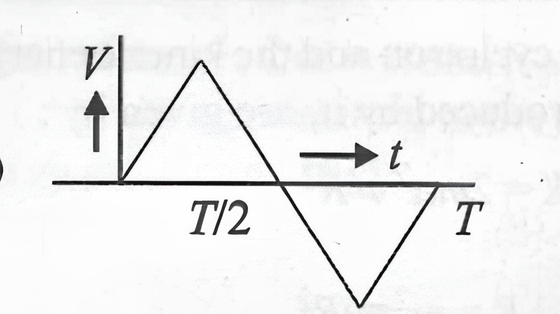
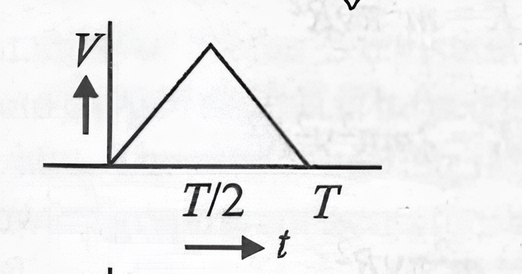
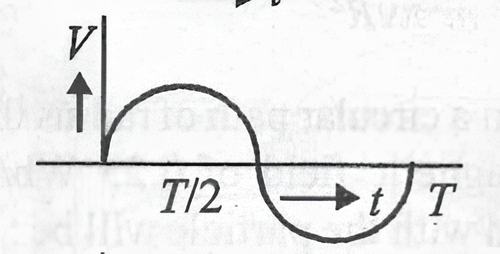
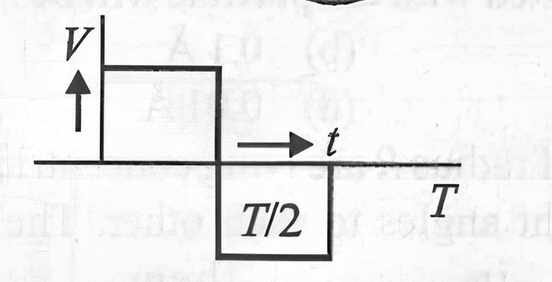
The current (I) in the inductance is varying with time according to the plot shown in figure.

Which one of the following is the correct variation of voltage with time in the coil?
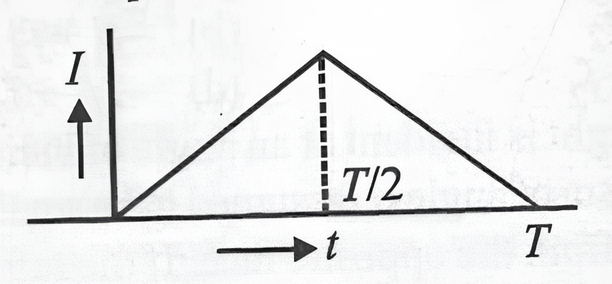
[4 Marks] Diagram 13 – NEET-UG 2012 Question Paper
  • (A) a Diagram 14 – NEET-UG 2012 Question Paper
  • (B) b Diagram 15 – NEET-UG 2012 Question Paper
  • (C) c Diagram 16 – NEET-UG 2012 Question Paper
  • (D) d Diagram 17 – NEET-UG 2012 Question Paper
Question 34.

In an electrical circuit R, L, C and an a.c. voltage source are all connected in series. When L is removed from the circuit, the phase difference between the voltage the current in the circuit is π / 3. If instead, C is removed from the circuit, the phase difference is again π / 3. The power factor of the circuit is:

[4 Marks]
  • (A) 1
  • (B) 1 / 2
  • (C) 1 / √2
  • (D) √3 / 2
Question 35.

The electric field associated with an e.m. wave in vacuum is given by 𝐄⃗ = î 40 cos (kz − 6 × 10⁸t), where E, z and t are in volt / m, meter and seconds respectively. The value of wave vector k is :

[4 Marks]
  • (A) 2 m⁻¹
  • (B) 0.5 m⁻¹
  • (C) 3 m⁻¹
  • (D) 6 m⁻¹
Question 36.

When a biconvex lens of glass having refractive index 1.47 is dipped in a liquid, it acts as a plane sheet of glass. This implies that the liquid must have refractive index.

[4 Marks]
  • (A) equal to that of glass
  • (B) less than one
  • (C) greater than that of glass
  • (D) less then that of glass
Question 37.

A concave mirror of focal length ‘f₁’ is placed at a distance of ‘d’ from a convex lens of focal length ‘f₂’. A beam of light coming from infinity and falling on this convex lens- concave mirror combination returns to infinity.
The distance ‘d’ must equal :

[4 Marks]
  • (A) f₁ + f₂
  • (B) −2f₁ + f₂
  • (C) 2f₁ + f₂
  • (D) −f₁ + f₂
Question 38.

A ray of light is incident at an angle of incidence, i, on one face of a prism of angle A (assumed to be small) and emerges normally from the opposite face. If the refractive index of the prism is μ, the angle of incidence, i, is nearly equal to :

[4 Marks]
  • (A) μA
  • (B) μA / 2
  • (C) A / μ
  • (D) A / 2μ
Question 39.

The magnifying power of a telescope is 9. When it is adjusted for parallel rays the distance between the objective and eyepiece is 20 cm. The focal length of lenses are :

[4 Marks]
  • (A) 10 cm, 10 cm
  • (B) 15 cm, 5 cm
  • (C) 11 cm, 9 cm
  • (D) 18 cm, 2 cm
Question 40.

A 200 W sodium street lamp emits yellow light of wavelength 0.6 μm. Assuming it to be 25% efficient in converting electrical energy to light, the number of photons of yellow light it emits per second is :

[4 Marks]
  • (A) 6 × 10¹⁸
  • (B) 1.5 × 10²⁰
  • (C) 62 × 10²⁰
  • (D) 3 × 10¹⁹
Question 41.

Monochromatic radiation emitted when electron on hydrogen atom jumps from first excited to the ground state irradiates a photosensitive material. The stopping potential is measured to be 3.57 V. The threshold frequency of the materials is :

[4 Marks]
  • (A) 4 × 10¹⁵ Hz
  • (B) 5 × 10¹⁵ Hz
  • (C) 1.6 × 10¹⁵ Hz
  • (D) 2.5 × 10¹⁵ Hz
Question 42.

Electron in hydrogen atom first jumps from third excited state to second excited state and then from second excited to first excited state. The ratio of the wavelength λ₁ : λ₂ emitted in the two cases is

[4 Marks]
  • (A) 7/5
  • (B) 27/20
  • (C) 27/5
  • (D) 20/7
Question 43.

An electron of a stationary hydrogen atom passes from the fifth energy level to the ground level. The velocity that the atom acquired as a result of photon emission will be :

(m = mass of the electron, R, Rydberg constant and h Planck's constant)

[4 Marks]
  • (A) 25m / 24hR
  • (B) 24hR / 25m
  • (C) 24m / 25hR
  • (D) 25hR / 24m
Question 44.

If the nuclear radius of ²⁷Al is 3.6 Fermi, the approximate nuclear radius of ⁶⁴Cu in Fermi is:

[4 Marks]
  • (A) 4.8
  • (B) 3.6
  • (C) 2.4
  • (D) 1.2
Question 45.

A mixture consists of two radioactive materials A₁ and A₂ with half lives of 20 s and 10 s respectively. Initially the mixture has 40 g of A₁ and 160 g of A₂. The amount of the two in the mixture will become equal after :

[4 Marks]
  • (A) 20 s
  • (B) 80 s
  • (C) 60 s
  • (D) 40 s
Question 46.

Two ideal diodes are connected to a battery as shown in the circuit. The current supplied by the battery is :
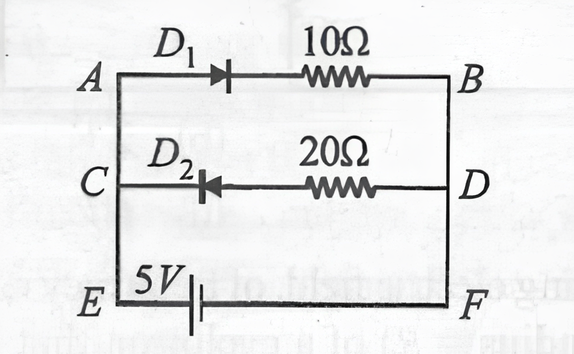
[4 Marks] Diagram 18 – NEET-UG 2012 Question Paper
  • (A) 0.5 A
  • (B) 0.75 A
  • (C) zero
  • (D) 0.25 A
Question 47.

C and Si both have same lattice structure, having 4 bonding electrons in each. However, C is insulator whereas Si is intrinsic semiconductor. This is because :

[4 Marks]
  • (A) In case of C the valence band is not completely filled at absolute zero temperature.
  • (B) In case of C the conduction band is partly filled even at absolute zero temperature.
  • (C) The four bonding electrons in the case of C lie in the second orbit, whereas in the case of Si they lie in the third.
  • (D) The four bonding electrons in the case of C lie in the third orbit, whereas for Si they lie in the fourth orbit.
Question 48.

In a CE transistor amplifier, the audio signal voltage across the collector resistance of 2kΩ is 2V. If the base resistance is 1kΩ and the current amplification of the transistor is 100, the input signal voltage is :

[4 Marks]
  • (A) 1 mV
  • (B) 10 mV
  • (C) 0.1 V
  • (D) 1.0 V
Question 49.

Transfer characteristics [output voltage (V₀) vs input voltage (V₁)] for a base biased transistor in CE configuration is as shown in the figure. For using transistor as a switch, it is used :
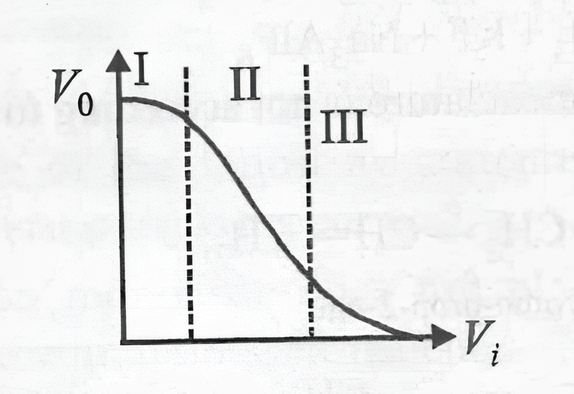
[4 Marks] Diagram 19 – NEET-UG 2012 Question Paper
  • (A) in region III
  • (B) both in region (I) and (III)
  • (C) in region Il
  • (D) in region (I)
Question 50.

The figure shows a logic circuit with two inputs A and B and the output C. The voltage wave forms across A ,B and C are as given. The logic circuit gate is :
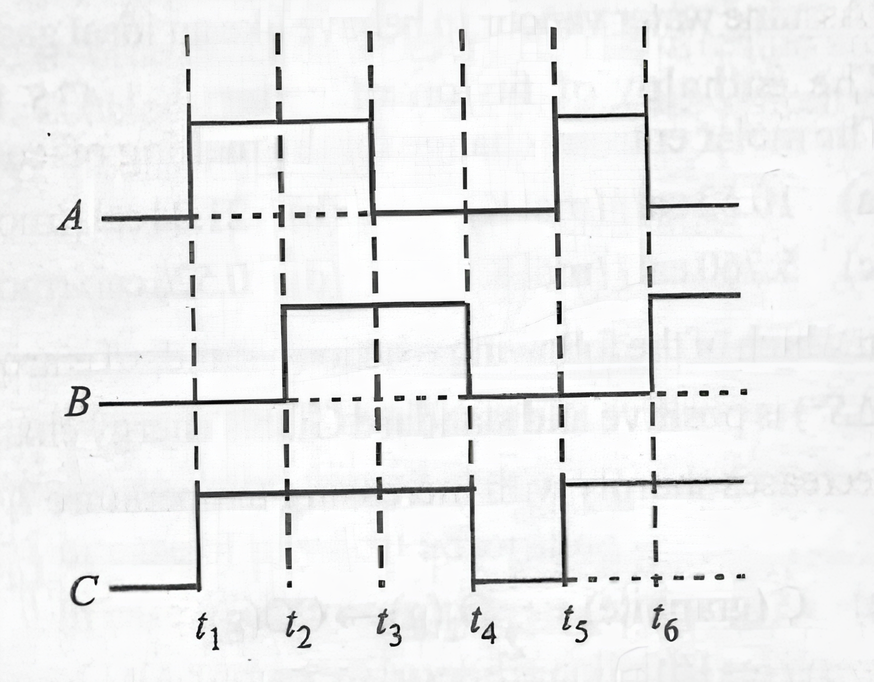
[4 Marks] Diagram 20 – NEET-UG 2012 Question Paper
  • (A) NOR gate
  • (B) OR gate
  • (C) AND gate
  • (D) NAND gate
Question 51.

The correct set of four quantum numbers for the valence electron of rubidium atom (Z=37) is

[4 Marks]
  • (A) 5,1,0, +1/2
  • (B) 5,0,0, +1/2
  • (C) 6,0,0, +1/2
  • (D) 5,1,1+1/2
Question 52.

Maximum number of electrons in a subshell with : /=3 and n = 4 is:

[4 Marks]
  • (A) 12
  • (B) 10
  • (C) 16
  • (D) 14
Question 53.

Identify the wrong statement in the following:

[4 Marks]
  • (A) Amongst isoelectronic species, smaller the positive charge on the cation, smaller is the ionic radius.
  • (B) Atomic radius of the elements decreases as one moves across from left to right in the 2ⁿᵈ period of the periodic table.
  • (C) Atomic radius of the elements increases as one moves down the first group of the periodic table.
  • (D) Amongst isoelectronic species, greater the negative charge on the anion, larger is the ionic radius.
Question 54.

Which of the following species contains three bond pairs and one lone pair around the central atom ?

[4 Marks]
  • (A) H₂O
  • (B) BF₃
  • (C) NH₂⁻
  • (D) PCl₃
Question 55.

Which one of the following pairs is isostructural (i.e., having the same shape and hybridization)?

[4 Marks]
  • (A) [BCl₃ and BrCl₃⁻]
  • (B) [NH₃ and NO₃⁻]
  • (C) [NF₃ and BF₃]
  • (D) [BF₄⁻ and NH₄⁺]
Question 56.

The pair of species with the same bond order is:

[4 Marks]
  • (A) N₂ , O₂
  • (B) NO,CO
  • (C) O₂⁺, NO⁺
  • (D) O₂²⁻, B₂
Question 57.

Bond order of 1.5 is shown by

[4 Marks]
  • (A) O₂²⁻
  • (B) O₂
  • (C) O₂⁻
  • (D) O₂⁺
Question 58.

Standard enthalpy of vapourisation ΔᵥₐₚH° for water at 100°C is 40.66 kJ mol⁻¹. The internal energy of vapourisation of water at 100°C (in kJ mol⁻¹) is:

[4 Marks]
  • (A) −43.76
  • (B) +40.66
  • (C) +43.76
  • (D) +37.56
Question 59.

The enthalpy of fusion of water is 1.435 kcal/mol. The molar entropy change for the melting of ice at 0°C is:

[4 Marks]
  • (A) 5.260 cal / (mol K)
  • (B) 0.526 cal / (mol K)
  • (C) 21.04 cal / (mol K)
  • (D) 10.52 cal / (mol K)
Question 60.

In which of the following reactions, standard entropy change (ΔS°) is positive and standard Gibb's energy change (ΔG°) decreases sharply with increasing temperature?

[4 Marks]
  • (A) 1/2 C (graphite) + 1/2 O₂(g) → 1/2 CO₂(g)
  • (B) Mg(s) + 1/2 O₂(g) → MgO(s)
  • (C) CO(g) + 1/2 O₂(g) → CO₂(g)
  • (D) C (graphite) + 1/2 O₂(g) → CO(g)
Question 61.

pH of a saturated solution of Ba(OH)₂ is 12. The value of solubility product (Kₛₚ) of Ba(OH)₂ is :

[4 Marks]
  • (A) 5.0 × 10⁻⁶
  • (B) 4.0 × 10⁻⁶
  • (C) 3.3 × 10⁻⁷
  • (D) 5.0 × 10⁻⁷
Question 62.

Equimolar solutions of the following substances were prepared separately. Which one of these will record the highest pH value ?

[4 Marks]
  • (A) BeCl₂
  • (B) LiCl
  • (C) AlCl₃
  • (D) BaCl₂
Question 63.

Buffer solutions have constant acidity and alkalinity because

[4 Marks]
  • (A) they have large excess of H⁺ or OH⁻ ions
  • (B) they have fixed value of pH
  • (C) these give unionised acid or base on reaction with added acid or alkali.
  • (D) acids and alkalies in these solutions are shielded from attack by other ions.
Question 64.

A mixture of potassium chlorate, oxalic acid and sulphuric acid is heated. During the reaction which element undergoes maximum change in the oxidation number ?

[4 Marks]
  • (A) S
  • (B) H
  • (C) C
  • (D) Cl
Question 65.

When Cl₂ gas reacts with hot and concentrated sodium hydroxide solution, the oxidation number of chlorine changes from :

[4 Marks]
  • (A) zero to +1 and zero to −3
  • (B) zero to −1 and zero to +3
  • (C) zero to +1 and zero to −5
  • (D) zero to −1 and zero to +5
Question 66.

Which one of the alkali metals, forms only, the normal oxide, M₂O on heating in air ?

[4 Marks]
  • (A) Li
  • (B) Na
  • (C) K
  • (D) Rb
Question 67.

The ease of adsorption of the hydrated alkali metal ions on an ion-exchange resins follows the order :

[4 Marks]
  • (A) Li⁺ < K⁺ < Na⁺ < Rb⁺
  • (B) Rb⁺ < K⁺ < Na⁺ < Li⁺
  • (C) Na⁺ < Li⁺ < K⁺ < Rb⁺
  • (D) K⁺ < Na⁺ < Rb⁺ < Li⁺
Question 68.

Aluminium is extracted from alumina (Al₂O₃) by electrolysis of a molten mixture of :

[4 Marks]
  • (A) Al₂O₃ + HF + NaAlF₄
  • (B) Al₂O₃ + CaF₂ + NaAlF₄
  • (C) Al₂O₃ + Na₃AlF₆ + CaF₂
  • (D) Al₂O₃ + KF + Na₃AlF₆
Question 69.

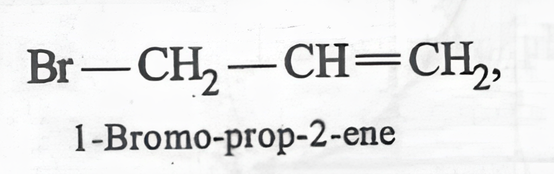
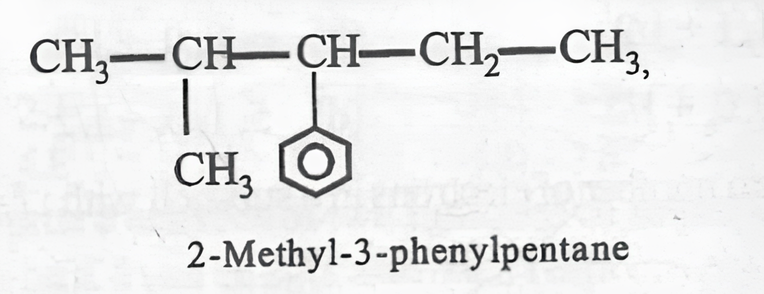
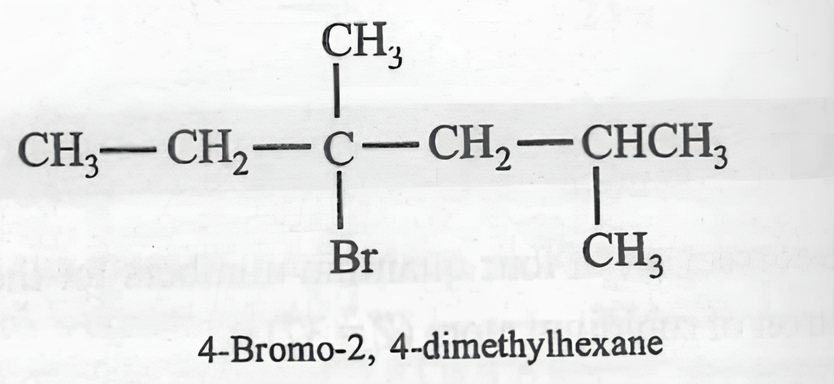
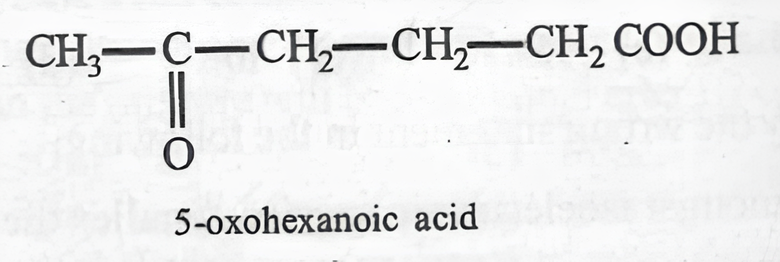
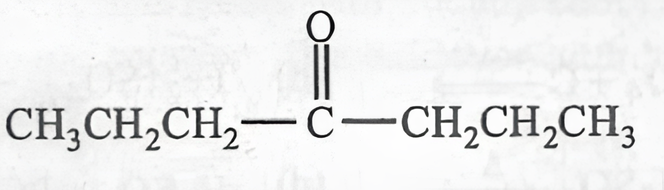
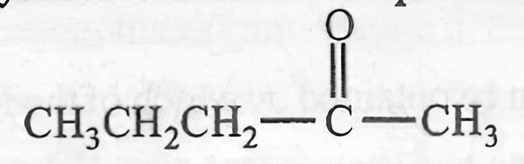
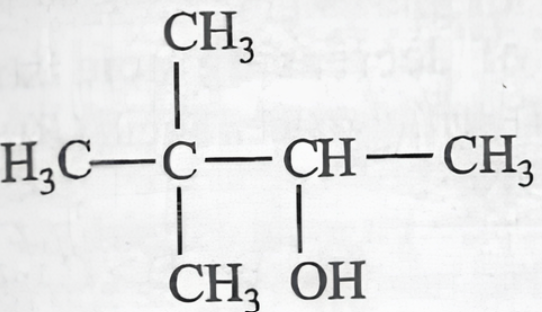
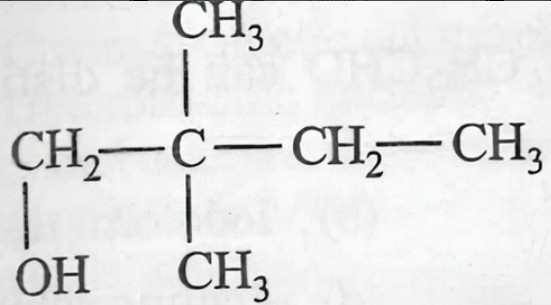
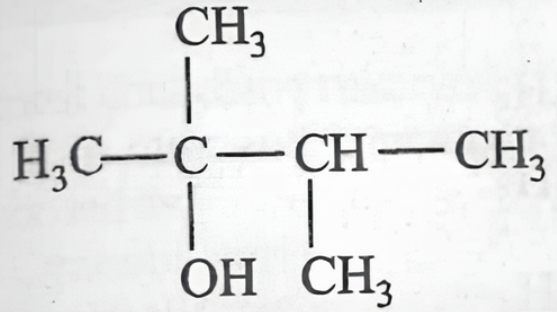
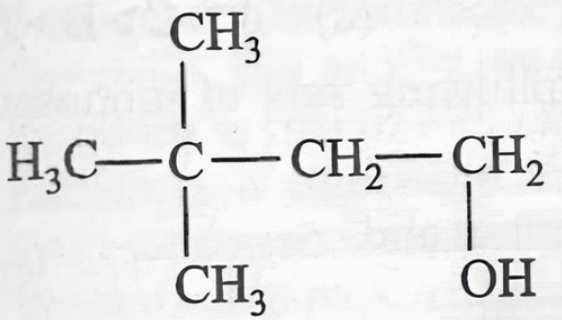
Which nomenclature is not according to IUPAC system?

[4 Marks]
  • (A) Diagram 21 – NEET-UG 2012 Question Paper
  • (B) Diagram 22 – NEET-UG 2012 Question Paper
  • (C) Diagram 23 – NEET-UG 2012 Question Paper
  • (D) Diagram 24 – NEET-UG 2012 Question Paper
Question 70.

Among the following compounds the one that is most reactive towards electrophilic nitration is:

[4 Marks]
  • (A) Benzene
  • (B) Toluene
  • (C) Benzoic acid
  • (D) Nitrobenzene
Question 71.

Which one of the following statements regarding photochemical smog is not correct?

[4 Marks]
  • (A) Carbon monoxide does not play any role in photochemical smog formation.
  • (B) Photochemical smog is an oxidising agent in character.
  • (C) Photochemical smog is formed through photochemical reaction involving solar energy.
  • (D) Photochemical smog does not cause irritation in eyes and throat.
Question 72.

The number of octahedral void(s) per atom present in a cubic close-packed structure is :

[4 Marks]
  • (A) 1
  • (B) 3
  • (C) 2
  • (D) 4
Question 73.

A metal crystallizes with a face-centered cubic lattice. The edge length of the unit cell is 408 pm. The diameter of the metal atom is :

[4 Marks]
  • (A) 288 pm
  • (B) 408 pm
  • (C) 144 pm
  • (D) 204 pm
Question 74.

P_A and P_B are the vapour pressure of pure liquid components, A and B, respectively of an ideal binary solution. If X_A represents the mole fraction of component A, the total pressure of the solution will be

[4 Marks]
  • (A) P_b + Xₐ(Pₐ − P_b)
  • (B) P_b + Xₐ(P_b − Pₐ)
  • (C) Pₐ + Xₐ(Pₐ − P_b)
  • (D) Pₐ + Xₐ(P_b − Pₐ)
Question 75.

Limiting molar conductivity of NH₄OH

(i.e., Λ°ₘ(NH₄OH)) is equal to :

[4 Marks]
  • (A) Λ°ₘ_(NH₄OH) + Λ°ₘ_(NH₄Cl) − Λ°ₘ_(HCl)
  • (B) Λ°ₘ_(NH₄Cl) + Λ°ₘ_(NaOH) − Λ°ₘ_(NaCl)
  • (C) Λ°ₘ_(NH₄Cl) + Λ°ₘ_(NaCl) − Λ°ₘ_(NaOH)
  • (D) Λ°ₘ_(NaOH) + Λ°ₘ_(NaCl) − Λ°ₘ_(NH₄Cl)
Question 76.

In a reaction, A + B → Product, rate is doubled when the concentration of B is doubled, and rate increases by a factor of 8 when the concentrations of both the reactants (A and B) are doubled. Rate law for the reaction can be written as :

[4 Marks]
  • (A) Rate = k[A]²[B]²
  • (B) Rate = k[A]²[B]
  • (C) Rate = k[A][B]²
  • (D) Rate = k[A][B]
Question 77.

In a zero-order reaction for every 10° rise in temperature, the rate is doubled. If the temperature is increased from 10°C to 100°C, the rate of the reaction will become:

[4 Marks]
  • (A) 256 times
  • (B) 512 times
  • (C) 128 times
  • (D) 64 times
Question 78.

In Freundlich Adsorption isotherm, the value of 1/n is

[4 Marks]
  • (A) 1in caseof chemisorption
  • (B) 1in case of physical adsorption
  • (C) between 2 and 4 in all cases
  • (D) between 0 and 1 in all cases
Question 79.

The protecting power of lyophilic colloidal sol is expressed in terms of

[4 Marks]
  • (A) Coagulation value
  • (B) Gold number
  • (C) Critical miscelle concentration
  • (D) Oxidation number
Question 80.

Which one of the following is a mineral of iron?

[4 Marks]
  • (A) Cassiterite
  • (B) Magnetite
  • (C) Pyrolusite
  • (D) Malachite
Question 81.

Identify the alloy containing a non-metal as a constituent in it.

[4 Marks]
  • (A) Bronze
  • (B) Bell metal
  • (C) Invar
  • (D) Steel
Question 82.

In the extraction of copper from its sulphide ore, the metal finally obtained by the reduction of cuprous oxide with :

[4 Marks]
  • (A) iron (II) sulphide
  • (B) carbon monoxide
  • (C) copper (I) sulphide
  • (D) sulphur dioxide
Question 83.

In which of the following compounds, nitrogen exhibits highest oxidation state ?

[4 Marks]
  • (A) NH₂OH
  • (B) N₃H
  • (C) N₂H₄
  • (D) NH₃
Question 84.

Which of the following statements is not valid for oxoacids of phosphorus?

[4 Marks]
  • (A) Orthophosphoric acid is used in the manufacture of triple superphosphate.
  • (B) All oxoacids contain tetrahedral four coordinated phosphorus
  • (C) Hypophosphorous acid is a diprotic acid
  • (D) All oxoacids contain atleast one P= 0 and one P — OH group.
Question 85.

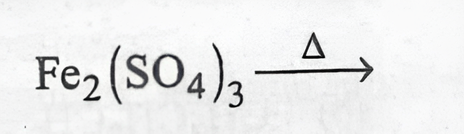
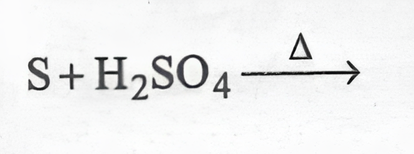
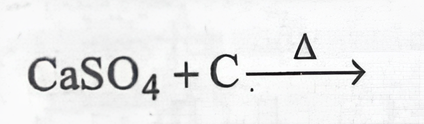
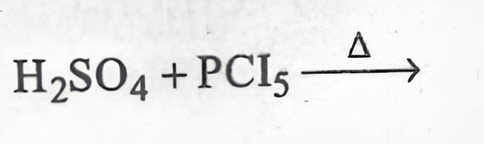
Sulphur trioxide can be obtained by which of the following reaction :

[4 Marks]
  • (A) Diagram 25 – NEET-UG 2012 Question Paper
  • (B) Diagram 26 – NEET-UG 2012 Question Paper
  • (C) Diagram 27 – NEET-UG 2012 Question Paper
  • (D) Diagram 28 – NEET-UG 2012 Question Paper
Question 86.

Which of the statements is not true?

[4 Marks]
  • (A) Na₂Cr₂O₇ is preferred over K₂Cr₂O₇ in volumetric analysis.
  • (B) On passing H₂S through acidified K₂Cr₂O₇ solution, a milky colour is observed.
  • (C) K₂Cr₂O₇ solution in acidic medium is orange.
  • (D) K₂Cr₂O₇ solution becomes yellow on increasing the pH beyond 7.
Question 87.

Which one of the following is an outer orbital complex and exhibits paramagnetic behaviour?

[4 Marks]
  • (A) [Co(NH₃)₆]³⁺
  • (B) [Ni(NH₃)₆]²⁺
  • (C) [Cr(NH₃)₆]³⁺
  • (D) [Zn(NH₃)₆]²⁺
Question 88.

Which of the following acids does not exhibit optical isomerism?

[4 Marks]
  • (A) Maleic acid
  • (B) Tartaric acid
  • (C) α-amino acids
  • (D) Lactic acid
Question 89.

In the following sequence of reactions
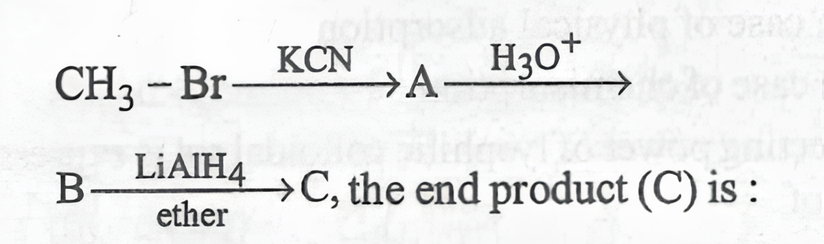
[4 Marks] Diagram 29 – NEET-UG 2012 Question Paper
  • (A) Ethyl alcohol
  • (B) Methane
  • (C) Acetaldehyde
  • (D) Acetone
Question 90.

Predict the product in the given reaction.
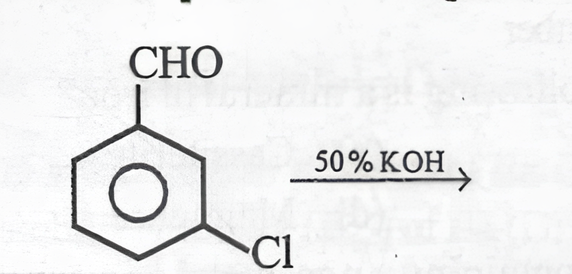
[4 Marks] Diagram 30 – NEET-UG 2012 Question Paper
  • (A) Diagram 31 – NEET-UG 2012 Question Paper
  • (B) Diagram 32 – NEET-UG 2012 Question Paper
  • (C) Diagram 33 – NEET-UG 2012 Question Paper
  • (D) Diagram 34 – NEET-UG 2012 Question Paper
Question 91.

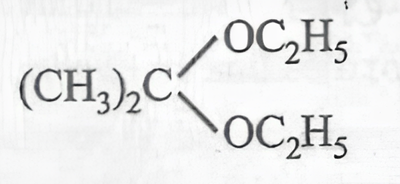
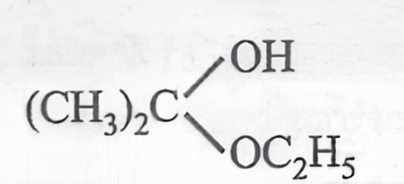
Acetone is treated with excess of ethanol in the presence of hydrochloric.acid. The product obtained is :

[4 Marks]
  • (A) Diagram 35 – NEET-UG 2012 Question Paper
  • (B) Diagram 36 – NEET-UG 2012 Question Paper
  • (C) Diagram 37 – NEET-UG 2012 Question Paper
  • (D) Diagram 38 – NEET-UG 2012 Question Paper
Question 92.

CH₃CHO and C₆H₅CH₂CHO can be distinguished chemically by :

[4 Marks]
  • (A) Fehling solution test
  • (B) Tollen's reagent test
  • (C) Iodoform test
  • (D) Benedict test
Question 93.

The correct order of decreasing acid strength of trichloroacetic acid (A), trifluoroacetic acid (B), acetic acid (C) and formic acid (D) is :

[4 Marks]
  • (A) A > C > B > D
  • (B) A > B > C > D
  • (C) B > D > C > A
  • (D) B > A > D > C
Question 94.

Which one of the following sets of monosaccharides forms sucrose?

[4 Marks]
  • (A) α-D-Glucopyranose and β-D-Fructofuranose
  • (B) α-D-Galactopyranose and α-D-Glucopyranose
  • (C) α-D-Glucopyranose and β-D-Fructopyranose
  • (D) β-D-Glucopyranose and α-D-Fructofuranose
Question 95.

Which one of the following statements is incorrect about enzyme catalysis?

[4 Marks]
  • (A) Enzymes are mostly proteinous in nature.
  • (B) Enzyme action is specific.
  • (C) Enzymes are denatured by ultraviolet rays and at high temperature.
  • (D) Enzymes are least reactive at optimum temperature.
Question 96.

Deficiency of vitamin B₁ causes the disease.

[4 Marks]
  • (A) Sterility
  • (B) Bari-Beri
  • (C) Convulsions
  • (D) Cheilosis
Question 97.

Which one of the following is not a condensation polymer?

[4 Marks]
  • (A) Melamine
  • (B) Glyptal
  • (C) Dacron
  • (D) Neoprene
Question 98.

Which of the following statements is false?

[4 Marks]
  • (A) The repeat unit in natural rubber is isoprene.
  • (B) Both starch and cellulose are polymers of glucose.
  • (C) Nylon-6,6 is an example of elastomer.
  • (D) Artificial silk is derived from cellulose.
Question 99.

50 mL of each gas A and gas B takes 150 and 200s respectively using through a pin hole under similar conditions. If molecular mass of gas B is 36, the molecular mass of gas A will be

[4 Marks]
  • (A) 128
  • (B) 32
  • (C) 96
  • (D) none
Question 100.

The most abundant prokaryotes helpful to humans in making curd from milk and in production of antibiotics are the ones as:

[4 Marks]
  • (A) Archaebacteria
  • (B) Cyanobacteria
  • (C) Chemosynthetic autotrophs
  • (D) Heterotrophic bacteria
Question 101.

The cyanobacteria are also referred to as

[4 Marks]
  • (A) protists
  • (B) golden algae
  • (C) slime moulds
  • (D) blue green algae
Question 102.

Which statement is wrong for viruses?

[4 Marks]
  • (A) They have ability to synthesize nucleic acids and proteins
  • (B) All are parasites
  • (C) Auntibiotics have no effect on them
  • (D) All of them have helical symmetry
Question 103.

Which one single organism or the pair of organisms is correctly assigned to its taxonomic group?

[4 Marks]
  • (A) Paramoecium and Plasmodium belong to the same kingdom as that of Penicillium
  • (B) Lichen is a composite organism formed from the symbiotic association of an algae and a protozoan
  • (C) Yeast used in making bread and beer is a fungus
  • (D) Nostoc and Anabaena are examples of protista
Question 104.

Which one of the following is common to multicellular fungi, filamentous algae and protonema of mosses

[4 Marks]
  • (A) Multiplication by fragmentation
  • (B) Members of kingdom plantae
  • (C) Mode of Nutrition
  • (D) Diplontic life cycle
Question 105.

Cycas and Adiantum resemble each other in having:

[4 Marks]
  • (A) Seeds
  • (B) Motile Sperms
  • (C) Cambium
  • (D) Vessels
Question 106.

Which one of the following is a correct statement?

[4 Marks]
  • (A) Pteridophyte gametophyte has a protonemal and leafy stage
  • (B) In gymnosperms female gametophyte is free-living
  • (C) Antheridiophores and archegoniophores are present in pteridophytes.
  • (D) Origin of seed habit can be traced in pteridophytes
Question 107.

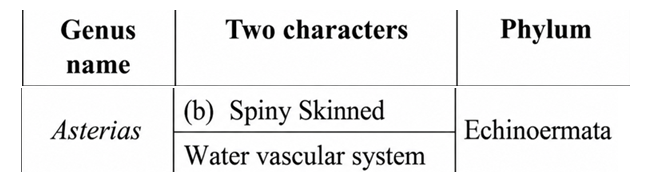
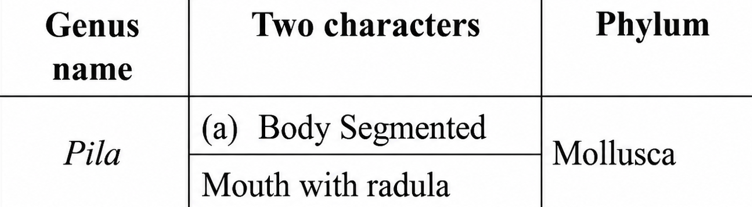
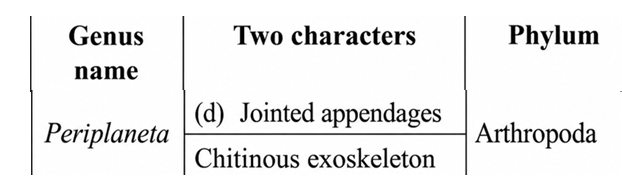
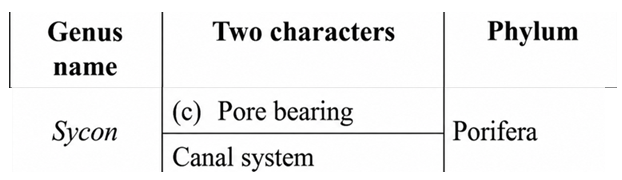
In which one of the following the genus name, its two charcters and its phylum are not correctly matched, whereas the remaining three are correct

[4 Marks]
  • (A) Diagram 39 – NEET-UG 2012 Question Paper
  • (B) Diagram 40 – NEET-UG 2012 Question Paper
  • (C) Diagram 41 – NEET-UG 2012 Question Paper
  • (D) Diagram 42 – NEET-UG 2012 Question Paper
Question 108.

Phyllode is present in :

[4 Marks]
  • (A) Asparagus
  • (B) Euphorbia
  • (C) Australian Acacia
  • (D) Opuntia
Question 109.

Placentation in tomato and lemon is

[4 Marks]
  • (A) Free central
  • (B) Parieta I
  • (C) Marginal
  • (D) Axile
Question 110.

Cymose inflorescence is present in :

[4 Marks]
  • (A) Solanum
  • (B) Sesbania
  • (C) Brassica
  • (D) Trifolium
Question 111.

The gynoecium consists of many free pistils in flowers of

[4 Marks]
  • (A) Tomato
  • (B) Aloe
  • (C) Michelia
  • (D) Papaver
Question 112.

How many plants in the list given below have composite fruits that develop from an inflorescence: Walnut, poppy, radish, fig, pineapple, apple, tomato, mulberry

[4 Marks]
  • (A) Four
  • (B) Two
  • (C) Three
  • (D) Five
Question 113.

The coconut water and the edible part of coconut are equivalent to :

[4 Marks]
  • (A) Endosperm
  • (B) Endocarp
  • (C) Embryo
  • (D) Mesocarp
Question 114.

Vexillary aestivation is characteristic of the family

[4 Marks]
  • (A) Fabaceae
  • (B) Asteraceae
  • (C) Solanaceae
  • (D) Brassicaceae
Question 115.

Companion cells are closely associated with:

[4 Marks]
  • (A) Vessel elements
  • (B) Sieve elements
  • (C) Trichomes
  • (D) Guard cells
Question 116.

Closed vascular bundles lack

[4 Marks]
  • (A) Pith
  • (B) Cambium
  • (C) conjunctive tissue
  • (D) Ground tissue
Question 117.

Water containing cavities in vascular bundles are found in:

[4 Marks]
  • (A) Sunflower
  • (B) Maize
  • (C) Cycas
  • (D) Pinus
Question 118.

The common bottle cork is a product of:

[4 Marks]
  • (A) Phellogen
  • (B) Dermatogen
  • (C) Xylem
  • (D) Vascular Cambium
Question 119.

Gymnosperms are also called soft wood spermatophytes because they lack :

[4 Marks]
  • (A) Thick-walled tracheids
  • (B) Xylem fibres
  • (C) Cambium
  • (D) Phloem fibres
Question 120.

Compared to those of humans, the erythrocytes in frog are

[4 Marks]
  • (A) nucleated and without haemoglobin.
  • (B) nucleated and with haemoglobin
  • (C) very much smaller and fewer
  • (D) Without nucleus but with haemoglobin
Question 121.

Select the correct statement from the ones given below with respect to Periplaneta americana.

[4 Marks]
  • (A) Grinding of food is carried out only by the mouth parts.
  • (B) There are 16 very long Malpighian tubules present at the junctions of midgut and hindgut.
  • (C) Nervous system located dorsally, consists of segmentally arranged ganglia joined by a pair of longitudinal connectives.
  • (D) Males bear a pair of short thread like anal styles.
Question 122.

Which one of the following does not differ in E.coli and Chlamydomonas?

[4 Marks]
  • (A) Chromosomal Organization
  • (B) Ribosomes
  • (C) Cellmembrane
  • (D) Cell wall
Question 123.

Nuclear mebrane is absent in

[4 Marks]
  • (A) Agaricus
  • (B) Penicillium
  • (C) Volvox
  • (D) Nostoc
Question 124.

Ribosomal RNA is actively synthesized in

[4 Marks]
  • (A) Nucleolus
  • (B) Lysosomes
  • (C) Nucleoplasm
  • (D) Ribosomes
Question 125.

What is true about ribosomes?

[4 Marks]
  • (A) These-are composed of ribonucleic acid and proteins
  • (B) The prokaryotic ribosomes are 80S, where “S” stands for sedimentation coefficient
  • (C) These are found only in eukaryotic cells
  • (D) These are self-splicing introns of some RNAs.
Question 126.

Select the correct statement from the following regarding cell membrane.

[4 Marks]
  • (A) Na⁺ and K⁺ ions move across cell membrane by passive transport
  • (B) Lipids are arranged in a bilayer with polar heads towards the inner part.
  • (C) Proteins make up 60 to 70% of the cell membrane.
  • (D) Fluid mosaic model of cell membrane was proposed by Singer and Nicolson
Question 127.

Which one is the most abundant protein in the animal world

[4 Marks]
  • (A) Haemoglobin
  • (B) Trypsin
  • (C) Collagen
  • (D) Insulin
Question 128.

Which one out of A-D given below correctly respresents the structural formula of the basic amino acid
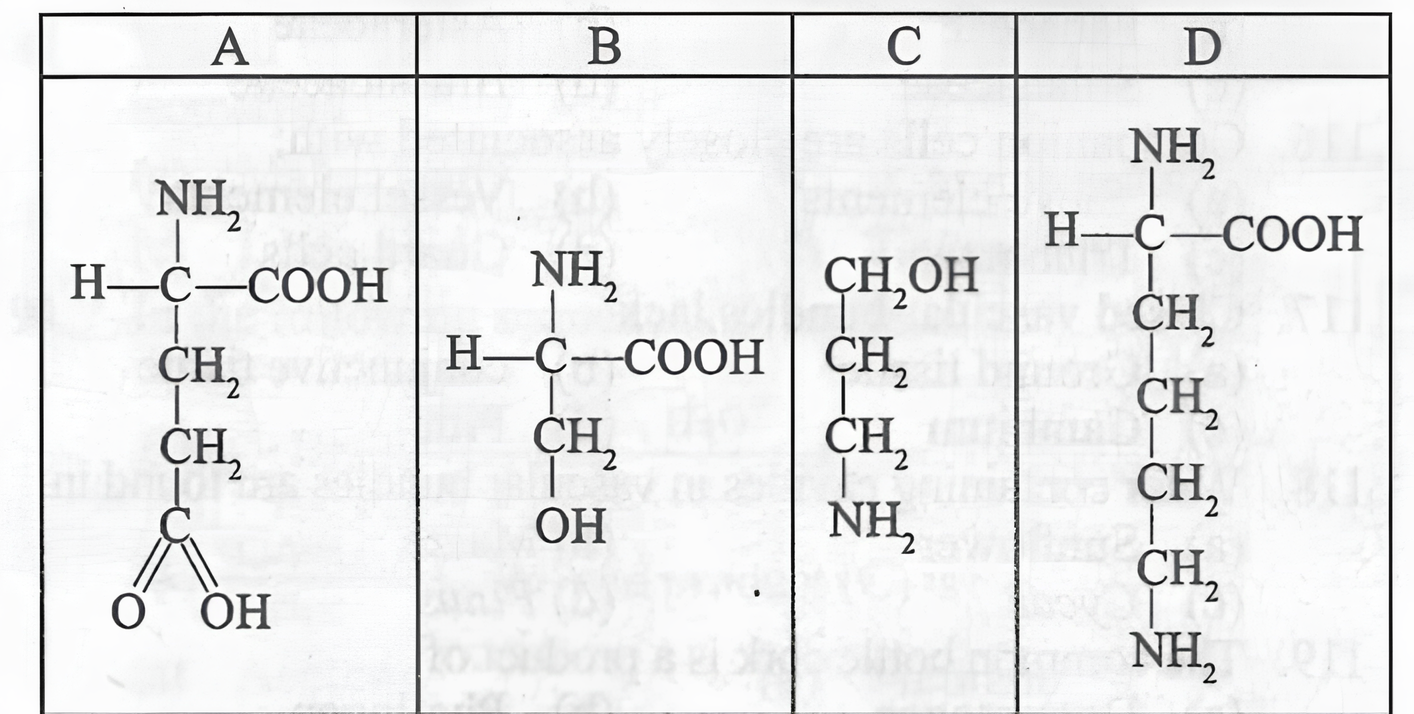
[4 Marks] Diagram 43 – NEET-UG 2012 Question Paper
  • (A) C
  • (B) D
  • (C) A
  • (D) B
Question 129.

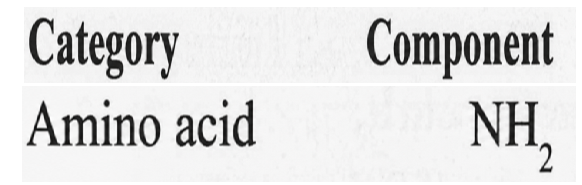
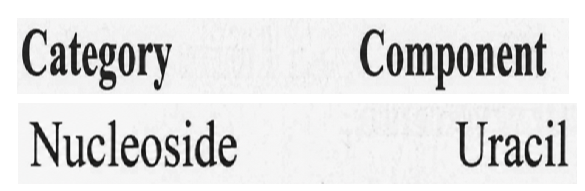
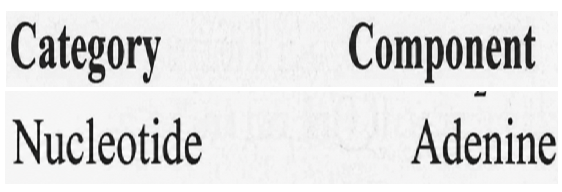
Given below is the diagrammatic representation of one of the categories of small molecular weight organic compounds in the living tissues. Identify the category shown and the one blank component “X” in it.
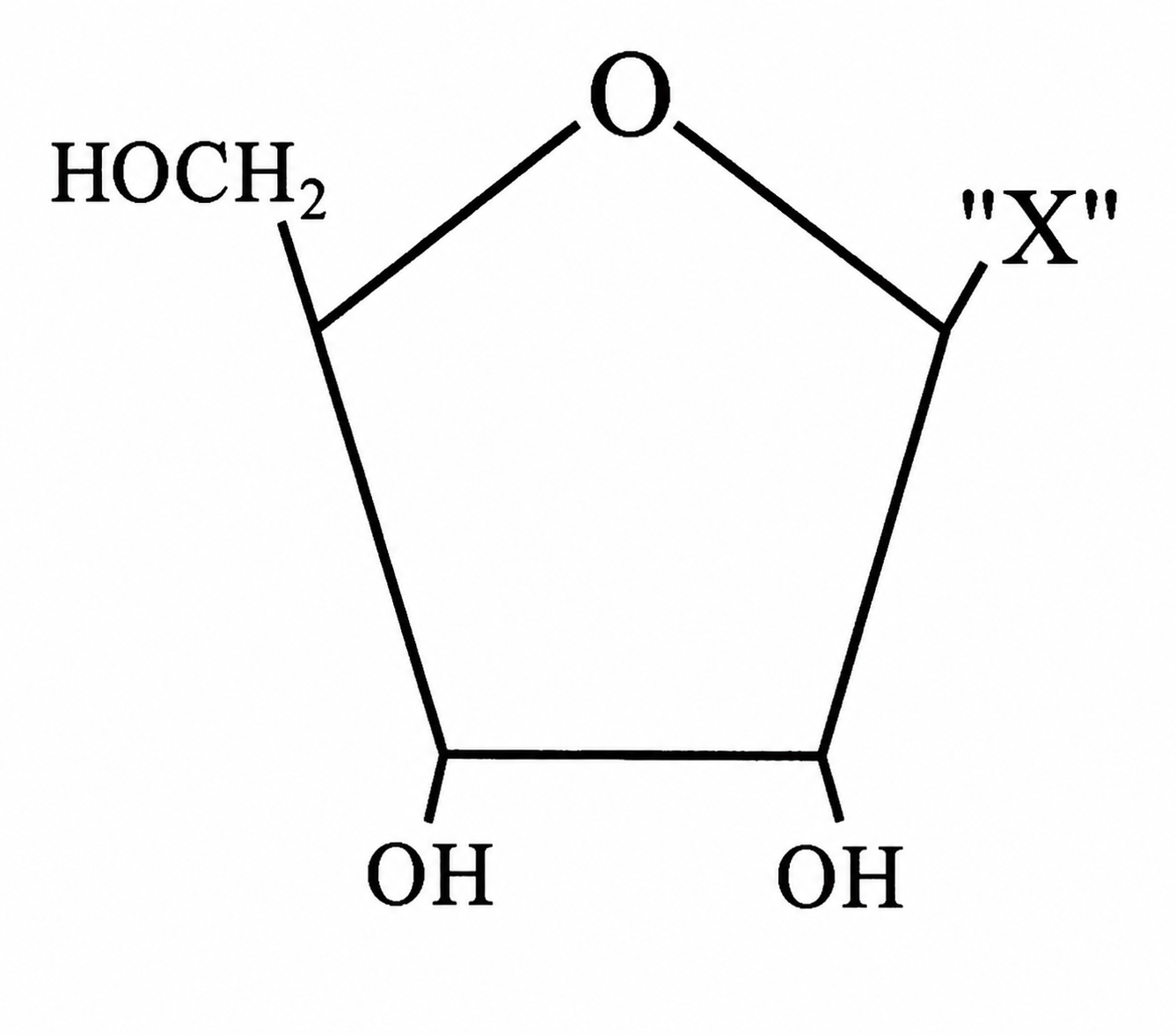
[4 Marks] Diagram 44 – NEET-UG 2012 Question Paper
  • (A) Diagram 45 – NEET-UG 2012 Question Paper
  • (B) Diagram 46 – NEET-UG 2012 Question Paper
  • (C) Diagram 47 – NEET-UG 2012 Question Paper
  • (D) Diagram 48 – NEET-UG 2012 Question Paper
Question 130.

During gamete formation, the enzyme recombinase participates during

[4 Marks]
  • (A) Anaphase - II
  • (B) Metaphase - I
  • (C) Prophase - II
  • (D) Prophase - I
Question 131.

Given below is the representation of a certain event at a particular stage of a type of cell division. Which is this stage?
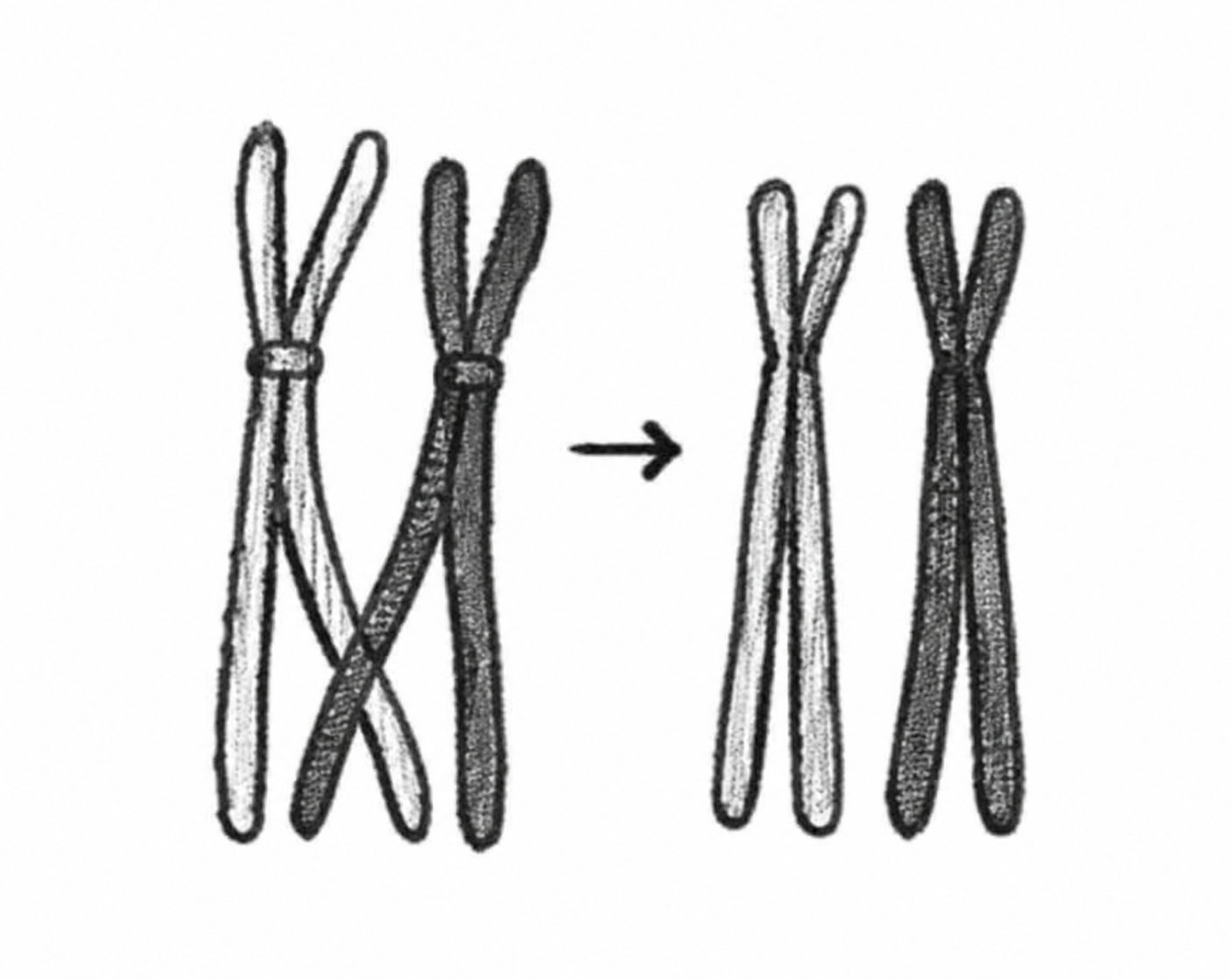
[4 Marks] Diagram 49 – NEET-UG 2012 Question Paper
  • (A) Prophase II during meiosis
  • (B) Prophase I during meiosis
  • (C) Prophase of Mitosis
  • (D) Both prophase and metaphase of mitosis
Question 132.

Best defined function of Manganese in green plants is :

[4 Marks]
  • (A) Photolysis of water
  • (B) Calvin cycle
  • (C) Nitrogen fixation
  • (D) Water absorption
Question 133.

Which one of the following is correctly matched ?

[4 Marks]
  • (A) Passive transport of nutrients - ATP
  • (B) Apoplast - Plasmodesmata
  • (C) Bakane of rice seedlings - F, Skoog
  • (D) Potassium - Readily immobilisation
Question 134.

Which one of the following is wrong statement?

[4 Marks]
  • (A) Anabaena and Nostoc are capable of fixing nitrogen in free living state also
  • (B) Root nodule forming nitrogen fixers live as aerobes under free-living conditions.
  • (C) Phosphorus is a constituent of cell membranes, certain nucleic acids and cell proteins.
  • (D) Nitrosomonas and Nitrobacter are chemoautotrophs.
Question 135.

A process that makes important difference between C₃ and C₄ plants is :

[4 Marks]
  • (A) Photorespiration
  • (B) Photosynthesis
  • (C) Glycolysis
  • (D) Transpiration
Question 136.

The correct sequence of cell organelles during photorespiration is :

[4 Marks]
  • (A) Chloroplast-Golgibodies-mitochondria
  • (B) Chloroplast-vacuole-peroxisome
  • (C) Chloroplast-peroxisome-mitochondria
  • (D) Chloroplast-Rough Endoplasmic reticulum, Dictyosomes
Question 137.

Anxiety and eating spicy food together in an otherwise normal human, may lead to

[4 Marks]
  • (A) Indigestion
  • (B) Jaundice
  • (C) Diarrhoea
  • (D) Vomiting
Question 138.

Which of the following are the correct statement for respiration in human?

[4 Marks]
  • (A) Cigarette smoking may lead to inflammation of bronchi
  • (B) Neural signals from pneumotaxic centre in pons region of brain can increase the duration of inspiration
  • (C) About 90% of carbon dioxide (CO₂) is carried by haemoglobin as carbamino haemoglobin.
  • (D) Workers in grinding and stone - breaking industries may suffer from lung fibrosis
Question 139.

The maximum amount of electrolytes and water (70 - 80 percent) from the glomerular filtrate is reabsorbed in which part of the nephron ?

[4 Marks]
  • (A) Ascending limb of loop of Henle
  • (B) Distal convoluted tubule
  • (C) Proximal convoluted tubule
  • (D) Descending limb of loop of Henle
Question 140.

Select the correct statement regarding the specific disorder of muscular or skeletal system:

[4 Marks]
  • (A) Muscular dystrophy - age related shortening or muscles.
  • (B) Osteoporosis - decrease in bone mass and higher chance of fractures with advancing age.
  • (C) Gout - inflammation of joints due to extra deposition of calcium.
  • (D) Myasthenia gravis - Auto immune disorder which inhibits sliding of myosin filaments.
Question 141.

The human hind brain comprises three parts, one of which Is :

[4 Marks]
  • (A) Cerebellum
  • (B) Corpus callosum
  • (C) Hypothalamus
  • (D) Spinal cord
Question 142.

A person entering an empty room suddenly finds a snake right in front on opening the door. Which one of the following is likely to happen in his neuro-hormonal control system ?

[4 Marks]
  • (A) Sympathetic nervous system is activated releasing epinephrin and norepinephrin from adrenal cortex.
  • (B) Hypothalamus activates the parasympathetic division of brain.
  • (C) Neurotransmitters diffuse rapidly across the cleft and transmit a nerve impulse
  • (D) Sympathetic nervous system is activated releasing epinephrin and norepinephrin from adrenal medulla.
Question 143.

Which part of the human ear plays no role in hearing as such but is otherwise very much required?

[4 Marks]
  • (A) Eustachian tube
  • (B) Organ of corti
  • (C) Vestibular apparatus
  • (D) Ear ossicles
Question 144.

Which one of the following pairs of hormones are the examples of those that can easily pass through the cell membrane of the target cell and bind to a receptor inside it (Mostly in the nucleus)

[4 Marks]
  • (A) Insulin, glucagon
  • (B) Thyroxin, insulin
  • (C) Cortisol, testosterone
  • (D) Somatostain, oxytocin
Question 145.

What is correct to say about the hormone action in humans?

[4 Marks]
  • (A) In females FSH first binds with specific receptors on ovarian cell membrane
  • (B) FSH. simulates the secretion of estrogen and progesterone
  • (C) Glucagon is secreted by β -cells of islets of Langerhans and stimulates glycogenolysis
  • (D) Secretion of thymosins is stimulated with ageing
Question 146.

Which one of the following is correctly matched?

[4 Marks]
  • (A) Onion - Bulb
  • (B) Ginger -Sucker
  • (C) Yeast - Zoospore
  • (D) Chlamydomonas - Conidia
Question 147.

Both, autogamy and geitonogamy are prevented in -

[4 Marks]
  • (A) Papaya
  • (B) Cucumber
  • (C) Maize
  • (D) Castor
Question 148.

An organic substance that can withstand environmental extremes and cannot be degraded by any enzyme is:

[4 Marks]
  • (A) Cuticle
  • (B) Sporopollenin
  • (C) Lignin
  • (D) Cellulose
Question 149.

Even in absence of pollinating agents seed setting is as sured in

[4 Marks]
  • (A) Commelina
  • (B) Zostera
  • (C) Salvia
  • (D) Fig
Question 150.

The Leydig cells found in the human body are the secretory source of

[4 Marks]
  • (A) Progesterone
  • (B) intestinal mucus
  • (C) androgens
  • (D) glucagon
Question 151.

Which one of the following statements is false in respect of viability of mammalian sperm?

[4 Marks]
  • (A) Sperm is viable for only up to 24 hours.
  • (B) Survival of sperm depends on the pH of the medium and is more active in alkaline medium.
  • (C) Viabiliy of sperm is determined by its motility.
  • (D) Sperms must be concentrated in a thick suspension.
Question 152.

In a normal pregnant woman, the amount of total gonadotropin activity was assessed. The result expected was

[4 Marks]
  • (A) High level of circulating FSH and LH in the uterus to stimulate implantation of the embryo
  • (B) High level of circulating HCG to stimulate endometrial thickening
  • (C) High level of circulating HCG to stimulate estrogen and progesterone synthesis
  • (D) High level of FSH and LH in uterus to stimulate endometrical thickening
Question 153.

Signals for parturition originate from :

[4 Marks]
  • (A) Fully developed foetus only
  • (B) Oxytocin released from maternal pituitary
  • (C) Both placenta as well as fully developed foetus
  • (D) Placenta only
Question 154.

What is the figure given below showing in particular?
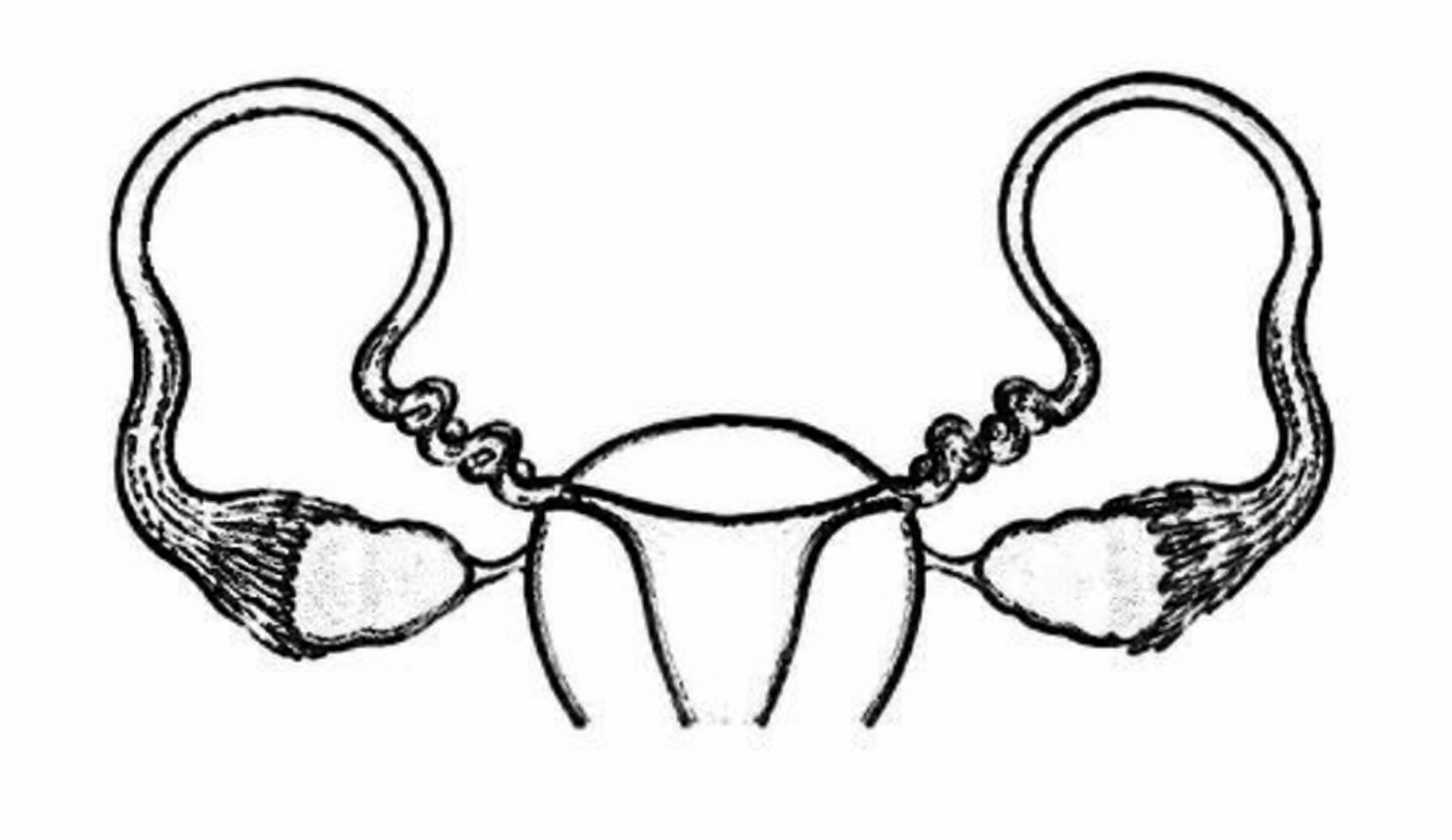
[4 Marks] Diagram 50 – NEET-UG 2012 Question Paper
  • (A) Ovarian cancer
  • (B) Uterine cancer
  • (C) Vasectomy
  • (D) Tubectomy
Question 155.

The test-tube Baby Programme employs which one of the following techniques?

[4 Marks]
  • (A) Intra cytoplasmic sperm injection (ICSI)
  • (B) Gamete intra fallopian transfer (GIET)
  • (C) Zygote intra fallopian transfer (ZIFT)
  • (D) Intra uterine insemination (IUI)
Question 156.

A certain road accident patient with unknown blood group needs immediate blood transfusion. His care doctor friend at once offers his blood. What was the blood group of the donor?

[4 Marks]
  • (A) Blood group B
  • (B) Blood group O
  • (C) Blood group AB
  • (D) Blood group A
Question 157.

F₂ generation in a Mendelian cross showed that both genotypic and phenotypic ratios are same as 1 : 2 : 1. It represents a case of:

[4 Marks]
  • (A) Dihybrid cross
  • (B) Co-dominance
  • (C) Monohybrid cross with incomplete dominance
  • (D) Monohybrid cross with complete dominance
Question 158.

A normal-visioned man whose father was colour blind, marries a woman whose father was also colour blind. They have their first child as a daughter. What are the chance that this child would be colour blind?

[4 Marks]
  • (A) 50%
  • (B) zero percent
  • (C) 100%
  • (D) 25%
Question 159.

If one strand of DNA has the nitrogenous base sequence ATCTG, what would be the complementary RNA strand sequence?

[4 Marks]
  • (A) UAGAC
  • (B) ATCGU
  • (C) AACTG
  • (D) TTAGU
Question 160.

Removal of RNA polymerase III from nucleoplasm will affect the synthesis of:

[4 Marks]
  • (A) hn RNA
  • (B) r RNA
  • (C) m RNA
  • (D) t RNA
Question 161.

Which one of the following is not a part of a transcription unit in DNA?

[4 Marks]
  • (A) The inducer
  • (B) A promoter
  • (C) A terminator
  • (D) The structural gene
Question 162.

Removal of introns and joining of exons in a defined order during transcription is called:

[4 Marks]
  • (A) Looping
  • (B) Slicing
  • (C) Inducing
  • (D) Splicing
Question 163.

Evolution of different species in a given area starting from a point and spreading to other geographical areas is known as:

[4 Marks]
  • (A) Adaptive radiation
  • (B) Divergent evolution
  • (C) Natural selection
  • (D) Migration
Question 164.

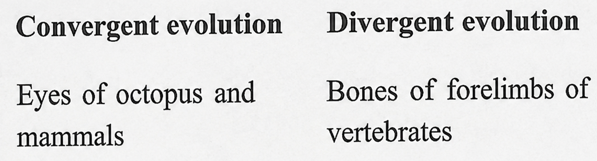
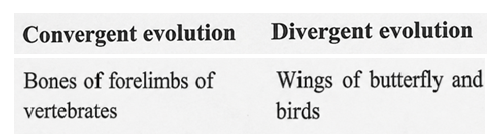
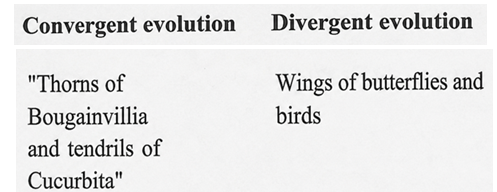
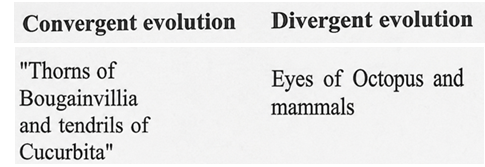
Which one of the following options gives one correct example each of convergent evolution and divergent evolution?

[4 Marks]
  • (A) Diagram 51 – NEET-UG 2012 Question Paper
  • (B) Diagram 52 – NEET-UG 2012 Question Paper
  • (C) Diagram 53 – NEET-UG 2012 Question Paper
  • (D) Diagram 54 – NEET-UG 2012 Question Paper
Question 165.

The extinct human who lived 1,00,000 to 40,000 years ago, in Europe, Asia and parts of Africa, With short stature, heavy eyebrows, retreating fore heads, large jaws with heavy teeth, stocky bodies, a lumbering gait and stooped posture was

[4 Marks]
  • (A) Homo habilis
  • (B) Neanderthal human
  • (C) Cro-magnan humans
  • (D) Ramapithecus
Question 166.

Motile zygote of Plasmodium occurs in:

[4 Marks]
  • (A) Salivary glands of Anopheles
  • (B) Gut of female Anopheles
  • (C) Human RBCs
  • (D) Human liver
Question 167.

Widal Test is carried out to test :

[4 Marks]
  • (A) Malaria
  • (B) HIV/AIDS
  • (C) Typhoid fever
  • (D) Diabetes mellitus
Question 168.

Common cold differs from pneumonia in that :

[4 Marks]
  • (A) Pneumonia is a communicable disease whereas the common cold is a nutritional deficiency disease.
  • (B) Pneumonia can be prevented by a live attenuated bacterial vaccine whereas the common cold has no effective vaccine.
  • (C) Pneumonia is caused by a virus while the common cold is caused by the bacterium Haemophilus influenzae.
  • (D) Pneumonia pathogen infects alveoli whereas the common cold affects nose and respiratory passage but not the lungs.
Question 169.

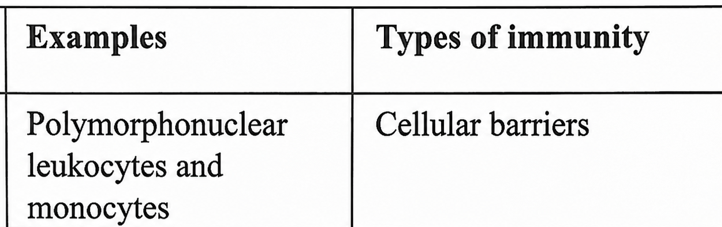
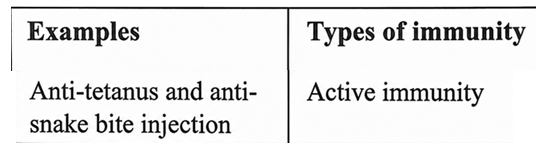
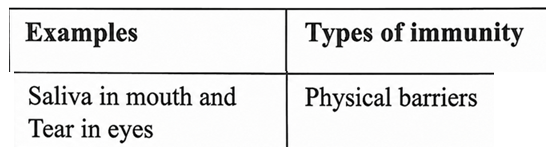
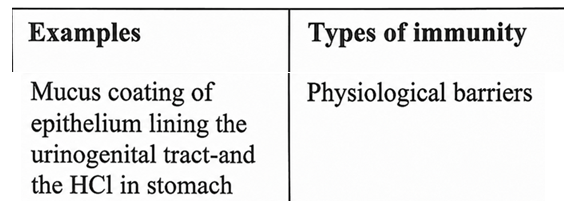
In which one of the following options the two examples are correctly matched with their particular type of immunity.

[4 Marks]
  • (A) Diagram 55 – NEET-UG 2012 Question Paper
  • (B) Diagram 56 – NEET-UG 2012 Question Paper
  • (C) Diagram 57 – NEET-UG 2012 Question Paper
  • (D) Diagram 58 – NEET-UG 2012 Question Paper
Question 170.

Which one of the following is not a property of cancerous cells whereas the remaining three are ?

[4 Marks]
  • (A) They divide in an uncontrolled manner
  • (B) They do not remain confined in the area of formation.
  • (C) They show contact inhibition.
  • (D) They compete with normal cells for vital nutrients.
Question 171.

Cirrhosis of liver is caused by the chronic intake of

[4 Marks]
  • (A) Opium
  • (B) Tobacco (Chewing)
  • (C) Cocaine
  • (D) Alcohol
Question 172.

Which part would be most suitable for raising virus-free plants for micropropagation?

[4 Marks]
  • (A) Bark
  • (B) Vascular tissue
  • (C) Meristem
  • (D) Node
Question 173.

Which one of the following is a case of wrong matching ?

[4 Marks]
  • (A) Micropropagation – in vitro production of plants in large numbers.
  • (B) Callus – Unorganised mass of cell produced in tissue culture
  • (C) Vector DNA – Site for t-RNA synthesis.
  • (D) Somatic hybridization – Fusion of two diverse cells
Question 174.

Monascus purpureus is a yeast used commercially in the production of :

[4 Marks]
  • (A) streptokinase for removing clots from the blood vessels.
  • (B) ethanol
  • (C) citric acid
  • (D) blood cholesterol lowering statins
Question 175.

A patient brought to a hospital with myocardial infarction is normally immediately given:

[4 Marks]
  • (A) Streptokinase
  • (B) Penicillin
  • (C) Cyclosporin-A
  • (D) Statins
Question 176.

Yeast is used in the production of :

[4 Marks]
  • (A) Cheese and butter
  • (B) Bread and beer
  • (C) Lipase and pectinase
  • (D) Citric acid and lactic acid
Question 177.

Which one of the following is an example of carrying out biological control of pests/diseases using microbes?

[4 Marks]
  • (A) Lady bird beetle against aphids in mustard
  • (B) Bt-cotton to increase cotton yield
  • (C) Trichoderma sp. against certain plant pathogens
  • (D) Nucleopolyhedrovirus against white rust in Brassica
Question 178.

Which one of the following microbes forms symbiotic association with plants and helps them in their nutrition

[4 Marks]
  • (A) Azotobacter
  • (B) Aspergillus
  • (C) Glomus
  • (D) Trichoderma
Question 179.

A nitrogen-fixing microbe associated with Azolla in rice fields is:

[4 Marks]
  • (A) Tolypothrix
  • (B) Frankia
  • (C) Anabaena
  • (D) Spirulina
Question 180.

The figure below is the diagrammatic representation of the E. coli vector pBR 322. Which of the given options correctly identifies its certain component(s)?
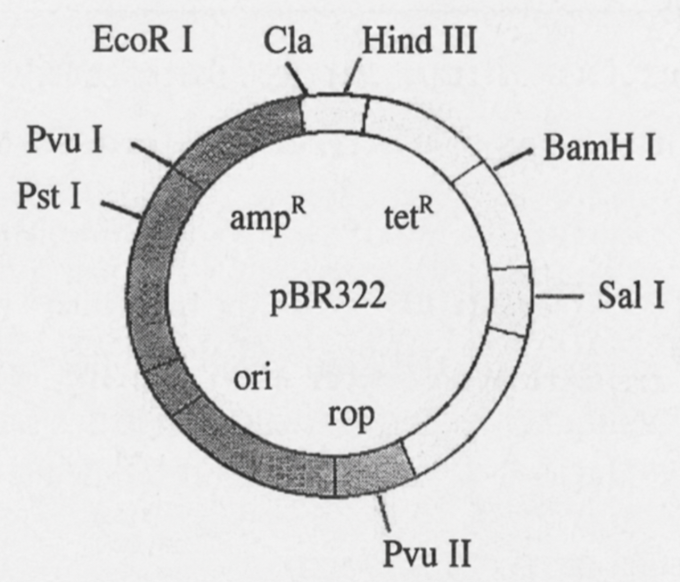
[4 Marks] Diagram 59 – NEET-UG 2012 Question Paper
  • (A) ori - original restriction enzyme
  • (B) ampᴿ, tetᴿ - antibiotic resistance genes
  • (C) rop-reduced osmotic pressure
  • (D) Hind IlI, EcoRI - selectable markers
Question 181.

A single strand of nucleic acid tagged with a radioactive molecule is called :

[4 Marks]
  • (A) Vector
  • (B) Probe
  • (C) Plasmid
  • (D) Selectable marker
Question 182.

PCR and Restriction Fragment Length Polymorphism are the methods for :

[4 Marks]
  • (A) Genetic Fingerprinting
  • (B) DNA sequencing
  • (C) Genetic transformation
  • (D) Study of enzymes
Question 183.

Which one is a true statement regarding DNA polymerase used in PCR.

[4 Marks]
  • (A) It is used to ligate introduced DNA in recipient cell
  • (B) It remains active at high temperature
  • (C) It is isolated from a virus
  • (D) It serves as a selectable marker
Question 184.

For transformation, micro-particles coated with DNA to be bombarded with gene gun are made up of :

[4 Marks]
  • (A) Silver or Platinum
  • (B) Platinum or Zinc
  • (C) Silicon or Platinum
  • (D) Gold or Tungsten
Question 185.

Consumption of which one of the following foods can prevent the kind of blindness associated with vitamin ‘A’ deficiency?

[4 Marks]
  • (A) 'Flavr Savr' tomato
  • (B) Bt-Brinjal
  • (C) Canolla
  • (D) Golden rice
Question 186.

Pheretima and its close relatives derive nourishment from:

[4 Marks]
  • (A) sugarcane roots
  • (B) small pieces of fresh fallen leaves of maize, etc.
  • (C) decaying fallen leaves and soil organic matter.
  • (D) soil insects
Question 187.

Identify the possible “A” in the following food chain:
Plant → insect - frog → “A” → Eagle

[4 Marks]
  • (A) Wolf
  • (B) Rabbit
  • (C) Cobra
  • (D) Parrot
Question 188.

Given below is an imaginary pyramid of numbers. What could be one of the possibilities about certain organisms at some of the different levels?
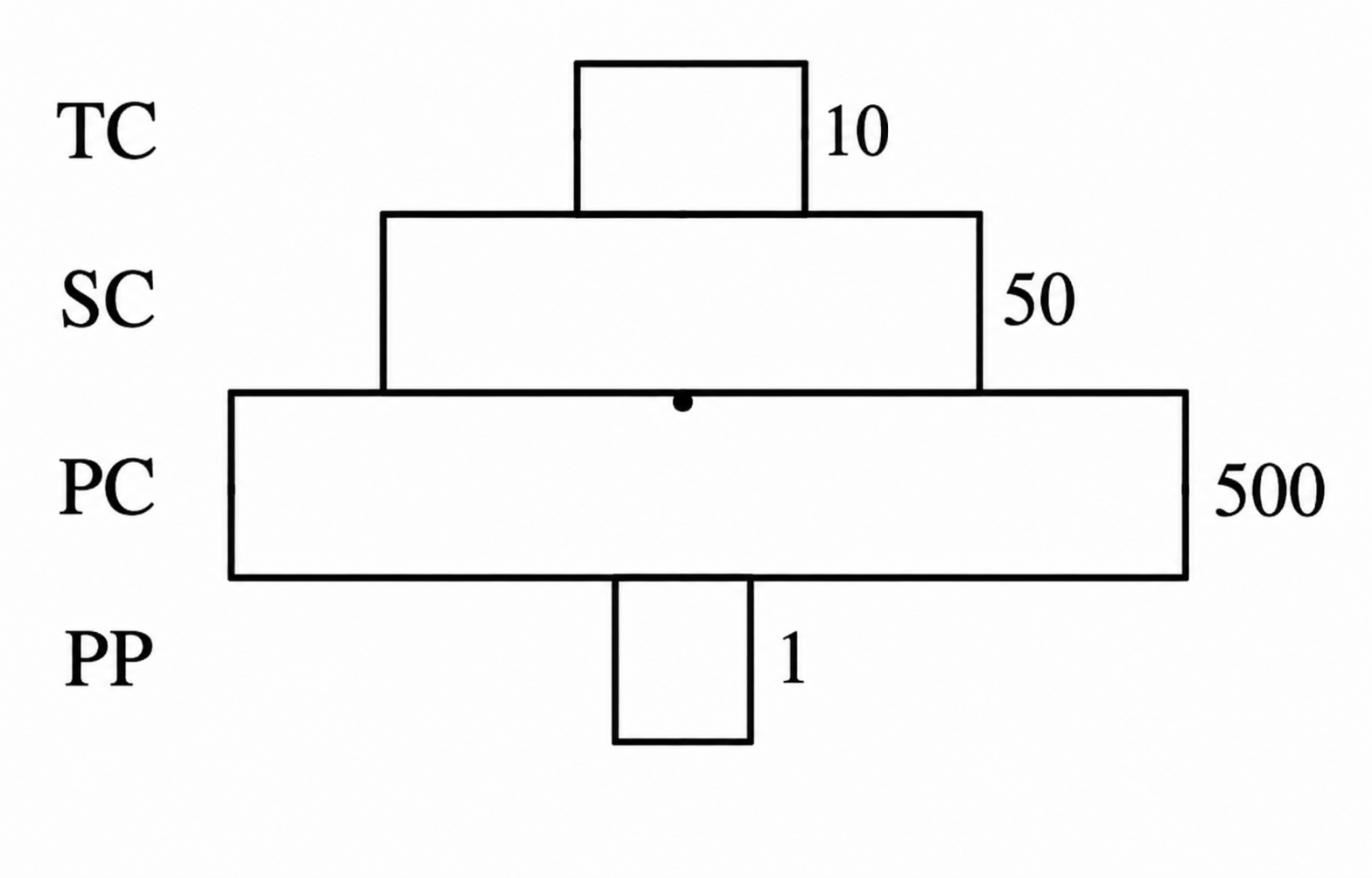
[4 Marks] Diagram 60 – NEET-UG 2012 Question Paper
  • (A) Level one PP is “pipal trees” and the level SC is “sheep”.
  • (B) Level PP is “phytoplanktons” in sea and “Whale” on top level TC.
  • (C) Level PC is “rats” and level SC is “cats”.
  • (D) Level PC is “insects” and level SC is “small insectivorous birds”.
Question 189.

Which one of the following is not a function of an ecosystem?

[4 Marks]
  • (A) Energy flow
  • (B) Decomposition
  • (C) Productivity
  • (D) Stratification
Question 190.

The upright pyramid of number is absent in

[4 Marks]
  • (A) Pond
  • (B) Lake
  • (C) Grassland
  • (D) Forest
Question 191.

Which one of the following is not a gaseous biogeochemical cycle in ecosystem ?

[4 Marks]
  • (A) Sulphur cycle
  • (B) Phosphorus cycle
  • (C) Nitrogen cycle
  • (D) Carbon cycle
Question 192.

Maximum nutritional diversity is found in the group.

[4 Marks]
  • (A) Fungi
  • (B) Animalia
  • (C) Monera
  • (D) Plantae
Question 193.

The highest number of species in the world is represented by

[4 Marks]
  • (A) Fungi
  • (B) Mosses
  • (C) Algae
  • (D) Lichens
Question 194.

Which one of the following areas in India, is a hotspot of biodiversity?

[4 Marks]
  • (A) Sunderbans
  • (B) Gangetic Plain
  • (C) Western Ghats
  • (D) Eastern Ghats
Question 195.

In an area where DDT had been used extensively, the population of birds declined significantly because:

[4 Marks]
  • (A) birds stopped laying eggs
  • (B) many of the birds laid, did not hatch
  • (C) earthworms in the area got eradicated
  • (D) cobras-were feeding exclusively on birds
Question 196.

Measuring Biochemical Oxygen Demand (BOD) is a method used for :

[4 Marks]
  • (A) estimating the amount of organic matter in sewage water.
  • (B) working out the efficiency of oil driven automobile engines.
  • (C) measuring the activity of Saccharomyces cerevisae in producing curd on a commercial scale.
  • (D) working out the efficiency of RBCs about their capacity to carry oxygen.
Question 197.

Which one of the following is a wrong statement?

[4 Marks]
  • (A) Most of the forests have been lost in tropical areas.
  • (B) Greenhouse effect is a natural phenomenon.
  • (C) Ozone in upper part of atmosphere is harmful to animals.
  • (D) Eutrophication is a natural phenomenon in freshwater bodies.
Question 198.

In an area where DDT had been used extensively, the population of birds declined significantly because:

[4 Marks]
  • (A) birds stopped laying eggs
  • (B) many of the birds laid, did not hatch
  • (C) earthworms in the area got eradicated
  • (D) cobras were feeding exclusively on birds
Question 199.

Which one of the following is not a gaseous biogeochemical cycle in ecosystem?

[4 Marks]
  • (A) Sulphur cycle
  • (B) Phosphorus cycle
  • (C) Carbon cycle
  • (D) Nitrogen cycle
Question 200.

In the following reaction :

The major product is :
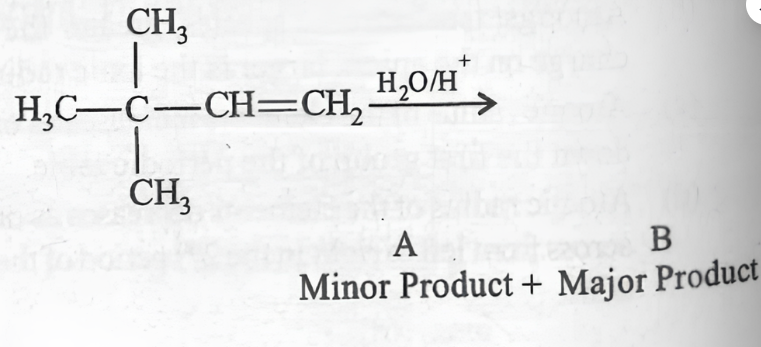
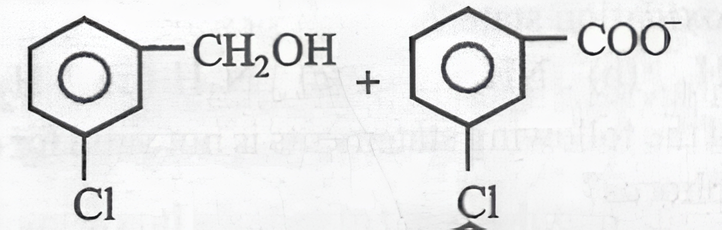
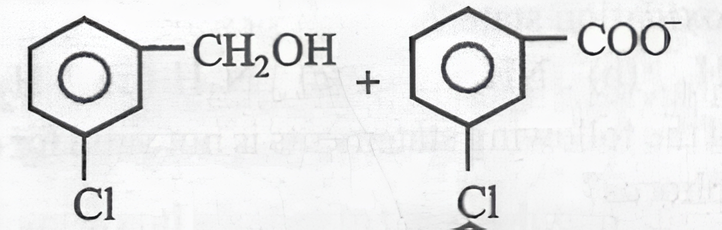
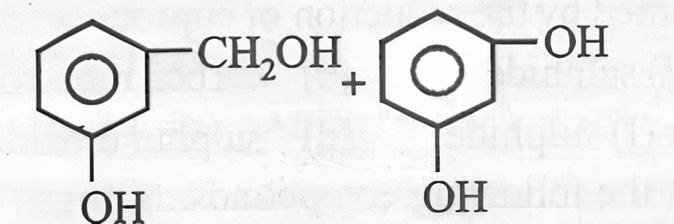
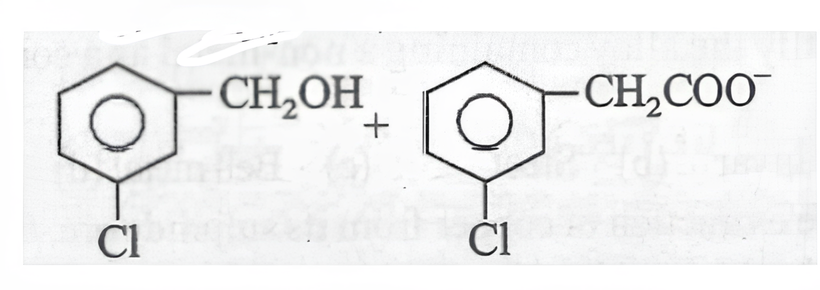
[4 Marks] Diagram 61 – NEET-UG 2012 Question Paper
  • (A) Diagram 62 – NEET-UG 2012 Question Paper
  • (B) Diagram 63 – NEET-UG 2012 Question Paper
  • (C) Diagram 64 – NEET-UG 2012 Question Paper
  • (D) Diagram 65 – NEET-UG 2012 Question Paper