CLASS 9 . SCIENCE . EXPLORATION . HOW FORCES-AFFECT-MOTION
Chapter 6 : How Forces Affect Motion
Ch 6
SCIENCE
CLASS 9
Force
Definition and Effects
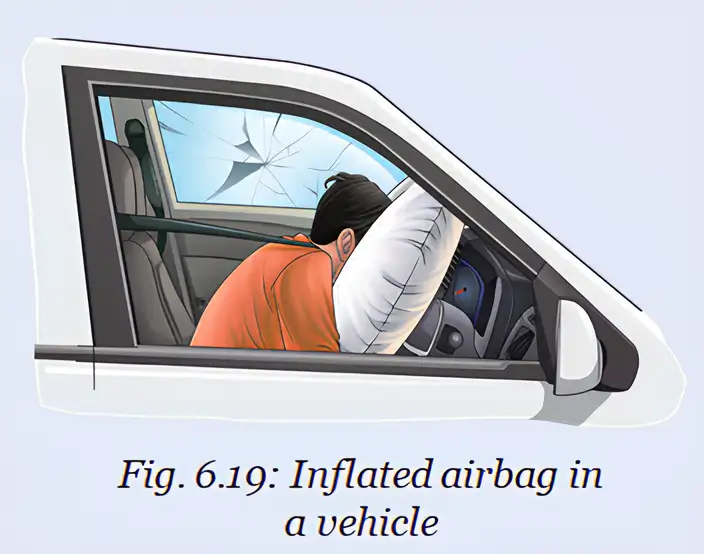
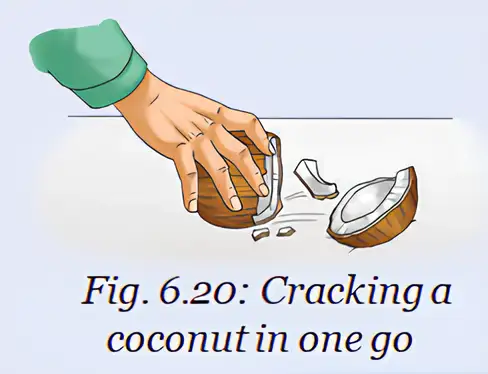
Force is a push or pull upon an object resulting from the object's interaction with another object. It can cause an object at rest to move, change the speed or direction of a moving object, or alter the shape of an object.
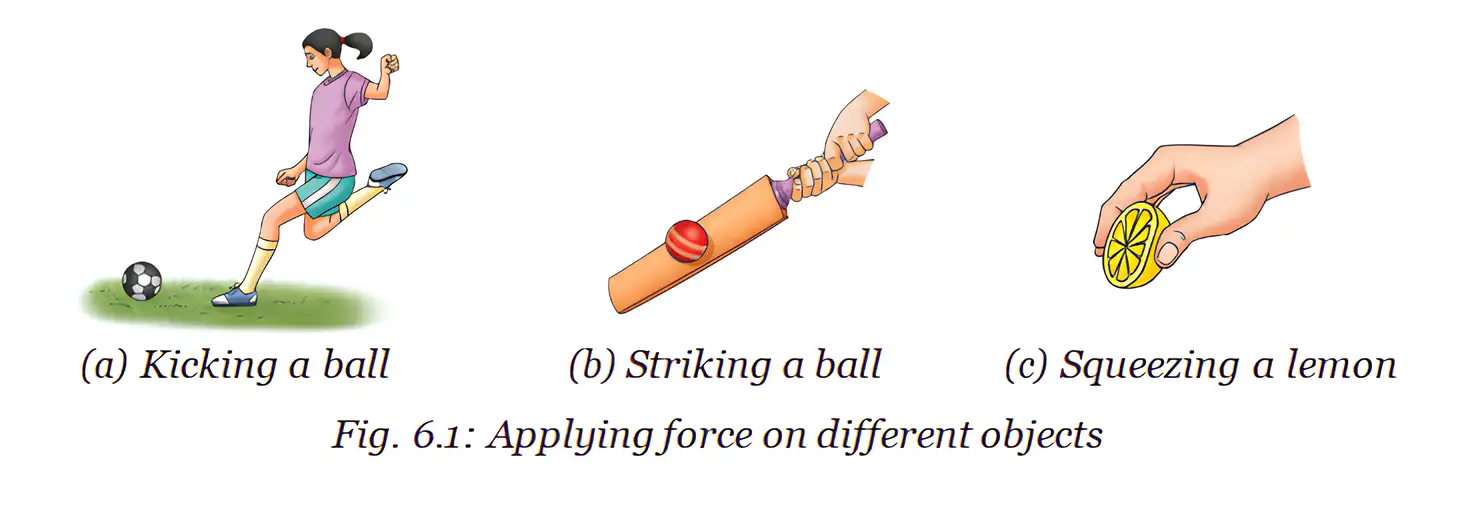
Direction and Magnitude
Force is a vector quantity, meaning it has both magnitude and direction. The SI unit of force is the newton (N). The effect of a force depends on both its magnitude and direction.
Measuring Force
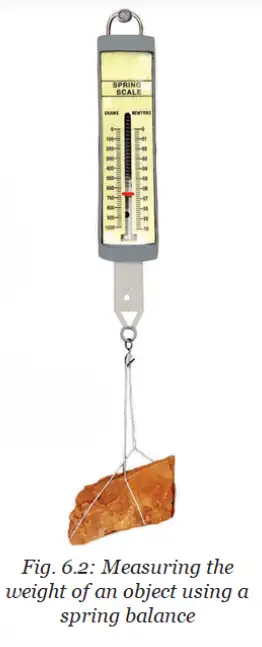
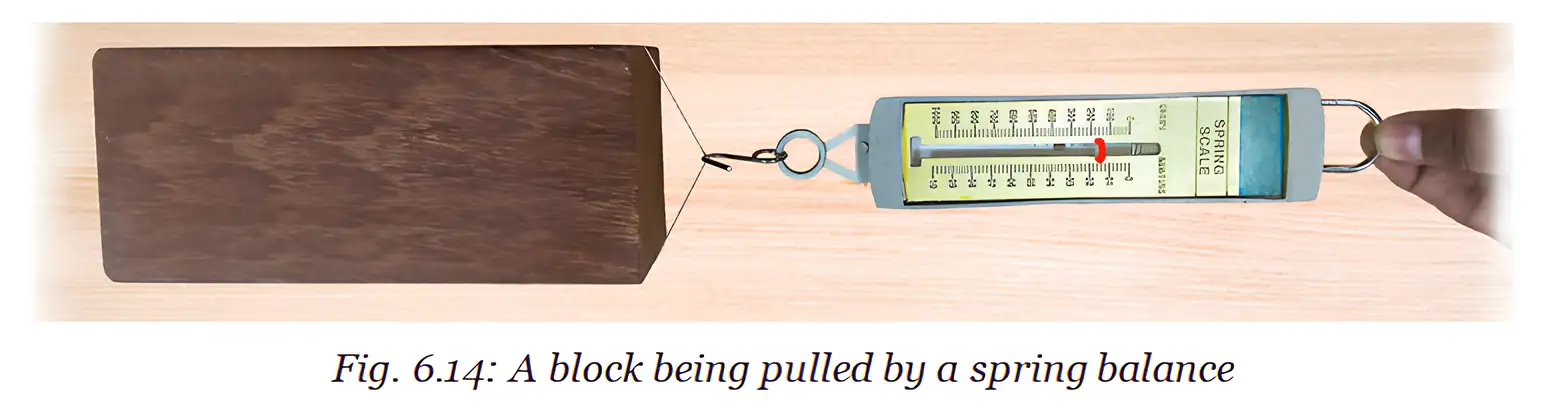
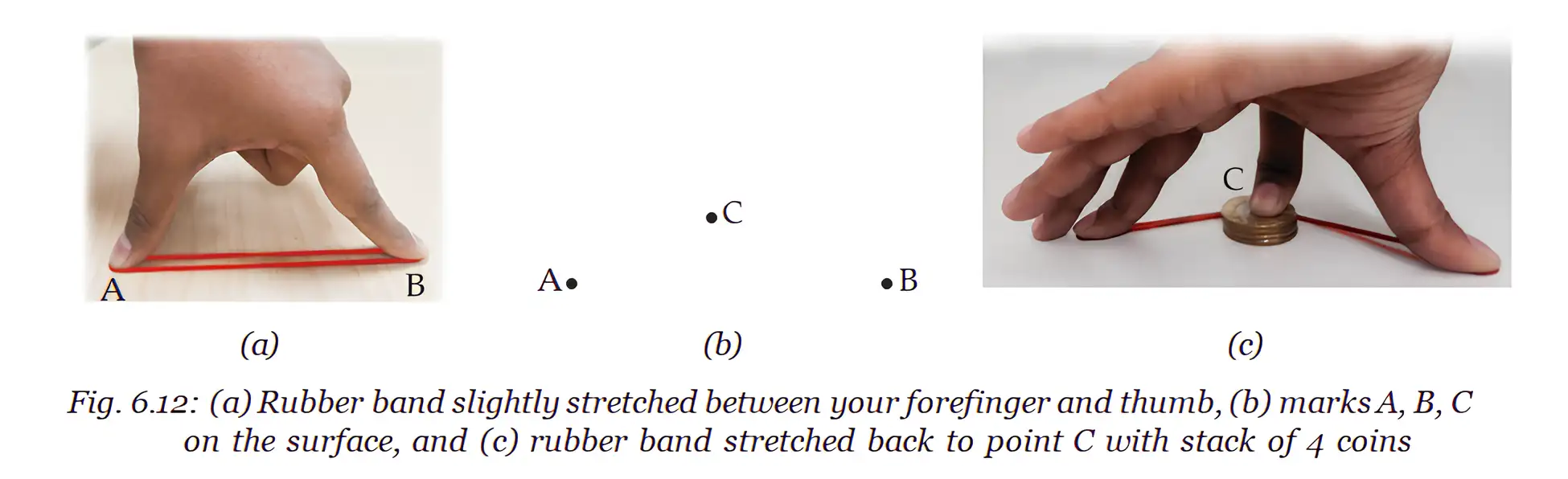
The magnitude of a force can be measured using a spring balance, which measures the force by the stretch of a spring inside it. The reading on the scale indicates the strength of the force applied.
Net Force
Multiple Forces on an Object
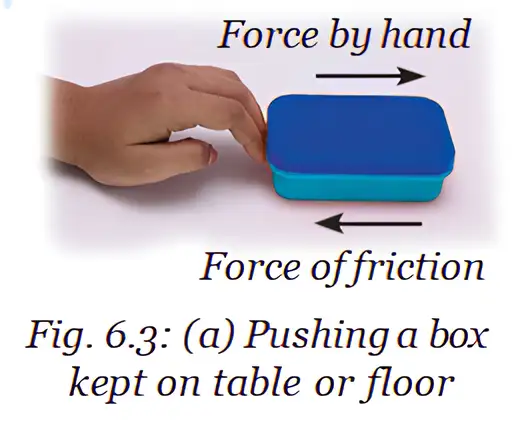
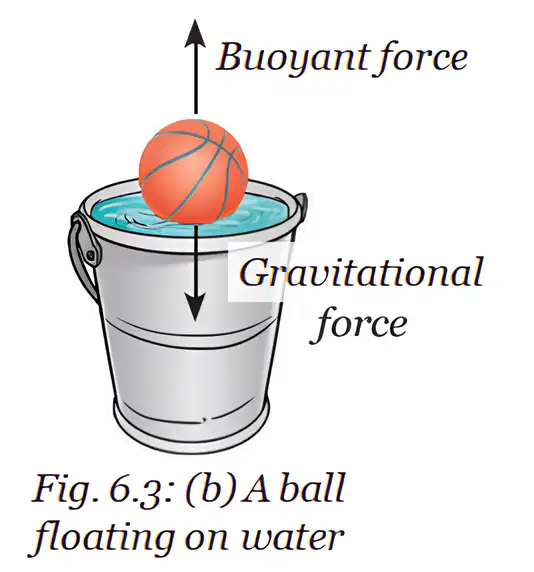
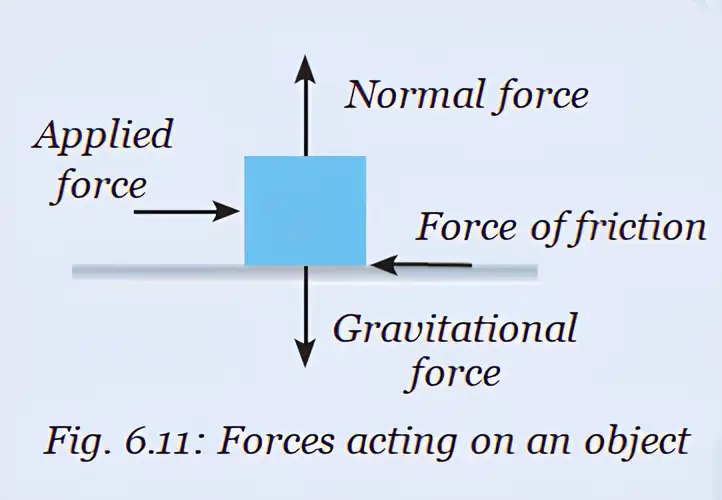
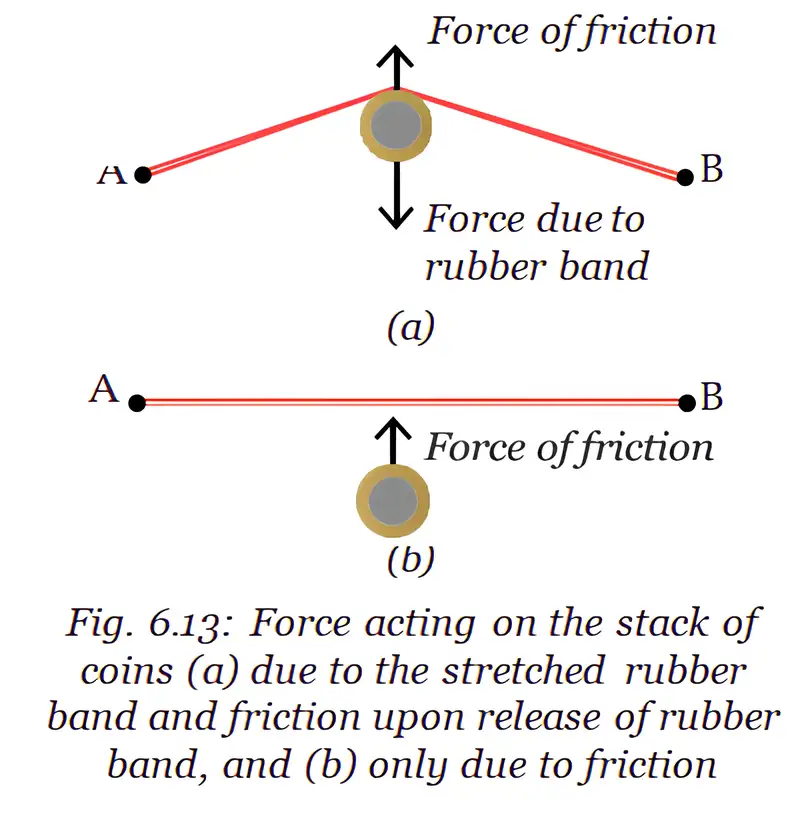
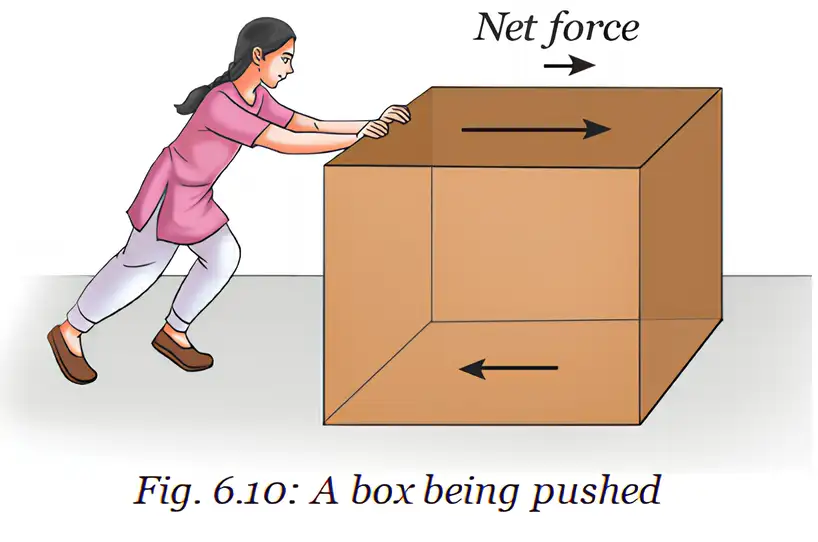
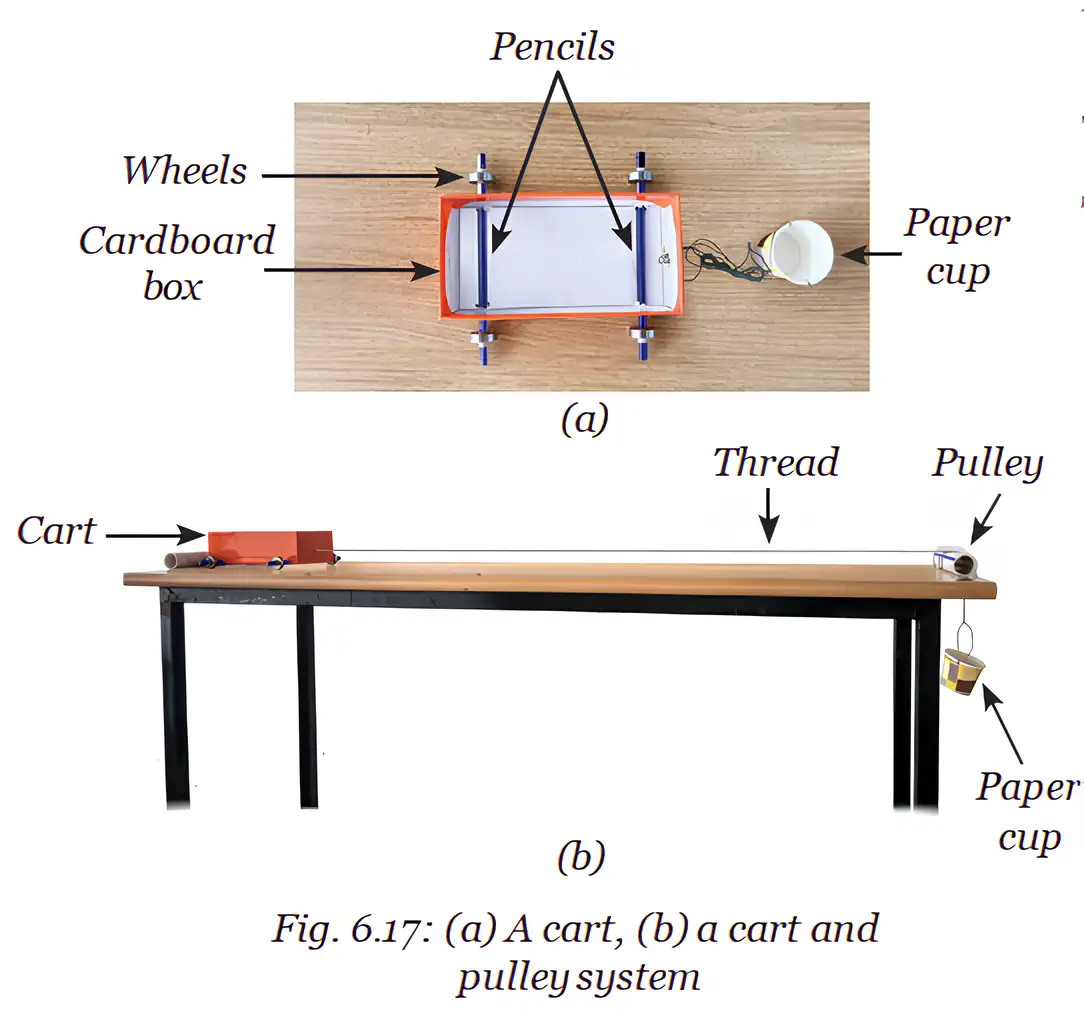
Often, more than one force acts on an object simultaneously. The combined effect of these forces is called the net force. The net force determines the motion of the object.
Balanced and Unbalanced Forces
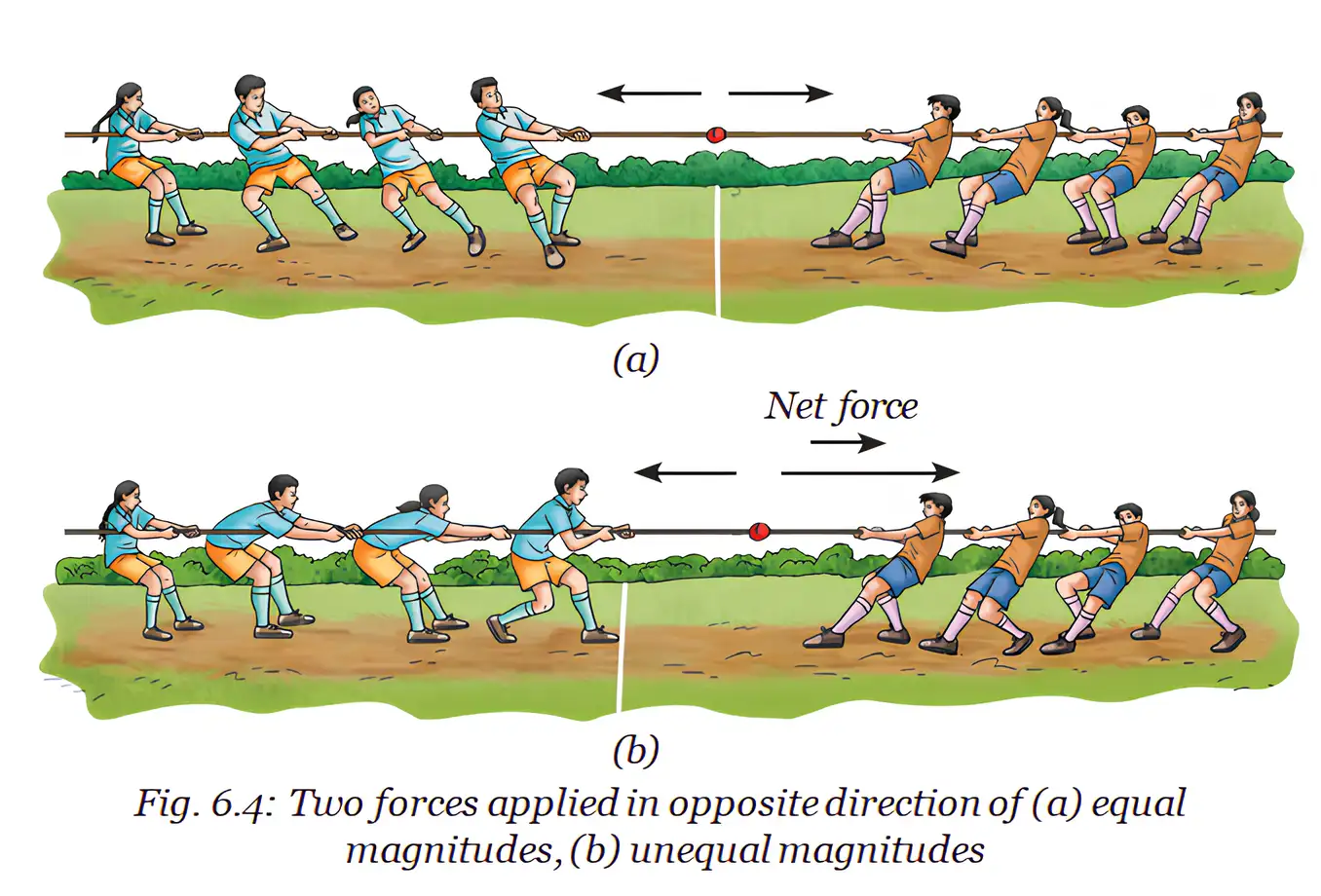
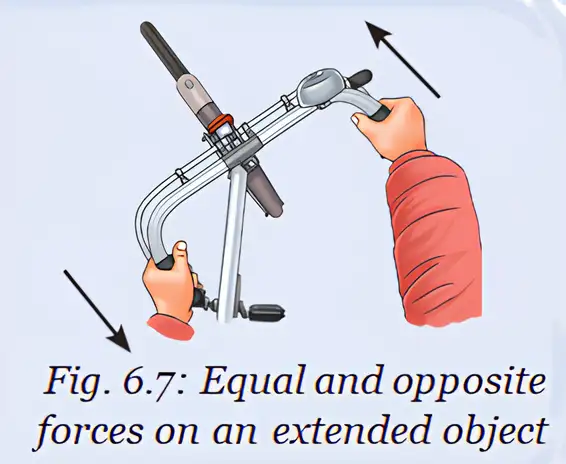
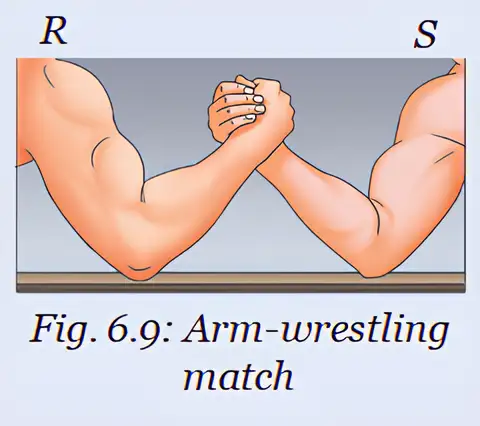
Balanced forces are equal in magnitude and opposite in direction, resulting in no change in motion. Unbalanced forces have unequal magnitudes or directions, causing the object to accelerate in the direction of the net force.
Calculating Net Force
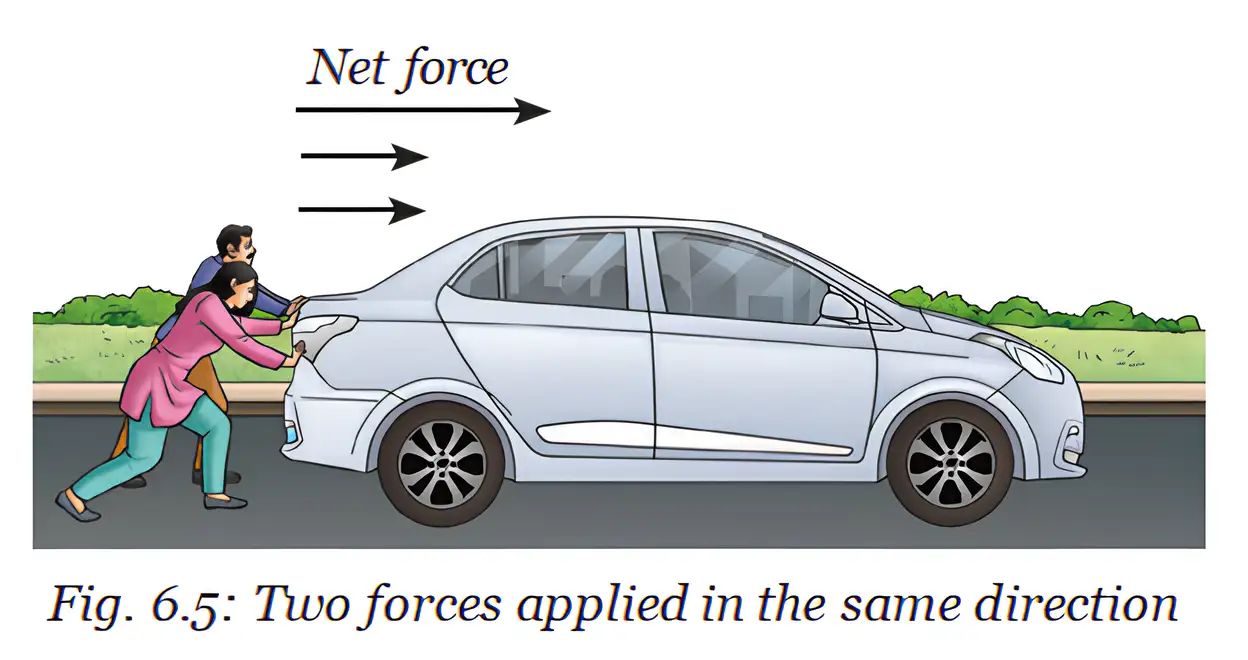
When forces act in the same direction, the net force is the sum of the forces. When forces act in opposite directions, the net force is the difference between the forces, directed towards the larger force.

Newton's First Law
Law of Inertia
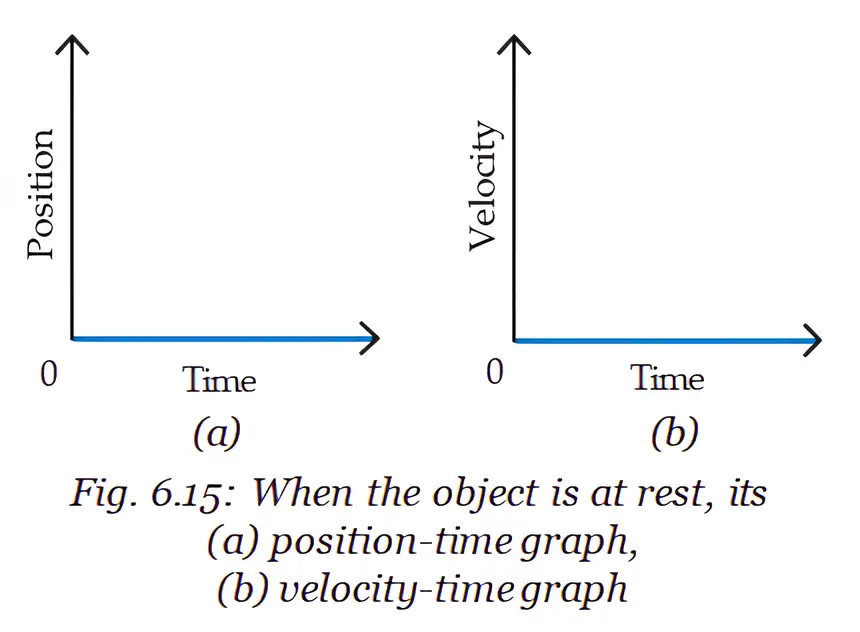
Newton's first law states that an object at rest remains at rest, and an object in motion continues to move with constant velocity unless acted upon by a net external force. This property of objects to resist changes in their state of motion is called inertia.
Implications
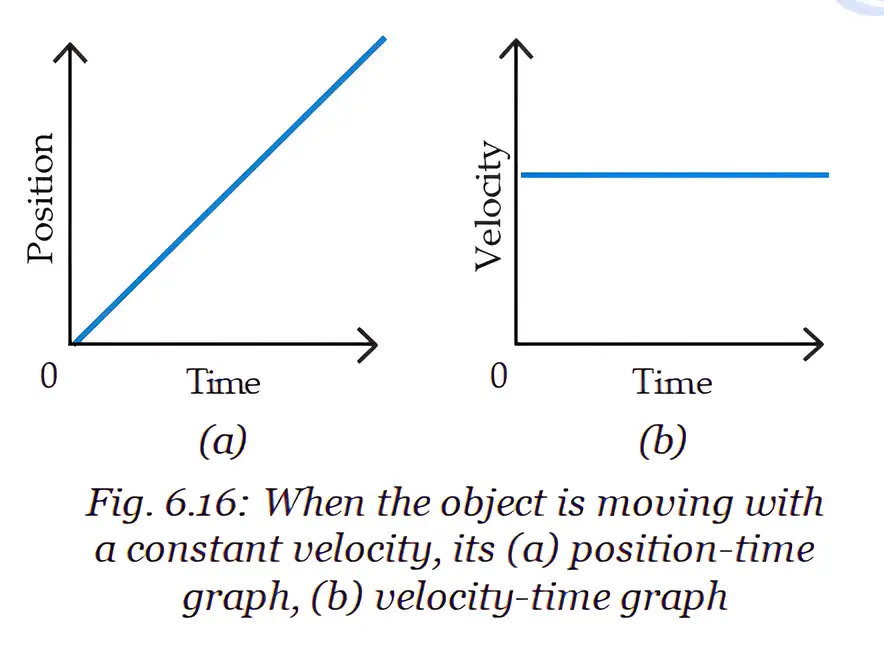
If the net force on an object is zero, its velocity remains constant. This means no acceleration occurs, and the object either stays at rest or moves uniformly in a straight line.
Newton's Second Law
Relation Between Force, Mass, and Acceleration
Newton's second law states that the acceleration of an object is directly proportional to the net force acting on it and inversely proportional to its mass. Mathematically, \( a = \frac{F}{m} \) or \( F = ma \), where \( F \) is the net force, \( m \) is the mass, and \( a \) is the acceleration.
Units and Examples
The SI unit of mass is kilogram (kg), acceleration is meters per second squared (m/s²), and force is newton (N). One newton is the force required to accelerate a 1 kg mass by 1 m/s².
Gravitational Force
The gravitational force acting on an object of mass \( m \) near the Earth's surface is \( F = mg \), where \( g \approx 9.8 \text{ m/s}^2 \) is the acceleration due to gravity.
Newton's Third Law
Action and Reaction
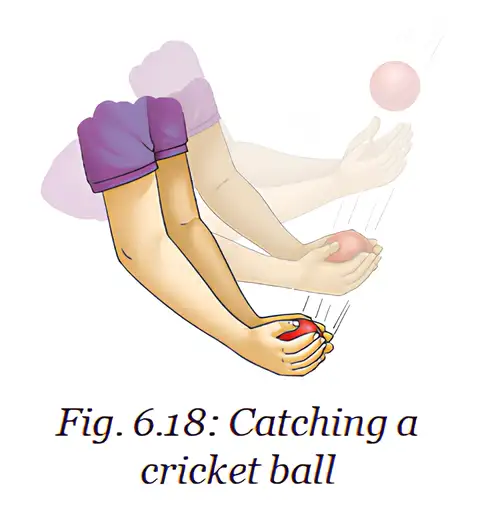
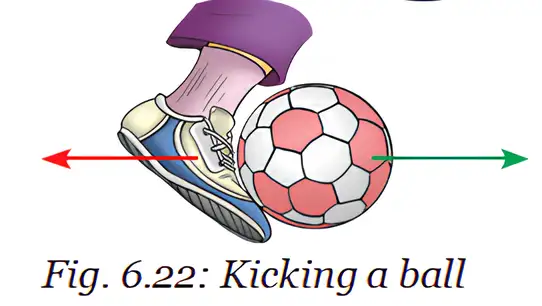
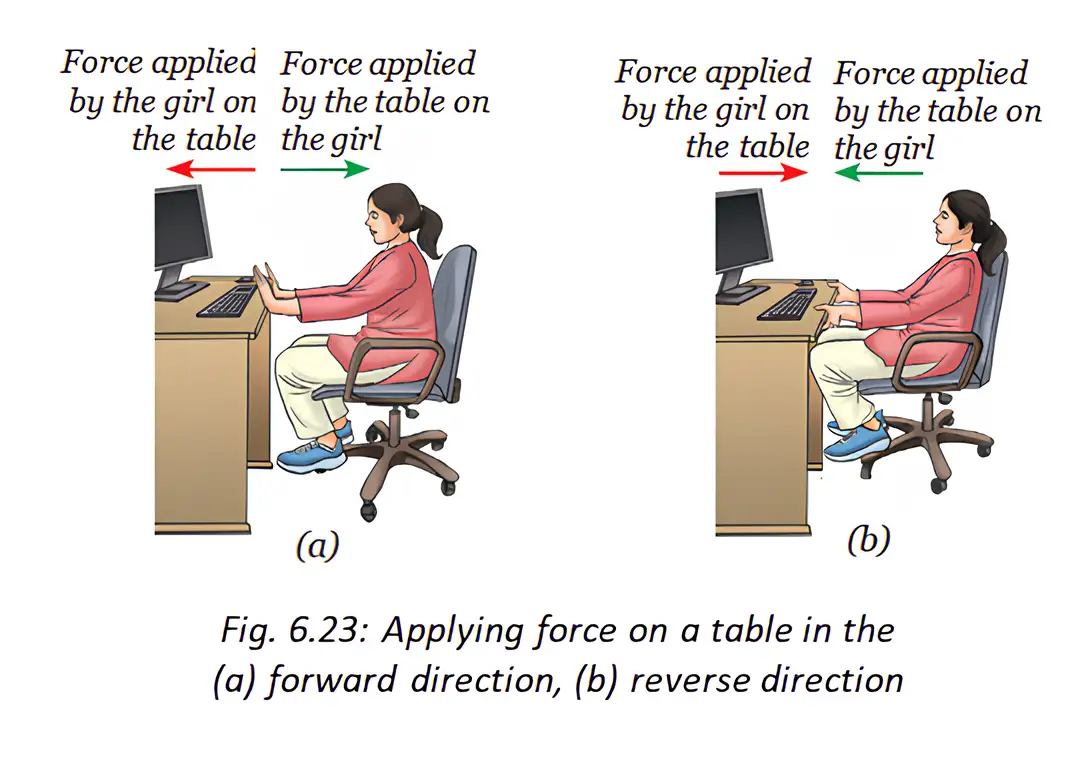
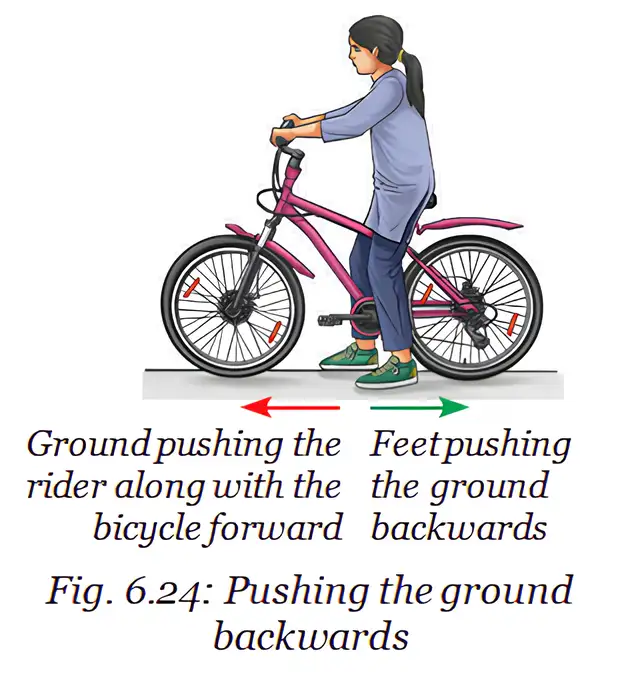
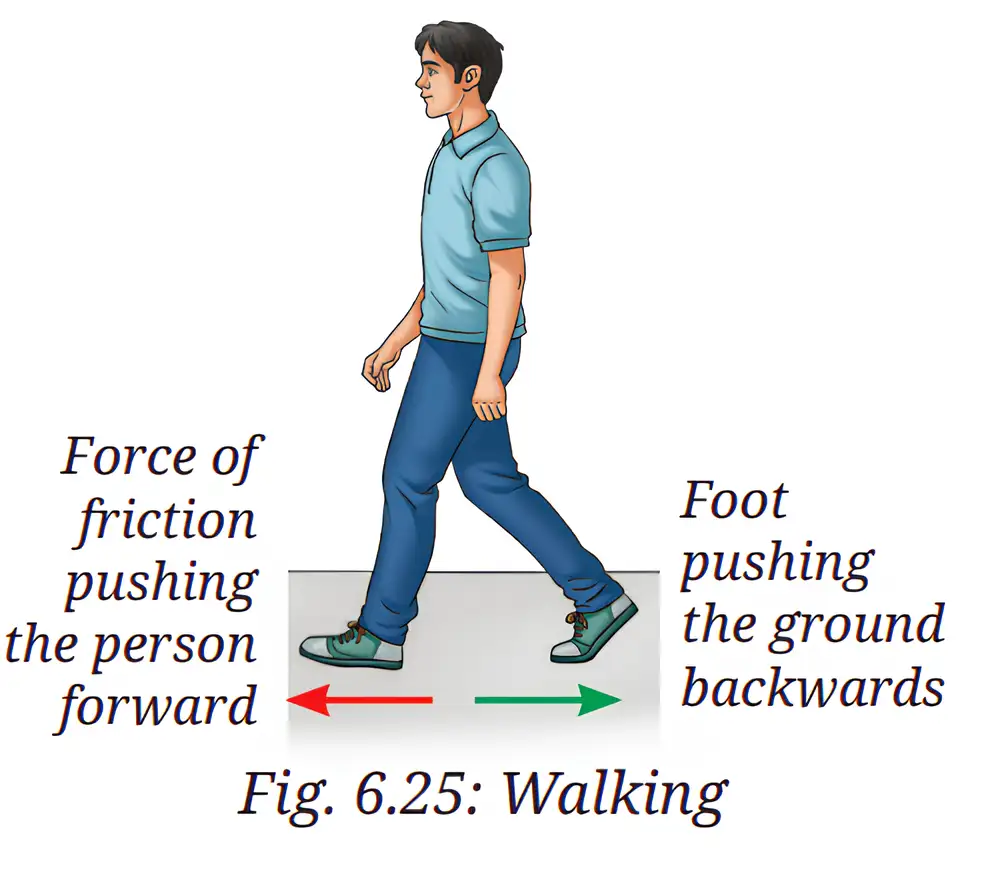
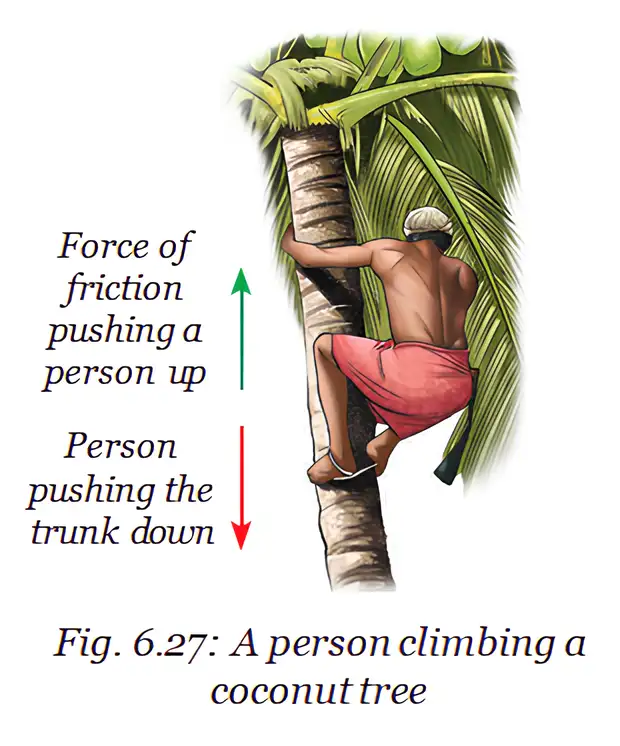
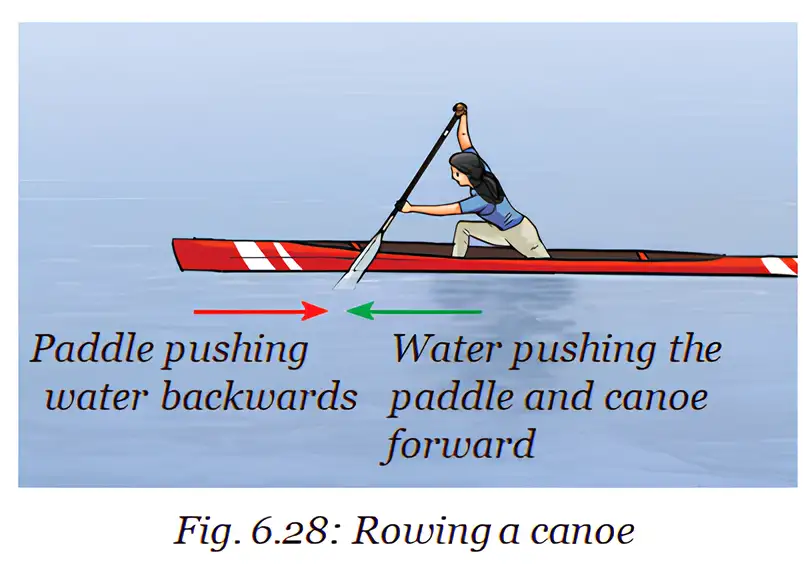
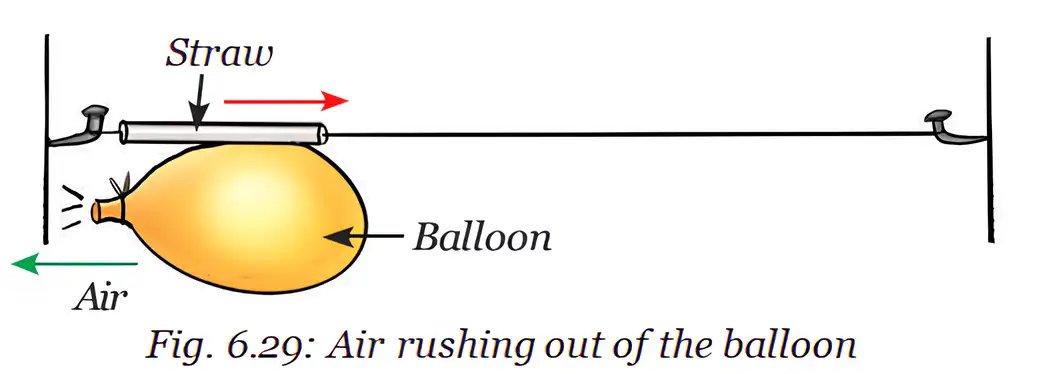
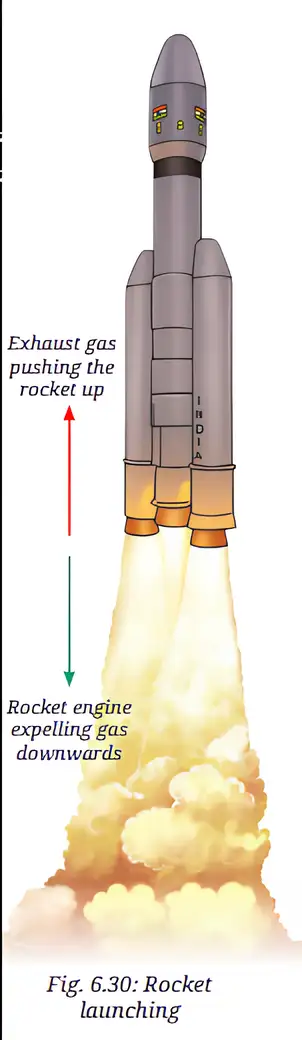
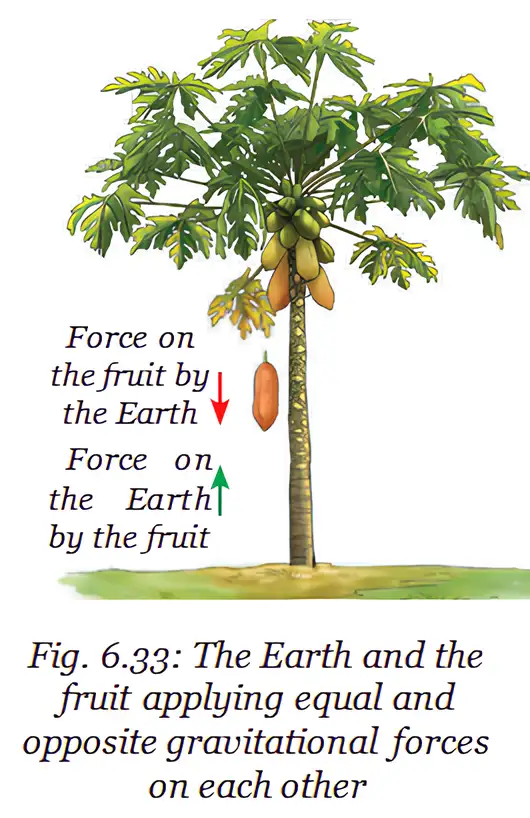
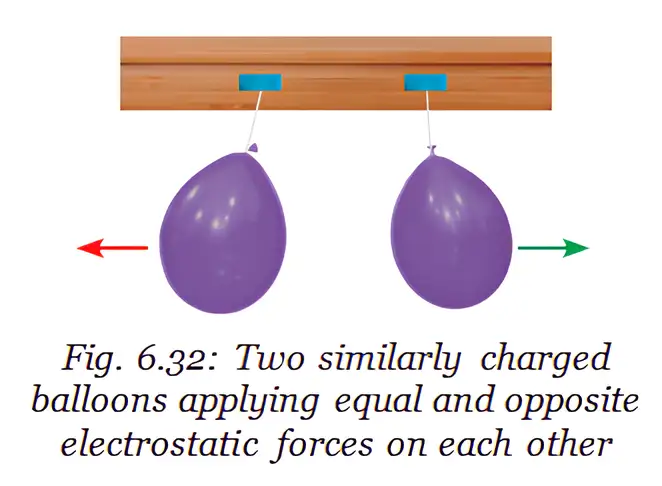
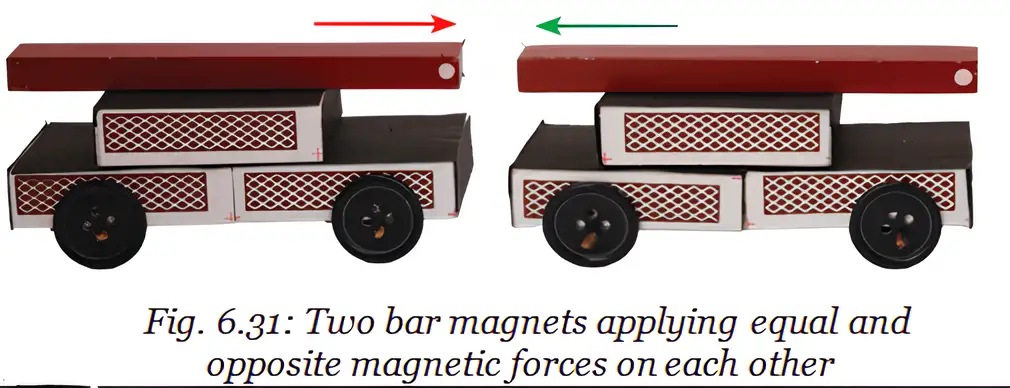
Newton's third law states that for every action, there is an equal and opposite reaction. When one object exerts a force on a second object, the second object simultaneously exerts a force equal in magnitude and opposite in direction on the first object.
Examples and Applications
This law explains phenomena such as the recoil of a gun, the propulsion of a rocket, and the movement of a canoe when paddling. The action and reaction forces act on different objects and do not cancel each other.
Forces on Connected Objects
System Approach
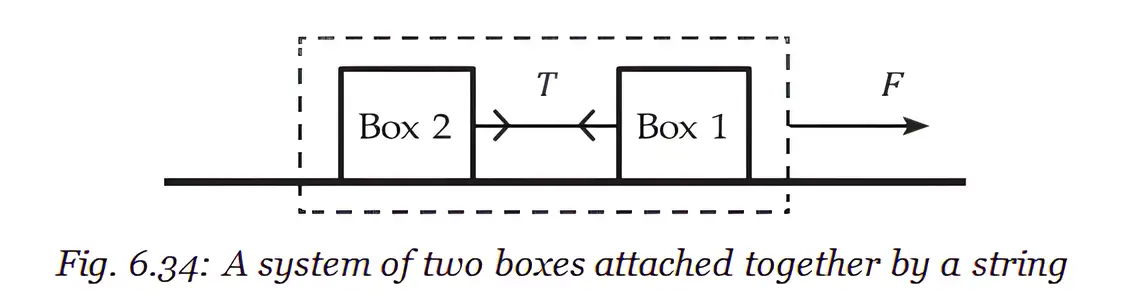
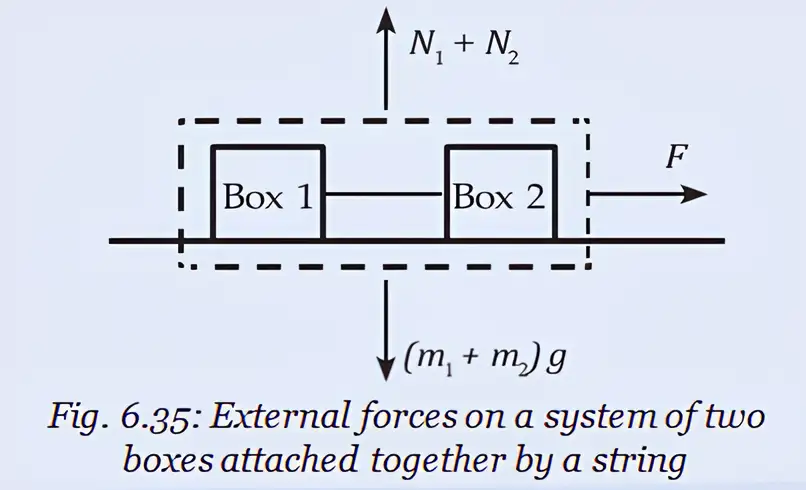
When multiple objects are connected, such as two boxes tied with a string, the system can be analyzed as a whole. The net external force causes the entire system to accelerate, and internal forces like tension act between the objects.

Calculating Acceleration
The acceleration of the system is given by \( a = \frac{F}{m_1 + m_2} \), where \( F \) is the external force and \( m_1, m_2 \) are the masses of the connected objects.
Solved Examples
Example 1: Net Force on a Block
Two forces of 10 N and 6 N act on a block. Calculate the net force and direction when:
- Both forces act in the same direction.
- Forces act in opposite directions, with the 10 N force to the left.
- Forces act in opposite directions, with the 10 N force to the right.
Solution:
- Same direction: Net force = 10 N + 6 N = 16 N to the right.
- Opposite directions (10 N left): Net force = 10 N - 6 N = 4 N to the left.
- Opposite directions (10 N right): Net force = 10 N - 6 N = 4 N to the right.
Example 2: Force on a Moving Box
A person applies a forward force equal to the frictional force on a moving box. Will the box continue moving or stop?
Solution: The forces balance each other, so the net force is zero. According to Newton's first law, the box continues moving with constant velocity.
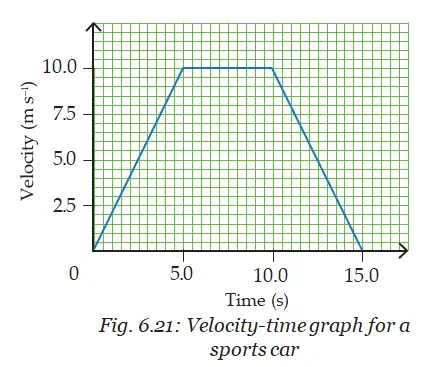
Example 3: Force on a Sports Car
A sports car of mass 1500 kg has a velocity-time graph showing acceleration and deceleration phases. Calculate the force during:
- 0 to 5 seconds (acceleration from 0 to 10 m/s)
- 5 to 10 seconds (constant velocity)
- 10 to 15 seconds (deceleration from 10 to 0 m/s)
Solution:
- Acceleration: \( a = \frac{10 - 0}{5} = 2 \text{ m/s}^2 \), Force = 1500 kg × 2 m/s² = 3000 N (east)
- Constant velocity: Force = 0 N
- Deceleration: \( a = \frac{0 - 10}{5} = -2 \text{ m/s}^2 \), Force = 1500 kg × (-2 m/s²) = -3000 N (west)
Practice Set
- Level 1: Define force and state its SI unit.
- Level 1: What is meant by balanced forces? Give an example.
- Level 2: A block is pushed with forces of 8 N and 5 N in opposite directions. Calculate the net force and direction.
- Level 3: A car of mass 1000 kg accelerates from rest to 20 m/s in 10 seconds. Calculate the net force acting on the car.
Answer Key
- Level 1: Force is a push or pull on an object. Its SI unit is newton (N).
- Level 1: Balanced forces are equal in magnitude and opposite in direction, resulting in no change in motion. Example: Two teams pulling a rope with equal force.
- Level 2: Net force = 8 N - 5 N = 3 N in the direction of the 8 N force.
- Level 3: Acceleration \( a = \frac{20 - 0}{10} = 2 \text{ m/s}^2 \). Force \( F = ma = 1000 \times 2 = 2000 \text{ N} \).
Quick Reference Table
Force: A push or pull that can change the motion or shape of an object. Unit: newton (N).
Newton's First Law: An object remains at rest or in uniform motion unless acted upon by a net force.
Newton's Second Law: \( F = ma \), force equals mass times acceleration.
Newton's Third Law: For every action, there is an equal and opposite reaction.
Balanced Forces: Equal and opposite forces resulting in no change in motion.
Unbalanced Forces: Forces that cause acceleration.
Common Mistakes and Misconceptions
- Confusing balanced forces with zero forces; balanced forces can be non-zero but cancel out.
- Believing a force is needed to keep an object moving at constant velocity; actually, no net force is needed.
- Mixing up action-reaction forces as acting on the same object; they act on different objects.
- Ignoring direction when calculating net force.
Glossary
- Force: A push or pull on an object.
- Net Force: The overall force acting on an object after combining all forces.
- Inertia: The tendency of an object to resist changes in its motion.
- Acceleration: The rate of change of velocity of an object.
- Tension: The pulling force transmitted through a string or rope.
- Balanced Forces: Forces equal in magnitude and opposite in direction.
- Unbalanced Forces: Forces that cause a change in motion.