Tissues in Action
Introduction to Tissues
Tissues are groups of similar cells that work together to perform specific functions. In multicellular organisms, cells are organised into tissues, which form organs and organ systems. This division of labour increases efficiency and allows complex life processes.
Exercise impacts various body systems such as the brain, nerves, heart, digestive system, muscles, bones, and joints, improving overall health. Scientific research helps us understand growth and health in living organisms.
Plant and Animal Tissue Differences
Plant tissues differ from animal tissues due to their structure and function. Plants have rigid cell walls for support and are mostly immobile, while animals have flexible cells allowing movement. Plants perform photosynthesis and have specialized tissues for water and food transport, while animals have tissues for digestion and movement.
Meristematic Tissues in Plants
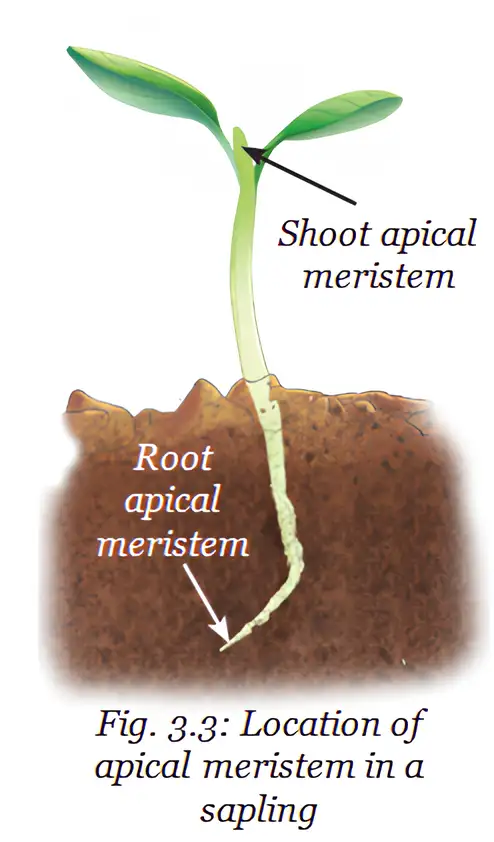
Meristematic tissues are regions of actively dividing cells responsible for plant growth. There are three types:
- Apical meristem: Located at root and shoot tips, responsible for lengthwise growth.
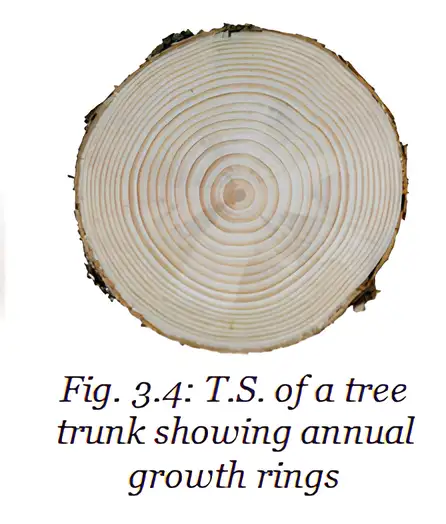
- Lateral meristem: Found along the stem circumference, responsible for girth increase.
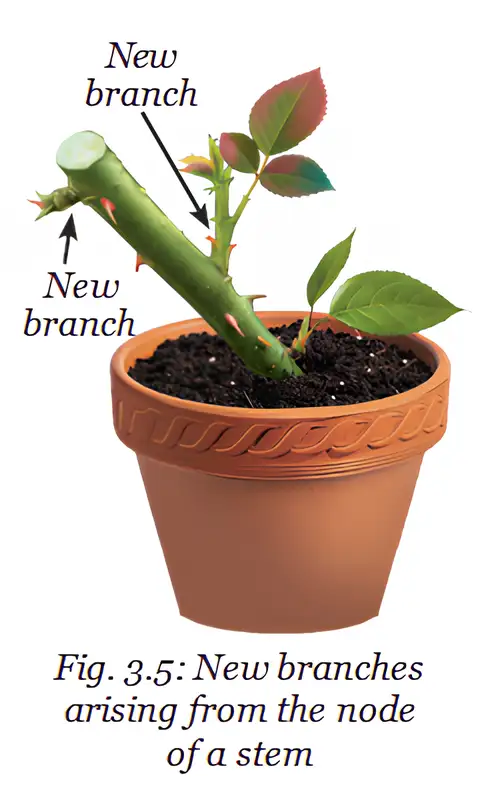
- Intercalary meristem: Located at the base of internodes, helps regrowth after cutting or grazing.
Permanent Tissues in Plants
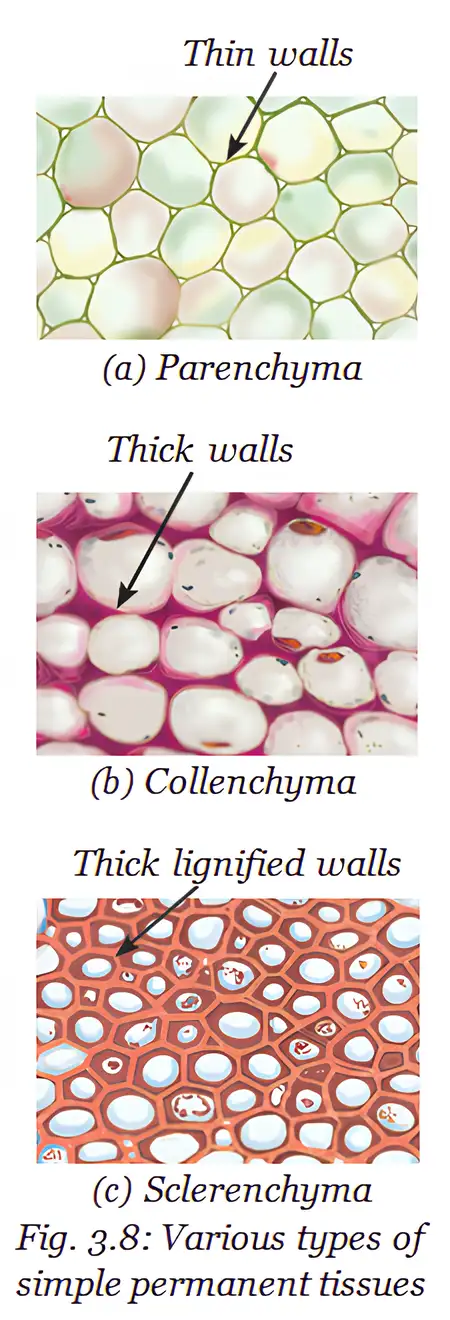
Permanent tissues are specialised tissues formed from meristematic cells that have lost the ability to divide. They are classified as:
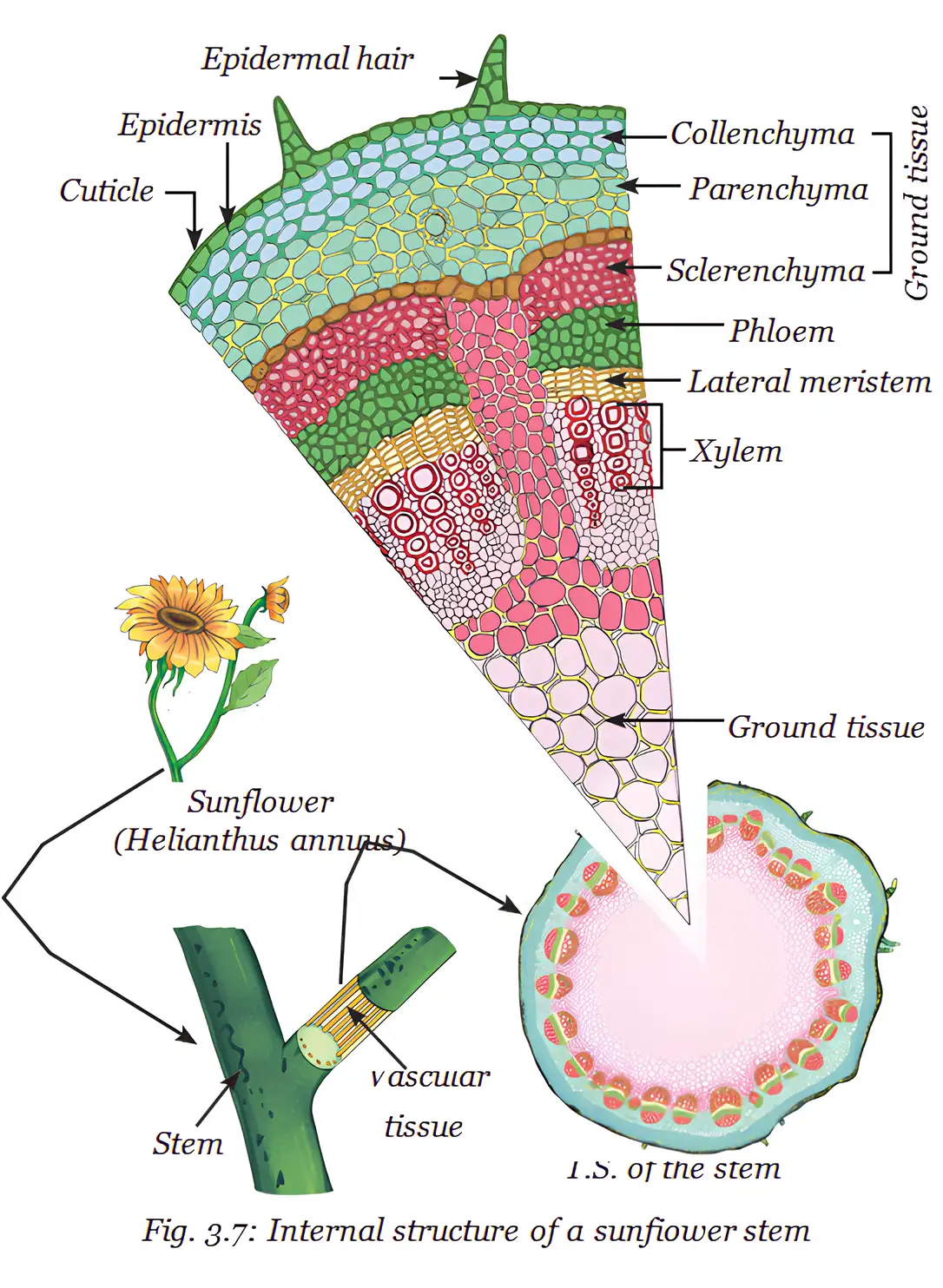
- Simple permanent tissues: Parenchyma (storage and photosynthesis), Collenchyma (support and flexibility), Sclerenchyma (rigid support).
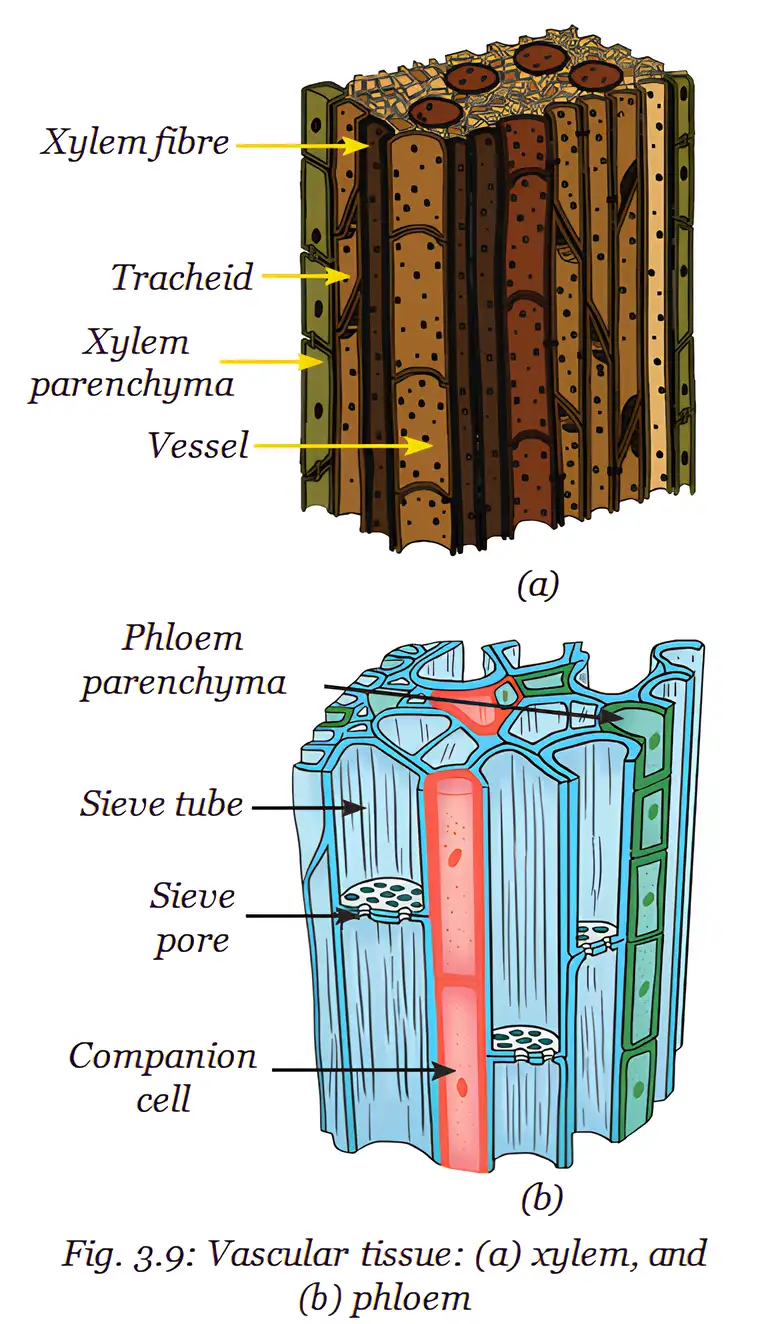
- Complex permanent tissues: Xylem (transports water and minerals) and Phloem (transports food).
Plant Tissue Systems
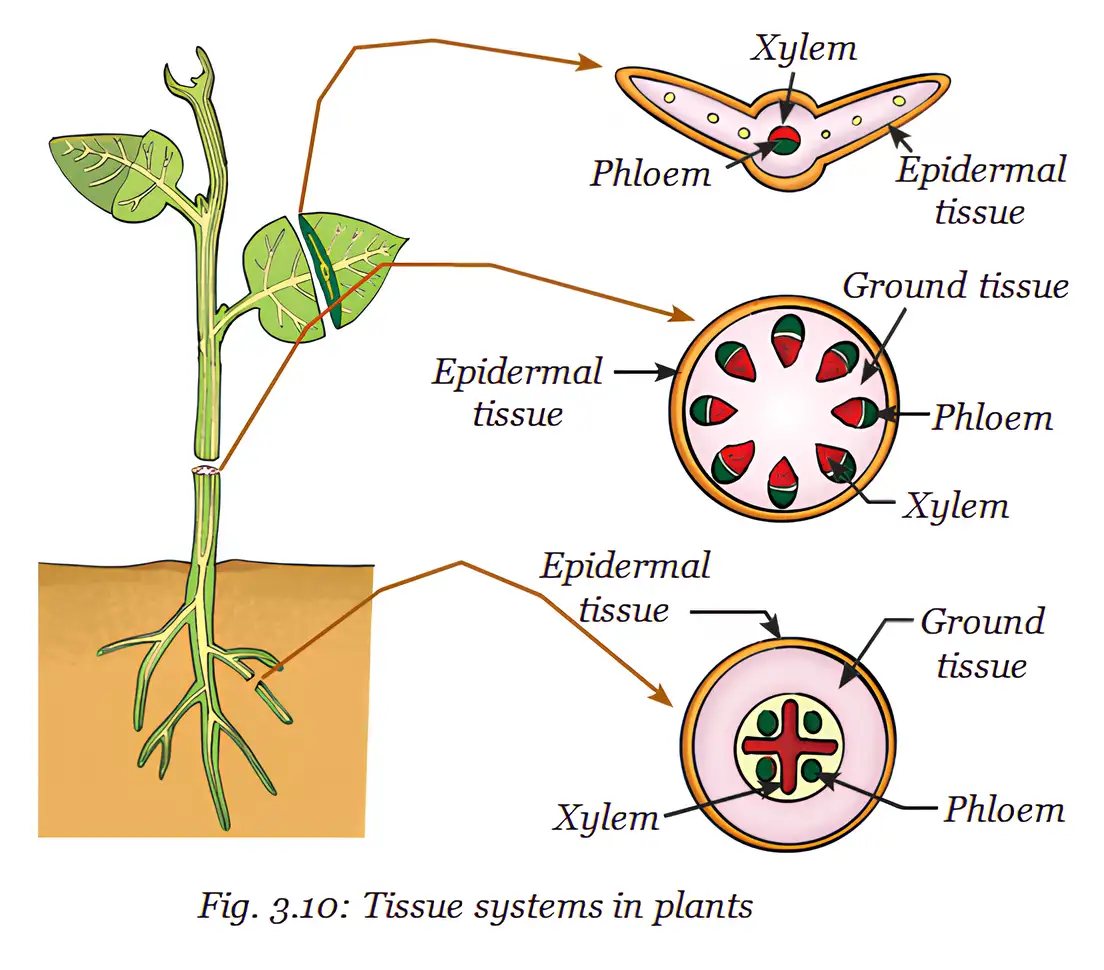
Plant tissues are organised into three systems:
- Dermal tissue system: Outer protective layer including epidermis and cuticle.
- Ground tissue system: Includes parenchyma, collenchyma, and sclerenchyma for support and storage.
- Vascular tissue system: Includes xylem and phloem for transport of water, minerals, and food.
Animal Tissues
Animal tissues are mainly four types:
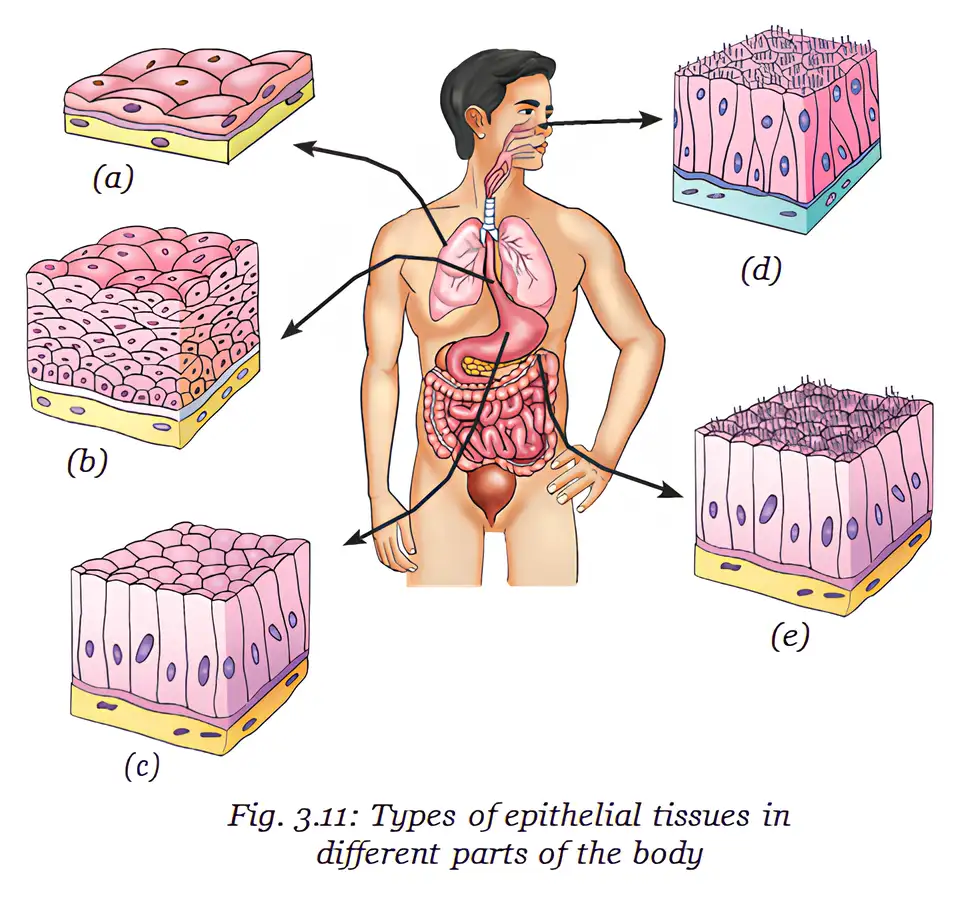
- Epithelial tissue: Covers body surfaces and lines internal organs, providing protection and absorption.
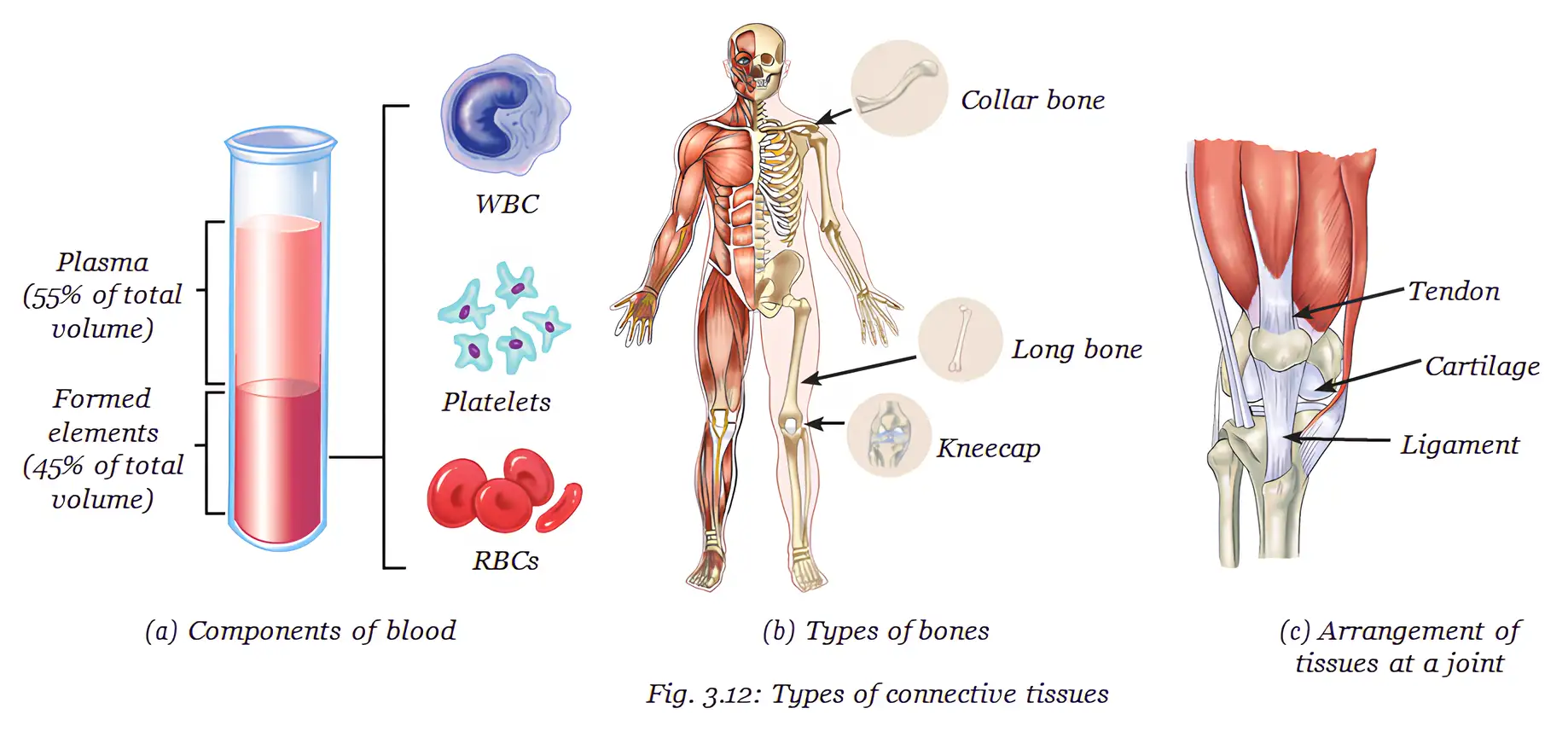
- Connective tissue: Connects and supports other tissues; includes blood, bones, cartilage, tendons, and ligaments.
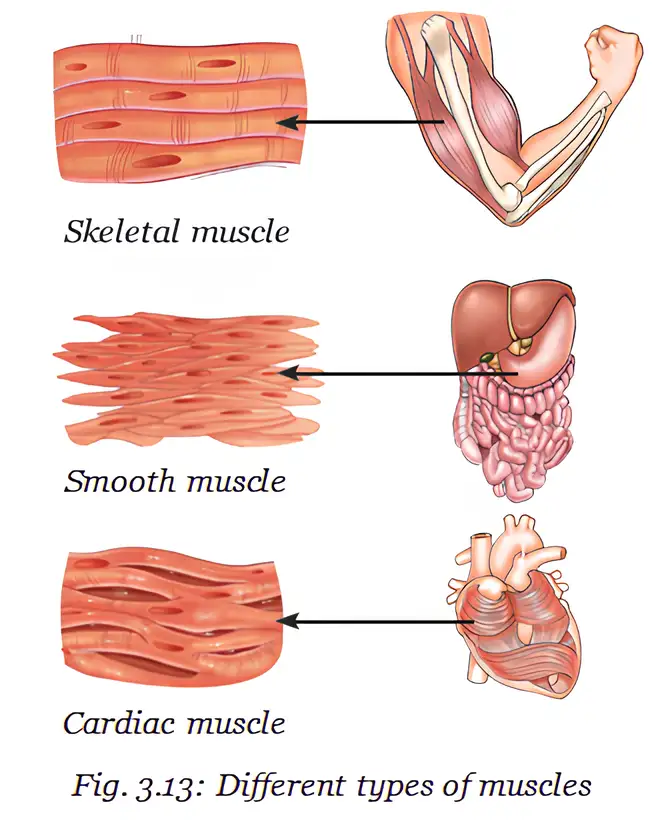
- Muscular tissue: Produces voluntary (skeletal muscles) and involuntary (smooth and cardiac muscles) movements.
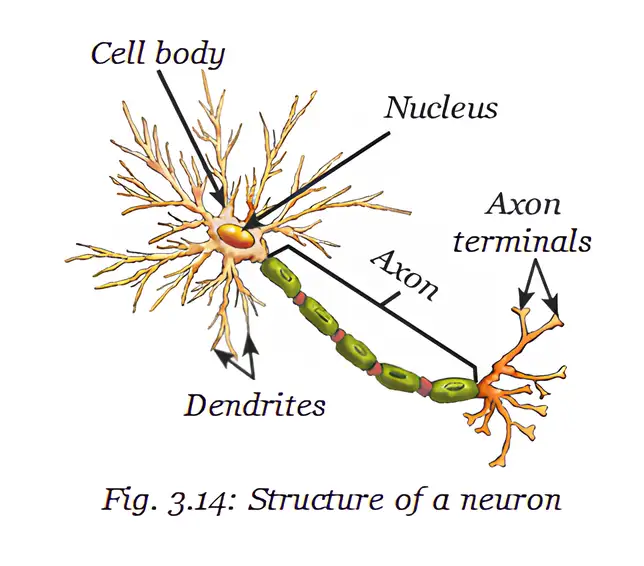
- Nervous tissue: Composed of neurons that transmit signals for control and coordination.
Musculoskeletal System
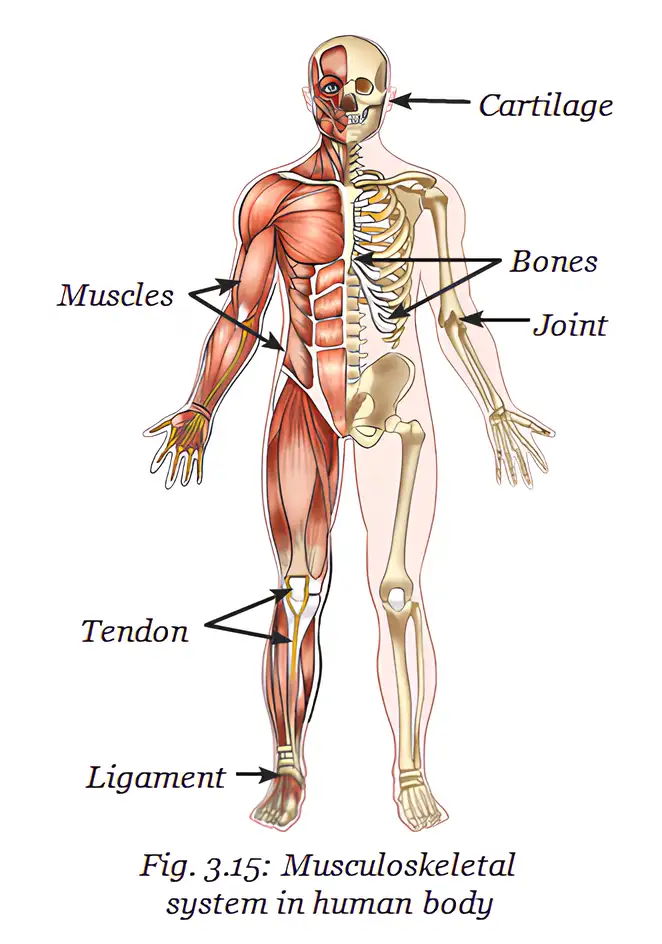
The musculoskeletal system consists of bones, muscles, joints, cartilage, tendons, and ligaments. It supports the body, enables movement, and protects organs. Muscles contract to move bones via tendons, and joints allow different types of movement.
Types of Joints
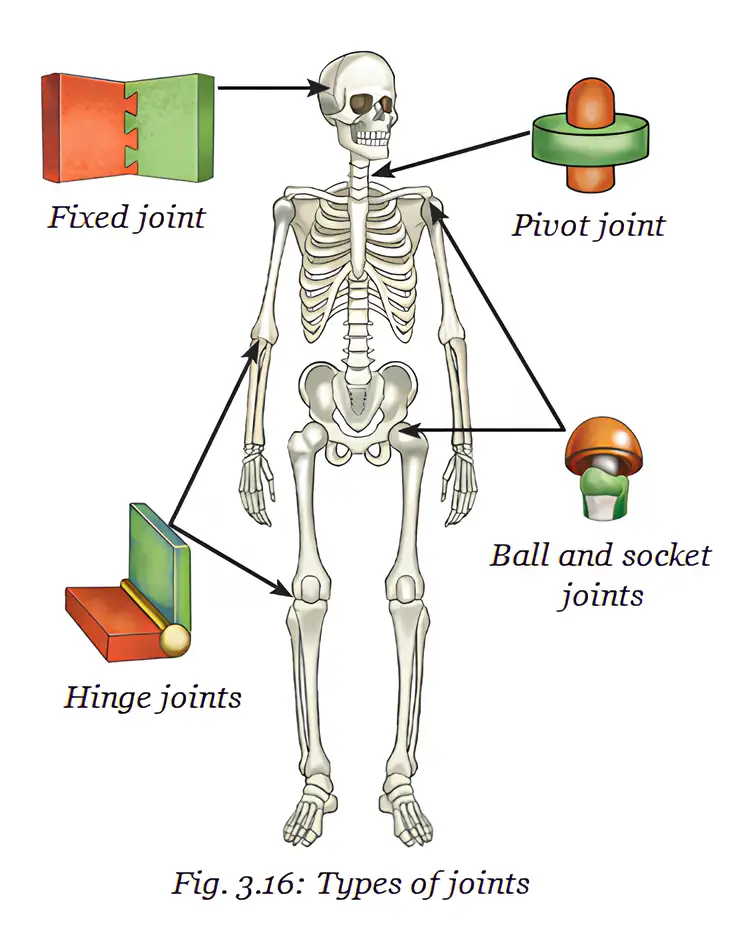
- Ball and socket joint: Allows movement in many directions (e.g., shoulder).
- Hinge joint: Allows movement in one direction (e.g., elbow, knee).
- Pivot joint: Allows rotational movement (e.g., neck).
- Fixed joints: No movement, found in skull bones.
Cellular Totipotency
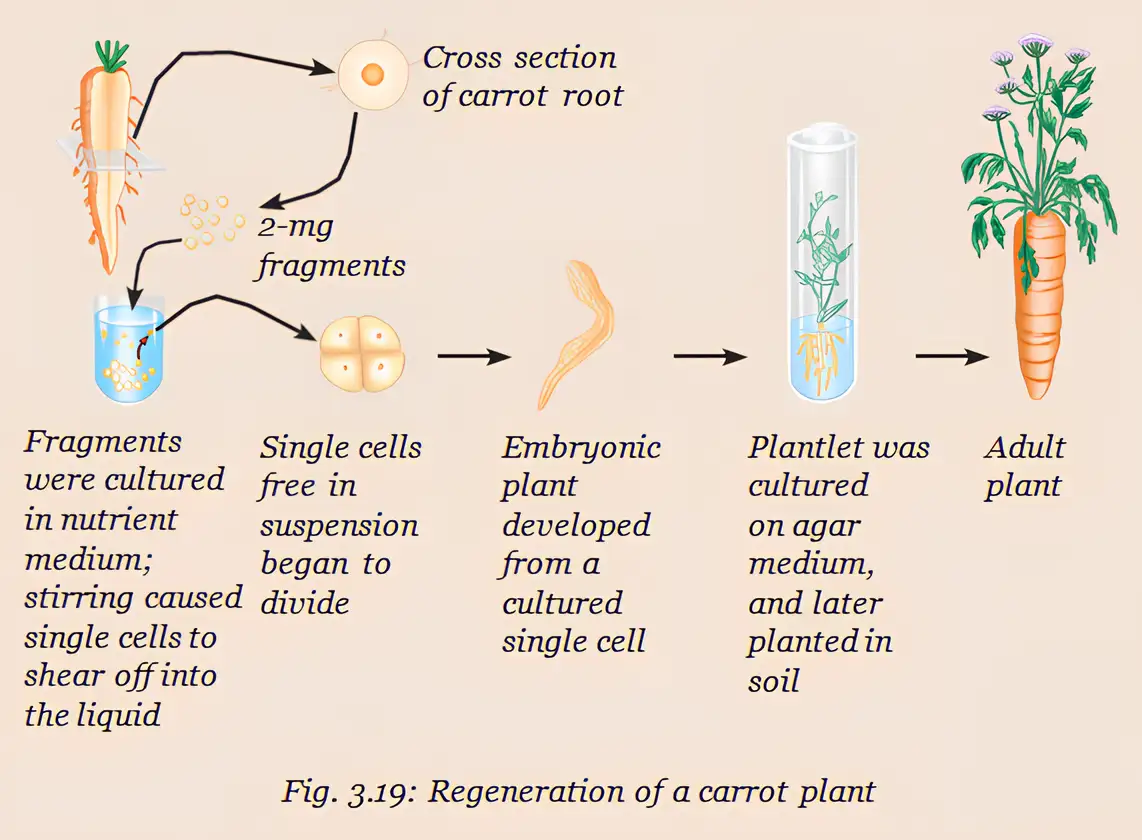
Some plant cells, like phloem cells of carrot, can dedifferentiate, divide, and redifferentiate to form a complete plant. This ability is called totipotency and is fundamental in plant tissue culture and genetic engineering.
Solved Examples
Example 1: Explain how the apical meristem contributes to plant growth.
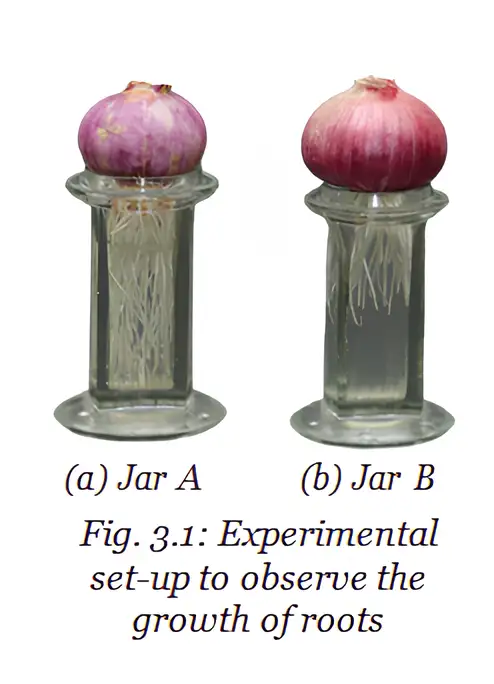
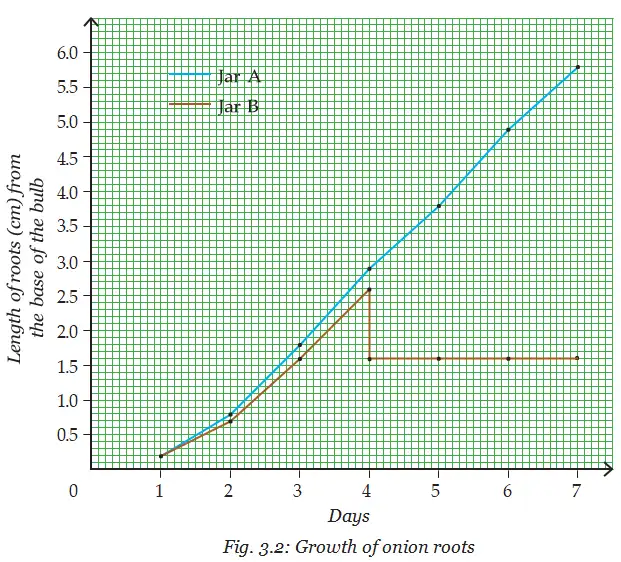
Solution: The apical meristem is located at the tips of roots and shoots. It contains actively dividing cells that increase the length of the plant by producing new cells. For example, in an onion root tip experiment, cutting the root tip stops growth, showing that growth occurs at the apical meristem.
Example 2: Describe the difference between xylem and phloem tissues.
Solution: Xylem transports water and minerals from roots to other parts of the plant and provides structural support. It consists of vessels, tracheids, xylem fibres, and parenchyma. Phloem transports food from leaves to other parts and consists of sieve tubes, companion cells, phloem parenchyma, and fibres. Phloem cells are mostly living, while many xylem cells are dead.
Practice Set
- Level 1: What is the function of collenchyma tissue in plants?
- Level 2: How does the intercalary meristem help plants recover after being cut?
- Level 3: Explain the role of connective tissue in the human body and give two examples.
Answer Key
- Level 1: Collenchyma provides flexible support to growing parts of plants, allowing them to bend without breaking.
- Level 2: Intercalary meristem is located at the base of internodes and nodes. It allows plants like grasses to regrow after cutting or grazing by producing new cells at these points.
- Level 3: Connective tissue connects and supports other tissues and organs. Examples include blood, which transports nutrients and oxygen, and bones, which provide structural support and protection.
Quick Reference Table
Plant Tissues:
- Meristematic tissues: Apical (length growth), Lateral (girth growth), Intercalary (regrowth after cutting)
- Permanent tissues: Simple (Parenchyma, Collenchyma, Sclerenchyma), Complex (Xylem, Phloem)
- Functions: Protection (Epidermis), Support (Collenchyma, Sclerenchyma), Transport (Xylem, Phloem)
Animal Tissues:
- Epithelial: Protection, absorption, secretion
- Connective: Support and connection (Blood, Bone, Cartilage, Tendons, Ligaments)
- Muscular: Movement (Skeletal, Smooth, Cardiac)
- Nervous: Control and coordination (Neurons)
Joints: Ball and socket, Hinge, Pivot, Fixed
Common Mistakes and Misconceptions
- Confusing meristematic tissues with permanent tissues; meristematic tissues actively divide, permanent tissues do not.
- Assuming all plant cells have the same function; different tissues have specialized roles.
- Believing that all animal muscles are under voluntary control; smooth and cardiac muscles are involuntary.
- Thinking joints move bones by themselves; muscles contract to move bones via tendons.
Glossary
- Apical meristem: Tissue at root and shoot tips responsible for lengthwise growth.
- Lateral meristem: Tissue responsible for increase in girth of stems.
- Intercalary meristem: Tissue at base of internodes aiding regrowth after cutting.
- Parenchyma: Simple permanent tissue involved in storage and photosynthesis.
- Collenchyma: Simple permanent tissue providing flexible support.
- Sclerenchyma: Simple permanent tissue providing rigid support.
- Xylem: Complex tissue transporting water and minerals.
- Phloem: Complex tissue transporting food.
- Epithelial tissue: Covers body surfaces and lines organs.
- Connective tissue: Supports and connects other tissues.
- Muscular tissue: Produces movement.
- Nervous tissue: Transmits signals for control and coordination.
- Totipotency: Ability of a cell to develop into a complete organism.