CLASS 9 . SCIENCE . EXPLORATION . WORK ENERGY-AND-SIMPLE-MACHINES
Chapter 7 : Work, Energy, and Simple Machines
Ch 7
SCIENCE
CLASS 9
Work Energy Simple Machines
Introduction to Work, Energy, and Power
Work, energy, and power are fundamental concepts that help us understand motion and forces in everyday life. Work is done when a force causes an object to move in the direction of the force. Energy is the capacity to do work, and power is the rate at which work is done. Simple machines help us perform tasks more easily by changing the magnitude or direction of forces.
Work Done by a Constant Force
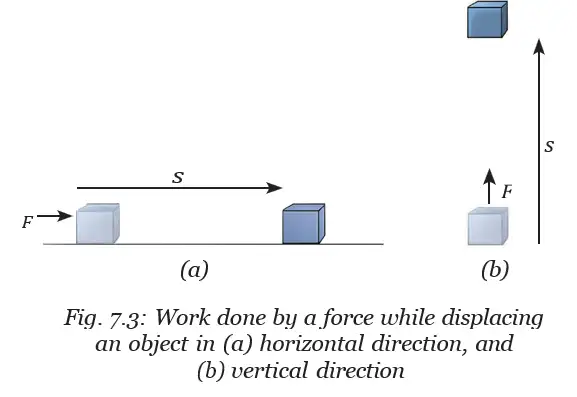
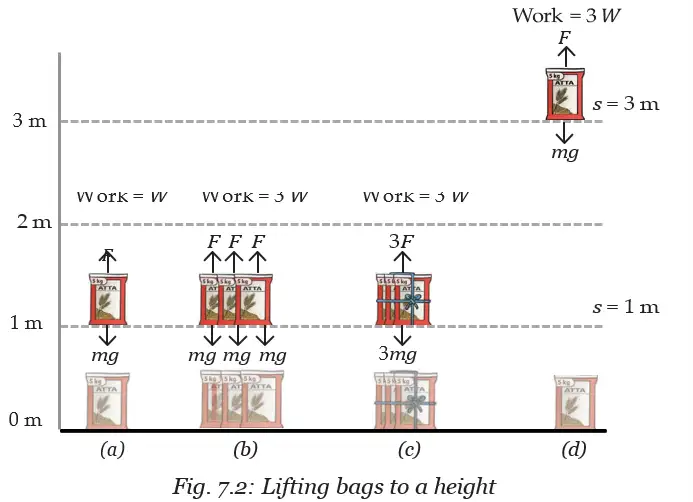
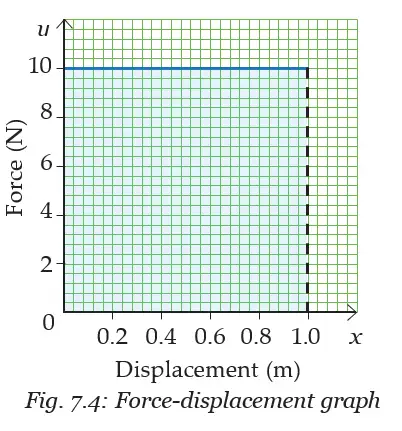
Work done by a constant force is defined as the product of the force applied and the displacement of the object in the direction of the force. Mathematically, work done (W) = force (F) × displacement (s). The SI unit of work is the joule (J), where 1 joule equals 1 newton meter (1 J = 1 N × 1 m).
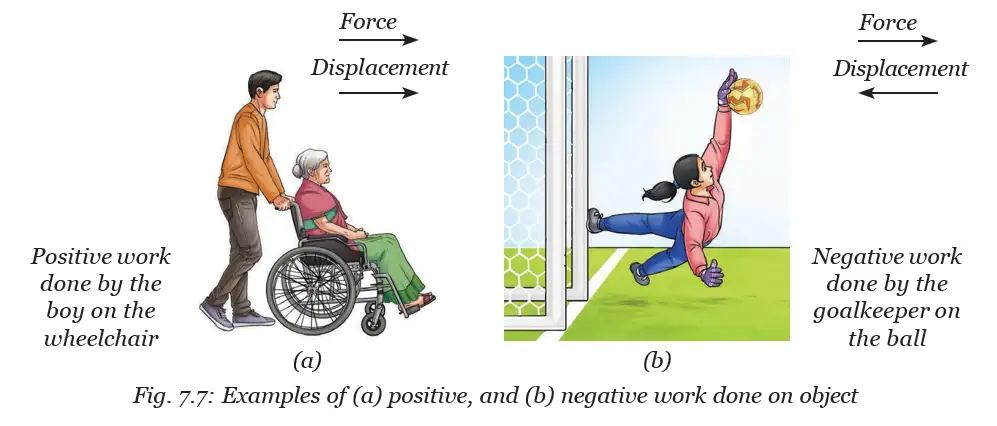
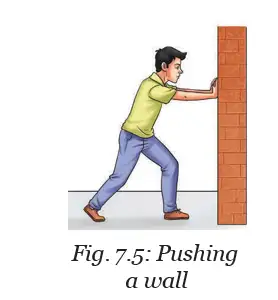
Work can be positive, negative, or zero depending on the direction of force and displacement. Positive work is done when force and displacement are in the same direction, negative work when they are opposite, and zero work when there is no displacement or the force is perpendicular to displacement.
Work-Energy Theorem
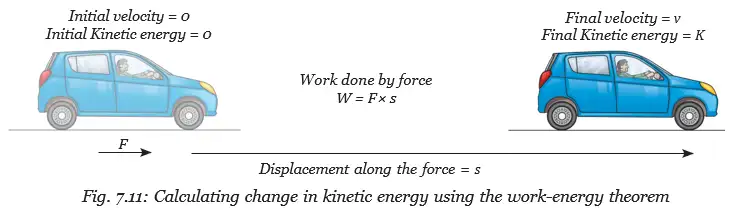
The work-energy theorem states that the work done on an object is equal to the change in its energy. When positive work is done, the object gains energy; when negative work is done, the object loses energy. This theorem helps relate forces and motion through energy changes.
Forms of Energy
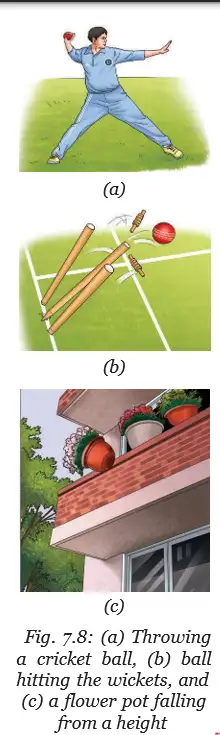
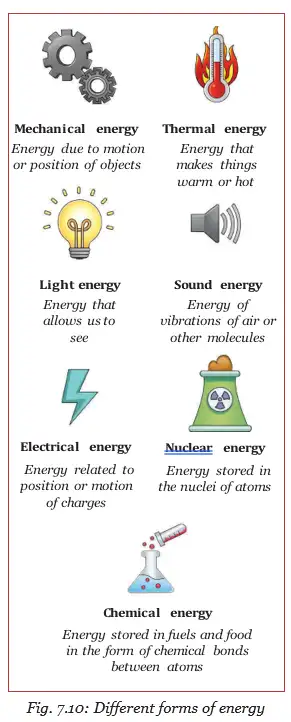
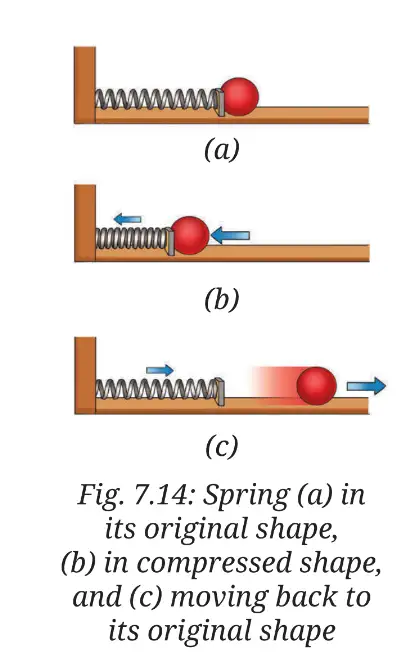
Energy exists in various forms such as mechanical, thermal, light, sound, electrical, nuclear, and chemical energy. Mechanical energy includes kinetic energy (energy due to motion) and potential energy (energy stored due to position or configuration).
Kinetic Energy
Kinetic energy is the energy possessed by an object due to its motion. It is given by the formula K = 1/2 mv², where m is the mass and v is the velocity of the object. The SI unit of kinetic energy is joule (J).
Potential Energy
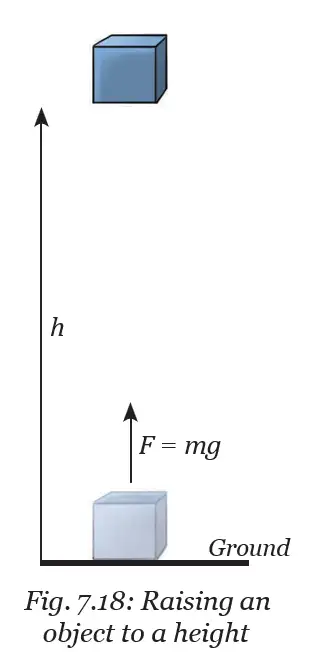
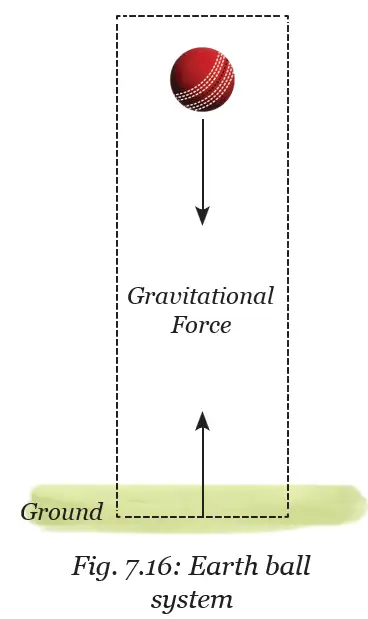
Potential energy is the energy stored in an object due to its position or configuration. Gravitational potential energy near the Earth's surface is given by U = mgh, where m is mass, g is acceleration due to gravity, and h is height above the ground. The SI unit is joule (J).
Conservation of Mechanical Energy
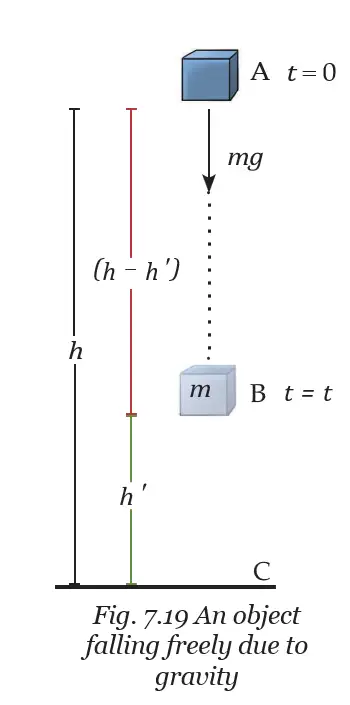
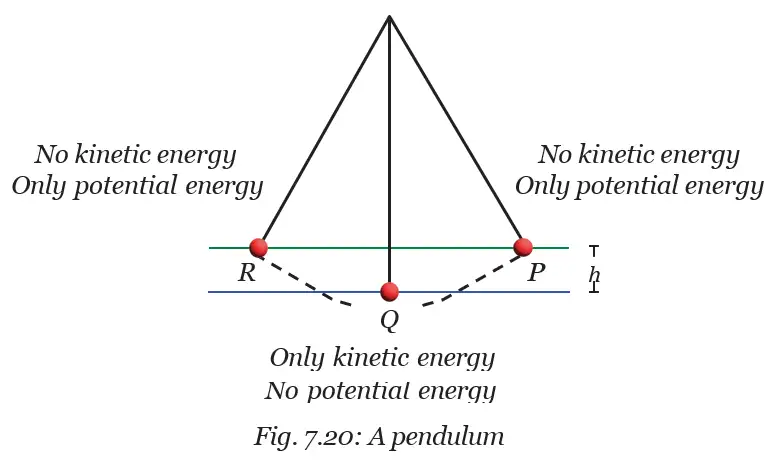
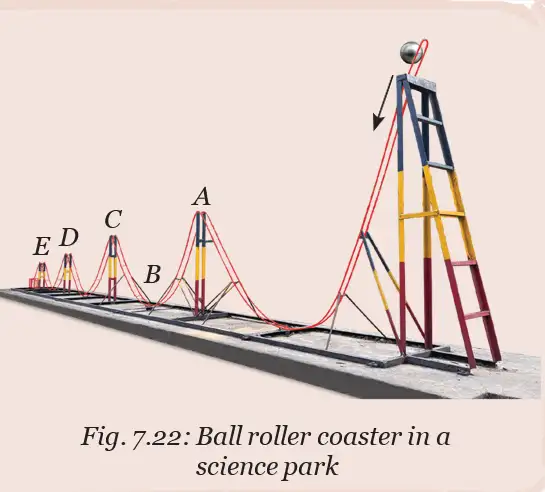
The total mechanical energy of an object, which is the sum of its kinetic and potential energies, remains constant if no external forces like friction act on it. This principle is called the conservation of mechanical energy.

Power
Power is the rate at which work is done. It is calculated as power (P) = work done (W) / time taken (t). The SI unit of power is watt (W), where 1 watt equals 1 joule per second (1 W = 1 J/s).
Simple Machines
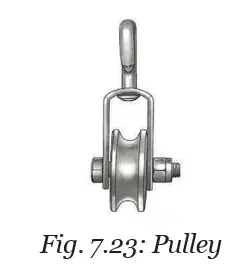
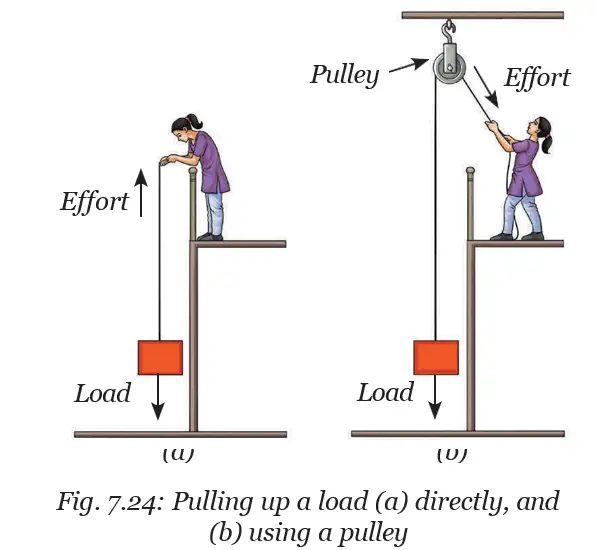
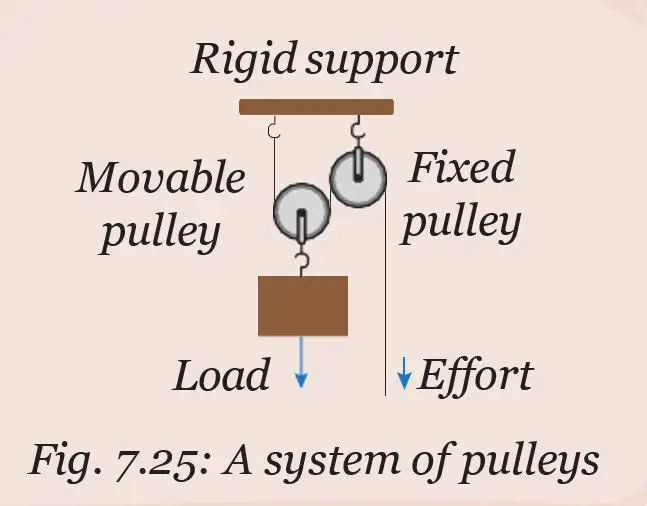
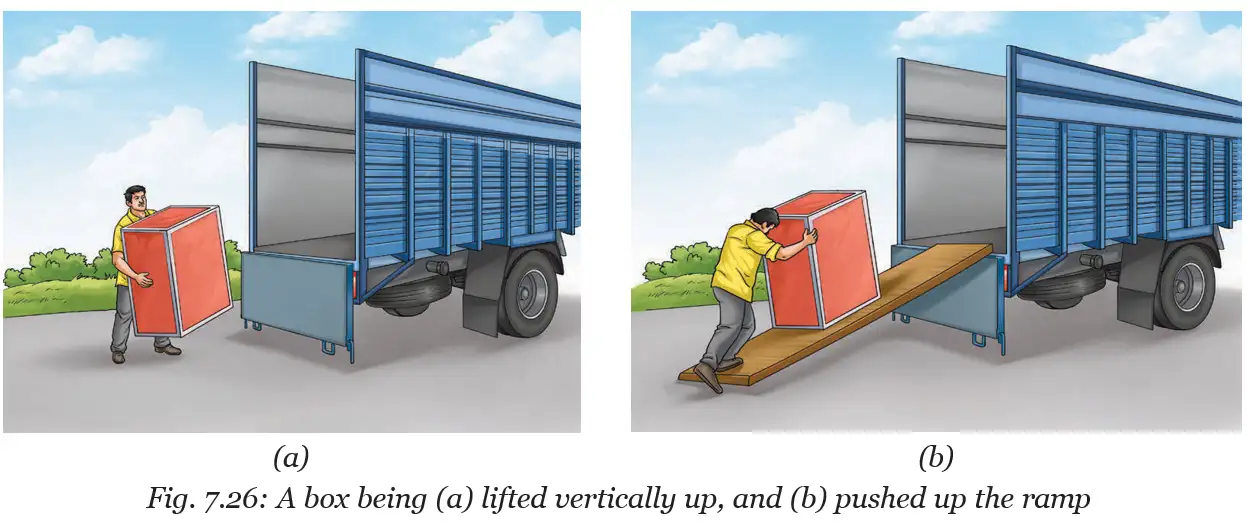
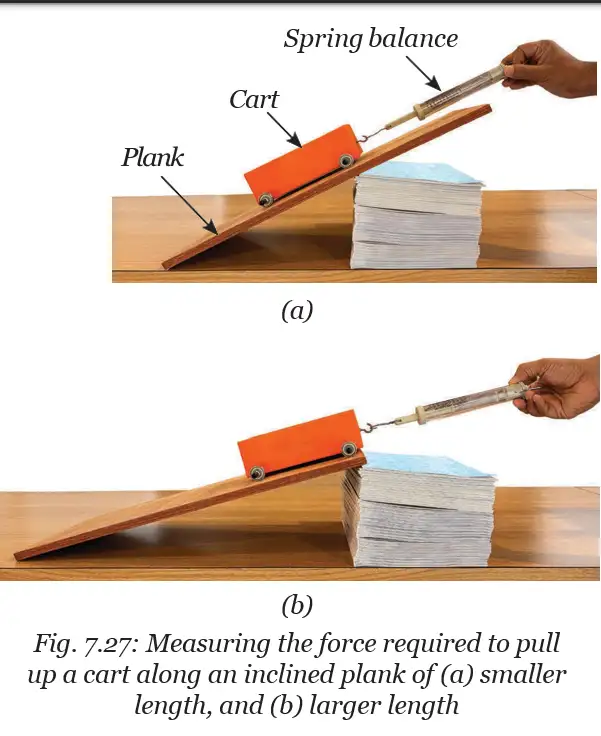
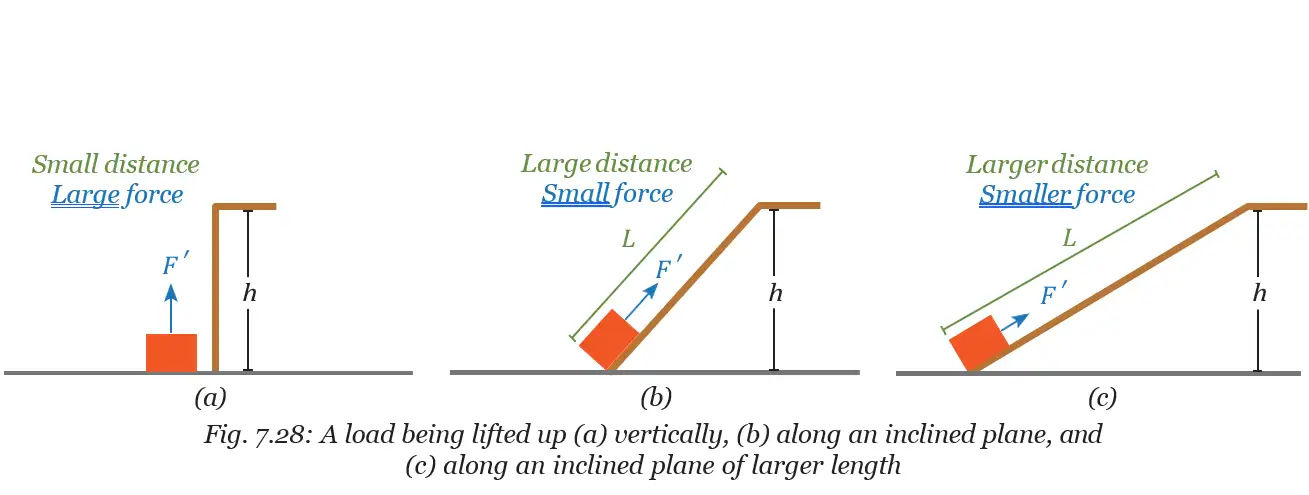
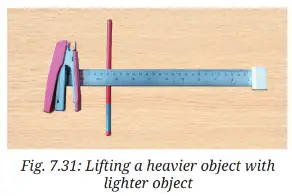
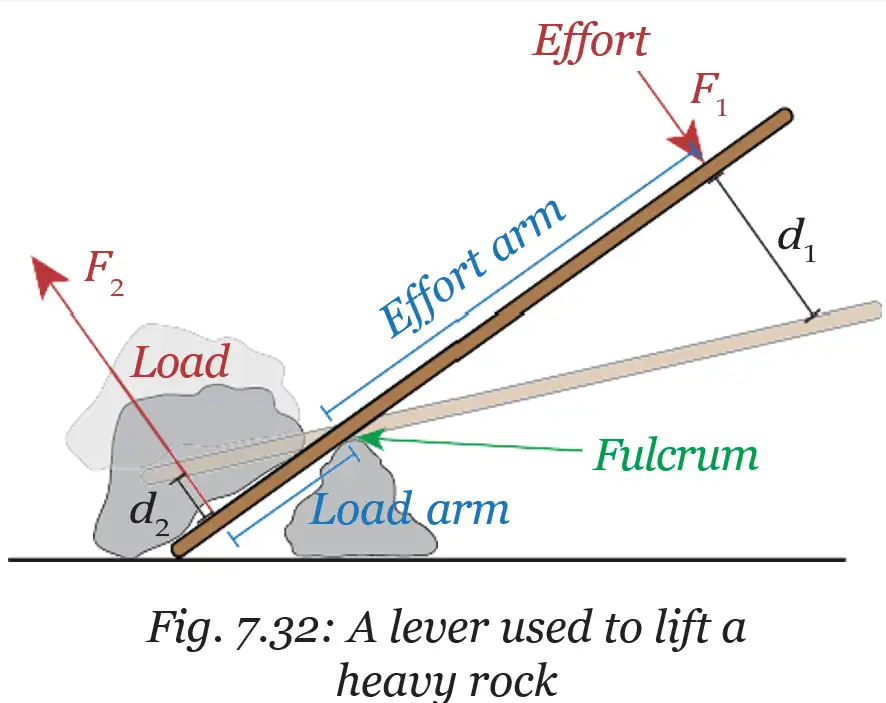
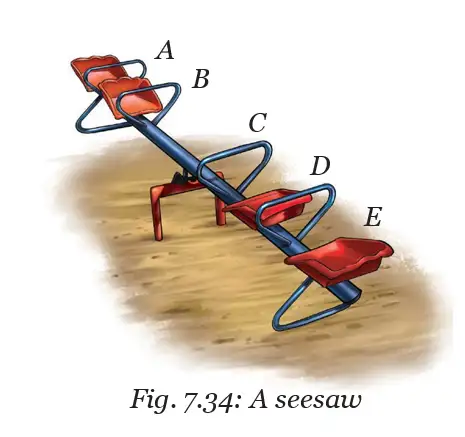
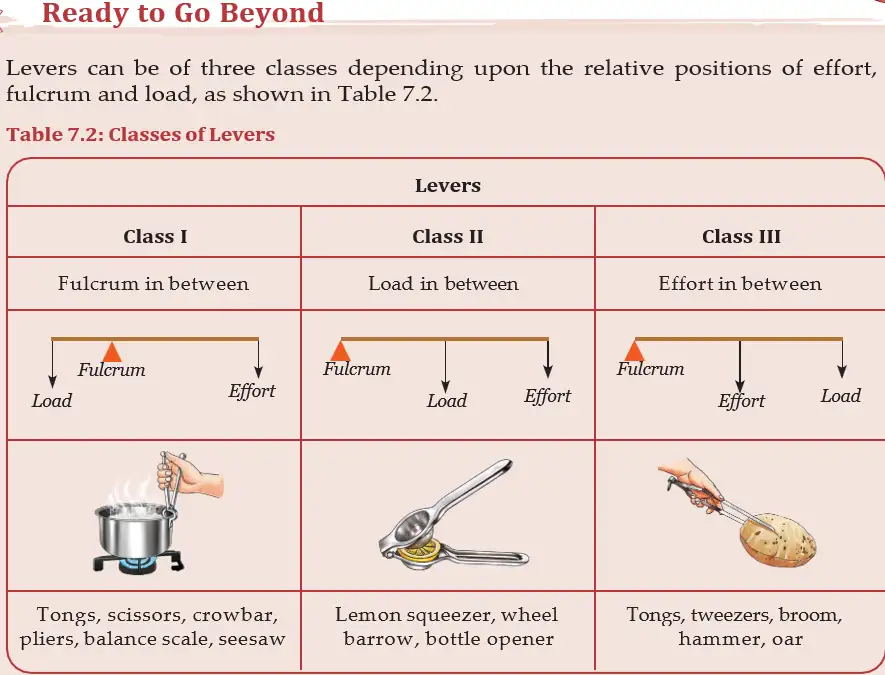
Simple machines are devices that make work easier by changing the magnitude or direction of the applied force. Common simple machines include pulleys, inclined planes, and levers. They provide mechanical advantage, which is the ratio of load to effort.
Solved Examples
Example 1: Calculating Work Done
A force of 10 N moves an object 5 m in the direction of the force. Calculate the work done.
Solution: Work done, W = F × s = 10 N × 5 m = 50 J.

Example 2: Kinetic Energy of a Moving Object
A vehicle of mass 1000 kg moves with a velocity of 20 m/s. Calculate its kinetic energy.
Solution: K = 1/2 mv² = 1/2 × 1000 kg × (20 m/s)² = 200,000 J.
Example 3: Potential Energy at a Height
A ball of mass 2 kg is lifted to a height of 3 m. Calculate its potential energy.
Solution: U = mgh = 2 kg × 10 m/s² × 3 m = 60 J.
Example 4: Power Required to Lift a Load
A weightlifter lifts a 75 kg mass by 2 m in 5 seconds. Calculate the power required.
Solution: Work done = mgh = 75 kg × 10 m/s² × 2 m = 1500 J.
Power = Work / time = 1500 J / 5 s = 300 W.
Example 5: Mechanical Advantage of an Inclined Plane
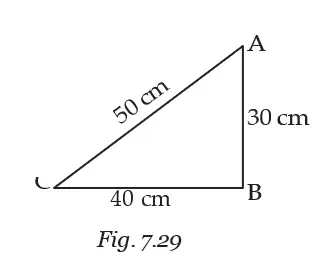
A ramp of length 50 cm is used to raise a load to a height of 30 cm. Calculate the mechanical advantage.
Solution: Mechanical advantage = Length / Height = 50 cm / 30 cm = 1.67.
Practice Set
- Conceptual Question 1 (Level 1): Define work done by a force. When is work said to be zero?
- Conceptual Question 2 (Level 2): Explain the difference between kinetic energy and potential energy with examples.
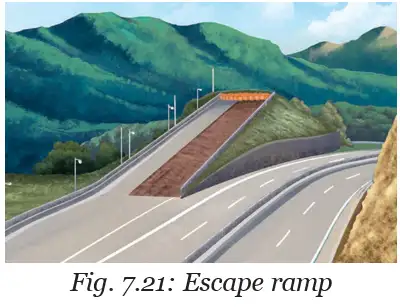
- Application Question (Level 3): A truck of mass 10,000 kg moving at 20 m/s is stopped by a sand ramp applying a force of 50,000 N opposite to its motion. Calculate the minimum length of the ramp required to stop the truck.
Answer Key
- Conceptual Question 1: Work done by a force is the product of the force and the displacement in the direction of the force. Work is zero if there is no displacement or if the force is perpendicular to the displacement.
- Conceptual Question 2: Kinetic energy is the energy due to motion (e.g., a moving car), while potential energy is stored energy due to position (e.g., a ball held at a height).
- Application Question: Initial kinetic energy = 1/2 × 10,000 kg × (20 m/s)² = 2,000,000 J.
Work done by sand = force × distance = 50,000 N × d.
Using work-energy theorem: -50,000 N × d = -2,000,000 J.
Solving for d: d = 2,000,000 J / 50,000 N = 40 m.
Quick Reference Table
Key Definitions
- Work: Force × displacement in the direction of force.
- Energy: Capacity to do work.
- Kinetic Energy: Energy due to motion, K = 1/2 mv².
- Potential Energy: Energy stored due to position, U = mgh.
- Power: Rate of doing work, P = W/t.
- Mechanical Advantage: Load / Effort.
Units
- Force: Newton (N)
- Displacement: Meter (m)
- Work and Energy: Joule (J)
- Power: Watt (W)
Common Mistakes and Misconceptions
- Confusing work done with force alone; work requires displacement in the direction of force.
- Assuming energy is lost; energy is conserved but can change forms.
- Believing simple machines reduce total work; they only change force magnitude or direction.
- Mixing up positive and negative work; direction of force and displacement matters.
Glossary
- Work: Product of force and displacement in the direction of force.
- Energy: Capacity to do work.
- Kinetic Energy: Energy possessed by a moving object.
- Potential Energy: Energy stored due to position or configuration.
- Power: Rate of doing work.
- Mechanical Advantage: Ratio of load to effort in a machine.
- Simple Machine: Device that changes force magnitude or direction to make work easier.