CLASS 9 . SCIENCE . EXPLORATION . PATTERNS IN-LIFE-DIVERSITY-AND-CLASSIFICATION
Chapter 12 : Patterns in Life: Diversity and Classification
Ch 12
SCIENCE
CLASS 9
"




Biodiversity
Definition and Importance
Biodiversity refers to the variety of life forms on Earth, including plants, animals, and microorganisms. It is essential for maintaining ecosystem stability and functioning. Each organism plays a role, such as producing oxygen, decomposing waste, pollinating plants, and supporting food chains.
Adaptations to Habitats
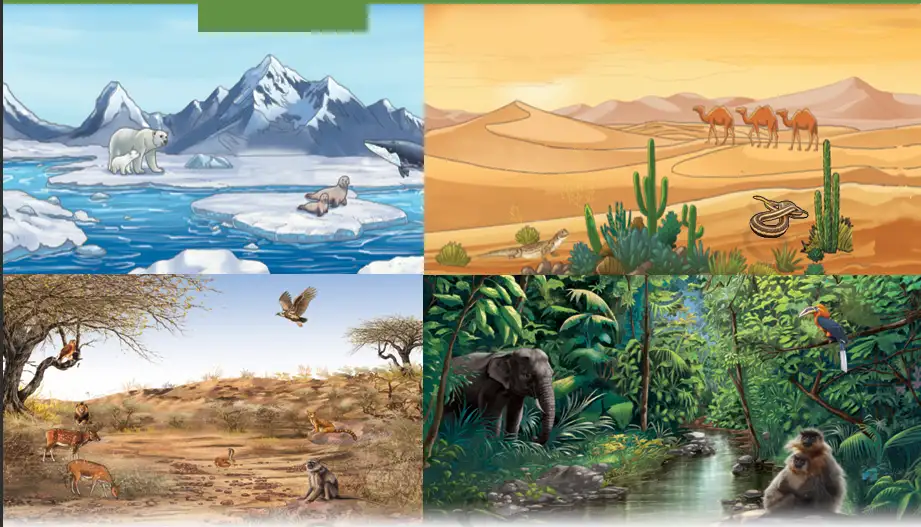
Different habitats like the Arctic, desert, savanna, and rainforest support unique plants and animals adapted to their specific environments. For example, polar bears thrive in cold Arctic conditions, while cacti survive in hot deserts.
India as a Biodiversity Hotspot
India's diverse landscapes, from mountains to rainforests, support many endemic species found nowhere else, such as the Nilgiri tahr and Lion-tailed macaque. Biodiversity hotspots like the Western Ghats and Himalayas are crucial for conservation.
Evolution of Biodiversity
Biodiversity has evolved over millions of years through gradual changes and adaptations, shaped by interactions between organisms and their environments.
Scientific Contributions from India
Ancient Indian traditions classified landscapes and protected sacred groves, demonstrating early ecological understanding aligned with modern principles.
Classification
Purpose of Classification
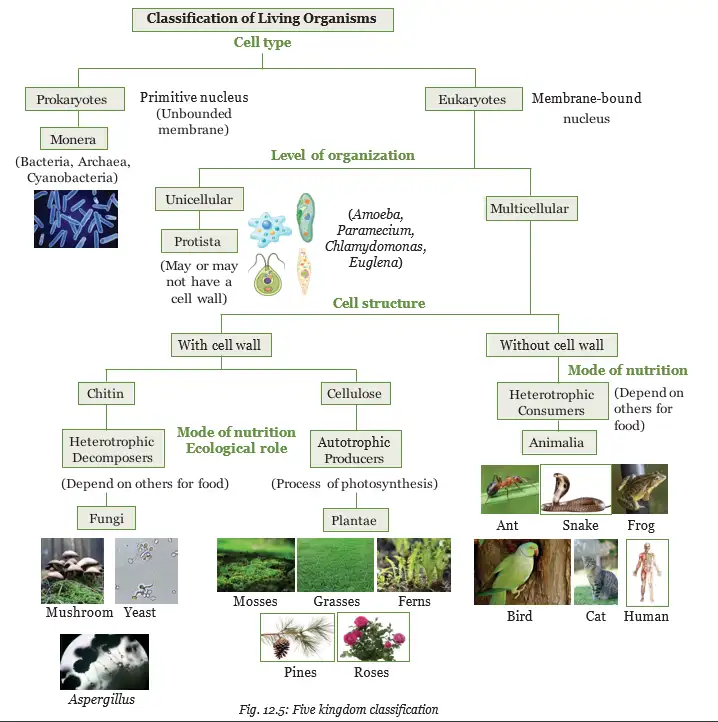
Classification organizes the vast diversity of organisms into groups based on shared characteristics, making study and understanding easier. It helps identify relationships, functions, and applications in ecosystem management and conservation.
Criteria for Classification
Scientists classify organisms based on external features, mode of nutrition, internal structures, cell type, ecological role, reproduction methods, and genetic similarities.
Historical Classification Systems
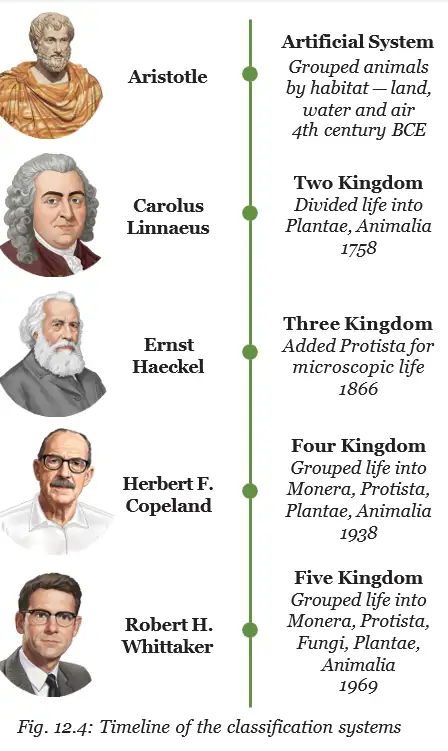
From Aristotle's habitat-based grouping to the two-kingdom system (Plantae and Animalia), classification systems have evolved to include Protista, Monera, and Fungi, leading to the five-kingdom system.
Five Kingdom Classification
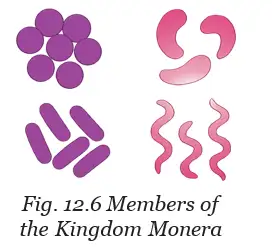
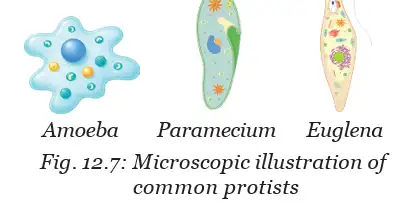
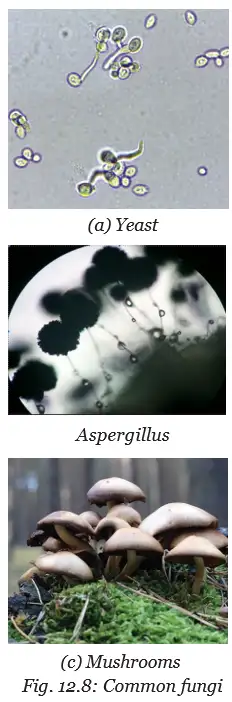
The five kingdoms are Monera (unicellular prokaryotes), Protista (unicellular eukaryotes), Fungi (multicellular heterotrophs with chitin cell walls), Plantae (multicellular autotrophs with cellulose cell walls), and Animalia (multicellular heterotrophs without cell walls).
Kingdom Plantae Classes
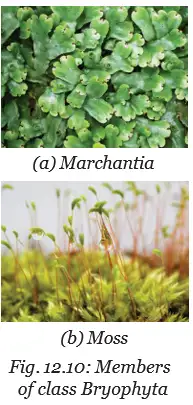
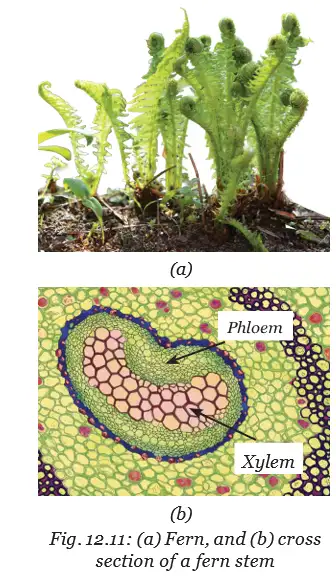
Plantae is divided into Thallophyta (algae), Bryophyta (mosses), Pteridophyta (ferns), Gymnosperms (conifers), and Angiosperms (flowering plants), showing evolutionary adaptations from aquatic to terrestrial life.
Kingdom Animalia Classification
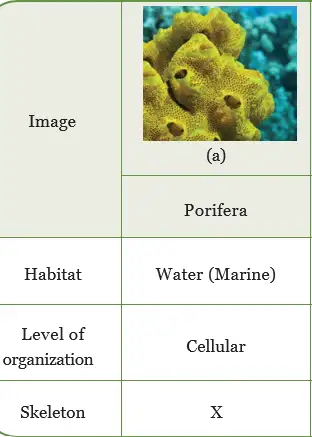
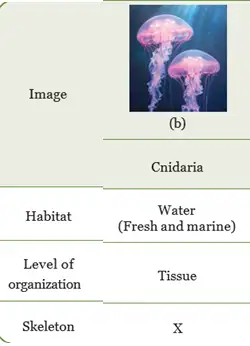
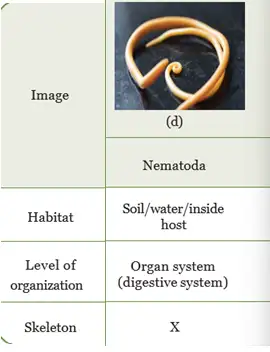
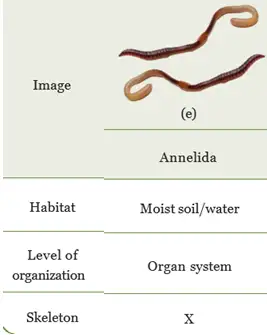
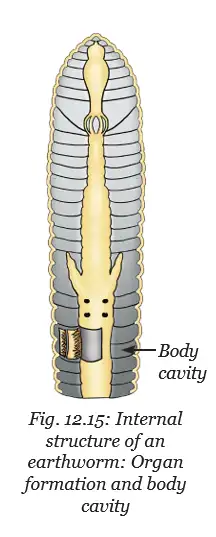
Animals are classified into invertebrates (without notochord) and chordates (with notochord). Invertebrates include phyla like Porifera, Cnidaria, Platyhelminthes, Nematoda, Annelida, Arthropoda, Mollusca, and Echinodermata. Chordates include protochordates and vertebrates.
Scientific Naming
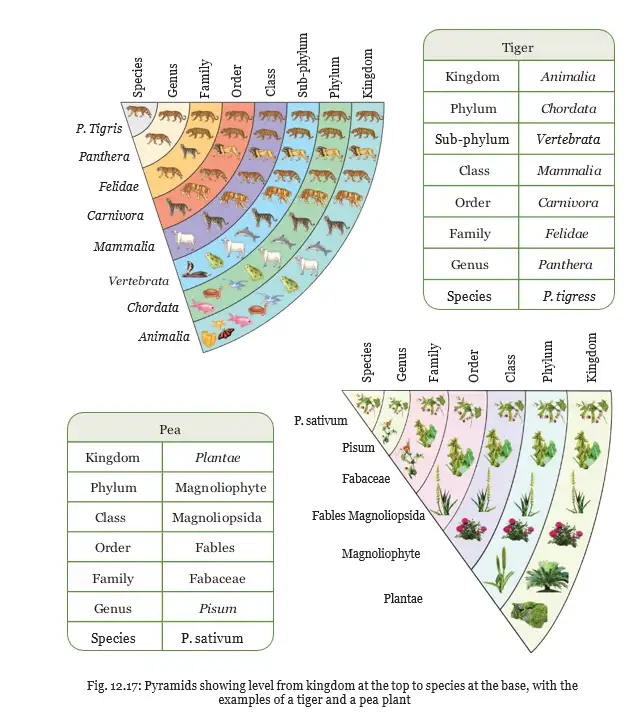
Binomial nomenclature assigns each organism a two-part Latin name: genus (capitalized) and species (lowercase), written in italics. This universal system avoids confusion from regional names.
Solved Examples
Practice Set
- Level 1 – Easy: Define biodiversity and explain why it is important for ecosystems.
- Level 2 – Moderate: Describe the main criteria used to classify living organisms into kingdoms.
- Level 3 – Challenging: Explain how the five kingdom classification system addresses the limitations of earlier classification systems.
Answer Key
- Level 1: Biodiversity is the variety of life forms on Earth. It is important because it maintains ecosystem stability, supports food chains, and provides resources like oxygen and nutrients.
- Level 2: Organisms are classified based on cell type (prokaryote or eukaryote), cell structure (presence of cell wall), level of organization (unicellular or multicellular), and mode of nutrition (autotrophic or heterotrophic).
- Level 3: The five kingdom system includes Monera, Protista, Fungi, Plantae, and Animalia, which accounts for unicellular prokaryotes, unicellular eukaryotes, and fungi separately, overcoming the confusion in the two kingdom system and better reflecting evolutionary relationships.