CLASS 12-PCB . BIOLOGY . BIOLOGY . BIOTECHNOLOGY AND-ITS-APPLICATIONS
Chapter 10 : Biotechnology And Its Applications
Ch 10
BIOLOGY
CLASS 12-PCB
Biotechnology and Applications
Introduction to Biotechnology
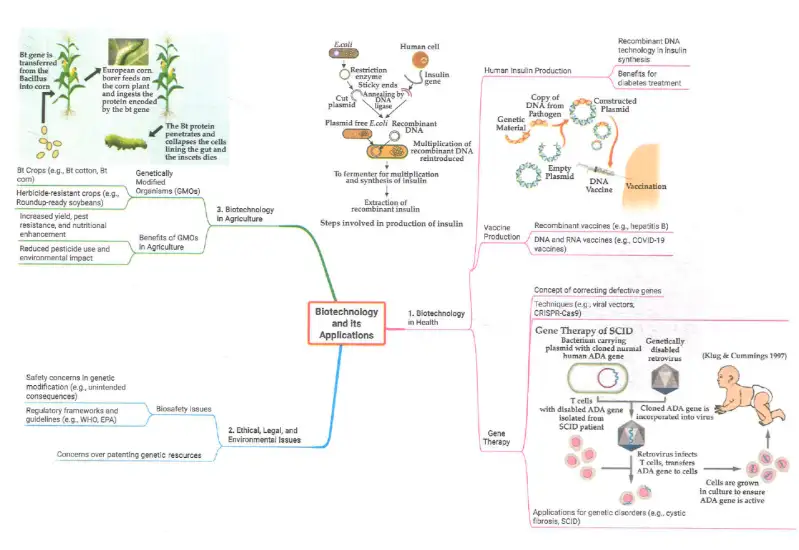
Biotechnology is the use of living organisms, cells, and biological systems to develop products and technologies for human benefit. It involves manipulating the genetic material of organisms to improve agriculture, medicine, and environmental management.
Applications in Agriculture
Biotechnology helps in developing genetically modified (GM) crops that are resistant to pests, diseases, and environmental stresses. Examples include Bt cotton and Bt corn, which produce insecticidal proteins to reduce pesticide use and increase yield.
Applications in Medicine
Medical biotechnology includes the production of therapeutic drugs like human insulin using recombinant DNA technology, development of vaccines, gene therapy to treat genetic disorders, and molecular diagnosis techniques such as PCR and ELISA for early detection of diseases.
Ethical, Legal, and Environmental Issues
Biotechnology raises concerns about safety, environmental impact, and ethical considerations such as biopiracy and patenting of genetic resources. Regulatory bodies like the Genetic Engineering Approval Committee (GEAC) oversee the safe use of genetically modified organisms.
Solved Examples
Example 1
Question: Why does the insecticidal protein produced by Bacillus thuringiensis not kill the bacterium but kills the cotton bollworm? Explain.
Answer: The Bt toxin exists as an inactive protoxin in Bacillus thuringiensis, so it does not harm the bacterium. When an insect ingests the protoxin, the alkaline pH of its gut activates the toxin by solubilizing the crystals. The active toxin binds to the midgut epithelial cells, creating pores that cause cell swelling, lysis, and eventually death of the insect.
Practice Set
- Level 1 (Easy): What is the role of Bt toxin in genetically modified crops?
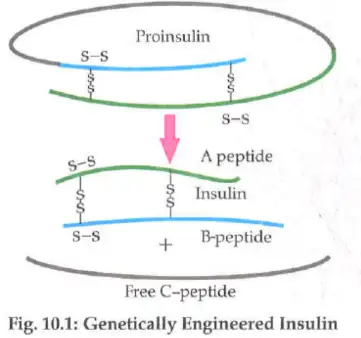
- Level 2 (Moderate): Explain how recombinant DNA technology is used to produce human insulin.
- Level 3 (Challenging): Discuss the ethical issues related to biopiracy and patenting of genetically modified organisms.
Answer Key
- Level 1: Bt toxin is an insecticidal protein produced by Bacillus thuringiensis that kills specific insect pests, reducing the need for chemical pesticides in genetically modified crops.
- Level 2: The human insulin gene is inserted into plasmids of bacteria like E. coli. These bacteria produce insulin chains A and B separately, which are then combined by forming disulfide bonds to create active human insulin used for diabetes treatment.
- Level 3: Ethical issues include unauthorized use of genetic resources (biopiracy), patenting of traditional varieties without compensation, and potential environmental risks. These raise concerns about fairness, biodiversity conservation, and regulation.
Transgenic Animals and Bioethics
Transgenic Animals
Transgenic animals have genomes altered by introducing foreign genes. Examples include transgenic mice, rats, pigs, and cows. They are used to study gene functions, model human diseases, produce biological products, and test vaccine safety.
Advantages of Transgenic Animals
They help in understanding physiology and development, investigating diseases like cancer and cystic fibrosis, producing therapeutic proteins such as human alpha-l-antitrypsin, and improving vaccine and chemical safety testing.
Ethical Issues
Concerns include unpredictable ecological effects, patenting of genetic materials, biopiracy, and the moral implications of genetic modification. Regulatory bodies ensure safety and ethical compliance in biotechnology research and applications.
Solved Examples
Example 2
Question: What do you understand by ethical issues in biotechnology?
Answer: Ethical issues arise when biotechnology activities conflict with societal moral principles. For example, patenting Indian Basmati rice by a foreign company without compensation to farmers is biopiracy, affecting biodiversity and indigenous livelihoods. Such issues require laws and regulations to protect rights and ensure responsible use of biotechnology.
Practice Set
- Level 1 (Easy): Define transgenic animals.
- Level 2 (Moderate): List two benefits of using transgenic animals in research.
- Level 3 (Challenging): Explain the concept of biopiracy and its impact on biodiversity.
Answer Key
- Level 1: Transgenic animals are animals whose genomes have been altered by introducing foreign genes through genetic engineering.
- Level 2: Benefits include studying gene functions and disease mechanisms, and producing therapeutic proteins for medical use.
- Level 3: Biopiracy is the unauthorized use of biological resources and traditional knowledge by companies without permission or compensation, leading to loss of biodiversity and harming indigenous communities.
Quick Reference Table
Biotechnology: Use of living organisms to develop products and technologies.
Genetically Modified Organisms (GMO): Organisms with altered genes for desired traits.
Bt Toxin: Insecticidal protein from Bacillus thuringiensis used in pest-resistant crops.
Recombinant DNA Technology: Technique to insert genes into organisms to produce proteins like insulin.
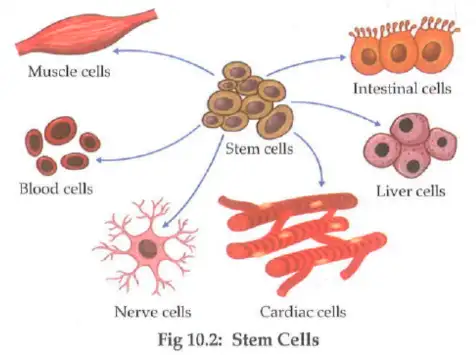
Stem Cells: Undifferentiated cells capable of developing into various cell types.
Gene Therapy: Treatment involving insertion of healthy genes to correct genetic disorders.
Biopiracy: Unauthorized use of biological resources and traditional knowledge.
Common Mistakes and Misconceptions
Confusing gene editing (CRISPR-Cas9) with traditional gene therapy; mixing up biofertilisers with biopesticides; assuming all GM crops have the same traits; misunderstanding the source of recombinant insulin; overlooking ethical concerns in biotechnology applications.
Glossary
CRISPR-Cas9: A gene-editing tool that cuts DNA at specific sites.
Adenosine Deaminase (ADA): An enzyme important for immune system function; its deficiency causes SCID.
Bioremediation: Use of living organisms to clean pollutants from the environment.
Pluripotent Cells: Cells that can develop into many different cell types.
ELISA: A test that uses antibodies and color change to detect substances.
PCR: A technique to amplify DNA sequences for detection and analysis.