CLASS 12-HUMANITIES . ENGLISH . KALEIDOSCOPE . TREES
Chapter 10 : Trees
Ch 10
ENGLISH
CLASS 12-HUMANITIES
Introduction to the Poem Trees Like Tassels Hit and Swung
Trees Like Tassels Hit and Swung is a poem by Emily Dickinson, a renowned American poet who lived from 1830 to 1886. Dickinson is known for her unique style characterized by unconventional capitalization, extensive use of dashes, and vivid imagery. This poem captures the essence of a summer day through delicate and musical imagery, portraying nature in a lyrical and picturesque manner.
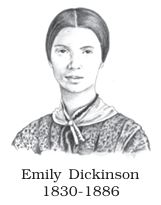
The poem reflects Dickinson's close observation of natural phenomena, using miniature creatures and natural elements to create a harmonious tune that accompanies the sun. The imagery and style make the poem a beautiful representation of nature's subtle music and visual beauty.
Summary of the Poem Trees Like Tassels Hit and Swung
The poem describes a summer day where the trees move like tassels, creating a rhythmic sound as they sway. The poet imagines a tune rising from tiny creatures that accompany the sun. The summer is depicted as a musical experience with "Psalteries of Summer" enchanting the ear. The sun appears intermittently, sometimes fully visible, sometimes half-hidden behind clouds, as if it has the choice to reveal itself or stay concealed.
Various elements of nature are personified: a bird sits carelessly on a fence, a snake winds around a stone, and bright flowers open and soar like flags with spices in their hems. The poet suggests that this natural scene is more beautiful and detailed than any painter's depiction, specifically referencing Vandyke’s artistic portrayal of a summer day.
Themes in Trees Like Tassels Hit and Swung
- Nature's Beauty: The poem celebrates the delicate and intricate beauty of a summer day, emphasizing the harmony and music found in natural elements.
- Personification: Animals and natural objects are given human qualities, enhancing the vividness and emotional connection to nature.
- Transience and Change: The sun’s intermittent appearance symbolizes the fleeting and changeable aspects of nature.
- Art and Reality: The poem contrasts the real, living beauty of nature with artistic representations, suggesting that nature’s true essence surpasses any painting.
Literary Devices Used in the Poem
- Imagery: Vivid descriptions like "Trees like Tassels hit and swung" and "Bright Flowers slit a Calyx" create strong visual pictures.
- Personification: The sun is given human-like qualities, such as having "Estates of Cloud" and whims to hide or show itself. Birds and snakes are also described with human traits.
- Alliteration: Repetition of consonant sounds, e.g., "Sweet hoisted – With Spices – in the Hem," adds musicality.
- Symbolism: The sun symbolizes life and energy, while the clouds represent concealment and mystery.
- Unconventional Capitalization and Dashes: Typical of Dickinson’s style, these create pauses and emphasize certain words.
Important Quotes from the Poem
- "The Trees like Tassels hit – and – swung – There seemed to rise a Tune From Miniature Creatures Accompanying the Sun –" – This opening line sets the musical and lively tone of the poem.
- "Far Psalteries of Summer – Enamoring the Ear" – Highlights the enchanting sounds of summer likened to stringed instruments.
- "As if Himself were optional And had Estates of Cloud" – Personifies the sun, suggesting its playful control over visibility.
- "’Twas more – I cannot mention – How mean – to those that see Vandyke’s Delineation Of Nature’s – Summer Day!" – Emphasizes that nature’s beauty surpasses artistic representation.
Explanation of Key Lines
- "The Trees like Tassels hit – and – swung –": The trees are compared to tassels that move rhythmically, creating a gentle, musical motion.
- "Far Psalteries of Summer – Enamoring the Ear": Psalteries are stringed musical instruments; here, the sounds of summer are likened to beautiful music enchanting the listener.
- "As if Himself were optional And had Estates of Cloud": The sun is personified as having the choice to hide behind clouds, adding a whimsical element to nature.
- "Bright Flowers slit a Calyx And soared upon a Stem Like Hindered Flags – Sweet hoisted – With Spices – in the Hem –": Flowers are vividly described as flags fluttering with sweet scents, enhancing the sensory experience.
Responding to the Poem
What imagery does the poet use to delineate Summer’s day more picturesquely than any painter could?
The poet uses musical and natural imagery such as "Trees like Tassels," "Miniature Creatures," and "Psalteries of Summer" to create a vivid, sensory experience that surpasses visual art.What do you understand by ‘Psalteries of Summer’?
It refers to the delicate, stringed musical sounds of summer, likening natural sounds to the music of a psaltery, a stringed instrument.In which lines are creatures attributed with human qualities? How does this add to the beauty of the Summer’s day?
Lines such as "A Bird sat careless on the fence" and "One gossiped in the Lane" give birds and snakes human traits, making the scene lively and relatable.How would you explain the image of the ‘Hindered Flags’?
The flowers are compared to flags that are sweetly hoisted but somewhat restrained, symbolizing delicate beauty and gentle movement.Why are the pronouns referring to the Sun capitalised?
Capitalization personifies the sun, giving it importance and a sense of agency or personality.Give examples from the poem to show that great poetry is a result of close observation of natural phenomena.
The detailed descriptions of the sun’s movement, the behavior of birds and snakes, and the flowers’ appearance show the poet’s careful observation of nature.
Language Study
The poem mentions the word "Psaltery," a musical instrument similar to the "dulcimer" found in Coleridge’s poem "Kubla Khan." Students are encouraged to look up illustrations of both instruments in an illustrated dictionary to understand their differences and similarities, enhancing their appreciation of musical imagery in poetry.
Practice Set
Level 1 – Easy
- What is the main theme of the poem "Trees Like Tassels Hit and Swung"?
- Who is the poet of the poem?
- What does the sun symbolize in the poem?
Level 2 – Moderate
- Explain the use of personification in the poem with examples.
- Describe the imagery used to depict the summer day.
- Why does the poet say that nature’s summer day is better than Vandyke’s painting?
Level 3 – Challenging
- Analyze how Emily Dickinson uses musical imagery to enhance the theme of nature’s beauty.
- Discuss the significance of the sun’s intermittent appearance and its personification.
- Compare the poem’s depiction of nature with traditional artistic representations.
Answer Key
Level 1 – Easy
- The main theme is the beauty and musical harmony of a summer day in nature.
- The poet is Emily Dickinson.
- The sun symbolizes life, energy, and the changing nature of the day.
Level 2 – Moderate
- Personification is used when the sun is described as having "Estates of Cloud" and whims to hide or show itself. Birds and snakes are also given human qualities like gossiping and carelessness.
- The imagery includes trees moving like tassels, miniature creatures creating tunes, flowers like flags, and the sun’s changing visibility, all creating a vivid sensory experience.
- The poet believes nature’s real summer day, with its sounds and movements, is more beautiful and lively than any painted depiction, such as Vandyke’s.
Level 3 – Challenging
- Musical imagery like "Psalteries of Summer" and the tune from miniature creatures creates a harmonious and enchanting atmosphere, emphasizing nature’s beauty beyond visual elements.
- The sun’s intermittent appearance symbolizes the transient and whimsical aspects of nature, personified to show its playful control over visibility.
- The poem suggests that living nature, with its sounds and movements, surpasses static artistic representations, highlighting the dynamic and sensory richness of the natural world.
Quick Reference
- Poet: Emily Dickinson (1830-1886)
- Theme: Nature’s beauty, personification, transience, art vs. reality
- Key Literary Devices: Imagery, personification, alliteration, symbolism, unconventional capitalization
- Important Quotes: "The Trees like Tassels hit – and – swung –", "Far Psalteries of Summer – Enamoring the Ear", "As if Himself were optional And had Estates of Cloud"
- Style: Lyric, musical, vivid imagery
Glossary
- Psaltery: A stringed musical instrument similar to a dulcimer.
- Personification: Giving human qualities to animals, objects, or ideas.
- Imagery: Descriptive language that creates vivid sensory experiences.
- Alliteration: Repetition of consonant sounds at the beginning of words.
- Capitalization: Use of capital letters to emphasize or personify in poetry.
- Calx: The outer covering of a flower bud.