CLASS 12-HUMANITIES . ENGLISH . KALEIDOSCOPE . TOMORROW
Chapter 4 : Tomorrow
Ch 4
ENGLISH
CLASS 12-HUMANITIES
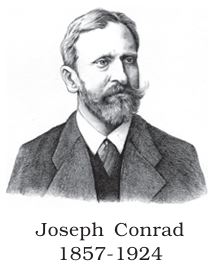
Introduction to Joseph Conrad
Joseph Conrad (1857-1924) was a renowned author born to Polish parents in Russian Ukraine. He began his seafaring career in 1874 and learned English at the age of 21. In 1886, he became a British citizen. Conrad is famous for his novels and stories that explore themes such as adventure, human nature, and the mysteries of the sea. His notable works include The Nigger of the Narcissus (1898), Lord Jim (1900), and Nostromo (1904). He is known for his skill in evoking atmosphere through detailed descriptions and his use of the story within a story technique to reveal the complex inner character of life and the mind. A recurring theme in his works is the isolation experienced by his characters.
Key Elements
- Background: Polish origin, seafaring life, British citizenship.
- Writing Style: Atmospheric detail, story within a story.
- Themes: Isolation, human nature, adventure.
Practice Set
- Who was Joseph Conrad and what are some of his famous works?
- Explain the significance of Conrad's seafaring experience in his writing.
- What themes are commonly found in Conrad's stories?
Answer Key
- Joseph Conrad was a Polish-born British author known for novels like Lord Jim and Nostromo.
- His seafaring experience helped him create vivid atmospheres and explore human nature in his stories.
- Common themes include isolation, adventure, and the complexities of the human mind.
Quick Reference
- Joseph Conrad: 1857-1924
- Famous works: Lord Jim, Nostromo, The Nigger of the Narcissus
- Themes: Isolation, adventure, human nature
Glossary
- Atmosphere: The mood or feeling created by the setting and descriptions.
- Story within a story: A narrative technique where a secondary story is embedded within the main story.
- Isolation: The state of being alone or separated from others.
Summary of Captain Hagberd’s Arrival in Colebrook
The story "Captain Hagberd’s Arrival in Colebrook" by Joseph Conrad revolves around Captain Hagberd, a retired coasting skipper who settles in the small seaport town of Colebrook. He is a mysterious and somewhat morbid figure, known for his eccentric behavior and his obsession with the return of his long-lost son, Harry. Captain Hagberd buys two cheap cottages, living in one and renting the other to Josiah Carvil, a blind retired boat-builder with a harsh temperament.
Captain Hagberd is characterized by his rough appearance, wearing a suit made of No.1 sailcloth, and his persistent hope that his son will return "tomorrow." Despite his oddities and the town's unfavorable opinion of him, he remains determined and prepares a home for Harry’s arrival. The story explores themes of hope, madness, and the human need for connection.
Key Elements
- Characters: Captain Hagberd, Josiah Carvil, Miss Bessie Carvil, Harry Hagberd (son)
- Themes: Hope and delusion, isolation, family and home, madness
- Setting: Small seaport town of Colebrook
- Plot Points: Captain Hagberd’s arrival, his search for his son, his relationship with Bessie and Carvil, the eventual meeting with Harry
Important Quotes
- "It rots the wood, Bessie my girl," - Captain Hagberd’s mild reproach about drying clothes over the fence.
- "He does not belong to it. None of us Hagberds ever did belong to it." - Captain Hagberd on the sea and his son.
- "Harry would be one-and-thirty next July, he declared. Proper age to get married with a nice, sensible girl."
Practice Set
- Why did Captain Hagberd come to Colebrook?
- Describe the relationship between Captain Hagberd and Miss Bessie Carvil.
- What is the significance of Captain Hagberd’s suit made of sailcloth?
Answer Key
- Captain Hagberd came to Colebrook to settle and wait for the return of his son Harry.
- Miss Bessie Carvil shares a close, confidential relationship with Captain Hagberd, often exchanging winks and conversations over the garden fence.
- The sailcloth suit symbolizes Captain Hagberd’s rough, seafaring past and his eccentricity.
Quick Reference
- Captain Hagberd: Retired skipper, hopeful father
- Bessie Carvil: Tenant’s daughter, confidante
- Josiah Carvil: Blind boat-builder, harsh father
Glossary
- Coasting skipper: A sailor who navigates along the coast rather than on long voyages.
- Morbid: Having an unhealthy mental state or obsession.
- Delusion: A false belief held despite evidence to the contrary.
Character Sketches
Captain Hagberd
Captain Hagberd is a retired coasting skipper who has settled in Colebrook. He is a man of strong will but is consumed by the hope and delusion that his son Harry will return "tomorrow." His eccentric behavior, such as wearing a suit made of sailcloth and obsessively digging his garden, reflects his mental state. Despite his oddities, he is a caring father and shows paternal affection towards Miss Bessie Carvil.
Miss Bessie Carvil
Bessie is the daughter of Josiah Carvil, the blind retired boat-builder. She is tall, hardworking, and patient, often enduring her father’s harshness. She shares a unique bond with Captain Hagberd, acting as his confidante and showing a mix of pity, affection, and frustration towards him.
Josiah Carvil
Josiah Carvil is a blind, retired boat-builder known for his harsh and tyrannical behavior towards his daughter Bessie. Despite his disability, he is a strong presence in the story, representing a figure of domestic oppression.
Harry Hagberd
Harry is Captain Hagberd’s long-lost son who ran away to sea and has been absent for many years. His return is the central hope and delusion of Captain Hagberd. Harry is portrayed as a restless and adventurous man who resents the idea of settling down.
Practice Set
- Describe the personality of Captain Hagberd.
- What is Bessie’s role in the story?
- How does Harry’s character contrast with his father’s?
Answer Key
- Captain Hagberd is hopeful, eccentric, and somewhat delusional but deeply caring.
- Bessie is a patient, hardworking woman who supports Captain Hagberd emotionally.
- Harry is restless and independent, contrasting with his father’s desire for stability.
Quick Reference
- Captain Hagberd: Hopeful, eccentric, caring
- Bessie Carvil: Patient, supportive
- Harry Hagberd: Restless, adventurous
Glossary
- Confidante: A person with whom one shares a secret or private matter.
- Tyrant: A cruel and oppressive ruler or person.
- Restless: Unable to rest or relax due to anxiety or boredom.
Themes in the Story
The story explores several important themes:
- Hope and Delusion: Captain Hagberd’s unwavering hope for his son’s return borders on madness, showing how hope can become a delusion.
- Isolation: Characters like Captain Hagberd and Josiah Carvil experience social and emotional isolation.
- Family and Home: The longing for family reunion and a stable home is central to the story.
- Madness: The story portrays the fine line between hope and insanity, especially in the context of loss and grief.
Practice Set
- Explain how hope is portrayed in the story.
- Discuss the theme of isolation with examples from the text.
- How does the story depict madness?
Answer Key
- Hope is shown as a powerful but sometimes destructive force, as seen in Captain Hagberd’s obsession.
- Isolation is evident in the characters’ loneliness and separation from the community.
- Madness is depicted through Captain Hagberd’s delusions and the behavior of other characters.
Quick Reference
- Hope: Powerful but can lead to delusion
- Isolation: Emotional and social separation
- Madness: Result of grief and loss
Glossary
- Delusion: A false belief held despite evidence.
- Grief: Deep sorrow, especially caused by loss.
- Obsession: An idea or thought that continually preoccupies a person.
Literary Devices Used
The story employs several literary devices to enhance its themes and character portrayal:
- Allusion: The story makes indirect references to mythology, such as comparing Captain Hagberd to "Father Neptune," the Roman god of the sea, highlighting his seafaring background.
- Symbolism: The sailcloth suit symbolizes Captain Hagberd’s connection to the sea and his stubbornness.
- Imagery: Vivid descriptions of the setting and characters create a strong atmosphere.
- Foreshadowing: Early hints about the son’s absence and the father’s hope prepare the reader for the story’s climax.
Examples from the Text
- "With his maritime rig, his weather-beaten face, his beard of Father Neptune, he resembled a deposed sea-god who had exchanged the trident for the spade." (Allusion)
- Captain Hagberd’s suit made of sailcloth (Symbolism)
Practice Set
- Identify and explain an example of allusion in the story.
- What does Captain Hagberd’s sailcloth suit symbolize?
- How does imagery contribute to the story’s atmosphere?
Answer Key
- The comparison to Father Neptune is an allusion to Roman mythology, emphasizing Hagberd’s sea background.
- The sailcloth suit symbolizes his stubbornness and connection to the sea.
- Imagery creates a vivid, sometimes bleak atmosphere that reflects the characters’ emotions.
Quick Reference
- Allusion: Indirect reference to mythology
- Symbolism: Sailcloth suit as a symbol
- Imagery: Descriptive language creating mood
Glossary
- Allusion: A casual or indirect reference to a famous person, place, event, or work of art.
- Symbolism: Use of symbols to represent ideas or qualities.
- Imagery: Descriptive language that appeals to the senses.
Important Quotes and Explanations
Several quotes from the story highlight key themes and character traits:
- "It rots the wood, Bessie my girl." - This mild reproach by Captain Hagberd about drying clothes over the fence shows his concern for order and his gentle nature despite his eccentricity.
- "He does not belong to it. None of us Hagberds ever did belong to it." - Captain Hagberd’s statement about the sea reflects his and his family’s emotional detachment from the sea life, despite their seafaring background.
- "Harry would be one-and-thirty next July. Proper age to get married with a nice, sensible girl." - This shows Captain Hagberd’s hope and plans for his son’s future, emphasizing the theme of family and home.
Practice Set
- Explain the significance of the quote "It rots the wood, Bessie my girl."
- What does Captain Hagberd mean when he says his family does not belong to the sea?
- How does the quote about Harry’s age reflect the story’s themes?
Answer Key
- The quote shows Captain Hagberd’s concern for practical matters and his gentle interaction with Bessie.
- He means that despite being sailors, they are emotionally disconnected from the sea life.
- It reflects hope for family reunion and the desire for stability.
Quick Reference
- Quotes highlight hope, family, and character traits.
- Reflects themes of detachment and longing.
Glossary
- Reproach: An expression of disapproval or criticism.
- Detachment: Emotional separation or aloofness.
- Stability: The state of being steady and unchanging.
Practice Questions for Examination
These questions are designed to test comprehension and analytical skills:
- Describe the character of Captain Hagberd and his significance in the story.
- Discuss the theme of hope and madness as portrayed in the story.
- Explain the relationship between Captain Hagberd and Miss Bessie Carvil.
- Analyze the use of literary devices such as allusion and symbolism in the story.
- What is the role of Josiah Carvil in the narrative?
Answer Key
- Captain Hagberd is a hopeful but delusional father waiting for his son’s return, symbolizing human longing and madness.
- The story shows how hope can become madness, especially in the face of loss.
- Bessie acts as a confidante and emotional support to Captain Hagberd.
- Allusion and symbolism deepen the themes and character portrayal.
- Josiah Carvil represents domestic tyranny and isolation.
Language Work: Figures of Speech and Pronunciation
Allusion
Allusion is a figure of speech that makes a casual or indirect reference to a famous historical or literary event or figure. In the story, Captain Hagberd is compared to "Father Neptune," the Roman god of the sea, highlighting his maritime background and character.
Example from the text: "With his maritime rig, his weather-beaten face, his beard of Father Neptune, he resembled a deposed sea-god who had exchanged the trident for the spade."
Task: Identify one or two other examples of allusion in the story and explain the comparison.
Pronunciation
Words often have different stress patterns depending on their grammatical function. For example:
| Verb | Noun |
|---|---|
| inform | information |
| hesitate | hesitation |
Task: Complete the following columns by marking the syllable that receives primary stress.
| Verb | Noun |
|---|---|
| present | present |
| examine | examination |
| calculate | calculation |
| specialise | specialisation |
Suggested Reading
Students are encouraged to read other works by Joseph Conrad such as An Outpost of Progress and Heart of Darkness to gain a deeper understanding of his style and themes.