Class 12 Humanities . Political Science . Contemporary World Politics . Environment and Natural Resources
Chapter 6: ENVIRONMENT AND NATURAL RESOURCES
Ch 6
Political Science
Class 12 Humanities
Encironmental Concerns in Global Politics
Environmental Problems Become Political Issues
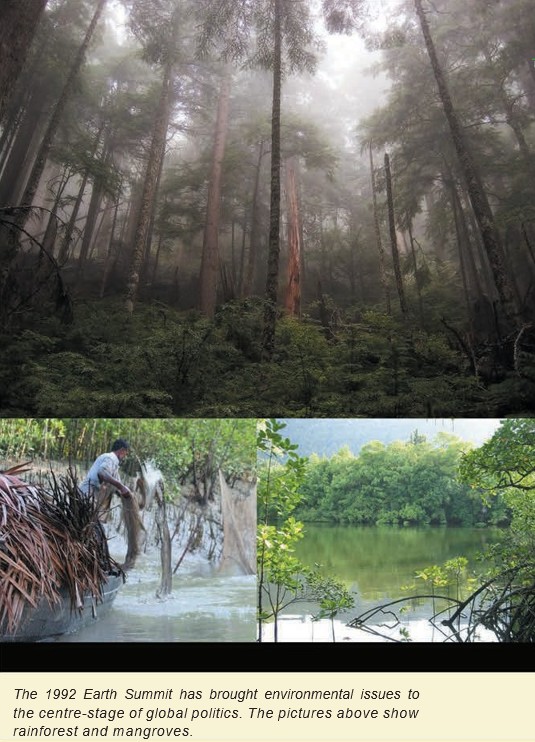
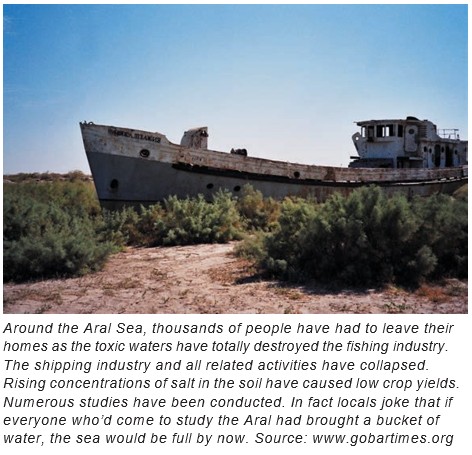
Why Environmental Issues Belong to World Politics
The Rise of Environmentalism in Global Politics
Key Milestones
- From the 1960sEnvironmental consequences of economic growth gained increasing political attention.
- 1972The Club of Rome published Limits to Growth, highlighting possible resource depletion.
- 1987The Brundtland Report, Our Common Future, warned that traditional economic growth patterns were not sustainable in the long term.
- June 1992The UN Conference on Environment and Development, or Earth Summit, was held in Rio de Janeiro, Brazil.
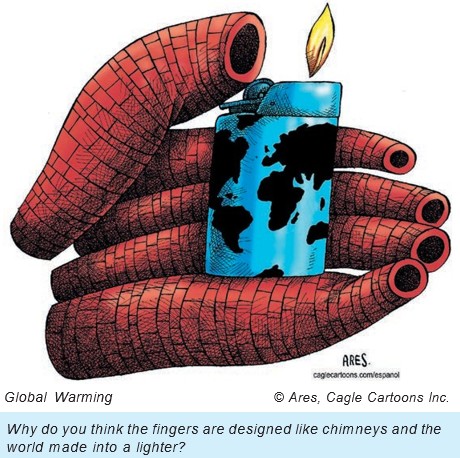
The Earth Summit and the North–South Divide
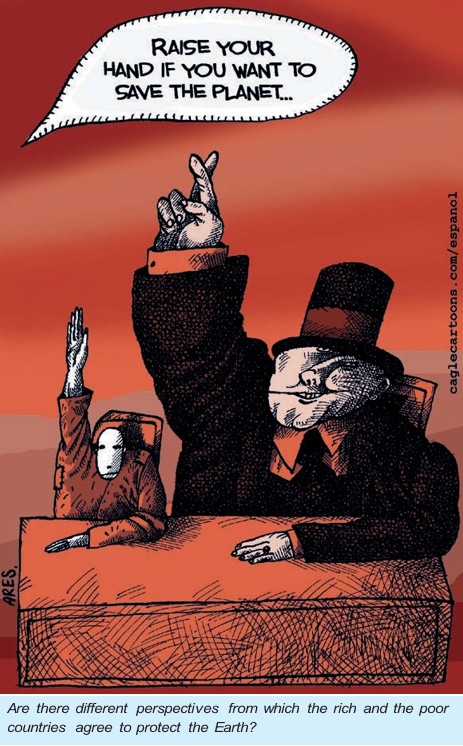
Outcomes and Limits of the Rio Summit
Sustainable development — Development that seeks to combine economic growth with ecological responsibility.
- Global North
- The rich and developed countries, which emphasised concerns such as ozone depletion and global warming.
- Global South
- The poorer and developing countries, which emphasised development alongside environmental management.
- Agenda 21
- A recommended list of development practices produced at the Rio Summit.
- UNEP
- The United Nations Environment Programme, which promoted international environmental coordination.
Why are environmental concerns part of world politics?
How did the global North and global South differ at the Rio Summit?
What were key outcomes and a criticism of the Rio Summit?
Quick recap
- Environmental issues become political through cross-border effects, competing responsibilities, and unequal access to resources.
- The 2016 UNDP report highlighted major shortfalls in safe water and sanitation in developing countries.
- Environmentalism gained political prominence from the 1960s; the Club of Rome’s Limits to Growth appeared in 1972.
- The 1987 Brundtland Report warned that traditional growth patterns were not sustainable in the long term.
- At the 1992 Rio Earth Summit, the North emphasised global environmental threats while the South stressed development and environmental management.
- The Rio Summit promoted sustainable development, but disagreements over how to achieve it remained.
The Protection Commons and Common But Differentiated Responsibilities
Protection of Global Commons
Technology, Development and Global Commons
- North–South inequality: Management of outer space, like the atmosphere and ocean floor, is shaped by differences between developed and developing countries.
- Key issue: Technology and industrial development affect who can exploit global commons and who benefits.
- Fairness across generations: Benefits from exploiting outer space are not shared equally among people today or future generations.
Common but Differentiated Responsibilities
| Point | Developed North | Developing South |
|---|---|---|
| Responsibility | Often argues that all countries should share equal responsibility for conservation. | Argues that developed countries caused more degradation through industrialisation and should take greater responsibility for repair. |
| Development | Focuses on environmental conditions as they exist now. | Needs room to continue industrialising and should not face the same restrictions as developed countries. |
| Rules | Supports common action on environmental protection. | Calls for developing countries’ special needs to be considered in making, applying and interpreting international environmental law. |
Common but differentiated responsibilities (CBDR) — The principle that all states share responsibility for protecting the environment, but their obligations differ according to their contributions to environmental degradation and their capabilities.
CBDR in Climate Agreements
- UNFCCC: The 1992 United Nations Framework Convention on Climate Change requires action based on equity, CBDR and each party’s respective capabilities.
- Historical emissions: Parties recognised that developed countries produced the largest share of past and current greenhouse-gas emissions.
- Per-capita emissions: Emissions per person in developing countries were recognised as relatively low.
- Kyoto Protocol: Agreed in 1997, it set targets for industrialised countries to reduce greenhouse-gas emissions; China, India and other developing countries were exempted from its requirements.
- Greenhouse gases: Carbon dioxide, methane and hydrofluorocarbons are among gases considered at least partly responsible for global warming.
- Global warming: A rise in global temperature that may have catastrophic consequences for life on Earth.
Key Environmental Agreements and Events
- 1959The Antarctic Treaty was agreed.
- Mid-1980sThe ozone hole over Antarctica was discovered.
- 1987The Montreal Protocol was agreed.
- 1991The Antarctic Environmental Protocol was agreed.
- 1992The Rio Declaration accepted CBDR at the Earth Summit; the UNFCCC also set out this principle for climate action.
- 1997The Kyoto Protocol was agreed in Kyoto, Japan, based on principles set out in the UNFCCC.
Common Property Resources
Sacred groves — Patches of uncut forest protected in the name of deities, natural spirits or ancestral spirits.
Pressures on Common Property and Sacred Groves
- Privatisation, intensive agriculture, population growth and ecosystem degradation increase pressure on shared resources.
- Common property resources shrink in size, quality and availability.
- Poor communities lose access to resources they depend on.
- Settlement expansion and changing forest policies also weaken sacred-grove protection.
- Global commons
- Areas beyond any one state’s sovereignty that require international cooperation.
- CBDR
- Shared environmental responsibility with differing obligations based on contributions and capabilities.
- UNFCCC
- The 1992 United Nations climate convention that recognises equity, CBDR and respective capabilities.
- Kyoto Protocol
- A 1997 agreement setting greenhouse-gas reduction targets for industrialised countries.
- Common property regime
- A system in which a community shares rights and responsibilities for managing a resource.
- Sacred groves
- Forest patches traditionally protected for religious, cultural and ecological reasons.
What is the principle of common but differentiated responsibilities?
How do sacred groves function as common property resources?
Quick recap
- Global commons lie beyond any one state’s sovereignty and need international governance.
- Cooperation is difficult when evidence, time frames, technology and benefits are unequal.
- CBDR recognises shared environmental duties but differentiates responsibility by contribution and capability.
- UNFCCC and Kyoto Protocol apply these principles to climate action and emissions reduction.
- Common property resources depend on shared community rights and responsibilities, but face multiple pressures.
- Sacred groves show how cultural practices can support community-based forest conservation.
India’s Stand on Environmental Issues and Environmental Movements One or Many
India’s Stand on Global Environmental Issues
Common but differentiated responsibilities — All countries share responsibility for environmental protection, but obligations should differ according to their historical contributions and circumstances.
India’s position on climate responsibility
- Kyoto Protocol: India signed and ratified the 1997 Protocol in August 2002; India, China and other developing countries were exempt from its emission-reduction requirements.
- Reason for exemption: Their contribution to greenhouse-gas emissions during the industrialisation period was not significant.
- Critics’ counterpoint: Critics argued that India, China and other developing countries would sooner or later become leading greenhouse-gas contributors.
- India’s argument: At the G-8 meeting in June 2005, India said developing countries’ per-capita emissions were only a tiny fraction of those in developed countries.
- Historical responsibility: India argues that developed countries should take the lead in curbing emissions because they have accumulated emissions over a long period.
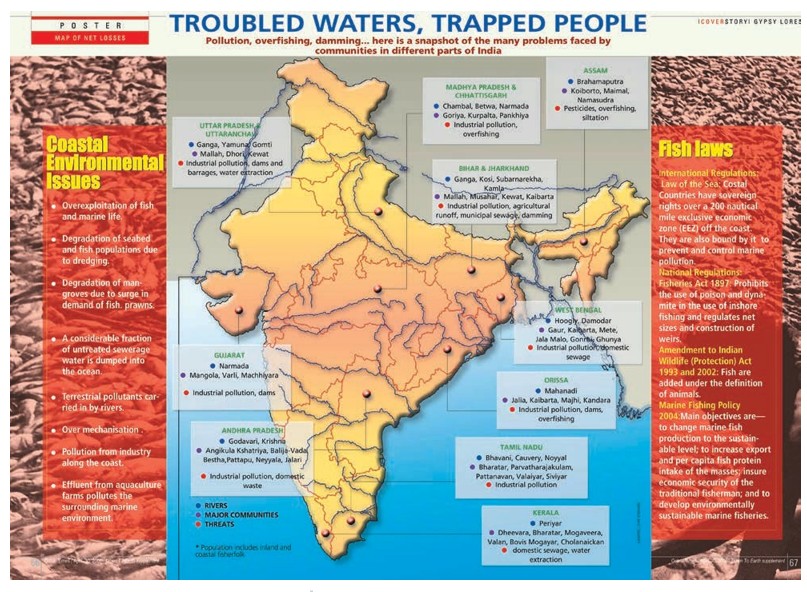
| Point | Developed countries | Developing countries |
|---|---|---|
| Historical emissions | Responsible for most historical and current greenhouse-gas emissions. | Their contribution during the industrialisation period was comparatively small. |
| Priorities and responsibilities | Should lead emission cuts and provide support. | Economic and social development are the first and overriding priorities. |
| Binding limits | India regards greater responsibility for countries with larger historical emissions as fair. | India is wary of binding commitments on rapidly industrialising countries, viewing them as contrary to the spirit of the UNFCCC. |
Emissions and fairness
- Projection: India’s per-capita emissions were predicted to rise from 0.9 tonnes in 2000 to 1.6 tonnes in 2030.
- Comparison: India argued that its projected 2030 level would still be less than half the world average of 3.8 tonnes per capita in 2000.
- India’s concern: It considers restrictions unfair when its per-capita emissions remain comparatively low.
| Measure | Main purpose |
|---|---|
| National Auto-fuel Policy | Mandates cleaner fuels for vehicles. |
| Energy Conservation Act (2001) | Outlines initiatives to improve energy efficiency. |
| Electricity Act (2003) | Encourages the use of renewable energy. |
| Natural gas imports and clean coal technologies | Show efforts to adopt cleaner energy sources and technologies. |
| National Mission on Biodiesel | Planned to use about 11 million hectares of land to produce biodiesel by 2011–2012. |
| Renewable energy programme | India has one of the world’s largest renewable energy programmes. |
International cooperation and support
- UNFCCC: India’s negotiating position relies on historical responsibility; the framework recognises developed countries’ large share of historical and current emissions and developing countries’ development priorities.
- Rio review: In 1997, India found little meaningful progress in transferring additional financial resources and environmentally sound technology to developing countries on concessional terms.
- India’s demand: Developed countries should provide finance and clean technologies so developing countries can meet existing UNFCCC commitments.
- Regional cooperation: India supports a common SAARC position on major environmental issues to strengthen the region’s voice.
- Paris Agreement: India ratified the agreement on 2 October 2016.
Environmental Movements: One or Many?
Environmental movement — Collective action by environmentally concerned people and groups to respond to environmental damage and promote change.
Nature and importance
- Participants: Many movements are formed by environmentally conscious volunteers working locally; some operate internationally.
- Role: They are vibrant, diverse and influential social movements that create or reinvent forms of political action.
- Ideas: They raise long-term questions about what individuals and societies should do—and avoid—in their lives.
- Diversity: Movements differ in their issues, places and communities; they do not form one uniform movement.
| Movement focus | Main concerns | Examples and locations |
|---|---|---|
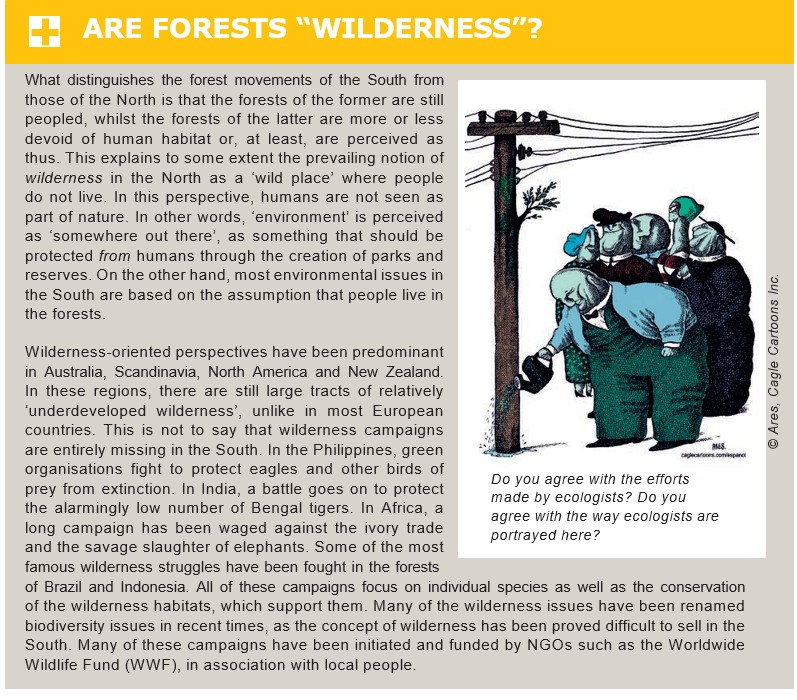
| Forest movements | Forest clearing and destruction of the remaining grand forests. | Mexico, Chile, Brazil, Malaysia, Indonesia, continental Africa and India; destruction of the world’s last remaining grand forests increased in the preceding decade despite decades of activism. |
| Resistance to mineral extraction | Chemical use, pollution of waterways and land, clearance of native vegetation, and displacement of communities. | In the Philippines, a network of groups and organisations campaigned against Western Mining Corporation (WMC), an Australia-based multinational. |
| Anti-dam / pro-river movements | Mega-dams and the need for sustainable, equitable management of river systems and valleys. | The Franklin River campaign in Australia and Narmada Bachao Andolan in India. |
Mining and resistance
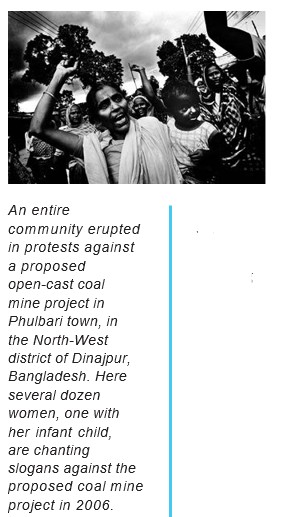
- Global pressure: Liberalisation reopened many Southern economies to multinational corporations, while mineral extraction continued to generate environmental and social costs.
- Philippines: A wide network of groups and organisations opposed WMC.
- Australia: Opposition to the company also reflected anti-nuclear views and advocacy for the basic rights of Indigenous peoples.
Anti-dam and pro-river movements
- Spread: Mega-dam building has expanded across the South, and environmental movements commonly oppose dams where they are built.
- Shift in focus: Anti-dam campaigns increasingly support sustainable and equitable management of rivers and valleys.
- Early campaign in the North: The early 1980s campaign to save Australia’s Franklin River and surrounding forests was both a wilderness and forest campaign and an anti-dam campaign.
- India: Narmada Bachao Andolan is one of India’s best-known anti-dam, pro-river movements.
- Shared principle: Non-violence is an important common idea in Indian anti-dam and other environmental movements.
Key dates
- Early 1980sThe Franklin River campaign in Australia became an early anti-dam movement in the North.
- 1997The Kyoto Protocol was adopted; India also reviewed implementation of the Earth Summit agreements.
- August 2002India signed and ratified the Kyoto Protocol.
- June 2005At the G-8 meeting, India highlighted developing countries’ low per-capita emissions.
- 2011–2012Target period for the planned biodiesel mission using about 11 million hectares of land.
- 2 October 2016India ratified the Paris Climate Agreement.
- UNFCCC
- The United Nations climate framework that recognises historical responsibility and developing countries’ development priorities.
- Historical responsibility
- The principle that a country’s past contribution to an environmental problem should shape its present responsibilities.
- MNC
- A multinational corporation operating in more than one country.
- Pro-river movement
- A campaign supporting sustainable and equitable management of rivers and their valleys.
Why does India argue that developed countries should take greater responsibility for reducing greenhouse-gas emissions?
Name two types of environmental movements and give one example of each.
Quick recap
- India’s climate position rests on historical responsibility and common but differentiated responsibilities.
- India argues that developed countries should lead emission cuts and provide finance and clean technology.
- India has adopted policies supporting cleaner fuels, energy efficiency and renewable energy.
- Environmental movements are diverse, often locally organised, and can create new forms of political action.
- Forest, mining and anti-dam movements respond to distinct kinds of environmental pressure.
- Non-violence is a significant shared principle in Indian environmental movements.
Resource Geopolitics , the Indigenous Peoples and Their Rights
Resource Geopolitics
Resource geopolitics over time
- 17th century onwardsEuropean powers prioritised timber supplies for naval fleets.
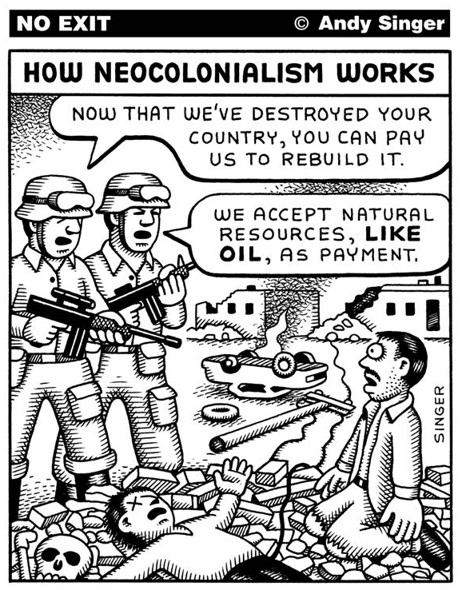
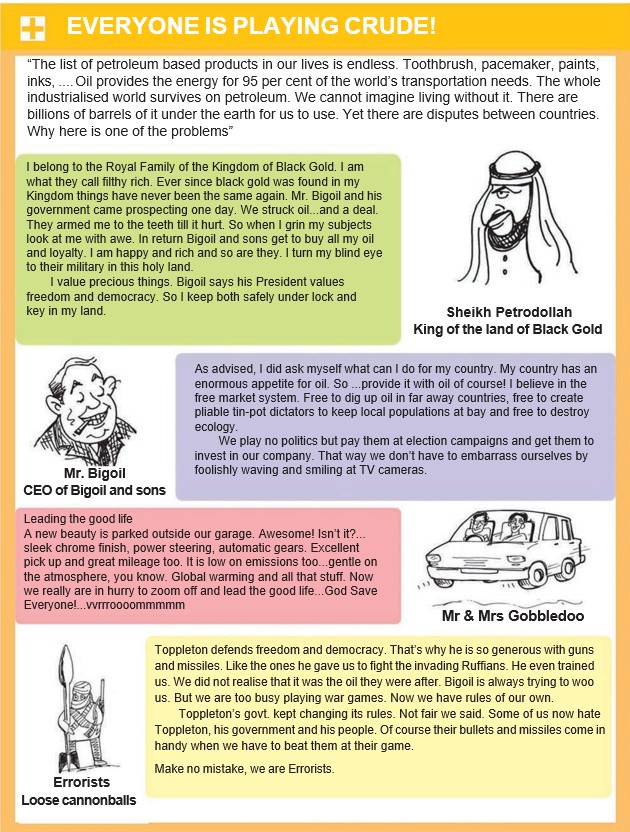
- First and Second World WarsThe need for reliable supplies of strategic resources, especially oil, was evident.
- Cold WarIndustrialised Northern countries used military, political and economic measures to secure resources.
- After the Cold WarSupply security continued to shape decisions, including those concerning radioactive materials.
- 1950s and 1960sIsrael, Syria and Jordan were involved in conflict over attempts to divert water from the Jordan and Yarmuk Rivers.
- 1970sGrowing international contacts among Indigenous leaders fostered awareness of shared experiences and concerns.
- 1975The World Council of Indigenous Peoples was formed.
Oil and Global Politics
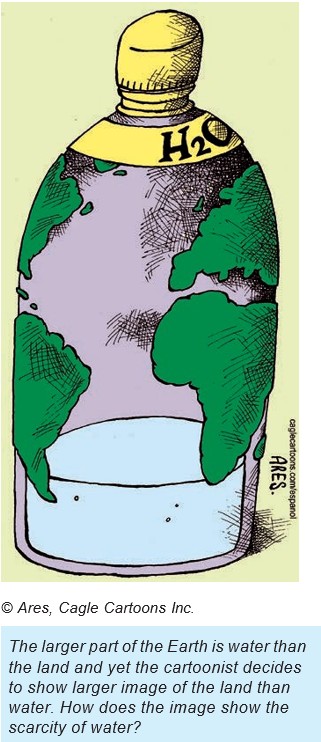
Water and Global Politics
| Point | Upstream (upper riparian) state | Downstream (lower riparian) state |
|---|---|---|
| Position | Located higher along a shared river | Located lower along the shared river |
| Potential conflict | May build dams, irrigate excessively or affect water quality | May object to reduced water quantity or degraded water quality |
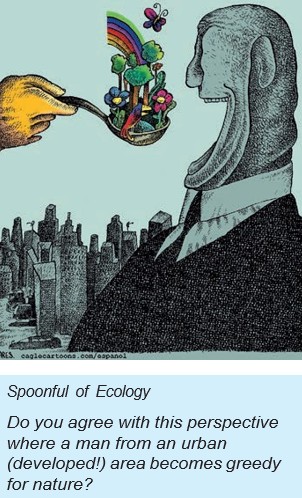
Indigenous Peoples and Their Rights
Indigenous Peoples in India
Organising for Indigenous Rights
- Resource geopolitics
- Politics over access to and control of resources.
- Strategic resources
- Resources vital to a state’s security and power, such as oil.
- Riparian state
- A state located along a river; upper and lower positions can shape shared-water disputes.
- Indigenous peoples
- Descendants of a country’s earlier inhabitants who often retain distinctive customs and traditions.
How have states sought to secure strategic resources?
Why can shared rivers become a source of conflict?
What is the situation of Scheduled Tribes in relation to development in India?
Quick recap
- Resource geopolitics concerns control of resources and how access shapes power, trade and conflict.
- Western strategy sought control of Gulf oil and strategic minerals in Southern and Central Africa; oil remains central to global strategy.
- The Gulf produces about 30% of global oil and holds about 64% of known reserves.
- Freshwater scarcity and upstream actions can create disputes between countries sharing rivers.
- Indigenous peoples seek equal recognition, rights, autonomy and the resources needed for survival.
- In India, Scheduled Tribes form nearly 8% of the population and have faced major displacement from development projects.
- The World Council of Indigenous Peoples was formed in 1975 and later gained consultative status at the UN.
Political Science — ALL CHAPTERS
1
THE END OF BIPOLARITY
2
CONTEMPORARY CENTRES OF POWER
3
CONTEMPORARY SOUTH ASIA
4
INTERNATIONAL ORGANISATIONS
5
SECURITY IN THE CONTEMPORARY WORLD
6
ENVIRONMENT AND NATURAL RESOURCES
7
GLOBALISATION
1
Challenges of Nation Building
2
Era of one-party dominance
3
Politics Of Planned Development
4
India’s external relations
5
Challenges to and Restoration of the Congress System
6
The Crisis of Democratic Order
7
Regional Aspirations
8
Recent Developments in Indian Politics