Stop drowning in theory,
start mastering it
Long theory, big ideas, zero support, until now. Structured lessons and answer practice, chapter by chapter.
UNDERSERVED NO MORE
Write Answers that get high scores.
 Practice & Score
START WITH FREE TOPPER PLAN
Get 1 month free Topper plan
 No payment today
STRUCTURE OVER CRAMMING
Every chapter, broken into clear ideas.
 NCERT-first
PRACTICE THAT'S TRACKED
You answer and Prepzy remembers.
 Performance Analytics
Explore the library
Every subject, chapter by chapter — taught by your tutors and backed by quizzes.


Prepzy Teachers
Strict? Funny? Storyteller?
You Choose.
Learning isn't one-size-fits-all. Pick the AI teacher that matches your child's vibe.
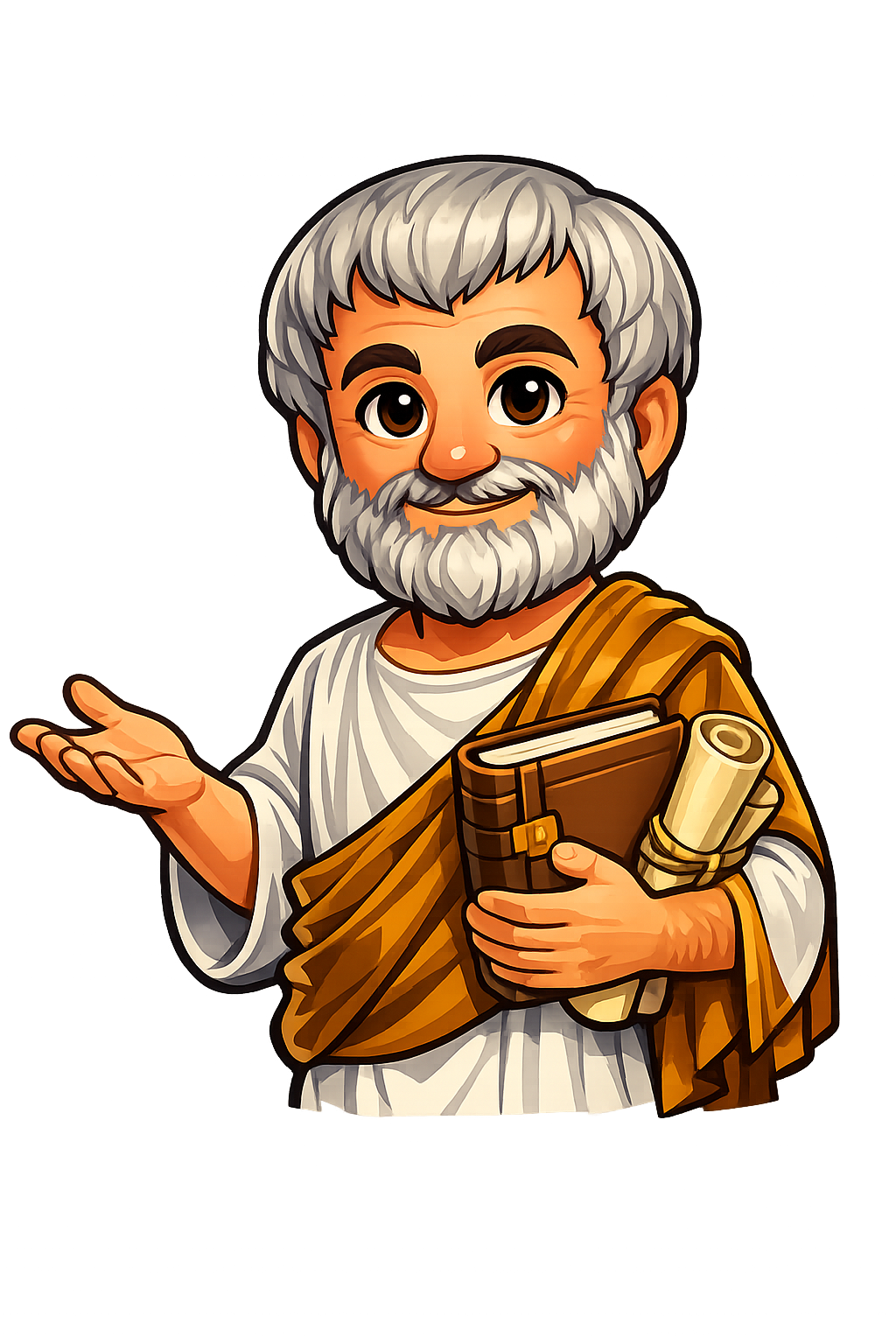
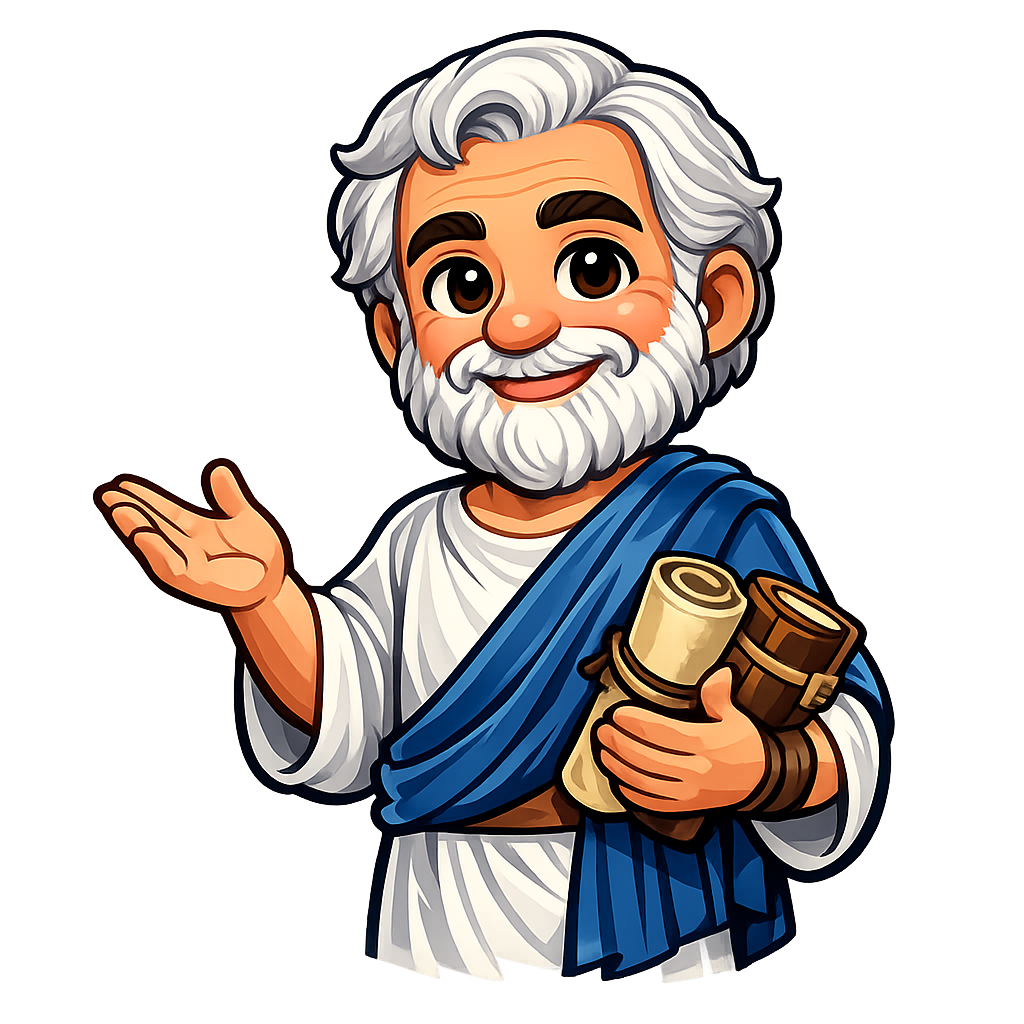
ARISTOTLE
Explains governments, rights, and civic life through clear ideas and real-world examples, helping you understand how societies work with confidence.
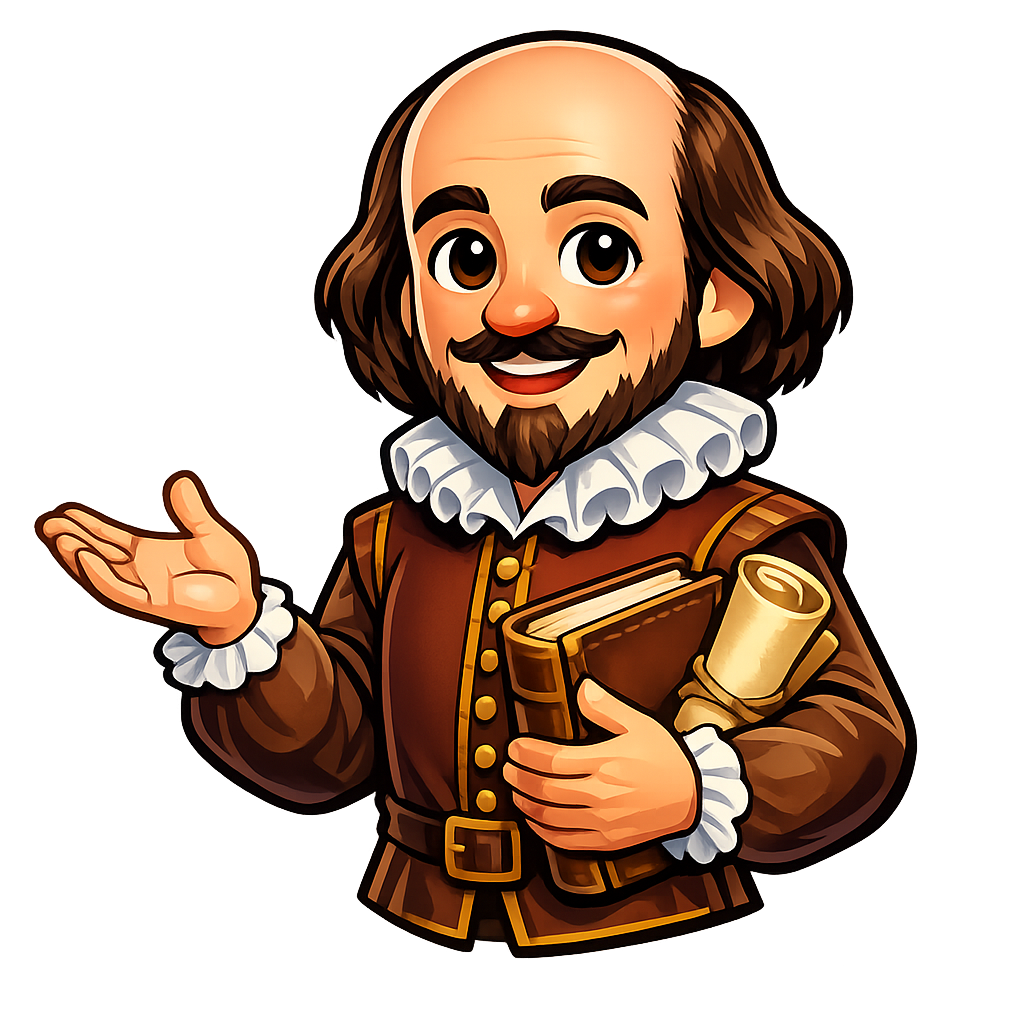
SHAKESPEARE
Helps you uncover meanings, themes, and ideas through engaging discussions and memorable examples.

SRINIVAS
Turns every chapter into meaningful insights about people, cultures, and communities, helping you connect classroom concepts with everyday life.

COLUMBUS
Transforms maps, landforms, and the world around you into fascinating journeys, helping you explore places, people, and environments with curiosity and confidence.
HERODOTUS
Helps you explore ancient civilizations, important events, and remarkable people through fascinating stories and real-world connections.

SMITH
Connects theories with real-life situations, helping you understand how individuals, businesses, and governments make decisions.
Class 11 Humanities questions, answered.
History, Geography, Political Science, Sociology and Economics, plus English and Hindi, chapter by chapter from the NCERT Class 11 textbooks, each with lessons, chapter summary videos, summary notes, quizzes and unit tests.
Structure. A chapter of History or Sociology is easy to read and hard to organise, and a lesson gives you the argument, the sequence and the points that matter before you go back to the textbook. Then the summary notes and summary video let you revise a long chapter in minutes instead of rereading twenty pages, which is where most Humanities revision time is lost.
That is the main thing this course trains. You attempt long answer questions, upload a photo of your handwritten answer or type it, and get it evaluated, then chat about that specific question to find out which points earned marks and which were missing. Long answer subjects are lost on structure and keywords far more often than on knowledge, and this is the only reliable way to fix that.
Herodotus for History, who teaches through narrative, Columbus for Geography, Aristotle for Political Science, Srinivas for Sociology, Smith for Economics and Shakespeare for English. Each has a distinct manner of explaining.
Testing rather than rereading. Take the unit test for a chapter a week after you finish it, and you will find out what has actually survived instead of what looks familiar. Then build a custom test on the chapters that came out worst and repeat it. Chapter summary notes are for the quick pass before the test, not instead of it.
Board papers exist for Classes 10 and 12. In Class 11 you get a quiz after every lesson, unit tests per chapter, mid term and final exams over half and full syllabus, subject level mock exams and custom exams on weak chapters, including competency based questions rather than pure recall. You will also get full syllabus mock exams.
It is the same CBSE Economics course, so the chapters and the exam are the same wherever your school places it. What differs is the company it keeps: Commerce students read it alongside Accountancy and Business Studies, while Humanities students read it alongside Political Science and Sociology. On Prepzy, Economics appears in both streams with the same lessons and assessments.
Around two hours on school days, and how you split it matters more than the total. Reading time should be smaller than most students assume and writing practice larger, because the exam tests written answers, not reading comprehension. One long answer written and evaluated is usually worth an hour of rereading.
Yes. Their dashboard shows study time, chapters covered and each score with its trend, plus a weekly summary on WhatsApp. This is useful in Humanities because it is otherwise difficult for a parent to tell reading from studying.
For Humanities the deciding factor is how many long answers you want evaluated each week. The free Basic plan gives you unlimited video lessons, chapter notes and revision videos, and full result analysis that is never locked. What it limits is the interactive side, with daily caps of roughly 20 Atlas chat messages, 20 lecture chat messages, 3 quizzes, 2 unit tests, one mid term, one final, one mock, one custom exam and one previous year paper attempt, all resetting at 5 am. The Topper plan raises those allowances about tenfold and opens custom exams across every chapter.
Registration is free and needs only a mobile number, with no card details. Every new student starts on the Topper plan free for 30 days, and after that the account moves to the Basic plan, which stays free for as long as you want it. If you choose to upgrade, Topper for Classes 11 and 12, whichever stream is Rs. 799 a month, or you can take the Full Academic Year plan, which runs to the end of the session in March and is priced against how much of the year is left, so it costs less the later in the session you join. Every subject in your stream is included rather than charged separately. A plan can be cancelled for a full refund within 15 days of purchase.
It is built to the same specification: full chapter lessons for every subject, unlimited doubt solving, summary videos and notes, quizzes, unit tests, mid term, final, mock and custom exams, written answer evaluation and the same parent reporting. Humanities is genuinely underserved elsewhere, which is precisely why we did not build a thinner version of it here.