Understanding Viral Infections: Causes, Symptoms, and Management
Classification and Characteristics of Viral Infections
Overview of Viral Diseases and Their Impact
Viral infections arise when viruses invade living organisms, including humans and plants, leading to various illnesses. Each virus type targets specific cells and causes distinct diseases. For instance, the common cold, caused by rhinoviruses, primarily affects the respiratory system. Other notable viral illnesses include chickenpox, herpes, influenza, AIDS, mumps, measles, and viral hepatitis. Understanding the diversity of viruses helps in identifying symptoms and tailoring prevention strategies effectively.
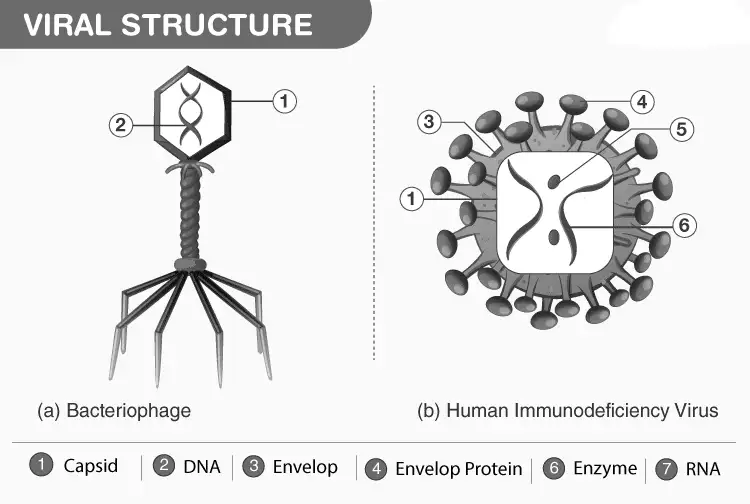
Microscopic representation of a virus
Example Problem
A patient exhibits symptoms of fever, rash, and fatigue. The doctor suspects a viral infection. Which virus is most likely responsible if the rash is widespread and accompanied by itching?
Solution:
Common cold viruses do not cause rashes.
Chickenpox, caused by the varicella-zoster virus, typically presents with itchy rashes and fever.
Therefore, the likely cause is the chickenpox virus.
Common Viral Diseases Affecting Humans
Types and Their Viral Agents
Human viral diseases are caused by a variety of viruses, each responsible for specific illnesses. For example, the common cold is caused by rhinoviruses, while smallpox results from the variola virus. Rabies is linked to the rabies virus, and hepatitis can be caused by hepatitis A, B, or C viruses. Measles is due to the rubeola virus, poliomyelitis by poliovirus, influenza by influenza virus (an RNA virus), encephalitis by herpes simplex virus, and mumps by paramyxovirus. Recognizing these viruses aids in diagnosis and treatment planning.
Example Problem
A child is diagnosed with a viral infection characterized by high fever, cough, and a red rash starting from the face and spreading downwards. Identify the virus responsible and explain the symptoms.
Solution:
The symptoms match measles, caused by the rubeola virus.
High fever and cough are initial symptoms, followed by a characteristic rash.
The virus spreads through respiratory droplets, causing systemic infection.
Mechanisms, Symptoms, and Treatment of Viral Infections
How Viruses Cause Disease and Their Clinical Signs
Viral diseases occur when viruses enter the body and hijack host cells to replicate. If the immune system cannot control this replication, the virus spreads, damaging tissues and causing illness. Common symptoms include fever, fatigue, sore throat, headaches, irritability, rashes, malaise, sneezing, swollen tonsils, and unexplained weight loss. Early recognition of these signs is crucial for timely intervention.
Example Problem
A patient reports fever, sore throat, and swollen tonsils. Laboratory tests confirm a viral infection. Suggest appropriate management steps.
Solution:
Ensure adequate rest to support immune function.
Maintain proper hydration by drinking fluids regularly.
Use medications to alleviate fever and body aches as prescribed.
Provide balanced nutrition to aid recovery.
Approaches to Managing Viral Illnesses
Treatment of viral infections primarily focuses on symptom relief and supporting the body's defenses. This includes proper nutrition, rest, hydration, and medications to reduce fever and pain. Certain viral conditions, such as cervical dysplasia caused by human papillomavirus (HPV), may require surgical removal of abnormal cells. Preventive measures like vaccination and hygiene practices are essential to reduce viral disease incidence.
Exam Tip: Remember that antibiotics are ineffective against viruses; treatment is mostly supportive unless specific antiviral drugs are prescribed.
Quick Reference: Summary of Viral Diseases
Disease | Virus Responsible | Key Symptoms | Common Treatment |
|---|---|---|---|
Common Cold | Rhinovirus | Runny nose, sneezing, sore throat | Rest, fluids, symptom relief |
Chickenpox | Varicella-zoster virus | Itchy rash, fever, fatigue | Antihistamines, rest, hydration |
Measles | Rubeola virus | Fever, cough, red rash | Supportive care, vitamin A |
Rabies | Rabies virus | Fever, agitation, paralysis | Post-exposure prophylaxis |
Influenza | Influenza virus (RNA virus) | Fever, chills, muscle aches | Antivirals, rest, fluids |
Glossary of Key Terms Related to Viral Diseases
Term | Definition |
|---|---|
Virus | A microscopic infectious agent that replicates inside living cells. |
Rhinovirus | Virus causing the common cold. |
Varicella-zoster virus | Virus responsible for chickenpox and shingles. |
Rubeola virus | Virus that causes measles. |
Paramyxovirus | Virus family that includes mumps virus. |
Host Cell | The living cell a virus infects to reproduce. |
Immune System | Body's defense mechanism against infections. |
Antiviral | Medication used to treat viral infections. |
Encephalitis | Inflammation of the brain often caused by viral infection. |
Hepatitis | Inflammation of the liver caused by various hepatitis viruses. |
Frequently Asked Questions on Viral Diseases
What distinguishes viral infections from bacterial infections?
Viral infections are caused by viruses that require host cells to reproduce, while bacterial infections are caused by independent bacteria. Antibiotics treat bacterial infections but are ineffective against viruses.
How can viral diseases be prevented?
Prevention includes vaccination, maintaining hygiene, avoiding contact with infected individuals, and strengthening the immune system through nutrition and rest.
Are all viral infections curable?
Many viral infections resolve with supportive care, but some, like HIV/AIDS, require lifelong management. Vaccines can prevent several viral diseases.
Can viral infections cause long-term health issues?
Yes, some viruses can lead to chronic conditions or complications, such as hepatitis viruses causing liver damage or HPV leading to cervical cancer.
Why is rest important during a viral illness?
Rest helps the body conserve energy to mount an effective immune response and recover faster from the infection.