Understanding Biological Control Agents in Pest Management
Fundamentals of Biological Pest Control
Concept and Role of Living Organisms in Pest Management
Biological control, often called biocontrol, involves using living organisms to suppress pest populations, thereby reducing damage to crops and plants. This eco-friendly approach targets harmful insects, weeds, nematodes, and pathogens by introducing their natural enemies. Unlike chemical pesticides, biocontrol agents specifically target pests without harming beneficial soil organisms, ensuring a balanced ecosystem.
By harnessing natural predator-prey relationships, biocontrol offers a sustainable and long-lasting solution to pest problems, minimizing environmental impact and promoting healthier agricultural practices.
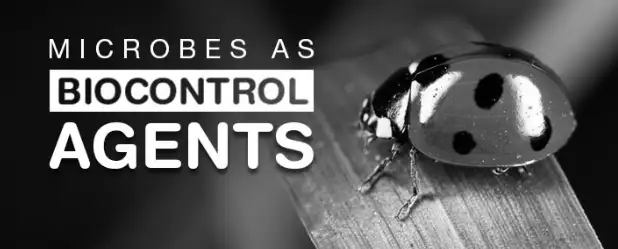
Illustration of different biological control agents used in pest management
Example Problem
A farmer wants to reduce the use of chemical pesticides in his field infested with aphids. He plans to introduce a natural enemy that specifically targets aphids without harming other insects. Which type of biological control agent should he consider?
Solution:
The farmer should use a parasitoid or a predatory insect that preys on aphids.
Parasitoids lay eggs inside aphids, eventually killing them, while predators like ladybugs consume aphids directly.
This method ensures targeted pest control without affecting beneficial insects.
Classification of Biological Control Methods
Different Approaches to Employing Biocontrol Agents
Biological control strategies are broadly divided into two categories based on how natural enemies are utilized:
Classical Biocontrol (Importation): This involves introducing a natural predator or parasite from the pest’s native habitat to control invasive species. While effective, careful selection is crucial to avoid the introduced species becoming invasive themselves.
Augmentative Biocontrol (Inductive): This method releases large numbers of natural enemies, such as nematodes or predatory insects, to rapidly reduce pest populations. It is often used for short-term pest outbreaks.
Example Problem
A horticulturist is dealing with a sudden outbreak of whiteflies damaging her crops. She decides to release a large number of predatory insects to control the pest quickly. Identify the biocontrol method she is using and explain its advantages.
Solution:
The horticulturist is applying augmentative biocontrol by releasing many natural enemies.
This approach provides immediate pest suppression, especially useful during sudden infestations.
It reduces reliance on chemical pesticides and is environmentally safe.
Varieties of Biological Control Agents
Common Organisms Used to Manage Pest Populations
Several types of organisms serve as biocontrol agents, each with unique mechanisms to suppress pests:
Insect Predators: Species like ladybugs, spiders, dragonflies, wasps, and beetles actively hunt and consume pest insects.
Pathogenic Microorganisms: Viruses, bacteria, and fungi that infect and kill pests. For example, Coccobacillus bacteria target insect digestive systems, while fungi like Entomophaga combat aphids.
Parasitoids: These insects lay eggs inside or on pest hosts, with larvae feeding on and eventually killing the host, effectively controlling pest populations.
Example Problem
Identify which biocontrol agent would be most effective against a caterpillar infestation damaging vegetable crops and justify your choice.
Solution:
Parasitoid wasps are highly effective against caterpillars as they lay eggs inside the larvae, killing them from within.
Alternatively, predatory beetles that feed on caterpillars can also reduce their numbers.
Pathogenic fungi may be less effective due to environmental conditions but can complement other agents.
Advantages and Limitations of Using Biocontrol Agents
Evaluating the Benefits and Challenges in Biological Pest Management
Biological control offers several benefits but also comes with certain drawbacks that must be considered:
Benefits
Cost-effective compared to repeated chemical pesticide applications.
Reduces chemical residues in the environment, promoting ecological balance.
Safe for humans, animals, and beneficial soil organisms.
Operates effectively across different seasons and is relatively easy to implement.
Drawbacks
May not completely eradicate pests, requiring integrated pest management.
Effectiveness can be slower compared to chemical methods.
Sometimes affects the quality of agricultural products if not managed properly.
Less suitable for small-scale or emergency pest control situations.
Example Problem
A farmer notices that after releasing ladybugs to control aphids, the pest population decreased but was not eliminated. Explain why this might happen and suggest a solution.
Solution:
Biocontrol agents often reduce but do not completely eradicate pests, as they maintain a natural balance.
Environmental factors or insufficient numbers of predators may limit effectiveness.
Combining biocontrol with other methods, such as cultural practices or selective pesticides, can improve results.
Quick Reference: Summary of Biological Control Agents
Type of Agent | Examples | Mode of Action | Target Pest |
|---|---|---|---|
Insect Predators | Ladybugs, Spiders, Dragonflies | Consume pests directly | Aphids, Mites, Caterpillars |
Pathogenic Microorganisms | Coccobacillus bacteria, Entomophaga fungi | Infect and kill pests | Insects, Aphids |
Parasitoids | Parasitoid wasps | Lay eggs inside pests, larvae consume host | Caterpillars, Aphids |
Biocontrol Methods | Classical, Augmentative | Introduction or mass release of natural enemies | Invasive pests, sudden outbreaks |
Glossary of Key Terms
Term | Definition |
|---|---|
Biological Control | Use of living organisms to manage pest populations. |
Parasitoid | Insect that lays eggs inside a host, killing it as larvae develop. |
Predator | Organism that hunts and consumes other organisms. |
Pathogen | Microorganism that causes disease in pests. |
Classical Biocontrol | Introduction of natural enemies from pest’s native region. |
Augmentative Biocontrol | Mass release of natural enemies to control pests quickly. |
Nematodes | Microscopic worms used as biocontrol agents against soil pests. |
Inundative Release | Large-scale release of biocontrol agents for immediate effect. |
Invasive Species | Non-native organisms that cause harm to ecosystems or crops. |
Integrated Pest Management | Combining multiple pest control methods for effective management. |
Frequently Asked Questions
What distinguishes biological control from chemical pest control?
Biological control uses living organisms to target pests specifically, minimizing environmental harm, whereas chemical control relies on synthetic substances that may affect non-target species and cause pollution.
Can biocontrol agents completely eliminate pests?
Biocontrol agents typically reduce pest populations to manageable levels but rarely eradicate them entirely, maintaining ecological balance.
Are biocontrol agents safe for humans and beneficial insects?
Yes, biocontrol agents are generally specific to pests and do not harm humans, animals, or beneficial insects when used properly.
What are the risks of introducing non-native biocontrol agents?
If not carefully selected, introduced species may become invasive themselves, disrupting local ecosystems and causing new problems.
How does augmentative biocontrol differ from classical biocontrol?
Augmentative biocontrol involves releasing large numbers of natural enemies for immediate pest suppression, while classical biocontrol introduces natural enemies to establish long-term control.