Understanding AIDS: Causes, Symptoms, and Management
Overview of AIDS and Its Impact on Immunity
What Defines AIDS and Its Progression
AIDS, or Acquired Immune Deficiency Syndrome, is a condition caused by the Human Immunodeficiency Virus (HIV). This disease severely weakens the immune system, making the body vulnerable to infections and illnesses it would normally resist. AIDS represents the advanced phase of HIV infection, where the immune defenses are critically compromised, allowing opportunistic diseases to take hold. Without treatment, AIDS can be fatal.
In this stage, the immune system's key cells, particularly the CD4 T-lymphocytes, drop below a critical threshold, typically under 200 cells per cubic millimeter of blood, signaling severe immune suppression.
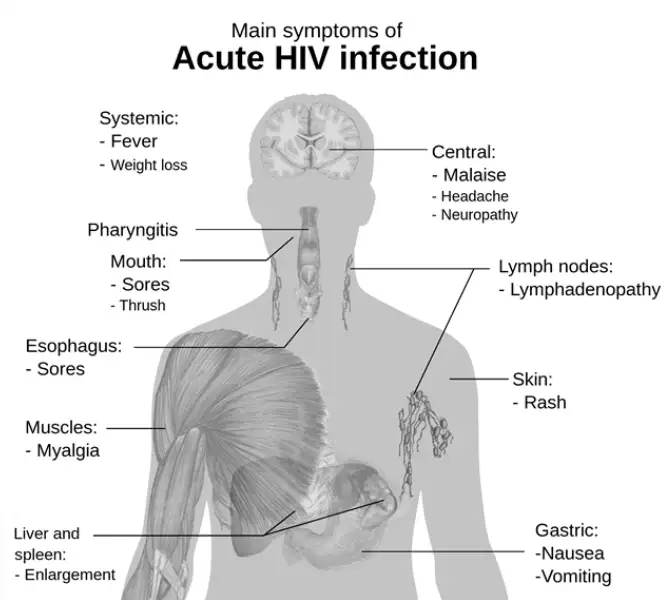
Visual representation of AIDS affecting the immune system
Example Problem
A patient’s CD4 count is measured at 180 cells/mm3. Explain whether this patient is considered to have AIDS and why.
Solution:
The threshold for diagnosing AIDS is a CD4 count below 200 cells/mm3. Since the patient's count is 180 cells/mm3, which is less than 200, this patient is classified as having AIDS. This low count indicates a severely weakened immune system, making the patient susceptible to opportunistic infections.
Recognizing Symptoms and Health Risks Associated with AIDS
Identifying Early and Advanced Signs of AIDS
The symptoms of AIDS can initially resemble common viral infections, making early detection challenging. Early signs include fever, muscle aches, chills, headaches, sore throat, night sweats, skin rashes, mouth ulcers, fatigue, swollen lymph nodes, weakness, weight loss, and diarrhea.
As the disease progresses to late-stage HIV infection, symptoms become more severe and persistent. These include blurred vision, chronic diarrhea, dry cough, prolonged fever above 37°C (100°F), night sweats, continuous tiredness, difficulty breathing, swollen glands lasting several weeks, weight loss, and white patches in the mouth or on the tongue.
Example Problem
A person experiences persistent night sweats, weight loss, and swollen lymph nodes for over a month. What could these symptoms indicate regarding HIV progression?
Solution:
Persistent night sweats and weight loss are typical signs of advanced HIV infection or AIDS.
Swollen lymph nodes lasting several weeks suggest ongoing immune system distress.
These symptoms together indicate the immune system is severely compromised, and the individual may be in the late stage of HIV infection, requiring immediate medical evaluation.
Current Approaches to Managing and Treating AIDS
Available Treatments and Their Role in Controlling AIDS
Although there is no definitive cure for AIDS, effective management is possible through timely diagnosis and consistent treatment. Antiretroviral therapy (ART) is the primary treatment method, which works by inhibiting the replication of the HIV virus, thereby preserving immune function and improving quality of life.
Patients must adhere strictly to their medication schedules and monitor for side effects to maintain health and prevent progression. With proper care, individuals living with AIDS can lead longer, healthier lives.
Example Problem
A patient begins ART and after 6 months, their viral load decreases significantly, and CD4 count rises from 150 to 350 cells/mm3. What does this indicate about the treatment's effectiveness?
Solution:
The reduction in viral load shows that the ART is successfully suppressing HIV replication.
The increase in CD4 count from 150 to 350 cells/mm3 indicates immune system recovery.
This improvement suggests the treatment is effective, and the patient’s health is stabilizing.
Quick Reference: Key Points on AIDS
Aspect | Details |
|---|---|
Cause | Human Immunodeficiency Virus (HIV) |
Definition | Advanced stage of HIV infection with severe immune deficiency |
CD4 Count Threshold | Below 200 cells/mm3 indicates AIDS |
Common Symptoms | Fever, weight loss, night sweats, swollen lymph nodes, chronic diarrhea |
Opportunistic Infections | Pneumonia, tuberculosis, fungal infections, toxoplasmosis |
Treatment | Antiretroviral therapy (ART) to suppress virus and restore immunity |
Prognosis | Improved with early diagnosis and adherence to treatment |
Glossary of Important Terms
Term | Meaning |
|---|---|
AIDS | Acquired Immune Deficiency Syndrome, advanced HIV infection stage |
HIV | Human Immunodeficiency Virus, causes AIDS |
CD4 Count | Number of CD4 T-lymphocytes per cubic millimeter of blood |
Antiretroviral Therapy (ART) | Medication regimen to control HIV replication |
Opportunistic Infection | Infections occurring due to weakened immune system |
T-lymphocytes | White blood cells essential for immune response |
Viral Load | Amount of HIV virus present in the blood |
Immune System | Body’s defense mechanism against infections |
Fungal Infection | Infections caused by fungi, common in AIDS patients |
Latency Period | Time between HIV infection and onset of AIDS symptoms |
Frequently Asked Questions
What is the difference between HIV and AIDS?
HIV is the virus that causes infection, while AIDS is the advanced stage of HIV infection characterized by severe immune system damage.
Can AIDS be cured completely?
Currently, there is no cure for AIDS, but antiretroviral therapy can control the virus and help patients live longer, healthier lives.
How is AIDS diagnosed?
AIDS is diagnosed based on HIV infection status and a CD4 count below 200 cells/mm3 or the presence of specific opportunistic infections.
What are common infections associated with AIDS?
Common infections include pneumonia, tuberculosis, fungal infections, and toxoplasmosis due to weakened immunity.
How does antiretroviral therapy work?
ART suppresses HIV replication, reducing viral load and allowing the immune system to recover and function better.