Understanding Adaptations in Plants and Animals
Concept of Adaptation and Its Significance
Defining Adaptation and Its Role in Survival
Adaptation is the gradual process through which organisms adjust their physical traits and behaviors to better fit their surroundings. This dynamic adjustment enhances their chances of survival in diverse environments, from icy polar regions to scorching deserts. With approximately 8.7 million species inhabiting Earth, adaptation is crucial for enduring the planet's ever-changing conditions.
Adaptations can be structural, physiological, or behavioral, enabling species to thrive despite environmental challenges. Unlike evolution, which involves permanent genetic changes over generations, adaptation often involves reversible changes that help organisms cope in the short term.
Illustration: Human Adaptation to Sun Exposure
When humans spend extended periods under intense sunlight, their skin darkens due to increased melanin production by melanocytes. This pigment absorbs harmful ultraviolet rays, protecting DNA from damage. This tanning process exemplifies how the body adapts to environmental stress.
Similarly, at high altitudes where oxygen is scarce, the body gradually produces more red blood cells to improve oxygen transport. However, this acclimatization takes time, which is why newcomers may experience breathlessness initially.
Illustration: Evolution vs. Adaptation in Giraffes
Millions of years ago, giraffe ancestors were much shorter. Due to competition for food, individuals with longer necks could access higher foliage, giving them a survival advantage. Over many generations, this trait became prevalent, leading to the modern giraffe's long neck. This example highlights how adaptation can drive evolutionary changes over time.
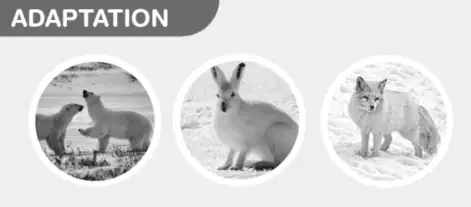
Animals in cold climates develop thick fur and fat layers for warmth
Classification of Adaptations in Living Organisms
Structural Adaptations: Physical Features for Survival
Structural adaptations involve changes in an organism's body parts that enhance survival. Examples include the thick blubber of whales for insulation, the sharp beak of woodpeckers for extracting insects, and the baleen plates in humpback whales for filtering food.
Example: Camouflage in Animals
Many animals have body colors and patterns that blend with their environment, helping them avoid predators or sneak up on prey. For instance, the green-eyed tree frog has skin flaps resembling tree bark, providing excellent concealment.
Physiological Adaptations: Internal Processes for Survival
These adaptations involve biochemical or metabolic changes that allow organisms to function effectively in their habitats. For example, snakes produce venom to immobilize prey, and mammals regulate their body temperature to maintain homeostasis. Even human stomach acid production is a physiological adaptation aiding digestion.
Behavioral Adaptations: Actions Enhancing Survival
Behavioral adaptations are the ways organisms act to increase their survival chances. Migration of birds to warmer regions during winter, hibernation in bears during cold months, and nocturnal activity patterns in desert animals to avoid heat are prime examples.
Animal Adaptations Across Different Ecosystems
Survival Strategies of Desert Animals
Deserts present extreme conditions with scorching days, freezing nights, and scarce water. Animals here have evolved unique adaptations to conserve water and regulate temperature.
Water Conservation: Camels can endure temperatures up to 44°C without sweating, minimizing water loss.
Nocturnal Activity: Many desert animals are active at night or during twilight to avoid daytime heat and reduce dehydration.
Efficient Excretion: Birds and reptiles excrete uric acid, a water-conserving solid waste, unlike mammals that excrete urea.
Alternative Water Sources: Some insects and animals extract moisture from plants like cacti.
Heat Dissipation: Large ears in jackrabbits help release excess body heat through a dense network of blood vessels.
Problem: Calculating Water Loss in Desert Animals
A desert animal loses 0.5 liters of water per hour through sweating under normal conditions. If a camel can survive without sweating at 44°C, how much water does it save in 10 hours compared to a non-adapted animal?
Solution:
Water loss without adaptation = \(0.5 \text{ liters/hour} \times 10 \text{ hours} = 5 \text{ liters}\)
Water loss with adaptation = 0 liters (no sweating)
Water saved = \(5 - 0 = 5 \text{ liters}\)
Thus, the camel conserves 5 liters of water over 10 hours by not sweating.
Adaptations of Grassland Animals
Grasslands are vast open areas dominated by grasses, requiring animals to adapt for speed, camouflage, and efficient feeding.
Specialized Digestion: Herbivores like bison have teeth and stomachs adapted to break down tough grasses.
Camouflage: Predators have coat colors matching the grassland to ambush prey effectively.
Feeding Timing: Some herbivores graze at night when plants have higher moisture, reducing water loss.
Example: Speed Adaptation in Grassland Predators
The cheetah can reach speeds of 110 km/h to catch prey. If a pronghorn antelope runs at 95 km/h, how much faster is the cheetah?
Solution:
Speed difference = \(110 - 95 = 15 \text{ km/h}\)
The cheetah is 15 km/h faster, giving it an advantage in hunting.
Animal Adaptations in Tropical Rainforests
Tropical rainforests are warm, humid, and receive heavy rainfall. Animals here use camouflage and mimicry to survive among dense vegetation and predators.
Camouflage: Animals like the green-eyed tree frog blend with tree bark to avoid predators.
Mimicry: Some insects imitate twigs or poisonous species to deter predators, such as the margin-winged stick insect.
Adaptations of Animals in Polar Regions
Polar habitats are characterized by extreme cold and snow cover. Animals have developed insulation and camouflage to endure these conditions.
Dense Fur: Polar bears have thick fur covering even their feet to prevent slipping and retain heat.
Blubber: Marine mammals like whales have thick fat layers that insulate and provide energy reserves during scarce food periods.
Plant Adaptations to Diverse Environments
Survival Mechanisms of Desert Plants
Desert plants face extreme dryness and heat, leading to adaptations that conserve water and protect against herbivores.
Water Storage: Succulents store water in thickened stems and leaves.
Spines: Modified leaves like cactus spines reduce water loss and deter animals.
Deep Roots: Some plants develop long roots to access underground water.
Dormancy: Seeds remain inactive until sufficient water is available for growth.
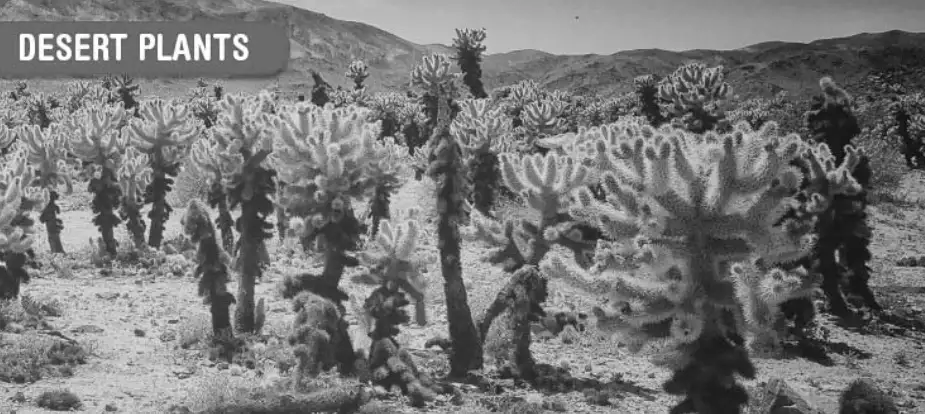
Cacti with spines and water-storing stems in desert environment
Adaptations of Plants in Tropical Rainforests
In dense tropical forests, competition for sunlight and nutrients is intense. Plants have evolved strategies to access light and survive in shaded conditions.
Climbing Plants: Some species climb tall trees to reach sunlight.
Seasonal Flowering: Ground plants flower in spring when fallen leaves allow more light.
Low-Light Photosynthesis: Certain plants can photosynthesize efficiently under limited light.
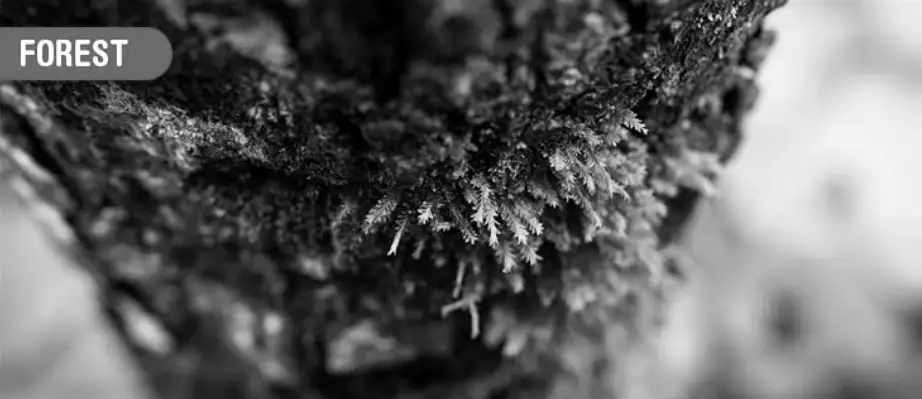
Plants adapted to compete for sunlight in tropical rainforests
Adaptations in Aquatic Plants
Aquatic plants face challenges like low oxygen, limited light, and lack of soil. They have developed unique features to thrive in water environments.
Floating Structures: Roots remain submerged while leaves float to access sunlight.
Modified Roots and Stems: These absorb nutrients and air directly from water.
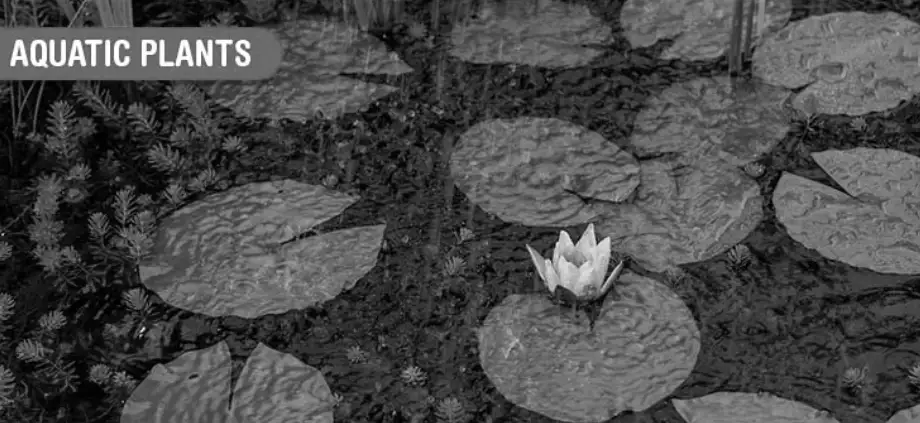
Aquatic plants with roots underwater and leaves floating on surface
Plant Adaptations in Polar Regions
Plants in polar areas endure freezing temperatures and short growing seasons. They exhibit traits that minimize heat loss and maximize survival.
Short Stature: Most plants grow low to the ground to avoid cold winds.
Hairy Surfaces: Hairy leaves and stems trap heat.
Shallow Roots: Roots remain near the surface due to permafrost.
Leaf Retention: Some trees keep dead leaves for insulation.
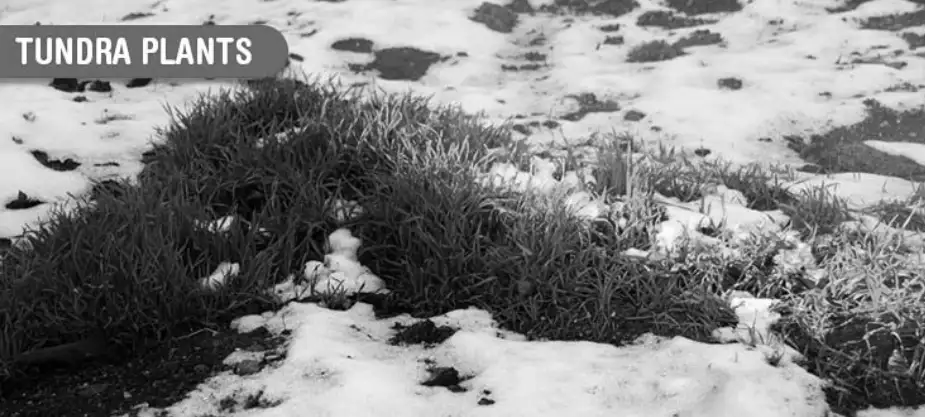
Plants adapted to cold polar environments with hairy parts and short height
Defenses of Plants Against Herbivores
To protect themselves from being eaten, plants have developed physical and chemical defenses.
Thorns and Spines: Sharp structures deter animals from feeding.
Toxic Chemicals: Some plants produce substances that taste bad or are poisonous.
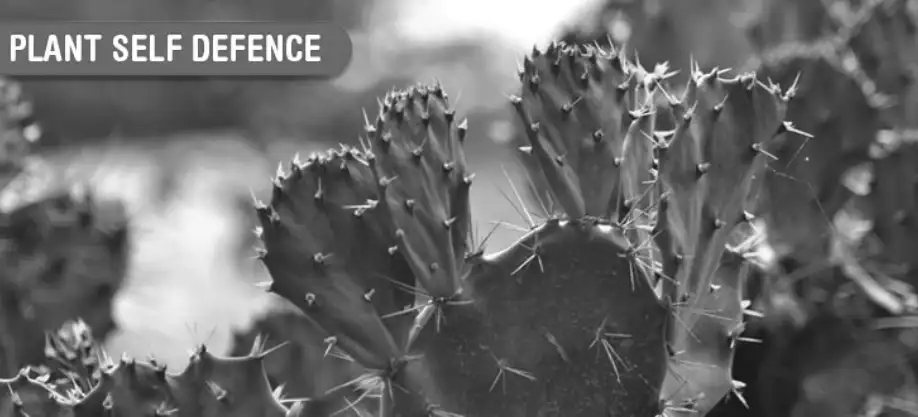
Plants use thorns and toxins to prevent herbivory
Summary Table: Key Adaptations in Various Habitats
Habitat | Animal Adaptations | Plant Adaptations |
|---|---|---|
Desert | Water conservation, nocturnal behavior, uric acid excretion, heat dissipation | Succulent stems, spines, deep roots, seed dormancy |
Grassland | Speed, camouflage, specialized digestion, nocturnal grazing | Grasses with deep roots, fire-resistant traits |
Tropical Rainforest | Camouflage, mimicry, arboreal lifestyle | Climbing plants, shade-tolerant photosynthesis, seasonal flowering |
Polar Regions | Dense fur, blubber, white camouflage | Short stature, hairy leaves, shallow roots, leaf retention |
Aquatic | Not applicable | Floating leaves, modified roots and stems for nutrient absorption |
Glossary of Important Terms
Term | Definition |
|---|---|
Adaptation | Process by which organisms adjust to their environment to improve survival. |
Camouflage | Coloration or pattern that helps an organism blend into its surroundings. |
Physiological Adaptation | Internal functional changes that help an organism survive. |
Behavioral Adaptation | Actions or behaviors that increase survival chances. |
Structural Adaptation | Physical features of an organism that aid survival. |
Blubber | Thick fat layer in marine mammals for insulation and energy storage. |
Succulent | Plant with thick, fleshy tissues adapted to store water. |
Mimicry | Resembling another organism to avoid predation. |
Permafrost | Permanently frozen ground found in polar regions. |
Uric Acid | Insoluble metabolic waste excreted by birds and reptiles to conserve water. |
Frequently Asked Questions
What is the difference between adaptation and evolution?
Adaptation involves short-term, often reversible changes that help an organism survive, while evolution is a long-term genetic change across generations.
How do physiological adaptations help animals survive?
They enable internal processes like temperature regulation, venom production, or efficient digestion suited to the environment.
Why do desert animals tend to be nocturnal?
Being active at night helps them avoid extreme daytime heat and reduces water loss.
What are some plant adaptations to prevent herbivory?
Plants develop thorns, spines, or produce toxic chemicals to deter animals from eating them.
How do aquatic plants adapt to their environment?
They have floating leaves for sunlight access and modified roots and stems to absorb nutrients and air from water.