Comprehensive Overview of the Thyroid Gland and Its Disorders
Anatomy and Positioning of the Thyroid Gland
Structural Features and Location
The thyroid gland is a vital endocrine organ located at the front of the neck, just below the larynx. It has a distinctive butterfly shape, consisting of two lobes connected by a narrow isthmus that lies across the trachea. Each lobe typically measures between 4 to 6 centimeters in length and 1.3 to 1.8 centimeters in width. The gland weighs approximately 25 to 30 grams, making it one of the largest endocrine glands in the human body.
Positioned anatomically between the fifth cervical (C5) and first thoracic (T1) vertebrae, the thyroid gland is closely associated with the trachea and is flanked posteriorly by the parathyroid glands, which regulate calcium metabolism.
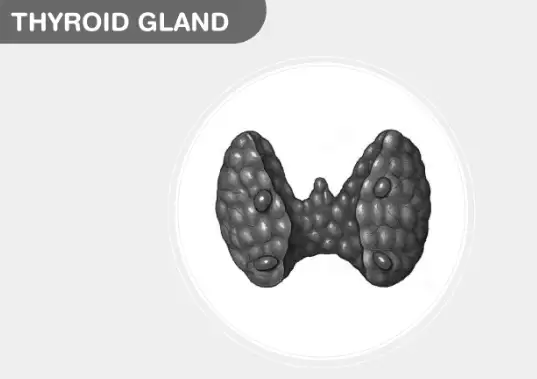
Illustration showing the thyroid gland's location and shape
Functions and Hormonal Secretions of the Thyroid
Key Hormones and Their Roles
The thyroid gland primarily produces two essential hormones: Thyroxine (T4) and Triiodothyronine (T3). These hormones regulate numerous physiological processes including metabolism, growth, and development across almost all body tissues.
Thyroxine (T4) is secreted into the bloodstream and transported to various organs such as the liver and kidneys, where it is enzymatically converted into the more active form, Triiodothyronine (T3). T3 then exerts significant influence on cellular metabolism and energy regulation.
Both hormones are critical for maintaining normal metabolic rates, heart function, and neurological development.
Common Disorders Affecting Thyroid Function
Symptoms and Clinical Manifestations
Thyroid dysfunction can manifest through a variety of symptoms, many of which overlap with other health conditions, making diagnosis challenging. Common signs include nervousness, difficulty concentrating, menstrual irregularities, increased heart rate, muscle pain, weight fluctuations, and elevated cholesterol levels.
Because these symptoms are nonspecific, thorough medical evaluation is essential to identify thyroid-related issues accurately.
Example Question
Question: List three symptoms that might indicate an overactive thyroid gland.
Unexpected weight loss despite normal or increased appetite
Rapid or irregular heartbeat
Excessive sweating and heat intolerance
Major Thyroid Conditions
The thyroid gland can be affected by several disorders, including:
Goitre: An abnormal enlargement of the thyroid that can cause swallowing and breathing difficulties due to pressure on adjacent structures.
Thyroid Cancer: A relatively common cancer with high survival rates, classified into papillary, follicular, medullary, and anaplastic types.
Hyperthyroidism: Excessive production of thyroid hormones leading to symptoms such as irritability, insomnia, and weight loss.
Hypothyroidism: Insufficient hormone production often caused by autoimmune conditions like Hashimoto’s disease, resulting in fatigue, weight gain, and slowed metabolism.
Example Problem
Question: A patient with hypothyroidism is prescribed levothyroxine. Explain the purpose of this medication.
Answer:
Levothyroxine is a synthetic form of thyroxine (T4) used to supplement deficient hormone levels.
It helps restore normal metabolic function by compensating for the underactive thyroid gland.
Regular intake reduces symptoms such as fatigue and weight gain.
Summary Table for Quick Revision
Aspect | Details |
|---|---|
Location | Anterior neck, spanning C5 to T1 vertebrae |
Shape | Butterfly-shaped with two lobes connected by isthmus |
Weight | Approximately 25–30 grams |
Primary Hormones | Thyroxine (T4) and Triiodothyronine (T3) |
Functions | Regulation of metabolism, growth, and development |
Common Disorders | Goitre, thyroid cancer, hyperthyroidism, hypothyroidism |
Treatment | Levothyroxine for hypothyroidism; radiation and surgery for cancer |
Glossary of Key Terms
Term | Definition |
|---|---|
Thyroid Gland | An endocrine gland located in the neck that produces thyroid hormones. |
Thyroxine (T4) | A hormone secreted by the thyroid gland, precursor to T3. |
Triiodothyronine (T3) | The active thyroid hormone influencing metabolism and growth. |
Goitre | Enlargement of the thyroid gland causing swelling in the neck. |
Hyperthyroidism | Condition of excessive thyroid hormone production. |
Hypothyroidism | Reduced secretion of thyroid hormones leading to slowed metabolism. |
Levothyroxine | Synthetic thyroid hormone used to treat hypothyroidism. |
Parathyroid Glands | Small glands behind the thyroid that regulate calcium levels. |
Isthmus | The narrow band connecting the two lobes of the thyroid gland. |
Hashimoto’s Disease | An autoimmune disorder causing hypothyroidism by attacking the thyroid. |
Frequently Asked Questions
What is the main function of the thyroid gland?
The thyroid gland regulates metabolism, growth, and development by producing hormones T3 and T4.
Where is the thyroid gland located?
It is situated in the front of the neck, spanning from the C5 to T1 vertebrae, around the trachea.
What causes hypothyroidism?
Hypothyroidism is often caused by autoimmune diseases like Hashimoto’s, which reduce hormone production.
How is hyperthyroidism treated?
Treatment includes medications to reduce hormone production, radioactive iodine therapy, or surgery in severe cases.
Why is levothyroxine prescribed?
Levothyroxine is a synthetic hormone used to replace deficient thyroid hormones in hypothyroid patients.