Understanding Genetically Engineered Organisms and Their Applications
Fundamentals of Genetically Engineered Organisms
Defining Genetically Modified Organisms and Their Creation
Genetically engineered organisms, commonly known as GMOs, are living beings whose genetic material has been deliberately altered using advanced laboratory techniques. These organisms, often called transgenic, contain DNA segments introduced from other species to impart desired traits.
The creation of GMOs primarily involves two scientific approaches: Recombinant DNA technology and reproductive cloning. Recombinant DNA technology entails inserting specific genes from one organism into the genome of another, enabling the recipient to express new characteristics. In contrast, reproductive cloning involves transferring the nucleus of a mature somatic cell into an enucleated egg cell, resulting in an organism genetically identical to the donor.
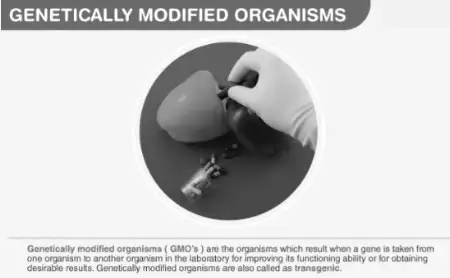
Illustration representing genetically modified organisms
Example: Gene Transfer in Bacteria
Suppose a gene responsible for producing a drought-resistant protein is isolated from a desert plant. This gene is inserted into the DNA of a common bacterium to enable it to survive in dry conditions. Describe the process and outcome.
Solution:
The gene encoding drought resistance is extracted from the desert plant's DNA using restriction enzymes.
This gene is then inserted into a plasmid vector, which is introduced into the bacterium.
The bacterium incorporates the plasmid and begins expressing the drought-resistant protein.
As a result, the genetically modified bacterium can survive and function in arid environments, demonstrating successful gene transfer.
Genetically Engineered Crops and Their Advantages
Enhancing Crop Traits Through Genetic Modification
Genetically engineered plants, often referred to as transgenic crops, are developed by altering their genetic makeup to improve yield, resistance to pests, and nutritional value. These modifications aim to address agricultural challenges and enhance food security.
For instance, a variety of rice has been engineered to produce significantly higher levels of beta-carotene, a precursor to vitamin A, to combat vitamin A deficiency in certain populations. Another example includes rice enriched with iron by incorporating genes from bean plants, targeting iron deficiency anemia.
Additionally, the model plant Arabidopsis thaliana has been extensively used in genetic studies to understand plant biology and improve crop traits.
Example: Developing Pest-Resistant Corn
A scientist introduces a gene from a soil bacterium that produces a toxin harmful to specific pests into corn plants. Explain the benefits and potential concerns of this modification.
Solution:
The inserted gene enables corn plants to produce a natural insecticide, reducing crop damage from pests.
This leads to higher crop yields and decreased reliance on chemical pesticides.
However, concerns include potential effects on non-target organisms and the development of pest resistance over time.
Careful monitoring and management strategies are essential to maximize benefits and minimize risks.
Innovations in Genetically Modified Therapeutics
Medical Applications of Genetic Engineering
Genetic engineering has revolutionized medicine by enabling the production of biologically derived drugs and treatments for various diseases. One landmark achievement was the synthesis of human insulin by inserting the insulin gene into bacteria, allowing mass production of this vital hormone for diabetes management.
Other genetically engineered products include artificial sweeteners like aspartame and therapeutic agents such as monoclonal antibodies used in treatments for autoimmune diseases and cancers. Moreover, some genetically modified plants are designed to produce edible vaccines, offering innovative ways to prevent infectious diseases.
Example: Producing Human Growth Hormone Using Bacteria
A gene coding for human growth hormone is inserted into bacterial cells to produce the hormone in large quantities. Outline the steps involved and the significance of this process.
Solution:
The human growth hormone gene is isolated and inserted into a plasmid vector.
The recombinant plasmid is introduced into bacterial cells, which then express the hormone.
The hormone is harvested and purified for medical use.
This method provides a reliable and cost-effective source of growth hormone for patients with deficiencies.
Genetic Engineering in Animal Species
Creating Genetically Modified Animals for Enhanced Traits
Animals can be genetically modified by inserting specific genes into their embryos, resulting in offspring with improved characteristics such as increased milk production, disease resistance, or faster growth. Commonly modified animals include pigs, chickens, cows, fish, and mosquitoes.
These modifications are achieved by altering the embryo's genetic material before development, ensuring the desired traits are expressed throughout the animal's life.
Example: Producing Disease-Resistant Fish
Scientists introduce a gene that enhances immune response into fish embryos to create a strain resistant to common aquatic diseases. Discuss the potential benefits and ethical considerations.
Solution:
The genetically modified fish have a stronger immune system, reducing mortality rates in aquaculture.
This leads to increased fish production and economic benefits for farmers.
Ethical concerns include the impact on wild fish populations if modified fish escape and the welfare of the modified animals.
Regulatory oversight is necessary to address these issues responsibly.
Summary and Key Takeaways
Aspect | Description | Example |
|---|---|---|
Genetic Modification Techniques | Methods like recombinant DNA technology and cloning used to alter DNA | Insertion of drought-resistant gene into bacteria |
Genetically Modified Crops | Crops engineered for higher yield, nutrition, and pest resistance | Golden Rice enriched with beta-carotene |
Medical Applications | Production of medicines and vaccines through genetic engineering | Insulin produced by genetically modified bacteria |
Genetically Modified Animals | Animals altered to improve productivity and disease resistance | Disease-resistant genetically modified fish |
Environmental Impact | Use of GMOs to reduce ecological damage and produce biodegradable materials | Bacteria producing biodegradable plastics |
Glossary of Key Terms
Term | Definition |
|---|---|
Genetically Modified Organism (GMO) | An organism whose genetic material has been altered using biotechnology. |
Recombinant DNA Technology | A method of combining DNA from different organisms to create new genetic combinations. |
Transgenic Organism | An organism that contains genes from another species. |
Reproductive Cloning | Creating a genetically identical organism by transferring a nucleus into an enucleated egg. |
Beta-Carotene | A pigment and precursor to vitamin A important for vision and health. |
Edible Vaccine | A vaccine produced in genetically modified plants that can be consumed orally. |
Plasmid | A small circular DNA molecule used as a vector in genetic engineering. |
Somatic Cell | Any cell of the body except sperm and egg cells. |
Biodegradable Plastic | Plastic that can be broken down by natural processes, reducing pollution. |
Gene Expression | The process by which information from a gene is used to synthesize functional products like proteins. |
Frequently Asked Questions
What distinguishes genetically modified organisms from naturally bred organisms?
GMOs have specific genes inserted or altered in a laboratory setting, allowing traits that may not occur naturally, whereas natural breeding involves selecting traits through reproduction without direct DNA manipulation.
How does recombinant DNA technology work in creating GMOs?
This technique involves cutting and combining DNA segments from different organisms to form new genetic combinations that express desired traits in the recipient organism.
Are genetically modified crops safe for human consumption?
Extensive research and regulatory assessments ensure that approved genetically modified crops are safe to eat and provide nutritional benefits without harmful effects.
Can genetically modified animals affect natural ecosystems?
If genetically modified animals escape into the wild, they may impact native species and ecosystems; therefore, strict containment and monitoring are essential.
What environmental benefits do GMOs offer?
GMOs can reduce the need for chemical pesticides, increase crop yields, and help produce biodegradable materials, thereby minimizing ecological damage.