Common Disorders Affecting the Circulatory System
Overview of the Circulatory System and Its Functions
The circulatory system is a vital network responsible for transporting blood, lymph, oxygen, hormones, and nutrients throughout the body. It comprises the heart, blood vessels, blood cells, lymphatic vessels, lymph, and associated glands. Proper functioning of this system ensures that tissues and organs receive the substances necessary for survival and optimal performance.
Disruptions or irregularities in this system, known as circulatory disorders, can impair the delivery of essential elements, leading to various health complications. Factors such as emotional stress, physical injury, vessel blockages, tumor growth within vessels, or narrowing of arteries can contribute to these disorders.
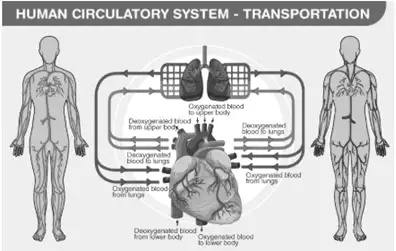
Diagram illustrating the components of the circulatory system
Understanding Elevated Blood Pressure and Its Impact
What is Blood Pressure and Its Normal Range?
Blood pressure refers to the force exerted by circulating blood on the walls of blood vessels. It is measured using two values: systolic and diastolic pressures. The systolic pressure represents the force during heartbeats when blood is pumped through arteries, while the diastolic pressure is the pressure when the heart relaxes between beats.
Typically, a healthy adult has a blood pressure around 115/75 mmHg. Values exceeding 140/90 mmHg are considered high and indicate hypertension, a condition that often shows no symptoms but can lead to serious health issues.
Example Problem:
A patient’s blood pressure reading is 150/95 mmHg. Determine if this indicates hypertension and explain the potential risks.
Solution:
The systolic pressure is 150 mmHg and diastolic is 95 mmHg. Both values exceed the normal upper limits of 140 mmHg and 90 mmHg respectively.
Therefore, this patient is diagnosed with hypertension.
Hypertension increases the risk of heart disease, stroke, kidney damage, and other organ dysfunctions due to the excessive strain on blood vessels and the heart.
Common causes of high blood pressure include excessive salt intake, high consumption of alcohol, and diets rich in unhealthy fats.
Blockages in Heart Arteries: Coronary Artery Disease
How Coronary Artery Disease Develops
Coronary Artery Disease (CAD), also known as atherosclerosis, occurs when fatty deposits such as cholesterol, fats, and fibrous tissues accumulate inside the arteries supplying blood to the heart muscle. This buildup narrows the arteries, restricting blood flow and potentially causing heart attacks.
Risk factors contributing to CAD include smoking, elevated blood pressure, high cholesterol levels, and diabetes or insulin resistance.
Example Problem:
A 55-year-old individual who smokes and has high cholesterol experiences chest discomfort during physical activity. Explain the likely diagnosis and underlying cause.
Solution:
The symptoms and risk factors suggest Coronary Artery Disease, where narrowed arteries reduce oxygen supply to the heart muscle.
Smoking and high cholesterol accelerate plaque formation, leading to artery blockage and chest pain known as angina.
Chest Pain Due to Insufficient Heart Oxygen: Angina
Causes and Symptoms of Angina
Angina is characterized by chest pain resulting from inadequate oxygen and nutrient supply to the heart muscle. This condition often arises due to narrowed or blocked coronary arteries.
Factors increasing the risk of angina include smoking, age over 40, high blood pressure, obesity, and lack of physical activity.
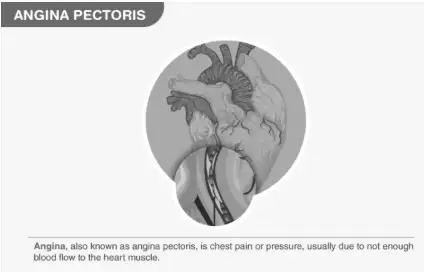
Illustration showing chest pain caused by angina
Example Problem:
A 45-year-old sedentary smoker complains of chest tightness during exertion. Identify the probable condition and suggest preventive measures.
Solution:
The symptoms indicate angina caused by reduced oxygen supply to the heart due to narrowed arteries.
Preventive steps include quitting smoking, engaging in regular exercise, managing blood pressure, and maintaining a healthy weight.
When the Heart Fails to Pump Adequately: Heart Failure
Understanding Heart Failure and Its Causes
Heart failure is a chronic condition where the heart cannot pump enough blood to meet the body's needs. This often leads to fluid buildup in the lungs, causing congestion and breathing difficulties.
Major contributors to heart failure include smoking, obesity, and diets high in unhealthy fats.
Example Problem:
A patient with a history of obesity and smoking experiences shortness of breath and swelling in the legs. Explain the diagnosis and underlying mechanism.
Solution:
The symptoms suggest heart failure, where the heart's reduced pumping efficiency causes fluid accumulation in tissues and lungs.
Obesity and smoking damage the heart muscle and blood vessels, worsening the condition.
Quick Reference: Summary of Circulatory Disorders
Disorder | Definition | Key Causes | Primary Symptoms |
|---|---|---|---|
Hypertension | Elevated blood pressure above normal limits | High salt intake, alcohol, fatty foods | Usually asymptomatic; risk of heart and kidney damage |
Coronary Artery Disease | Blockage of heart arteries by fatty deposits | Smoking, high cholesterol, diabetes | Chest pain, heart attack risk |
Angina | Chest pain due to insufficient oxygen to heart | Smoking, age, hypertension, obesity | Chest tightness during exertion |
Heart Failure | Heart's inability to pump sufficient blood | Smoking, obesity, fatty diet | Breathlessness, fluid retention |
Glossary of Key Terms
Term | Meaning |
|---|---|
Artery | Blood vessel carrying blood away from the heart |
Blood Pressure | Force exerted by blood on vessel walls |
Coronary Artery Disease | Blockage of arteries supplying the heart muscle |
Diastolic Pressure | Pressure in arteries when heart relaxes |
Hypertension | Condition of abnormally high blood pressure |
Heart Failure | Inability of heart to pump adequate blood |
Angina | Chest pain due to reduced oxygen supply to heart |
Systolic Pressure | Pressure in arteries during heartbeats |
Lymphatic Vessels | Vessels that carry lymph fluid throughout the body |
Atherosclerosis | Hardening and narrowing of arteries due to plaque |
Frequently Asked Questions
What causes high blood pressure?
High blood pressure is mainly caused by excessive salt intake, alcohol consumption, obesity, and stress, which increase the force of blood against artery walls.
How does coronary artery disease affect the heart?
It narrows the arteries supplying blood to the heart muscle, reducing oxygen delivery and increasing the risk of heart attacks.
What are the symptoms of angina?
Angina typically causes chest pain or tightness during physical activity or stress due to insufficient oxygen reaching the heart.
Can heart failure be reversed?
While heart failure is a chronic condition, lifestyle changes and medications can manage symptoms and improve quality of life.
How can circulatory disorders be prevented?
Maintaining a healthy diet, regular exercise, avoiding smoking, and controlling blood pressure and cholesterol levels help prevent these disorders.