Comprehensive Overview of Digestion and Nutrient Absorption
Fundamentals of Digestion and Nutrient Uptake
Understanding the Digestive Process
Digestion refers to the breakdown of complex food substances into simpler, absorbable molecules. This transformation starts in the oral cavity and continues sequentially through the stomach, small intestine, large intestine, and finally exits via the anus. The initial phase involves mechanical breakdown, while the subsequent stages engage chemical processes facilitated by various enzymes and digestive secretions.
The digestive journey can be summarized in four key phases:
Ingestion and initial processing in the mouth.
Further digestion in the stomach and small intestine.
Absorption of nutrients primarily in the small intestine.
Elimination of waste through the large intestine and anus.
This coordinated sequence ensures that nutrients are efficiently extracted and waste is expelled.
Mechanism of Nutrient Absorption
Absorption is the biological process where digested nutrients pass through the intestinal walls into the bloodstream or lymphatic system. This transfer occurs mainly via diffusion and osmosis, allowing cells to assimilate essential molecules for metabolism and energy.
Effective absorption depends on the structure of the intestinal lining, which is equipped with specialized projections to maximize surface area.
Breakdown and Uptake of Carbohydrates
Carbohydrate Digestion Explained
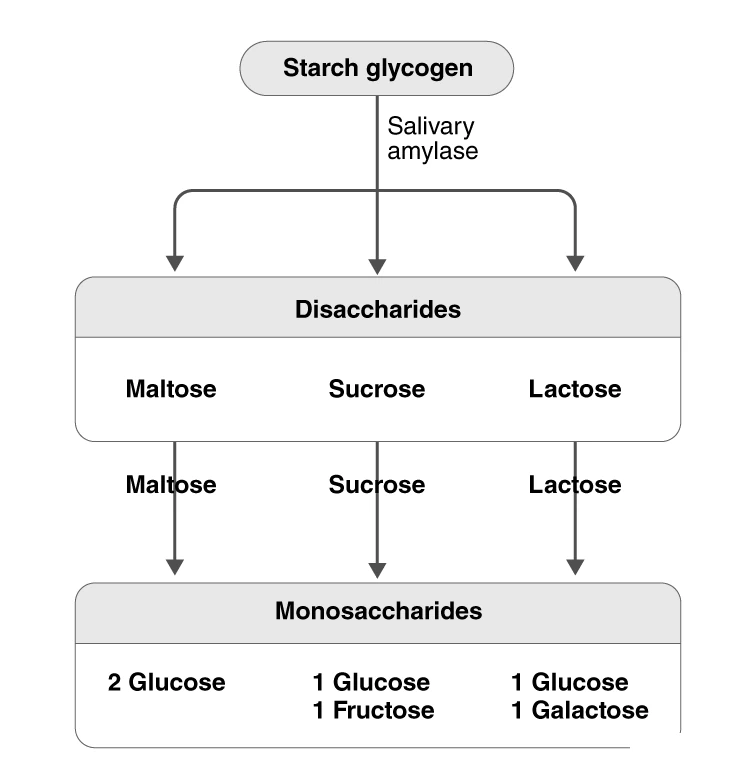
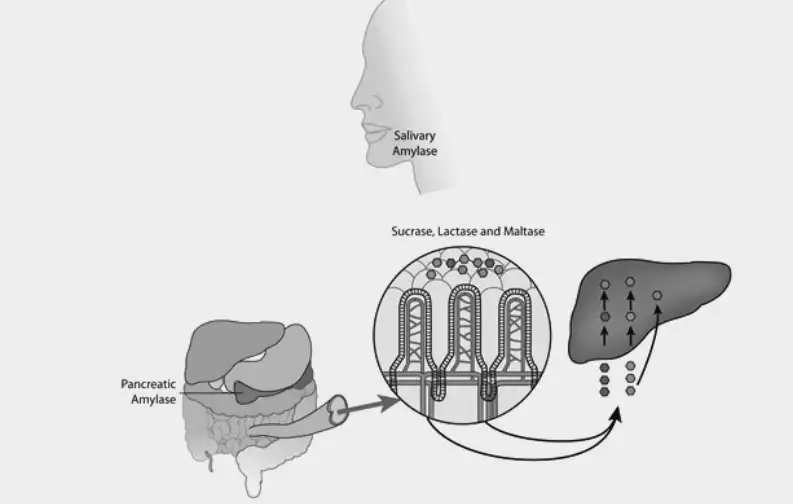
Carbohydrates, vital energy sources, are categorized mainly into sugars and starches. Their digestion initiates in the mouth, where enzymes such as amylase begin converting starch into simpler sugars. Further enzymatic action continues in the small intestine, involving enzymes like lactase, sucrase, and maltase that break down disaccharides into monosaccharides.
The absorption of these monosaccharides occurs in the small intestine, facilitated by villi—tiny finger-like structures that increase the absorptive surface area.
Flowchart depicting the digestion and absorption of carbohydrates
Detailed steps involved in carbohydrate digestion and absorption
Protein Digestion and Assimilation
How Proteins Are Broken Down
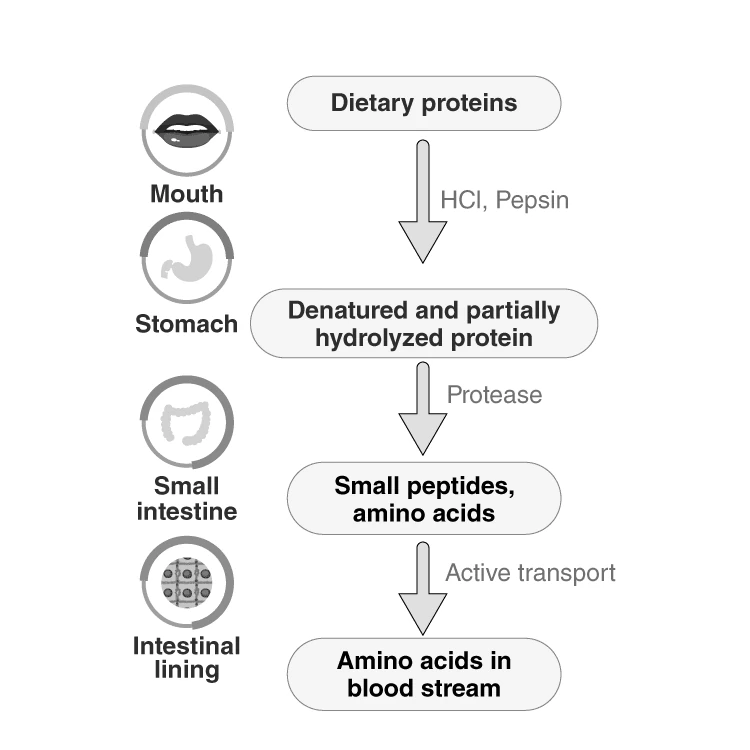
Proteins are crucial for tissue repair and growth. Their digestion begins in the stomach, where enzymes like pepsin and proteases, activated by hydrochloric acid, cleave proteins into smaller peptides and eventually into amino acids. These amino acids are then absorbed through the small intestine's lining into the circulatory system.
Flowchart illustrating the digestion and absorption of proteins
Fat Digestion and Nutrient Uptake
Processing Lipids in the Digestive System
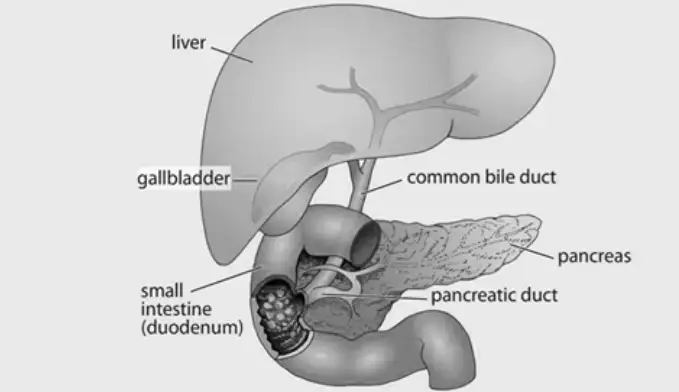
Lipids, primarily fats, are hydrophobic molecules that require emulsification before digestion. Upon reaching the stomach, fats aggregate into large globules. Bile salts from bile juice emulsify these fats, increasing their surface area. Pancreatic lipase then breaks down the emulsified fats into free fatty acids and monoglycerides, which are small enough to be absorbed by the small intestine.
Diagram showing the digestion and absorption of lipids
Quick Reference Summary
Nutrient | Site of Digestion | Key Enzymes | Absorption Location | End Products |
|---|---|---|---|---|
Carbohydrates | Mouth, Small Intestine | Amylase, Lactase, Sucrase, Maltase | Small Intestine (Villi) | Monosaccharides (e.g., Glucose) |
Proteins | Stomach, Small Intestine | Pepsin, Trypsin, Chymotrypsin, Peptidases | Small Intestine | Amino Acids |
Lipids | Small Intestine | Bile Salts, Pancreatic Lipase | Small Intestine | Free Fatty Acids, Monoglycerides |
Glossary of Key Terms
Term | Definition |
|---|---|
Absorption | The process of nutrients passing through the intestinal lining into the bloodstream or lymph. |
Bile Salts | Compounds in bile that emulsify fats to aid digestion. |
Enzymes | Proteins that catalyze biochemical reactions, such as digestion. |
Hydrolysis | Chemical breakdown of molecules by water, essential in digestion. |
Monoglycerides | Products of fat digestion consisting of glycerol bound to one fatty acid. |
Pepsin | An enzyme in the stomach that initiates protein digestion. |
Protease | Enzymes that break down proteins into peptides and amino acids. |
Starch | A polysaccharide carbohydrate composed of glucose units. |
Villi | Small finger-like projections in the small intestine that increase surface area for absorption. |
Pancreatic Lipase | Enzyme secreted by the pancreas that breaks down fats into absorbable units. |
Frequently Asked Questions
What initiates protein digestion in the human body?
Protein digestion begins in the stomach with the enzyme pepsin, which breaks proteins into smaller peptides.
Where does the majority of nutrient absorption occur?
The small intestine is the primary site for absorption of carbohydrates, proteins, and lipids through its villi.
Which enzymes are responsible for starch and protein digestion?
Pancreatic enzymes such as amylase digest starch, while proteases like trypsin and chymotrypsin digest proteins.
How are fats made absorbable in the digestive tract?
Bile salts emulsify fats, breaking them into smaller droplets, which pancreatic lipase then digests into absorbable molecules.
What happens to amino acids after absorption?
Amino acids enter the bloodstream and are transported to cells for protein synthesis or energy production.