Understanding the Components and Formation of Blood
Composition and Role of Blood in the Human Body
Overview of Blood and Its Functions
Blood is a vital fluid in vertebrates, consisting of various cells suspended within a liquid called plasma. It plays multiple roles including transporting essential molecules, maintaining the body's salt balance and pH, and serving as a medium for immune cells. Additionally, blood helps regulate body temperature by distributing heat between different regions and the external environment.
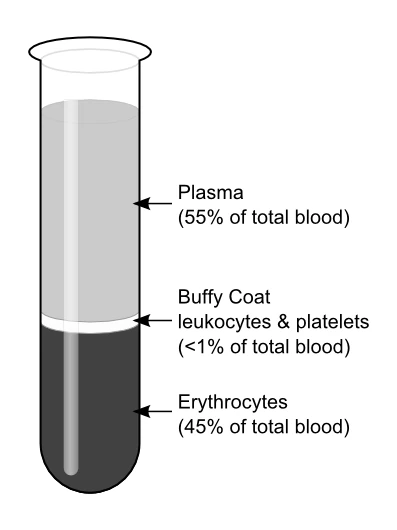
In an average adult human, blood volume ranges between 4 to 5 liters, making up approximately 8% of total body weight. Plasma, a clear straw-colored fluid, constitutes about 55% of blood volume in males and 58% in females. The remaining volume, known as hematocrit, contains three main types of blood cells: erythrocytes, leukocytes, and platelets.
Blood Cell Formation and Differentiation
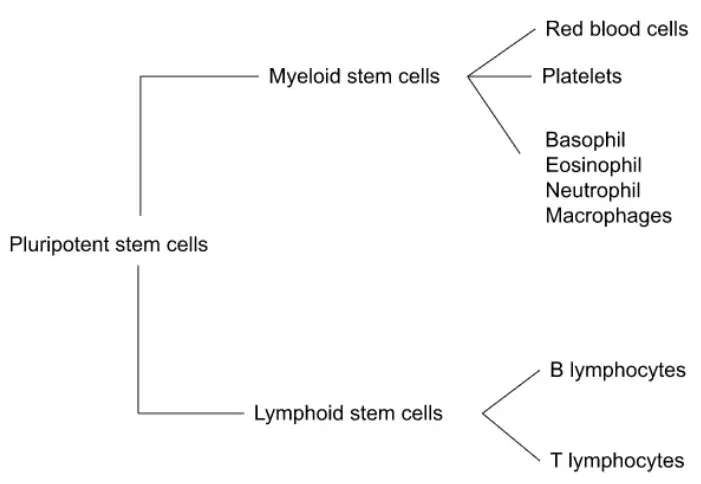
Blood cells originate primarily in the red bone marrow located in vertebrae, ribs, sternum, and pelvis. All blood cells arise from pluripotent stem cells, which have the ability to divide and differentiate. These stem cells branch into two main progenitors: myeloid and lymphoid stem cells.
Myeloid stem cells give rise to erythrocytes, platelets, and four types of leukocytes—basophils, neutrophils, monocytes/macrophages, and eosinophils. Lymphoid stem cells produce T and B lymphocytes, which are crucial for immune responses.
Pluripotent stem cells as the origin of blood cells
Detailed Components of Blood and Their Functions
Cellular and Liquid Constituents of Blood
Blood is composed of cellular elements suspended in plasma. The cellular portion, called hematocrit, accounts for about 45% of blood volume in males and 42% in females. Plasma makes up the remaining 55% in males and 58% in females. The main cellular components include erythrocytes, leukocytes, and platelets, each with distinct roles in maintaining health.
Breakdown of blood components and their functions
Role and Characteristics of Red Blood Cells
Red blood cells (RBCs), or erythrocytes, are responsible for transporting oxygen from the lungs to body tissues. Approximately 5 million RBCs are present per microliter of blood. Their biconcave disc shape, about 8 micrometers in diameter and 2 micrometers thick, enhances flexibility and surface area for gas exchange.
RBCs develop from myeloid stem cells in the bone marrow. During maturation, they lose their nuclei and organelles, limiting their metabolic functions but allowing more space for hemoglobin, the oxygen-carrying protein. Hemoglobin contains iron atoms that bind oxygen molecules in the lungs and release them in tissues.
The kidneys monitor oxygen levels and secrete erythropoietin (EPO) hormone to regulate RBC production. When oxygen levels drop, EPO stimulates the bone marrow to produce more RBCs. Conversely, excess RBCs reduce EPO secretion, maintaining balance. Blood groups are determined by antigens on RBC surfaces.
Functions and Features of White Blood Cells
White blood cells (WBCs), or leukocytes, defend the body by removing dead cells and fighting infections. Unlike RBCs, WBCs retain their nuclei and organelles, enabling full cellular functions. They arise from both myeloid and lymphoid stem cells, producing various types specialized in immune defense.
Platelets and Their Role in Blood Clotting
Platelets are small, round or oval cell fragments measuring 2–4 micrometers in diameter. They contain enzymes essential for blood clotting and originate from large bone marrow cells derived from myeloid stem cells. When blood vessels are injured, platelets adhere to exposed collagen fibers, triggering a cascade that forms a clot to seal the wound.
Platelets release factors that convert fibrinogen into fibrin, creating a mesh that traps cells and platelets, forming a stable clot. Disorders affecting clotting factors can lead to excessive bleeding or clotting problems.
Plasma: The Transport Medium of Blood
Plasma is the fluid portion of blood, composed mainly of water, sugars, proteins, fats, and salts. It transports blood cells, nutrients, antibodies, waste products, clotting proteins, and hormones throughout the body. Plasma also helps maintain fluid balance and supports various physiological functions.
Summary Table of Blood Components and Their Functions
Component | Function | Approximate Percentage/Count |
|---|---|---|
Plasma | Transports nutrients, hormones, waste; maintains fluid balance | 55% (males), 58% (females) of blood volume |
Red Blood Cells (Erythrocytes) | Carry oxygen from lungs to tissues | ~5 million per microliter |
White Blood Cells (Leukocytes) | Defend against infections; remove dead cells | 3000–7000 per microliter |
Platelets | Initiate blood clotting to prevent bleeding | 150,000–400,000 per microliter |
Glossary of Key Terms Related to Blood
Term | Definition |
|---|---|
Plasma | The liquid component of blood that carries cells and dissolved substances. |
Erythrocytes | Red blood cells responsible for oxygen transport. |
Leukocytes | White blood cells involved in immune defense. |
Platelets | Cell fragments that help in blood clotting. |
Hematocrit | The percentage of blood volume occupied by cells. |
Pluripotent Stem Cells | Undifferentiated cells that can develop into various blood cells. |
Myeloid Stem Cells | Stem cells that produce erythrocytes, platelets, and some leukocytes. |
Lymphoid Stem Cells | Stem cells that give rise to lymphocytes. |
Hemoglobin | Protein in RBCs that binds oxygen molecules. |
Erythropoietin (EPO) | Hormone secreted by kidneys to regulate RBC production. |
Frequently Asked Questions on Blood Components
What are the main components of human blood?
Human blood consists of four primary components: red blood cells (erythrocytes), white blood cells (leukocytes), platelets, and plasma.
How long do red blood cells survive in the bloodstream?
Red blood cells typically have a lifespan of about 120 days before they are broken down by macrophages in organs like the liver and spleen.
Where are blood cells produced in the body?
Blood cells are mainly produced in the red bone marrow found in bones such as vertebrae, ribs, sternum, and pelvis.
What triggers the production of more red blood cells?
When oxygen levels in the blood fall, the kidneys release erythropoietin (EPO), which stimulates the bone marrow to increase red blood cell production.
How do platelets contribute to healing wounds?
Platelets adhere to damaged blood vessels, forming a plug and releasing factors that convert fibrinogen into fibrin, creating a mesh that stabilizes the clot and stops bleeding.