CLASS 8 . SCIENCE . CURIOSITY . OUR HOME-EARTH-A-UNIQUE-LIFE-SUSTAINING-PLANET
Chapter 13 : Our Home: Earth, a Unique Life Sustaining Planet
Ch 13
SCIENCE
CLASS 8
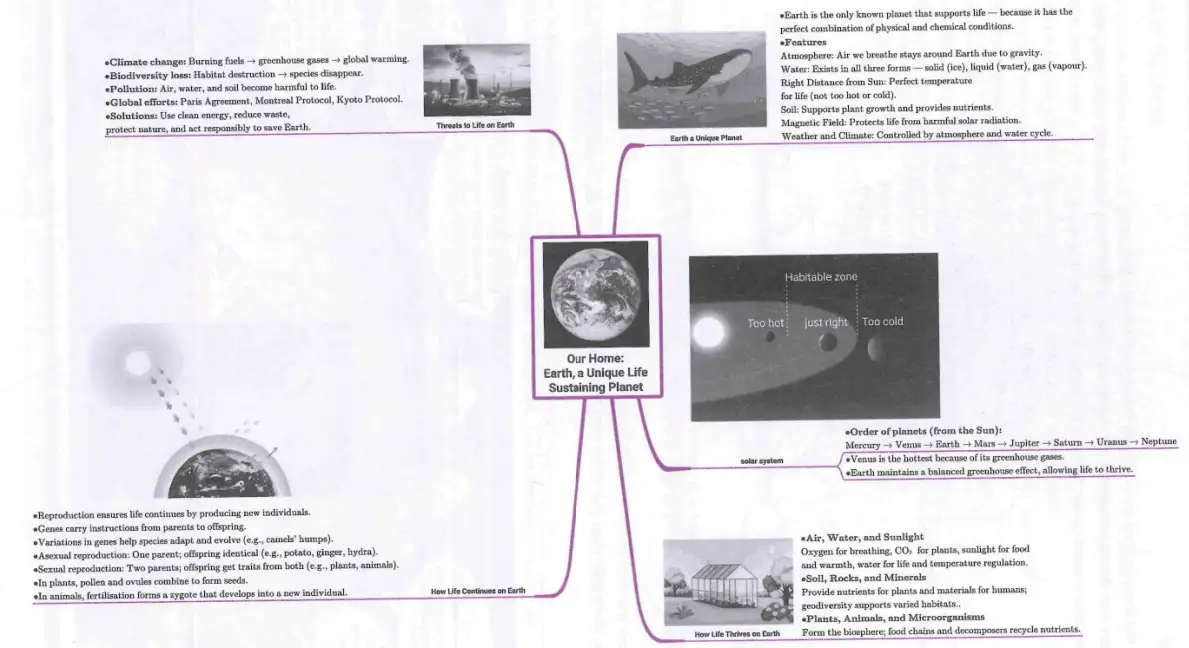
Earth Unique Planet
Introduction to Earth
Earth is a special planet in our solar system because it supports life. It has diverse landscapes such as mountains, oceans, deserts, and forests. The thin outer layer of Earth, called the crust, is where all living things exist.
Earth's Layers
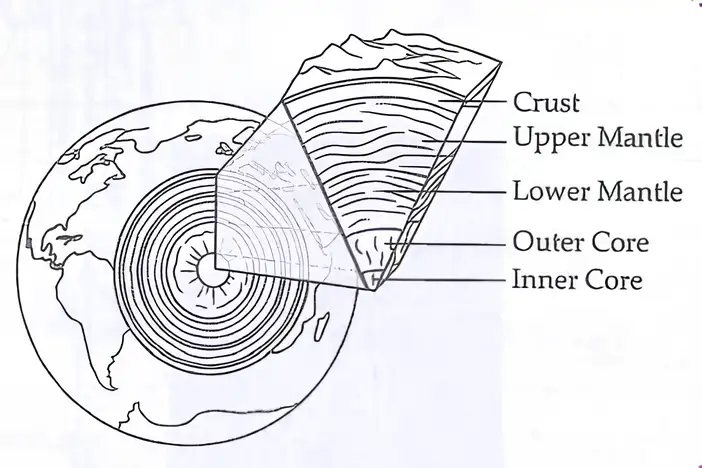
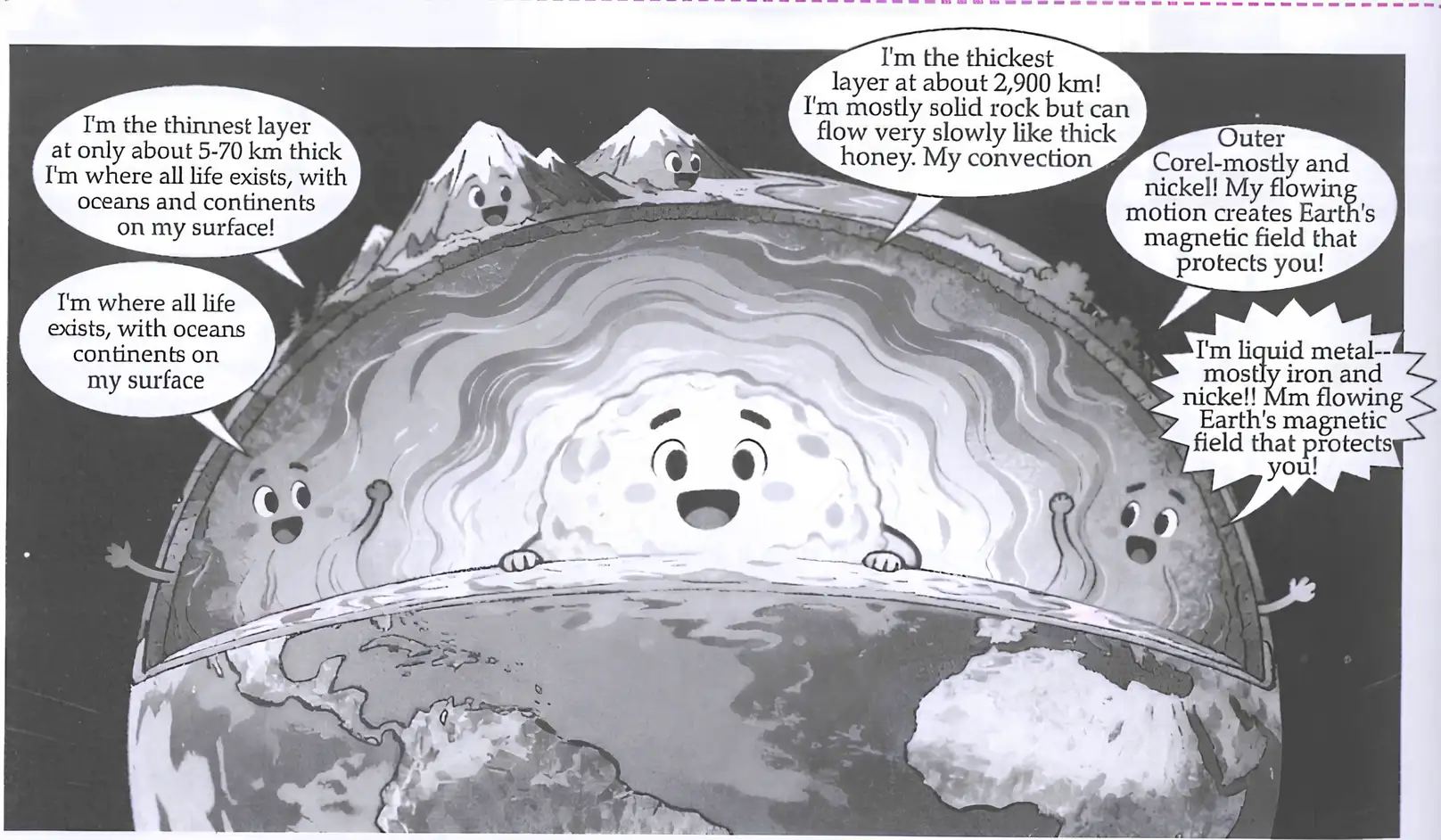
Earth is made up of three main layers: the crust, the mantle, and the core. The crust is the outermost, solid layer where we live. Beneath it lies the mantle, a thick layer of hot, dense rock that flows slowly. The core is the innermost and hottest part, divided into a liquid outer core and a solid inner core made mostly of iron and nickel.
Solar System and Earth's Position
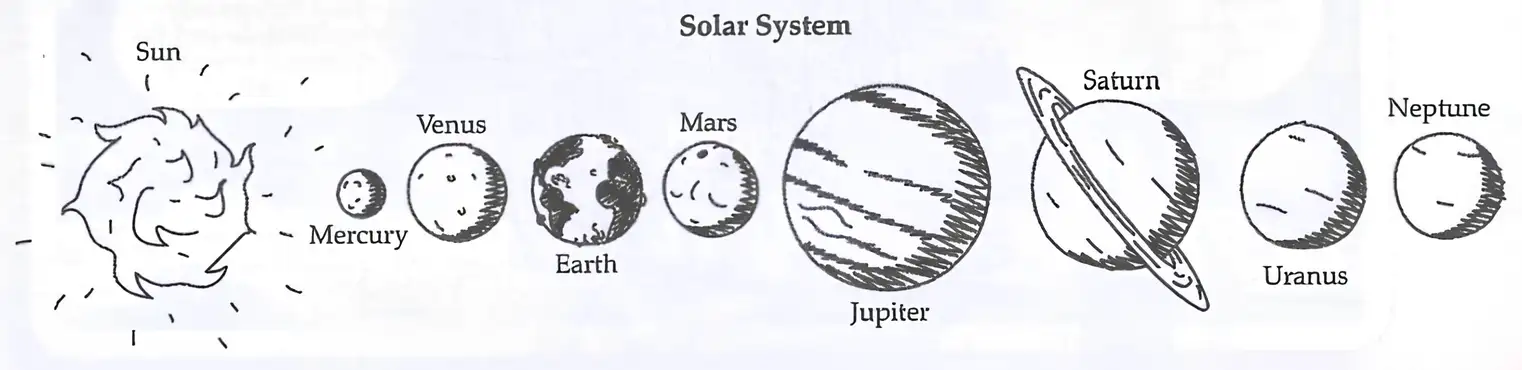
The solar system consists of the Sun and objects orbiting it, including eight planets. Earth is the third planet from the Sun and lies in the habitable zone, also called the Goldilocks zone, where conditions are just right for liquid water and life to exist.
Earth's Magnetic Field
Earth has a magnetic field generated by the movement of molten iron in its outer core. This magnetic field protects the planet from harmful solar winds and cosmic rays, helping to preserve the atmosphere and life.
Solved Examples
Example 1: Identifying Earth's Layers
Question: Name the three main layers of the Earth and describe their characteristics.
Answer: The three main layers of the Earth are:
- Crust: The outermost, thinnest layer where we live. It includes continents and ocean floors.
- Mantle: The thickest layer beneath the crust, made of hot, dense rock that flows slowly.
- Core: The innermost layer, divided into a liquid outer core and a solid inner core, mostly iron and nickel.
Example 2: Explaining Earth's Magnetic Field
Question: How does Earth's magnetic field protect life on the planet?
Answer: Earth's magnetic field is generated by the movement of molten iron in the outer core. This magnetic field deflects harmful solar winds and cosmic rays, preventing them from stripping away the atmosphere and protecting living organisms from radiation.
Practice Set
- Level 1: What are the three main layers of the Earth?
- Level 2: Explain why Earth is called the Blue Planet.
- Level 3: Describe how Earth's magnetic field protects life on the planet.
Answer Key
- Level 1: The three main layers of the Earth are the crust, mantle, and core.
- Level 2: Earth is called the Blue Planet because most of its surface is covered by water, which appears blue from space.
- Level 3: Earth's magnetic field, generated by the movement of molten iron in the outer core, protects life by deflecting harmful solar winds and cosmic rays that could damage the atmosphere and living organisms.
Sustaining Life
Natural Resources
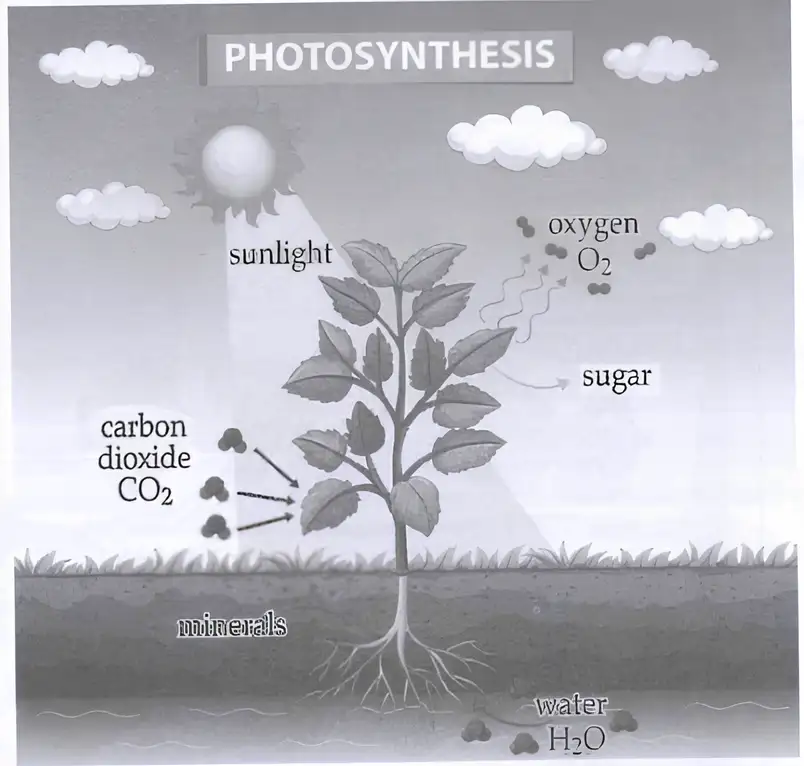
Life on Earth depends on natural resources such as air, water, sunlight, soil, and minerals. The atmosphere provides oxygen for respiration, while plants use sunlight, carbon dioxide, and water to produce food through photosynthesis.
Water and Soil
Water covers about 70% of Earth's surface and is essential for all living beings. It helps transport nutrients, regulate temperature, and supports plant and animal life. Soil contains minerals and nutrients necessary for plant growth and supports biodiversity.
Photosynthesis Process
Plants absorb sunlight, carbon dioxide, and water to produce glucose and oxygen. This process is vital for producing food and oxygen, which sustains life on Earth.
Solved Examples
Example 1: Photosynthesis Process
Question: Describe the process of photosynthesis in plants.
Answer: Plants absorb sunlight through their leaves, take in carbon dioxide from the air, and water from the soil. Using sunlight energy, they convert carbon dioxide and water into glucose (food) and release oxygen as a byproduct. This process sustains life by producing food and oxygen.
Example 2: Importance of Water
Question: Why is water important for living organisms?
Answer: Water is essential because it transports nutrients, helps regulate body temperature, aids digestion, and supports plant and animal life. It also cycles through the environment, supporting ecosystems.
Practice Set
- Level 1: Name the process by which plants make their own food.
- Level 2: Why is water important for living organisms?
- Level 3: Explain how soil contributes to sustaining life on Earth.
Answer Key
- Level 1: Photosynthesis is the process by which plants make their own food.
- Level 2: Water is important because it transports nutrients, maintains body temperature, aids digestion, and supports plant and animal life.
- Level 3: Soil provides essential minerals and nutrients for plants, supports diverse habitats, and helps maintain biodiversity, all of which sustain life.
Continuity of Life
Reproduction Types
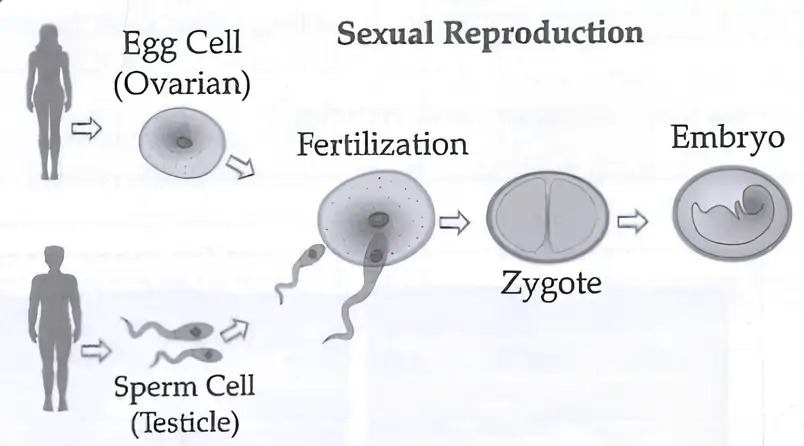
Life continues through reproduction, which can be asexual or sexual. Asexual reproduction produces offspring identical to the parent, while sexual reproduction involves two parents and results in genetic variation.
Sexual Reproduction in Plants
In plants, male gametes are found in pollen grains, and female gametes are in ovules. Pollination transfers pollen to the ovule, leading to fertilisation and seed formation. Fruits help disperse seeds to new locations.
Sexual Reproduction in Animals
In animals, male gametes are sperm and female gametes are eggs. Fertilisation can occur externally or internally, depending on the species. The embryo develops inside or outside the female body, depending on the animal.
Solved Examples
Example 1: Difference Between Asexual and Sexual Reproduction
Question: What is the difference between asexual and sexual reproduction?
Answer: Asexual reproduction produces offspring identical to the parent without the involvement of gametes, resulting in clones. Sexual reproduction involves two parents and the fusion of male and female gametes, producing genetically varied offspring.
Example 2: Pollination in Plants
Question: Explain the process of pollination in plants.
Answer: Pollination is the transfer of pollen grains from the anther (male part) to the stigma (female part) of a flower. This can be done by wind, insects, or animals. Pollination leads to fertilisation and seed formation.
Practice Set
- Level 1: What is the difference between asexual and sexual reproduction?
- Level 2: Describe the process of pollination in plants.
- Level 3: Explain how sexual reproduction leads to genetic variation.
Answer Key
- Level 1: Asexual reproduction produces offspring identical to the parent without the involvement of gametes, while sexual reproduction involves two parents and the fusion of male and female gametes.
- Level 2: Pollination is the transfer of pollen grains from the anther (male part) to the stigma (female part) of a flower, often carried out by wind, insects, or animals.
- Level 3: Sexual reproduction combines genetic material from two parents, resulting in offspring with unique genetic combinations, which increases genetic diversity.
Environmental Threats
Climate Change
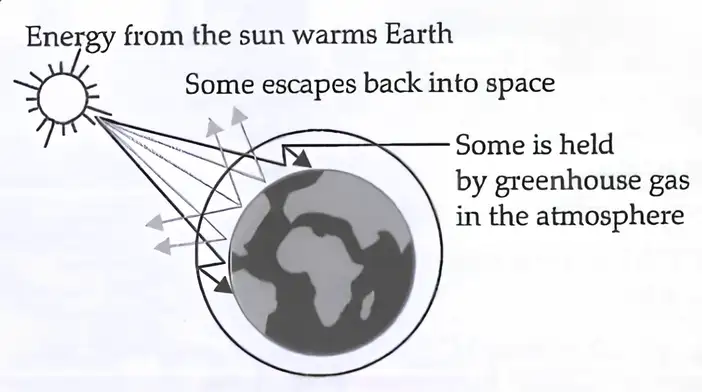
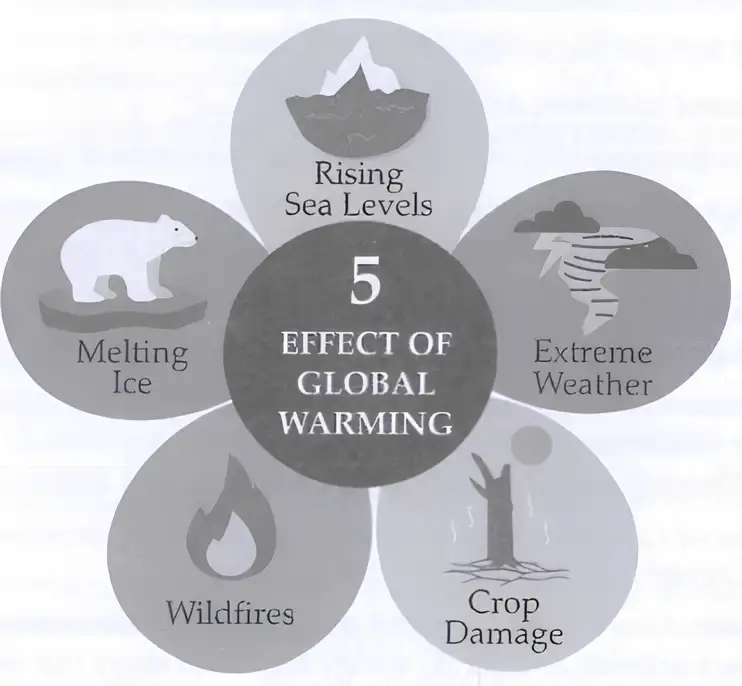
Human activities like burning fossil fuels release greenhouse gases such as carbon dioxide and methane. These gases trap heat in the atmosphere, causing global warming and climate change, which leads to melting ice caps, rising sea levels, and extreme weather.
Biodiversity Loss
Destruction of natural habitats causes plants and animals to disappear, weakening ecosystems and reducing biodiversity, which threatens the balance of life on Earth.
Pollution
Air pollution from factories and vehicles harms health and crops. Water and soil pollution from waste and chemicals damage ecosystems. Reducing pollution requires clean energy, waste management, and eco-friendly practices.
Solved Examples
Example 1: Causes of Global Warming
Question: What causes global warming?
Answer: Global warming is caused by greenhouse gases like carbon dioxide and methane released from burning fossil fuels. These gases trap heat in the atmosphere, raising Earth's temperature.
Example 2: Effects of Pollution
Question: How does pollution affect living organisms?
Answer: Pollution harms living organisms by causing health problems, damaging crops, and disrupting ecosystems. Air pollution causes breathing issues, water and soil pollution reduce crop yields and poison habitats.
Practice Set
- Level 1: What causes global warming?
- Level 2: How does pollution affect living organisms?
- Level 3: Suggest ways to reduce environmental pollution.
Answer Key
- Level 1: Global warming is caused by greenhouse gases like carbon dioxide and methane trapping heat in the atmosphere.
- Level 2: Pollution harms living organisms by causing health problems, damaging crops, and disrupting ecosystems.
- Level 3: Pollution can be reduced by using clean energy, managing waste properly, reducing emissions, and adopting eco-friendly farming and transportation.
Quick Reference Table
- Earth's Layers: Crust (outer solid layer), Mantle (thick, hot rock layer), Core (inner iron-nickel layers).
- Solar System: Sun at center, eight planets orbiting, Earth in habitable zone.
- Magnetic Field: Generated by molten iron in outer core, protects from solar winds.
- Photosynthesis: Plants convert sunlight, CO2, and water into food and oxygen.
- Water: Essential for nutrient transport, temperature regulation, and life support.
- Reproduction: Asexual (clones), Sexual (genetic variation via gametes).
- Pollution: Causes climate change, biodiversity loss, and health problems.
- Climate Change: Caused by greenhouse gases, leads to global warming and extreme weather.
- Biodiversity Loss: Habitat destruction reduces species and ecosystem health.
- Environmental Protection: Use clean energy, reduce waste, recycle, and protect habitats.
Common Mistakes and Misconceptions
- Confusing Earth's Layers: Mistaking the crust for the mantle or core. Remember, the crust is the thin outer layer.
- Photosynthesis Misconceptions: Plants do not get food from soil; they make it using sunlight, CO2, and water.
- Reproduction Types: Asexual reproduction does not involve gametes; sexual reproduction does.
- Pollination Confusion: Pollination is not fertilisation; it is the transfer of pollen that leads to fertilisation.
- Climate Change Causes: Not just natural changes but mainly human activities cause recent climate change.
- Magnetic Field Role: It protects from harmful solar particles, not from gravity or weather.
- Earth's Blue Color: Due to water covering most of the surface, not the sky's reflection alone.
Glossary
- Atmosphere: The layer of gases surrounding the Earth, essential for life and weather.
- Biodiversity: The variety of living organisms in an ecosystem.
- Crust: The thin, outermost solid layer of the Earth.
- Core: The innermost part of the Earth, consisting of a liquid outer core and solid inner core.
- Fertilisation: The process where male and female gametes join to form a zygote.
- Geosphere: The solid part of the Earth including rocks, soil, and minerals.
- Greenhouse Effect: The trapping of the Sun's heat by gases in the atmosphere, keeping Earth warm.
- Habitable Zone (Goldilocks Zone): The region around the Sun where conditions are right for liquid water and life.
- Hydrosphere: All the water on Earth's surface, including oceans, rivers, and lakes.
- Magnetic Field: The magnetic influence generated by Earth's core that protects the planet from solar winds.
- Mantle: The thick layer of hot, dense rock beneath the Earth's crust.
- Ozone Layer: A layer in the atmosphere that blocks harmful ultraviolet rays from the Sun.
- Photosynthesis: The process by which plants use sunlight, carbon dioxide, and water to make food and oxygen.
- Pollination: The transfer of pollen from the male part of a flower to the female part, leading to fertilisation.
- Reproduction: The biological process by which living organisms produce offspring.
- Solar System: The Sun and all the objects that orbit it, including planets, moons, and asteroids.
- Soil: The upper layer of Earth’s surface that contains minerals and organic matter, supporting plant life.
- Solar Wind: Streams of charged particles released from the Sun that can affect Earth's magnetic field.
- Species: A group of living organisms capable of interbreeding and producing fertile offspring.
- Vegetative Propagation: A type of asexual reproduction in plants where new plants grow from parts like leaves or stems.
- Water Cycle: The continuous movement of water on, above, and below the surface of the Earth.