CLASS 8 . SCIENCE . CURIOSITY . HEALTH THE-ULTIMATE-TREASURE
Chapter 3 : Health: The Ultimate Treasure
Ch 3
SCIENCE
CLASS 8
Health
Definition of Health and Disease
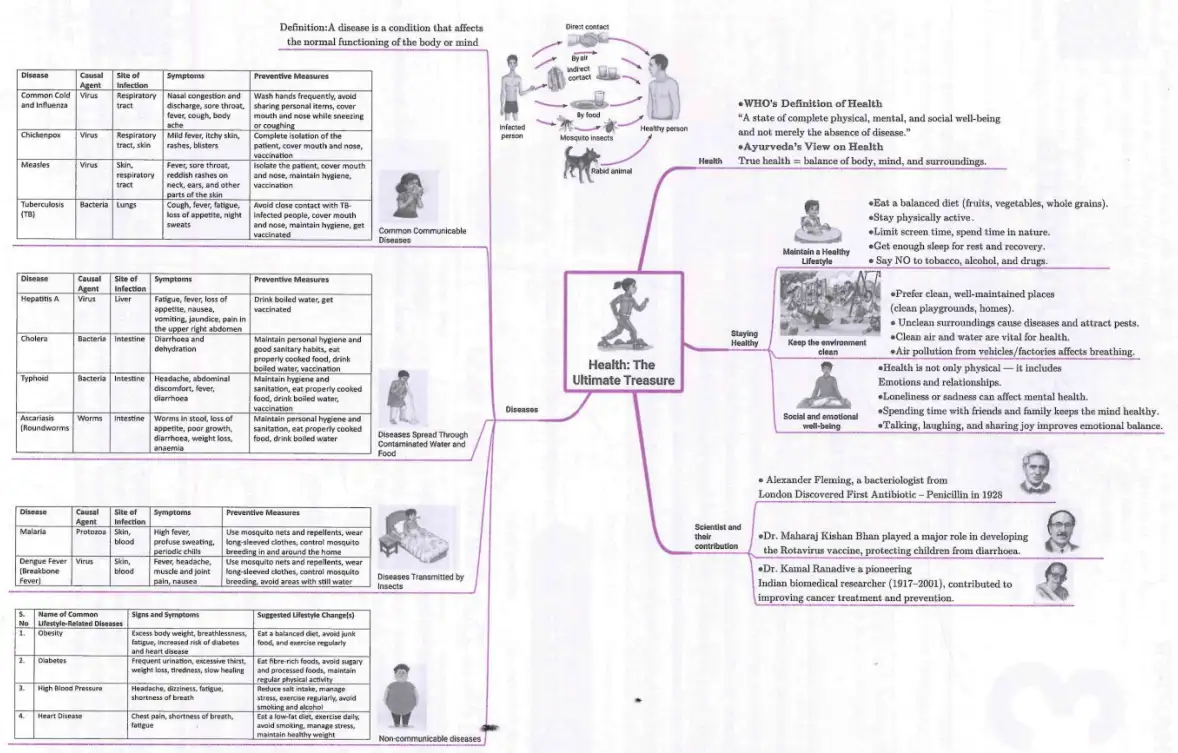
Health is a state of complete physical, mental, and social well-being, not merely the absence of disease or infirmity. True health means a balance between the body, mind, and environment. A disease is a condition that impairs the normal functioning of the body or mind.
Types of Health
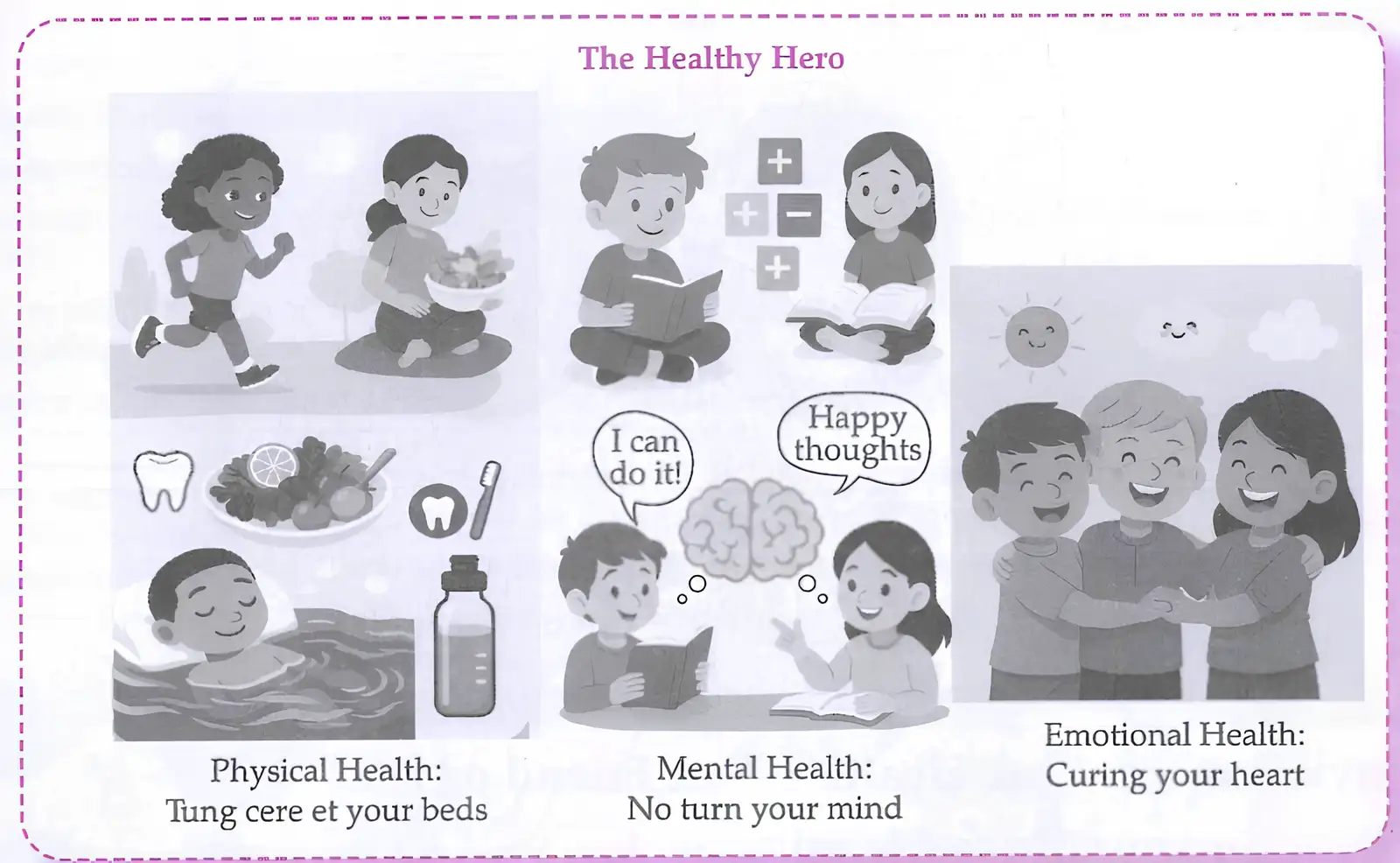
Health can be divided into three main types:
- Physical Health: The body's ability to function optimally, including strength, endurance, and absence of illness.
- Mental Health: Emotional and psychological well-being, including the ability to manage stress and maintain a positive outlook.
- Social Health: The quality of relationships and interactions with others, contributing to a supportive social environment.
Maintaining Health
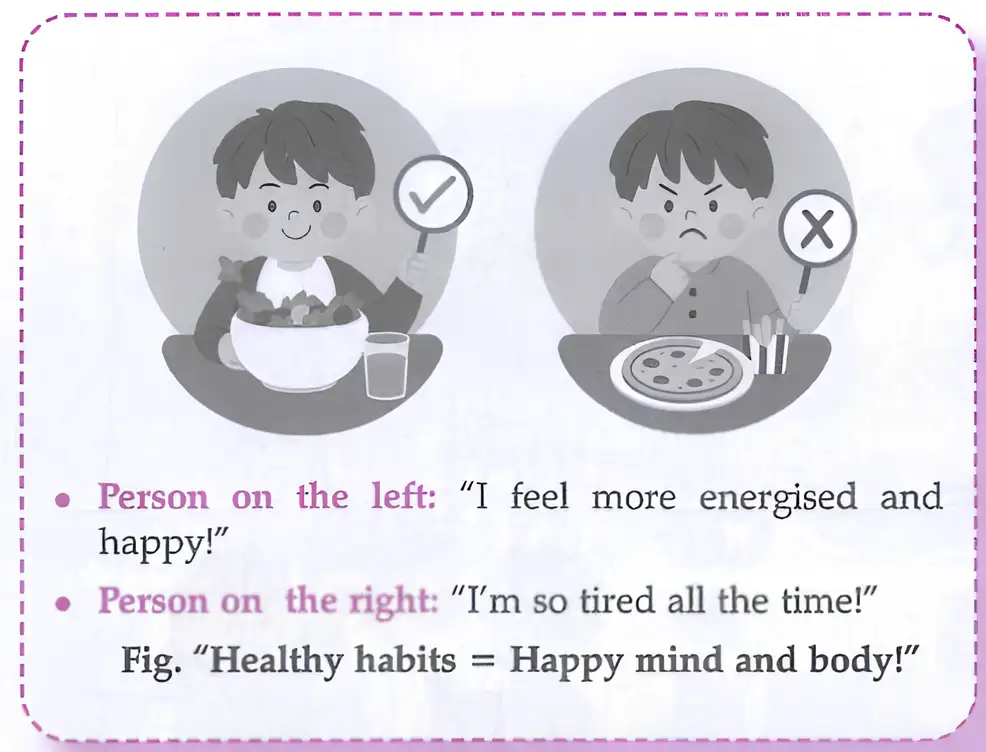
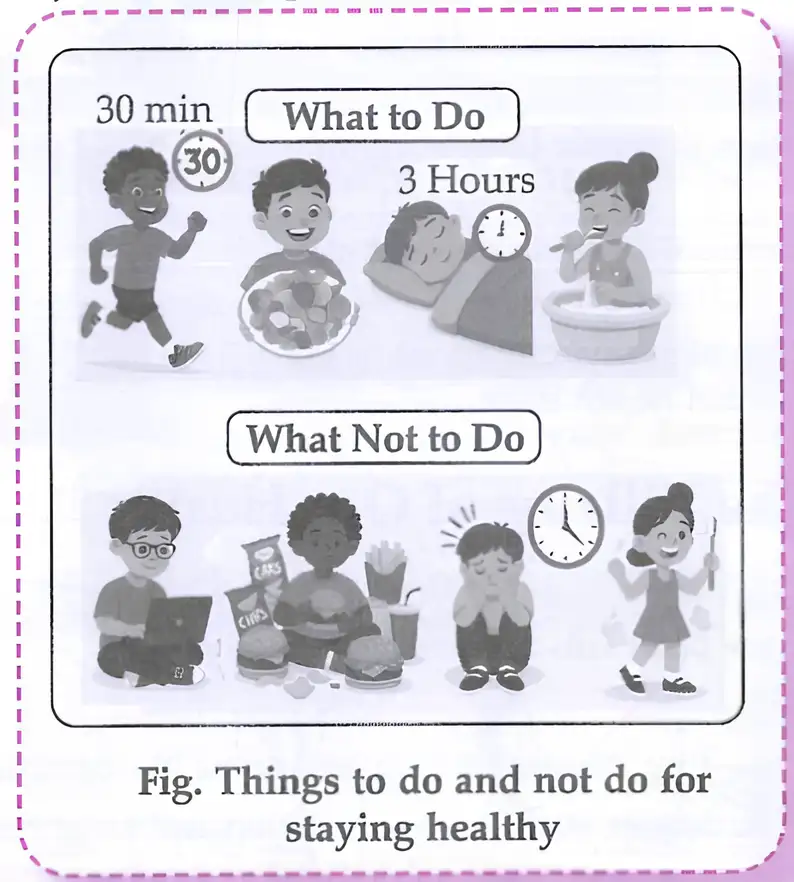
Maintaining health involves balanced nutrition, regular physical activity, adequate sleep, stress management, and maintaining cleanliness and hygiene. Ayurveda emphasizes daily and seasonal routines to maintain harmony between body, mind, and environment.
Diseases
Definition and Causes
A disease occurs when a part of the body fails to function properly. Diseases can be caused by pathogens such as bacteria, viruses, fungi, and parasites, or by lifestyle and environmental factors.
Types of Diseases
- Communicable Diseases: These are infectious diseases caused by pathogens and can spread from person to person or through vectors. Examples include flu, chickenpox, malaria, and tuberculosis.
- Non-Communicable Diseases: These are not contagious and often result from lifestyle factors such as poor diet, lack of exercise, smoking, and genetics. Examples include diabetes, heart disease, cancer, and asthma.
Symptoms and Prevention
Symptoms vary depending on the disease but may include fever, fatigue, rashes, cough, and swelling. Prevention includes vaccination, good hygiene, clean water, balanced diet, exercise, and avoiding harmful habits.
Pathogens, Vectors, and Transmission
Pathogens
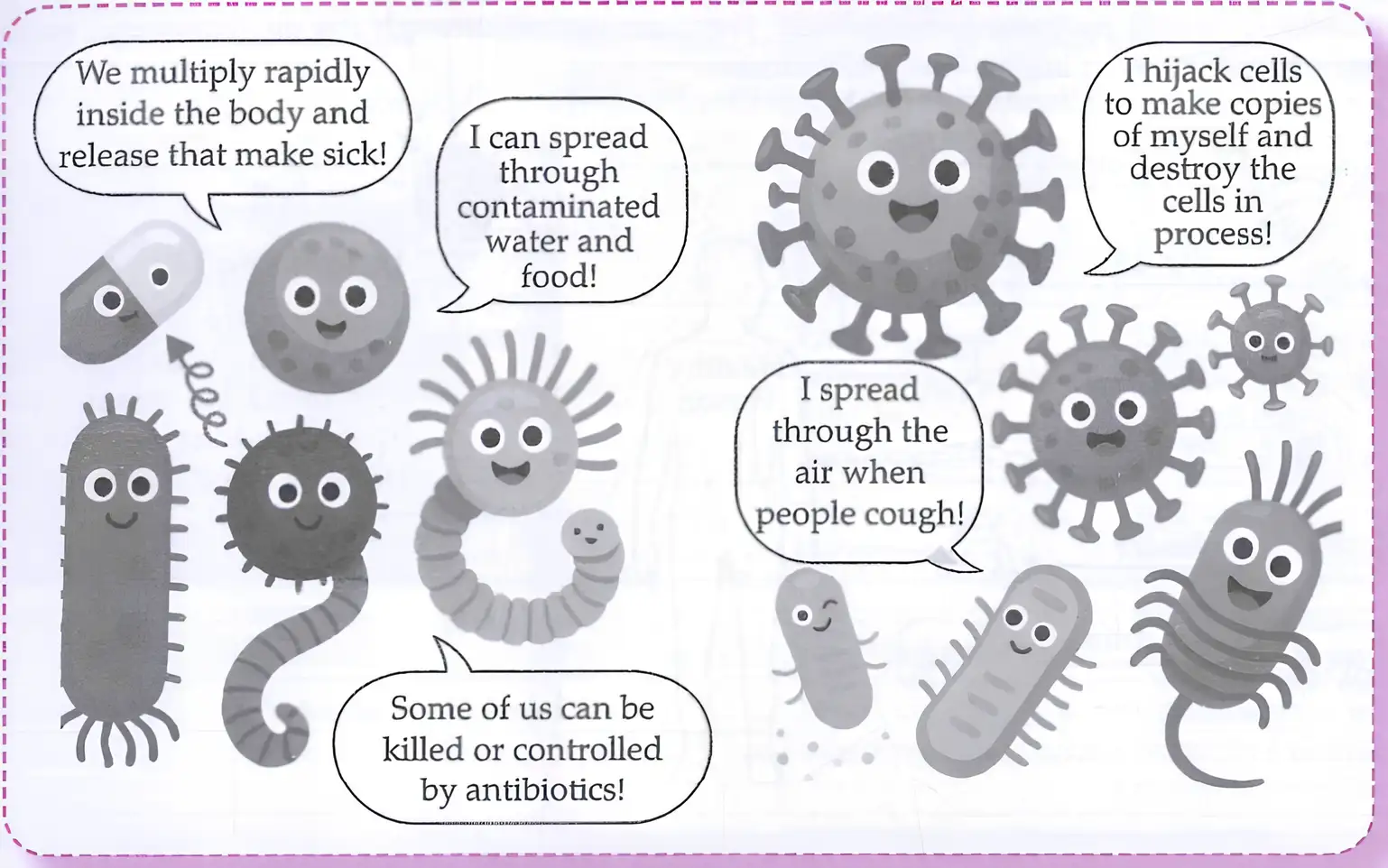
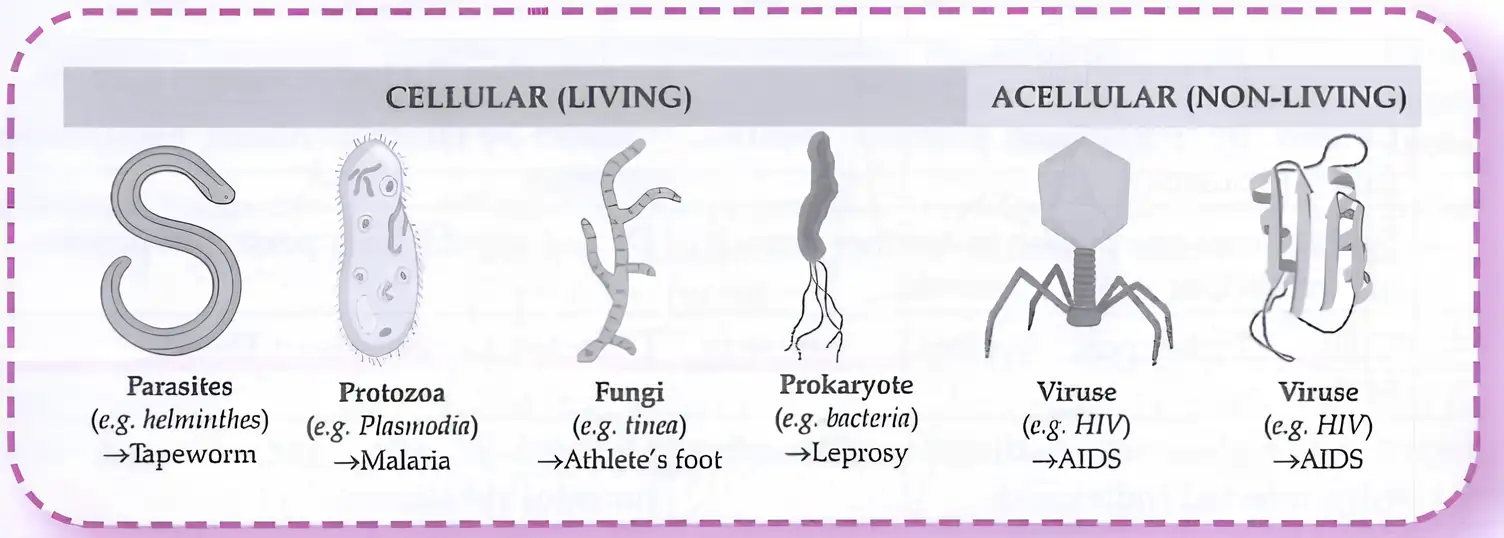
Pathogens are microorganisms or agents that cause disease. They include living cellular organisms like bacteria, fungi, protozoa, and parasites, as well as non-living acellular agents like viruses.
Vectors
Vectors are organisms such as mosquitoes and ticks that carry and transmit pathogens from infected individuals to healthy ones without getting sick themselves.
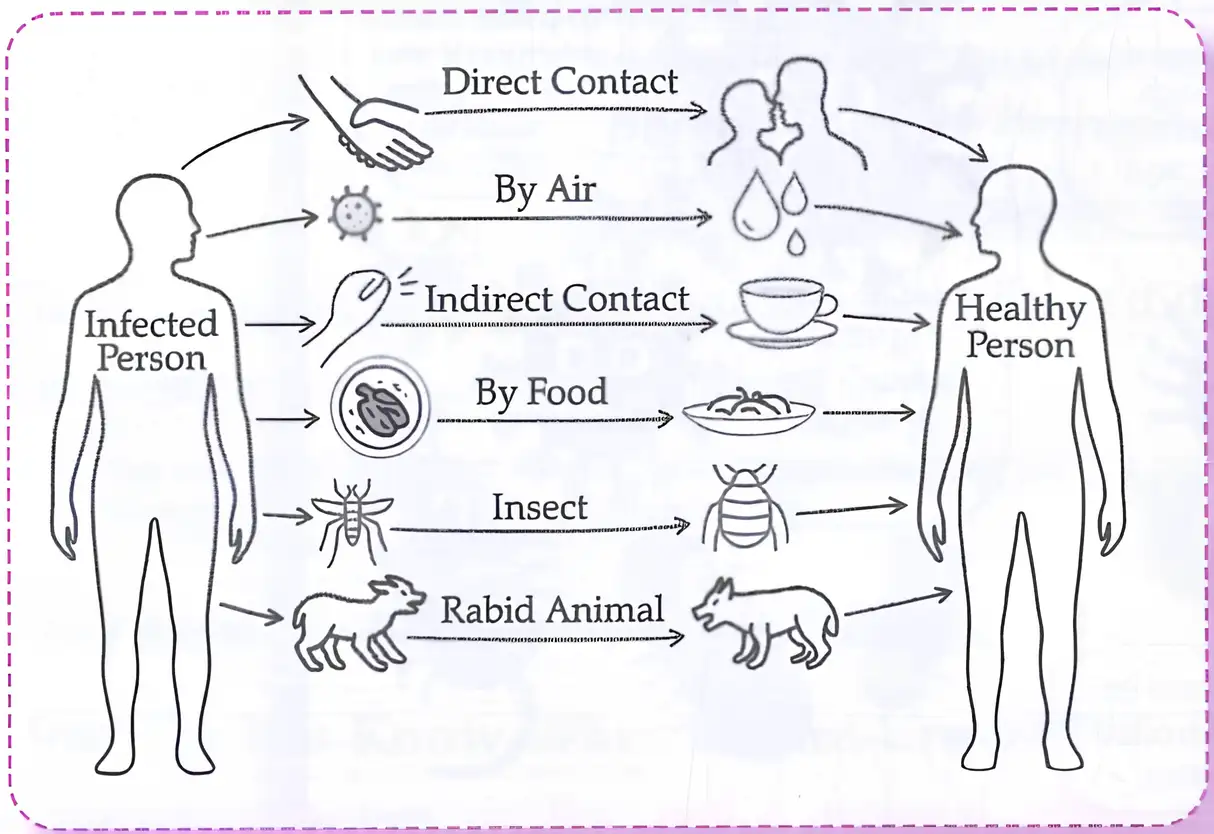
Modes of Transmission
- Airborne Transmission: Pathogens spread through coughs and sneezes.
- Direct Contact: Physical touch or sharing personal items.
- Indirect Contact: Contact with contaminated objects or surfaces.
- Vector-borne: Transmission through insect bites.
Prevention
Preventive Measures for Communicable Diseases
- Practice good personal hygiene such as regular hand washing and bathing.
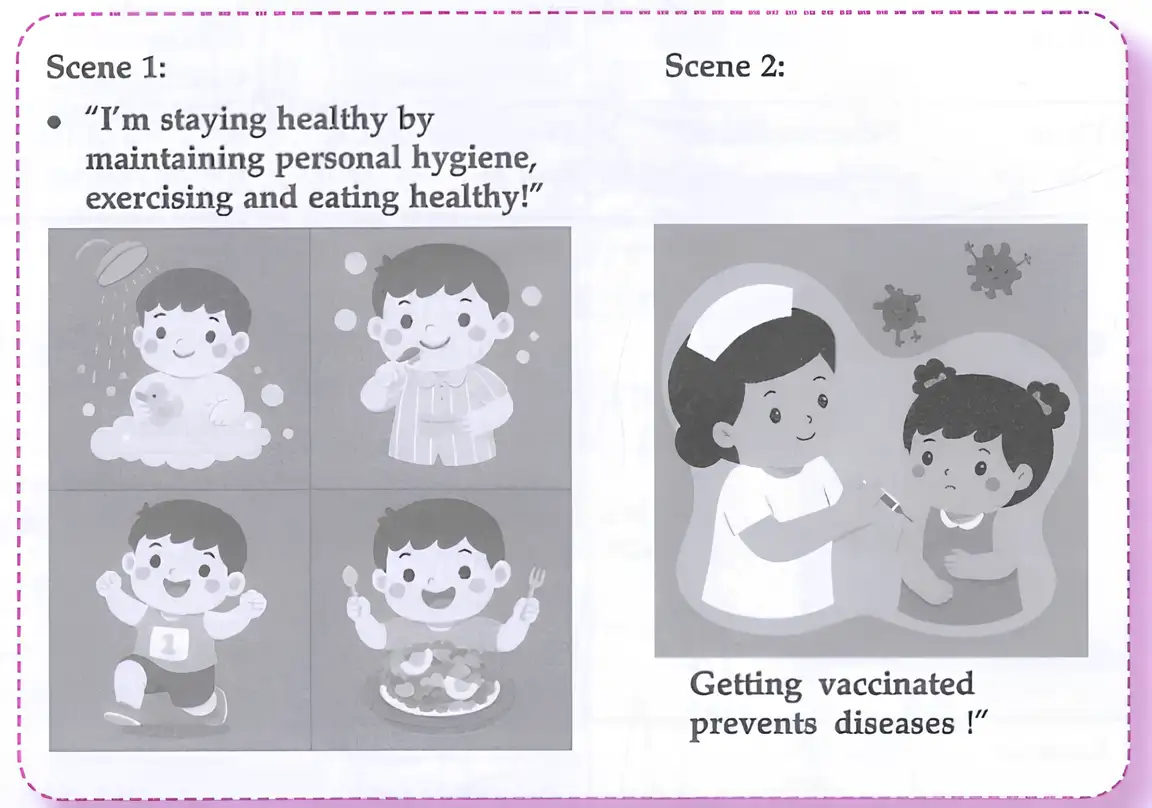
- Get vaccinated against preventable diseases.
- Avoid close contact with infected individuals.
- Use mosquito nets and repellents to prevent vector-borne diseases.
- Maintain clean surroundings and safe drinking water.
Preventive Measures for Non-Communicable Diseases
- Maintain a balanced diet rich in fruits, vegetables, and whole grains.
- Engage in regular physical activity.
- Avoid smoking, excessive alcohol consumption, and other harmful substances.
- Manage stress through relaxation techniques.
- Ensure adequate sleep of 7-9 hours per night.
Immunity and Vaccination
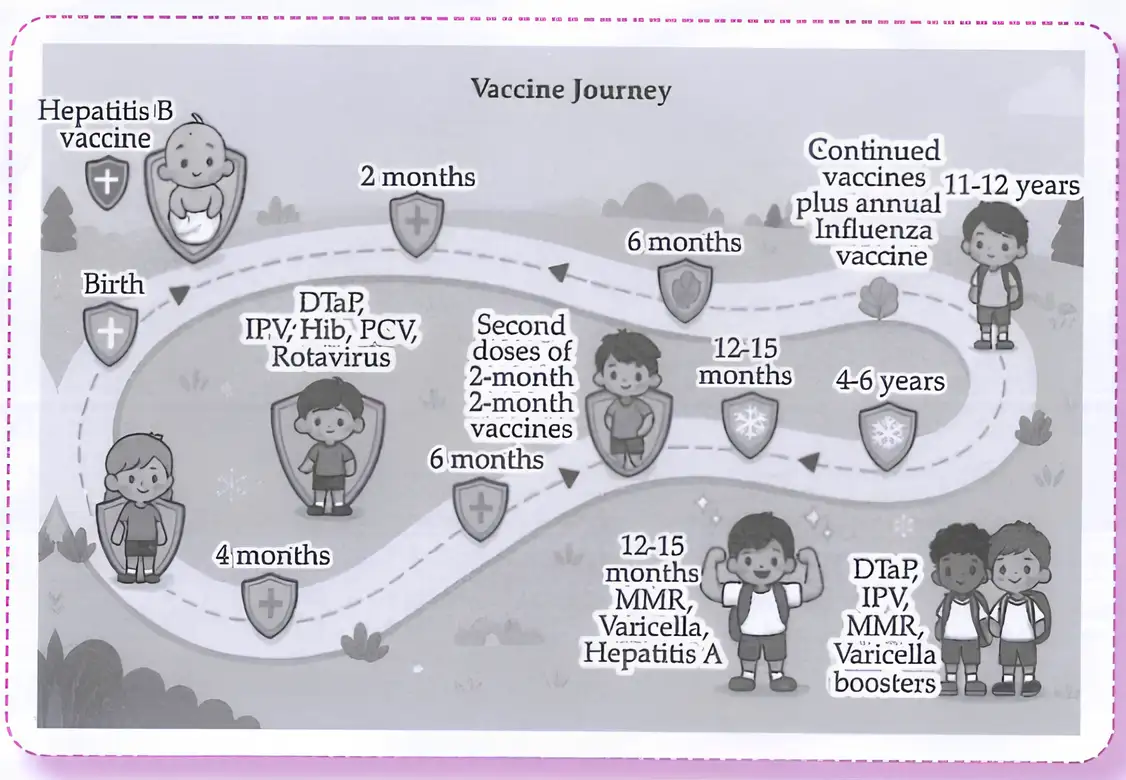
Immunity is the body's ability to resist infections. Vaccination introduces a weakened or inactive form of a pathogen to train the immune system to recognize and fight the disease. Herd immunity occurs when a large portion of the population is immunized, reducing disease spread.
Antibiotic Resistance
Definition and Development
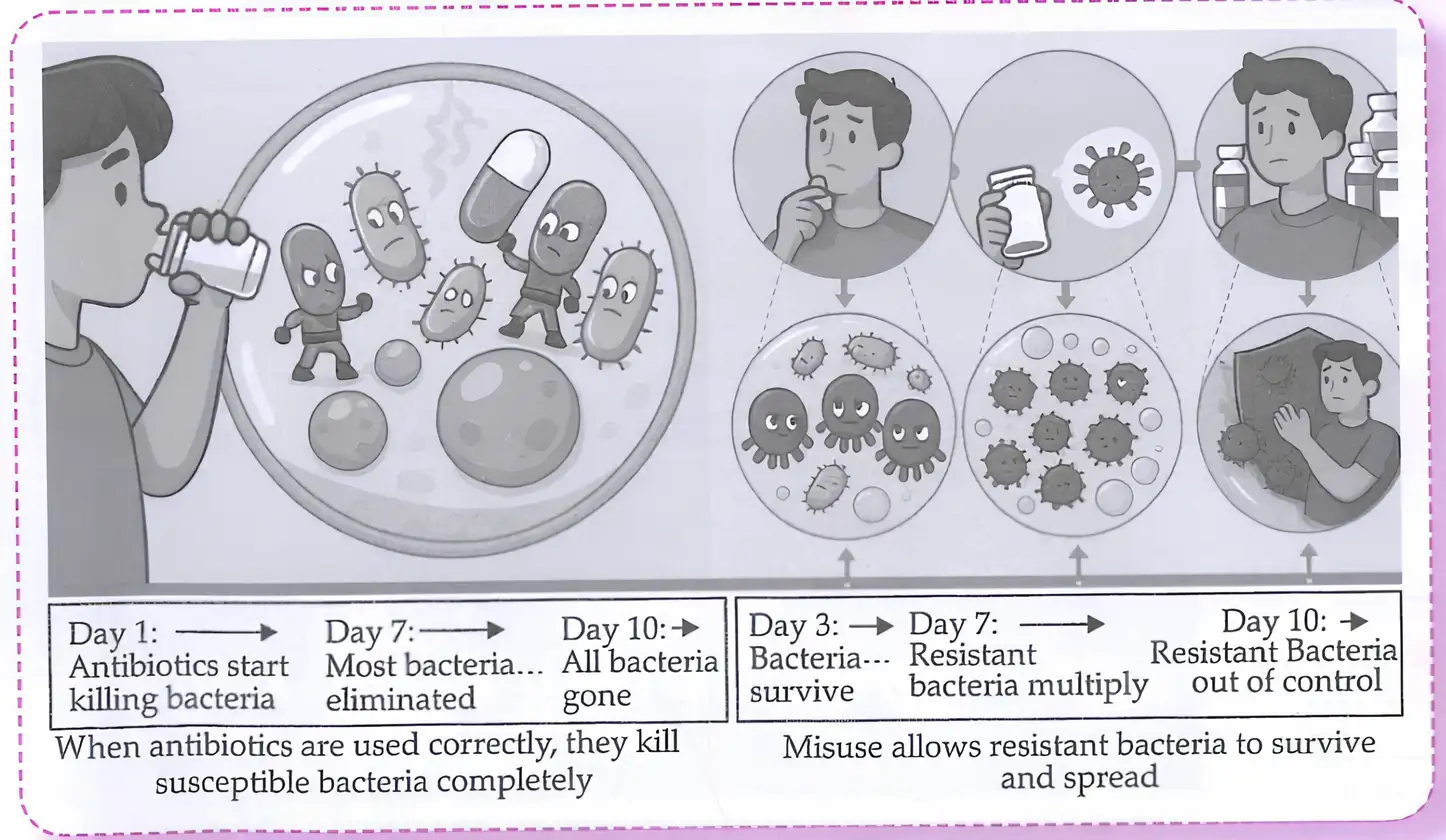
Antibiotic resistance occurs when bacteria evolve to survive exposure to antibiotics, making infections harder to treat. It develops due to overuse, misuse, incomplete courses of antibiotics, and use in agriculture.
Impact
- Longer hospital stays and higher medical costs.
- Increased mortality from previously curable infections.
- Reduced effectiveness of common antibiotics.
Prevention
- Use antibiotics only when prescribed by a doctor.
- Complete the full course of antibiotics.
- Avoid self-medication and misuse.
- Maintain good hygiene to prevent infections.
- Educate others about responsible antibiotic use.
Solved Examples
Example 1: Identifying Types of Health
Question: Name and describe the three types of health.
Solution: The three types of health are:
- Physical Health: The body's ability to function optimally, including strength and absence of illness.
- Mental Health: Emotional and psychological well-being, including managing stress.
- Social Health: Quality of relationships and interactions with others.
Example 2: Differentiating Diseases
Question: Differentiate between communicable and non-communicable diseases with examples.
Solution:
- Communicable Diseases: Caused by pathogens and spread from person to person or via vectors. Examples: flu, malaria.
- Non-Communicable Diseases: Not contagious, often lifestyle-related. Examples: diabetes, heart disease.
Example 3: Understanding Antibiotic Resistance
Question: Explain how antibiotic resistance develops and how it can be prevented.
Solution: Antibiotic resistance develops when bacteria survive antibiotic treatment due to misuse or overuse, allowing resistant bacteria to multiply. Prevention includes:
- Using antibiotics only when prescribed.
- Completing the full course of antibiotics.
- Avoiding self-medication.
- Maintaining good hygiene to prevent infections.
Practice Set
- Level 1 – Easy: What are the three types of health? Explain each briefly.
- Level 2 – Moderate: Describe the difference between communicable and non-communicable diseases with examples.
- Level 3 – Challenging: Explain how antibiotic resistance develops and suggest measures to prevent it.
Answer Key
- Level 1: Physical health (body's functioning), mental health (emotional well-being), social health (quality of relationships).
- Level 2: Communicable diseases are infectious and spread through pathogens (e.g., flu, malaria). Non-communicable diseases are not infectious and often lifestyle-related (e.g., diabetes, heart disease).
- Level 3: Antibiotic resistance develops when bacteria survive antibiotic treatment due to misuse or overuse. Prevention includes using antibiotics only as prescribed, completing courses, avoiding self-medication, and maintaining hygiene.
Quick Reference Table
- Health: A state of complete physical, mental, and social well-being, not just absence of disease.
- Disease: A condition impairing normal body or mind function.
- Physical Health: The body's optimal functioning and absence of illness.
- Mental Health: Emotional and psychological well-being.
- Social Health: Quality of social relationships and interactions.
- Communicable Diseases: Infectious diseases caused by pathogens, spread from person to person or via vectors.
- Non-Communicable Diseases: Diseases not spread between people, often lifestyle-related.
- Pathogen: Microorganisms or agents causing disease, including bacteria, viruses, fungi, and parasites.
- Vector: Organisms that carry and transmit pathogens without getting sick themselves.
- Transmission Modes: Airborne, direct contact, indirect contact, and vector-borne.
- Prevention: Hygiene, vaccination, clean environment, balanced diet, exercise, and avoiding harmful habits.
- Immunity: The body's ability to resist infections, enhanced by vaccination.
- Antibiotic Resistance: When bacteria evolve to survive antibiotic treatment, making infections harder to cure.
- Prevention of Antibiotic Resistance: Responsible antibiotic use, completing courses, avoiding self-medication, and hygiene.
Common Mistakes and Misconceptions
- Confusing Health with Absence of Disease: Health includes physical, mental, and social well-being, not just no illness.
- Misunderstanding Disease Types: Not all diseases are contagious; non-communicable diseases are lifestyle-related and not spread person to person.
- Ignoring Prevention: Neglecting hygiene, vaccination, and healthy habits increases disease risk.
- Misusing Antibiotics: Taking antibiotics without prescription or not completing the course leads to resistance.
- Overlooking Vectors: Not protecting against insect bites can spread diseases like malaria and dengue.
- Assuming Vaccines Cause Disease: Vaccines contain weakened or inactive pathogens and do not cause the disease.
- Skipping Symptoms: Ignoring early signs of illness delays treatment and recovery.
Glossary
- Health: A state of complete physical, mental, and social well-being.
- Disease: A condition that impairs normal body or mind function.
- Physical Health: The body's ability to function optimally.
- Mental Health: Emotional and psychological well-being.
- Social Health: Quality of relationships and social interactions.
- Communicable Diseases: Diseases caused by pathogens that can spread between people.
- Non-Communicable Diseases: Diseases not spread between people, often related to lifestyle.
- Pathogen: Microorganisms or agents that cause disease, including bacteria, viruses, fungi, and parasites.
- Vector: Organisms that carry and transmit pathogens without getting sick.
- Immunity: The body's ability to resist infections, enhanced by vaccination.
- Vaccination: Introduction of weakened or inactive pathogens to build immunity.
- Antibiotic Resistance: When bacteria evolve to survive antibiotic treatment.
- Prevention: Hygiene, vaccination, balanced diet, exercise, and responsible antibiotic use.