CLASS 7 . SOCIAL SCIENCE . EXPLORING SOCIETY INDIA AND BEYOND PART II . TURNING TIDES-11TH-AND-12TH-CENTURIES
Chapter 4 : Turning Tides: 11th and 12th Centuries
Ch 4
SOCIAL SCIENCE
CLASS 7
Introduction to the 11th and 12th Centuries
India in the 11th and 12th centuries was a land of resilience and transition. Despite centuries of foreign invasions and upheavals, the country maintained its undying vigour and indestructible life, as described by Swami Vivekananda. This period witnessed significant invasions by Turkic powers that penetrated deep into northern India, alongside flourishing native kingdoms, naval expeditions, and remarkable cultural achievements in art, architecture, literature, and science.
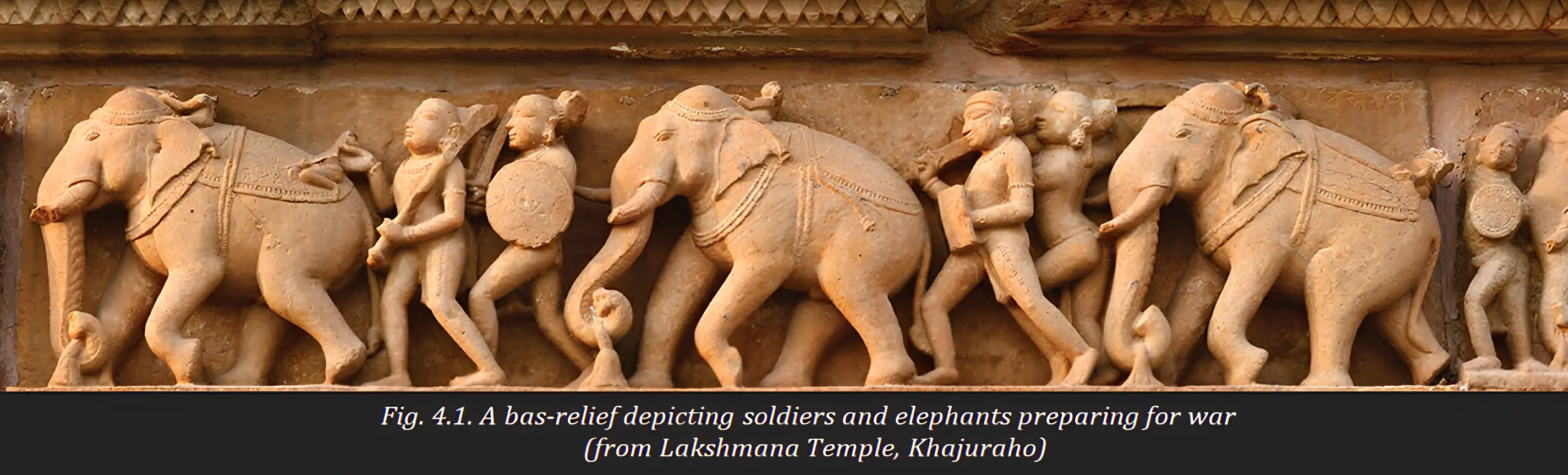
The Lakshmana Temple bas-relief depicts soldiers and elephants preparing for war, illustrating the military organization of the time.
Exam Questions
Q1: Why are the 11th and 12th centuries considered a period of transition in Indian history?
A1: Because of the deep invasions by Turkic powers, the rise and fall of native kingdoms, and significant cultural and political changes that shaped the future of India.
Q2: What were some of the key accomplishments in art and literature during this period?
A2: Construction of magnificent temples like the Lakshmana Temple, literary works by poets and scholars, and advancements in science and architecture.
Turkic Invasions and the Ghaznavids
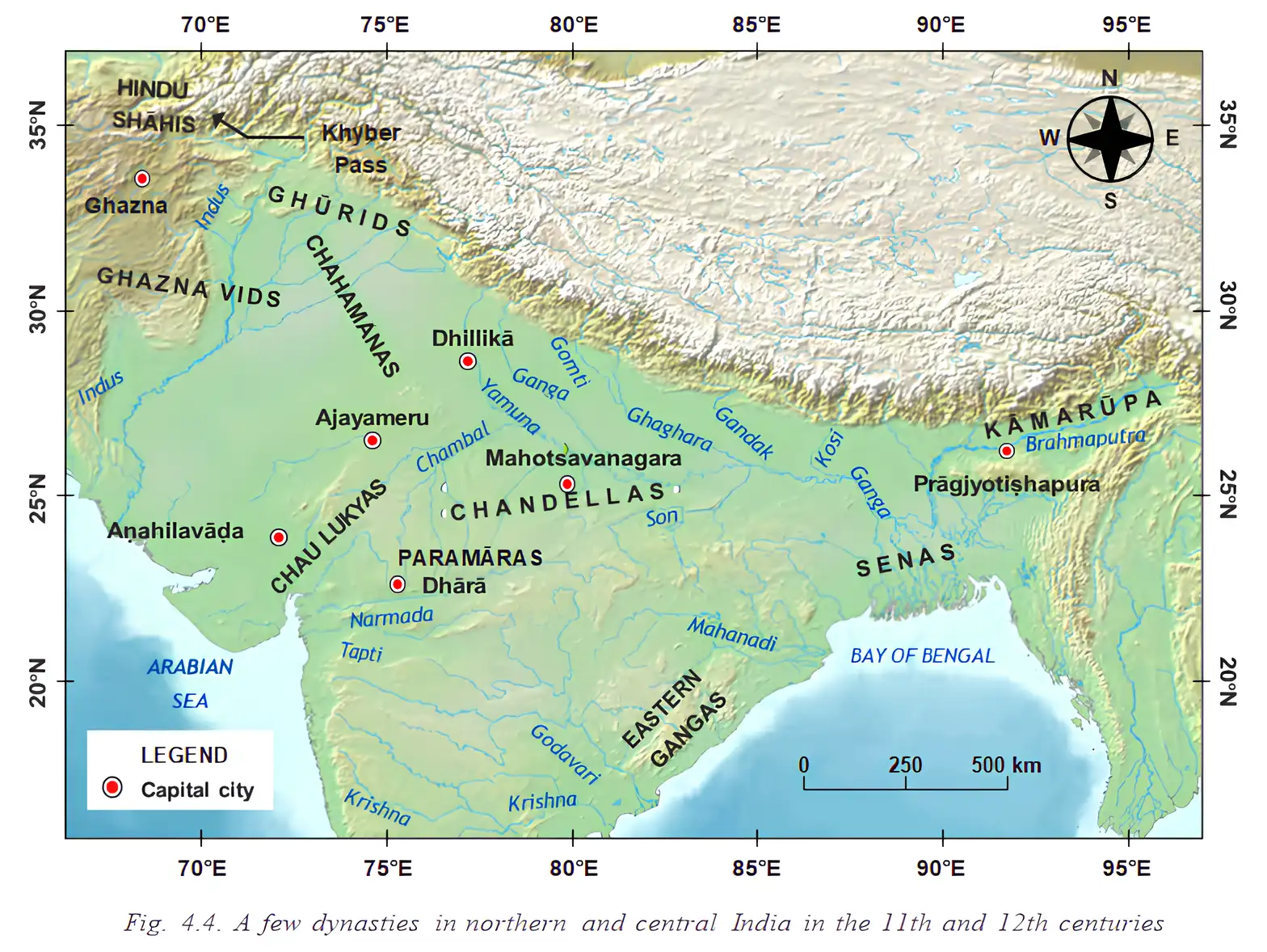
The Turkic peoples, originating from Central Asia, played a major role in shaping the history of northern India during this period. The Ghaznavids, with their capital at Ghazni (present-day Afghanistan), led by Mahmud of Ghazni, conducted 17 campaigns into India, defeating the Hindu Shahi dynasty and gaining access to the Indus plains.
Mahmud's invasions were marked by rapid cavalry attacks and plundering of wealthy temples such as those at Mathura, Kannauj, Gujarat, and Somnath. His campaigns caused widespread destruction and the capture of prisoners, including civilians and children.
Exam Questions
Q1: Who were the Ghaznavids and what was their significance?
A1: The Ghaznavids were a Turkic dynasty from Ghazni who invaded northern India, led by Mahmud of Ghazni, marking the beginning of deep foreign incursions into India.
Q2: What impact did Mahmud of Ghazni's campaigns have on Indian society?
A2: His campaigns caused destruction of temples, plunder of wealth, loss of life, and disruption of cultural and religious institutions.
Scholars and Scientists of the Period
Despite the turmoil, this period saw remarkable contributions to knowledge and culture. Abu Rayhan al-Biruni, a Persian scholar, accompanied Mahmud and documented Indian religion, philosophy, and sciences, comparing them with Greek and Islamic traditions.
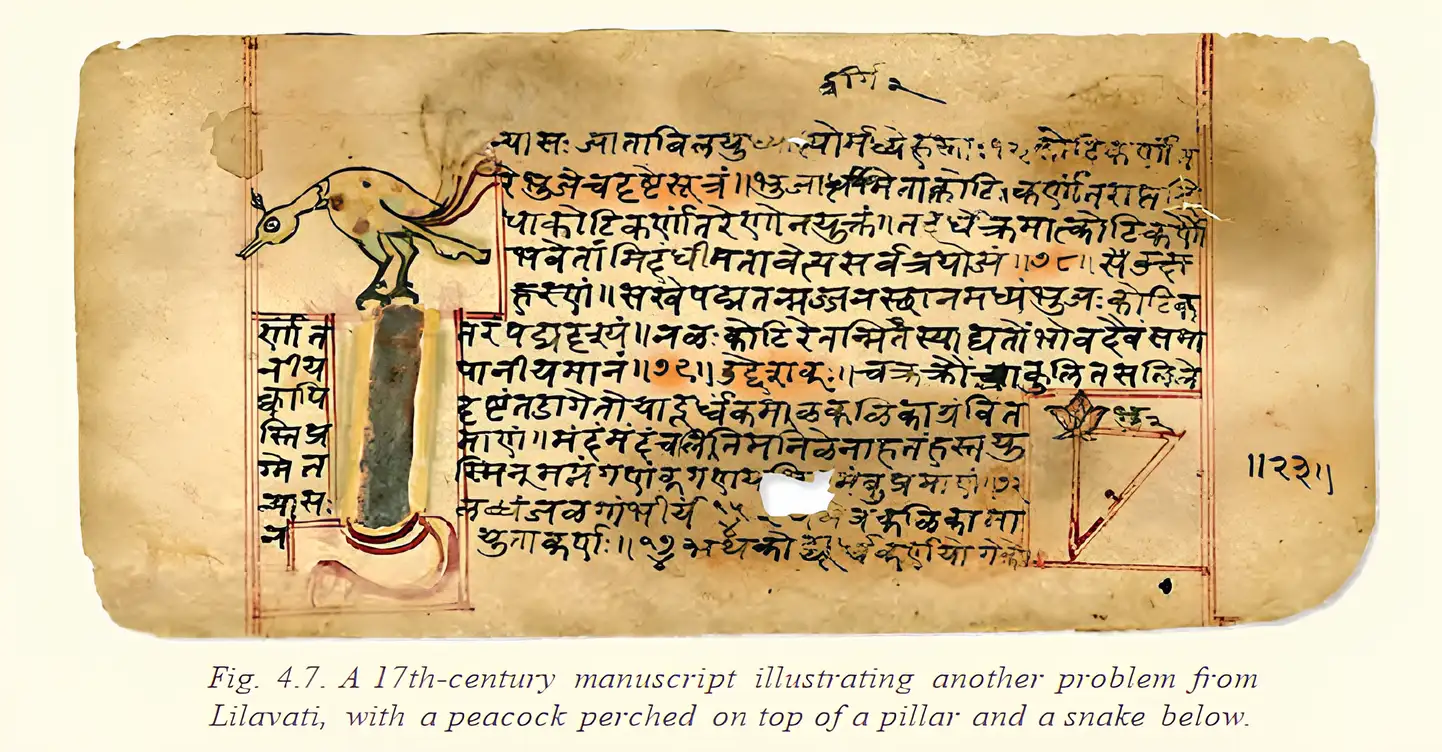
Bhaskaracharya (Bhāskara II), born in 1114, was a great mathematician and astronomer whose works like Lilavati and Siddhantashiromani remain influential. His writings combined poetry with mathematical problems, making learning engaging.
Exam Questions
Q1: Who was al-Biruni and what was his contribution?
A1: Al-Biruni was a Persian scholar who studied Indian culture and sciences, producing an encyclopaedic survey that highlighted Indian intellectual achievements.
Q2: What are some key works of Bhaskaracharya?
A2: Lilavati (mathematics), Bijaganita (algebra), and Siddhantashiromani (astronomy).
Political Dynasties and Kingdoms
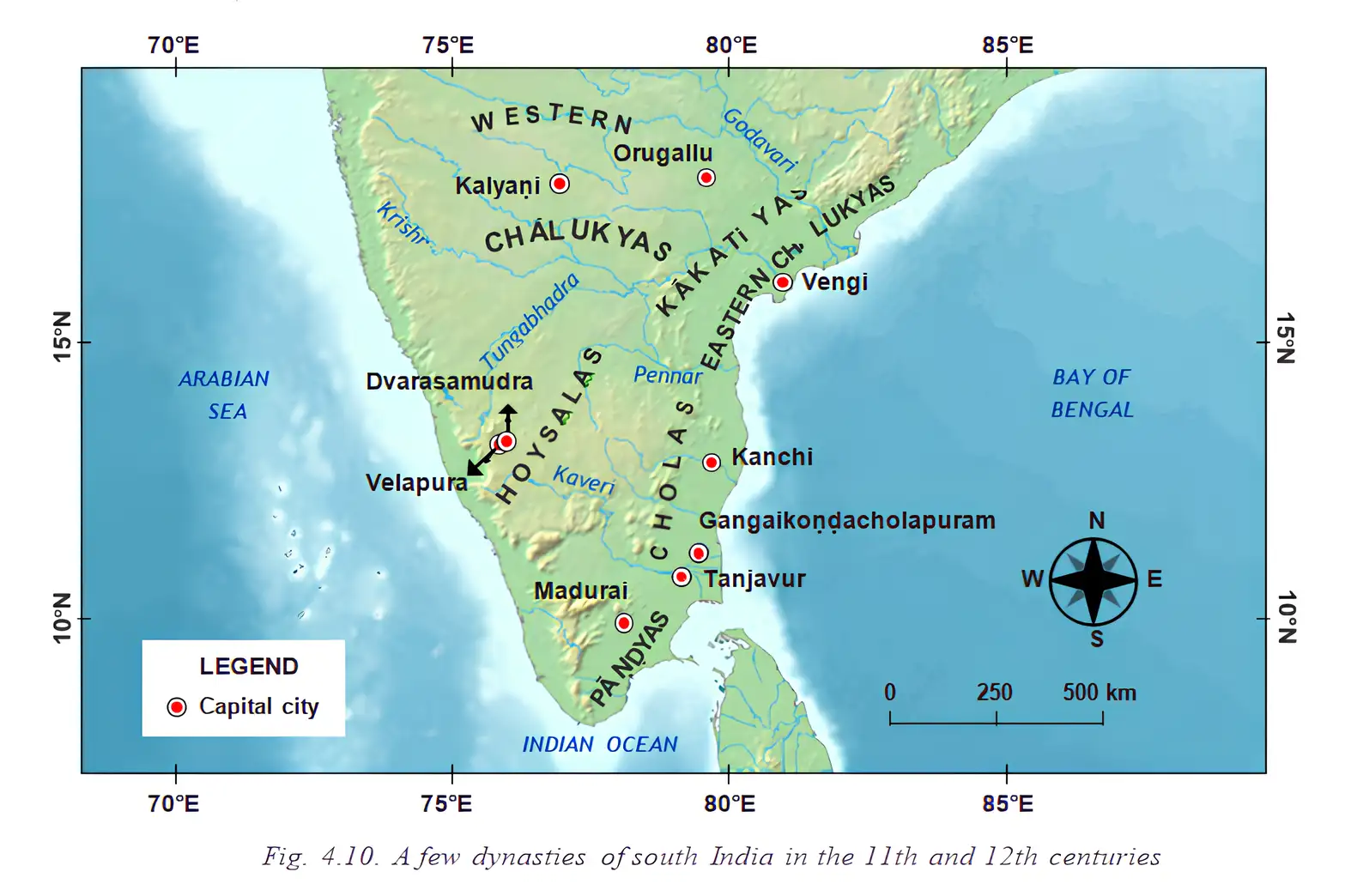
During the 11th and 12th centuries, several dynasties ruled different parts of India:
- Hindu Shahis: Controlled the Khyber Pass region and resisted invasions until defeated by the Ghaznavids.
- Sena Dynasty: Dominated Bengal, promoting Hindu literature and culture.
- Eastern Gangas: Ruled Kalinga, built the Jagannatha temple at Puri and the Sun temple at Konark.
- Western and Eastern Chalukyas: Major powers in the Deccan region.
- Kakatiyas: Ruled Telangana and Andhra Pradesh, known for fortifications and temple architecture.
- Hoysalas: Originated in Karnataka, famous for unique temple architecture.
- Cholas: Powerful South Indian dynasty with naval expeditions and extensive conquests.
- Paramaras: Ruled Malwa, known for King Bhoja, a scholar-king.
- Chaulukyas (Solankis): Ruled Gujarat and Rajasthan.
- Chahamanas (Chauhans): Rajput dynasty in Rajasthan, known for battles against invaders.
Exam Questions
Q1: Name two important dynasties of South India during this period.
A1: The Cholas and the Hoysalas.
Q2: Who was King Bhoja and why is he significant?
A2: King Bhoja was a Paramara ruler known for his scholarship, public works, and patronage of arts and sciences.
The Ghurids and the Establishment of the Delhi Sultanate
Following the Ghaznavids, the Ghurids from present-day Afghanistan expanded into northern India. Muhammad Ghuri defeated Prithviraja III in the Second Battle of Tarain (1192), capturing Delhi and establishing Muslim rule. His general Qutb-ud-din Aibak laid the foundation of the Delhi Sultanate.
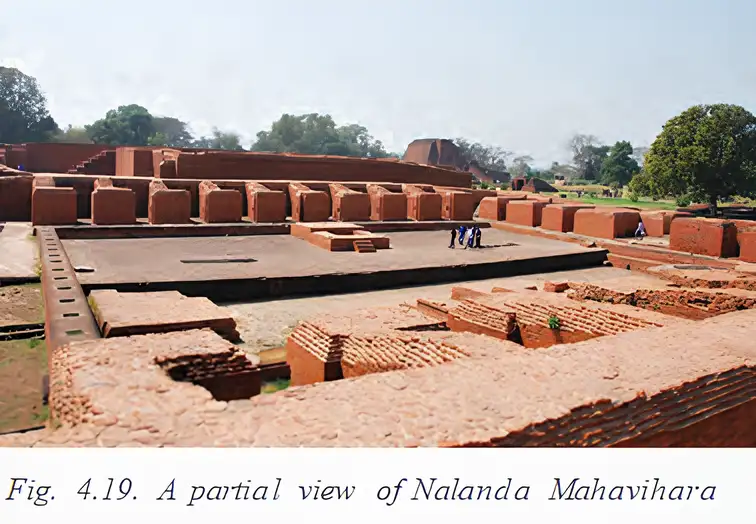
Bakhtiyar Khilji, another general, conquered Bihar and Bengal, destroying Buddhist universities like Nalanda and Vikramashila, which contributed to the decline of Buddhism in India.
Exam Questions
Q1: What was the significance of the Second Battle of Tarain?
A1: It marked the defeat of Prithviraja III by Muhammad Ghuri, leading to the establishment of Muslim rule in northern India.
Q2: How did Bakhtiyar Khilji's campaigns affect Buddhism in India?
A2: His destruction of major Buddhist universities led to the decline of Buddhism as a major religion in India.
Economy and Society
The economy during this period was primarily agrarian, supported by irrigation works and trade. Internal and external trade flourished, with merchant guilds playing a significant role. India maintained trade relations with China and Southeast Asia, facilitating cultural exchanges.
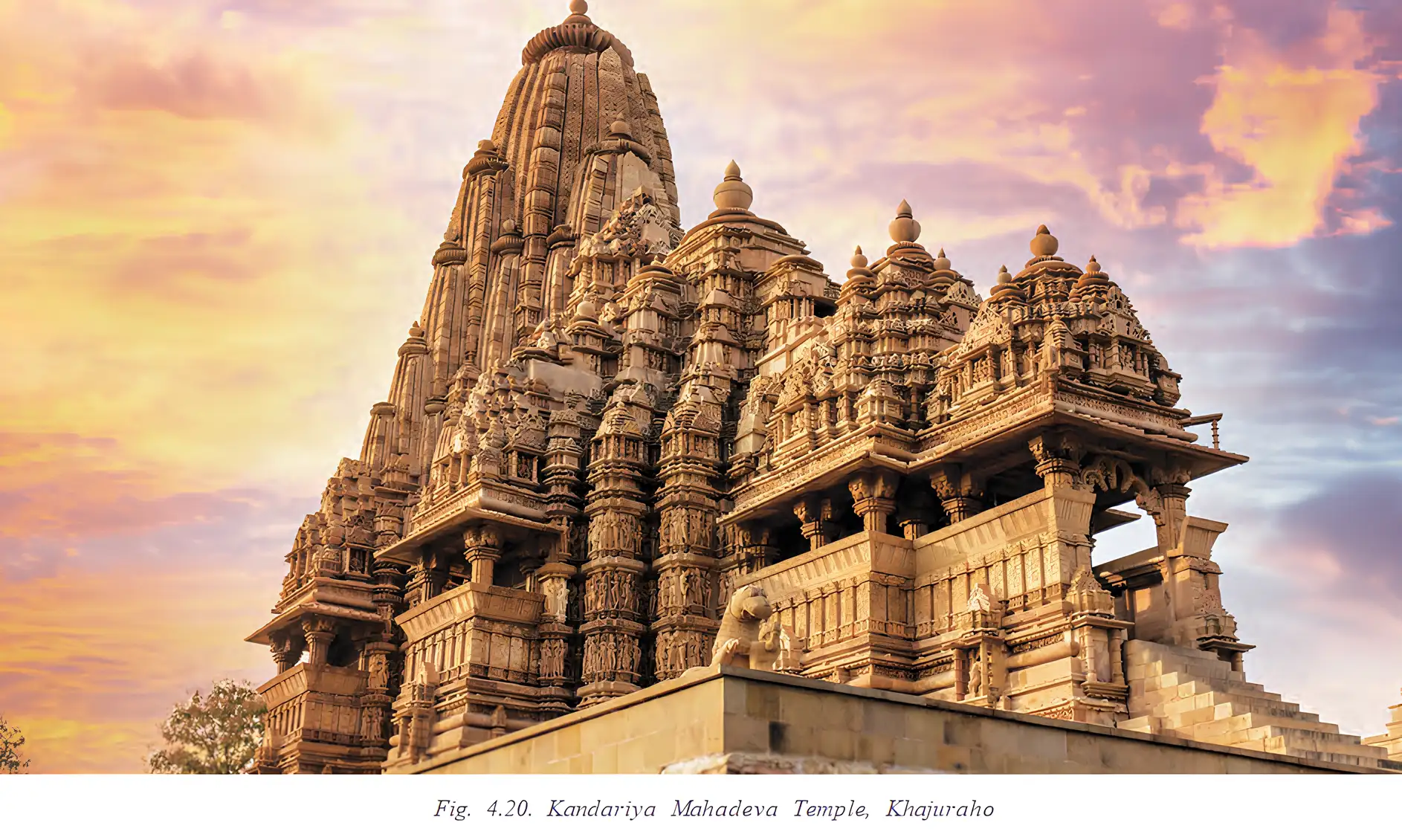
Despite political conflicts, arts, literature, and sciences thrived. Notable works include Someshvara III's Manasollasa, an encyclopaedia on royal life and governance. Temples like Kandariya Mahadeva and Lakshmana in Khajuraho exemplify the architectural achievements.
Exam Questions
Q1: What was the mainstay of the economy during the 11th and 12th centuries?
A1: Agriculture was the mainstay, supported by irrigation and trade.
Q2: Name a significant literary work from this period.
A2: Manasollasa by Someshvara III.
Religious and Philosophical Thought
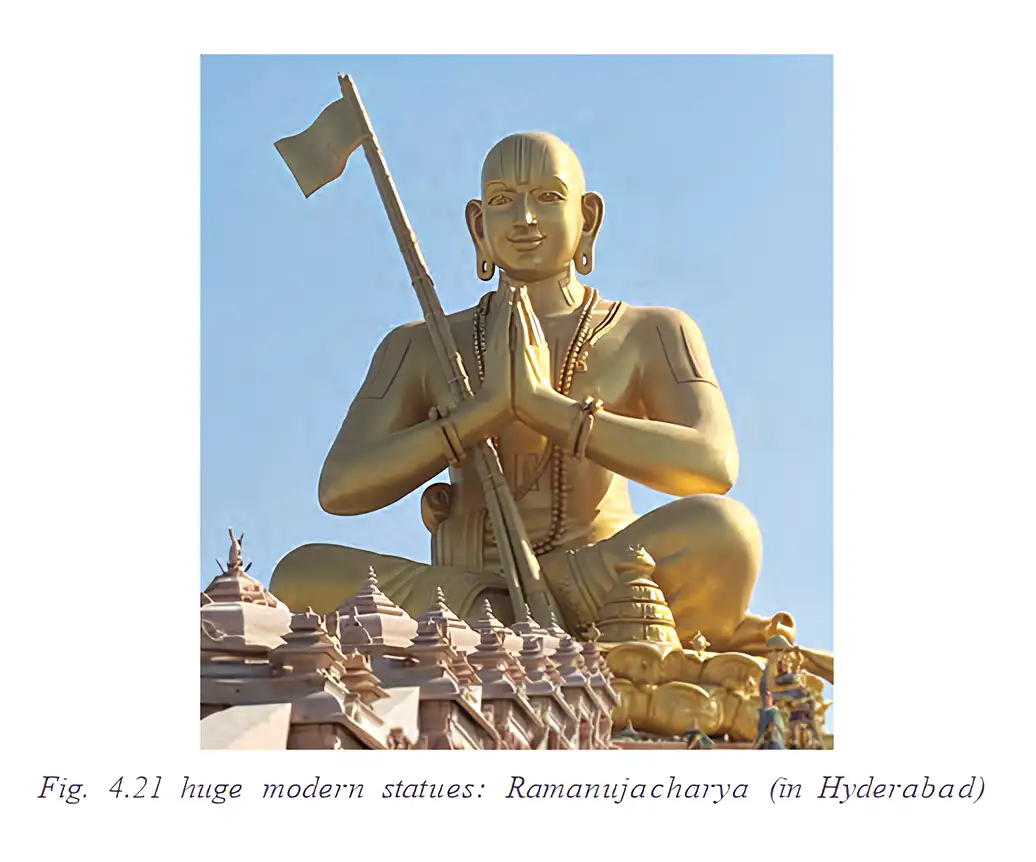
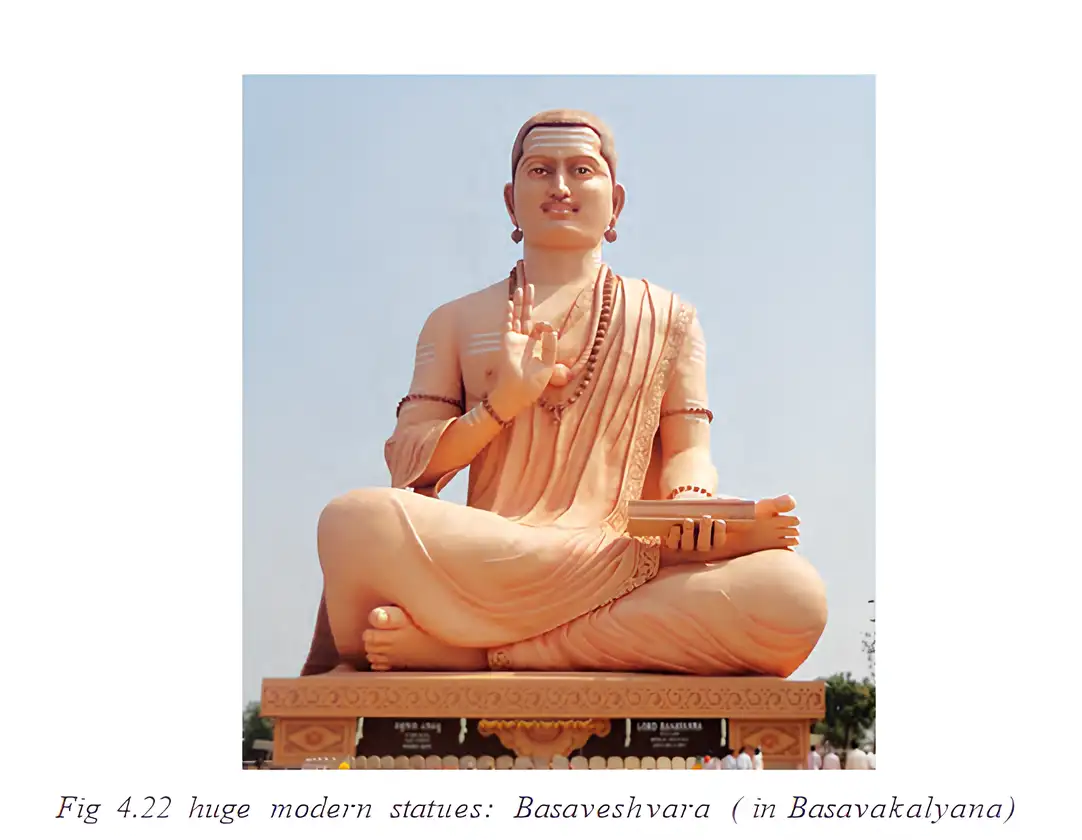
This period saw the rise of important religious thinkers and reformers. Ramanujacharya developed the Vishishtadvaita Vedanta philosophy, emphasizing devotion and the reality of the world and souls. Basaveshvara founded the Lingayat movement, promoting social equality and personal devotion, rejecting caste distinctions and ritualism.
Exam Questions
Q1: What was the main teaching of Ramanujacharya?
A1: He taught Vishishtadvaita Vedanta, emphasizing devotion and the reality of the world and individual souls.
Q2: What social reforms did Basaveshvara promote?
A2: He promoted equality, rejected caste distinctions, and emphasized personal devotion and dedicated work.
Cultural Influence and Legacy
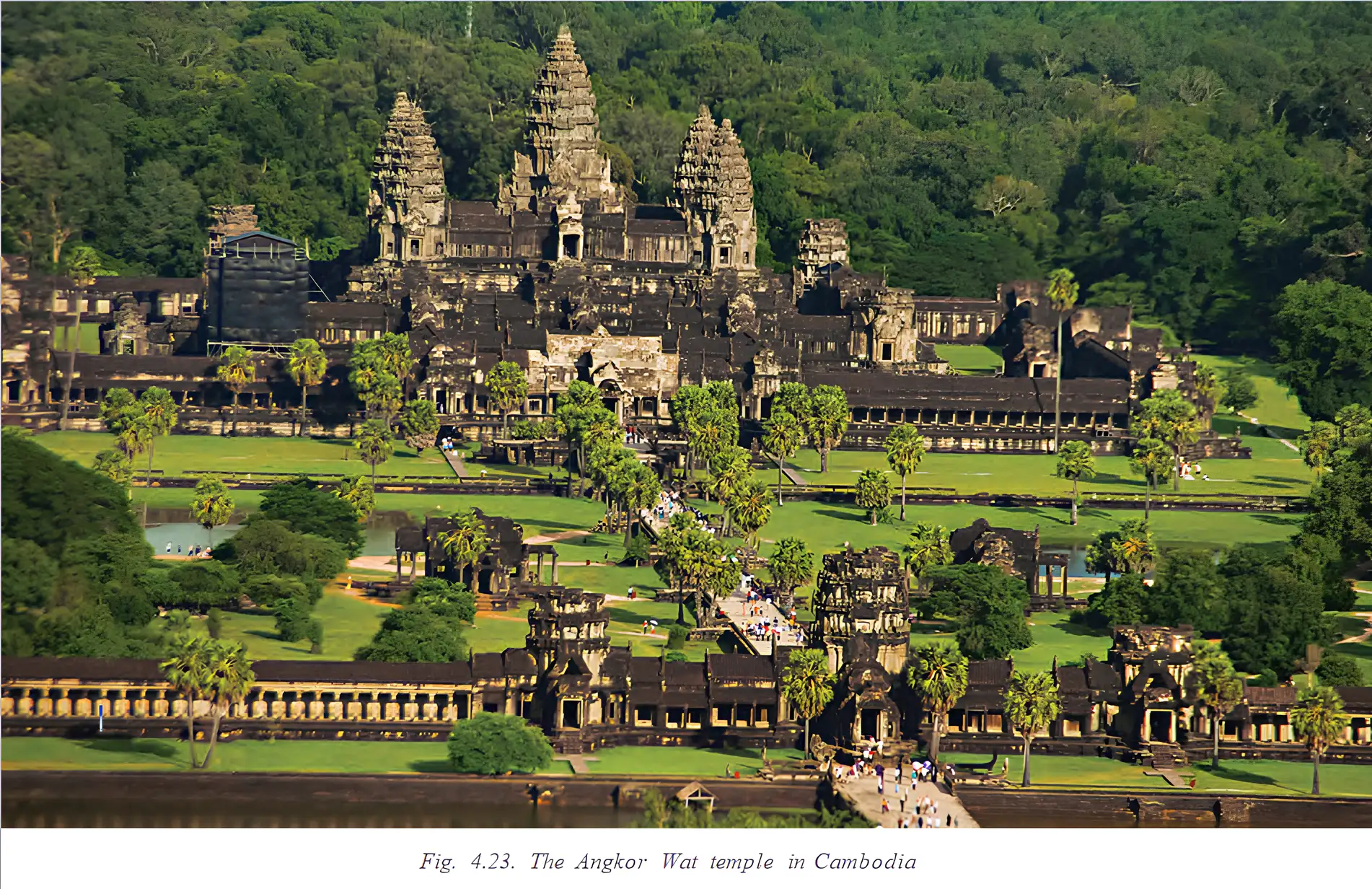
Despite invasions and conflicts, Indian culture influenced Southeast Asia, as seen in the construction of Angkor Wat in Cambodia, a temple complex dedicated to Vishnu with architectural features similar to South Indian temples.
The period teaches resilience in the face of conflict and the enduring power of knowledge, learning, and creativity.
Solved Examples
Example 1: Calculating the Number of Elephants in Bhaskaracharya's Problem
Problem: Of a herd of elephants, half and one-third of the half went into a cave, one-sixth and one-seventh of one-sixth were drinking water from a river, one-eighth and one-ninth of one-eighth were sporting in a pond, and the king of the elephants was leading three female elephants. Find the total number of elephants.
Solution: Let the total number of elephants be x.
- Half went into the cave: x/2
- One-third of the half went into the cave: (1/3)*(x/2) = x/6
- One-sixth were drinking water: x/6
- One-seventh of one-sixth were drinking water: (1/7)*(x/6) = x/42
- One-eighth were sporting in the pond: x/8
- One-ninth of one-eighth were sporting in the pond: (1/9)*(x/8) = x/72
- The king and three female elephants: 4
Sum of all elephants: x/2 + x/6 + x/6 + x/42 + x/8 + x/72 + 4 = x
Find common denominator and solve for x to find the total number of elephants.
Practice Set
Easy
- Who was Mahmud of Ghazni?
- Name two important temples built during the 11th and 12th centuries.
Moderate
- Explain the significance of the Khyber Pass in medieval Indian history.
- Describe the contributions of Bhaskaracharya to mathematics.
Challenging
- Discuss the impact of Turkic invasions on Indian political and cultural life in the 11th and 12th centuries.
- Analyze the role of the Chola dynasty in expanding Indian influence overseas.
Answer Key
- Mahmud of Ghazni: A Turkic ruler who invaded northern India multiple times in the 11th century.
- Temples: Kandariya Mahadeva Temple, Lakshmana Temple.
- Khyber Pass: A strategic mountain pass used by invaders and traders connecting Central Asia and India.
- Bhaskaracharya: Mathematician and astronomer known for works like Lilavati and Siddhantashiromani.
- Turkic invasions: Led to political changes, destruction of temples and universities, and spread of Islam.
- Chola dynasty: Conducted naval expeditions, expanded territory, and influenced Southeast Asia culturally.
Quick Reference
- Mahmud of Ghazni: 17 campaigns into India, plundered temples.
- Bhaskaracharya: 1114–1185, mathematician and astronomer.
- Cholas: South Indian dynasty, naval power, built Brihadishvara temple.
- Ghurids: Established Delhi Sultanate after defeating Prithviraja III.
- Basaveshvara: Social reformer, founded Lingayat movement.
- Angkor Wat: 12th-century temple in Cambodia influenced by Indian architecture.
Glossary
- Bas-relief
- A type of sculpture where figures are slightly raised from the background.
- Ghaznavids
- A Turkic dynasty that invaded northern India in the 11th century.
- Lingayat
- A religious movement founded by Basaveshvara promoting equality and devotion.
- Paramara
- A dynasty that ruled Malwa, known for King Bhoja.
- Sultan
- A Muslim sovereign or king.
- Vihara
- A Buddhist monastery or place of learning.