CLASS 7 . SOCIAL SCIENCE . EXPLORING SOCIETY INDIA AND BEYOND PART II . INDIA AND-HER-NEIGHBOURS
Chapter 2 : India and Her Neighbours
Ch 2
SOCIAL SCIENCE
CLASS 7
India and Her Neighbours
India shares complex and diverse relationships with its neighbouring countries, shaped by geography, history, culture, trade, and politics. These neighbours include countries with land borders as well as maritime neighbours connected through the sea. Understanding these relationships helps us appreciate India’s strategic position in South Asia and beyond.
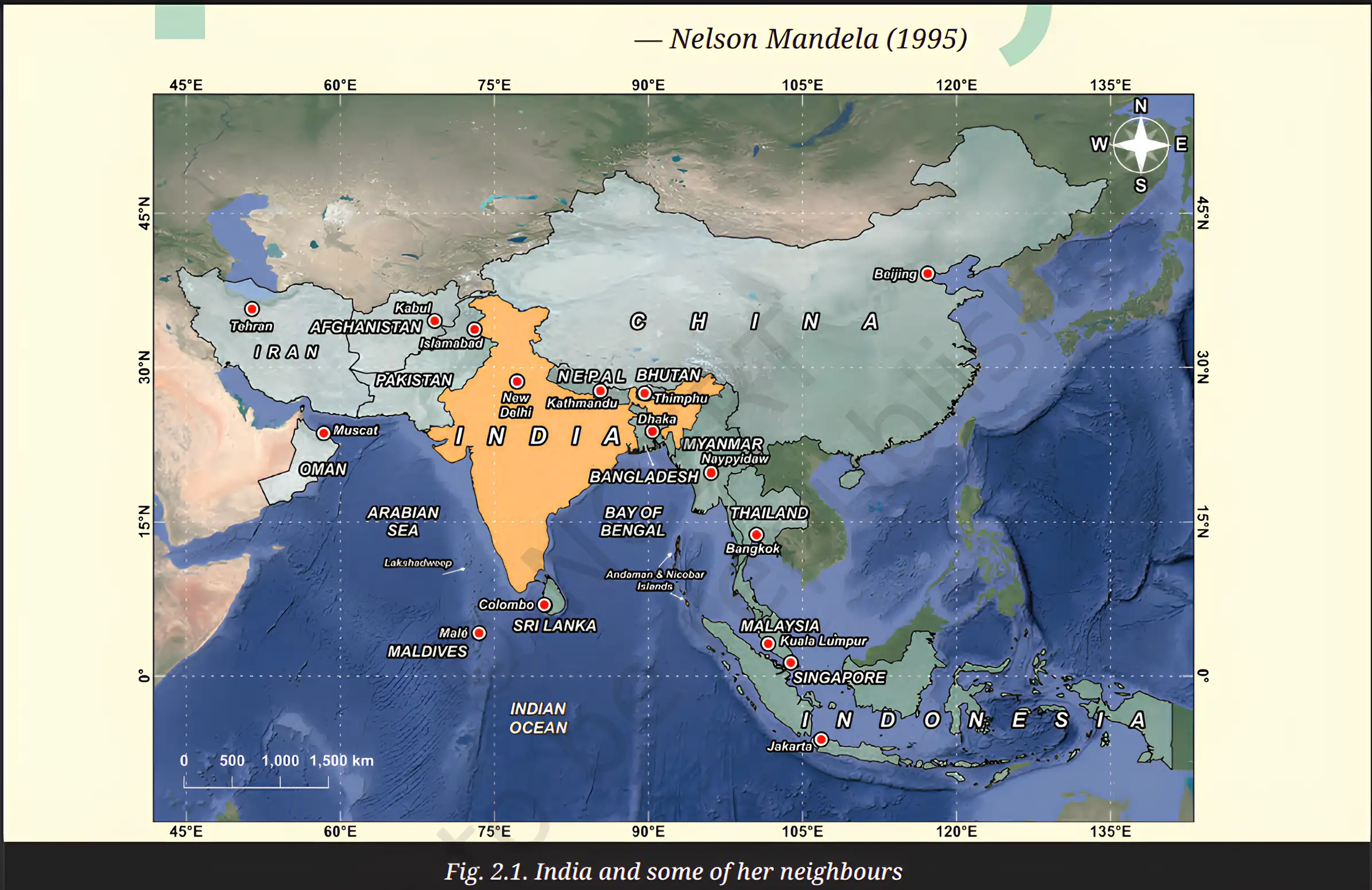
The map highlights India and its neighbouring countries, major cities, and important bodies of water such as the Arabian Sea, Bay of Bengal, and Indian Ocean. India’s land boundary stretches over 15,100 km across diverse landscapes, while its maritime neighbours include Sri Lanka, the Maldives, and countries across the Indian Ocean.
What defines a neighbour?
Traditionally, neighbours are countries sharing land borders. However, India’s maritime neighbours are connected through shared seas and oceans, facilitating trade, cultural exchange, and historical ties. This broader understanding includes countries like Iran, Oman, Thailand, Malaysia, Singapore, and Indonesia.
Exam Question
Q: What is a maritime neighbour? Give examples of India’s maritime neighbours.
A: A maritime neighbour is a country connected by shared sea or ocean without a direct land border. Examples include Sri Lanka, the Maldives, and Indonesia.
India and China
India and China, two of Asia’s largest nations, share a long and strategic relationship influenced by geography, culture, trade, and politics. Their border stretches across several Indian states and the Union Territory of Ladakh, separated by the Himalayas.
Buddhism is a significant cultural link, originating in India and reaching China by the 1st century CE through trade and pilgrimage routes. Indian and Chinese monks exchanged religious teachings, strengthening spiritual and intellectual ties.
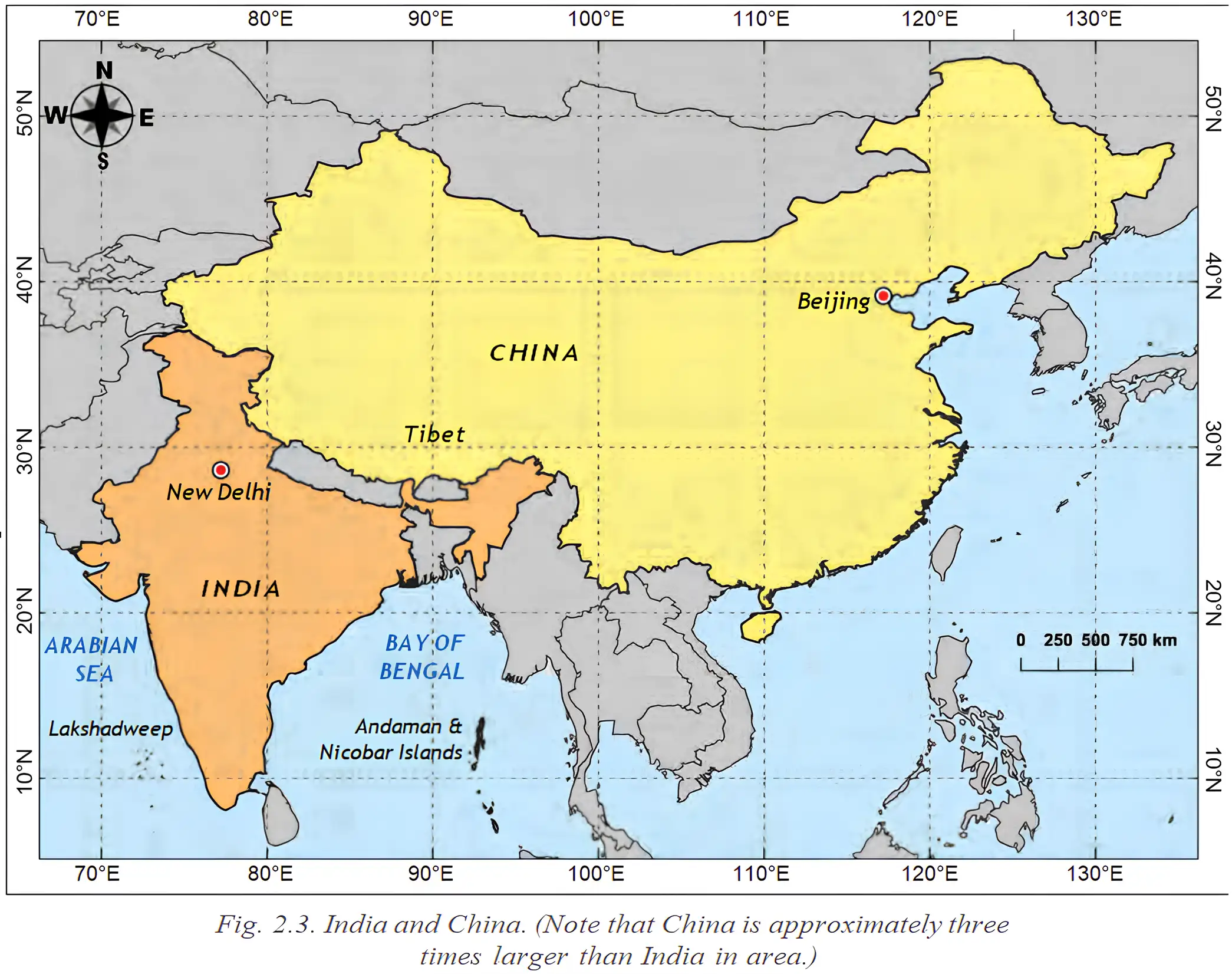
China is about three times larger than India in area. The map shows capitals New Delhi and Beijing, surrounding seas, and geographical features.
Trade between the two countries continues, with India exporting iron ore, chemicals, and cotton yarn, and importing electronic items and industrial equipment. However, the trade balance favors China. Border tensions have led to conflicts, but dialogue and trade efforts aim to resolve disputes.
Exam Question
Q: How has Buddhism influenced the relationship between India and China?
A: Buddhism originated in India and spread to China via trade and pilgrimage routes, creating deep spiritual and cultural ties between the two countries.
India and Pakistan
India and Pakistan share a complex relationship shaped by history, religion, and politics. Pakistan was part of India before the 1947 Partition, which created two separate nations based on religious identity.
Since Partition, the countries have experienced several wars and ongoing tensions, especially related to border disputes and terrorism. The border spans several Indian states and union territories and symbolizes both shared heritage and division.
Attempts at peace include trade and pilgrimage routes, such as the Kartarpur Corridor, which allows visa-free access for Indian pilgrims to a significant Sikh shrine in Pakistan.
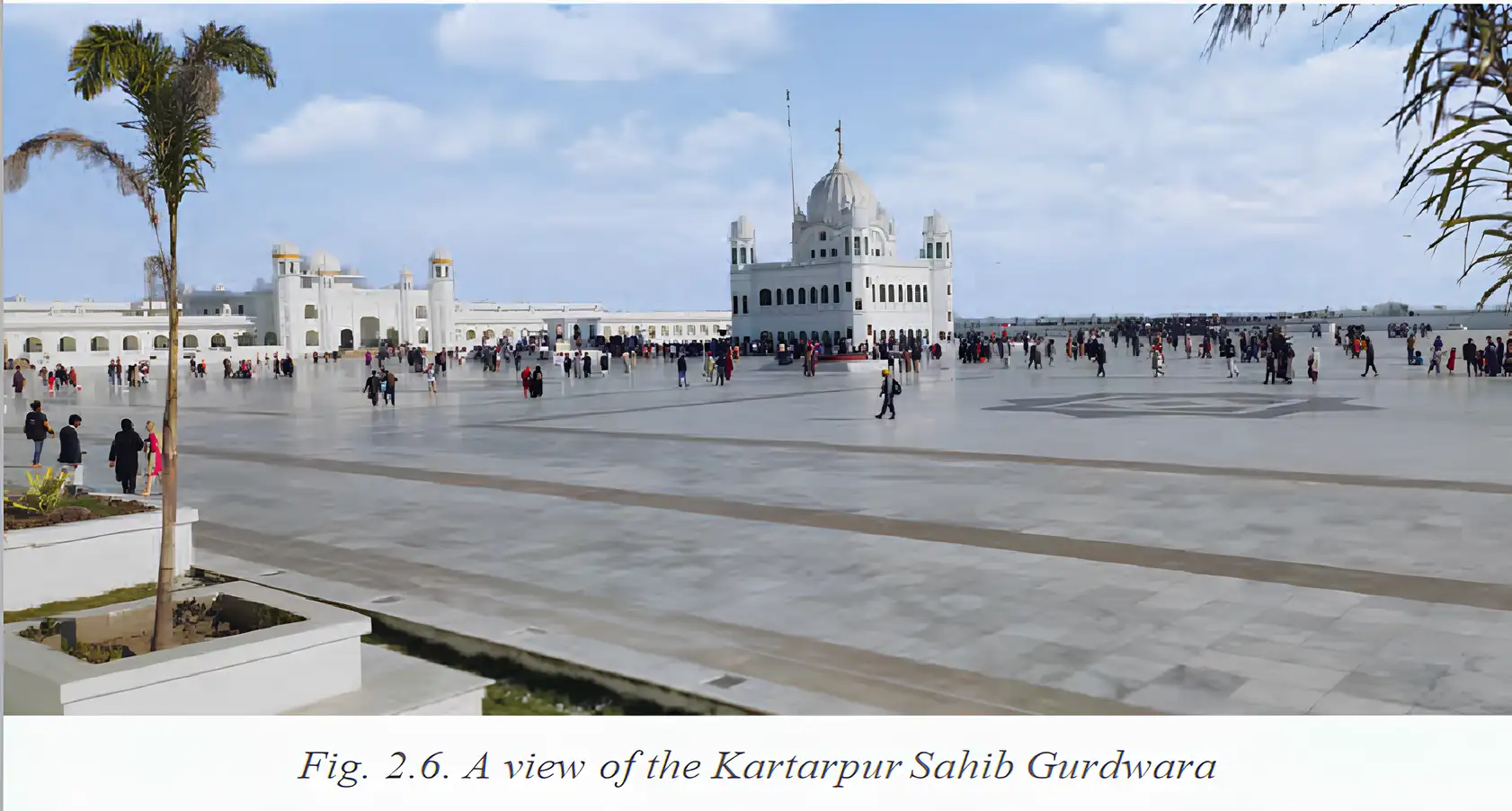
The Kartarpur Sahib Gurdwara is a holy Sikh site linked to Guru Nanak Dev, the founder of Sikhism. The corridor opened in 2019 to facilitate easier pilgrimage.
Exam Question
Q: What is the significance of the Kartarpur Corridor?
A: It is a visa-free border crossing that allows Indian pilgrims to visit the Kartarpur Sahib Gurdwara in Pakistan, promoting religious and cultural ties.
India and Bangladesh
India and Bangladesh share a long border and a common history, culture, and language. Bangladesh was formerly East Pakistan and became independent in 1971 after a war involving India and Pakistan.
The border runs through several Indian states and includes shared river systems important for agriculture and livelihoods. The Sundarban National Park, a UNESCO World Heritage Site, is a shared mangrove forest important for biodiversity and climate resilience.
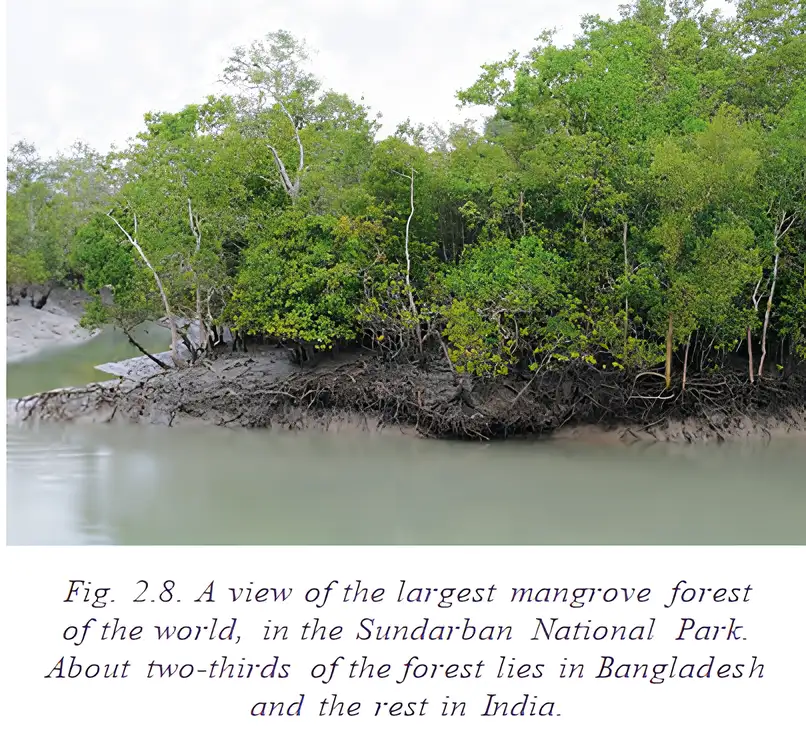
The Sundarban is the largest mangrove forest in the world, spanning India and Bangladesh, protecting coastlines and providing habitat for wildlife.
Exam Question
Q: Why is the Sundarban National Park important for India and Bangladesh?
A: It is a biodiversity hotspot and acts as a barrier against cyclones, helping both countries with climate resilience.
India and Nepal
India and Nepal share an open border and a long history of cultural, spiritual, and political ties. The 1950 Treaty of Peace and Friendship allows free movement of people and goods, fostering close cooperation.
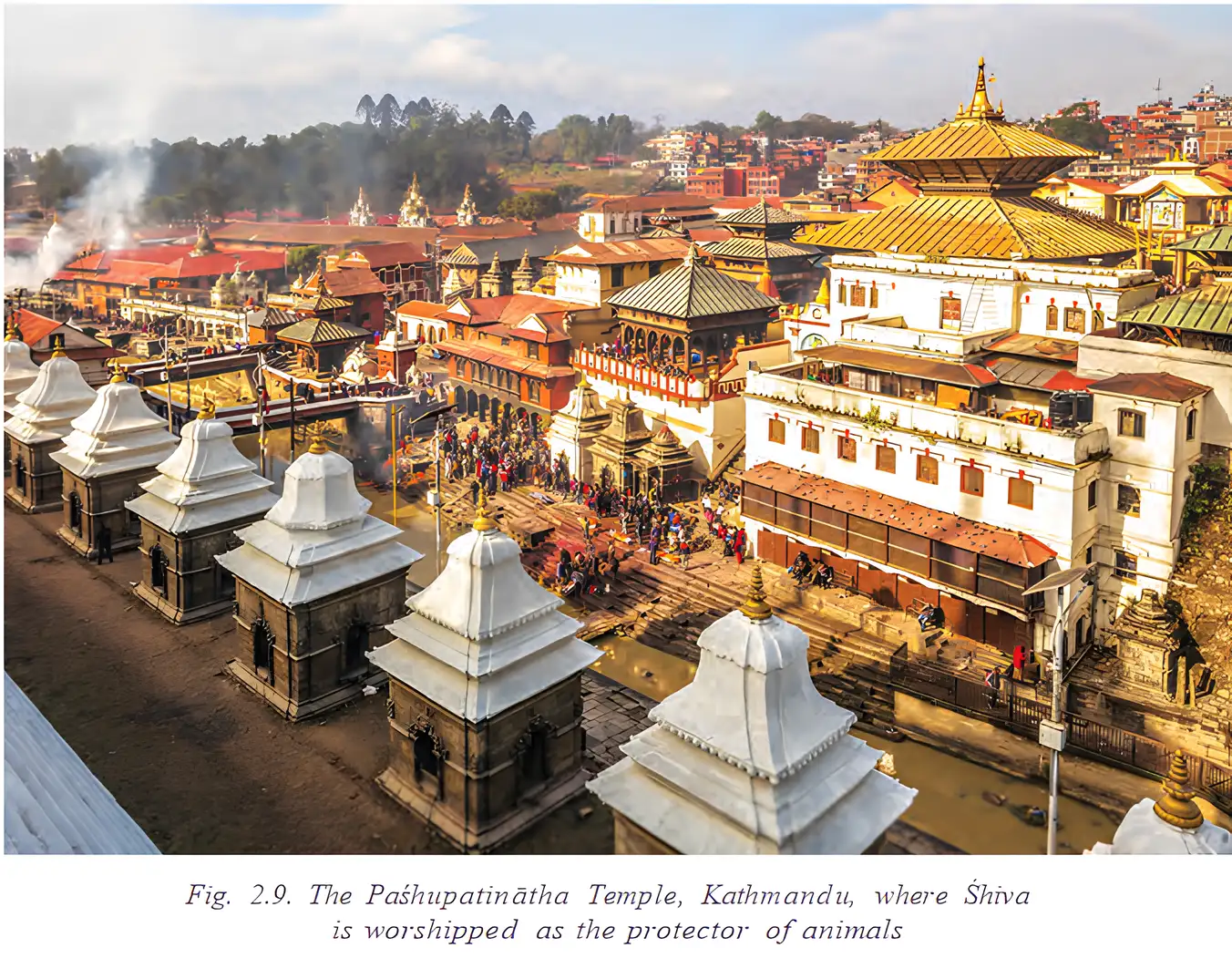
Shared festivals, pilgrimage sites like the Pashupatinatha Temple, and economic exchanges strengthen the relationship. India is Nepal’s largest trading partner, supplying essential goods and receiving agricultural products in return.
Exam Question
Q: What is an open border, and how does it benefit India and Nepal?
A: An open border allows free movement without visas or passports, enabling families, trade, and cultural exchange between the two countries.
India and Bhutan
Bhutan, the ‘Land of the Thunder Dragon,’ is a small Himalayan kingdom with strong economic, cultural, and spiritual ties to India. Several important rivers originate in Bhutan, supporting agriculture and hydroelectric power generation, which benefits both countries.
Buddhism is a shared spiritual heritage, with Bhutanese pilgrims visiting Indian Buddhist sites. The dragon on Bhutan’s emblem symbolizes the thunderous voice of Buddha’s teachings.

The Tiger's Nest Monastery in Bhutan is a significant Buddhist site located on a mountainside, attracting pilgrims and tourists.
Exam Question
Q: How do India and Bhutan cooperate economically?
A: They collaborate on hydroelectric power projects, with Bhutan supplying renewable energy to India.
India and Myanmar
India and Myanmar share land and maritime borders, with historical, ethnic, and cultural connections. India’s northeastern states border Myanmar, facilitating cross-border trade and cultural exchange.
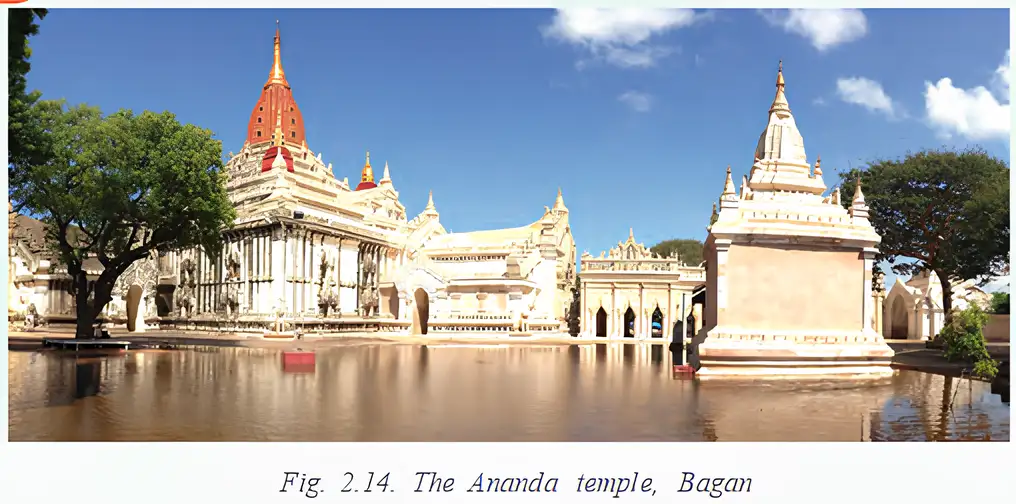
The Land Border Crossing Agreement of 2018 eased movement and trade, though some restrictions exist due to regional conflicts. India has also helped restore cultural sites like the Ananda Temple in Myanmar.
Exam Question
Q: What is the significance of the Land Border Crossing Agreement between India and Myanmar?
A: It facilitates easier movement, trade, and cultural exchange between border communities.
India and Afghanistan
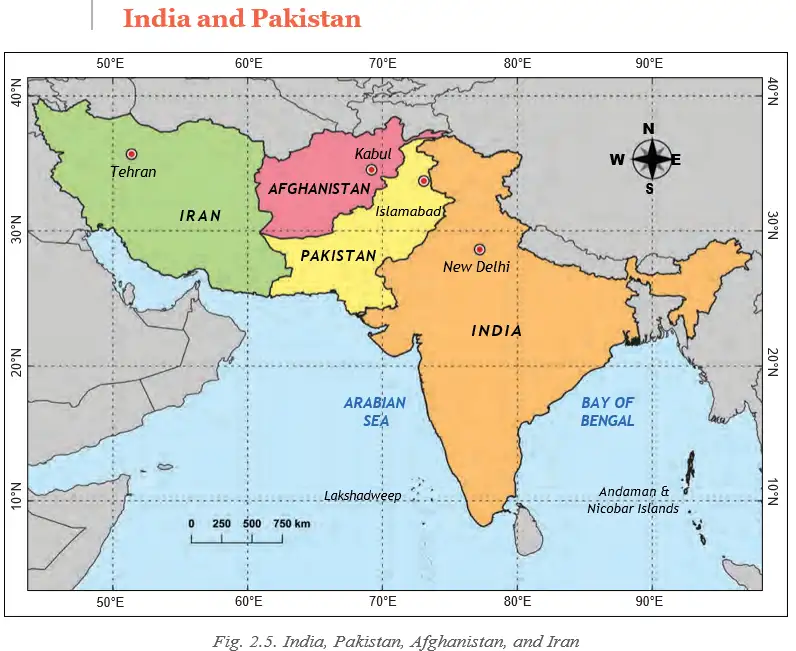
India and Afghanistan share historical ties through ancient trade routes like the Uttarapatha, linking the Ganga plains to Central Asia. Afghanistan was a centre of Buddhist and Hindu culture before Islam.
India has supported Afghanistan’s development through infrastructure projects like the Afghan Parliament building and highways, reflecting ongoing friendship despite geopolitical challenges.
Exam Question
Q: How have India and Afghanistan maintained their relationship?
A: Through shared history, culture, and development support including infrastructure projects.
India and Her Maritime Neighbours
India’s maritime neighbours include Sri Lanka, the Maldives, and countries across the Indian Ocean. These relationships are based on centuries of trade, cultural exchange, and strategic cooperation.
India is a member of SAARC, a regional group promoting cooperation among South Asian countries.
India and Sri Lanka
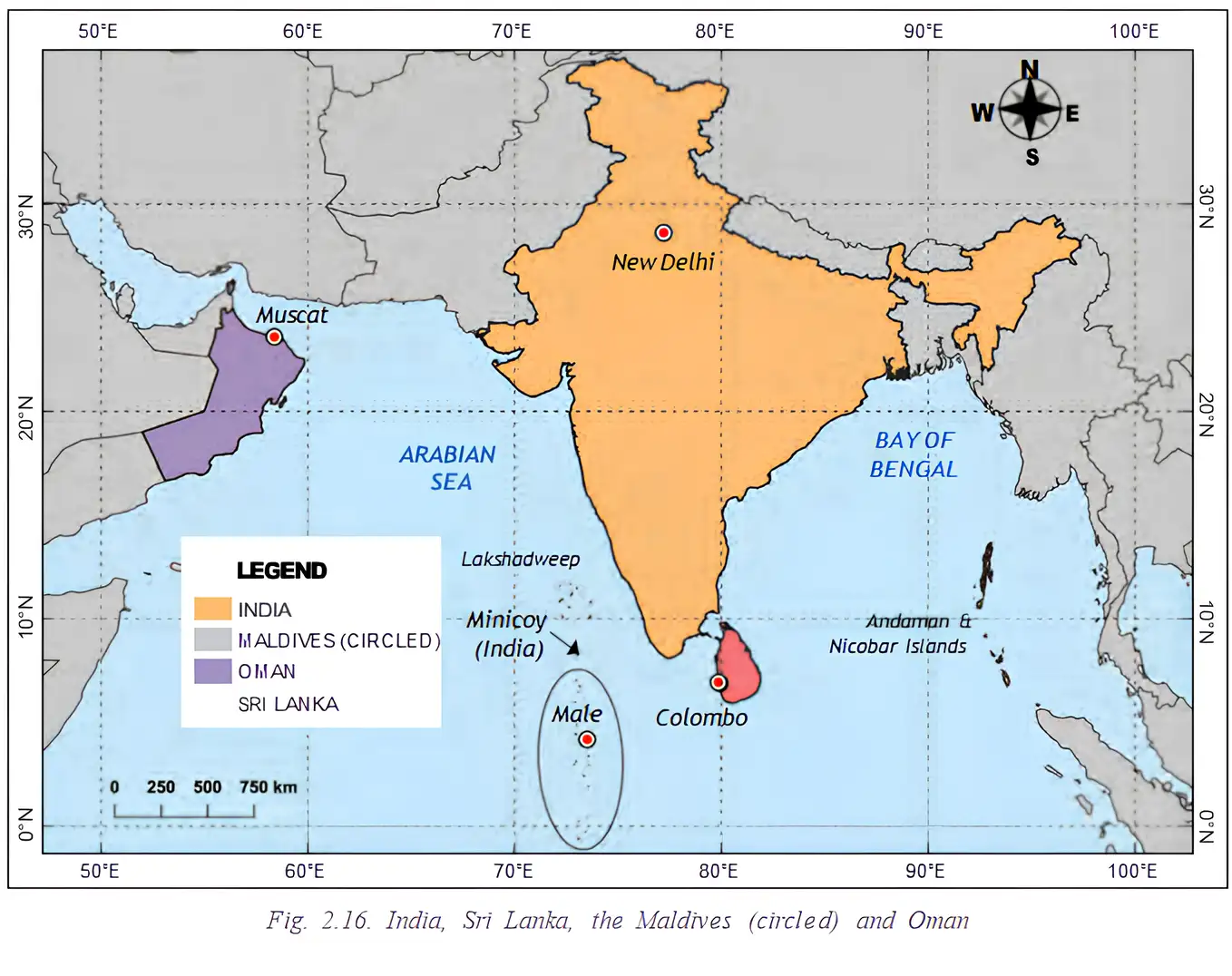
Sri Lanka lies southeast of India, separated by the Palk Strait. The two countries share cultural and religious ties, including the introduction of Buddhism to Sri Lanka in the 3rd century BCE.
The Sri Lankan civil war affected relations, especially due to Tamil cultural links with south India. Today, India and Sri Lanka cooperate in multiple areas including trade and regional peace.
Exam Question
Q: What historical ties connect India and Sri Lanka?
A: Buddhism was introduced to Sri Lanka from India, and both countries share cultural and trade relations.
India and the Maldives
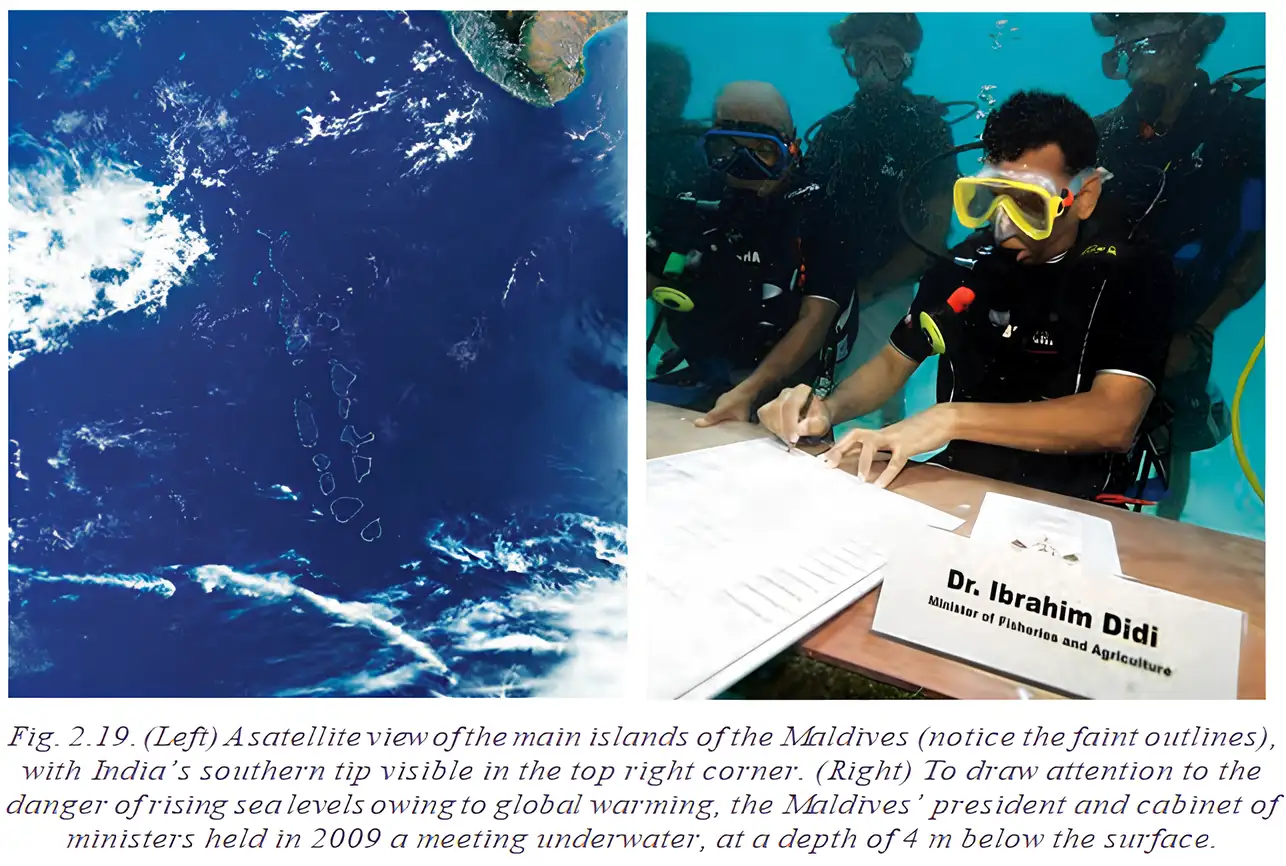
The Maldives, an island nation of over 1,100 islets, lies about 130 km from India’s Lakshadweep islands. The two countries share cultural, historical, and trade ties.
India was among the first to recognize Maldives’ independence and has provided aid during crises like the 2004 tsunami and the COVID-19 pandemic.
Exam Question
Q: How does climate change affect the Maldives?
A: Rising sea levels threaten to submerge islands, making the Maldives vulnerable to climate change impacts.
India and Thailand
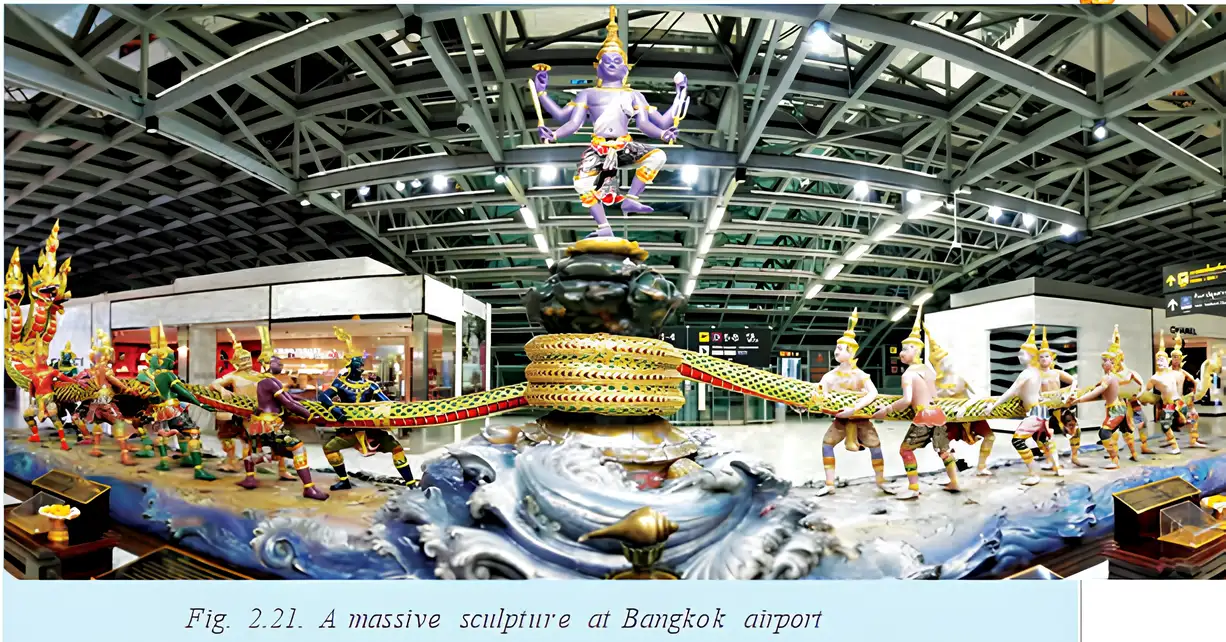
India and Thailand share ancient maritime trade links and cultural connections. Indian culture influenced Thai kingdoms, with names and religious traditions reflecting Indian heritage.
The India–Myanmar–Thailand Trilateral Highway is a modern project enhancing connectivity and trade among these countries.
Exam Question
Q: What is the significance of the Churning of the Ocean of Milk sculpture in Thailand?
A: It depicts a Hindu myth symbolizing cooperation and creation, reflecting Indian cultural influence in Thailand.
India and Malaysia
India and Malaysia have historical trade and cultural links dating back over two millennia. Indian influence is seen in Malaysian art, literature, and the presence of a significant Indian-origin population.
Today, the two countries collaborate in trade, infrastructure, and regional security.

Exam Question
Q: How has Indian culture influenced Malaysia?
A: Through early trade and cultural exchange, Indian art, literature, and religion have influenced Malaysian society.
India and Singapore
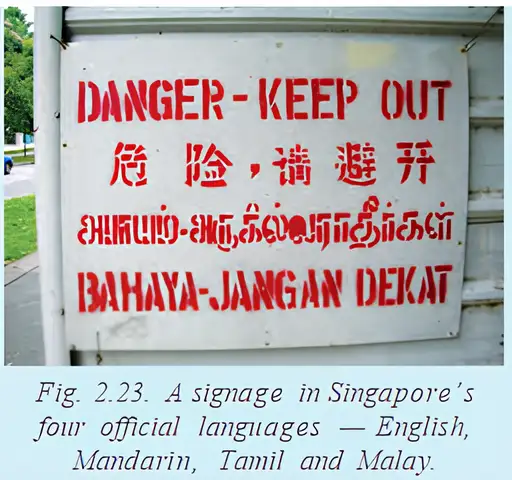
Singapore’s name derives from ‘Singapuram’ meaning ‘lion city’, reflecting ancient Indian cultural ties. Tamil is one of Singapore’s official languages, indicating strong connections with south India.
Singapore is a major investor in India and a popular destination for Indian students and tourists.
Exam Question
Q: What does the use of Tamil as an official language in Singapore indicate?
A: It shows the strong cultural and historical ties between south India and Singapore.
India and Indonesia
India and Indonesia, separated by the Bay of Bengal and Andaman Sea, share a long history of maritime trade and cultural exchange. Indonesia is an archipelago of over 17,000 islands.
Indian influence is seen in ancient temples like Borobudur and cultural performances based on Indian epics like the Ramayana.
Both countries cooperate on regional security, maritime safety, and disaster relief.

Exam Question
Q: What is the Borobudur Stupa, and why is it significant?
A: It is the largest Buddhist monument in the world, shaped like a mandala, symbolizing the universe and enlightenment.
India and Iran
India and Iran have shared ties since the Bronze Age, connected by land routes through present-day Pakistan and Afghanistan. These routes became part of the Silk Route, facilitating trade and cultural exchange.
The Avesta, the sacred Zoroastrian text, has parallels with India’s Rigveda. Persian language and culture influenced India, and the Parsis maintain links with ancient Persia.
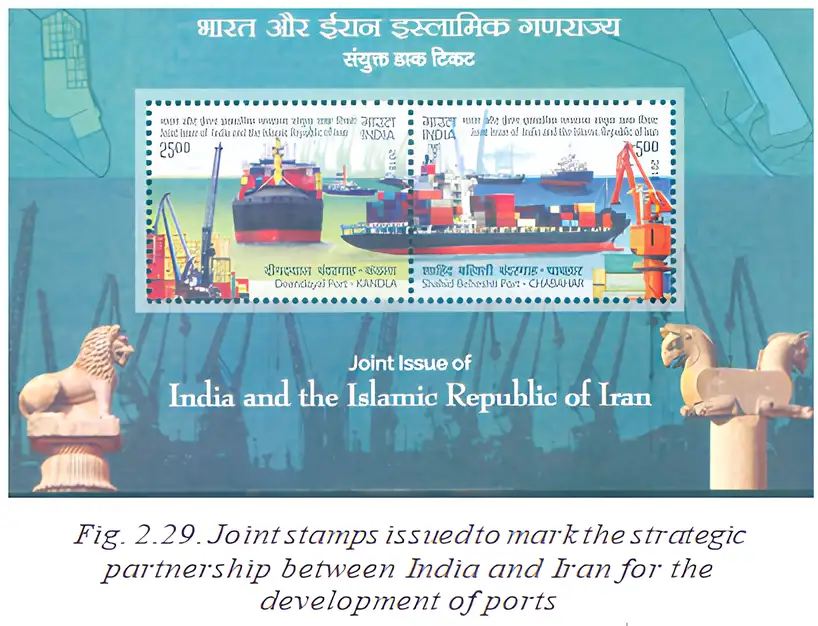
India is helping develop Iran’s Chabahar Port, enhancing access to Afghanistan and Central Asia.
Exam Question
Q: How have India and Iran maintained their relationship?
A: Through ancient trade routes, cultural exchange, and modern cooperation like developing Chabahar Port.
India and Oman
Oman, located on the Arabian Peninsula, shares maritime boundaries with India and has historical ties dating back over 5,000 years to the Indus-Sarasvati civilisation.
Oman is rich in copper, and ancient trade involved copper ingots. Today, over 10% of Oman’s population is of Indian origin, and the two countries cooperate closely in defence and maritime security.
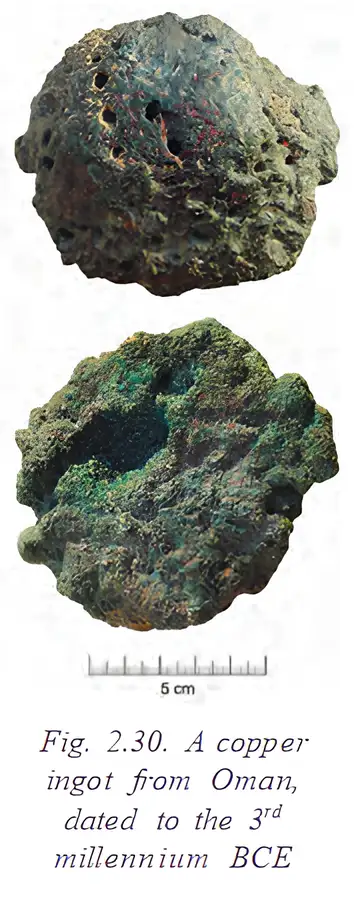
Ingot: A lump or block of metal shaped for transport and reworking.
The Motishwar Mandir in Muscat is a Hindu temple, reflecting the presence of Indian culture in Oman.
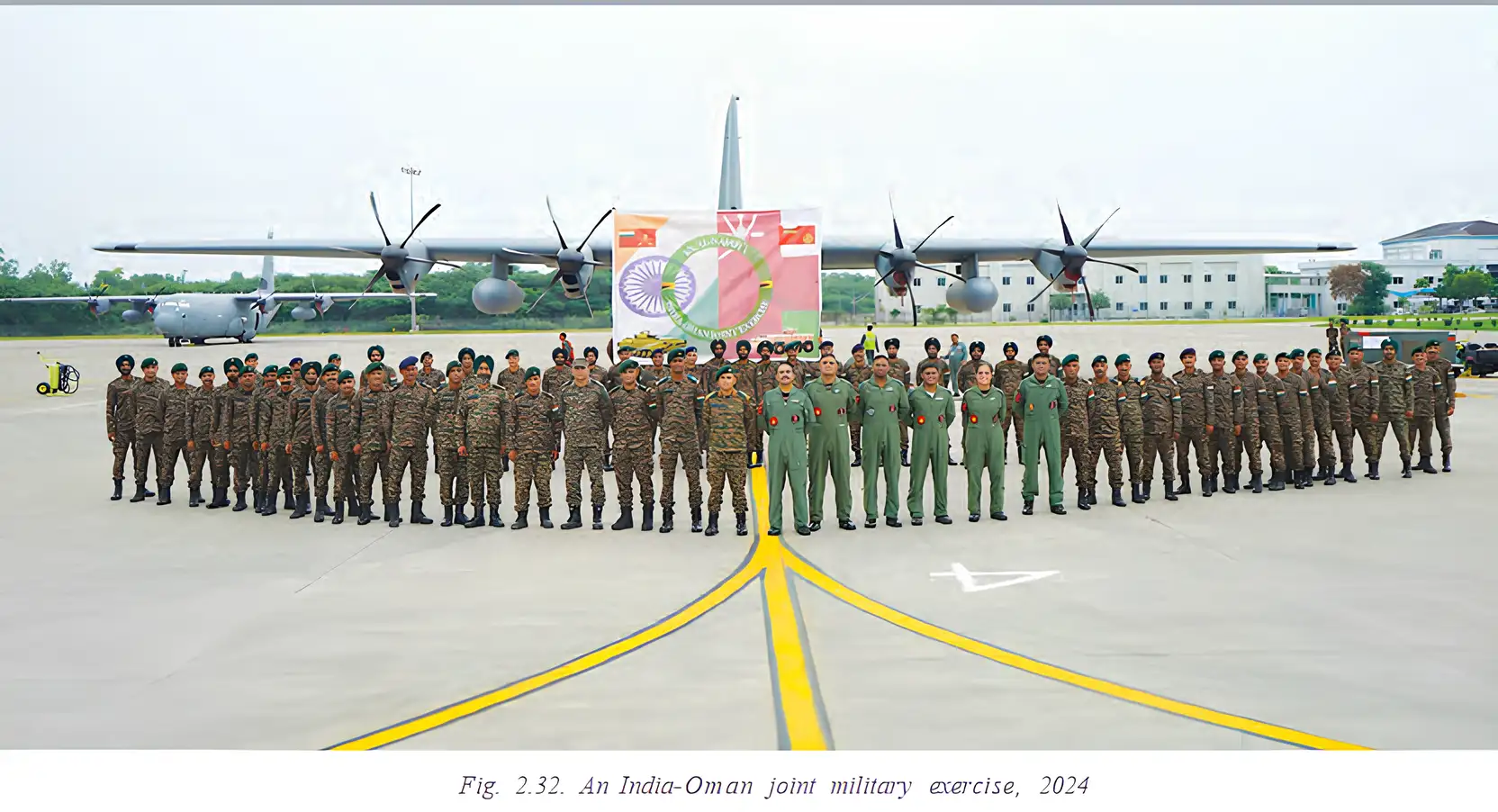
India and Oman conduct joint military exercises, strengthening defence cooperation.
Exam Question
Q: Why is Oman important to India?
A: Oman is a key defence partner and shares historical, cultural, and strategic ties with India.
Summary and Conclusion
- India and its neighbours share centuries of cultural, spiritual, religious, and commercial exchanges.
- Ancient trade routes connected India with Central Asia, Southeast Asia, and the Arabian Peninsula, facilitating peaceful spread of culture and ideas.
- Modern regional connectivity projects aim to revive these historical links, supported by cultural exchanges and strategic cooperation.
Solved Examples
- Example: Explain the significance of the Kartarpur Corridor in India-Pakistan relations.
Answer: The Kartarpur Corridor allows visa-free access for Indian pilgrims to visit the Kartarpur Sahib Gurdwara in Pakistan, promoting religious harmony and cultural ties despite political tensions. - Example: Describe the role of the Indian Ocean in India’s maritime relations.
Answer: The Indian Ocean is a major route for trade and transport, connecting India with maritime neighbours and facilitating cultural and economic exchanges.
Practice Set
Easy
- What are India’s land and maritime neighbours?
- Define a maritime neighbour with examples.
Moderate
- Explain the cultural ties between India and Nepal.
- Describe the importance of the Sundarban National Park.
Challenging
- Discuss the historical trade routes connecting India with its neighbours and their significance.
- Analyze the strategic importance of India’s relationship with Oman.
Answer Key
- India’s land neighbours include Pakistan, China, Nepal, Bhutan, Bangladesh, and Myanmar. Maritime neighbours include Sri Lanka, the Maldives, and countries across the Indian Ocean like Oman and Indonesia.
- A maritime neighbour is a country connected by shared sea or ocean without a land border. Examples: Sri Lanka, Maldives.
- India and Nepal share cultural ties through festivals, pilgrimage sites, and open borders facilitating movement and trade.
- The Sundarban National Park is important for biodiversity and climate resilience, protecting coastlines and wildlife.
- Ancient trade routes like the Silk Route and Uttarapatha connected India with Central Asia and beyond, enabling exchange of goods and culture.
- Oman is strategically important for India’s defence and maritime security, with historical and cultural ties dating back thousands of years.
Quick Reference
- Neighbour: A country sharing a land or maritime boundary.
- Maritime Neighbour: A country connected by sea or ocean without a land border.
- Kartarpur Corridor: A visa-free border crossing for Sikh pilgrims between India and Pakistan.
- Open Border: A border allowing free movement without visas or passports.
- Stupa: A Buddhist shrine often dome-shaped, containing sacred relics.
- Ingot: A shaped block of metal for transport and reworking.
Glossary
- Maritime Neighbour
- A country connected to another by shared sea or ocean, facilitating trade and cultural exchange.
- Open Border
- A border allowing free movement of people and goods without visas or passports.
- Kartarpur Corridor
- A visa-free border crossing between India and Pakistan for Sikh pilgrims.
- Stupa
- A Buddhist shrine, often dome-shaped, containing sacred relics.
- Ingot
- A lump or block of metal shaped for transport and reworking.