CLASS 7 . SOCIAL SCIENCE . EXPLORING SOCIETY INDIA AND BEYOND PART II . INDIA A-HOME-TO-MANY
Chapter 5 : India, a Home to Many
Ch 5
SOCIAL SCIENCE
CLASS 7
India, a Home to Many
India has been a welcoming home to people from various parts of the world throughout history. This chapter explores the stories of different migrant communities who sought refuge or opportunities in India, enriching its cultural diversity. The Indian ethos of vasudhaiva kutumbakam — "the whole world is family" — reflects the spirit of acceptance and inclusion that has been practiced for millennia.

This creative map highlights continents and countries around India, showing land and water bodies with artistic swirling patterns. It helps us understand the geographical context of migration and cultural exchange.
The Big Questions
- What has made India a home for people from different parts of the world?
- Why did oppressed or persecuted people from other countries seek refuge in India?
- What is it about the nature of Indian society that enables people to assimilate here?
Exam Question
Q: Why has India been considered a safe haven for persecuted communities throughout history?
A: India’s cultural values of acceptance, compassion, and the idea of the whole world as one family have made it a safe place for persecuted communities to seek refuge and practice their faith freely.
The Story of Indian Jews
The Jewish community came to India in several waves, fleeing persecution in their homelands. The Bene Israel, one of the oldest Jewish groups in India, settled on the Konkan coast around 175 BCE after a shipwreck. They preserved their faith despite losing their holy books. Later, other Jewish groups settled near Cochin, where the Raja granted them land to practice their religion freely. They built synagogues and integrated into Indian society.
Who are Jews?
Jews are members of a cultural and religious community originating from the ancient Hebrews of Israel. Jewish identity can be based on religion, culture, history, or ethnicity.
What is a Synagogue?
A synagogue is a Jewish place of worship where religious services and ceremonies are held.
Exam Question
Q: How did the Bene Israel community come to settle in India?
A: The Bene Israel came to India around 175 BCE after their ship was caught in a storm and shipwrecked near the Konkan coast. They settled there and maintained their religious practices.
Syriac Christians in India
Syriac Christians, also called Syrian Christians, fled persecution in West Asia under the Roman and Persian empires. They traveled eastward along trade routes and settled on the Malabar coast (present-day Kerala), where they could live and worship freely. They are divided into several sects and have maintained their traditions in India.
What is a Heretic?
A heretic is a person holding beliefs contrary to the dominant religious view.
What is Persecution?
Persecution is hostility or harassment, often violent, due to religious, ethnic, social, or political motives.
Exam Question
Q: Why did Syriac Christians seek refuge in India?
A: Syriac Christians faced persecution in West Asia for their religious beliefs and sought refuge in India where they could practice their faith freely.
The Parsis and Zoroastrianism
The Parsis, followers of Zoroastrianism, fled Persia after the Islamic conquest in the 7th century CE due to religious persecution. They settled on India’s western coast, mainly in Gujarat, after the Raja of Sanjan welcomed them. A legend tells how the Raja showed a jug of milk to indicate his kingdom was full, but a wise Parsi dissolved sugar into the milk without spilling it, symbolizing that they would blend in and enrich the society.
What is Zoroastrianism?
Zoroastrianism is one of the world’s oldest religions, founded by Zarathushtra. It centers on the worship of one God, Ahura Mazda, and emphasizes choosing good over evil.
Exam Question
Q: What does the legend of the milk and sugar signify about the Parsis’ settlement in India?
A: It signifies that the Parsis would blend into Indian society without causing disruption, enriching it like sugar dissolving in milk.
Arab Merchants and the Mappila Community
From the 7th century onward, Arab merchants settled along India’s west coast, especially in Kerala, Gujarat, and Karnataka. They traded spices and goods, married local women, and formed the Mappila Muslim community. They built India’s oldest mosque, the Cheraman Juma Masjid, and contributed to India’s trade and cultural exchange.

Exam Question
Q: How did Arab merchants influence Indian society?
A: They established trade links, formed communities like the Mappilas, built mosques, and contributed to cultural and economic exchanges.
The Siddis of African Origin
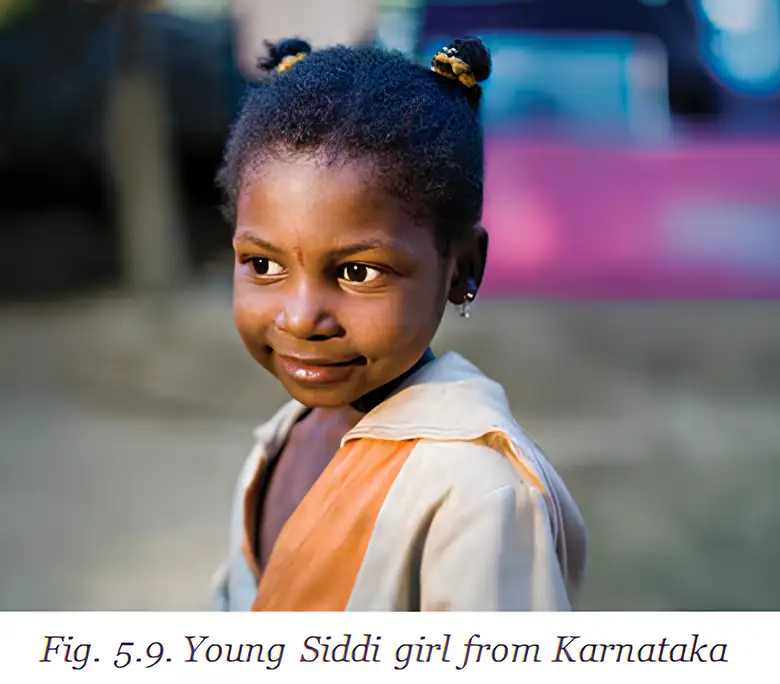
The Siddis are descendants of Africans brought to India as slaves by Arab, Portuguese, and British traders between the 7th and 19th centuries. Some gained prominence in armies and ruled parts of Bengal briefly. Their culture is a fusion of African and Indian traditions, including distinctive dance and music. They have integrated into Indian society but face economic challenges.
Exam Question
Q: What are some cultural features of the Siddi community?
A: The Siddis have African-style drumming and dance, wear traditional clothing, and have blended African religious practices with Hinduism, Islam, or Christianity.
The Armenians in India
Armenian merchants traded in Indian spices and muslins and established settlements on the Malabar coast in the 8th century. During the Mughal era, Armenians gained patronage and settled in cities like Agra, Surat, Kolkata, and Chennai. They built churches, schools, and contributed to commerce and administration. Their legacy remains in places like Armenian Street in Chennai and the Armenian College in Kolkata.

Exam Question
Q: How did Armenians contribute to Indian society during the Mughal period?
A: Armenians served in the royal household, army, and administration, built churches and schools, and played important roles in trade and culture.
The Baha’i Faith in India
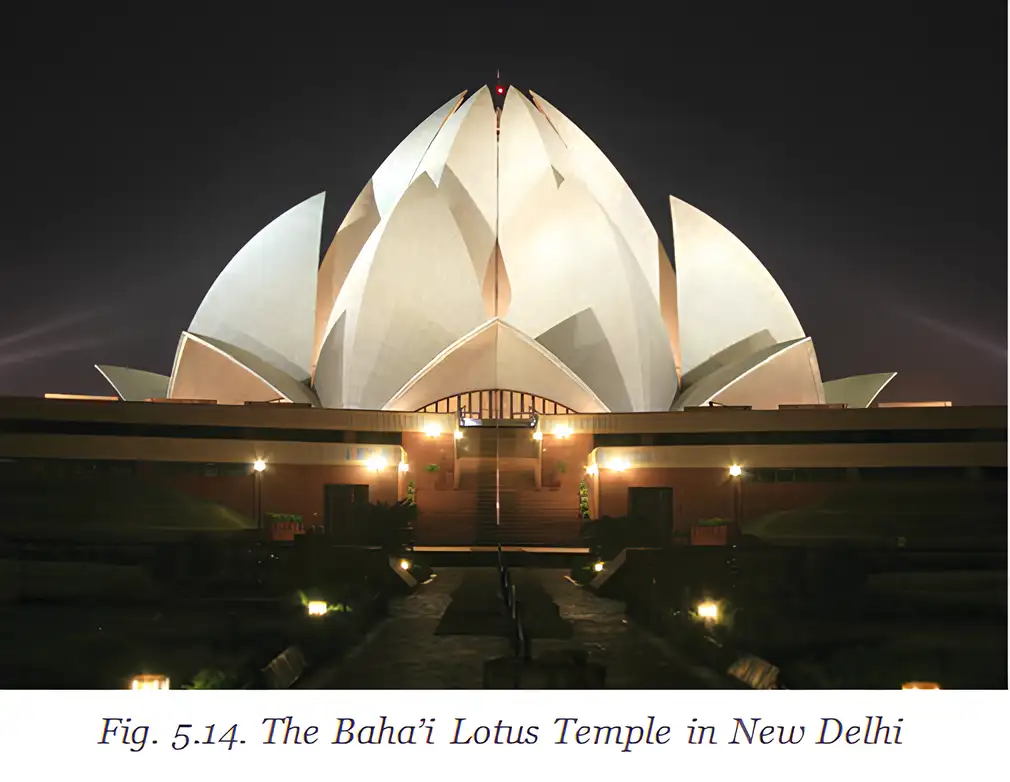
The Baha’i faith began in Persia in the 19th century, promoting unity and harmony among all people. Facing persecution in Iran, many Baha’is came to India, where the faith grew. The Baha’i Lotus Temple in New Delhi is a symbol of this inclusive faith welcoming people of all religions.
Exam Question
Q: What message does the Baha’i faith promote?
A: The Baha’i faith promotes unity among all people and harmony between religions.
The Good Maharaja and Polish Children
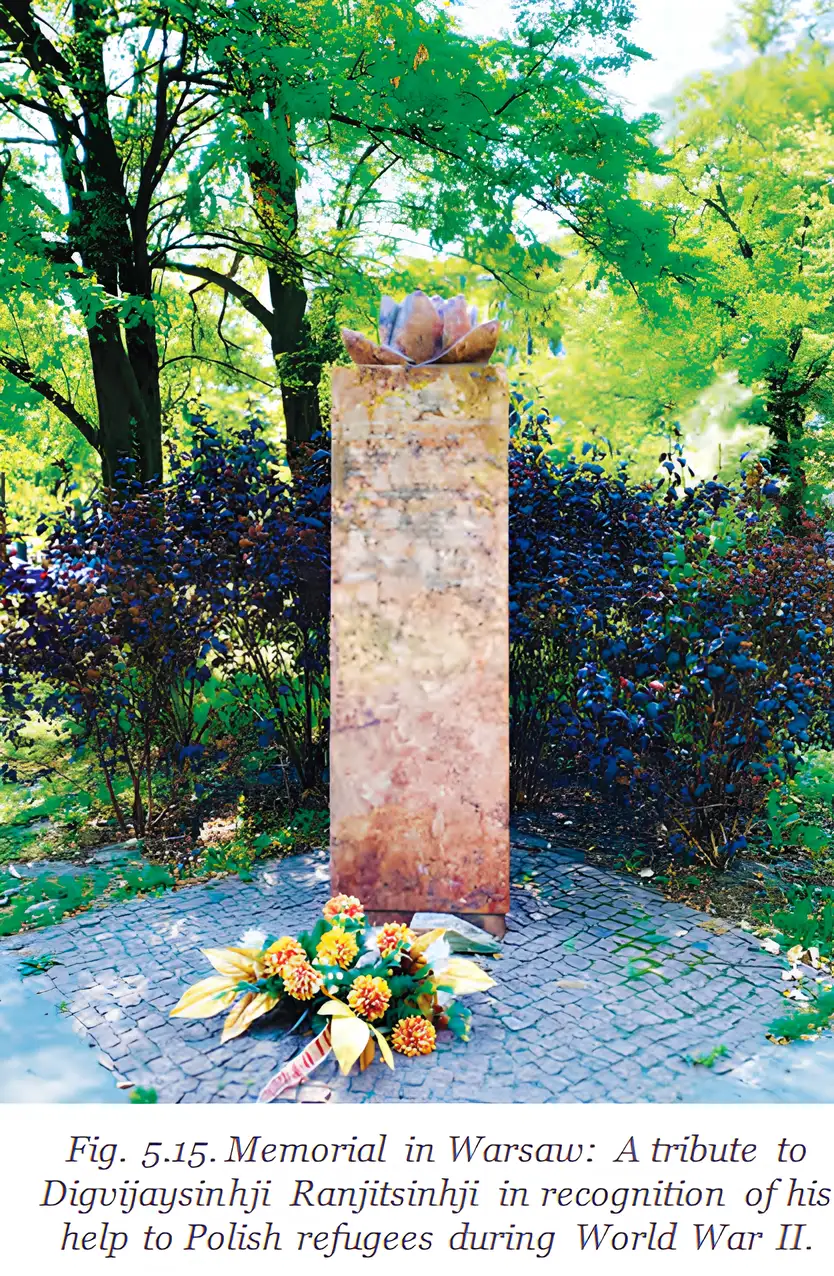
During World War II, the Maharaja of Nawanagar, Digvijaysinhji Ranjitsinhji Jadeja, rescued around a thousand Polish orphans and thousands of refugees, providing them shelter and care in India. His kindness is commemorated by a monument in Warsaw, Poland.
Exam Question
Q: How did the Maharaja of Nawanagar help during World War II?
A: He rescued Polish orphans and refugees, providing them with shelter, food, and care in his state.
Tibetan Refugees in India
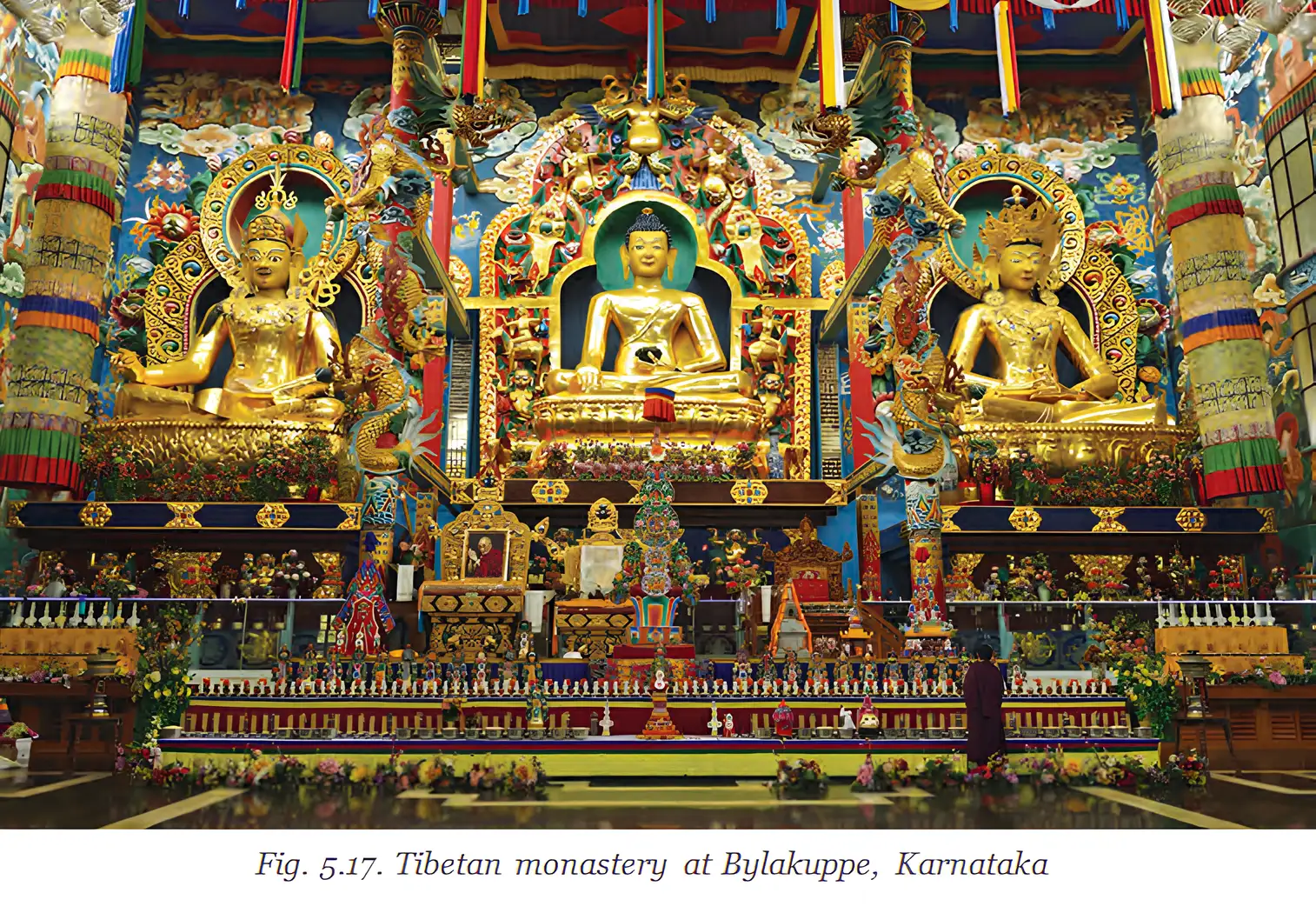
Tibetans have a long history of cultural and religious ties with India. After the Chinese annexation of Tibet in 1950 and the 1959 uprising, the 14th Dalai Lama fled to India and was granted asylum. Tibetan refugees have since established settlements, monasteries, and institutions in India, preserving their culture and contributing to Indian society.
Exam Question
Q: What are the Four Commitments of the Dalai Lama?
A: The Four Commitments are promoting human values like compassion and tolerance, religious harmony, preservation of Tibetan culture, and revival of India’s civilisational heritage.
Indian Values and Cultural Integration
India’s tradition of compassion, acceptance, and the philosophy of vasudhaiva kutumbakam have enabled diverse communities to find a secure place and maintain their traditions. Indian values such as atithi devo bhava (a guest is like God) and sarve bhavantu sukhinah (may all beings be happy) have universal relevance and have helped India develop a reputation as a compassionate country.
Exam Question
Q: How do Indian values contribute to its cultural diversity?
A: Indian values promote acceptance and compassion, allowing diverse communities to live peacefully and maintain their traditions, enriching the country’s cultural fabric.
Solved Examples
- Example: Explain why the Parsis were welcomed by the Raja of Sanjan.
- Answer: The Parsis were welcomed because they assured the Raja that they would blend into the society without causing disruption, symbolized by dissolving sugar in milk without spilling it, showing respect and willingness to integrate.
- Example: Describe the significance of the Cheraman Juma Masjid.
- Answer: The Cheraman Juma Masjid is one of the oldest mosques in India, built by early Arab settlers, symbolizing peaceful trade relations and cultural exchange between Arabs and Indians.
Practice Set
Easy
- Who are the Bene Israel?
- What does vasudhaiva kutumbakam mean?
Moderate
- Explain the legend of the milk and sugar related to the Parsis.
- Why did Syriac Christians come to India?
Challenging
- Discuss the role of the Maharaja of Nawanagar during World War II.
- How have Tibetan refugees contributed to Indian society?
Answer Key
- The Bene Israel are a Jewish community that settled on the Konkan coast of India.
- Vasudhaiva kutumbakam means "the whole world is family."
- The legend signifies that the Parsis would blend into Indian society without causing disruption, enriching it.
- Syriac Christians fled persecution in West Asia and sought refuge in India to practice their faith freely.
- The Maharaja rescued Polish orphans and refugees during World War II, providing them shelter and care.
- Tibetan refugees have preserved their culture, established monasteries, and contributed to Indian society.
Quick Reference
- Bene Israel: Jewish community settled in Konkan coast.
- Syriac Christians: Christian refugees settled in Kerala.
- Parsis: Followers of Zoroastrianism who settled in Gujarat.
- Mappila Muslims: Arab traders’ descendants in Kerala.
- Siddis: African-origin community in India.
- Armenians: Merchants and settlers in Mughal India.
- Baha’i Faith: Religion promoting unity, with a temple in Delhi.
- Dalai Lama: Tibetan spiritual leader in exile in India.
Glossary
- Vasudhaiva Kutumbakam
- The idea that the whole world is one family.
- Synagogue
- A Jewish place of worship.
- Heretic
- A person holding beliefs contrary to the dominant religious view.
- Persecution
- Hostility or harassment due to religious or social motives.
- Zoroastrianism
- An ancient religion founded by Zarathushtra, worshipping Ahura Mazda.
- Jizya
- A tax historically levied on non-Muslims in Islamic states.
- Dalai Lama
- The spiritual leader of Tibetan Buddhism and former ruler of Tibet.
- AYUSH
- Government program supporting traditional Indian systems of medicine.
Chronology of Migrant Communities in India
| Time Period / Year | Event / Change | Importance |
|---|---|---|
| ~175 BCE | Bene Israel Jewish community settles on Konkan coast | Oldest Jewish community in India; preservation of faith |
| 4th Century CE | Syriac Christians migrate to Malabar coast | Religious refuge; establishment of Syrian Christian community |
| 7th-10th Century CE | Parsis arrive in Gujarat fleeing persecution in Persia | Introduction of Zoroastrianism; cultural integration |
| 7th Century onwards | Arab merchants settle along west coast | Trade expansion; formation of Mappila Muslim community |
| 7th-19th Century CE | Siddis brought as slaves; later integrate | Cultural fusion of African and Indian traditions |
| 8th Century | Armenian merchants establish settlements in India | Trade and cultural contributions during Mughal era |
| Late 19th Century | Baha’i faith arrives in India | Promotion of religious unity and harmony |
| 1942-1946 | Maharaja of Nawanagar shelters Polish orphans | Humanitarian aid during World War II |
| 1959 onwards | Tibetan refugees settle in India | Preservation of Tibetan culture and Buddhism |