CLASS 7 . SCIENCE . CURIOSITY . THE WORLD-OF-METALS-AND-NON-METALS
Chapter 4 : The World of Metals and Non-metals
Ch 4
SCIENCE
CLASS 7
Metals
Introduction to Metals
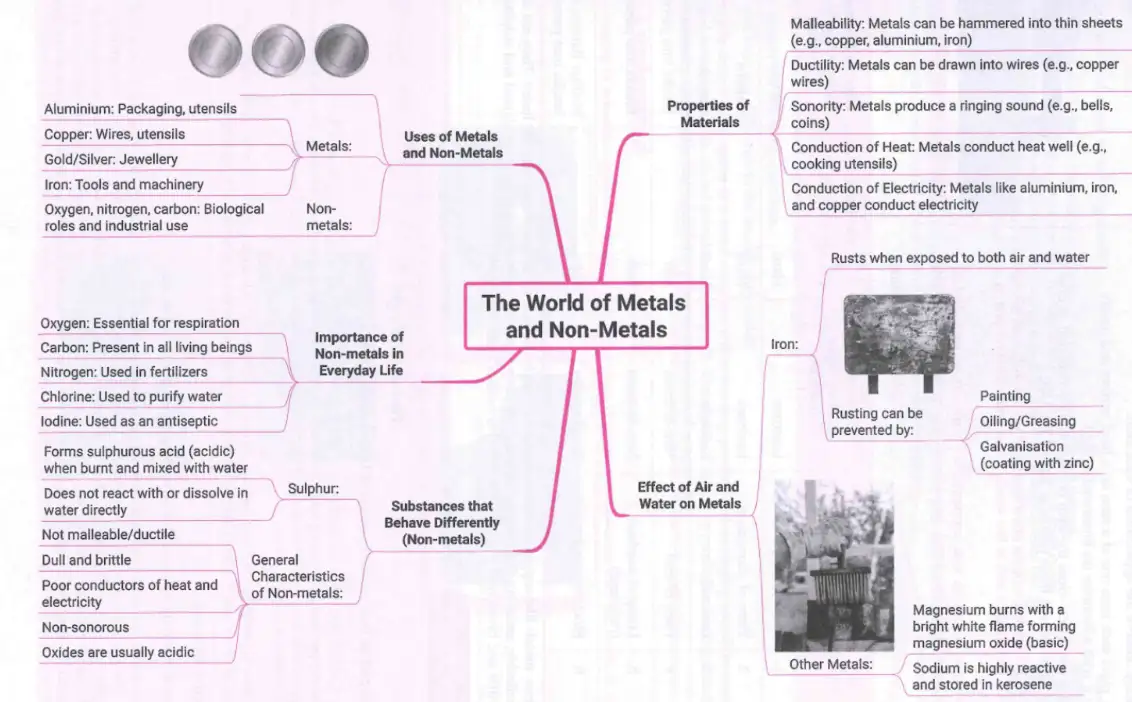
Metals are hard, shiny materials commonly used in daily life for making tools, utensils, and structures. They have unique properties such as malleability, ductility, sonority, and good conduction of heat and electricity. Traditional artisans heat metals like iron until they become soft and malleable, allowing them to shape the metal into useful objects.
Properties of Metals
Malleability: Metals can be hammered into thin sheets without breaking. This property allows metals to be shaped into various forms.
Ductility: Metals can be drawn into thin wires. This property is useful in making electrical wires and jewelry.
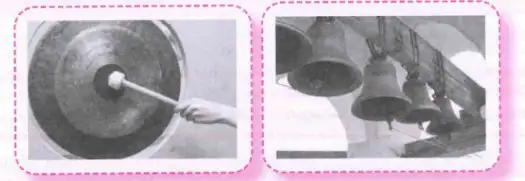
Sonority: Metals produce a clear ringing sound when struck, unlike non-metals which produce dull sounds.
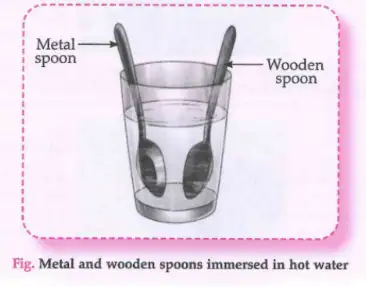
Conduction of Heat and Electricity: Metals conduct heat and electricity efficiently, making them ideal for cooking vessels and electrical components.
Effect of Air and Water on Metals
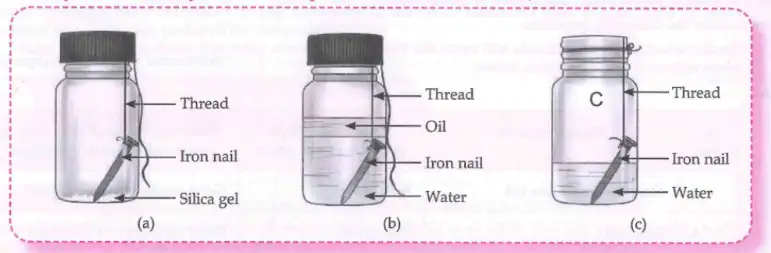
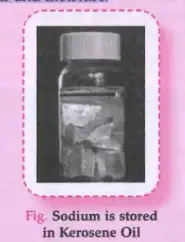
Iron reacts with air and water to form rust, a brown deposit that weakens the metal. Rusting can be prevented by painting, oiling, or galvanizing (coating with zinc). Other metals like magnesium burn in air, and sodium is highly reactive, stored under kerosene to prevent reactions with air and water.
Solved Examples
Example 1: Explain why copper is used for electrical wiring.
Solution: Copper is ductile, allowing it to be drawn into thin wires. It also conducts electricity well, making it suitable for electrical wiring.
Example 2: Describe how rusting of iron can be prevented.
Solution: Rusting occurs when iron reacts with air and water. It can be prevented by applying paint or oil to block air and water, or by galvanizing iron with a zinc coating which protects it from rust.
Practice Set
- Level 1: What property of metals allows them to be hammered into thin sheets?
- Level 2: Why do metals produce a ringing sound when struck?
- Level 3: Explain why sodium is stored under kerosene oil.
Answer Key
- Level 1: Malleability allows metals to be hammered into thin sheets.
- Level 2: Metals produce a ringing sound due to their sonority, which is the ability to vibrate and produce clear sounds.
- Level 3: Sodium is highly reactive with air and water, so it is stored under kerosene oil to prevent contact and avoid dangerous reactions.
Non-metals
Importance of Non-metals
Non-metals are essential in everyday life despite lacking the shine and strength of metals. Oxygen is vital for breathing, carbon forms the basis of all living things, nitrogen is used in fertilizers, chlorine purifies water, and iodine is used as an antiseptic.
Characteristics of Non-metals
Non-metals are generally dull, brittle, and poor conductors of heat and electricity. Their oxides are usually acidic, and they do not react with water like metals do.
Solved Examples
Example 1: Why is oxygen important for living organisms?
Solution: Oxygen is essential for respiration, a process by which living organisms obtain energy from food.
Example 2: What are the properties of non-metals?
Solution: Non-metals are dull, brittle, poor conductors of heat and electricity, and their oxides are acidic.
Practice Set
- Level 1: Name a non-metal that is essential for breathing.
- Level 2: Why are non-metals poor conductors of electricity?
- Level 3: Explain the role of nitrogen in agriculture.
Answer Key
- Level 1: Oxygen is essential for breathing.
- Level 2: Non-metals have no free electrons to carry electric current, making them poor conductors.
- Level 3: Nitrogen is used in fertilizers to provide essential nutrients that help plants grow healthy and strong.
Quick Reference Table
Metals: Malleable, ductile, sonorous, good conductors of heat and electricity, react with air and water (rusting in iron).
Non-metals: Dull, brittle, poor conductors, oxides are acidic, essential for life processes.
Rust Prevention: Painting, oiling, galvanization.
Important Non-metals: Oxygen (breathing), Carbon (life), Nitrogen (fertilizers), Chlorine (water purification), Iodine (antiseptic).
Common Mistakes and Misconceptions
1. Not all shiny materials are metals; some non-metals can appear shiny but lack metallic properties.
2. Rusting only occurs when both air and water are present; exposure to air or water alone does not cause rust.
3. Metals do not always react the same way with air and water; some metals like magnesium burn in air, while others like sodium are highly reactive.
4. Non-metals are not useless; they play vital roles in life and industry.
Glossary
Metal: Hard, shiny materials that conduct heat and electricity.
Non-metal: Dull, brittle materials that do not conduct heat or electricity well.
Malleability: Ability to be hammered into thin sheets.
Ductility: Ability to be drawn into wires.
Sonority: Ability to produce ringing sound when struck.
Rusting: Formation of brown deposits on iron due to reaction with air and water.
Galvanisation: Coating iron with zinc to prevent rusting.