CLASS 7 . SCIENCE . CURIOSITY . LIGHT SHADOWS-AND-REFLECTIONS
Chapter 11 : Light: Shadows and Reflections
Ch 11
SCIENCE
CLASS 7
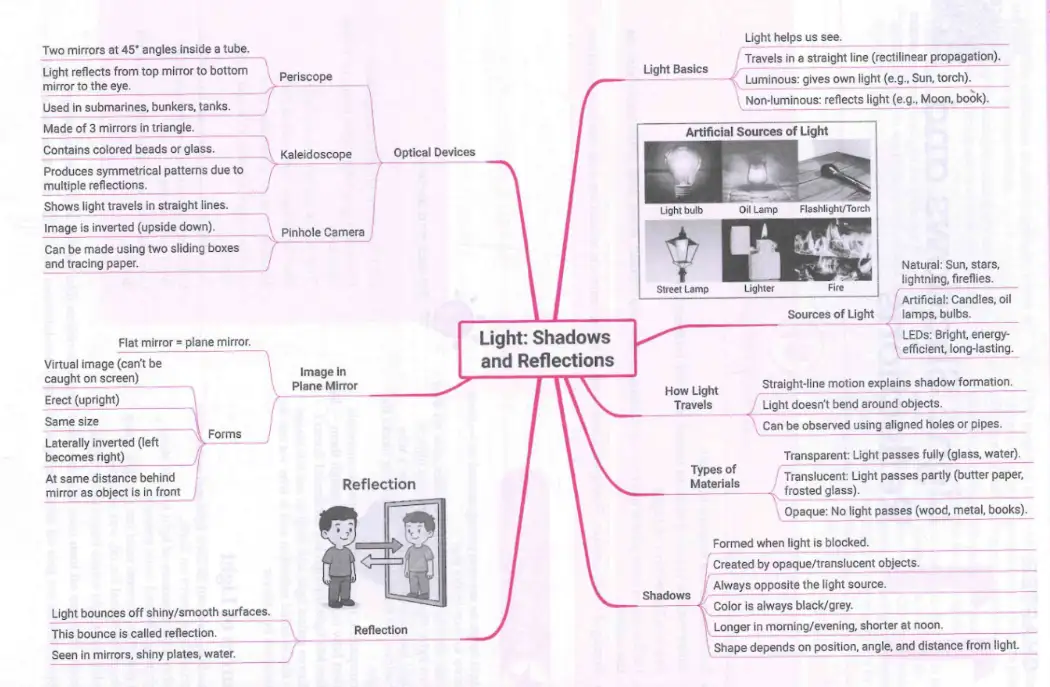
Light Basics
Introduction to Light
Light is a form of energy that enables us to see the world around us. It travels in straight lines and can be produced by luminous objects like the Sun or bulbs, or reflected by non-luminous objects like the Moon or a book.
Sources of Light
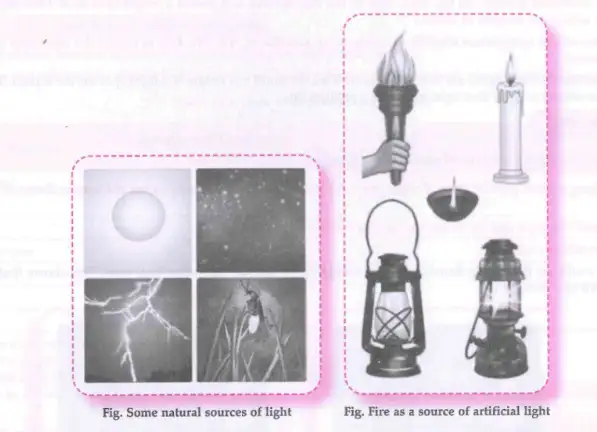
Natural sources of light include the Sun, stars, lightning, and fireflies. Artificial sources are man-made, such as bulbs, lamps, and LED lights. LEDs are energy-efficient, produce bright light, and last longer than traditional bulbs.
Propagation of Light
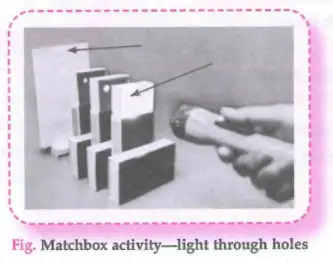
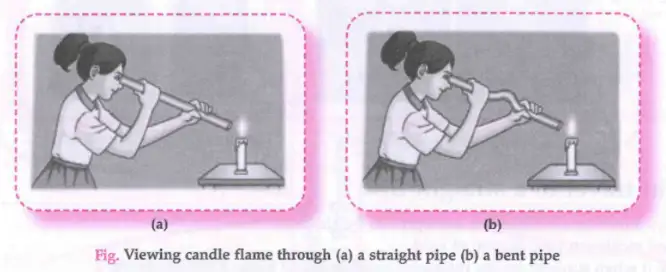
Light travels in straight lines, a property known as rectilinear propagation. This explains phenomena like shadows, which form when an object blocks the path of light.
Types of Materials
Materials are classified based on how they interact with light:
- Transparent: Allow all light to pass through clearly (e.g., clear glass, clean water).
- Translucent: Allow some light to pass but scatter it, causing blurry images (e.g., frosted glass, butter paper).
- Opaque: Do not allow light to pass through (e.g., wood, books).
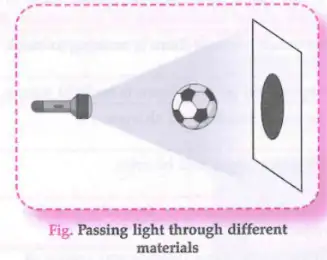
Shadows
Shadows are dark areas formed when light is blocked by opaque or translucent objects. They appear on the side opposite the light source and change in size and shape depending on the position of the light.
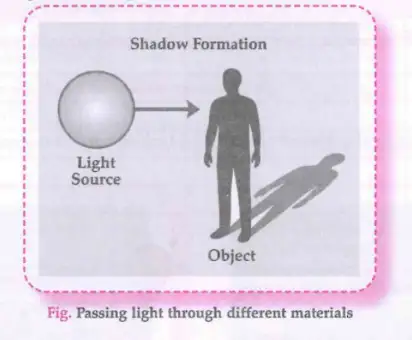
Reflection
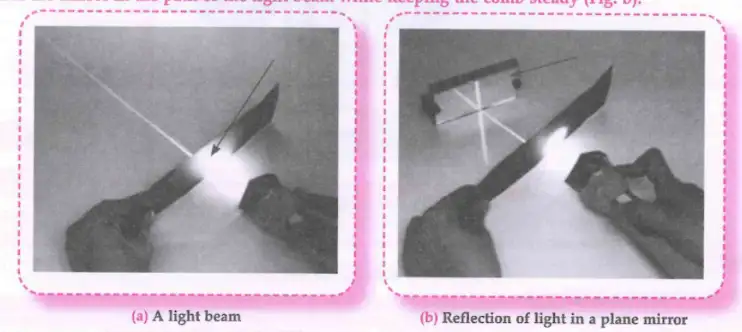
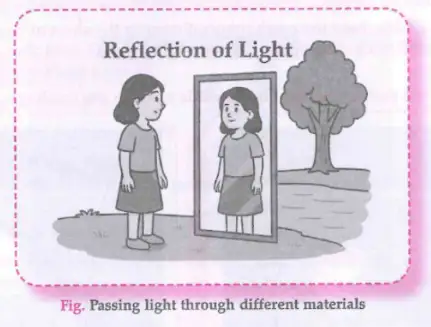
Reflection is the bouncing back of light from smooth, shiny surfaces like mirrors or water. It allows us to see images of ourselves and other objects.
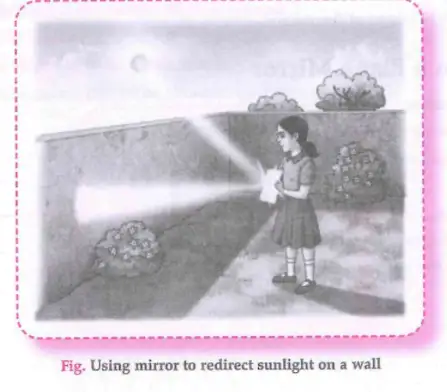
Images in Plane Mirrors
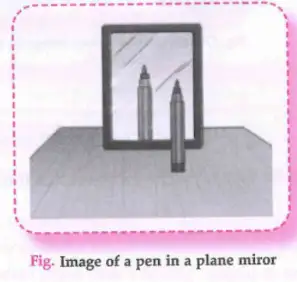
Plane mirrors form virtual, upright images that are the same size as the object but laterally inverted (left-right reversed). The image appears the same distance behind the mirror as the object is in front.
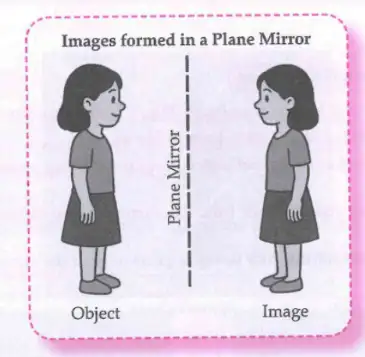
Optical Devices
Devices like periscopes, kaleidoscopes, and pinhole cameras use principles of light and reflection to function. Periscopes use two mirrors at 45° angles to see over obstacles. Kaleidoscopes create symmetrical patterns using multiple reflections. Pinhole cameras form inverted images by allowing light through a small hole.
Solved Examples
Example 1: Identifying Material Types
Q: Classify the following materials as transparent, translucent, or opaque: clear glass, frosted glass, and wood.
A: Clear glass is transparent because it allows all light to pass through clearly. Frosted glass is translucent as it allows some light but scatters it. Wood is opaque because it does not allow light to pass through.
Example 2: Explaining Shadow Changes
Q: Why do shadows change size during the day?
A: Shadows change size because the Sun's position changes throughout the day. In the morning and evening, the Sun is low, causing longer shadows. At noon, the Sun is overhead, making shadows shorter.
Example 3: Pinhole Camera Image Formation
Q: How does a pinhole camera form an inverted image?
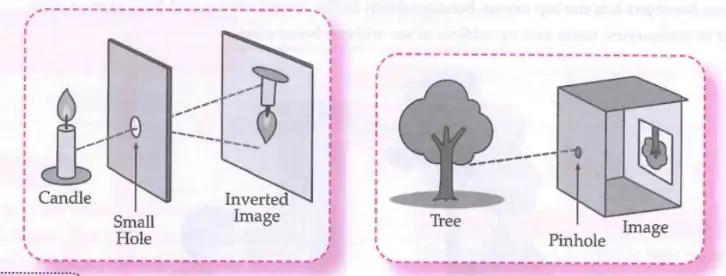
A: Light rays from the top and bottom of the object pass through the small pinhole and cross inside the camera. This crossing causes the image to appear upside down (inverted) on the screen opposite the hole.
Practice Set
- Level 1 – Easy: What are the three types of materials based on light transmission? Give one example of each.
- Level 2 – Moderate: Explain why shadows change size during the day.
- Level 3 – Challenging: Describe how a pinhole camera forms an inverted image using the straight-line propagation of light.
Answer Key
- Level 1: Transparent (e.g., glass), Translucent (e.g., frosted glass), Opaque (e.g., wood).
- Level 2: Shadows change size because the Sun’s position changes during the day, altering the angle and length of the shadow.
- Level 3: Light rays from the top and bottom of the object pass through the small pinhole and cross, forming an inverted image on the screen opposite the hole.
Shadow Formation
How Shadows Form
Shadows are formed when an opaque or translucent object blocks the path of light. Since light travels in straight lines, the area behind the object where light cannot reach becomes dark, creating a shadow.
Properties of Shadows
Shadows are always formed on the side opposite the light source. Their size and shape depend on the object's shape and the position of the light source. Shadows are black or grey regardless of the object's color.
Activities Demonstrating Shadows
Using opaque objects and a light source, one can observe how shadows change when the object or light source is moved closer or farther from the screen.
Solved Examples
Example 1: Identifying Material Types
Q: Classify the following materials as transparent, translucent, or opaque: clear glass, frosted glass, and wood.
A: Clear glass is transparent because it allows all light to pass through clearly. Frosted glass is translucent as it allows some light but scatters it. Wood is opaque because it does not allow light to pass through.
Example 2: Explaining Shadow Changes
Q: Why do shadows change size during the day?
A: Shadows change size because the Sun's position changes throughout the day. In the morning and evening, the Sun is low, causing longer shadows. At noon, the Sun is overhead, making shadows shorter.
Example 3: Pinhole Camera Image Formation
Q: How does a pinhole camera form an inverted image?
A: Light rays from the top and bottom of the object pass through the small pinhole and cross inside the camera. This crossing causes the image to appear upside down (inverted) on the screen opposite the hole.
Practice Set
- Level 1 – Easy: What causes a shadow to form?
- Level 2 – Moderate: Why do shadows appear longer in the morning and evening?
- Level 3 – Challenging: Predict what happens to the shadow if the object is moved closer to the light source.
Answer Key
- Level 1: A shadow forms when an object blocks the path of light.
- Level 2: Shadows are longer in the morning and evening because the Sun is low in the sky, causing light to strike objects at a shallow angle.
- Level 3: The shadow becomes larger and blurrier as the object moves closer to the light source.
Reflection
Understanding Reflection
Reflection occurs when light rays bounce off a smooth, shiny surface like a mirror. This phenomenon allows us to see images of objects.
Law of Reflection
The angle of incidence (incoming light) equals the angle of reflection (reflected light). This law explains how light behaves when it strikes reflective surfaces.
Applications of Reflection
Reflection is used in devices such as periscopes, kaleidoscopes, and mirrors to see objects or create patterns.
Solved Examples
Example 1: Identifying Material Types
Q: Classify the following materials as transparent, translucent, or opaque: clear glass, frosted glass, and wood.
A: Clear glass is transparent because it allows all light to pass through clearly. Frosted glass is translucent as it allows some light but scatters it. Wood is opaque because it does not allow light to pass through.
Example 2: Explaining Shadow Changes
Q: Why do shadows change size during the day?
A: Shadows change size because the Sun's position changes throughout the day. In the morning and evening, the Sun is low, causing longer shadows. At noon, the Sun is overhead, making shadows shorter.
Example 3: Pinhole Camera Image Formation
Q: How does a pinhole camera form an inverted image?
A: Light rays from the top and bottom of the object pass through the small pinhole and cross inside the camera. This crossing causes the image to appear upside down (inverted) on the screen opposite the hole.
Practice Set
- Level 1 – Easy: What is reflection of light?
- Level 2 – Moderate: State the law of reflection.
- Level 3 – Challenging: Explain how a periscope uses reflection to help see over obstacles.
Answer Key
- Level 1: Reflection is the bouncing back of light from a surface.
- Level 2: The angle of incidence equals the angle of reflection.
- Level 3: A periscope uses two mirrors at 45° angles; light reflects from the top mirror down to the bottom mirror and then to the viewer’s eyes, allowing them to see over obstacles.
Images in Plane Mirror
Characteristics of Images
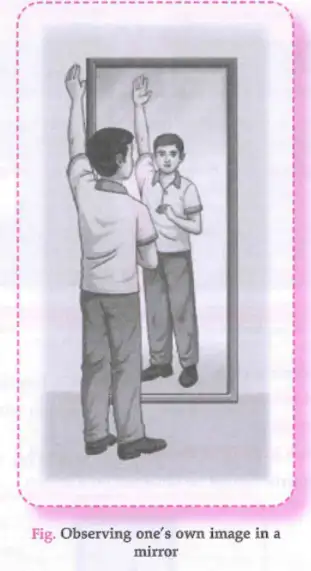
Images formed by plane mirrors are virtual (cannot be projected on a screen), upright, the same size as the object, laterally inverted, and appear the same distance behind the mirror as the object is in front.
Image Formation Process
Light rays from the object reflect off the mirror and appear to come from behind it, creating the image.
Observations and Activities
By moving objects in front of a plane mirror, one can observe that the image size remains constant and the image moves correspondingly.
Solved Examples
Example 1: Identifying Material Types
Q: Classify the following materials as transparent, translucent, or opaque: clear glass, frosted glass, and wood.
A: Clear glass is transparent because it allows all light to pass through clearly. Frosted glass is translucent as it allows some light but scatters it. Wood is opaque because it does not allow light to pass through.
Example 2: Explaining Shadow Changes
Q: Why do shadows change size during the day?
A: Shadows change size because the Sun's position changes throughout the day. In the morning and evening, the Sun is low, causing longer shadows. At noon, the Sun is overhead, making shadows shorter.
Example 3: Pinhole Camera Image Formation
Q: How does a pinhole camera form an inverted image?
A: Light rays from the top and bottom of the object pass through the small pinhole and cross inside the camera. This crossing causes the image to appear upside down (inverted) on the screen opposite the hole.
Practice Set
- Level 1 – Easy: What type of image is formed by a plane mirror?
- Level 2 – Moderate: Why is the image in a plane mirror laterally inverted?
- Level 3 – Challenging: Describe how the distance of the image from the mirror relates to the distance of the object.
Answer Key
- Level 1: A virtual, upright, same-size image.
- Level 2: Because the mirror reverses the left and right sides of the object.
- Level 3: The image appears at the same distance behind the mirror as the object is in front of it.
Pinhole Camera
Working Principle
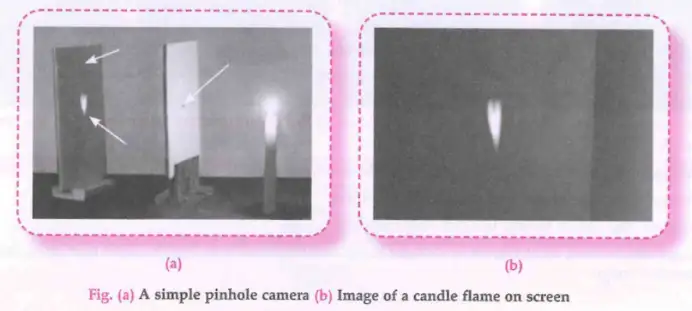
A pinhole camera forms an image by allowing light rays from an object to pass through a tiny hole and project onto a screen inside the camera. The image formed is inverted due to the crossing of light rays.
Construction and Use
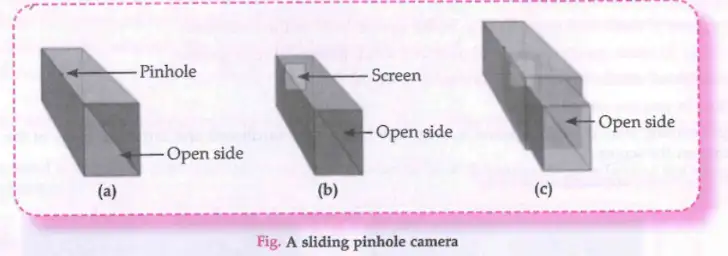
It can be made using two cardboard boxes, a small hole, and a translucent screen. By adjusting the distance between the hole and screen, the image clarity and size can be changed.
Image Characteristics
The image is inverted, smaller, and shows the shape and outline of the object, sometimes with faint colors.
Solved Examples
Practice Set
- Level 1 – Easy: Why is the image in a pinhole camera inverted?
- Level 2 – Moderate: How does the size of the pinhole affect the image?
- Level 3 – Challenging: Explain how light’s straight-line travel leads to image formation in a pinhole camera.
Answer Key
- Level 1: Because light rays from the top and bottom of the object cross at the pinhole.
- Level 2: A smaller pinhole produces a sharper image but less brightness; a larger pinhole increases brightness but reduces sharpness.
- Level 3: Light travels in straight lines through the pinhole, causing rays from different parts of the object to cross and form an inverted image on the screen.
Optical Devices
Periscope
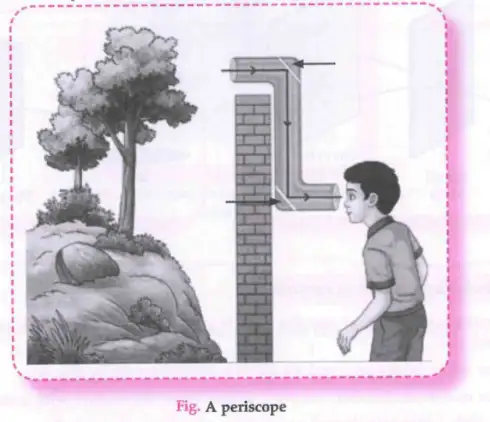
A periscope uses two mirrors placed at 45° angles inside a tube to allow viewing over or around obstacles. Light reflects from the top mirror to the bottom mirror and then to the observer’s eyes.
Kaleidoscope
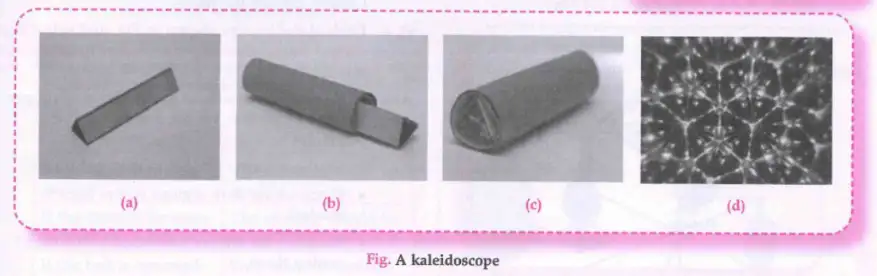
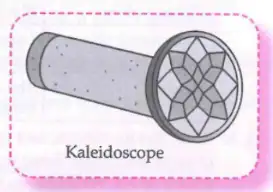
A kaleidoscope contains three mirrors arranged in a triangular tube with colored beads at one end. Rotating the tube changes the patterns formed by multiple reflections.
Applications
These devices demonstrate the principles of reflection and light travel, used in practical and recreational contexts.
Solved Examples
Practice Set
- Level 1 – Easy: What is the function of a periscope?
- Level 2 – Moderate: How do mirrors inside a kaleidoscope create patterns?
- Level 3 – Challenging: Explain the path of light in a periscope.
Answer Key
- Level 1: To see over or around obstacles.
- Level 2: Mirrors reflect light multiple times, creating symmetrical patterns from the colored beads.
- Level 3: Light from the object hits the top mirror, reflects down to the bottom mirror, and then reflects into the observer’s eyes.
Quick Reference Table
Light Basics: Light travels in straight lines; sources can be luminous or non-luminous.
Materials: Transparent (clear glass), Translucent (frosted glass), Opaque (wood).
Shadow: Formed when light is blocked; size depends on light source position.
Reflection: Light bounces off smooth surfaces; angle of incidence equals angle of reflection.
Plane Mirror Image: Virtual, upright, same size, laterally inverted, equal distance behind mirror.
Pinhole Camera: Forms inverted image by allowing light through a small hole.
Optical Devices: Periscope (two mirrors at 45°), Kaleidoscope (three mirrors in triangle), Pinhole Camera (small hole image formation).
Common Mistakes and Misconceptions
• Thinking shadows are colored; shadows are always black or grey.
• Believing light bends around objects; light travels in straight lines.
• Assuming images in plane mirrors can be caught on a screen; they are virtual and cannot be projected.
• Confusing lateral inversion with upside-down images; plane mirrors reverse left and right, not top and bottom.
• Expecting pinhole camera images to be upright; they are inverted due to light crossing.
Glossary
Luminous Object: An object that produces its own light.
Non-Luminous Object: An object that does not produce light but reflects it.
Rectilinear Propagation: The property of light traveling in straight lines.
Transparent Material: Allows all light to pass through clearly.
Translucent Material: Allows some light to pass but scatters it.
Opaque Material: Does not allow light to pass through.
Shadow: Dark area formed when light is blocked.
Reflection: Bouncing back of light from a surface.
Virtual Image: An image that cannot be projected on a screen.
Lateral Inversion: Left-right reversal of an image in a plane mirror.
Pinhole Camera: A device that forms an inverted image using a small hole.