CLASS 7 . SCIENCE . CURIOSITY . CHANGES AROUND-US-PHYSICAL-AND-CHEMICAL
Chapter 5 : Changes Around Us: Physical and Chemical
Ch 5
SCIENCE
CLASS 7
Physical Changes
Definition and Characteristics
Physical changes are changes that affect the size, shape, or state of a substance without forming any new substance. These changes are usually reversible and do not alter the chemical composition of the material.
Examples of Physical Changes
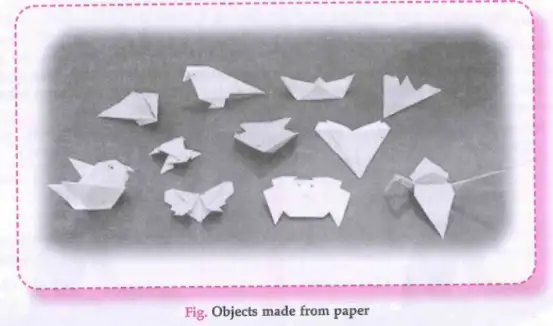
Common examples include melting of ice, boiling of water, chopping vegetables, folding paper, inflating a balloon, and crushing chalk. In these cases, the substance retains its original properties even though its form may change.
Processes Involved
Physical changes involve changes in physical properties such as shape, size, and state (solid, liquid, gas). No new substances are formed during these changes.
Chemical Changes
Definition and Characteristics
Chemical changes result in the formation of one or more new substances with different properties from the original substances. These changes are usually irreversible and involve chemical reactions.
Examples of Chemical Changes
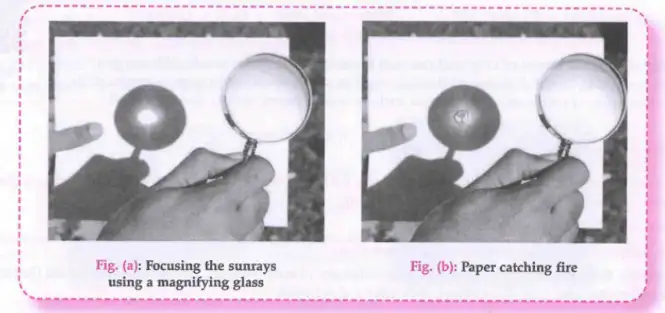
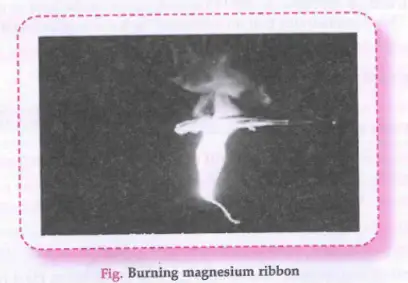
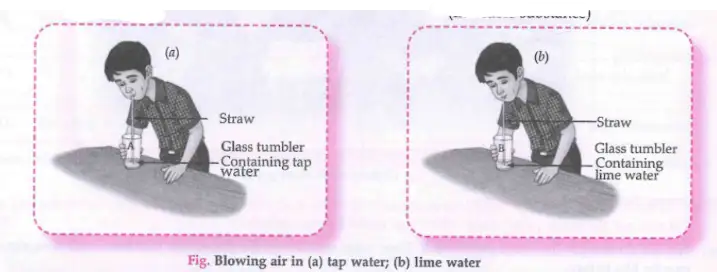
Examples include burning wood, rusting of iron, reaction between baking soda and vinegar, combustion of magnesium, and the reaction of carbon dioxide with lime water. These changes produce new substances such as ash, rust, carbon dioxide, and magnesium oxide.
Key Chemical Processes
Important chemical processes include rusting, combustion, and chemical reactions that produce new substances. For example, rusting occurs when iron reacts with oxygen and moisture to form iron oxide.
Solved Examples
Example 1: Identify whether melting of ice is a physical or chemical change.
Solution: Melting of ice changes solid water into liquid water without forming a new substance. Hence, it is a physical change.
Example 2: Write the chemical equation for rusting of iron.
Solution: The rusting of iron can be represented as:
4Fe + 3O2 + 6H2O → 4Fe(OH)3 (rust)
Example 3: Explain why burning magnesium ribbon is a chemical change.
Solution: When magnesium ribbon burns, it reacts with oxygen to form magnesium oxide, a new substance. This reaction releases heat and light, indicating a chemical change.
Practice Set
- Level 1 (Easy): Is boiling water a physical or chemical change? Explain your answer.
- Level 2 (Moderate): Describe the process of rusting and list the conditions necessary for it to occur.
- Level 3 (Challenging): A piece of magnesium ribbon is burned in air. Write the chemical equation for the reaction and explain the changes observed.
Answer Key
Level 1: Boiling water is a physical change because it changes water from liquid to gas without forming a new substance.
Level 2: Rusting is a chemical change where iron reacts with oxygen and moisture to form iron oxide (rust). Conditions necessary are the presence of iron, oxygen, and water.
Level 3: The chemical equation is 2Mg + O2 → 2MgO. Magnesium burns with a bright white flame, producing magnesium oxide, a new substance, indicating a chemical change.
Quick Reference Table
Physical Changes: Changes in size, shape, or state without new substances. Examples: melting, boiling, folding.
Chemical Changes: Formation of new substances with different properties. Examples: rusting, combustion, baking soda and vinegar reaction.
Rusting: 4Fe + 3O2 + 6H2O → 4Fe(OH)3
Combustion: Fuel + Oxygen → Heat + Light + New Substances
Reversible Changes: Original form can be restored (e.g., melting and freezing).
Irreversible Changes: Original form cannot be restored (e.g., burning, rusting).
Common Mistakes and Misconceptions
1. Confusing physical changes with chemical changes. Remember, physical changes do not form new substances.
2. Assuming all changes are reversible; many chemical changes are irreversible.
3. Believing rusting is only caused by oxygen; moisture is also essential.
4. Thinking combustion only produces heat; it also produces light and new substances.
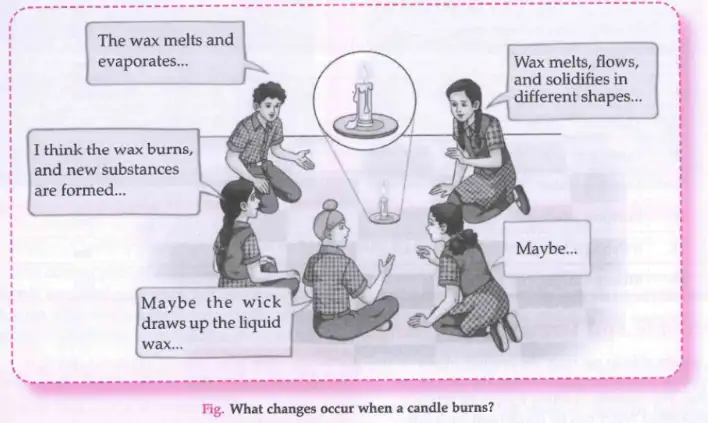
5. Overlooking that some processes involve both physical and chemical changes, such as burning a candle.
Glossary
Chemical Change: A change that produces new substances with different properties.
Physical Change: A change affecting size, shape, or state without new substances.
Rusting: Chemical reaction of iron with oxygen and moisture forming iron oxide.
Combustion: Chemical reaction with oxygen producing heat and light.
Reversible Change: Change where original form can be restored.
Irreversible Change: Change where original form cannot be restored.
Combustible Substance: Material that can catch fire and burn.
Fire Triangle: The three elements needed for combustion: fuel, oxygen, and heat.