CLASS 6 . SCIENCE . CURIOSITY . DIVERSITY IN-THE-LIVING-WORLD
Chapter 2 : DIVERSITY IN THE LIVING WORLD
Ch 2
SCIENCE
CLASS 6
Selflessness Metaphor
Verse Explanation
The verse from ancient Indian literature uses the example of trees that stand in the sun and provide shade and fruits to others. Despite facing damage, trees continue to grow and support others, symbolizing resilience and selflessness.
Connection to Biodiversity
This metaphor reflects the interconnectedness of all living organisms in biodiversity, where each species contributes to the ecosystem's balance and welfare.
Biodiversity Introduction
Definition
Biodiversity is the variety of life forms on Earth, including plants, animals, fungi, and microorganisms, along with their interactions within ecosystems.
Significance
Biodiversity ensures ecosystem stability by providing essential services such as pollination, nutrient cycling, and climate regulation. It also holds cultural, aesthetic, and economic value for humans.
Nature Walk Experience
Participants and Objective
The walk includes a scientist, a local elder, and students aiming to observe and learn about biodiversity through direct interaction with nature.
Observations
Students observe diverse flora and fauna, noting plant types, animal behaviors, and natural sounds, highlighting the variety and adaptations of living organisms.
Recording and Respect
Students document their observations carefully without disturbing the environment, emphasizing respect for nature.
Concept of Diversity
Diversity is seen in the unique characteristics and ecological roles of each organism, contributing to ecosystem balance and health.
Diversity in the Living World
Biodiversity and Grouping
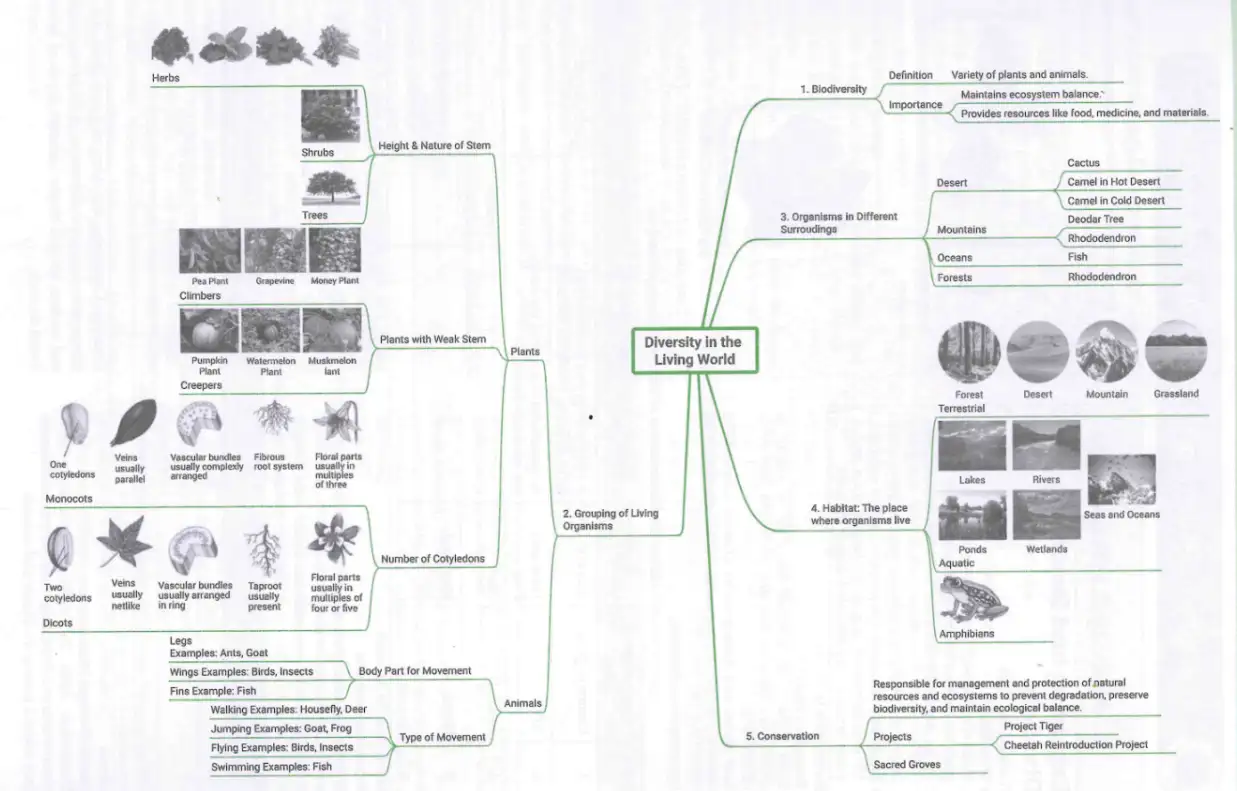
Biodiversity encompasses the variety of plants and animals, which are grouped based on characteristics such as stem type, leaf shape, movement, and habitat.
Organisms in Different Surroundings
Plants and animals adapt to various environments like deserts, mountains, oceans, and forests, each with unique features suited to their habitats.
Habitats and Conservation
Habitats are natural homes of organisms, either terrestrial or aquatic. Conservation efforts protect these habitats and maintain biodiversity.
Plant Diversity
Exploring and Recording
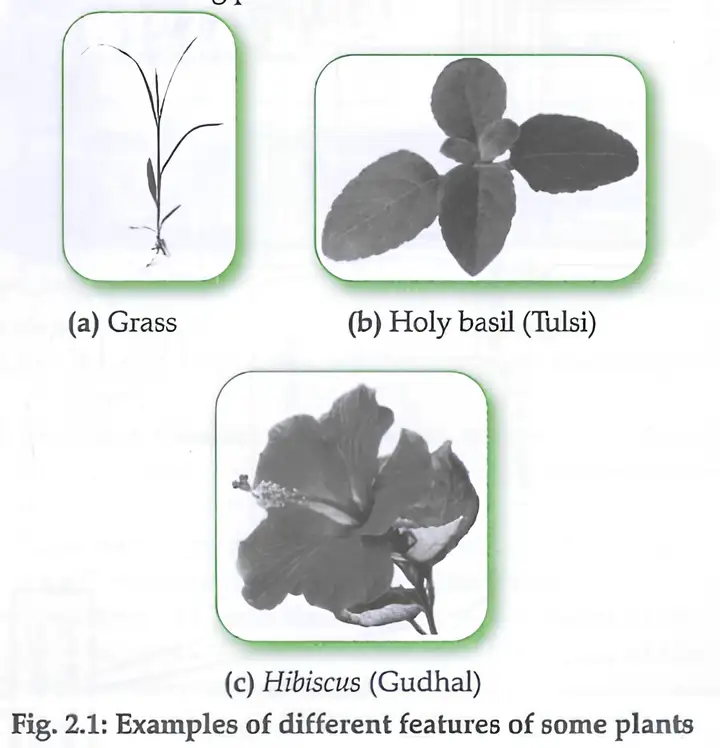
Students observe and document plant features such as stem type, leaf shape, arrangement, and flowers to understand diversity.
Plant Categories
Plants are categorized as herbs, shrubs, trees, climbers, and creepers based on stem characteristics and growth patterns.
Root Systems and Leaf Venation
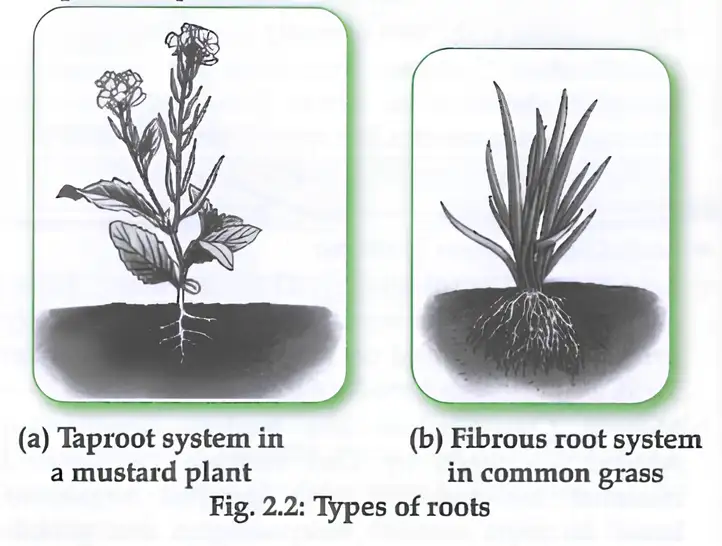
Plants have taproot or fibrous root systems and exhibit reticulate or parallel leaf venation, which relate to their classification as dicots or monocots.
Seeds and Cotyledons
Dicot seeds have two cotyledons, while monocot seeds have one, reflecting differences in plant structure and development.
Animal Diversity
Movement and Adaptations
Animals move using legs, wings, fins, or muscular contractions and have adaptations like camouflage and mimicry to survive in their environments.
Grouping Animals
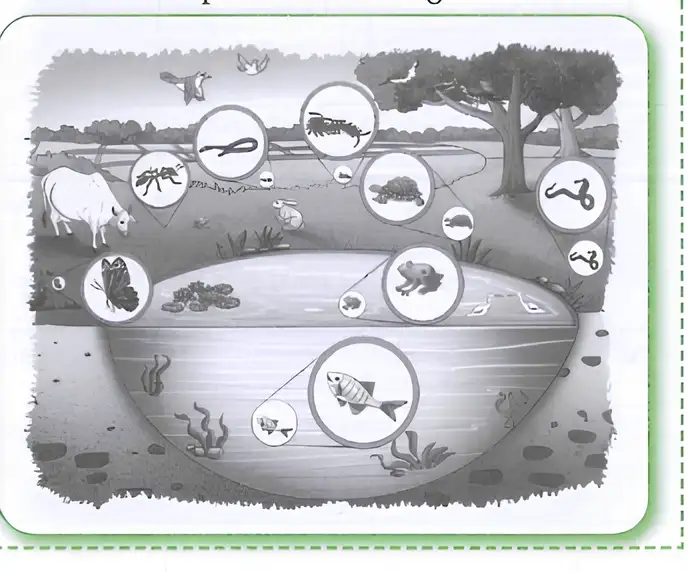
Animals are grouped based on habitat, feeding habits, and body structure, including mammals, reptiles, birds, amphibians, and insects.
Ecological Roles
Animals play roles as producers, consumers, and decomposers, contributing to ecosystem balance.
Conclusion
Recap of Biodiversity
Every species contributes to ecosystem health and balance. Biodiversity hotspots are critical for global ecological stability.
Importance of Grouping
Grouping organisms aids scientific study, classification, and conservation efforts.
Need for Conservation
Threats like habitat destruction, climate change, pollution, and overexploitation endanger biodiversity. Conservation strategies include protected areas, sustainable practices, and public awareness.
Final Thoughts
Respecting all life forms and their roles is essential for preserving the complex web of life sustaining Earth.
Solved Examples
Example 1: Identifying Biodiversity Components
Problem: List three components of biodiversity and explain their significance.
Solution:
- Genetic Diversity: Variation of genes within species, important for adaptability and survival.
- Species Diversity: Variety of species in an ecosystem, ensures ecosystem stability.
- Ecosystem Diversity: Different habitats and ecological processes, supports life-supporting services.
These components together maintain ecological balance and provide resources for humans.
Example 2: Differentiating Root Systems
Problem: Compare taproot and fibrous root systems with examples.
Solution:
- Taproot System: One main thick root growing deep (e.g., carrot, mustard). Provides strong anchorage and access to deep water.
- Fibrous Root System: Many thin roots spreading near surface (e.g., grass, wheat). Prevents soil erosion and absorbs surface water.
Example 3: Explaining Animal Adaptations
Problem: How do camouflage and mimicry help animals survive? Give examples.
Solution:
- Camouflage: Animals blend with surroundings to avoid predators. Example: Chameleon changes color to match environment.
- Mimicry: Animals resemble other species to deter predators. Example: Viceroy butterfly mimics poisonous monarch butterfly.
Practice Set
- Level 1 – Easy: What is biodiversity and why is it important for ecosystems?
- Level 2 – Moderate: Describe the differences between taproot and fibrous root systems with examples.
- Level 3 – Challenging: Explain how animal adaptations like camouflage and mimicry help in survival, giving specific examples.
Answer Key
- Level 1: Biodiversity is the variety of life forms on Earth. It is important because it maintains ecosystem stability, supports essential services like pollination and nutrient cycling, and provides resources for humans.
- Level 2: Taproot systems have one main thick root growing deep into the soil (e.g., carrot, mustard), while fibrous root systems have many thin roots spreading out near the surface (e.g., grass, wheat). Taproots provide strong anchorage and access to deep water, fibrous roots prevent soil erosion and absorb surface water.
- Level 3: Camouflage allows animals to blend into their environment to avoid predators (e.g., chameleon). Mimicry is when an animal resembles another species to deter predators (e.g., viceroy butterfly mimics monarch butterfly). These adaptations increase chances of survival by reducing predation.
Quick Reference Table
Key Concepts
- Biodiversity: Variety of life forms including plants, animals, fungi, and microorganisms.
- Adaptations: Special features or behaviors that help organisms survive in their environment.
- Habitat: Natural environment where an organism lives.
- Ecological Roles: Functions of organisms in ecosystems such as producers, consumers, and decomposers.
- Classification: Grouping organisms based on shared characteristics.
Important Terms and Definitions
- Taproot: A large central root with smaller side roots.
- Fibrous Root: Many thin roots spreading out evenly.
- Reticulate Venation: Leaf veins forming a network, common in dicots.
- Parallel Venation: Leaf veins running side by side, common in monocots.
- Camouflage: Adaptation to blend with environment.
- Mimicry: Resembling another species for protection.
Examples
- Plants: Herbs, shrubs, trees, climbers, creepers.
- Animals: Mammals, reptiles, birds, amphibians, insects.
Common Mistakes and Misconceptions
Common Mistakes
- Confusing taproot and fibrous root systems; taproots have one main root, fibrous roots have many similar-sized roots.
- Mixing up monocots and dicots; monocots have parallel venation and one cotyledon, dicots have reticulate venation and two cotyledons.
- Assuming all animals with wings are birds; insects also have wings but differ in body structure.
- Overlooking the importance of decomposers in ecosystems.
- Misunderstanding camouflage and mimicry as the same; camouflage is blending in, mimicry is imitation of another species.
Misconceptions
- Biodiversity means only the number of species; it also includes genetic and ecosystem diversity.
- All plants with flowers are trees; many herbs and shrubs also have flowers.
- Animals in deserts do not need water; many have adaptations to conserve water but still require it.
- Conservation is only about saving animals; it includes protecting plants, habitats, and ecological processes.
Glossary
- Biodiversity: The variety of life forms in an ecosystem, including plants, animals, and microorganisms.
- Adaptations: Special features or behaviors that help organisms survive in specific environments.
- Habitat: The natural environment where an organism lives and thrives.
- Camouflage: A survival strategy where an organism blends into its environment to avoid predators.
- Mimicry: The resemblance of one organism to another for protection or predatory advantage.
- Taproot: A large central root with smaller side roots, typical of dicot plants.
- Fibrous Root: A root system with many thin roots spreading out, typical of monocot plants.
- Reticulate Venation: Leaf veins forming a network, common in dicots.
- Parallel Venation: Leaf veins running parallel, common in monocots.
- Producers: Organisms like plants that produce their own food through photosynthesis.
- Consumers: Animals that eat plants or other animals.
- Decomposers: Organisms like fungi and bacteria that break down dead material and recycle nutrients.
- Herbs: Small plants with soft, green stems.
- Shrubs: Medium-sized plants with woody stems.
- Trees: Tall plants with hard, woody stems.
- Climbers: Plants that grow upward by attaching to supports.
- Creepers: Plants that spread along the ground.