CLASS 12-PCM . ENGLISH . KALEIDOSCOPE . KUBLA KHAN-OR-A-VISION-IN-A-DREAM-A-FRAGMENT
Chapter 9 : Kubla Khan OR A Vision In A Dream: A Fragment
Ch 9
ENGLISH
CLASS 12-PCM
Introduction to Kubla Khan
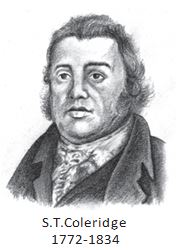
Kubla Khan is a famous poem written by Samuel Taylor Coleridge, a prominent English poet and a co-founder of the Romantic Movement. Born in 1772 and passing away in 1834, Coleridge was known for his imaginative and supernatural themes in poetry. This poem is also known as "A Vision in a Dream: A Fragment" because it was composed after Coleridge experienced a vivid dream and was interrupted while writing it down, leaving the poem incomplete.
The poem describes the construction of a magnificent pleasure dome by Kubla Khan, the Mongol emperor who founded the Mongol dynasty in China in the 13th century. The poem blends real and imaginary elements to create a surreal and mystical atmosphere.
Summary of Kubla Khan
The poem opens with the description of Kubla Khan's decree to build a "stately pleasure-dome" in Xanadu, a place where the sacred river Alph flows through caverns and fertile grounds surrounded by walls and towers. The landscape is vivid with gardens, forests, and a deep romantic chasm that is both enchanting and savage.
The poem then describes a mighty fountain bursting forth with great force, sending huge fragments of rock flying, and the sacred river flowing through the landscape before sinking into a lifeless ocean. Kubla Khan hears ancestral voices prophesying war, and the dome of pleasure floats on the waves, combining elements of ice and sunshine.
In the final part, the poet recalls a vision of an Abyssinian maid playing a dulcimer and singing of Mount Abora. The poet expresses a desire to revive her music and build the pleasure dome in the air, warning others to "Beware! Beware!" of the power of poetic inspiration.
Character Sketch of S.T. Coleridge
Samuel Taylor Coleridge was an imaginative poet from a young age. He studied at Cambridge and was part of the first generation of Romantic poets along with William Wordsworth. Coleridge was known for presenting supernatural elements as real in his poetry, contrasting with Wordsworth's focus on making ordinary reality seem remarkable.
Coleridge's poetry often explores themes of imagination, nature, and the supernatural. His works, including "The Rime of the Ancient Mariner" and "Kubla Khan," have had a lasting impact on English literature.
Themes in Kubla Khan
- Imagination and Creativity: The poem celebrates the power of the poet's imagination to create vivid and fantastical worlds.
- Nature and the Supernatural: The natural landscape is depicted as both beautiful and mysterious, with supernatural elements enhancing the mystical atmosphere.
- Fragmentation and Incompleteness: The poem itself is a fragment, symbolizing the incomplete nature of artistic creation and the interruption of inspiration.
- Power and Grandeur: Kubla Khan's pleasure dome represents imperial power and the grandeur of human achievement.
Literary Devices in Kubla Khan
- Imagery: Vivid descriptions of the pleasure dome, river Alph, gardens, and forests create strong visual images.
- Alliteration: Repetition of consonant sounds, e.g., "sunny spots of greenery," enhances the musical quality.
- Symbolism: The pleasure dome symbolizes human creativity and the sublime.
- Juxtaposition: Contrasting images such as "caves of ice" and "sunny pleasure dome" highlight opposing forces.
- Personification: The earth is described as "breathing" with "fast thick pants," giving life to nature.
- Repetition: Phrases like "Beware! Beware!" emphasize the power and danger of poetic inspiration.
Important Quotes from Kubla Khan
- "In Xanadu did Kubla Khan / A stately pleasure-dome decree:" – Introduction to the setting and Kubla Khan's command.
- "A savage place! as holy and enchanted / As e’er beneath a waning moon was haunted / By woman wailing for her demon-lover!" – Describes the mysterious and supernatural atmosphere.
- "It was a miracle of rare device, / A sunny pleasure dome with caves of ice!" – Highlights the contrast and wonder of the dome.
- "Weave a circle round him thrice, / And close your eyes with holy dread," – Emphasizes the mystical power of the poet's vision.
Explanation of Key Lines
"In Xanadu did Kubla Khan / A stately pleasure-dome decree:" – This opening line sets the scene in the exotic land of Xanadu, where Kubla Khan orders the construction of a magnificent palace, symbolizing human ambition and creativity.
"A savage place! as holy and enchanted / As e’er beneath a waning moon was haunted / By woman wailing for her demon-lover!" – These lines evoke a mysterious and eerie atmosphere, blending the natural and supernatural to create a sense of awe and fear.
"Weave a circle round him thrice, / And close your eyes with holy dread," – This suggests a ritualistic protection around the poet or visionary, highlighting the sacred and powerful nature of poetic inspiration.
Exercise on Kubla Khan
Understanding the Poem
- Find out where the river Alph is located.
- Does the poem have a real geographical location? How does the poet mix real and imaginary elements to create a surreal effect?
- Pick out contrasting images that are juxtaposed throughout the poem.
- Identify images that appeal to the eye and the ear, both positive and negative.
- List the words used to describe the movement of water.
- What is the discordant note heard at the end of the third stanza? How does it relate to the grandeur and turmoil of an emperor's life?
- Which lines refer to magical elements?
- What is poetic ecstasy likened to in the poem?
- Why has this fragmentary poem remained a lasting literary piece?
Language Study
Dulcimer is a string instrument played by striking the strings with light hammers. It is used in various forms in both China and Europe.
Task
Write short descriptions of five other rare musical instruments used by folk cultures.
Try This Out
The poem is a product of subconscious fusion of dream images and ideas from Coleridge’s wide reading. Research which details in the poem are factual and which are imaginary.
Practice Set for Kubla Khan
Level 1 – Easy
- Who was Kubla Khan?
- What inspired Coleridge to write this poem?
- What is the significance of the pleasure dome?
Level 2 – Moderate
- Explain the theme of imagination in the poem.
- Describe the contrasting images used by Coleridge.
- What role does the river Alph play in the poem?
Level 3 – Challenging
- Analyze the use of supernatural elements in the poem.
- Discuss the significance of the poem being a fragment.
- Explain how the poem reflects the Romantic ideals of the time.
Answer Key for Practice Set
Level 1 – Easy
- Who was Kubla Khan? Kubla Khan was the Mongol emperor who founded the Mongol dynasty in China in the 13th century.
- What inspired Coleridge to write this poem? Coleridge was inspired by a vivid dream he had after taking medicine, which he tried to write down but was interrupted, leaving the poem incomplete.
- What is the significance of the pleasure dome? The pleasure dome symbolizes human creativity, power, and the grandeur of Kubla Khan's empire.
Level 2 – Moderate
- Explain the theme of imagination in the poem. The poem celebrates the power of imagination to create fantastical and surreal worlds, blending reality and dream.
- Describe the contrasting images used by Coleridge. Contrasting images include "caves of ice" and "sunny pleasure dome," as well as the peaceful gardens and the savage chasm.
- What role does the river Alph play in the poem? The river Alph symbolizes the flow of creativity and life, moving through mysterious and enchanting landscapes.
Level 3 – Challenging
- Analyze the use of supernatural elements in the poem. Supernatural elements like ancestral voices and enchanted places create a mystical atmosphere, emphasizing the power of poetic vision.
- Discuss the significance of the poem being a fragment. The fragmentary nature reflects the interrupted creative process and the elusive nature of inspiration.
- Explain how the poem reflects the Romantic ideals of the time. The poem emphasizes emotion, imagination, nature, and the sublime, which are key aspects of Romanticism.
Quick Reference and Glossary
Quick Reference
- Poet: Samuel Taylor Coleridge (1772-1834)
- Theme: Imagination, nature, supernatural, power, and creativity
- Form: Fragmentary lyrical poem
- Setting: Xanadu, the palace of Kubla Khan
- Key Literary Devices: Imagery, symbolism, alliteration, personification, juxtaposition
Glossary
- Kubla Khan: Mongol emperor who founded the Mongol dynasty in China.
- Xanadu: The mythical place where Kubla Khan's pleasure dome was built.
- Alph: The sacred river flowing through the poem's landscape.
- Dulcimer: A stringed musical instrument played by striking the strings with hammers.
- Romanticism: A literary movement emphasizing emotion, nature, and imagination.
- Fragment: An incomplete piece of writing or art.