CLASS 12-PCB . ENGLISH . KALEIDOSCOPE . ONE CENTIMETRE
Chapter 5 : One Centimetre
Ch 5
ENGLISH
CLASS 12-PCB
Introduction to One Centimetre
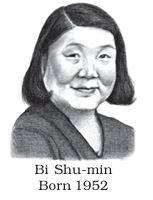
One Centimetre is a story written by Bi Shu-min, a renowned Chinese writer born in 1952. The story is part of the English syllabus for classes 9 and 10 under the NCERT curriculum, included in the Kaleidoscope textbook. Bi Shu-min is not only a writer but also a doctor with a Master’s degree in literature. Her works have been widely translated and acclaimed.
This story explores the life of Tao Ying, a factory canteen cook, and her son Xiao Ye, focusing on their experiences with social rules, ethics, and the challenges of everyday life.
Key Elements
- Author: Bi Shu-min
- Setting: Urban China, daily life of working-class people
- Main Characters: Tao Ying (mother), Xiao Ye (son)
- Theme: Ethics, social norms, motherhood, dignity, and personal integrity
Summary
The story narrates Tao Ying’s attitude towards buying bus tickets and her efforts to set a good example for her son. It highlights her struggles with poverty, social expectations, and the desire to maintain dignity despite hardships. The narrative also covers an incident at a temple where Tao Ying faces conflict over her son’s height and the need to buy a ticket, symbolizing the clash between rigid rules and human emotions.
Practice Set
- Who is Bi Shu-min and what are her contributions to literature?
- Describe the main setting and characters of the story.
- What is the central theme of One Centimetre?
Answer Key
- Bi Shu-min is a Chinese writer and doctor born in 1952, known for her literary works translated into many languages.
- The story is set in urban China, focusing on Tao Ying, a cook, and her son Xiao Ye.
- The central theme is the conflict between social rules and personal ethics, motherhood, and dignity.
Quick Reference
- Author: Bi Shu-min
- Main Characters: Tao Ying, Xiao Ye
- Theme: Ethics, motherhood, social norms
Glossary
- Ethics: Moral principles that govern a person's behavior.
- Dignity: The state of being worthy of respect.
- Integrity: The quality of being honest and having strong moral principles.
Summary of the Story
Tao Ying often rides the bus without buying a ticket, deciding based on the conductor’s attitude whether to pay or not. She works as a cook and is very careful with money but wants to set a good example for her son, Xiao Ye. One day, she buys tickets for both herself and Xiao Ye, even though he is just one centimetre short of the height requirement for a ticket. This act shows her desire to protect her son’s pride and self-esteem.
Later, at a temple, Tao Ying faces a conflict when the guard insists that Xiao Ye must have a ticket because he is over the height limit, despite Tao Ying’s protests. The situation escalates, causing embarrassment and distress. Eventually, temple officials investigate and find that Xiao Ye was indeed under the height limit at the time of the incident. They offer compensation, which Tao Ying refuses, valuing dignity over money.
Key Elements
- Plot: The story revolves around Tao Ying’s experiences with bus fare evasion, her relationship with her son, and the temple incident.
- Conflict: Between social rules and personal ethics, and between Tao Ying and the temple guard.
- Resolution: Official recognition of the mistake and Tao Ying’s refusal of compensation.
Important Quotes
- “Two tickets, please.” – Tao Ying’s decision to buy tickets for herself and her son despite the cost.
- “The power of the Buddha is surely infinite!” – Opening line of Tao Ying’s letter, symbolizing hope and irony.
Practice Set
- Why does Tao Ying sometimes avoid buying a bus ticket?
- What causes Tao Ying to buy two tickets one day?
- Describe the conflict at the temple and its significance.
Answer Key
- Tao Ying avoids buying a ticket when the conductor seems careless, seeing it as a small punishment and saving.
- She buys two tickets to protect her son’s pride and because the conductor is strict.
- The temple conflict highlights the clash between rigid rules and human emotions, leading to embarrassment and eventual vindication.
Quick Reference
- Tao Ying’s selective ticket buying
- Temple height measurement conflict
- Mother-son relationship and dignity
Glossary
- Conductor: Person who collects fares on a bus.
- Vindication: Clearing someone of blame or suspicion.
Character Sketch of Tao Ying
Tao Ying is a hardworking, loving mother who works as a cook in a factory canteen. She is careful with money but willing to spend on her son’s needs. She struggles with poverty but strives to maintain dignity and set a good example for Xiao Ye. Her actions reflect a deep sense of responsibility and love.
Key Traits
- Responsible and caring mother
- Practical and astute in daily life
- Determined to uphold dignity and ethics
- Struggles with social and economic challenges
Examples from the Text
- Buying tickets for her son despite the cost to protect his pride.
- Writing a letter to the temple administrators to seek justice.
- Refusing compensation to maintain self-respect.
Practice Set
- Describe Tao Ying’s attitude towards money and responsibility.
- How does Tao Ying’s love for her son influence her actions?
Answer Key
- Tao Ying is careful with money but prioritizes her son’s dignity and well-being.
- Her love motivates her to act ethically and protect her son’s self-esteem.
Quick Reference
- Hardworking mother
- Ethical and loving
- Protective of son’s dignity
Glossary
- Astute: Having sharp judgment.
- Dignity: Worthiness of respect.
Themes in One Centimetre
The story explores several important themes relevant to students and society:
Key Themes
- Ethics and Morality: The conflict between following rules and personal judgment.
- Motherhood and Responsibility: The deep love and care a mother has for her child.
- Dignity and Self-Respect: Maintaining pride despite hardships.
- Social Inequality: The struggles of working-class people and arbitrary rules.
Examples
- Tao Ying’s selective ticket buying shows ethical ambiguity.
- The temple incident highlights social injustice and rigid bureaucracy.
Practice Set
- Explain how ethics are portrayed in the story.
- Discuss the importance of dignity for Tao Ying.
- How does social inequality affect the characters?
Answer Key
- Ethics are shown as complex, with Tao Ying balancing rules and personal values.
- Dignity is central to Tao Ying’s identity and actions.
- Social inequality creates challenges and unfair treatment.
Quick Reference
- Ethics vs. rules
- Motherhood and care
- Dignity under pressure
- Social challenges
Glossary
- Morality: Principles concerning right and wrong behavior.
- Bureaucracy: System of government or management with many rules.
Literary Devices in One Centimetre
The story uses various literary devices to enhance its meaning and emotional impact.
Simile
A simile is a comparison using the words "like" or "as". Examples from the story include:
- “Ballooning up like a tent behind her” – comparing Tao Ying’s jacket to a tent.
- “The white of the wall looks like a virgin canvas and Xiao Ye a painting filling up the space.”
Metaphor
A metaphor is a direct comparison without using "like" or "as". Example:
- “To melt the ice in her son’s eyes” – ice represents coldness or distance in his feelings.
Symbolism
The height measurement and tickets symbolize social rules and the struggle for dignity.
Narrative Technique
The story is told with a focus on Tao Ying’s thoughts and feelings, creating unity of thought and emotional depth.
Practice Set
- Identify two similes from the story and explain their meaning.
- Explain the metaphor “melt the ice in her son’s eyes.”
- Discuss how symbolism is used in the story.
Answer Key
- Similes compare Tao Ying’s jacket to a tent and the wall to a canvas, helping readers visualize the scene.
- The metaphor shows Tao Ying’s desire to warm her son’s feelings and bring him closer.
- Symbolism of height and tickets reflects social rules and personal dignity.
Quick Reference
- Simile: comparison using like/as
- Metaphor: direct comparison
- Symbolism: use of symbols
Glossary
- Simile: A figure of speech comparing two things using "like" or "as".
- Metaphor: A figure of speech comparing two things without using "like" or "as".
- Symbolism: The use of symbols to represent ideas or qualities.
Important Quotes from One Centimetre
Key quotes that highlight the story’s themes and character insights include:
- “Two tickets, please.” – Tao Ying’s act of buying tickets for herself and her son, showing her care and dignity.
- “The power of the Buddha is surely infinite!” – The opening line of Tao Ying’s letter, expressing hope and irony.
- “Mama, you are not quite tall enough, still one centimetre away.” – Reflects the central conflict about height and rules.
- “If you don’t want the money, here are two tickets. You and your son are welcome to visit the temple any time.” – The officials’ offer after investigation.
Practice Set
- Explain the significance of the quote “Two tickets, please.”
- What does the phrase “The power of the Buddha is surely infinite!” imply?
Answer Key
- The quote shows Tao Ying’s determination to protect her son’s pride and follow social norms despite financial constraints.
- It implies hope and the irony of the situation where spiritual power seems limited by human rules.
Quick Reference
- Quotes reflect themes of dignity, hope, and conflict.
Glossary
- Irony: A contrast between expectation and reality.
- Dignity: Worthiness of respect.
Writing a Letter to the Temple Administrators
Tao Ying writes a letter to the temple administrators to address the unfair treatment she and her son received. This episode highlights the importance of formal communication and standing up for one’s rights.
Format Structure
- Opening: State the purpose clearly and assertively.
- Body: Explain the incident with details and express feelings.
- Closing: Request action or resolution politely.
Model Answer
"The power of the Buddha is surely infinite! The foot of a five-year-old boy has scarcely touched the threshold of the temple and he has grown two centimetres; but alas, the power of the Buddha is finite after all—on his return home the boy shrinks back to his original size..."
This opening captures attention and expresses the irony of the situation.
Practice Set
- Write a letter to the temple administrators explaining the incident and requesting a fair resolution.
- Explain the importance of tone and clarity in formal letters.
Answer Key
- A good letter should be clear, polite, and assertive, stating facts and feelings without aggression.
- The tone should engage the reader and encourage a positive response.
Quick Reference
- Formal letter format: Opening, Body, Closing
- Use polite and clear language
Glossary
- Formal Letter: A letter written for official or serious purposes.
- Resolution: The act of solving a problem or dispute.
Language Work: Pronunciation and Figures of Speech
Figures of Speech
Simile: A comparison using "like" or "as" to create vivid imagery.
Examples from the story:
- “Ballooning up like a tent behind her”
- “The white of the wall looks like a virgin canvas”
Metaphor: A direct comparison without "like" or "as".
Example:
- “To melt the ice in her son’s eyes” – representing emotional distance.
Pronunciation
The word object can be both a noun and a verb with different stress patterns:
- Noun: OB-ject (stress on first syllable, pronounced like 'bob')
- Verb: ob-JECT (stress on second syllable, pronounced like 'hub')
Other words with similar patterns include conduct, protest, permit, progress, and desert.
Practice Set
- Identify similes and metaphors in the story and explain their meanings.
- Practice pronouncing the word "object" as a noun and as a verb.
- List other words that change stress when used as noun or verb.
Answer Key
- Similes and metaphors help visualize and understand emotions; examples include the jacket like a tent and ice representing coldness.
- Pronounce OB-ject for noun and ob-JECT for verb, noting stress changes.
- Words include conduct, protest, permit, progress, desert.
Quick Reference
- Simile: comparison using like/as
- Metaphor: direct comparison
- Pronunciation stress changes in noun/verb pairs
Glossary
- Simile: A figure of speech comparing two things using "like" or "as".
- Metaphor: A figure of speech comparing two things without using "like" or "as".
- Stress: Emphasis placed on a syllable in pronunciation.