Introduction to Kamala Das
Kamala Das (1934-2009) was a prominent Indian poet and writer known for her works in English and Malayalam. She is celebrated for her bold and honest portrayal of female experiences, emotions, and relationships. Writing under the pen name Madhavikutty in Malayalam, she made significant contributions to modern Indian literature. Kamala Das challenged societal norms and expectations placed on women through her poetry and prose.
She received several prestigious awards, including the Poetry Award for the Asian PEN Anthology, the Kerala Sahitya Akademi Award for the best collection of short stories in Malayalam, and the Chaman Lal Award for fearless journalism.
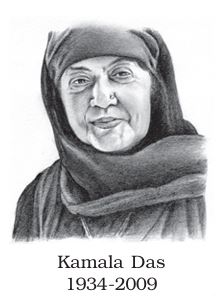
Key Elements
- Birth and Background: Born in 1934 in Punnayurkulum, Kerala.
- Languages: Wrote in English and Malayalam.
- Themes: Feminism, womanhood, societal norms.
- Literary Style: Bold, honest, and emotive.
Textual Evidence
Kamala Das is known for her candid expression of personal and social issues, often reflecting her own life experiences and emotions.
Practice Set
- Level 1: Who was Kamala Das and what languages did she write in?
- Level 2: Discuss the main themes present in Kamala Das's writings.
- Level 3: Analyze how Kamala Das challenged societal norms through her poetry.
Answer Key
- Kamala Das was an Indian poet and writer who wrote in English and Malayalam.
- Main themes include feminism, womanhood, and societal expectations.
- She challenged societal norms by openly discussing female emotions and experiences, breaking traditional taboos.
Quick Reference
Kamala Das - Indian poet, feminist themes, bilingual writer, bold literary style.
Glossary
- Feminism: Advocacy of women's rights and equality.
- Prose: Written or spoken language in its ordinary form.
- Pen name: A pseudonym used by an author.
Summary of the Poem The Oldest Blood in the World
The poem "The Oldest Blood in the World" by Kamala Das reflects on the poet's childhood memories, her great-grandmother's stories, and the decline of their ancestral house. The poem captures the contrast between tradition and modernity, the passage of time, and the poet's feelings of guilt and loss.
The poet recalls playing with her brother on the sands near their old house, which is described as crumbling and falling apart. The great-grandmother expresses sorrow over the house's decay, symbolizing the fading of old values and heritage. She shares stories of royal grandeur, her marriage to a prince, and the family's noble past.
The poem also contrasts the "oldest blood" of the poet's family, described as "thin and clear and fine," with the "thick and muddy" blood of the new-rich men, highlighting class distinctions. As the great-grandmother nears death, the poet reflects on the inevitability of change and her own failure to keep the promise of restoring the house.
In the end, the poet acknowledges the loss of heritage and tradition but also the persistence of memory and identity through the "oldest blood in the world."
Key Elements
- Themes: Tradition vs. modernity, decay and loss, family heritage, class distinctions, guilt and conscience.
- Imagery: Crumbling house, snake-shrine, rats, white ants, royal jewels.
- Symbolism: The house symbolizes family legacy; blood represents lineage and identity.
- Tone: Nostalgic, mournful, reflective.
Textual Evidence
"You see this house of ours / Now three hundred years old, / It’s falling to little bits / Before our very eyes" - depicts the decay of the ancestral home.
"She told us / That we had the oldest blood / My brother and she and I / The oldest blood in the world" - emphasizes the pride in heritage.
"Call me callous / Call me selfish / But do not blame my blood / So thin, so clear, so fine" - shows the poet's internal conflict and guilt.
Practice Set
- Level 1: What is the condition of the house described in the poem?
- Level 2: How does the poem contrast the "oldest blood" with the blood of the new-rich men?
- Level 3: Discuss the theme of guilt and conscience as portrayed in the poem.
Answer Key
- The house is old, crumbling, with cracked walls, fallen tiles, and dark, neglected shrines.
- The "oldest blood" is described as thin, clear, and fine, symbolizing purity and heritage, while the new-rich men's blood is thick and muddy, symbolizing materialism and loss of values.
- The poet feels guilty for not fulfilling the promise to restore the house, reflecting a conflict between personal ambition and respect for tradition.
Quick Reference
Poem explores decay of heritage, class contrast, and personal guilt.
Glossary
- Heritage: Property or traditions passed down through generations.
- Symbolism: Use of symbols to represent ideas or qualities.
- Conscience: Inner sense of right and wrong.
Literary Devices in the Poem
The poem "The Oldest Blood in the World" employs various literary devices to enhance its themes and emotional impact.
Key Devices
- Imagery: Vivid descriptions of the crumbling house, snake-shrine, and natural elements create a strong visual impression.
- Symbolism: The house symbolizes family legacy; blood symbolizes lineage and identity.
- Personification: The house is given human qualities, such as "windows close like the closing of the eyes" and "pillars groan," to express decay and loss.
- Contrast: The poem contrasts the "oldest blood" with the blood of the new-rich men to highlight social differences.
- Alliteration: Repetition of consonant sounds, e.g., "walls are cracked and torn," enhances the musical quality.
Examples from the Poem
"The windows whine and groan" - personification showing the house's suffering.
"A blood thin and clear and fine" - symbolism of purity and heritage.
"Flowed a blood thick as gruel / And muddy as a ditch" - contrast emphasizing social class differences.
Practice Set
- Level 1: Identify two examples of personification in the poem.
- Level 2: Explain the symbolism of the house in the poem.
- Level 3: Analyze how contrast is used to highlight social differences.
Answer Key
- "The windows whine and groan" and "pillars groan" are examples of personification.
- The house symbolizes the family's heritage and the passage of time, reflecting decay and loss.
- The contrast between the "oldest blood" and the new-rich men's blood highlights the difference between traditional values and modern materialism.
Quick Reference
Imagery, symbolism, personification, contrast, and alliteration are key devices.
Glossary
- Personification: Giving human traits to non-human things.
- Alliteration: Repetition of consonant sounds at the beginning of words.
- Contrast: Showing differences to highlight a point.
Analysis of the Poem
This poem is a reflection on the passage of time, the decay of family heritage, and the conflict between tradition and modernity. The poet uses the crumbling house as a metaphor for the fading values and history of her family. The "oldest blood" represents a pure lineage that is contrasted with the "thick and muddy" blood of the new-rich, symbolizing a loss of cultural and moral values.
The poet's feelings of guilt and remorse for not fulfilling her promise to restore the house reveal a deeper conflict between personal ambitions and respect for ancestral legacy. The poem also highlights the inevitability of change and the pain of witnessing the decline of something once cherished.
Practice Set
- Level 1: What does the "oldest blood" symbolize in the poem?
- Level 2: How does the poet express her feelings of guilt?
- Level 3: Discuss the conflict between tradition and modernity as presented in the poem.
Answer Key
- The "oldest blood" symbolizes the poet's pure and noble lineage.
- The poet expresses guilt through lines like "I have let you down / Old house, I seek forgiveness."
- The poem contrasts the old values represented by the ancestral house and bloodline with the new materialistic values, showing the tension between preserving tradition and embracing change.
Quick Reference
Poem explores heritage, guilt, and the clash of old and new values.
Glossary
- Metaphor: A figure of speech that describes an object or action as something else.
- Remorse: Deep regret or guilt for a wrong committed.
Exercise Questions
- What makes the depiction of a crumbling village house so authentic in the poem? Is this a common feature of most village houses in the context of rapid urbanisation? Is the poet speaking from actual experience?
- What aspects of Indian society and history get highlighted in the poem?
- Does the poem bring out the contrast between tradition and modernity? Illustrate your answer with examples from the poem.
- While the poet respected her grandmother’s sentiments of royal grandeur, we can also see that she revolts against it. Identify the lines which bring this out.
- Which lines reveal the poet’s criticism of class distinctions?
- Is it ‘selfishness’ and ‘callousness’ that makes the poet break her childhood promise to her grandmother of renovating the house? Why does she do nothing about rebuilding the house?
- What do you understand of the conflict in the poet’s conscience?
Language Study
The poem reflects changes in English poetic expression from the time of John Donne to Kamala Das. It shows a shift in prosodic features, vocabulary, language, and themes.
Prosodic Features
The poem uses free verse without a strict rhyme scheme or metre, reflecting modern poetic styles as opposed to the structured forms of earlier poets like Donne.
Vocabulary and Language
The language is simple, direct, and emotive, focusing on personal and social themes rather than ornate or classical diction.
Themes
Themes have shifted from metaphysical and religious concerns in Donne's time to personal identity, feminism, and social critique in Kamala Das's poetry.
Practice Set
- Level 1: What are the main differences in poetic style between John Donne and Kamala Das?
- Level 2: How does Kamala Das's use of language reflect modern themes?
- Level 3: Discuss the evolution of English poetry from Donne to Kamala Das with examples.
Answer Key
- Donne's poetry is structured with rhyme and metre; Kamala Das uses free verse.
- Kamala Das uses simple, emotive language to address personal and social issues.
- English poetry evolved from metaphysical themes to personal and feminist themes, reflecting changes in society and literary expression.
Quick Reference
Modern poetry favors free verse, simple language, and personal themes.
Glossary
- Free verse: Poetry without regular rhyme or metre.
- Metaphysical poetry: Poetry that explores complex philosophical ideas.
- Prosody: The patterns of rhythm and sound in poetry.