CLASS 12-PCB . ENGLISH . KALEIDOSCOPE . A WEDDING-IN-BROWNSVILLE
Chapter 3 : A Wedding In Brownsville
Ch 3
ENGLISH
CLASS 12-PCB
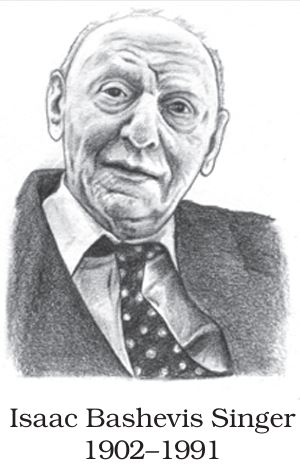
About Isaac Bashevis Singer
Isaac Bashevis Singer (1902–1991) was a renowned writer born in Poland. He wrote primarily in Yiddish and is celebrated for his stories that explore Jewish life and culture. Singer was awarded the Nobel Prize in Literature in 1978 for his outstanding contribution to literature. He emigrated to the United States in 1935 and worked as a journalist and columnist for The Jewish Daily Forward, a New York paper. His works include titles such as A Friend of Kafka and The Seance and Other Stories.
Key Elements
- Birth and Background: Born in Poland to a family of rabbis, educated at Warsaw Rabbinical Seminary.
- Writing Language: Primarily wrote in Yiddish.
- Career: Journalist and columnist in the US, with most fiction published in The Jewish Daily Forward.
- Recognition: Nobel Prize in Literature, 1978.
Textual Evidence
"Isaac Bashevis Singer was a famous writer. He wrote mainly in Yiddish and is known for his stories that explore Jewish life and culture."
Practice Set
- Who was Isaac Bashevis Singer and what language did he primarily write in?
- What major award did Singer receive and in which year?
- Where did Singer emigrate in 1935 and what was his profession there?
Answer Key
- Isaac Bashevis Singer was a Polish-born writer who wrote mainly in Yiddish.
- He received the Nobel Prize in Literature in 1978.
- He emigrated to the United States and worked as a journalist and columnist.
Quick Reference
- Born: 1902, Poland
- Language: Yiddish
- Profession: Writer, Journalist
- Award: Nobel Prize, 1978
Glossary
- Yiddish: A language historically spoken by Ashkenazi Jews.
- Nobel Prize: Prestigious international award for achievements in literature, peace, science, etc.
Summary of The Wedding
"The Wedding" by Isaac Bashevis Singer tells the story of Dr Solomon Margolin, a Jewish doctor living in New York, who feels burdened by the upcoming wedding of Sylvia, the daughter of Abraham Mekheles, a fellow Senciminer. Dr Margolin is torn between his duties to the Jewish community and his personal life with his wife Gretl. The story explores themes of loss, memory, identity, and the impact of the Holocaust on survivors.
Key Elements
- Characters: Dr Solomon Margolin, Gretl (his wife), Raizel (his lost love), Abraham Mekheles, Sylvia (bride).
- Themes: Alienation, survivor’s guilt, cultural identity, the trauma of war, and the passage of time.
- Setting: New York City, particularly the Jewish community and the wedding hall in Brownsville.
- Literary Devices: Symbolism (wedding as a burden and reunion), imagery (descriptions of the wedding and city), surrealism (the encounter with Raizel), and flashbacks.
Textual Evidence
"The wedding had been a burden to Dr Solomon Margolin from the very beginning... His responsibilities to the community made him give away the evenings that belonged to her."
Solved Example
Question: Why does Dr Margolin feel burdened by the wedding?
Answer: Dr Margolin feels burdened because the wedding conflicts with his personal time with his wife Gretl. His many responsibilities to the Jewish community, including committees and editorial work, take up his time, making the wedding another obligation rather than a joyful event.
Practice Set
- Describe Dr Margolin’s relationship with his wife Gretl.
- What is the significance of the Senciminers in the story?
- How does the story reflect the impact of the Holocaust on the characters?
Answer Key
- Dr Margolin and Gretl have a strained relationship due to his community commitments and her own struggles with loss and identity.
- The Senciminers represent the Jewish community from Sencimin, many of whom are Holocaust survivors, symbolizing shared history and trauma.
- The story shows the deep scars left by the Holocaust, with characters haunted by loss and memories of destroyed families and communities.
Quick Reference
- Dr Margolin: Jewish doctor, conflicted and burdened.
- Gretl: Wife, former nurse, connected to Jewish culture.
- Senciminers: Survivors and community members from Sencimin.
Glossary
- Survivor’s guilt: Feelings of guilt experienced by those who survive a tragedy when others do not.
- Alienation: Feeling isolated or estranged from a group or society.
Character Sketch of Dr Solomon Margolin
Dr Solomon Margolin is a complex character who embodies the struggles of a Jewish survivor living in post-Holocaust America. He is a doctor by profession, respected in his community, but internally conflicted and burdened by his past and present.
Key Traits
- Intelligent and Educated: Self-taught, studied Talmud and philosophy, once considered a prodigy.
- Conflicted Beliefs: Identifies as agnostic or atheist but remains connected to Jewish traditions.
- Community-Oriented: Actively involved in Jewish organizations and helps those in need without charge.
- Haunted by the Past: Suffers from hypochondria, fear of death, and survivor’s guilt.
- Personal Life: Strained marriage with Gretl, lost love Raizel, feelings of failure despite outward success.
Textual Evidence
"He had always had a way with women... But secretly Solomon Margolin had always felt that he was a failure."
Practice Set
- What internal conflicts does Dr Margolin face?
- How does his past influence his present behavior?
- Describe his relationship with the Jewish community.
Answer Key
- He struggles with faith, survivor’s guilt, and fear of death.
- His traumatic past and lost love affect his emotional state and outlook on life.
- He is respected and active but feels alienated and burdened by community expectations.
Quick Reference
- Conflicted faith
- Survivor’s guilt
- Community involvement
- Emotional burden
Glossary
- Hypochondria: Excessive worry about one’s health.
- Agnostic: A person who believes that the existence of God is unknown or unknowable.
Themes in The Wedding
The story explores several important themes that reflect the human condition, especially in the context of Jewish survivors of the Holocaust living in America.
Main Themes
- Survivor’s Guilt and Trauma: The characters carry the heavy burden of loss and memories of the Holocaust.
- Alienation and Identity: Dr Margolin’s struggle with his faith and cultural identity highlights feelings of alienation.
- Memory and the Past: The past haunts the present, as seen in the wedding gathering and Margolin’s encounter with Raizel.
- Illusion versus Reality: The surreal experience at the wedding questions the boundary between life and death.
- Community and Tradition: The story shows the importance and challenges of maintaining Jewish traditions in a changed world.
Textual Evidence
"They took a whole people and wiped them out with German efficiency... All of us are really dead, if you want to call it that."
Practice Set
- Explain how survivor’s guilt is portrayed in the story.
- Discuss the theme of alienation in Dr Margolin’s character.
- How does the story use the wedding as a symbol?
Answer Key
- Survivor’s guilt is shown through the characters’ memories and regrets about lost family and friends.
- Dr Margolin feels disconnected from both his community and his own beliefs.
- The wedding symbolizes both reunion and the burden of the past.
Quick Reference
- Survivor’s guilt
- Alienation
- Memory
- Illusion
- Community
Glossary
- Surrealism: A literary technique that explores the unconscious mind and dream-like states.
- Symbolism: Use of symbols to represent ideas or qualities.
Literary Devices Used in The Wedding
The story employs various literary devices to deepen its meaning and emotional impact.
Key Devices
- Symbolism: The wedding represents both a social obligation and a reunion of survivors.
- Imagery: Vivid descriptions of the wedding hall, the city, and the characters’ emotions create a strong atmosphere.
- Surrealism: The encounter with Raizel and the blurred line between life and death introduce surreal elements.
- Flashbacks: Memories of the past and lost loved ones are interwoven with present events.
- Irony: Dr Margolin’s outward success contrasts with his inner feelings of failure and despair.
Textual Evidence
"The hall resounded with stamping, screaming, laughing, clapping... Gradually he threw off all his worries, all his depression."
Practice Set
- Identify examples of symbolism in the story.
- How does imagery enhance the mood of the story?
- Explain the use of surrealism in the narrative.
Answer Key
- The wedding itself is a symbol of reunion and burden.
- Imagery of the wedding hall and city creates a vivid, sometimes chaotic atmosphere.
- The surreal encounter with Raizel blurs reality and illusion, reflecting Margolin’s mental state.
Quick Reference
- Symbolism
- Imagery
- Surrealism
- Flashbacks
- Irony
Glossary
- Imagery: Descriptive language that appeals to the senses.
- Irony: A contrast between expectation and reality.
Important Quotes from The Wedding
Key quotes from the story highlight its themes and character emotions.
- "The wedding had been a burden to Dr Solomon Margolin from the very beginning."
- "Even she, born a Christian, could see that American Judaism was a mess."
- "All of us are really dead, if you want to call it that. We were exterminated, wiped out."
- "According to Jewish law, I’m a single man."
- "What’s the sense of having children if people are such murderers?"
Explanation of Key Lines
These quotes reveal Dr Margolin’s conflicted feelings about his community, the impact of the Holocaust, and his personal identity struggles. For example, the line about being "a single man" according to Jewish law reflects his complex marital status and cultural ties.
Practice Set
- Explain the significance of the quote: "The wedding had been a burden to Dr Solomon Margolin from the very beginning."
- What does the quote "All of us are really dead" suggest about the survivors?
Answer Key
- This quote shows Margolin’s feeling of obligation and emotional burden towards the wedding and community.
- It reflects the deep trauma and loss experienced by Holocaust survivors, feeling as if they are living shadows of their former selves.
Quick Reference
- Burden
- Trauma
- Identity
Glossary
- Extermination: The complete destruction of a group of people.
- Marital status: The legal standing of a person in relation to marriage.