CLASS 12-PCB . ENGLISH . KALEIDOSCOPE . A LECTURE-UPON-THE-SHADOW
Chapter 6 : A Lecture Upon The Shadow
Ch 6
ENGLISH
CLASS 12-PCB
Introduction to John Donne
John Donne (1572-1631) was a prominent English poet and preacher of the Renaissance period. Known as a metaphysical poet, Donne's works explore profound themes such as love, death, and spirituality. He was initially raised as a Roman Catholic but later converted to Anglicanism and served as the Dean of St. Paul’s Cathedral. His poetry is characterized by vibrant language, startling imagery, and intellectual wit, aiming to provoke readers into new ways of thinking.
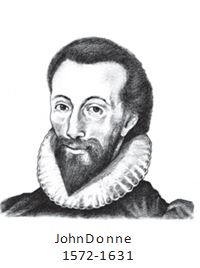
Donne’s poetry remains influential for its deep exploration of human existence and emotions, making it relevant even today.
Overview of "A Lecture Upon The Shadow"
"A Lecture Upon The Shadow" is a metaphysical poem by John Donne that uses the metaphor of shadows to discuss the nature of love. The poem reflects on how love changes over time, comparing the shadows cast by lovers before and after noon to the phases of love’s growth and decline.
The poem begins with the speaker inviting his beloved to stand still and listen as he explains the shadows they have cast during their walk. Initially, the shadows are playful and disguising, representing the early, innocent stages of love. As the sun reaches its zenith, the shadows disappear, symbolizing clarity and truth in a mature relationship.
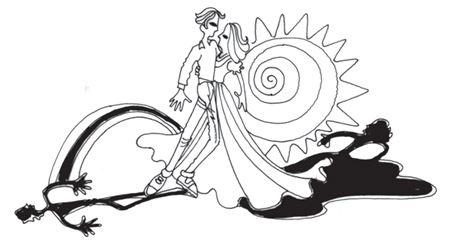
However, the poem also warns that if love fades, new shadows will form, blinding the lovers to each other’s true selves. The poem ends with the idea that love is like a growing light, but if it declines, darkness follows.
Themes in "A Lecture Upon The Shadow"
- Love and Its Phases: The poem explores the development of love from its early, shadowy disguises to a clear, bright maturity.
- Truth and Illusion: Shadows symbolize illusions or disguises in love, which fade as love becomes more honest and open.
- Time and Change: The movement of the sun and changing shadows represent the passage of time and the evolving nature of relationships.
- Light and Darkness: Light symbolizes truth and constancy in love, while shadows represent doubt and deception.
Literary Devices Used in the Poem
- Metaphor: Shadows are used metaphorically to represent the phases and illusions in love.
- Imagery: Vivid images of the sun, shadows, and light create a visual representation of love’s progression.
- Personification: Love is personified as a growing light that can either flourish or fade.
- Alliteration: Repetition of consonant sounds, such as in "brave clearness," enhances the poem’s musical quality.
- Symbolism: The sun symbolizes truth and clarity, while shadows symbolize disguise and falsehood.
Important Quotes and Explanations
"Stand still and I will read to thee / A Lecture, Love, in loves philosophy," – The speaker invites his beloved to pause and learn about the nature of love through the metaphor of shadows.
"These three houres that we have spent, / Walking here, Two shadowes went / Along with us, which we our selves produc’d;" – The shadows represent the illusions or disguises that accompany early love.
"But, now the Sunne is just above our head, / We doe those shadowes tread; / And to brave clearnesse all things are reduc’d." – At noon, the sun is overhead, and shadows disappear, symbolizing the clarity and truth in mature love.
"Love is a growing, or full constant light; / And his first minute, after noone, is night." – Love is compared to light that grows stronger but can also fade into darkness if it declines.
Explanation of Key Lines
The poem’s central metaphor compares the shadows cast by lovers to the phases of love. Early love is like morning shadows—long, playful, and disguising true feelings. As love matures, it becomes like the noon sun—bright, clear, and honest. If love fades, new shadows form, representing deception and blindness to each other’s faults.
This metaphor encourages readers to reflect on the importance of honesty and growth in relationships.
Exercise: Understanding the Poem
How do the shadows before noon differ from the shadows after noon? What do the two kinds of shadow represent?
Love is described as light. What makes the poet talk about shadows?
Comment on the use of the image of the shadows for the idea that the poet wants to convey.
The poet seems to be addressing his beloved in the poem. What is the message he wishes to convey to her?
Instead of ‘A Lecture Upon Love’ the poet calls the poem ‘A Lecture Upon the Shadow’. What is the effect that this has on our reading of the poem?
Language Work
The poem uses archaic spellings such as "houres," "shadowes," "Sunne," "noone," "clearnesse," and "behinde," which were common in Donne’s time but have since been simplified in modern English. The apostrophe is not used to indicate possession as in "loves philosophy."
Examples from other poems of the period include:
- "How neatly doe we give one onely name"
- "To parents issue and the sunnes bright starre!"
Adjectives like "infant" in "infant loves" and "brave" in "brave clearness" add descriptive depth, indicating the early stage of love and the bold clarity of truth respectively.
Practice Set
Level 1 – Easy
- What do the shadows in the poem symbolize?
- Who is the poet of "A Lecture Upon The Shadow"?
Level 2 – Moderate
- Explain the metaphor of shadows in relation to love in the poem.
- What does the sun symbolize in the poem?
Level 3 – Challenging
- Analyze how John Donne uses imagery and metaphor to convey the changing nature of love.
- Discuss the significance of the poem’s title and how it shapes the reader’s understanding.
Answer Key
Level 1 – Easy
- Shadows symbolize the illusions or disguises in the early stages of love.
- John Donne is the poet of "A Lecture Upon The Shadow."
Level 2 – Moderate
- The metaphor of shadows represents the phases of love, from playful disguises to clear truth as love matures.
- The sun symbolizes truth, clarity, and the maturity of love.
Level 3 – Challenging
- John Donne uses vivid imagery of shadows and sunlight to illustrate how love evolves from uncertainty and illusion to honesty and openness.
- The title emphasizes the focus on the illusions (shadows) in love, prompting readers to think critically about the nature of relationships beyond just love itself.
Quick Reference
- John Donne: Metaphysical poet known for intellectual and witty poetry.
- Shadows: Metaphor for illusions in love.
- Sun: Symbol of truth and clarity.
- Love: Compared to light that grows or fades.
Glossary
- Metaphysical Poetry: A style of poetry that uses complex imagery and ideas to explore philosophical themes.
- Metaphor: A figure of speech that describes one thing as if it were another.
- Imagery: Descriptive language that creates pictures in the reader’s mind.
- Personification: Giving human qualities to non-human things.
- Alliteration: Repetition of consonant sounds at the beginning of words.
- Symbolism: Using symbols to represent ideas or qualities.