CLASS 11-PCB . BIOLOGY . BIOLOGY . THE LIVING-WORLD
Chapter 1 : The Living World
Ch 1
BIOLOGY
CLASS 11-PCB
Diversity in the Living World
Understanding Biodiversity
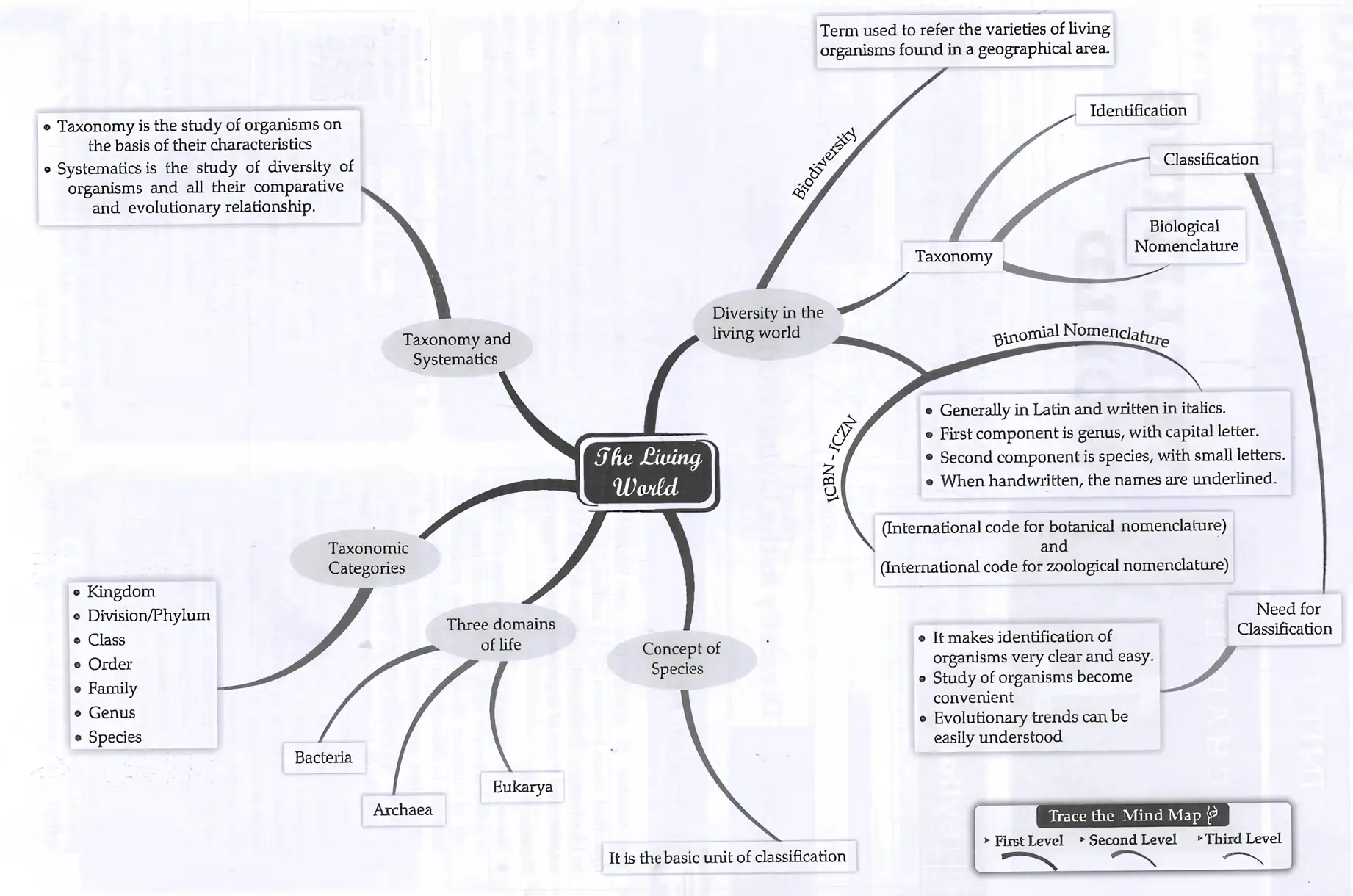
Diversity in the living world refers to the variety of living organisms found in different geographic areas. It encompasses the number of species, their genetic variations, and the ecosystems they form. Biodiversity is essential for ecosystem stability and provides resources for human survival.
Taxonomy and Nomenclature
Taxonomy is the science of identifying, naming, and classifying organisms based on their characteristics. Nomenclature is the system of assigning standard scientific names to organisms, ensuring universal recognition. The binomial nomenclature system, introduced by Carolus Linnaeus, assigns each species a two-part Latin name: the genus (capitalized) and the species (lowercase), both italicized or underlined.
Need for Classification
Classification helps organize the vast diversity of organisms, making it easier to study, identify, and understand their evolutionary relationships. It aids in communication among scientists and supports the study of fossils and evolutionary pathways.
Taxonomic Categories
Organisms are grouped into hierarchical categories called taxa. The main taxonomic ranks are kingdom, phylum (or division in plants), class, order, family, genus, and species. Species is the basic unit of classification, representing a group of similar organisms capable of interbreeding.
Three Domains of Life
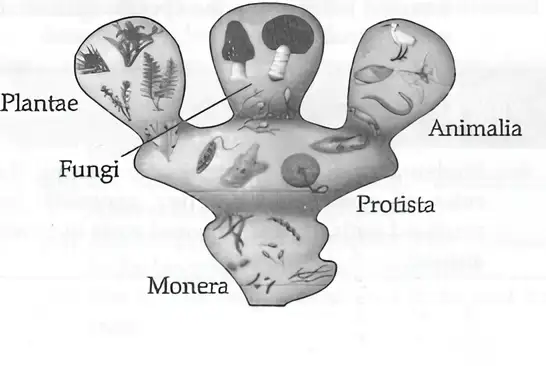
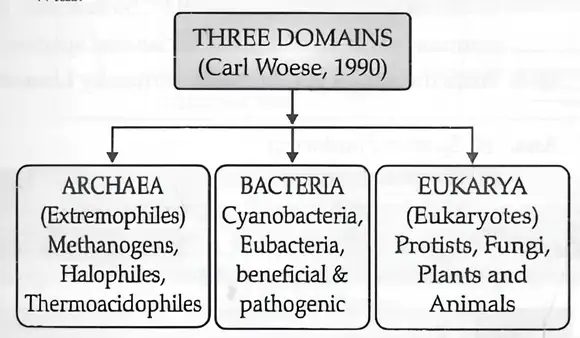
The three-domain system classifies all cellular life into Bacteria, Archaea, and Eukarya. Bacteria are diverse and abundant microorganisms; Archaea are extremophiles with unique cell wall structures; Eukarya include all organisms with complex cells such as plants, animals, fungi, and protists.
Characteristics of Bacteria and Eukaryotes
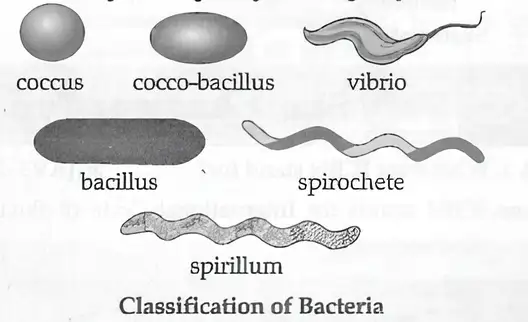
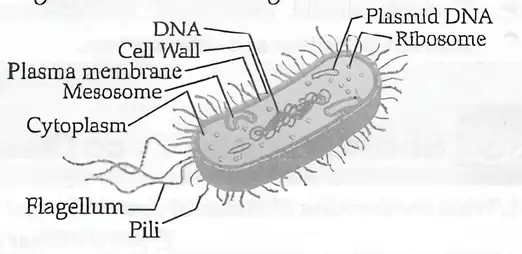
Bacteria are unicellular organisms with simple cell structures but diverse metabolic capabilities. They come in various shapes like coccus, bacillus, vibrio, spirillum, and spirochete. Eukaryotes have true nuclei and membrane-bound organelles and can be unicellular or multicellular, including animals, plants, fungi, and protists.
Solved Examples
Example 1: Explain the importance of binomial nomenclature in biological classification.
Solution: Binomial nomenclature provides a universal and standardized naming system for organisms, avoiding confusion caused by local or common names. Each species is given a unique two-part Latin name (genus and species), which is recognized worldwide. This system helps scientists communicate clearly and study organisms systematically.
Example 2: Describe the main differences between the three domains of life.
Solution: The three domains are Bacteria, Archaea, and Eukarya. Bacteria have simple cell walls and are found in diverse environments. Archaea have unique cell wall structures and often live in extreme environments like hot springs and salty lakes. Eukarya have complex cells with a true nucleus and membrane-bound organelles, including plants, animals, fungi, and protists.
Practice Set
- Level 1 (Easy): What is the basic unit of classification in taxonomy?
- Level 2 (Moderate): Explain why scientific names are preferred over common names in biology.
- Level 3 (Challenging): Compare and contrast the characteristics of Archaea and Bacteria domains.
Answer Key
- Level 1: The basic unit of classification is the species.
- Level 2: Scientific names are preferred because they are universal, standardized, and avoid confusion caused by different local or common names. They follow binomial nomenclature, providing a unique name for each species.
- Level 3: Archaea differ from Bacteria in cell wall composition and often inhabit extreme environments. Bacteria have peptidoglycan in their cell walls, while Archaea do not. Both are prokaryotes but have distinct genetic and biochemical characteristics.
Quick Reference Table
Taxonomic Categories: Kingdom > Phylum/Division > Class > Order > Family > Genus > Species
Binomial Nomenclature Rules: Genus name capitalized, species name lowercase, both italicized or underlined.
Three Domains of Life: Bacteria, Archaea, Eukarya
Shapes of Bacteria: Coccus (spherical), Bacillus (rod-shaped), Vibrio (comma-shaped), Spirillum (spiral), Spirochete (corkscrew-shaped)
Common Mistakes and Misconceptions
- Confusing common names with scientific names; common names vary by region and language.
- Assuming all bacteria are harmful; many bacteria are beneficial and essential for ecosystems.
- Believing that species is a vague term; species is the fundamental unit of classification with specific criteria.
- Mixing up the order of taxonomic categories; the hierarchy must be followed correctly.
- Thinking that Archaea are a type of bacteria; they are a distinct domain with unique features.
Glossary
- Biodiversity: The variety and variability of life forms on Earth.
- Taxonomy: The science of classifying organisms.
- Nomenclature: The system of naming organisms scientifically.
- Binomial Nomenclature: A two-part naming system for species (genus and species).
- Species: The basic unit of classification, a group of similar organisms capable of interbreeding.
- Genus: A group of related species.
- Domain: The highest taxonomic rank, grouping organisms based on cell type and genetics.
- Prokaryotes: Organisms without a true nucleus (Bacteria and Archaea).
- Eukaryotes: Organisms with a true nucleus and membrane-bound organelles.
- Taxon: A taxonomic group of any rank.